



Office Blue Light Protection, Outdoor UV Defense The Functional Logic Behind Modular Combination Glasses
We spend hours staring at digital screens in offices, homes, and cafés. Then we step outside into intense sunlight, exposed to ultraviolet radiation that our ancestors rarely encountered for such sustained periods. We switch environments constantly, yet we expect one pair of glasses to handle everything.
That expectation is fundamentally flawed.
This is where combination glasses, also known as modular or interchangeable-lens eyewear, enter the conversation—not as a gimmick, but as a logical response to how visual environments actually work.
This article breaks down the functional logic behind combining blue light protection and UV defense, explains why traditional single-purpose glasses fall short, and explores why modular eyewear represents a more realistic future for eye protection.
1. The Modern Eye Problem: One Eye, Multiple Light Environments
Our Eyes Were Never Designed for This
Human vision evolved under:
- Natural daylight
- Gradual transitions between light conditions
- Minimal artificial light exposure
Today, the visual environment is radically different:
- Prolonged exposure to LED screens
- High-energy visible (HEV) blue light indoors
- Intense UV radiation outdoors
- Rapid transitions between environments
The eye now faces competing types of optical stress—often within the same day.
One Pair of Glasses, Too Many Jobs
Consumers are often sold the idea that a single pair of glasses can:
- Protect against blue light
- Block UV rays
- Maintain color accuracy
- Look stylish
- Work in every lighting condition
From an optical perspective, this is an unrealistic expectation.
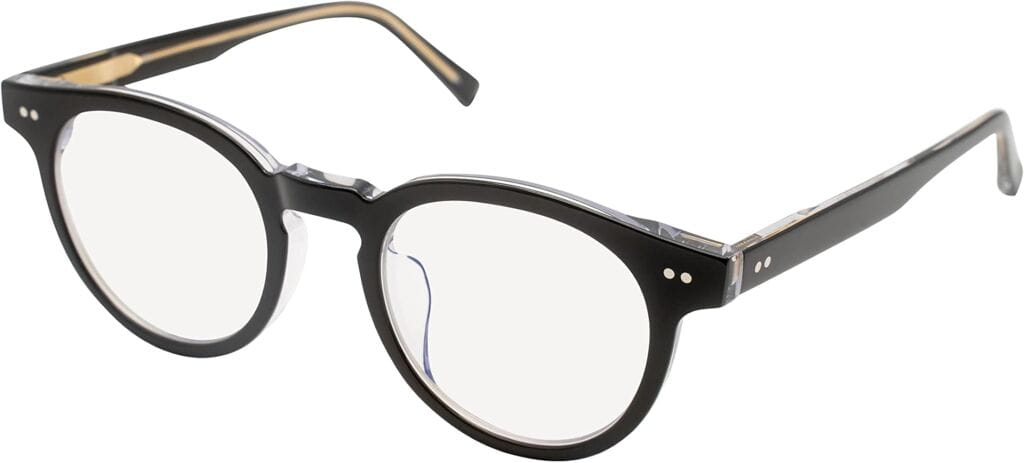
2. Understanding Blue Light: The Office Threat You Don’t See
What Is Blue Light?
Blue light occupies the short-wavelength, high-energy end of the visible light spectrum, roughly between 400 and 500 nanometers.
It is emitted by:
- Computer monitors
- Smartphones
- Tablets
- LED lighting
While blue light is not inherently harmful, prolonged exposure at close range introduces problems.
Why Blue Light Matters Indoors
Extended screen exposure is associated with:
- Digital eye strain
- Dry eyes
- Visual fatigue
- Disrupted circadian rhythms
Blue light scatters more easily in the eye, forcing the visual system to work harder to maintain focus.
Blue Light Filters: A Trade-Off
Blue light filtering lenses typically:
- Reduce transmission of specific wavelengths
- Alter color perception slightly
- Increase visual comfort for near work
However, these lenses are optimized for indoor use, not sunlight.
3. Ultraviolet Radiation: The Outdoor Risk That Accumulates
UV Light Is Invisible but Persistent
Ultraviolet radiation exists beyond the visible spectrum:
- UV-A (long-wave)
- UV-B (medium-wave)
Outdoor exposure is cumulative and linked to:
- Cataract formation
- Macular degeneration
- Photokeratitis
- Long-term retinal damage
Unlike blue light discomfort, UV damage is often asymptomatic until it’s serious.
UV Protection Requires Different Optical Solutions
Effective UV protection relies on:
- Complete wavelength blocking
- Consistent coverage across the lens
- Stability under high-intensity light
These requirements often conflict with blue-light-optimized lens designs.
4. Why Traditional “All-in-One” Glasses Fall Short
The Compromise Problem
When lenses attempt to do everything, they often excel at nothing.
All-in-one lenses must compromise between:
- Indoor clarity
- Outdoor glare reduction
- Color accuracy
- Comfort
This leads to:
- Over-filtering indoors
- Under-protection outdoors
- Reduced visual satisfaction in both environments
Marketing Simplicity vs Optical Reality
Many eyewear products simplify messaging:
“One lens solves all your problems.”
The human eye, however, responds to specific wavelengths in specific contexts. One static solution cannot adapt to dynamic environments.
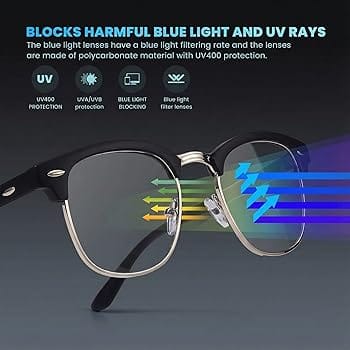
5. The Functional Logic of Combination Glasses
What Are Combination Glasses?
Combination glasses are eyewear systems that feature:
- A primary frame
- Interchangeable or attachable lenses
- Scene-specific optical functions
Rather than forcing one lens to perform all tasks, the system adapts to the user’s environment.
Function Over Form—Then Form Follows
The core logic is simple:
- Office work requires blue light mitigation
- Outdoor exposure requires UV defense
Instead of compromise, combination glasses offer task-optimized solutions.
6. Office Mode: Optimizing Vision for Screen Work
What Office Lenses Prioritize
Office-focused lenses are designed to:
- Reduce blue light transmission
- Minimize glare from screens
- Maintain visual comfort during near work
They emphasize:
- Neutral contrast
- Reduced eye fatigue
- Long-duration comfort
These lenses are not designed for sunlight intensity—and they shouldn’t be.
Why Switching Matters
Wearing blue-light lenses outdoors may:
- Increase glare sensitivity
- Distort color perception
- Provide insufficient UV protection
Combination systems allow users to switch modes rather than tolerate compromises.
7. Outdoor Mode: Dedicated UV and Glare Protection
What Outdoor Lenses Do Differently
Outdoor lenses prioritize:
- 100% UV blocking
- Glare reduction
- Light intensity management
Some may include:
- Polarization
- Tinting
- Enhanced contrast filters
These features improve comfort and protection in bright conditions—but are unnecessary indoors.
The Risk of Wearing Outdoor Lenses Indoors
Using heavily tinted or polarized lenses indoors can:
- Reduce visual acuity
- Alter color perception
- Increase eye strain during screen use
Again, one environment demands the opposite of the other.
8. The Layering Logic: Why Modularity Works
Function Stacking vs Function Blending
Traditional glasses blend functions into one lens.
Combination glasses stack functions:
- One lens, one purpose
- One environment, one solution
This mirrors how professionals approach tools:
- You don’t use one tool for every job
- You select the right tool for the task
Psychological Benefits of Switching
Changing lenses creates:
- A mental boundary between work and leisure
- Awareness of eye health
- Intentional visual habits
This behavioral element improves long-term compliance.
9. Addressing the “Isn’t This Overkill?” Question
The Cost Myth
Some consumers view combination glasses as unnecessary or expensive.
In reality:
- Buying multiple single-purpose glasses often costs more
- Compromised lenses lead to replacement sooner
- Eye discomfort carries hidden productivity costs
The “Convenience” Misunderstanding
Modern modular systems are designed for:
- Quick attachment
- Lightweight materials
- Minimal friction
Convenience is not sacrificed—it’s redefined.
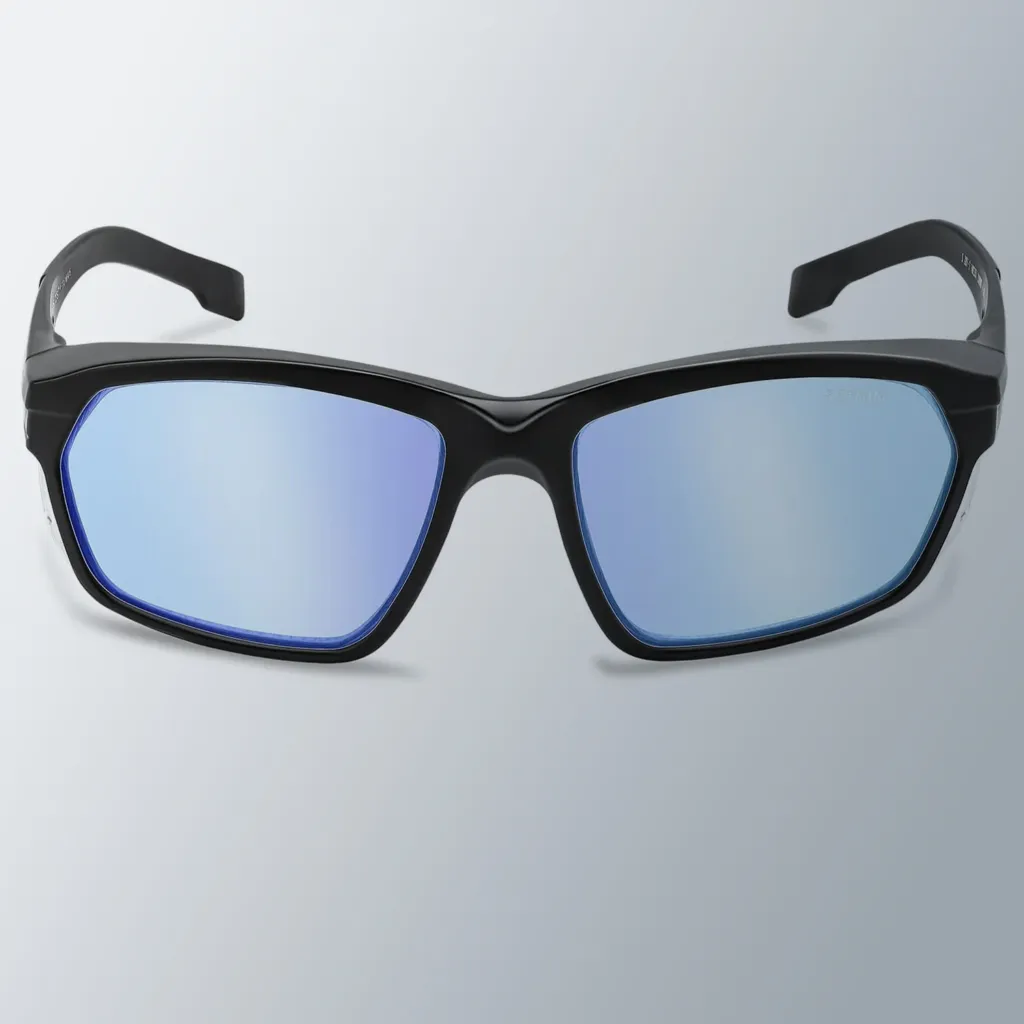
10. Who Benefits Most from Combination Glasses?
Ideal Users Include:
- Office professionals with daily screen exposure
- Remote workers switching environments frequently
- Urban commuters
- Drivers
- Outdoor enthusiasts who also work digitally
The more varied your visual environments, the more value combination systems offer.
11. Design Evolution: From Gimmick to System Thinking
Early Modular Designs Fell Short
Past attempts at combination glasses failed due to:
- Poor aesthetics
- Bulky attachments
- Weak optical performance
Modern systems benefit from:
- Advanced materials
- Precision manufacturing
- Better optical coatings
The concept matured as technology caught up.
12. The Future of Vision Protection Is Adaptive
Static Lenses in a Dynamic World
Our visual environment will only become more complex:
- More screens
- Stronger artificial lighting
- Increased outdoor UV exposure
Static eyewear solutions are increasingly mismatched to reality.
Toward Adaptive Vision Systems
Combination glasses represent an early step toward:
- Environment-aware eyewear
- User-controlled optical adaptation
- Smarter, more intentional eye protection
Conclusion: Combination Glasses Are a Logic Upgrade, Not a Trend
Office blue light protection and outdoor UV defense are not competing needs—they are distinct problems requiring distinct solutions.
Combination glasses don’t ask lenses to compromise.
They ask users to adapt intelligently.
In a world where our eyes move between radically different environments every day, the future of eyewear is not about doing everything at once—it’s about doing the right thing at the right time.
That’s not overengineering.
That’s common sense, finally applied to vision.
Share this post


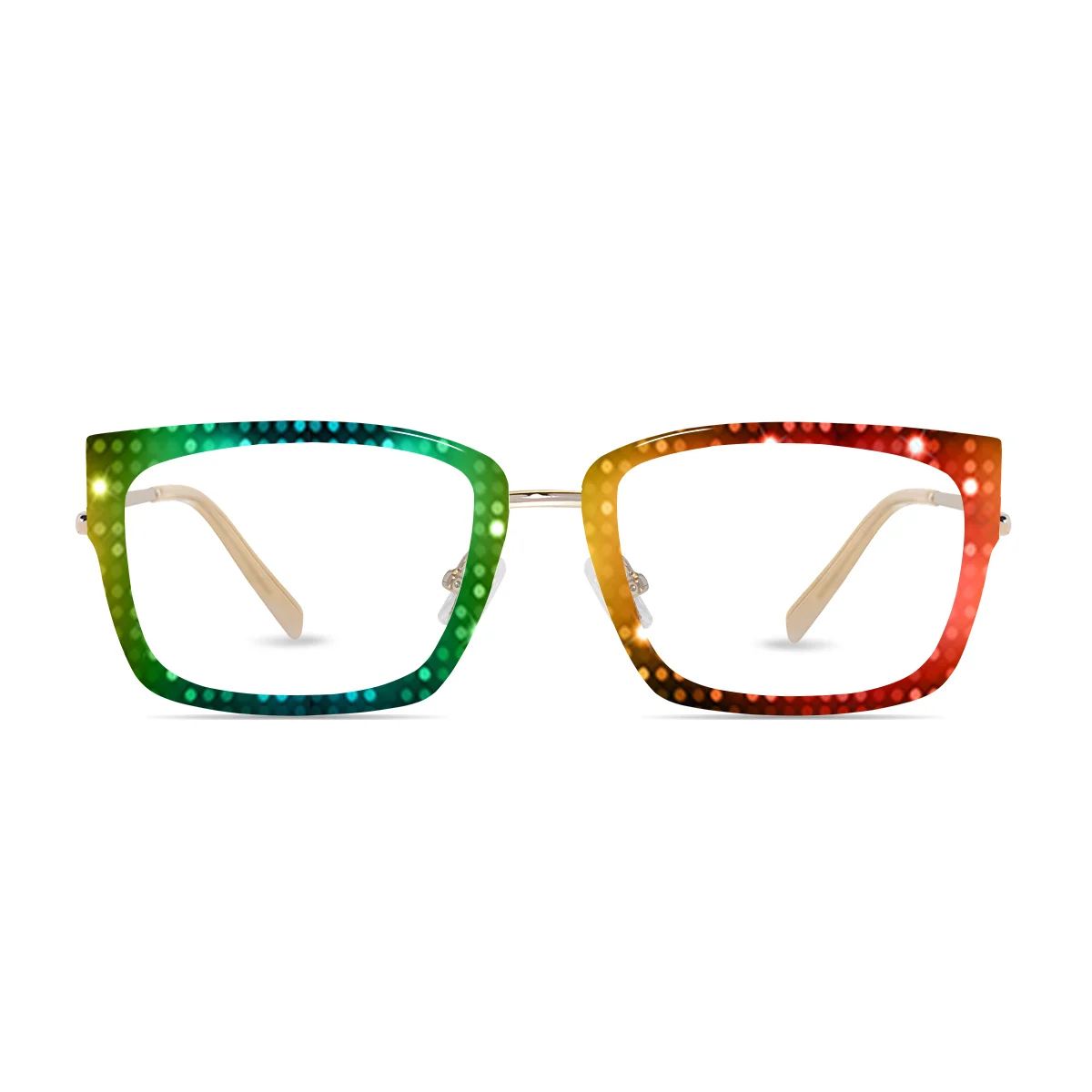
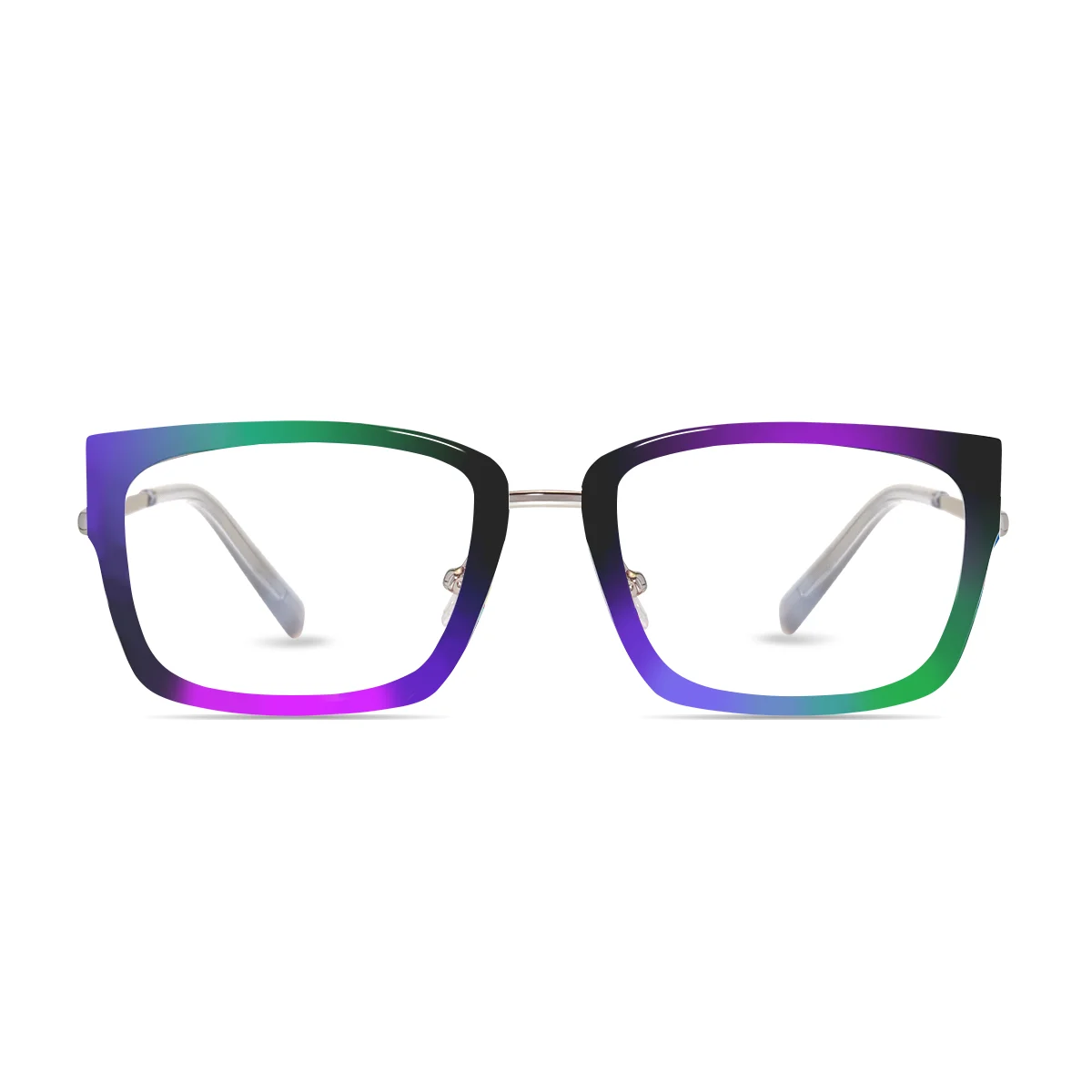
Mira Metallic Silver Cat Eye Base Frame


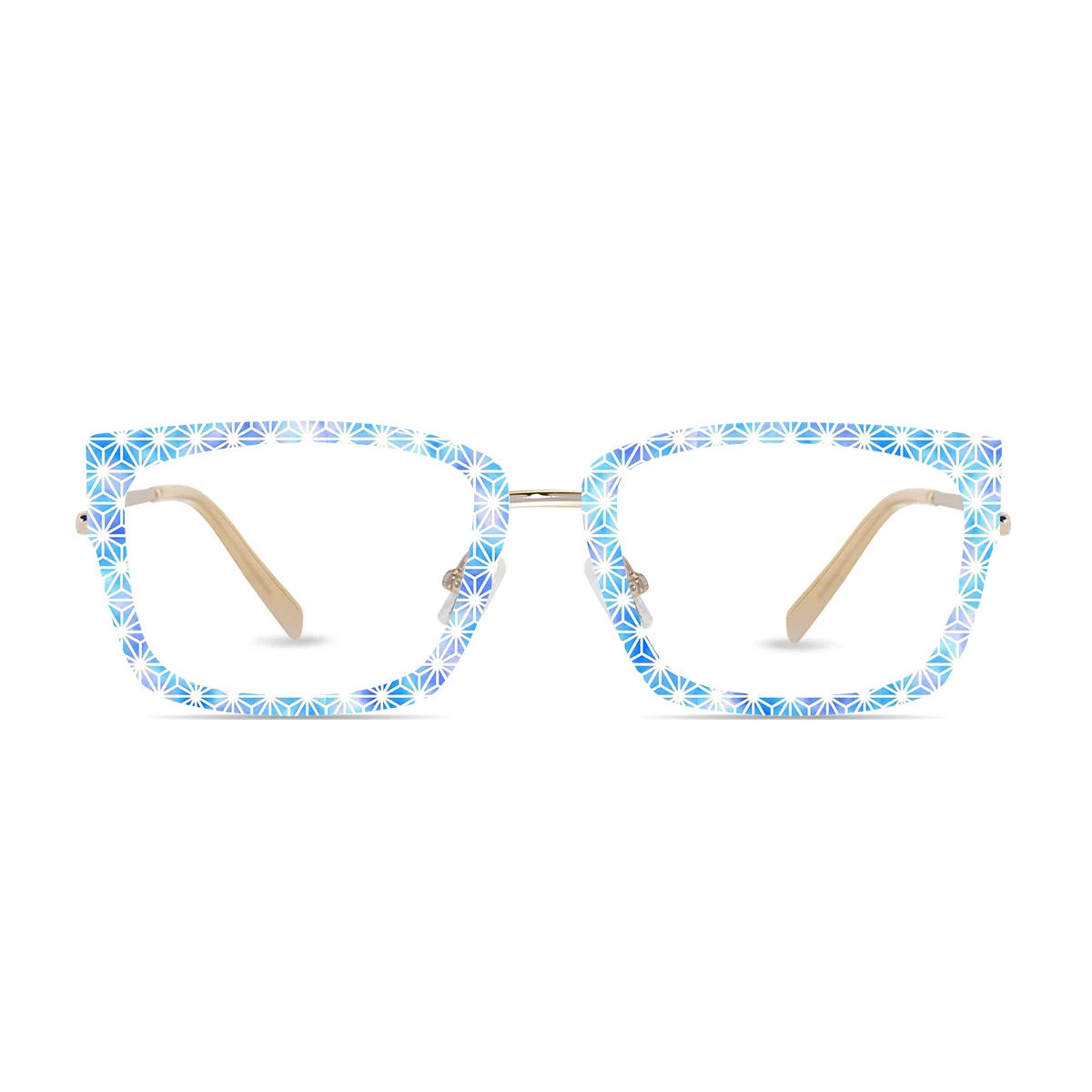
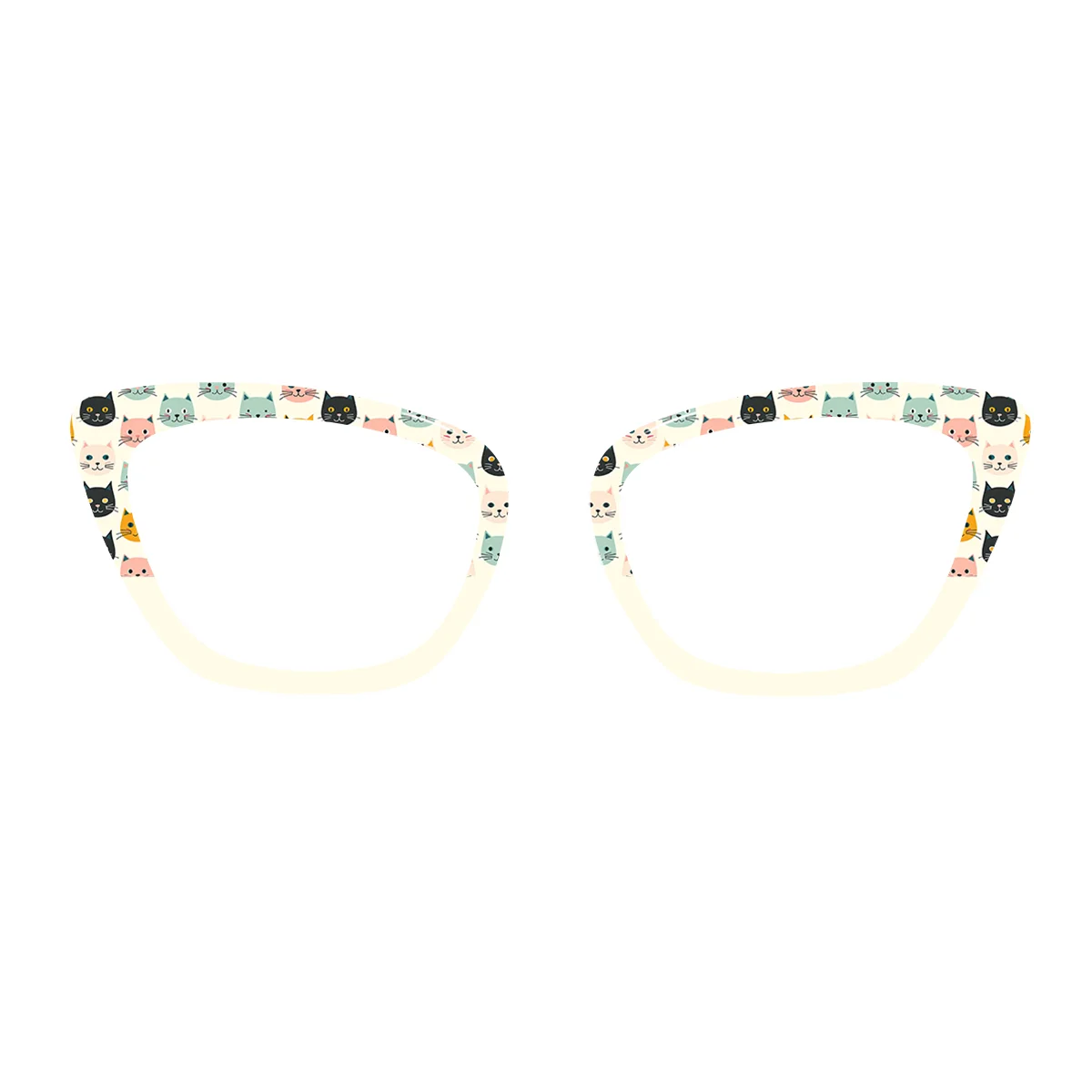
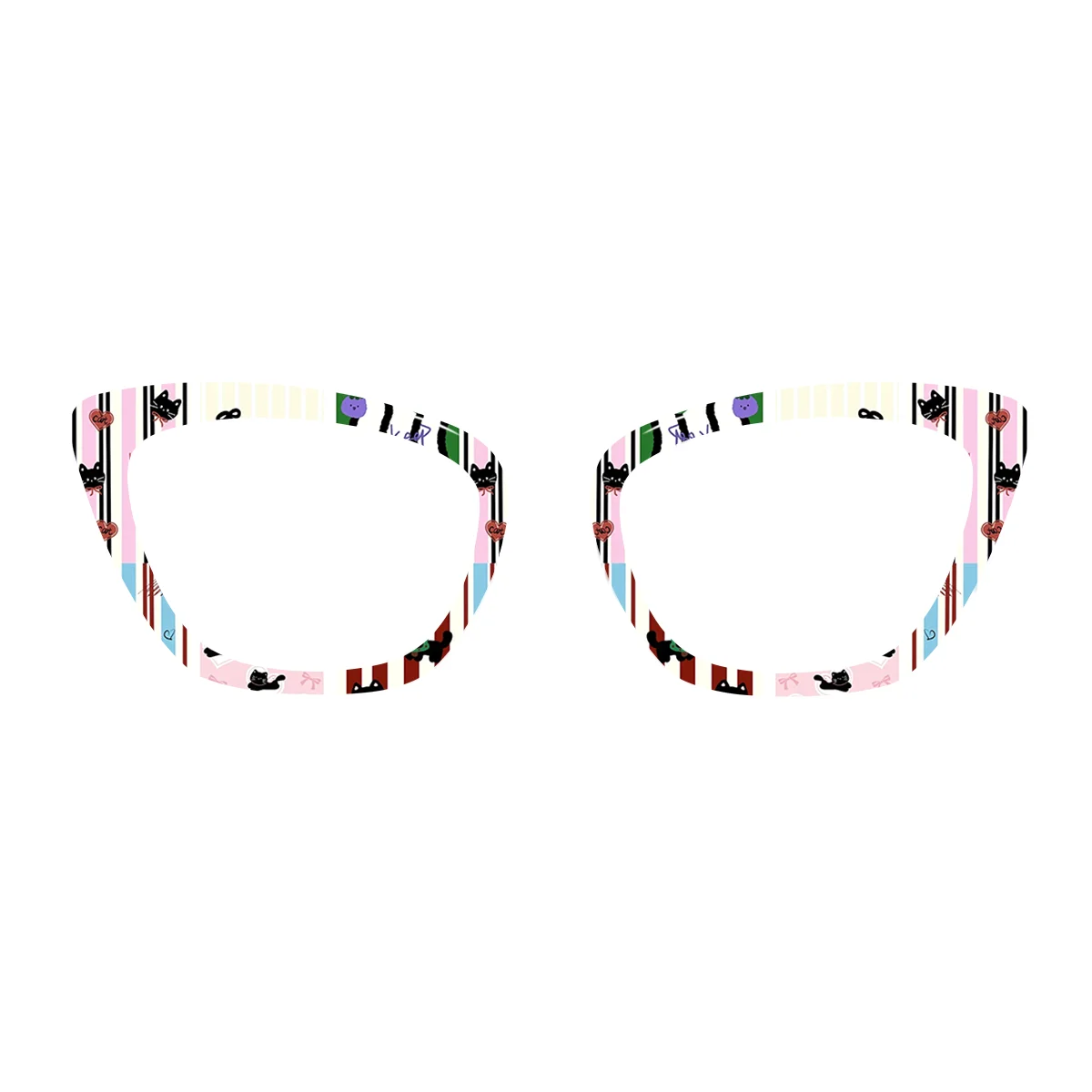
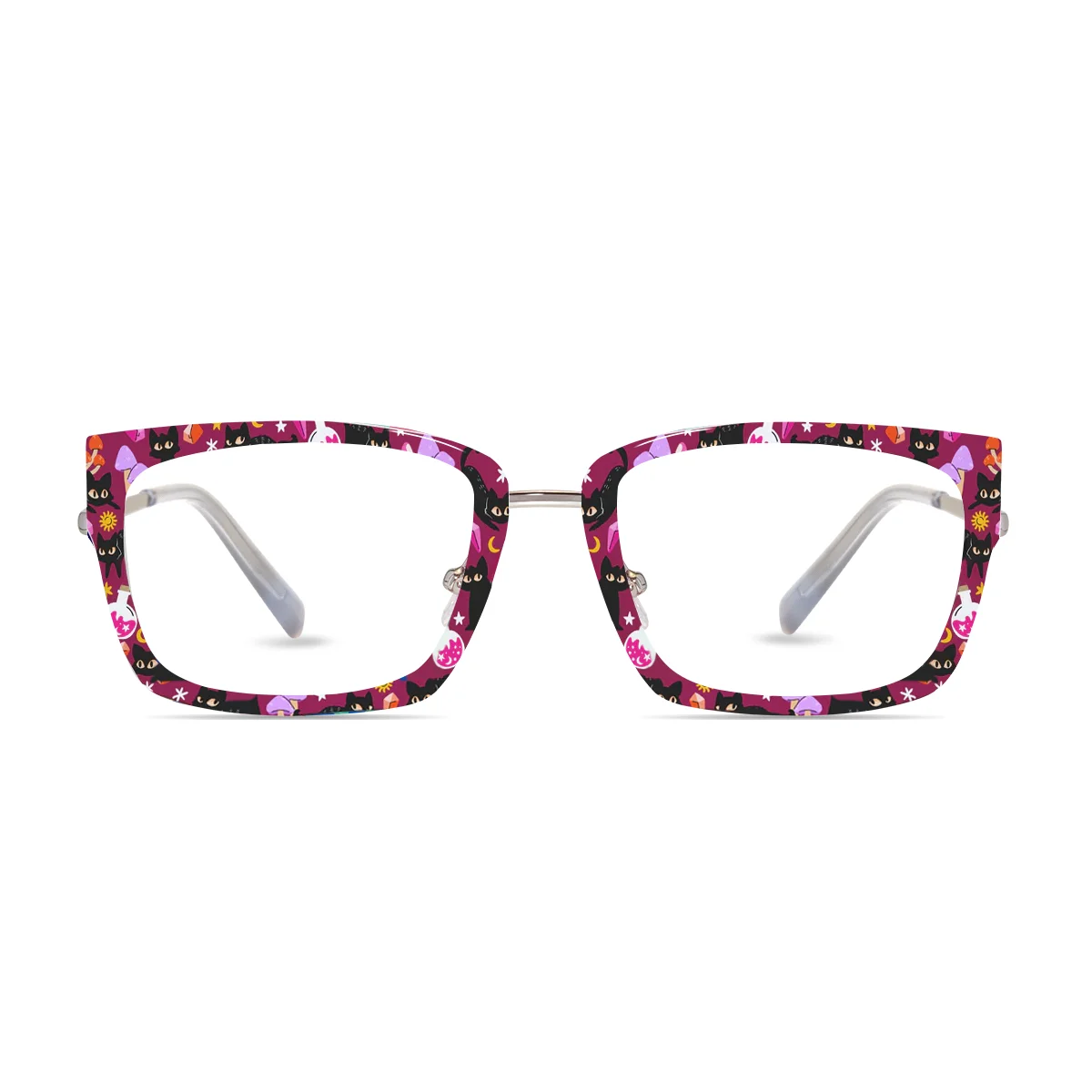
- Bone Rattle (PH01)
- Haunted Plaid (PH02)
- Pumpkin King (PH03)
- Night Sky Bat (PH04)
- Pumpkin Parade (PH05)
- Spooky Duo (PH06)
- Witch’s Cat (PH07)
- Mint Ghost (PH08)
- Dark Spell (PH09)
- Midnight Meow (PH10)
- Ghost Mosaic (PH11)
- Skull Storm (PH13)
- Wicked Glow (PH14)
- Haunted Gray (PH15)
- Phantom Mosaic (PH16)
- Midnight Dots (PH17)
- Haunted Medley (PH18)
- Nightmare Mix (PH19)
- Ghost Fade (PH20)
- Candy Curse (PH26)
- Ghost Drift (PH21)
- Pumpkin Fusion (PH22)
- Shadow Spirit (PH23)
- Spooky Toon (PH24)
- Demon Grin (PH25)
- Autumn Bloom (PH27)
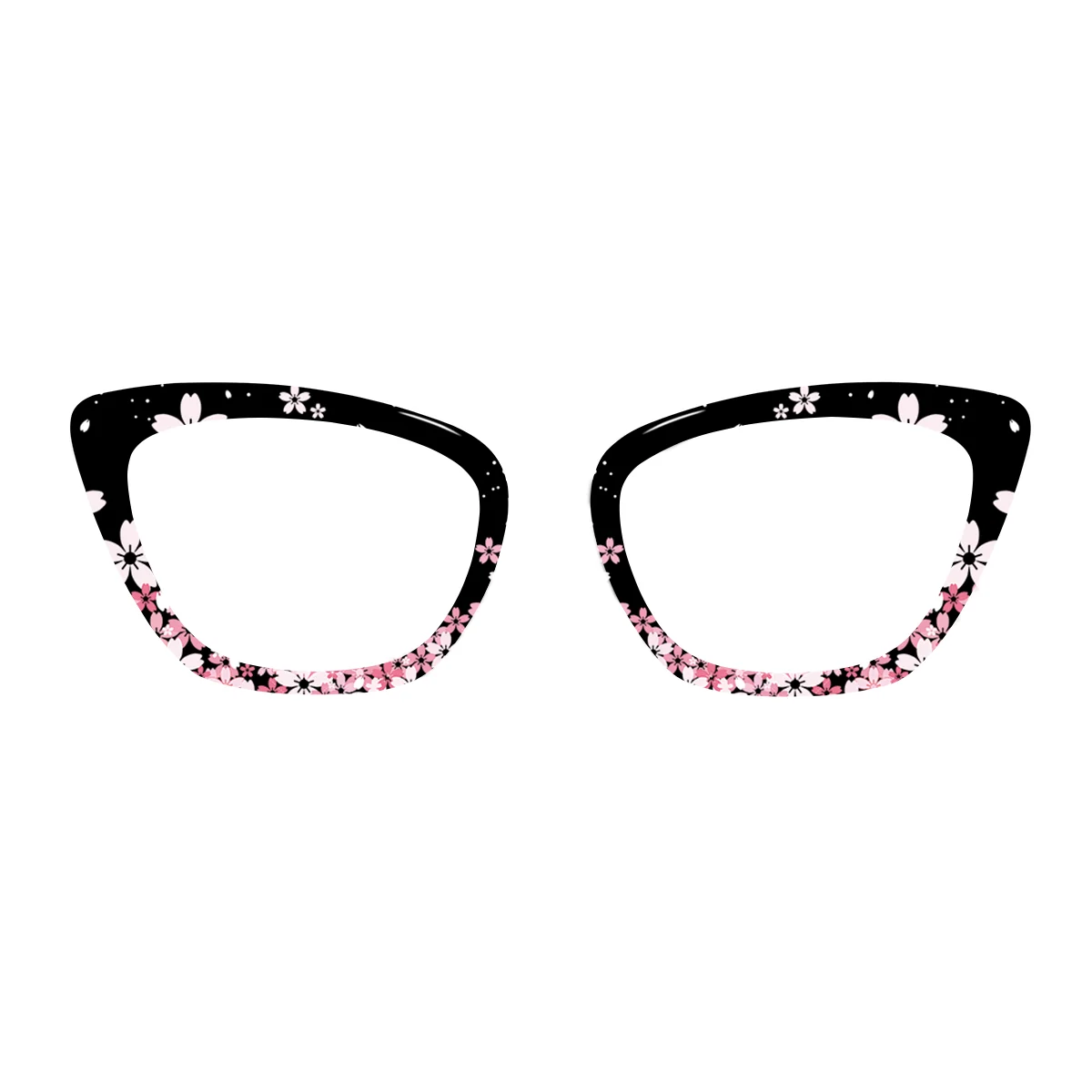
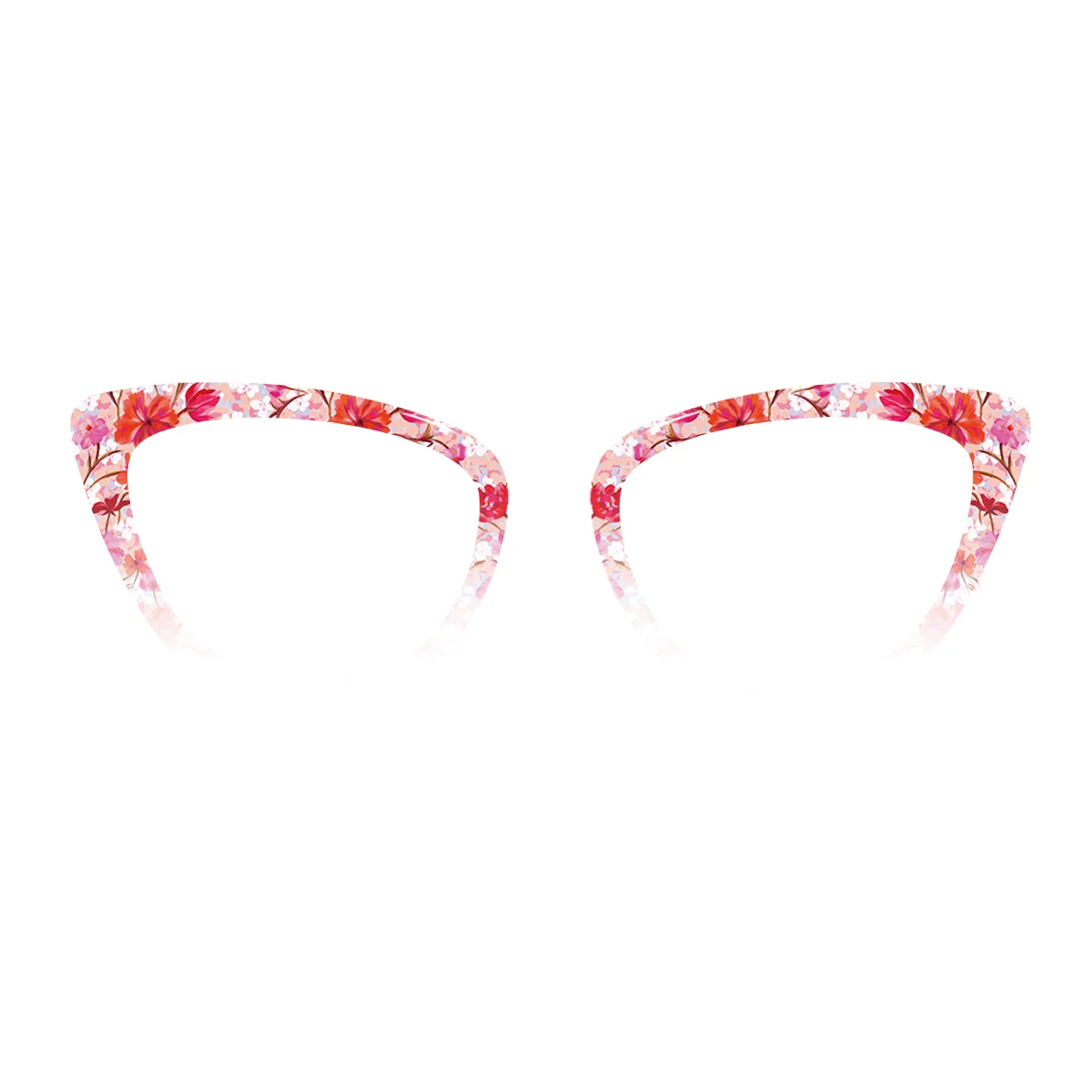
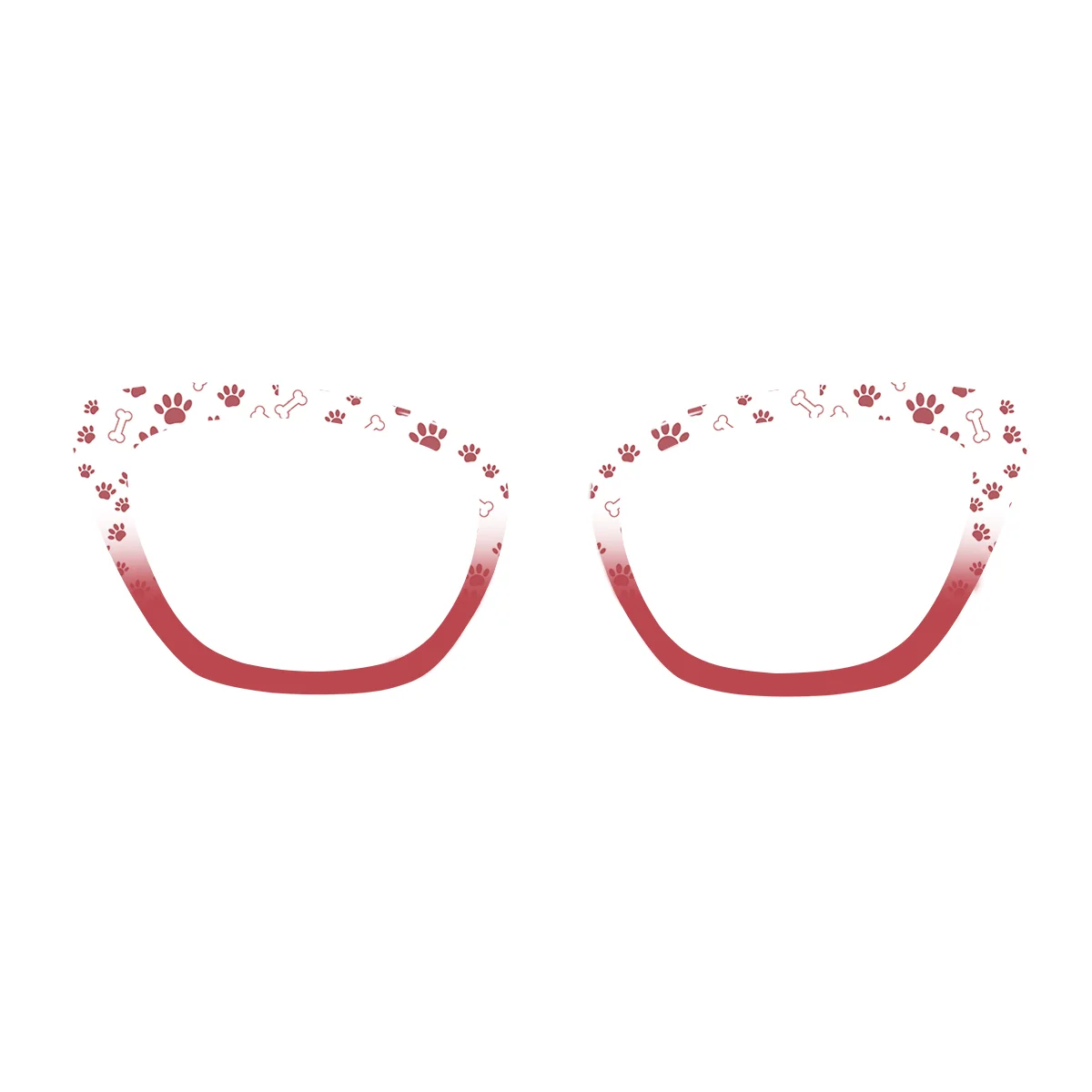
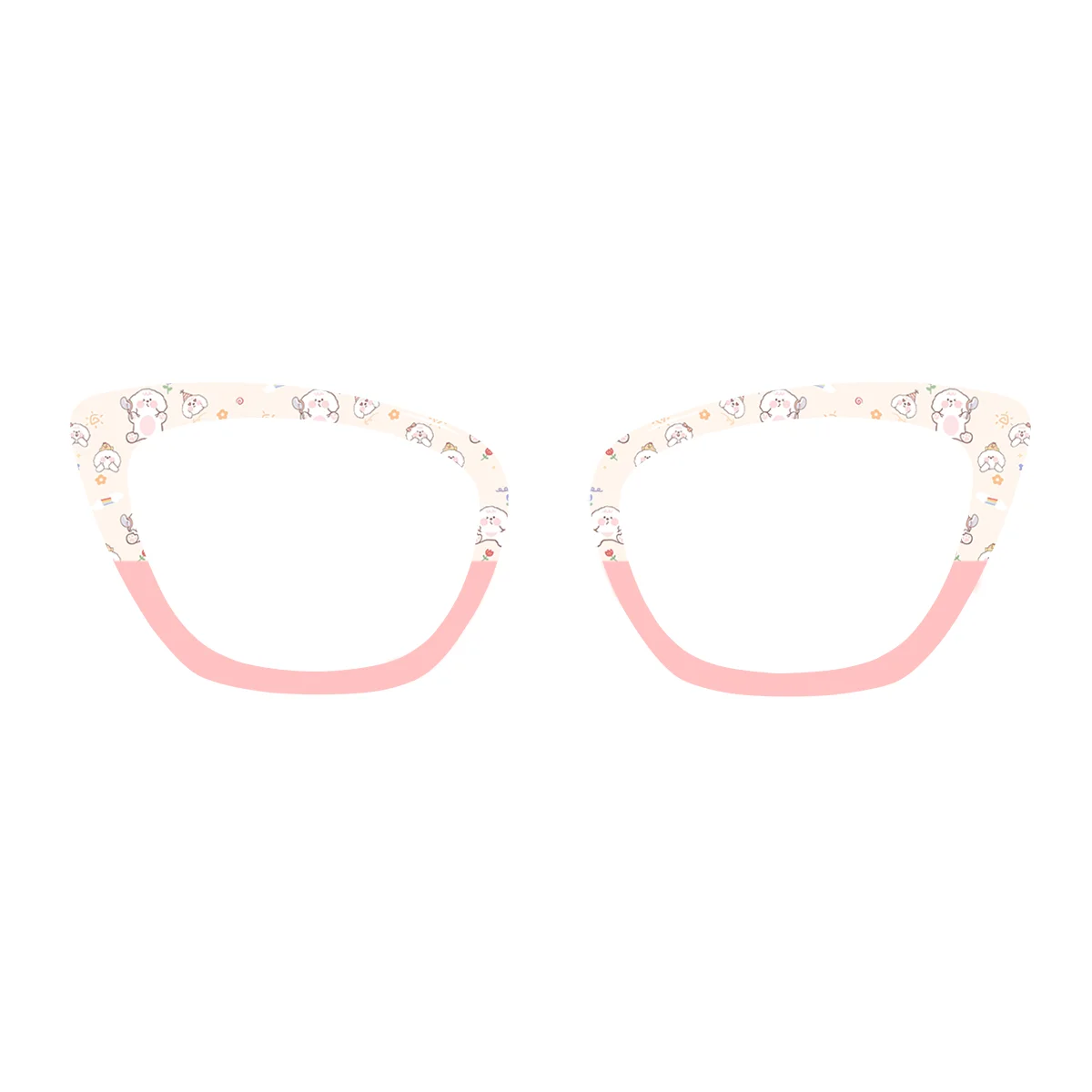
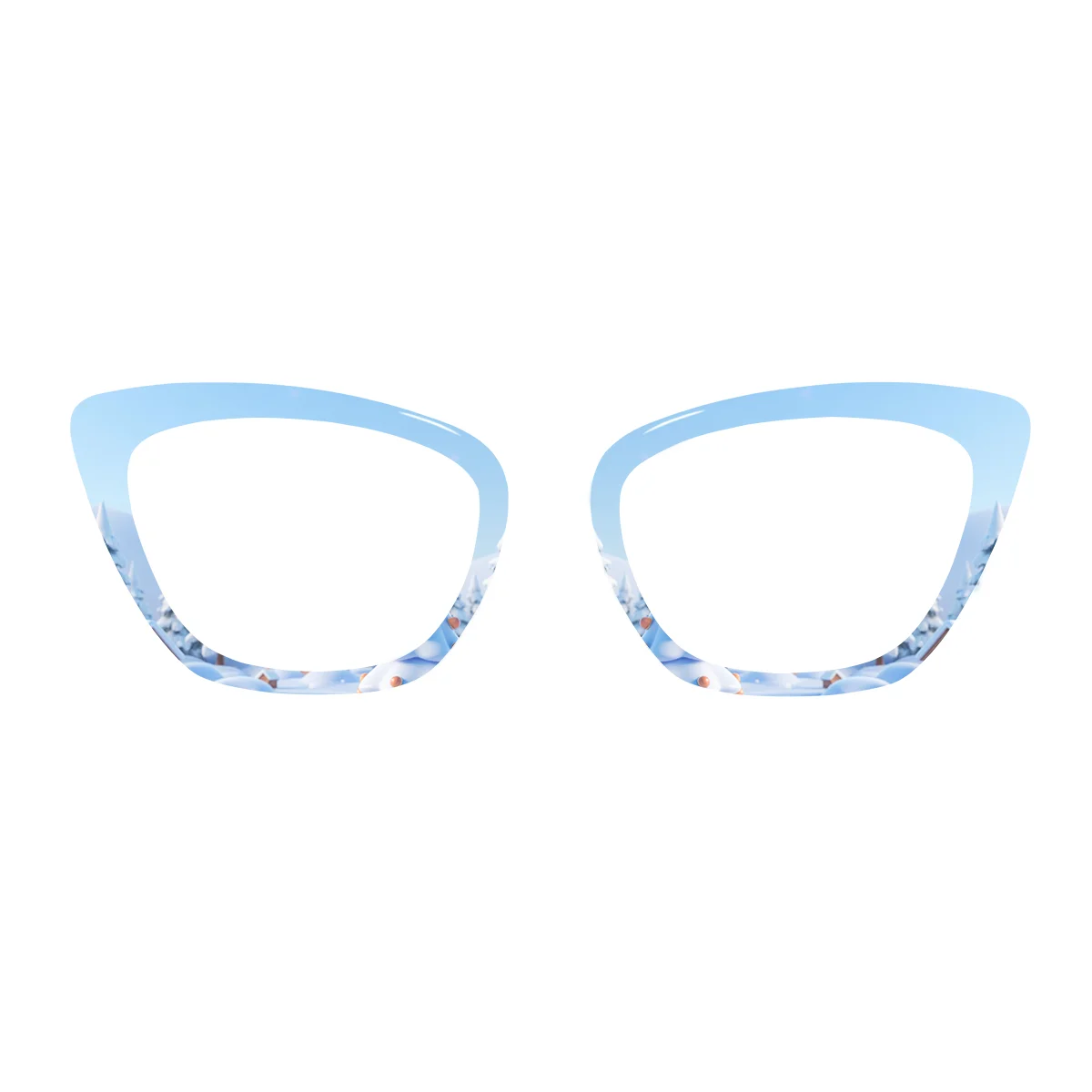
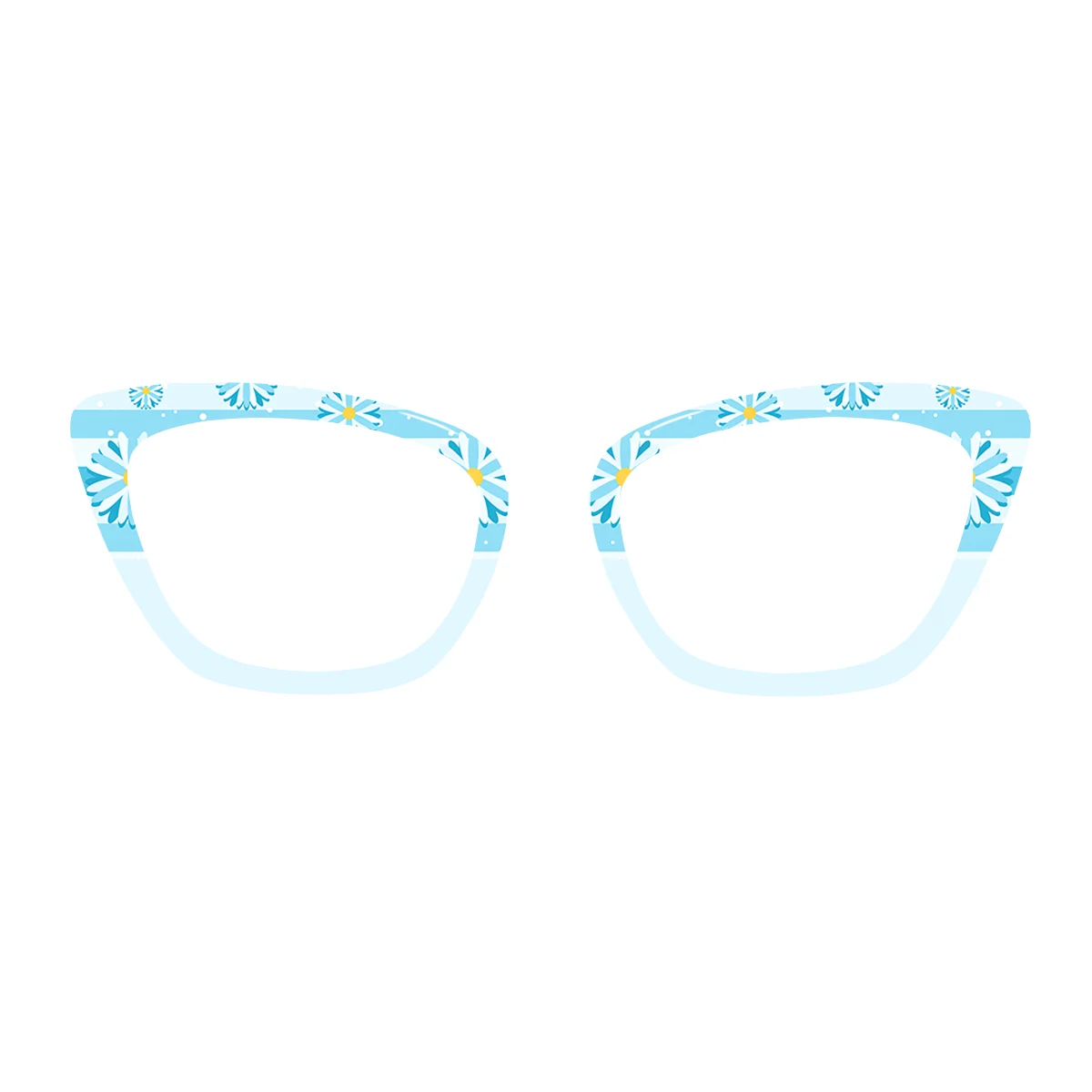
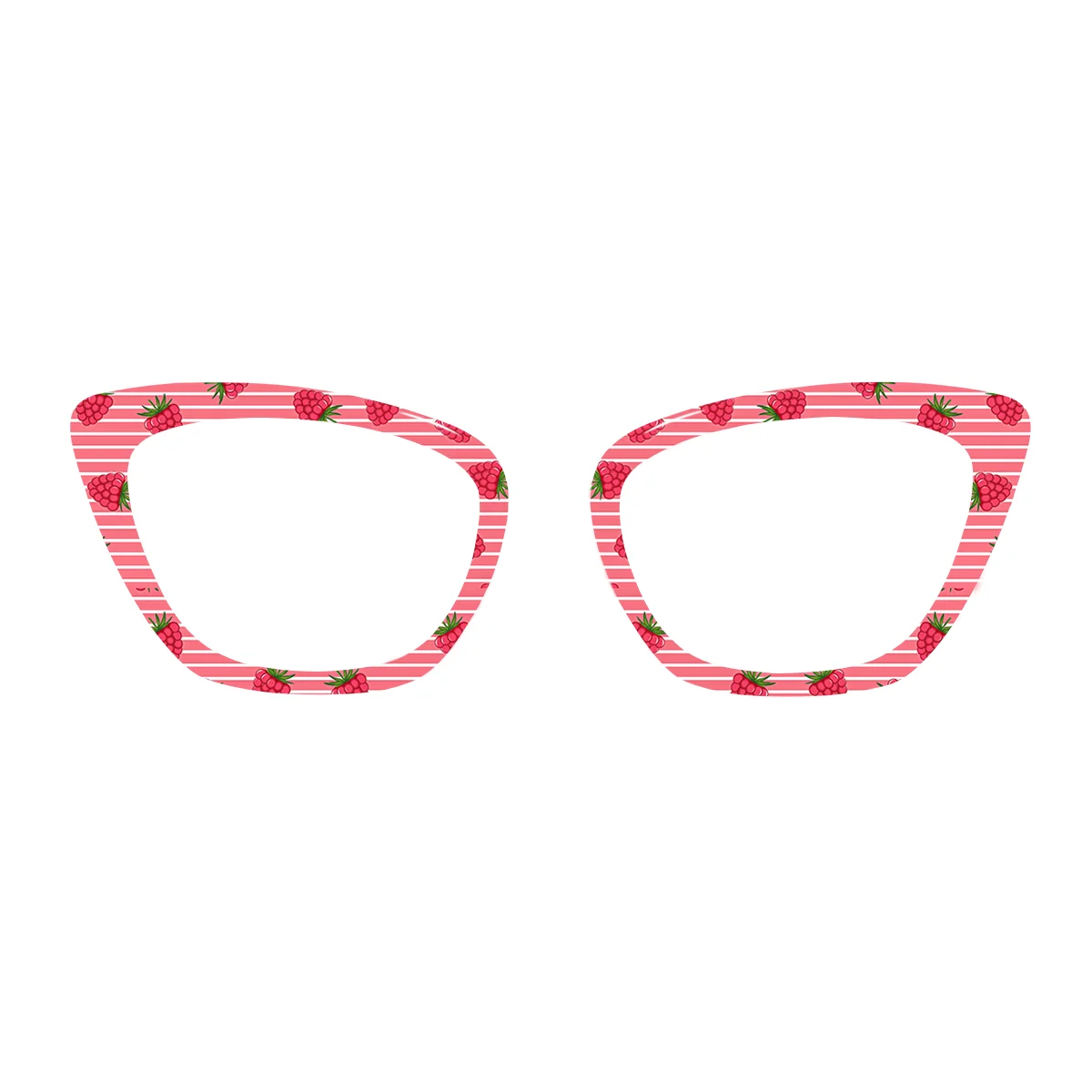
Soline Combo | Metallic Silver Base + Halloween Top Frame


The Ultimate Value Champion - How One Pair of Modular Glasses Can Handle Work, Workouts, and Dates
Real value is about buying smarter.We expect one smartphone to replace a camera, a GPS, a notebook, and a wallet.We expect one...
The Architecture of Presence: Why Custom Eyewear is the Secret to "Magnetic Eyes"
Walk into any home improvement store in the United States and you’ll see rows of blackout curtains promising better sleep, lower energy...
The Balance of Lightness and Strength: The Wearing Aesthetics of Mechanical Clip Eyewear
Eyewear has always lived at the intersection of function and expression. For centuries, glasses were designed primarily to correct vision, with aesthetics...
Are Pink Glasses in Style?
Pink glasses are a timeless symbol of charm and personality. They evoke feelings of compassion, love, and hope, making them a popular...
A Minimalist’s Dream, Why One Pair of Custom Glasses Is All You Need When You Travel
Minimalism isn’t about owning less for the sake of it.It’s about owning better.For travelers, that idea becomes very real the moment you...
No More Ear Pain: How Custom Eyeglass Frames Solve 12-Hour Wear Discomfort
If you wear glasses all day, you know the feeling.It starts as a faint pressure behind your ears. By mid-afternoon, that pressure...