
Custom Glasses Hurting Your Ears? Before You Return Them, Try These Expert Adjustment Solutions
You finally receive your custom glasses — the frame looks perfect, the lenses are clear, and everything matches your style. But after wearing them for a few hours, discomfort begins. Pressure builds behind your ears. The temples feel tight. Sometimes even mild headaches appear.
Many people immediately assume the glasses are defective and consider returning them.
In reality, ear discomfort is one of the most common and most fixable issues with custom eyewear. In most cases, small adjustments — not replacement — solve the problem completely.
This detailed guide explains why glasses cause ear pain, how professional opticians adjust frames, and what safe at-home solutions you can try before deciding to return your glasses.
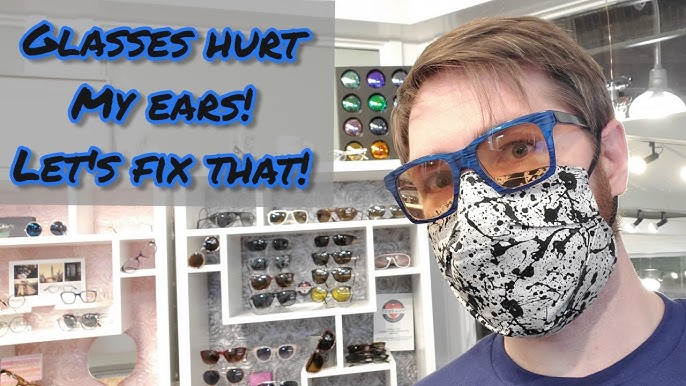
Why Custom Glasses Can Still Feel Uncomfortable
Custom eyewear is made according to measurements, but human anatomy varies more than most people realize.
Even precise prescriptions cannot perfectly predict:
- Ear height differences
- Head width variations
- Nose bridge shape
- Daily wearing habits
- Posture changes during screen use
Small mismatches in frame alignment can create pressure points that become noticeable after extended wear.
Comfort depends not only on design but also on fine-tuning after delivery.
Understanding the Anatomy of Glasses Fit
To fix discomfort effectively, it helps to understand how glasses rest on your face.
A properly fitted pair distributes weight across three contact areas:
- Nose bridge
- Both ears (temple tips)
- Side head pressure balance
If any point carries too much weight, discomfort develops.
Ear pain usually means the balance has shifted.
Common Signs Your Glasses Need Adjustment
You may notice:
- Pain or soreness behind ears
- Red marks after removal
- Glasses sliding forward
- One side feeling tighter than the other
- Headaches after prolonged wear
- Frames tilting slightly
These symptoms typically indicate alignment issues rather than manufacturing defects.
The Most Common Cause: Temple Arms Too Tight
Temple arms (the side pieces) are designed to gently curve around the ear.
When curvature is incorrect:
- Pressure concentrates on a small area
- Blood circulation is reduced
- Skin irritation develops
Even a few millimeters of misalignment can cause discomfort.
Adjustment Solution #1: Gentle Temple Curve Modification
Professional opticians adjust temple arms by carefully reshaping the curve.
At home, you can attempt minor adjustments safely — depending on frame material.
For Plastic Frames
- Warm the temple arm using warm (not hot) water for 20–30 seconds.
- Gently bend outward slightly.
- Test fit gradually.
Never force the frame; small movements make big differences.
For Metal Frames
Use slow, controlled pressure with both hands.
Avoid bending near hinges to prevent structural stress.
Adjustment Solution #2: Correcting Uneven Ear Height
Most people’s ears are not perfectly symmetrical.
If one ear sits higher:
- Glasses tilt sideways
- One temple presses harder
- Nose pads shift unevenly
Quick Fix
Raise the lower side slightly or lower the higher side through gentle temple adjustment.
A mirror helps detect tilt.
Adjustment Solution #3: Adjusting Nose Pads to Reduce Ear Pressure
Surprisingly, ear pain often begins at the nose.
If nose pads sit too narrowly:
- Glasses slide downward
- Ears compensate by supporting more weight
Widening nose pads redistributes pressure back to the nose bridge.
Small adjustments dramatically improve comfort.
Adjustment Solution #4: Temple Tip Positioning
Temple tips should rest softly around the ear — not dig into skin.
Ideal placement:
- Curve begins just before ear contact
- Pressure spreads evenly along ear contour
- Ends sit lightly without squeezing
If tips hook too sharply, they create localized pain.
Adjustment Solution #5: Frame Width Expansion
Frames slightly narrower than your head create constant inward pressure.
Signs include:
- Temples pressing into sides of head
- Immediate tightness upon wearing
- Relief when removing glasses
Metal frames can often be widened slightly by careful outward adjustment.
Plastic frames require heat-assisted shaping.
Adjustment Solution #6: Reducing Weight Distribution Issues
Heavy lenses or large frames increase ear load.
Possible solutions:
- Add silicone ear grips
- Adjust nose pads for better support
- Switch to lighter lens materials during future replacements
Balancing weight reduces long-term strain.
Why New Glasses Often Feel Worse the First Week
Your body adapts to previous frames over time.
New glasses change:
- Weight distribution
- Visual alignment
- Facial pressure points
A short adaptation period is normal. Mild discomfort may disappear within several days after minor adjustments.
Materials Matter: How Frame Types Affect Comfort
Different materials respond differently to adjustments.
Acetate Frames
- Durable
- Heat-adjustable
- Hold shape well
Metal Frames
- Highly adjustable
- Lightweight
- Require careful handling
Memory Titanium
- Flexible
- Resistant to deformation
- Harder to manually adjust
Understanding material limits prevents accidental damage.
Safe At-Home Adjustment Guidelines
Always follow these principles:
- Make tiny adjustments only
- Test frequently
- Use warm water instead of direct heat
- Avoid pliers without protection
- Stop if resistance feels strong
If discomfort persists, professional adjustment is safer.
When to Visit an Optician Instead
Seek professional help if:
- Frames feel severely tight
- Hinges appear misaligned
- Lenses shift position
- Adjustments worsen discomfort
Most optical shops provide free fitting adjustments, even for online purchases.
Temporary Comfort Hacks While Adjusting
While fine-tuning fit, these tips reduce irritation:
- Apply silicone ear cushions
- Alternate wearing breaks
- Keep skin clean and dry
- Avoid wearing glasses over thick hat arms
These reduce friction during adjustment periods.
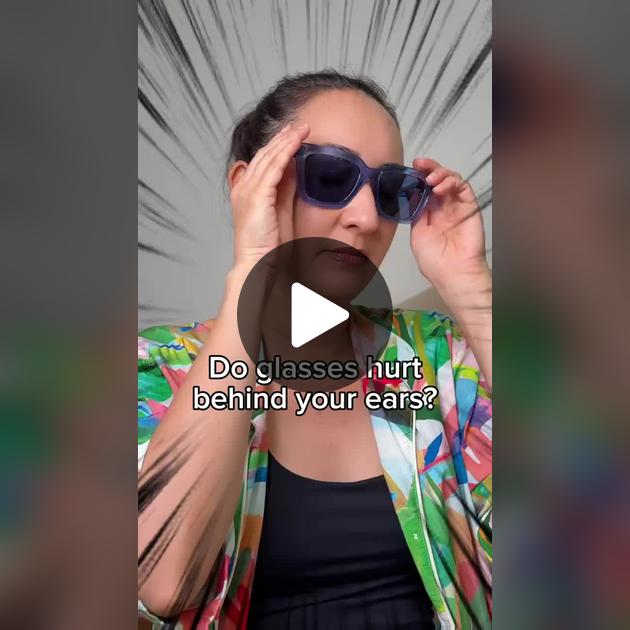
Why Returning Glasses Too Quickly Can Be a Mistake
Many returns happen due to fit issues that take minutes to fix.
Returning glasses means:
- Restarting production time
- Additional shipping delays
- Potential restocking fees
Minor adjustments often restore comfort immediately.
The Role of Posture in Ear Discomfort
Screen-heavy lifestyles influence fit.
Leaning forward or tilting your head downward shifts frame pressure backward toward ears.
Improving posture sometimes eliminates perceived tightness.
Cleaning and Maintenance Also Affect Comfort
Oil buildup increases friction between skin and temple tips.
Regular cleaning:
- Prevents slipping
- Reduces pressure concentration
- Improves overall comfort
Clean frames weekly with mild soap and water.
Signs Your Glasses Finally Fit Correctly
Well-adjusted glasses should:
- Stay in place when you move
- Leave minimal marks
- Feel balanced across nose and ears
- Remain comfortable for hours
You should forget you’re wearing them.
Long-Term Habits That Prevent Future Ear Pain
Experienced eyewear users follow simple habits:
- Remove glasses using both hands
- Store properly to avoid warping
- Avoid leaving glasses in hot cars
- Schedule periodic adjustments
Frames naturally shift over time and benefit from occasional tuning.
Frequently Asked Questions
Can Ear Pain Mean Wrong Prescription?
Rarely. Prescription issues usually cause eye strain, not ear pressure.
How Long Should Adjustment Take?
Most fixes require only minutes once the correct issue is identified.
Is DIY Adjustment Risky?
Small adjustments are safe when done gently and gradually.
Do Expensive Frames Hurt Less?
Not necessarily — fit matters more than price.
The Comfort Principle: Fit Is a Process, Not a Moment
Custom glasses are not truly finished when they arrive. They reach peak comfort only after personalized adjustment based on real-world wear.
Professional opticians expect this phase — it’s a normal part of eyewear ownership.
A few careful tweaks transform uncomfortable frames into perfectly balanced daily companions.
Final Thoughts
Ear discomfort from custom glasses can feel frustrating, especially after investing time and money into personalized eyewear. But in most cases, discomfort doesn’t mean failure — it simply means adjustment is needed.
By understanding how frames distribute pressure and applying gentle correction techniques, you can often resolve pain quickly without returning your glasses.
Comfortable eyewear should feel natural, stable, and effortless. With the right adjustments, your custom glasses can deliver exactly that — clear vision without distraction, pressure, or pain, allowing you to focus on your day rather than your frames.
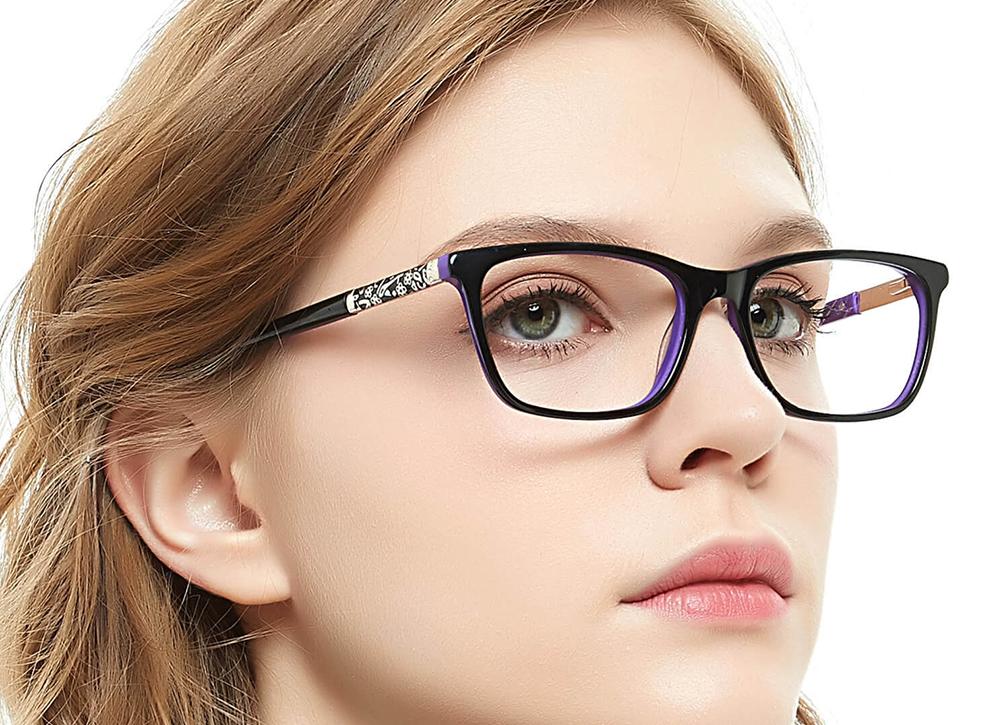
Share this post
How Should Your Glasses Fit for Comfort and Style?
Choosing the right pair of eyeglasses is about more than finding a frame design you like. A properly fitted pair of glasses...
How to Install and Remove the Top Frame
How to Install Your XCombo TopperCheck Left & RightMake sure each topper is on the correct side.Attach at the Nose BridgeAlign the...

Say Goodbye to an Awkward Look: How to Choose the Right Eyeglasses Based on Your Body Proportions and Bag Size
Eyeglasses are more than a vision-correction tool. They are also an important fashion accessory that can influence the balance, proportion, and overall...
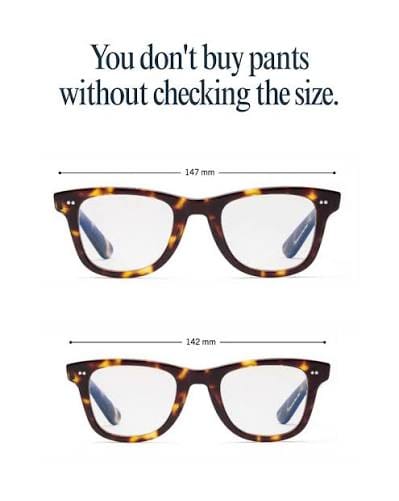
Say Goodbye to Awkward Proportions: How to Choose the Right Glasses for Your Body Shape and Bag Size
Accessories can transform an ordinary outfit into a polished, thoughtfully coordinated look. A beautiful handbag adds personality, while the right pair of...

2026 Spring/Summer Fashion Trends: When Retro Small-Frame Glasses Meet the Underarm Bag
Fashion has always had a talent for bringing the past back in unexpected ways.A silhouette that once belonged to another decade can...

Soft Aesthetics for Girls with Square Faces: How Rounded Handbags and Gentle Eyeglass Frames Soften Facial Lines
A square face can be striking, elegant, and full of character. Defined by a broader forehead, a relatively straight jawline, and noticeable...
How to Buy Prescription Glasses Online on XCombo
Looking to buy glasses online? XCombo makes it easy to get stylish, high-quality glasses tailored to your prescription. Follow this simple step-by-step...

The Executive Style Code: A Career Guide to Suits, Briefcases, and Sophisticated Eyewear
In the modern workplace, professional style is about much more than wearing expensive clothes.The strongest business wardrobe communicates something before you say...
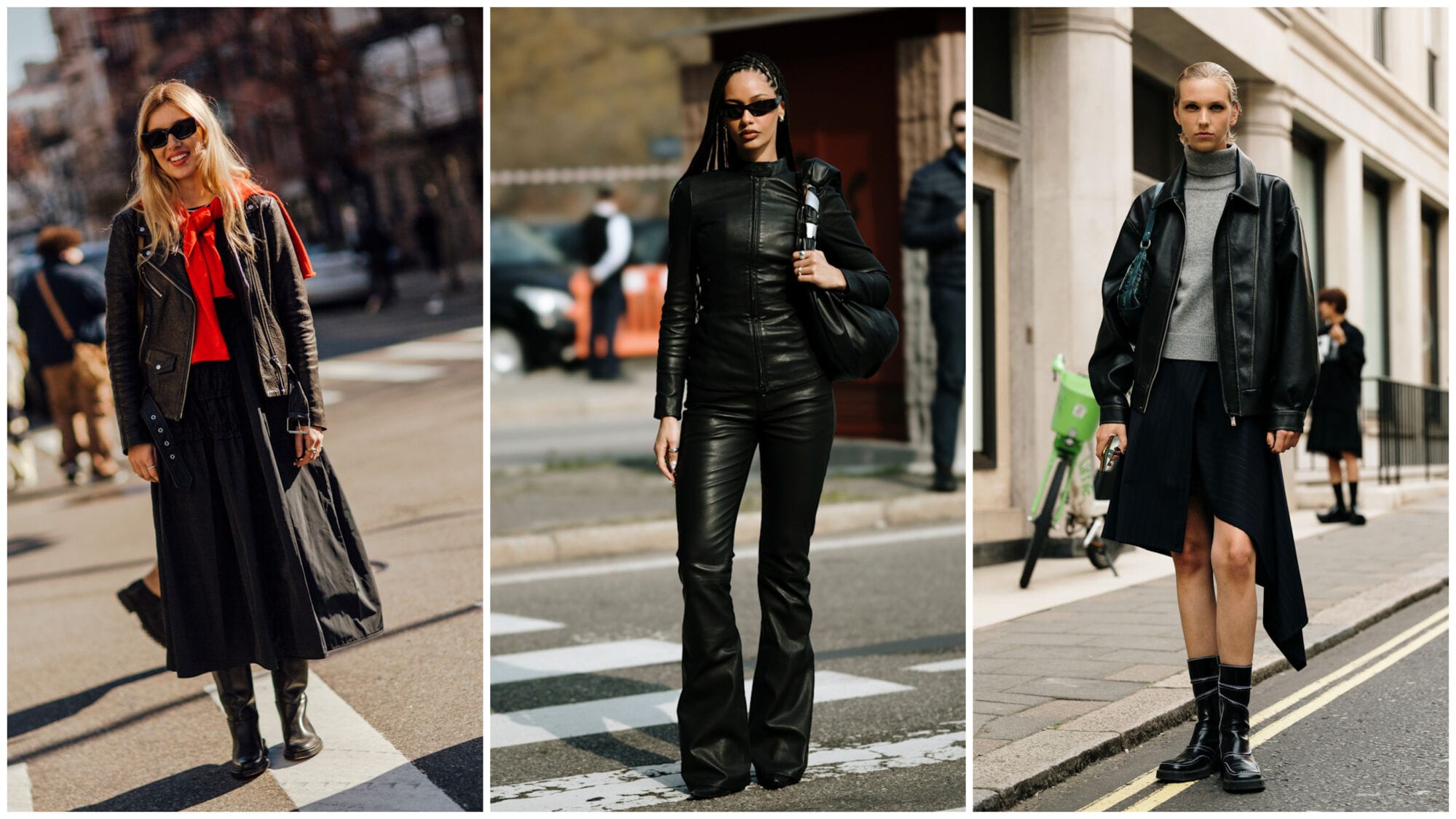
Street-Cool Style: How to Make Motorcycle Jackets, Belt Bags, and Futuristic Sunglasses Stand Out
Street fashion has never been about following every rule.It is about knowing which rules to break.A motorcycle jacket, a compact belt bag,...

The Art of Color Coordination: How to Match Your Bag With Your Eyeglass Frames for an Effortlessly Sophisticated Look
Fashion is often about the little details.A beautifully tailored outfit can look polished, yet something may still feel incomplete. The reason is...
Dating Night Style Secrets: The Perfect Collision of an Elegant Cocktail Dress, a Chain Evening Bag, and Sophisticated Semi-Rimless Glasses
Dating night is about more than choosing an outfit. It is about creating an impression without looking like you tried too hard....
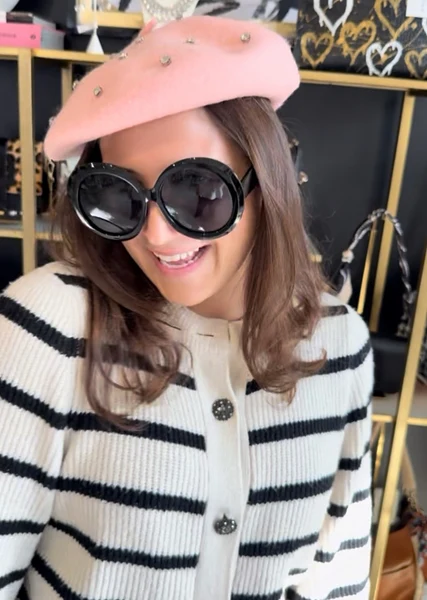
Effortless French Elegance: The Perfect Pairing of Knitwear, Tote Bags, and Cat-Eye Glasses
There is something undeniably captivating about French style.It is polished without looking overly polished, feminine without being overly delicate, and comfortable without...