
Mirror-Like Brilliance: Anti-Corrosion Strategies for Fashion Eyewear Frames
Introduction: Why Corrosion Is the Silent Enemy of Stylish Eyewear
Fashion eyewear has evolved far beyond its original purpose of vision correction. Today, eyeglasses are personal style statements, luxury accessories, and reflections of individual identity. Whether you prefer sleek metal frames, elegant rimless designs, bold acetate styles, or premium designer eyewear, maintaining their appearance is essential.
Nothing diminishes the beauty of a stylish frame faster than corrosion. The gradual deterioration of metal surfaces can lead to discoloration, weakened structural integrity, dull finishes, and a significantly shortened lifespan. Even high-end eyewear can suffer from corrosion when exposed to sweat, humidity, cosmetics, environmental pollutants, and improper storage conditions.
Fortunately, corrosion is not inevitable. By understanding the causes of frame degradation and implementing effective preventative measures, eyewear owners can preserve the mirror-like brilliance of their favorite frames for years.
This comprehensive guide explores the science behind frame corrosion, identifies common risk factors, and provides practical anti-corrosion strategies to keep fashion eyewear looking as stunning as the day it was purchased.
Understanding Eyewear Corrosion
Before discussing prevention, it's important to understand what corrosion actually is.
Corrosion occurs when metal surfaces react with environmental elements such as oxygen, moisture, salt, acids, or chemicals. These reactions gradually break down the metal's protective layer, leading to visible damage.
Common signs of eyewear corrosion include:
- Green or white residue on metal parts
- Discoloration around hinges
- Peeling coatings
- Rust-like spots
- Dull or uneven finishes
- Weakening of structural components
- Skin irritation caused by exposed metal
Corrosion often starts in hidden areas before becoming visible. Hinges, nose pads, temple tips, screws, and frame joints are particularly vulnerable because they frequently come into contact with moisture and skin oils.
Why Fashion Frames Are Especially Vulnerable
Fashion eyewear often prioritizes aesthetics, lightweight construction, and intricate designs. These features can create additional challenges when it comes to durability.
Frequent Daily Wear
Most people wear their glasses for several hours every day. Continuous exposure to body oils, perspiration, and environmental contaminants accelerates deterioration.
Contact with Cosmetics
Makeup products, sunscreen, moisturizers, and hair sprays contain chemical ingredients that can react with frame materials over time.
Exposure to Weather
Rain, humidity, UV radiation, and temperature fluctuations create ideal conditions for corrosion development.
Delicate Finishes
Premium eyewear frequently includes specialized coatings, polished surfaces, and decorative metal treatments that require extra care.
The Most Common Corrosion Triggers
Understanding the sources of corrosion helps users develop effective protection habits.
Sweat and Skin Oils
Human sweat contains salt and minerals. Salt is particularly aggressive toward many metal alloys used in eyewear manufacturing.
People living in hot climates or engaging in regular physical activity may notice faster wear around:
- Nose bridges
- Nose pads
- Temple arms
- Ear tips
- Hinges
Sweat accumulation can gradually erode protective coatings and expose underlying metal.
Humidity and Moisture
High humidity creates an environment where oxidation can thrive.
Common moisture sources include:
- Rain
- Steam from showers
- Swimming pool environments
- Coastal air
- Damp storage locations
Even tiny amounts of trapped moisture can initiate corrosion.
Saltwater Exposure
Beach vacations are wonderful for relaxation but potentially harmful to eyewear.
Saltwater accelerates corrosion dramatically because dissolved salts increase electrical conductivity and speed up chemical reactions on metal surfaces.
Individuals who frequently visit coastal regions should pay special attention to frame maintenance.
Cosmetic Products
Many beauty products contain ingredients that may damage protective coatings.
Examples include:
- Foundation
- Facial cleansers
- Sunscreen
- Perfume
- Hair spray
- Skin-care serums
Repeated contact can slowly degrade frame finishes and protective layers.
Air Pollution
Urban environments contain airborne contaminants that settle on eyewear surfaces.
Industrial pollutants, vehicle emissions, and airborne particles may combine with moisture to create corrosive conditions.
Choosing Corrosion-Resistant Frame Materials
One of the best anti-corrosion strategies begins before purchase.
Selecting the right material significantly improves long-term durability.
Titanium Frames
Titanium is widely regarded as one of the most corrosion-resistant materials available in eyewear.
Benefits include:
- Exceptional resistance to rust
- Lightweight comfort
- Hypoallergenic properties
- High strength-to-weight ratio
- Long-lasting appearance
Titanium frames are ideal for individuals who sweat heavily or live in humid environments.
Stainless Steel Frames
Stainless steel contains chromium, which forms a protective oxide layer on the surface.
Advantages include:
- Excellent corrosion resistance
- Affordable pricing
- Modern aesthetics
- Strong structural integrity
Quality stainless steel frames provide an excellent balance of durability and style.
Memory Metal Frames
Memory metal alloys are engineered to resist bending and environmental damage.
These frames:
- Return to their original shape
- Resist corrosion effectively
- Offer long-term flexibility
- Reduce maintenance concerns
Acetate Frames
Although acetate is not metal, it remains a popular fashion choice.
Benefits include:
- No rust concerns
- Wide color variety
- Premium appearance
- Comfortable wear
However, acetate still requires proper cleaning to maintain its shine and structural stability.
Gold-Plated and Luxury Metal Frames
Luxury frames often feature decorative plating.
While visually stunning, plated finishes require careful maintenance because scratches can expose underlying materials to moisture and corrosion.
Daily Cleaning Practices That Prevent Corrosion
Regular cleaning is the foundation of eyewear preservation.
Use a Microfiber Cloth
A microfiber cloth removes:
- Fingerprints
- Skin oils
- Dust
- Cosmetic residue
Unlike rough fabrics, microfiber minimizes surface scratches that could compromise protective coatings.
Rinse Before Wiping
Dust particles can act like sandpaper.
Before cleaning:
- Rinse frames with lukewarm water.
- Remove debris gently.
- Apply lens-safe cleaning solution.
- Dry with microfiber cloth.
This process protects both lenses and frame finishes.
Avoid Harsh Chemicals
Many household cleaners contain ingredients that damage eyewear.
Avoid:
- Bleach
- Ammonia
- Acetone
- Alcohol-based industrial cleaners
- Abrasive detergents
These substances can strip protective coatings and accelerate corrosion.
Proper Storage: The Overlooked Defense System
Storage habits play a major role in frame longevity.
Always Use a Protective Case
Leaving glasses on countertops exposes them to:
- Humidity
- Dust
- Accidental impacts
- Chemical contamination
A hard-shell case provides excellent protection.
Avoid Bathrooms
Bathrooms are among the worst storage locations due to constant humidity fluctuations.
Steam from showers can accumulate on metal surfaces and promote oxidation.
Instead, store eyewear in a cool, dry room.
Keep Away from Direct Sunlight
Prolonged exposure to intense heat can damage coatings and weaken frame materials.
Avoid:
- Dashboard storage
- Window ledges
- Outdoor tables
- Hot vehicles
Anti-Corrosion Habits for Active Lifestyles
Athletes and outdoor enthusiasts face unique challenges.
Clean Frames After Exercise
Sweat should never remain on eyewear for extended periods.
After workouts:
- Rinse frames gently
- Remove salt residue
- Dry thoroughly
This simple habit significantly reduces corrosion risk.
Use Sport-Specific Eyewear
Performance eyewear is often designed with enhanced corrosion resistance.
Features may include:
- Specialized coatings
- Hydrophobic treatments
- Sweat-resistant materials
- Reinforced components
Carry a Cleaning Kit
A portable cleaning kit helps maintain eyewear throughout the day.
Essentials include:
- Microfiber cloth
- Lens cleaner
- Protective pouch
- Anti-fog wipes
Professional Maintenance Matters
Even the most diligent owner benefits from occasional professional care.
Frame Inspections
Optical professionals can identify:
- Loose screws
- Early corrosion signs
- Coating deterioration
- Structural weaknesses
Early intervention prevents costly repairs.
Ultrasonic Cleaning
Professional ultrasonic cleaning reaches areas difficult to access manually.
Benefits include:
- Deep cleaning
- Residue removal
- Improved hygiene
- Extended frame lifespan
Replacing Worn Components
Nose pads and screws are often the first parts to deteriorate.
Replacing them promptly prevents corrosion from spreading to surrounding frame sections.
Protective Coatings: A Powerful Defense
Modern eyewear technology offers several protective treatments.
Anti-Corrosion Coatings
Specialized coatings create a barrier against:
- Moisture
- Salt
- Air pollutants
- Sweat
These coatings are particularly valuable for metal frames.
PVD Coatings
Physical Vapor Deposition (PVD) coatings are increasingly used in premium eyewear.
Advantages include:
- Exceptional durability
- Scratch resistance
- Corrosion protection
- Luxurious finish
Hydrophobic Treatments
Hydrophobic coatings repel water and reduce moisture retention.
This decreases the likelihood of corrosion development.
Signs That Your Frames Need Immediate Attention
Early detection prevents severe damage.
Watch for:
Color Changes
Dark spots, green residue, or fading indicate chemical reactions occurring beneath the surface.
Rough Texture
Smooth metal should not feel gritty or uneven.
Peeling Finishes
Flaking coatings expose vulnerable metal underneath.
Persistent Odors
Corrosion can sometimes trap contaminants and produce unusual odors.
Loose Components
Corrosion around hinges or screws may weaken structural stability.
Address these issues promptly to prevent further deterioration.
Seasonal Eyewear Care Tips
Different seasons present different risks.
Summer
Challenges:
- Sweat
- UV exposure
- Saltwater
- Sunscreen residue
Recommendations:
- Clean daily
- Store in protective cases
- Rinse after beach visits
Winter
Challenges:
- Temperature changes
- Indoor heating
- Condensation
Recommendations:
- Dry frames thoroughly
- Avoid sudden temperature extremes
- Check hinges regularly
Spring
Challenges:
- Increased pollen
- Rainfall
- Outdoor activities
Recommendations:
- Rinse frequently
- Remove environmental buildup
Fall
Challenges:
- Variable humidity
- Dust accumulation
Recommendations:
- Perform deep cleaning
- Schedule professional inspections
Luxury Eyewear Deserves Premium Care
Designer eyewear represents both a financial and style investment.
Premium brands often incorporate:
- Precious metals
- Specialized finishes
- Custom coatings
- Advanced engineering
Protecting these features requires consistent maintenance.
A few minutes of care each day can preserve the luxurious appearance and functionality of high-end frames for many years.
Building a Long-Term Anti-Corrosion Routine
The most effective strategy combines prevention, maintenance, and early intervention.
A practical routine includes:
Daily:
- Wipe frames with microfiber cloth
- Remove sweat and oils
Weekly:
- Perform thorough cleaning
- Inspect hinges and screws
Monthly:
- Check for discoloration
- Examine protective coatings
Every Six Months:
- Schedule professional inspection
- Replace worn components if necessary
Consistency delivers far better results than occasional intensive cleaning.
Conclusion: Preserving Mirror-Like Brilliance for Years to Come
Fashion eyewear is more than a functional accessory—it is an extension of personal style and self-expression. Whether your frames are minimalist titanium, bold acetate, luxury designer pieces, or contemporary stainless steel creations, corrosion remains one of the greatest threats to their beauty and longevity.
Fortunately, corrosion prevention is largely within your control. Choosing durable materials, cleaning regularly, storing frames properly, avoiding harsh chemicals, and seeking professional maintenance when needed can dramatically extend the lifespan of your eyewear.
The secret to maintaining mirror-like brilliance lies not in expensive repairs but in consistent preventative care. By adopting smart anti-corrosion habits today, you can keep your favorite frames looking polished, sophisticated, and runway-ready for years to come.
Beautiful eyewear deserves lasting protection—and with the right anti-corrosion strategies, every pair can continue shining with the elegance and confidence that first captured your attention.
Share this post

2026 Spring/Summer Fashion Trends: When Retro Small-Frame Glasses Meet the Underarm Bag
Fashion has always had a talent for bringing the past back in unexpected ways.A silhouette that once belonged to another decade can...
Soft Aesthetics for Girls with Square Faces: How Rounded Handbags and Gentle Eyeglass Frames Soften Facial Lines
A square face can be striking, elegant, and full of character. Defined by a broader forehead, a relatively straight jawline, and noticeable...
How to Buy Prescription Glasses Online on XCombo
Looking to buy glasses online? XCombo makes it easy to get stylish, high-quality glasses tailored to your prescription. Follow this simple step-by-step...
The Executive Style Code: A Career Guide to Suits, Briefcases, and Sophisticated Eyewear
In the modern workplace, professional style is about much more than wearing expensive clothes.The strongest business wardrobe communicates something before you say...
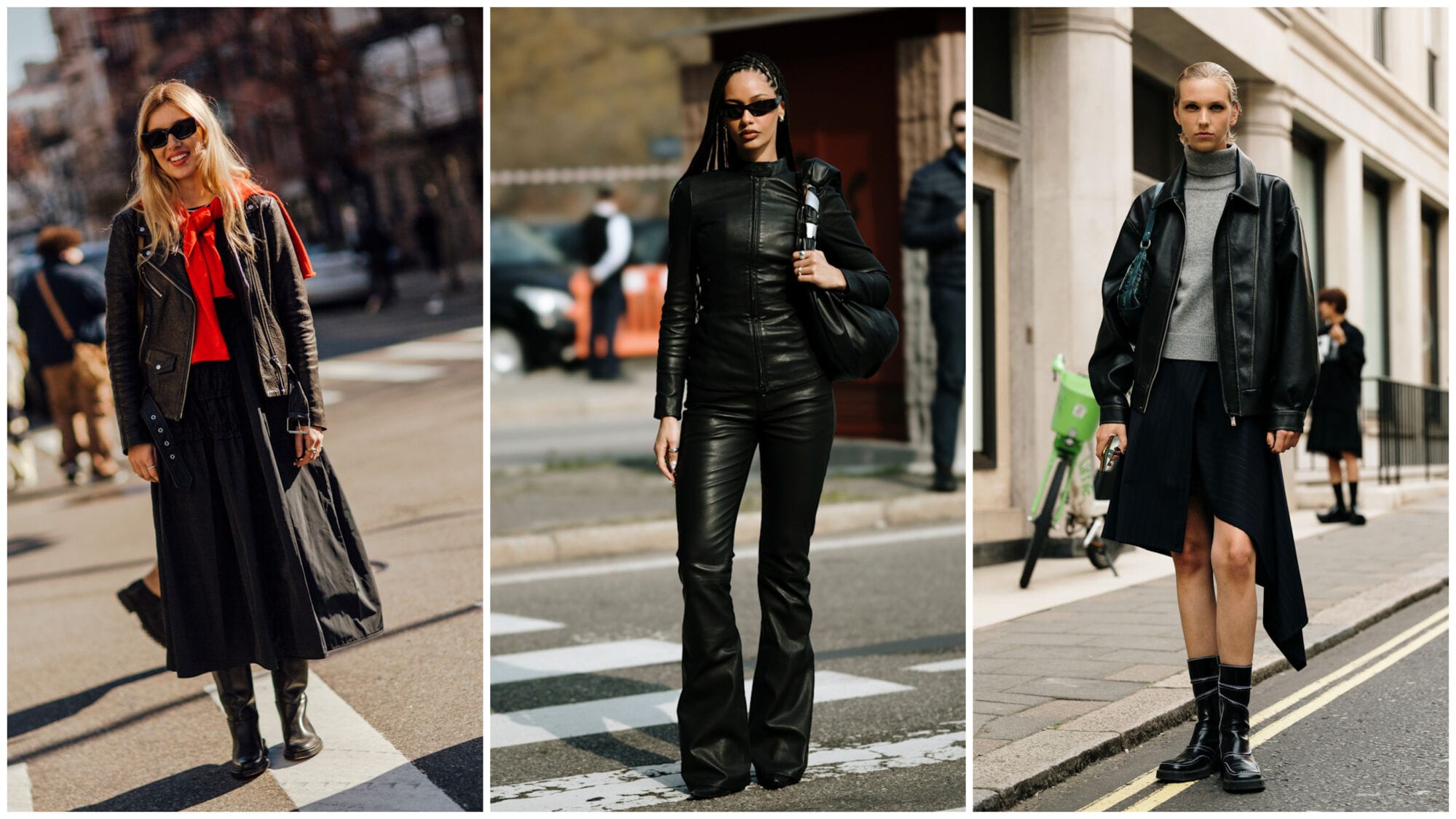
Street-Cool Style: How to Make Motorcycle Jackets, Belt Bags, and Futuristic Sunglasses Stand Out
Street fashion has never been about following every rule.It is about knowing which rules to break.A motorcycle jacket, a compact belt bag,...

The Art of Color Coordination: How to Match Your Bag With Your Eyeglass Frames for an Effortlessly Sophisticated Look
Fashion is often about the little details.A beautifully tailored outfit can look polished, yet something may still feel incomplete. The reason is...
Dating Night Style Secrets: The Perfect Collision of an Elegant Cocktail Dress, a Chain Evening Bag, and Sophisticated Semi-Rimless Glasses
Dating night is about more than choosing an outfit. It is about creating an impression without looking like you tried too hard....
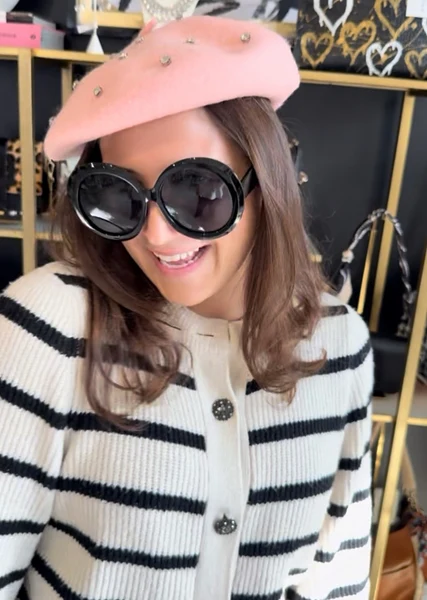
Effortless French Elegance: The Perfect Pairing of Knitwear, Tote Bags, and Cat-Eye Glasses
There is something undeniably captivating about French style.It is polished without looking overly polished, feminine without being overly delicate, and comfortable without...
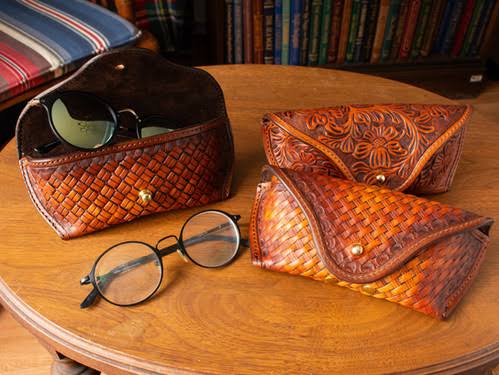
A Cross-Textural Conversation: The Tactile Collision of Leather Bags, Tweed Clothing, and Wood-Frame Eyewear
Introduction: When Materials Become the Main CharacterFashion is often discussed in terms of color, silhouette, trend, and season. Yet some of the...
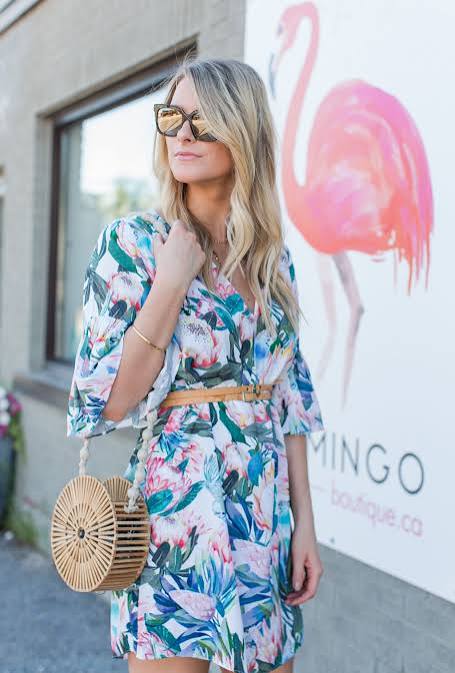
The Ultimate Guide to Vacation-Style Outfits: Floral Dresses, Straw Bags, and Round Sunglasses for Summer
Summer is the season of relaxed mornings, warm afternoons, outdoor dinners, weekend getaways, and long-awaited vacations. It is also the perfect time...
The Romance of Earth Tones in Fall: The Color Aesthetics of Trench Coats, Saddle Bags, and Tea-Tinted Sunglasses
Introduction: Falling in Love With the Colors of AutumnThere is something irresistibly romantic about autumn fashion.As summer fades, bright colors gradually give...
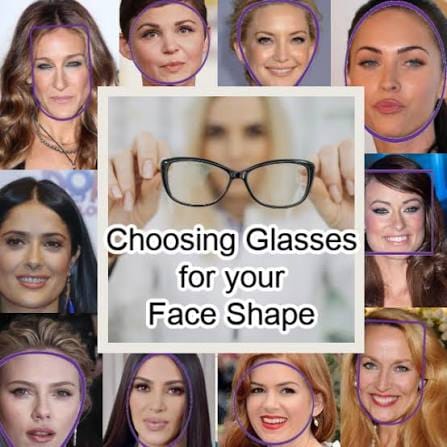
Best Glasses for Your Face Shape: Round, Square, Oval & More
Introduction: The Right Glasses Can Transform Your Entire AppearanceChoosing a pair of glasses is about much more than simply correcting your vision....