
Minimalist Aesthetics: Exploring the Precision Craftsmanship Behind Mechanical Snap-Fit Eyewear
Minimalism is often misunderstood as simplicity. In reality, true minimalism represents one of the most demanding forms of design. Removing elements does not reduce complexity — it concentrates it. Every remaining line, surface, and interaction must perform flawlessly because nothing exists to hide imperfections.
Nowhere is this philosophy more evident than in modern mechanical snap-fit eyewear.
At first glance, these glasses appear understated: clean silhouettes, seamless joints, and almost invisible construction. Yet beneath that visual calm lies an extraordinary level of engineering precision and craftsmanship. Mechanical snap-fit structures redefine how eyewear is assembled, worn, and experienced, transforming frames from decorative accessories into finely tuned mechanical systems.
This article explores how minimalist aesthetics intersect with advanced engineering, revealing the craftsmanship philosophy behind mechanical snap-fit eyewear and why it represents a new chapter in contemporary design culture.

Minimalism Beyond Appearance
Minimalism is not merely a visual trend characterized by neutral colors and reduced ornamentation. Its deeper principle is intentionality — the elimination of anything unnecessary while enhancing what remains essential.
In product design, this means:
- Fewer visible components
- Clear structural logic
- Honest material expression
- Functional beauty
Mechanical snap-fit eyewear embodies these ideals by removing traditional screws, bulky hinges, and redundant parts, allowing structure itself to become design.
The beauty is not added; it emerges naturally from engineering clarity.
The Historical Shift Toward Structural Purity
Traditional eyewear construction evolved from craftsmanship rooted in metalworking. Hinges, rivets, and screws were necessary because manufacturing limitations required separate components to be mechanically joined.
While effective, these methods introduced visual and mechanical complexity.
As materials science and precision manufacturing advanced, designers gained the ability to rethink assembly itself.
The question changed from:
“How do we attach parts together?”
to:
“How can parts become one unified system?”
Mechanical snap-fit structures answer this question.
What Defines Mechanical Snap-Fit Construction?
A snap-fit mechanism connects components through elastic deformation and geometric locking rather than external fasteners.
During assembly:
- A flexible element temporarily bends.
- Components slide into position.
- The material returns to shape.
- A secure mechanical lock forms.
No screws. No adhesives. No exposed hardware.
The result is structural continuity — a hallmark of minimalist design.
Invisible Engineering as Aesthetic Expression
Minimalist objects often appear effortless precisely because effort is hidden.
Snap-fit eyewear requires advanced calculations involving:
- Material elasticity
- Stress distribution
- Tolerance precision
- Fatigue resistance
- Force balance
These engineering decisions shape visual outcomes.
Smooth transitions between frame elements are not decorative choices; they are mechanical necessities.
Form follows function so completely that distinction disappears.
The Role of Precision in Minimalist Design
Minimalism leaves no room for error.
In traditional frames, hinges can compensate for small manufacturing deviations. Snap-fit structures cannot.
Every dimension must be exact.
Micron-level accuracy ensures:
- Proper locking force
- Smooth assembly
- Long-term stability
- Visual symmetry
Precision becomes the foundation of aesthetic purity.
Material Honesty: Letting Materials Speak
Minimalist philosophy values authentic material expression.
Mechanical snap-fit frames rely heavily on advanced polymers and engineered composites chosen not for imitation but for performance.
These materials provide:
- Controlled flexibility
- Lightweight strength
- Surface consistency
- Long-term durability
Instead of disguising material properties, designers highlight them.
The tactile experience becomes part of the design language.
The Elimination of Visual Noise
Traditional hinges introduce visual interruptions — screws, seams, and moving joints that divide visual flow.
Snap-fit construction removes these interruptions.
Continuous lines guide the eye smoothly across the frame.
This visual quietness creates psychological calm, one of minimalism’s most powerful effects.
The wearer experiences clarity not only through lenses but through design coherence.
Craftsmanship in the Age of Advanced Manufacturing
Some assume minimalism reduces craftsmanship.
The opposite is true.
Mechanical snap-fit eyewear shifts craftsmanship from manual assembly toward engineering mastery.
Craftsmanship now includes:
- Digital modeling
- Simulation testing
- Precision tooling
- Material optimization
Human skill moves upstream into design intelligence rather than downstream assembly labor.
The Balance Between Flexibility and Strength
Minimalist objects must achieve balance without visible reinforcement.
Snap-fit frames achieve stability through controlled flexibility.
Elastic zones absorb movement while rigid areas preserve alignment.
This balance mirrors architectural minimalism, where structural forces are distributed invisibly within clean forms.
The wearer feels stability without heaviness.
Ergonomics as Invisible Design
Minimalism prioritizes user experience over visual excess.
Snap-fit eyewear adapts naturally to facial movement due to flexible structural zones.
Benefits include:
- Reduced pressure points
- Stable positioning
- Adaptive comfort
- Lightweight wearability
Comfort becomes an outcome of engineering rather than padding or adjustment.
The Emotional Appeal of Precision Objects
Minimalist products often evoke emotional responses rooted in trust.
When an object feels precise, users subconsciously associate it with reliability.
Snap-fit eyewear communicates:
- Intentional design
- Technical sophistication
- Quiet confidence
These emotional signals enhance perceived value beyond material cost.
Modular Simplicity
Minimalism does not mean rigidity.
Snap-fit systems enable modularity while maintaining visual simplicity.
Components such as temples or nose bridges can be replaced without disrupting design integrity.
The object evolves without appearing fragmented.
This reflects a modern philosophy of sustainable ownership.
Sustainability Through Reduction
Minimalist engineering naturally supports sustainability.
Snap-fit eyewear reduces:
- Fasteners
- Assembly waste
- Replacement frequency
- Material redundancy
Fewer parts mean fewer failure points and longer lifespan.
Longevity becomes an environmental statement.
The Influence of Japanese and Scandinavian Design Philosophy
Many minimalist principles trace philosophical roots to traditions emphasizing restraint and harmony.
Common themes include:
- Respect for materials
- Functional clarity
- Quiet elegance
- Balance between object and user
Mechanical snap-fit eyewear aligns with these traditions while incorporating modern engineering capabilities.
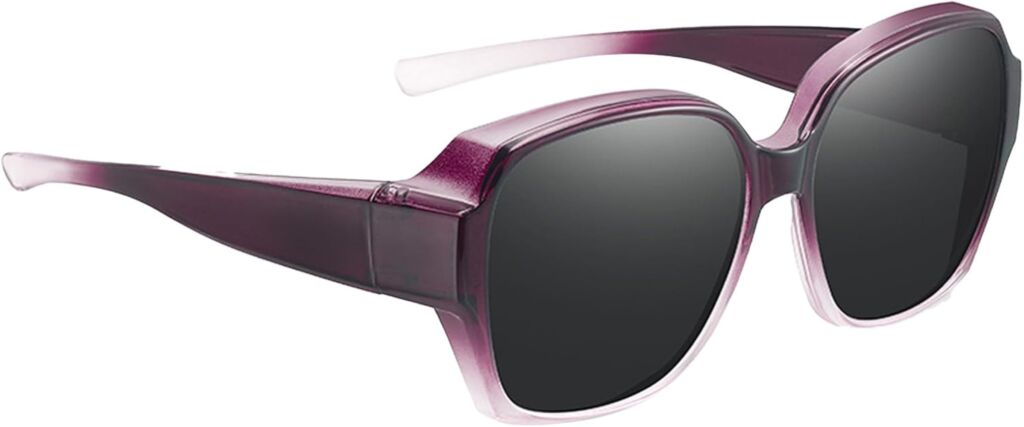
Why Minimalism Resonates Today
Modern environments are visually saturated.
Consumers increasingly seek objects that reduce cognitive noise.
Minimalist eyewear offers visual relief — an accessory that complements rather than competes for attention.
Its sophistication reveals itself gradually through use rather than instant spectacle.
Precision as Luxury
Luxury is evolving away from ornamentation toward refinement.
In minimalist eyewear, luxury manifests as:
- Perfect alignment
- Smooth mechanical interaction
- Consistent performance
- Thoughtful restraint
The absence of excess becomes the ultimate expression of quality.
Challenges Designers Face
Creating snap-fit minimalist eyewear introduces significant challenges:
- Extremely tight manufacturing tolerances
- Complex material testing
- High tooling precision requirements
- Limited margin for design error
Success requires collaboration between industrial designers, engineers, and material scientists.
The User Experience of Seamlessness
When users wear snap-fit minimalist frames, they often describe a subtle realization: nothing demands attention.
No squeaks, looseness, or visual clutter interrupt experience.
The glasses disappear into daily life.
This invisibility represents the highest achievement of minimalist design.
Comparing Traditional and Minimalist Engineering Approaches
| Design Aspect | Traditional Frames | Snap-Fit Minimalist Frames |
|---|---|---|
| Visible Hardware | Prominent | Minimal |
| Assembly Method | Mechanical fasteners | Elastic locking |
| Visual Complexity | Moderate | Low |
| Maintenance | Periodic adjustments | Minimal |
| Structural Expression | Added components | Integrated structure |
The Future of Minimalist Eyewear Craft
Emerging innovations may include:
- Bio-based engineering polymers
- Adaptive structural materials
- Personalized digital fabrication
- Integrated wearable technology
Snap-fit architecture provides the foundation for these advancements while preserving minimalist principles.
Minimalism as a Philosophy of Restraint
True minimalism asks designers to justify every element.
Mechanical snap-fit eyewear succeeds because every curve, thickness, and joint serves a purpose.
Nothing exists merely for decoration.
This discipline transforms engineering decisions into artistic expression.
Why Craftsmanship Is Becoming Invisible
Historically, craftsmanship was visible through ornament.
Today, craftsmanship appears through precision.
The better the engineering, the less obvious it becomes.
Snap-fit eyewear represents this transition — craftsmanship experienced through performance rather than appearance.
Choosing Minimalist Eyewear Thoughtfully
When evaluating minimalist frames, consider:
- Structural integration
- Material authenticity
- Mechanical simplicity
- Comfort consistency
- Long-term durability
Minimalism rewards careful observation.
Final Thoughts
Mechanical snap-fit eyewear reveals a profound truth about modern design: simplicity is not the absence of complexity but its mastery.
By removing visible hardware and embracing structural intelligence, designers create objects that feel calm, precise, and enduring. Engineering becomes art, and craftsmanship becomes invisible yet deeply felt.
Minimalist aesthetics reach their fullest expression when form, function, and material exist in harmony — when nothing extra remains, yet nothing essential is missing.
In this balance lies the quiet elegance of mechanical snap-fit eyewear: an object refined not through decoration, but through understanding.
And in an increasingly noisy world, that refined clarity may be the most luxurious quality of all.
Share this post

A Cross-Textural Conversation: The Tactile Collision of Leather Bags, Tweed Clothing, and Wood-Frame Eyewear
Introduction: When Materials Become the Main CharacterFashion is often discussed in terms of color, silhouette, trend, and season. Yet some of the...

The Ultimate Guide to Vacation-Style Outfits: Floral Dresses, Straw Bags, and Round Sunglasses for Summer
Summer is the season of relaxed mornings, warm afternoons, outdoor dinners, weekend getaways, and long-awaited vacations. It is also the perfect time...
The Romance of Earth Tones in Fall: The Color Aesthetics of Trench Coats, Saddle Bags, and Tea-Tinted Sunglasses
Introduction: Falling in Love With the Colors of AutumnThere is something irresistibly romantic about autumn fashion.As summer fades, bright colors gradually give...
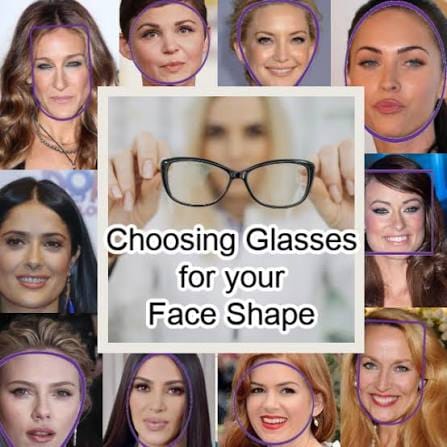
Best Glasses for Your Face Shape: Round, Square, Oval & More
Introduction: The Right Glasses Can Transform Your Entire AppearanceChoosing a pair of glasses is about much more than simply correcting your vision....
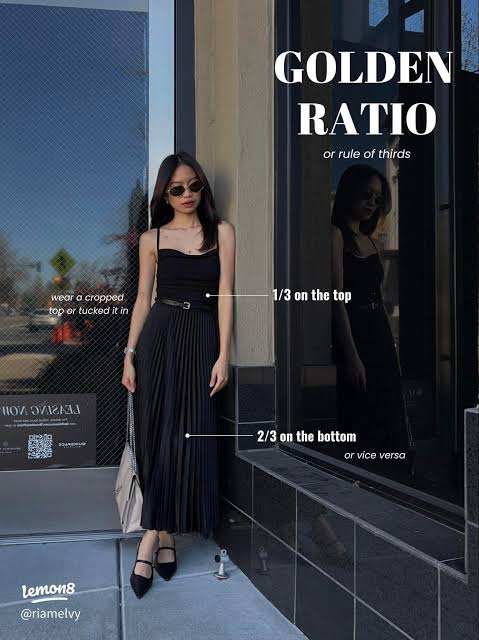
From Head to Toe: The Golden Ratio for Styling Glasses, Clothing, and Bags
Introduction: The Secret to Looking Polished From Head to ToeGreat style is rarely about wearing the most expensive clothes, following every trend,...

Minimalist Style: How Glasses and Bags Add the Perfect Finishing Touch to Black, White, and Gray Outfits
Minimalist fashion is often described as simple, effortless, and timeless. But creating a truly polished minimalist outfit is not as easy as...

Effortless Style: The Perfect Chemistry of Oversized Sweatshirts, Crossbody Bags, and Vintage Metal-Frame Glasses
Introduction: Why Relaxed Style Feels So RightFashion does not always have to look carefully calculated.Sometimes, the most appealing outfit is the one...

The Symphony of Metallic Elements: The Art of Layering Belt Buckles, Chain Bags, and Metal Frames
Introduction: When Metal Becomes a Fashion LanguageFashion has always been a conversation between materials, shapes, and personal expression. Among all design elements,...

Eyeglasses as the Finishing Touch: How to Make Your Frames Blend Perfectly Into Your Everyday Outfits
Eyeglasses are more than a tool for clearer vision. Today, they are one of the most powerful accessories in a modern wardrobe....

Old Money Style Guide: How Cashmere Coats, Premium Leather Bags, and Classic Black Frame Glasses Create Timeless Elegance
Introduction: Understanding the True Meaning of Old Money FashionFashion trends come and go, but true elegance has always been about something deeper...

The Ultimate Style Rescue for Round-Faced Women: How Necklines, Bag Placement, and Geometric Glasses Create a Slimmer Look
Introduction: Redefining Beauty Beyond Face ShapeFor many women with round faces, getting dressed can sometimes feel like a constant battle. The cheeks...

One Swipe, Crystal Clear: The Ultimate Guide to Efficient Eyeglass Cleaning
Introduction: Clear Vision Starts With Proper Lens CareFor millions of people around the world, eyeglasses are an essential part of daily life....