
Mechanical Harmony in Eyewear: How Precision Spring Snap Systems Create the Perfect Fit
You put on a new pair of frames. They look great in the mirror. The lenses are clear. The design fits your personality.
Then you start moving.
The temples press too tightly against your head. Or they slide down your nose. Or the bridge pinches after twenty minutes. By the end of the day, what looked perfect in the store feels like a compromise.
That’s because true comfort in eyewear isn’t about appearance alone. It’s about mechanical harmony — the invisible balance between structure, tension, flexibility, and motion.
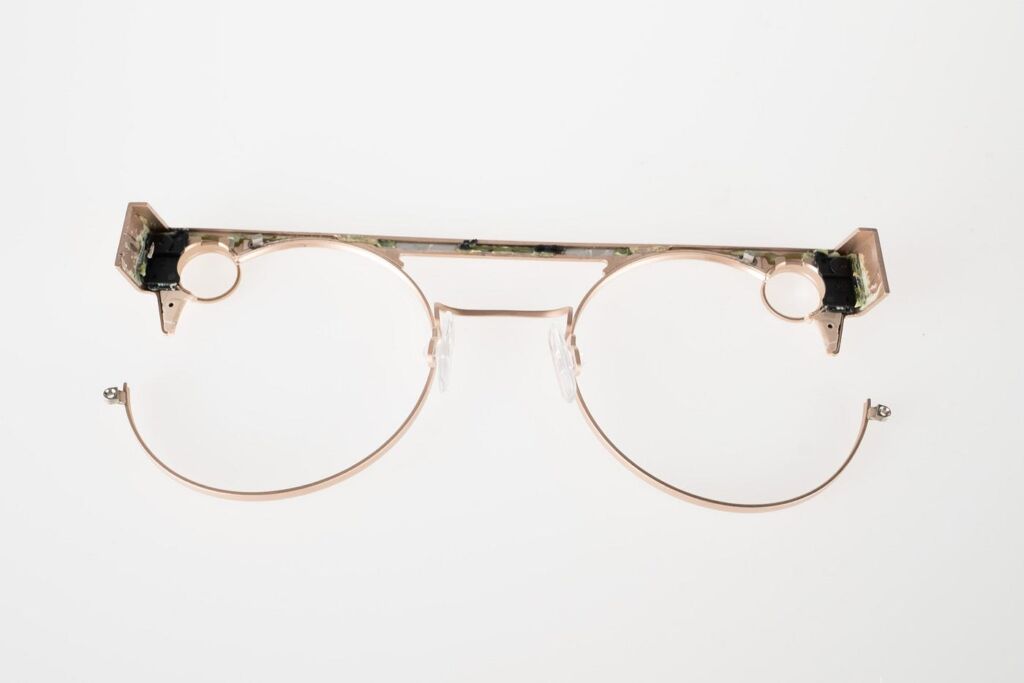
In recent years, precision spring snap systems have emerged as a breakthrough in frame engineering. These micro-mechanical innovations redefine how glasses interact with the human face, delivering a secure yet adaptive fit that feels natural instead of forced.
This deep dive explores the science, engineering, and design philosophy behind spring snap eyewear systems — and how they achieve what traditional hinges and rigid frames often cannot: effortless, all-day wear.
Why Fit Is the Most Underrated Feature in Eyewear
When consumers shop for glasses, they often prioritize:
- Style
- Brand recognition
- Lens quality
- Weight
- Price
But after purchase, the feature that determines long-term satisfaction is comfort.
A poorly balanced frame can cause:
- Pressure headaches
- Red marks behind ears
- Nose bridge irritation
- Constant slipping
- Temple fatigue
Even lightweight frames can feel uncomfortable if the tension distribution isn’t correct.
The human head isn’t symmetrical. Ear height differs. Nose bridges vary. Jaw width fluctuates during movement.
Static frame designs struggle to adapt to this variability.
That’s where mechanical harmony becomes essential.
What Is Mechanical Harmony in Eyewear?
Mechanical harmony refers to the balanced interaction between:
- Structural rigidity
- Controlled flexibility
- Tension distribution
- Motion response
- Recovery force
In practical terms, it means your glasses:
- Stay in place without squeezing
- Flex when needed
- Return to alignment naturally
- Maintain consistent pressure across contact points
Precision spring snap systems are engineered specifically to achieve this balance.
The Evolution of Eyewear Hinges
Traditional eyewear hinges are simple mechanical joints:
- Two interlocking metal pieces
- A small screw as pivot
- Limited opening angle
While effective, they have limitations:
- Fixed tension
- Wear over time
- Screw loosening
- Minimal adaptive response
Spring hinges improved flexibility by allowing temples to extend outward slightly, reducing pressure during wear.
Brands like Ray-Ban and Oakley incorporated spring hinge technology to enhance comfort and durability.
But even spring hinges have boundaries. They provide outward flex but don’t necessarily optimize micro-tension distribution or modular adaptability.
That’s where precision spring snap systems elevate the design.
Anatomy of a Precision Spring Snap System
Unlike conventional hinges, spring snap systems integrate:
- Micro-tension springs
- Interlocking snap geometry
- Elastic memory materials
- Guided motion channels
- Controlled resistance thresholds
The system is designed to:
- Flex under natural head movement.
- Distribute pressure evenly along temples.
- Provide tactile “snap” feedback during engagement.
- Maintain alignment through repeated cycles.
Instead of relying solely on screw-based pivots, these systems use mechanical tension as a dynamic stabilizer.
How Spring Tension Enhances Comfort
Comfort depends on pressure distribution.
If pressure concentrates at a single point — such as behind the ears — discomfort develops quickly.
Precision springs create controlled outward force that:
- Adapts to head width variations
- Reduces localized pressure points
- Maintains steady grip without overtightening
The result feels like a gentle embrace rather than a clamp.
This balance is what transforms ordinary frames into all-day wearables.
The Science of Adaptive Pressure
The human skull expands and contracts slightly with jaw movement, temperature shifts, and physical activity.
A rigid frame cannot accommodate these micro-changes.
Precision spring systems respond dynamically:
- Expand during chewing or speaking
- Contract back to neutral position
- Maintain optical alignment
- Reduce lens shift
This responsiveness enhances visual stability — particularly important for prescription lenses.
Mechanical harmony is not just about comfort; it directly affects visual clarity.
Snap Mechanics: Why the “Click” Matters
One defining feature of spring snap systems is the audible or tactile click during engagement.
That snap provides:
- Confirmation of proper assembly
- Secure modular attachment
- Psychological reassurance
- Mechanical stability
In modular frames with interchangeable temples or lenses, snap precision ensures alignment accuracy.
Unlike magnets, which rely on attraction force alone, snap systems use physical interlocking structures to prevent lateral movement.
That improves durability and long-term reliability.
Durability Through Intelligent Engineering
Repeated opening and closing cycles stress hinge systems.
Precision spring mechanisms use:
- High-tensile stainless steel springs
- Reinforced polymer housings
- Corrosion-resistant coatings
- Micro-calibrated resistance thresholds
Well-designed systems can endure thousands of cycles without noticeable degradation.
In contrast, traditional hinges may loosen as screws shift or metal wears down.
Mechanical harmony includes longevity.
Weight vs. Strength Balance
One challenge in spring systems is adding mechanical components without increasing weight.
Advanced engineering solves this through:
- Hollow-core temple designs
- Aerospace-grade alloys
- Injection-molded high-performance polymers
- Integrated structural ribs
The goal is maintaining lightweight comfort while delivering adaptive tension.
Brands inspired by athletic engineering — such as Nike — apply similar structural logic in footwear and wearable gear.
Lightweight does not mean fragile.
Perfect Fit Through Micro-Adjustment
Precision spring snap systems allow subtle customization:
- Adjustable temple tension
- Replaceable spring modules
- Snap-in bridge components
- Interchangeable nose pads
These modular options create a personalized fit without requiring professional reshaping.
For consumers who shop online, this flexibility reduces return rates and improves satisfaction.
Mechanical harmony supports modern retail behavior.
Stability During Motion
For active lifestyles, frame stability is critical.
During:
- Running
- Cycling
- Commuting
- Travel
- Outdoor activities
Frames experience vibration, sweat exposure, and rapid head movement.
Spring snap systems absorb motion energy through controlled flex.
Instead of transmitting impact force directly to the hinge, tension springs dissipate stress gradually.
This enhances durability and keeps lenses aligned.
Temperature and Environmental Resistance
Heat can expand materials. Cold can contract them.
Precision spring systems compensate by:
- Maintaining calibrated tension ranges
- Preventing overextension in heat
- Preserving closure force in cold
This consistency improves performance across climates.
In humid regions, corrosion-resistant components extend lifespan.
Mechanical harmony includes environmental resilience.
Optical Alignment and Lens Performance
Misalignment in frames affects:
- Optical center positioning
- Progressive lens accuracy
- Peripheral distortion
- Visual fatigue
Spring snap systems maintain:
- Balanced temple symmetry
- Stable front frame geometry
- Consistent lens plane positioning
Better alignment equals better vision performance.
That’s an often overlooked benefit of advanced hinge engineering.
The Role of Material Memory
Modern precision systems often use memory metals or engineered polymers that:
- Return to original shape after flex
- Resist permanent deformation
- Maintain tension integrity
Material memory enhances mechanical harmony by ensuring the frame recovers from stress events.
Drop your glasses accidentally? The system rebounds instead of bending permanently.
Sustainable Design Through Longevity
Durable frames reduce waste.
Precision spring systems contribute to sustainability by:
- Extending product lifespan
- Reducing need for frequent replacement
- Allowing component-level repair
- Supporting modular upgrades
Instead of discarding entire frames, users can replace specific modules.
Longevity is intelligent design.
Psychological Impact of Mechanical Confidence
There’s an emotional element to fit.
When glasses feel secure, users:
- Touch them less
- Adjust them less frequently
- Experience fewer distractions
- Build trust in the product
That confidence translates into brand loyalty.
Mechanical harmony isn’t just structural — it’s experiential.
Comparing Traditional Hinges and Spring Snap Systems
| Feature | Traditional Hinge | Precision Spring Snap |
|---|---|---|
| Flexibility | Limited | Controlled adaptive |
| Pressure Distribution | Static | Dynamic |
| Long-Term Stability | Moderate | High |
| Modularity | Minimal | Expandable |
| Motion Absorption | Low | High |
| Alignment Accuracy | Basic | Enhanced |
This comparison highlights how engineering sophistication directly impacts wear quality.
The Future of Mechanical Harmony
Next-generation eyewear may integrate:
- Smart sensors
- Biometric monitoring
- Adaptive tint lenses
- Augmented reality overlays
As functionality increases, structural precision becomes more critical.
Spring snap systems provide scalable architecture to support emerging technologies.
Mechanical harmony will likely define premium eyewear categories moving forward.
Why Precision Matters More Than Ever
Consumers are no longer impressed by novelty alone.
They expect:
- Performance
- Durability
- Comfort
- Intelligent design
Spring snap systems represent a shift from aesthetic-focused innovation toward engineering-first thinking.
The difference may not always be visible — but it’s immediately felt.
Final Thoughts
The perfect pair of glasses isn’t just stylish.
It’s stable without squeezing.
Flexible without loosening.
Secure without being rigid.
Comfortable without constant adjustment.
That balance is mechanical harmony.
Through precision spring snap engineering, modern eyewear achieves a new standard of adaptive comfort — responding to the human body rather than resisting it.
In the end, the smartest glasses aren’t the flashiest ones.
They’re the ones you forget you’re wearing.
Because when structure, tension, and motion work together seamlessly, comfort stops being noticeable.
And that’s when engineering becomes invisible — in the best possible way.
Share this post
A Cross-Textural Conversation: The Tactile Collision of Leather Bags, Tweed Clothing, and Wood-Frame Eyewear
Introduction: When Materials Become the Main CharacterFashion is often discussed in terms of color, silhouette, trend, and season. Yet some of the...

The Ultimate Guide to Vacation-Style Outfits: Floral Dresses, Straw Bags, and Round Sunglasses for Summer
Summer is the season of relaxed mornings, warm afternoons, outdoor dinners, weekend getaways, and long-awaited vacations. It is also the perfect time...
The Romance of Earth Tones in Fall: The Color Aesthetics of Trench Coats, Saddle Bags, and Tea-Tinted Sunglasses
Introduction: Falling in Love With the Colors of AutumnThere is something irresistibly romantic about autumn fashion.As summer fades, bright colors gradually give...
Best Glasses for Your Face Shape: Round, Square, Oval & More
Introduction: The Right Glasses Can Transform Your Entire AppearanceChoosing a pair of glasses is about much more than simply correcting your vision....
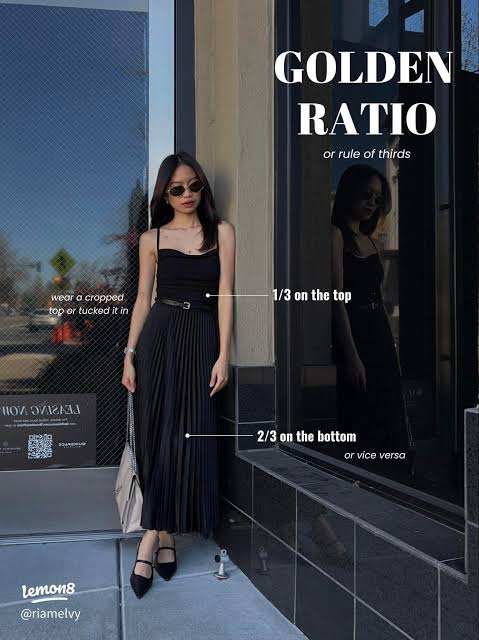
From Head to Toe: The Golden Ratio for Styling Glasses, Clothing, and Bags
Introduction: The Secret to Looking Polished From Head to ToeGreat style is rarely about wearing the most expensive clothes, following every trend,...

Minimalist Style: How Glasses and Bags Add the Perfect Finishing Touch to Black, White, and Gray Outfits
Minimalist fashion is often described as simple, effortless, and timeless. But creating a truly polished minimalist outfit is not as easy as...

Effortless Style: The Perfect Chemistry of Oversized Sweatshirts, Crossbody Bags, and Vintage Metal-Frame Glasses
Introduction: Why Relaxed Style Feels So RightFashion does not always have to look carefully calculated.Sometimes, the most appealing outfit is the one...

The Symphony of Metallic Elements: The Art of Layering Belt Buckles, Chain Bags, and Metal Frames
Introduction: When Metal Becomes a Fashion LanguageFashion has always been a conversation between materials, shapes, and personal expression. Among all design elements,...
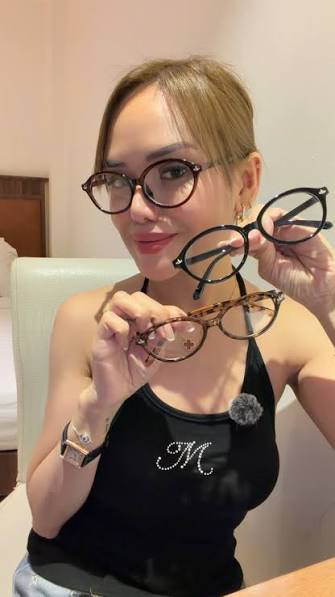
Eyeglasses as the Finishing Touch: How to Make Your Frames Blend Perfectly Into Your Everyday Outfits
Eyeglasses are more than a tool for clearer vision. Today, they are one of the most powerful accessories in a modern wardrobe....

Old Money Style Guide: How Cashmere Coats, Premium Leather Bags, and Classic Black Frame Glasses Create Timeless Elegance
Introduction: Understanding the True Meaning of Old Money FashionFashion trends come and go, but true elegance has always been about something deeper...

The Ultimate Style Rescue for Round-Faced Women: How Necklines, Bag Placement, and Geometric Glasses Create a Slimmer Look
Introduction: Redefining Beauty Beyond Face ShapeFor many women with round faces, getting dressed can sometimes feel like a constant battle. The cheeks...
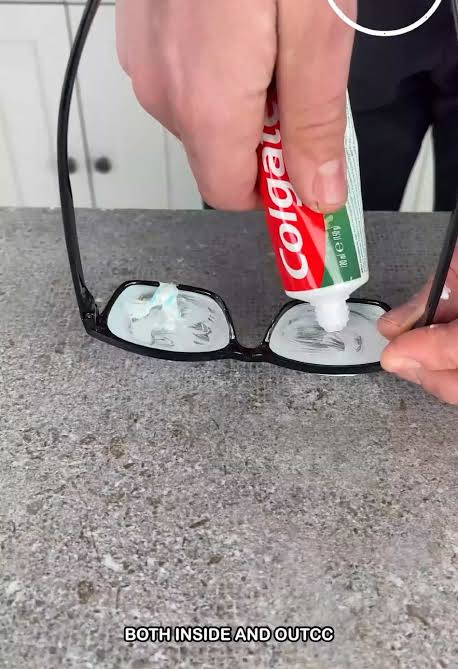
One Swipe, Crystal Clear: The Ultimate Guide to Efficient Eyeglass Cleaning
Introduction: Clear Vision Starts With Proper Lens CareFor millions of people around the world, eyeglasses are an essential part of daily life....