
How to Properly Wear and Care for Ski Goggles
Ski goggles are essential for protecting your eyes on the slopes, providing clear vision and shielding against harmful elements like UV rays, wind, snow, and debris. To ensure you’re ready for your next skiing adventure, it's crucial to know how to wear, clean, and maintain your goggles. This guide will help you get the most out of your ski goggles while ensuring safety and comfort.
Why Ski Goggles Are Essential
Ski goggles not only enhance visibility but also offer protection against the harsh elements of the slopes. They reduce glare from the sun, help you spot bumps or ice patches, and protect your eyes from wind, snow, and debris. Clear vision is essential to avoid hazards, making ski goggles a must-have for any skier.
How Ski Goggles Work
Ski goggles feature special coatings that filter out harmful UV rays and reduce glare. These coatings enhance your ability to see contrasts, improving depth perception and helping you identify terrain changes like bumps, ice, and moguls.
Choosing the Right Ski Goggles for Different Conditions
Lens Types for Various Weather Conditions
Different ski goggles are designed for different weather conditions. If you're skiing on a sunny day, goggles with dark-tinted lenses can reduce eye strain. In cloudy or snowy weather, lighter tints or clear lenses provide better visibility by allowing more light through. Some goggles come with interchangeable lenses, which allow you to adjust them as the weather changes.
How to Prevent Fogging on Ski Goggles
Fogging is a common issue caused by temperature differences and humidity. When warm air from your face meets the cold lens, moisture condenses into fog. This can be exacerbated by sweating or poor airflow. To avoid fogging, consider these solutions:
1. Anti-Fog Coatings
Many ski goggles come with anti-fog coatings that absorb moisture, preventing condensation. However, these coatings may lose effectiveness over time and require maintenance.
2. Double-Layered Lenses
Double-layered lenses help reduce fog by creating an insulating barrier of air between the layers. This equalizes the temperature difference and minimizes condensation.
3. Ventilation
Good ventilation is key to preventing fogging. Look for goggles with adjustable vents that can be tailored to weather conditions, providing airflow to dissipate moisture and heat.
4. Anti-Fog Sprays and Wipes
Anti-fog sprays and wipes can provide short-term relief for fogging, especially if you don't have built-in anti-fog features or vents. Reapply them throughout the day as needed.
How to Properly Wear Ski Goggles
Properly wearing ski goggles ensures comfort, protection, and clear vision. Follow these steps to make sure they fit correctly:
1. Fit Over Your Helmet
Place the strap of the goggles over your ski helmet, not underneath it. This ensures the goggles stay in place and provide a proper seal against your face.
2. Adjust the Strap
Ensure the strap is snug but not too tight. You should be able to adjust it easily for a secure fit without causing discomfort.
3. Check the Seal
The foam around the goggles should sit flush against your face with no gaps. Gaps can let in wind or snow, affecting your vision and comfort.
4. Position the Nose Bridge Comfortably
The nose bridge should fit comfortably without pinching. A proper fit ensures clear vision and avoids discomfort.
How to Clean Your Ski Goggles
Cleaning your ski goggles properly is essential to maintaining their effectiveness and longevity. Here’s how:
Cleaning the Outside
- Remove Loose Dirt: Use a soft brush or shake off any snow or dust. Be gentle to avoid scratching the lenses.
- Rinse with Water: Use room-temperature water to rinse the lens, avoiding hot water or harsh cleaners that could damage the coatings.
- Pat Dry with a Microfiber Cloth: Use a microfiber cloth to gently pat the lens dry. Don’t rub to avoid scratches.
Cleaning the Inside
- Avoid Touching the Inside Lens: The inside lens has a special anti-fog coating. Avoid touching it to preserve its effectiveness.
- Air Dry if Wet: If the inside gets wet, open the goggles and let them air dry in a room-temperature area.
How to Store Ski Goggles Properly
Proper storage helps maintain your ski goggles for long-lasting performance. Follow these tips:
1. Store at Room Temperature
Avoid storing your goggles in extreme temperatures. Keep them in a stable environment to prevent damage to the lenses or foam padding.
2. Dry Before Storing
Always ensure your goggles are dry before storing them to prevent fogging or mold buildup.
3. Use a Soft Pouch or Hard Case
Use the storage pouch that comes with your goggles to protect the lenses from scratches and dust. If you have a hard case, that provides extra protection.
4. Avoid Direct Sunlight
Don’t store your goggles in direct sunlight for prolonged periods. UV rays can degrade the lens coatings and strap material.
When and How to Replace Ski Goggle Lenses
If your goggles are scratched, damaged, or no longer providing clear vision, it’s time for a new lens.
Signs You Need a New Lens
- Deep Scratches or Damage: Any scratches that impair your vision.
- Worn Anti-Fog Coating: If the coating has worn off and fogging is frequent.
- Discoloration: Lenses that have yellowed or changed color.
How to Replace Lenses
- Consult the Instructions: Follow the manufacturer’s instructions for lens replacement.
- Remove the Old Lens: Carefully remove the old lens without applying force.
- Insert the New Lens: Line up the new lens with the frame and press it into place.
Final Tips for Maintaining Your Ski Goggles
- Always clean and store your goggles properly to avoid wear and tear.
- Replace your lenses when they no longer perform effectively.
- Make sure your goggles fit correctly to ensure clear vision and protection on the slopes.
By following these steps, you’ll be ready to hit the slopes with confidence, knowing your ski goggles are in top condition for optimal performance and safety.
Share this post

2026 Spring/Summer Fashion Trends: When Retro Small-Frame Glasses Meet the Underarm Bag
Fashion has always had a talent for bringing the past back in unexpected ways.A silhouette that once belonged to another decade can...
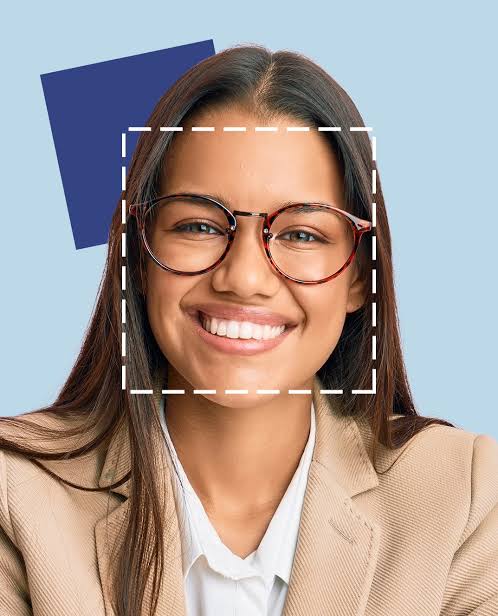
Soft Aesthetics for Girls with Square Faces: How Rounded Handbags and Gentle Eyeglass Frames Soften Facial Lines
A square face can be striking, elegant, and full of character. Defined by a broader forehead, a relatively straight jawline, and noticeable...
How to Buy Prescription Glasses Online on XCombo
Looking to buy glasses online? XCombo makes it easy to get stylish, high-quality glasses tailored to your prescription. Follow this simple step-by-step...

The Executive Style Code: A Career Guide to Suits, Briefcases, and Sophisticated Eyewear
In the modern workplace, professional style is about much more than wearing expensive clothes.The strongest business wardrobe communicates something before you say...
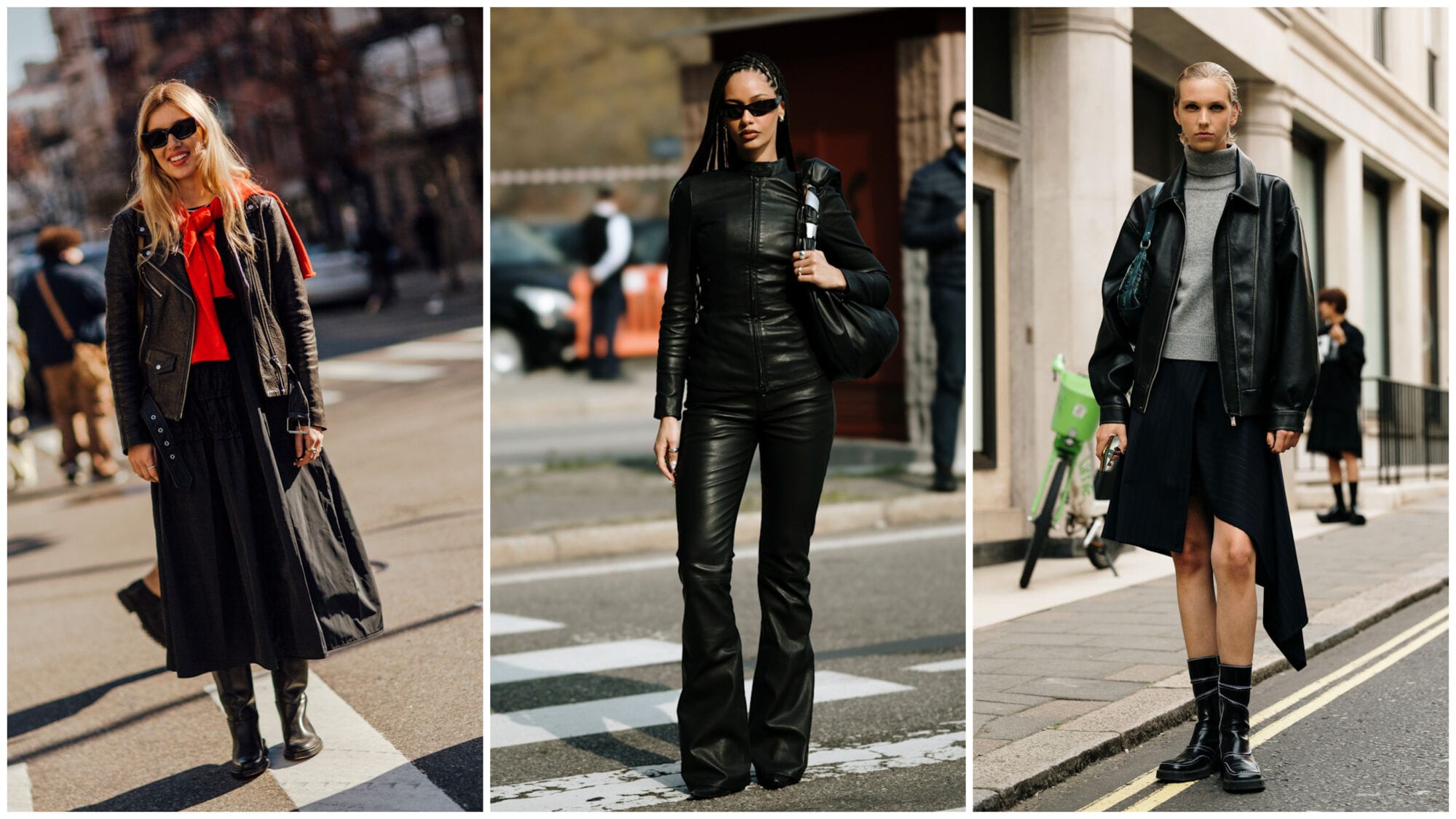
Street-Cool Style: How to Make Motorcycle Jackets, Belt Bags, and Futuristic Sunglasses Stand Out
Street fashion has never been about following every rule.It is about knowing which rules to break.A motorcycle jacket, a compact belt bag,...

The Art of Color Coordination: How to Match Your Bag With Your Eyeglass Frames for an Effortlessly Sophisticated Look
Fashion is often about the little details.A beautifully tailored outfit can look polished, yet something may still feel incomplete. The reason is...
Dating Night Style Secrets: The Perfect Collision of an Elegant Cocktail Dress, a Chain Evening Bag, and Sophisticated Semi-Rimless Glasses
Dating night is about more than choosing an outfit. It is about creating an impression without looking like you tried too hard....

Effortless French Elegance: The Perfect Pairing of Knitwear, Tote Bags, and Cat-Eye Glasses
There is something undeniably captivating about French style.It is polished without looking overly polished, feminine without being overly delicate, and comfortable without...
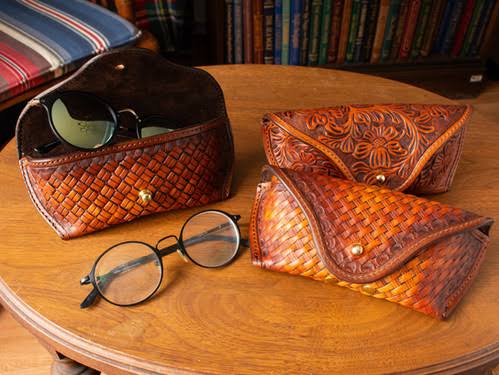
A Cross-Textural Conversation: The Tactile Collision of Leather Bags, Tweed Clothing, and Wood-Frame Eyewear
Introduction: When Materials Become the Main CharacterFashion is often discussed in terms of color, silhouette, trend, and season. Yet some of the...

The Ultimate Guide to Vacation-Style Outfits: Floral Dresses, Straw Bags, and Round Sunglasses for Summer
Summer is the season of relaxed mornings, warm afternoons, outdoor dinners, weekend getaways, and long-awaited vacations. It is also the perfect time...
The Romance of Earth Tones in Fall: The Color Aesthetics of Trench Coats, Saddle Bags, and Tea-Tinted Sunglasses
Introduction: Falling in Love With the Colors of AutumnThere is something irresistibly romantic about autumn fashion.As summer fades, bright colors gradually give...
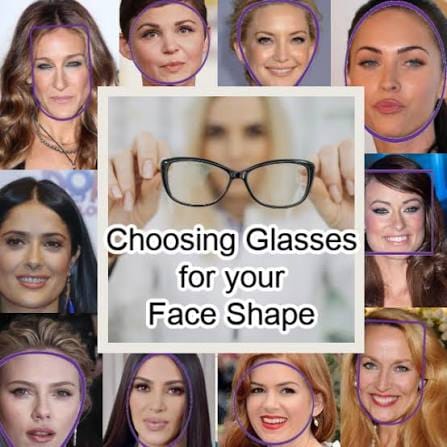
Best Glasses for Your Face Shape: Round, Square, Oval & More
Introduction: The Right Glasses Can Transform Your Entire AppearanceChoosing a pair of glasses is about much more than simply correcting your vision....