
Hair Sprays and Perfumes: The Invisible Chemical Enemies Slowly Destroying Your Custom Eyeglass Frames
Custom eyeglass frames are more than vision tools—they’re personal style statements, precision-fitted accessories, and often significant financial investments. Whether crafted from premium acetate, lightweight titanium, or handcrafted composite materials, modern eyewear is designed to combine comfort, durability, and aesthetics.
Yet many frame owners unknowingly expose their glasses to daily chemical damage.
The biggest threat isn’t accidental drops or scratches. It’s something far more subtle: hair sprays, perfumes, and personal grooming products used just inches away from your face every morning.
These invisible airborne chemicals can slowly corrode finishes, weaken materials, fade colors, and shorten the lifespan of even high-end custom frames. Because the damage happens gradually, most people don’t recognize the cause until deterioration becomes irreversible.
This guide explains how styling sprays and fragrances interact with eyewear materials, why custom frames are especially vulnerable, and how simple changes in daily habits can dramatically extend the life of your glasses.
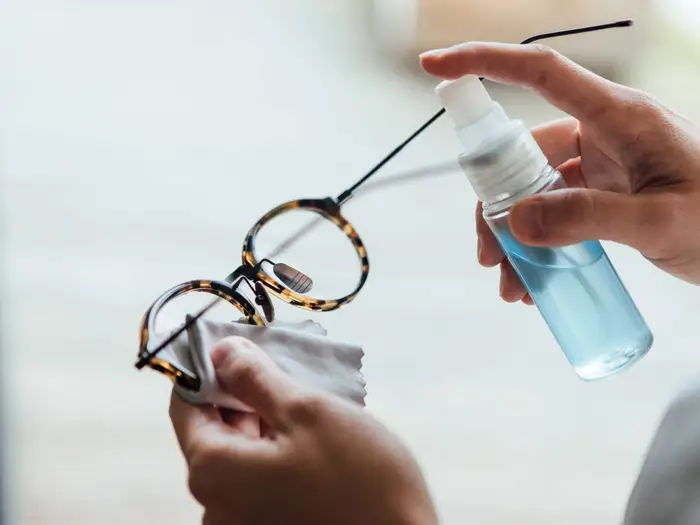
Why Custom Eyeglass Frames Require Special Care
Unlike mass-produced frames, custom eyewear often involves:
- Hand-polished finishes
- Layered acetate coloration
- Specialized coatings
- Precision hinge calibration
- Tailored fit adjustments
These refined features enhance comfort and appearance but also introduce surfaces that are more sensitive to chemical exposure.
Custom frames rely heavily on surface integrity. Once coatings degrade or materials begin breaking down, restoration becomes difficult or impossible.
The Overlooked Source of Frame Damage
Many users assume eyewear deterioration comes from aging or poor manufacturing. In reality, daily cosmetic products are often responsible.
Common culprits include:
- Hair spray
- Perfume and cologne
- Leave-in conditioners
- Dry shampoo
- Styling mousse
- Setting sprays
- Aerosol sunscreen
- Beard grooming sprays
These products disperse microscopic droplets that settle onto nearby surfaces—including eyeglass frames.
Because glasses sit directly within the spray zone, they receive repeated chemical exposure.
What’s Inside Hair Sprays and Perfumes?
Understanding the chemistry explains why damage occurs.
Alcohol-Based Solvents
Most perfumes and hair sprays contain ethanol or isopropyl alcohol.
Functions:
- Quick evaporation
- Fragrance dispersion
- Fast drying
Problem:
Alcohol dissolves or softens many plastics and coatings.
Plasticizers
Used to create flexible hair hold.
These compounds can react with frame polymers, altering surface texture over time.
Fragrance Oils
Fragrance molecules often contain reactive organic compounds capable of penetrating porous materials like acetate.
Propellants
Aerosols distribute chemicals evenly but also increase exposure area.
Fine particles travel farther than expected.
Fixatives and Resins
Hair sprays rely on polymer resins to hold hairstyles in place. These sticky substances accumulate on frames, attracting dust and accelerating chemical reactions.
How Chemical Exposure Damages Eyeglass Frames
Damage occurs through several mechanisms.
1. Solvent Interaction
Alcohol weakens protective coatings and breaks molecular bonds in certain plastics.
Results include:
- Cloudy surfaces
- Loss of gloss
- Softened finish layers
2. Oxidation Acceleration
Fragrance chemicals can promote oxidation when combined with air and light.
This leads to:
- Color fading
- Yellowing
- Surface dullness
3. Residue Accumulation
Hair spray particles create a thin film that traps moisture and pollutants.
Over time, this layer becomes chemically active.
4. Stress Cracking
Repeated exposure causes microscopic fractures that eventually expand under normal wear stress.
Why Custom Acetate Frames Are Especially Vulnerable
Acetate remains one of the most popular materials for premium eyewear due to its rich colors and handcrafted appearance.
However, acetate is semi-organic and slightly porous.
Chemical exposure may cause:
- Whitening near stress points
- Surface swelling
- Color distortion
- Reduced flexibility
Damage often appears first near temples and bridge areas.
Metal Frames Aren’t Immune Either
Many assume metal frames resist chemical damage completely. While metals themselves are durable, coatings are not.
Perfume exposure may cause:
- Coating discoloration
- Protective layer erosion
- Increased corrosion risk
- Skin-contact reactions
Even titanium frames often include painted or anodized finishes vulnerable to solvents.
The Hidden Danger Zone: Morning Grooming Routines
Consider a typical daily routine:
- Glasses worn after waking
- Hair styled using spray
- Perfume applied near neck or wrists
- Aerosols settle invisibly
Repeated daily exposure equals hundreds of chemical applications per year.
Unlike occasional accidents, this constant low-level exposure compounds damage gradually.
Early Warning Signs of Chemical Damage
Watch for subtle changes:
- Frames losing shine
- Sticky or tacky feel
- Unusual odor on frames
- Fading color near temples
- Tiny cracks near hinges
- Increased dust attraction
These signs often appear months before structural problems.
Why Custom Frames Show Damage Faster
Custom eyewear often uses:
- Higher polish finishes
- Complex color laminations
- Precision adjustments
These features amplify visible changes when surfaces degrade.
Mass-produced matte frames may hide damage longer, while premium frames reveal it sooner.
The Science of Aerosol Drift
Aerosol particles behave differently than most people expect.
When sprayed:
- Only a portion lands on hair or skin
- Remaining particles stay airborne
- Microdroplets settle on nearby objects within seconds
Eyeglasses sit directly in this deposition path.
Even spraying from arm’s length doesn’t eliminate exposure.
Lens Coatings Are Also at Risk
Chemical exposure doesn’t stop at frames.
Modern lenses often include:
- Anti-reflective coatings
- Blue-light filters
- Scratch-resistant layers
- Hydrophobic coatings
Alcohol and fragrance oils may degrade these layers, causing:
- Smearing
- Increased glare
- Reduced clarity
- Coating peeling
Many coating failures originate from cosmetic exposure rather than cleaning mistakes.
The Long-Term Cost of Chemical Damage
Gradual degradation leads to:
- Frequent adjustments
- Premature frame replacement
- Lens remounting costs
- Reduced wearing comfort
Replacing custom frames can cost significantly more than preventive care.
Safe Grooming Habits That Protect Your Eyewear
Small behavioral changes make a major difference.
Apply Products Before Wearing Glasses
Style hair and apply fragrance first.
Wait 30–60 seconds for aerosols to settle.
Remove Glasses During Spraying
Place glasses outside the immediate spray area.
Spray Away From the Face
Direct sprays downward or sideways rather than toward your head.
Allow Products to Dry Completely
Evaporation reduces chemical transfer.
Cleaning Frames After Exposure
Daily cleaning removes harmful residue.
Recommended method:
- Rinse frames with lukewarm water.
- Use mild soap without moisturizers.
- Gently clean temples and bridge.
- Rinse thoroughly.
- Dry with microfiber cloth.
Avoid harsh cleaners or paper towels.
Products to Avoid Using on Eyeglasses
Never clean frames with:
- Perfume
- Alcohol wipes (frequent use)
- Window cleaner
- Hair spray residue cloths
- Household disinfectants
These accelerate material breakdown.
Protective Strategies for Frequent Product Users
If daily styling products are unavoidable:
- Rotate between multiple frames
- Choose matte finishes (hide minor wear)
- Store glasses in a case during grooming
- Schedule periodic professional cleaning
Prevention reduces cumulative exposure.
Why High Humidity Makes Damage Worse
Humidity slows evaporation, allowing chemicals to remain active longer on surfaces.
Bathrooms with poor ventilation increase risk.
Improving airflow reduces chemical persistence.
Professional Maintenance Can Reverse Early Damage
Opticians can sometimes restore frames through:
- Ultrasonic cleaning
- Surface polishing
- Screw recalibration
- Protective coating treatments
However, advanced chemical degradation is irreversible.
Choosing Frames Resistant to Chemical Exposure
Some materials tolerate grooming products better.
More resistant options include:
- Titanium with durable anodization
- High-grade injected polymers
- Matte or textured finishes
- UV-stabilized materials
Discuss lifestyle factors when selecting custom frames.
Common Myths About Eyewear Durability
Myth: Expensive Frames Are Chemical-Proof
Reality: Premium materials still react to solvents.
Myth: Quick Sprays Cause No Harm
Reality: Damage accumulates gradually.
Myth: Only Cleaning Products Affect Frames
Reality: Cosmetics are a major contributor.
Building a Frame-Friendly Daily Routine
A protective routine takes less than a minute:
- Groom first.
- Let sprays settle.
- Put on glasses afterward.
- Wipe frames nightly.
Consistency prevents long-term deterioration.
The Psychology Behind Invisible Damage
Because chemical damage is slow and subtle, users rarely connect cause and effect.
Frames may fail months after exposure began, making the source difficult to identify.
Understanding cumulative exposure helps prevent premature replacement.
The Future of Chemical-Resistant Eyewear
Manufacturers are developing:
- Advanced protective coatings
- Solvent-resistant polymers
- Nano-layer barriers
- Anti-residue surfaces
These innovations aim to match modern lifestyles filled with cosmetic products.
When It’s Time to Replace Chemically Damaged Frames
Consider replacement if you notice:
- Persistent stickiness
- Structural cracks
- Severe fading
- Loose hinges caused by material weakening
- Skin irritation from degraded surfaces
Continuing to wear damaged frames may compromise comfort and alignment.
Final Thoughts
Hair sprays and perfumes may seem harmless to eyewear, yet their chemical composition makes them one of the most common hidden causes of frame deterioration—especially for custom eyeglasses crafted with precision materials and finishes.
The damage rarely happens overnight. Instead, it builds quietly through daily routines, gradually eroding coatings, weakening materials, and shortening the lifespan of frames designed to last for years.
Fortunately, protecting your eyewear requires only small habit adjustments: apply grooming products before wearing glasses, clean frames regularly, and minimize direct exposure to airborne chemicals.
By understanding how these invisible chemical agents interact with your eyewear, you can preserve both the appearance and performance of your custom frames—ensuring they remain comfortable, stylish, and structurally sound long into the future.

Share this post
The Romance of Earth Tones in Fall: The Color Aesthetics of Trench Coats, Saddle Bags, and Tea-Tinted Sunglasses
Introduction: Falling in Love With the Colors of AutumnThere is something irresistibly romantic about autumn fashion.As summer fades, bright colors gradually give...
Best Glasses for Your Face Shape: Round, Square, Oval & More
Introduction: The Right Glasses Can Transform Your Entire AppearanceChoosing a pair of glasses is about much more than simply correcting your vision....
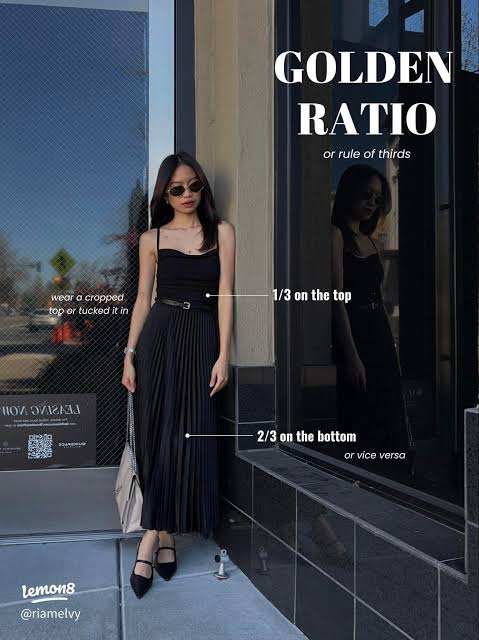
From Head to Toe: The Golden Ratio for Styling Glasses, Clothing, and Bags
Introduction: The Secret to Looking Polished From Head to ToeGreat style is rarely about wearing the most expensive clothes, following every trend,...

Minimalist Style: How Glasses and Bags Add the Perfect Finishing Touch to Black, White, and Gray Outfits
Minimalist fashion is often described as simple, effortless, and timeless. But creating a truly polished minimalist outfit is not as easy as...
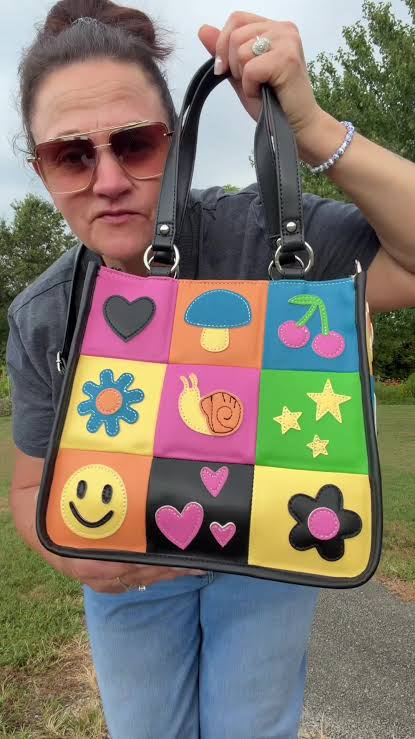
Effortless Style: The Perfect Chemistry of Oversized Sweatshirts, Crossbody Bags, and Vintage Metal-Frame Glasses
Introduction: Why Relaxed Style Feels So RightFashion does not always have to look carefully calculated.Sometimes, the most appealing outfit is the one...

The Symphony of Metallic Elements: The Art of Layering Belt Buckles, Chain Bags, and Metal Frames
Introduction: When Metal Becomes a Fashion LanguageFashion has always been a conversation between materials, shapes, and personal expression. Among all design elements,...
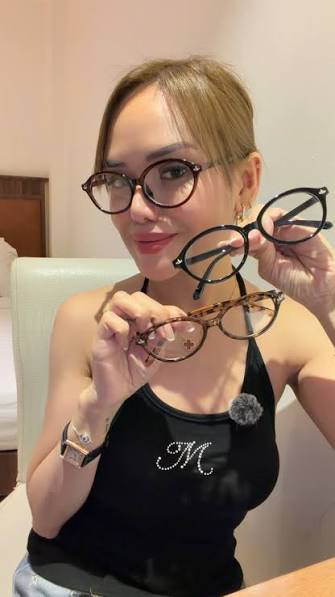
Eyeglasses as the Finishing Touch: How to Make Your Frames Blend Perfectly Into Your Everyday Outfits
Eyeglasses are more than a tool for clearer vision. Today, they are one of the most powerful accessories in a modern wardrobe....

Old Money Style Guide: How Cashmere Coats, Premium Leather Bags, and Classic Black Frame Glasses Create Timeless Elegance
Introduction: Understanding the True Meaning of Old Money FashionFashion trends come and go, but true elegance has always been about something deeper...

The Ultimate Style Rescue for Round-Faced Women: How Necklines, Bag Placement, and Geometric Glasses Create a Slimmer Look
Introduction: Redefining Beauty Beyond Face ShapeFor many women with round faces, getting dressed can sometimes feel like a constant battle. The cheeks...
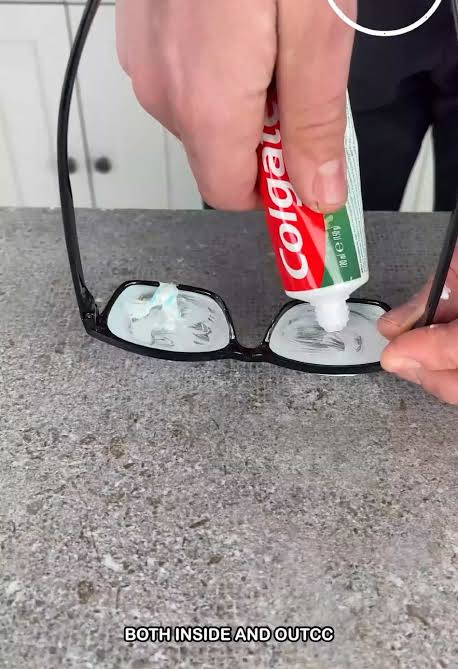
One Swipe, Crystal Clear: The Ultimate Guide to Efficient Eyeglass Cleaning
Introduction: Clear Vision Starts With Proper Lens CareFor millions of people around the world, eyeglasses are an essential part of daily life....

Eyeglasses as the Finishing Touch to Your Outfit: How Frame Shapes Can Elevate Your Style
Introduction: Eyeglasses as the Ultimate Fashion AccessoryWhen people think about fashion accessories, they often consider watches, jewelry, handbags, shoes, or clothing details....
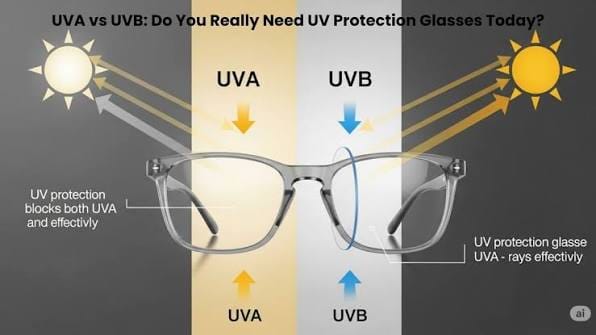
Blue Light Protection or UV Protection? Common Mistakes When Choosing Eye Protection Glasses
Introduction: Choosing the Right Eye Protection Is More Complicated Than It LooksEyeglasses have evolved far beyond simple vision correction tools. Today, consumers...