



From Matte to Glossy Again: Professional Restoration Solutions for Worn Custom Eyewear Frames
Introduction: When Premium Frames Start Losing Their Original Finish
Custom eyewear frames are more than vision tools—they are personal style statements, daily companions, and precision-crafted accessories designed to balance comfort, durability, and aesthetics. Whether matte, satin, brushed, or high-gloss, the surface finish of a frame plays a critical role in how it looks and feels.
Over time, however, even high-end custom frames begin to change. Matte finishes develop shiny patches. Glossy surfaces turn dull. Metal coatings fade. Acetate loses depth and richness. Many wearers assume this aging is unavoidable and replace their frames prematurely.
In reality, most surface texture degradation can be professionally restored. With the right techniques, worn frames can regain much of their original appearance—and sometimes look even better than before.
This guide explains why frame finishes deteriorate, how different materials age, and what professional restoration methods can safely revive custom eyewear without compromising structural integrity.
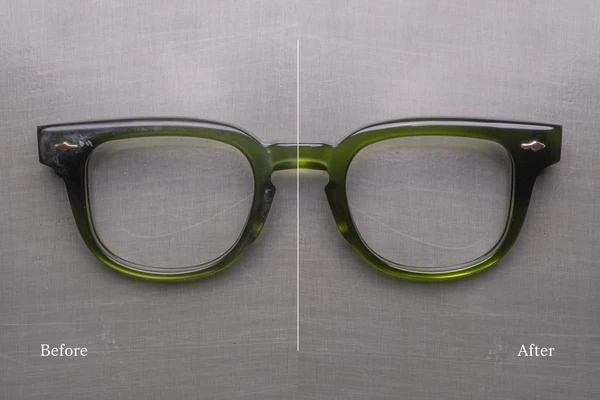
Understanding Eyewear Surface Finishes
Before discussing restoration, it’s important to understand what creates surface texture in the first place.
Frame finishes are not merely cosmetic; they are engineered layers or treatments applied during manufacturing.
Common finishes include:
- Matte (low-reflection surfaces)
- Satin or semi-matte textures
- High-gloss polished finishes
- Brushed metal textures
- Rubberized coatings
- Anodized metallic surfaces
Each finish interacts differently with skin oils, friction, sunlight, and environmental exposure.
Why Frame Surfaces Degrade Over Time
Daily wear exposes eyewear to constant micro-abrasion and chemical interaction.
1. Skin Oils and Sweat
Natural oils slowly break down surface coatings, especially around:
- Nose bridges
- Temple tips
- Ear contact points
Acidity levels in sweat accelerate wear.
2. Friction and Handling
Frequent adjustments, cleaning, and storage introduce microscopic scratches.
Even soft fabrics can gradually polish matte surfaces unintentionally.
3. UV Exposure
Sunlight weakens pigments and protective layers, causing fading or uneven gloss.
4. Cleaning Product Damage
Alcohol wipes and harsh detergents dissolve coatings over time.
5. Environmental Contaminants
Dust particles act as abrasives, while pollution residues chemically interact with finishes.
Matte Frames Turning Shiny: What’s Really Happening?
Matte finishes rely on microscopic surface texture that scatters light.
When friction smooths these tiny irregularities, light reflects evenly—creating unwanted shine.
This is not dirt buildup but physical surface change.
Common high-contact shine areas include:
- Temple arms
- Nose bridge
- Frame edges
Proper restoration recreates texture rather than simply cleaning the surface.
Glossy Frames Becoming Dull
Gloss finishes depend on ultra-smooth surfaces that reflect light uniformly.
Dullness results from:
- Micro-scratches
- Oxidation
- Residue buildup
- Polymer aging
Professional polishing restores smoothness by refining surface layers.
Material Matters: Restoration Depends on Frame Composition
Different materials require specialized approaches.
Acetate Frames
Premium acetate responds well to polishing and resurfacing because color runs through the material rather than sitting on top.
Metal Frames
Steel, titanium, and aluminum require coating-safe techniques to prevent corrosion or structural damage.
TR90 and Performance Plastics
Flexible materials need low-heat restoration methods to avoid deformation.
Mixed-Material Frames
Hybrid frames demand careful masking and multi-step restoration.
Signs Your Frames Are Ready for Restoration
Consider professional refinishing when you notice:
- Uneven shine patches
- Surface fading
- Loss of color depth
- Persistent dull appearance after cleaning
- Minor scratches across large areas
- Texture inconsistency
Early restoration preserves more material and produces better results.
Professional Restoration vs DIY Fixes
Many online tutorials suggest household polishing solutions, but improper methods often worsen damage.
DIY risks include:
- Removing protective coatings
- Creating uneven gloss levels
- Heat distortion
- Permanent discoloration
Professional services use controlled abrasives, calibrated polishing systems, and material-specific compounds.
The Professional Frame Restoration Process
Though methods vary, restoration typically follows structured stages.
Step 1: Material Assessment
Technicians evaluate:
- Frame material
- Original finish type
- Depth of wear
- Structural stability
This determines restoration feasibility.
Step 2: Deep Cleaning and Decontamination
Specialized cleaners remove oils, residues, and oxidation layers without affecting pigments.
Step 3: Surface Correction
Microscopic abrasives smooth damaged areas while preserving shape.
Different grit levels restore uniformity gradually.
Step 4: Texture Recreation or Polishing
Depending on finish:
- Matte frames undergo controlled micro-texturing.
- Gloss frames receive progressive polishing stages.
Step 5: Protective Finishing
Optional sealing treatments improve resistance to oils and environmental wear.
Step 6: Final Inspection and Adjustment
Frames are aligned and inspected for comfort and symmetry.
Restoring Matte Finishes Professionally
Recreating matte texture requires precision.
Technicians use:
- Micro-bead treatments
- Controlled abrasive pads
- Directional finishing techniques
The goal is uniform light diffusion without roughness.
Restoring Glossy Finishes
Gloss restoration involves multi-stage polishing.
Typical progression:
- Scratch leveling
- Fine polishing
- Ultra-fine buffing
- Optical finishing compound
Proper polishing restores depth and reflection clarity.
Metal Frame Refinishing Techniques
Metal restoration may include:
- Re-polishing stainless steel
- Re-anodizing aluminum
- Protective clear coatings
- Ultrasonic cleaning
Titanium frames often regain brilliance through careful mechanical polishing.
Color Revival and Pigment Enhancement
Acetate frames benefit from conditioning oils that restore color richness.
These treatments:
- Reduce dryness
- Enhance translucency
- Improve visual depth
Color restoration is subtle but dramatically improves appearance.
How Long Does Professional Restoration Last?
Longevity depends on usage habits.
Typical results last:
- 12–24 months for daily wear
- Longer with proper care routines
Maintenance significantly influences durability.
Preventing Future Surface Degradation
After restoration, adopting protective habits is essential.
Clean Frames Correctly
Use mild soap and lukewarm water instead of alcohol wipes.
Store Frames Properly
Always use a protective case when not in use.
Avoid High Heat
Heat accelerates coating breakdown and plastic aging.
Handle Frames by Temples
Touching lenses and bridges transfers oils to finishes.
Maintenance Routine for Restored Frames
Daily
- Gentle wipe with microfiber cloth.
Weekly
- Mild soap cleaning.
Monthly
- Inspect high-contact areas.
Annually
- Professional inspection or polishing touch-up.
Consistency preserves restoration results.
When Restoration Is Better Than Replacement
Refinishing is often preferable when frames:
- Fit perfectly
- Are discontinued models
- Have sentimental value
- Are custom-sized
- Feature premium materials
Restoration reduces waste while preserving personalization.
Environmental Benefits of Frame Restoration
Refurbishing eyewear contributes to sustainable consumption.
Advantages include:
- Reduced material waste
- Lower manufacturing demand
- Extended product lifecycle
- Reduced packaging impact
Luxury products are designed to last—and restoration supports that philosophy.
Cost Considerations
Professional restoration typically costs far less than replacing premium frames.
Factors influencing cost include:
- Material complexity
- Finish type
- Damage severity
- Required refinishing stages
Investment value increases with higher-quality frames.
Future Trends in Eyewear Surface Technology
Innovations are improving long-term durability.
Emerging developments include:
- Self-healing coatings
- Nano-textured matte finishes
- Oil-resistant surfaces
- Scratch-diffusion technologies
Even with advanced materials, maintenance will remain essential.
The Emotional Value of Restored Eyewear
Eyewear becomes part of daily identity. Restoring frames preserves familiarity and comfort.
Many wearers report renewed confidence when frames regain original appearance.
Restoration reconnects functionality with personal style.
Conclusion: Surface Texture Can Be Renewed, Not Replaced
The shift from matte to unwanted shine—or from glossy brilliance to dullness—is not the end of a frame’s life. Surface degradation is a natural result of daily use, but modern professional restoration techniques can reverse much of that wear safely and effectively.
Understanding frame materials, avoiding damaging habits, and choosing professional refinishing solutions allow custom eyewear to maintain both performance and aesthetics far longer than most people expect.
Rather than replacing frames at the first sign of aging, restoration offers a smarter, more sustainable path—one that respects craftsmanship, reduces waste, and preserves the unique comfort of personalized eyewear.
With proper care and occasional professional renewal, custom frames can continue looking refined, polished, and uniquely yours for many years to come.
Share this post





Soline Metallic Silver Base Frame - Wide Rectangle





Living a Multifaceted Life: How Custom Modular Eyewear Defines Your Personal Identity
Yet for years, eyewear has tried to force all these identities into one fixed frame.In a world where people change roles, moods,...
The Secret Weapon for Sculpting Your Face: How to Customize Eyewear Based on Your Cheekbones and Brow Shape
When it comes to elevating your appearance, most people think about hairstyles, makeup, or wardrobe upgrades. But there’s one transformative accessory that...
How Mechanical Clip Systems Make Quick Temple Replacement Possible: The Future of Modular Eyewear Design
Eyewear has evolved far beyond simple vision correction. Today, glasses are fashion statements, performance tools, and everyday essentials that must adapt to...
Why Your Glasses Keep Getting Looser Over Time: How Improper Handling Causes Hidden Structural Damage
Glasses are designed to be durable, precise, and comfortable. Yet many people notice the same frustrating pattern: a new pair fits perfectly...
Are Pink Glasses in Style?
Pink glasses are a timeless symbol of charm and personality. They evoke feelings of compassion, love, and hope, making them a popular...
One-Second Color Switch
How to Match Your Glasses Frame to Today’s Outfit—EffortlesslyLet’s be honest.You don’t wear the same outfit every day.Some days it’s clean and...