
Nose Pads Turning Yellow? The Complete Guide to Replacing Original Parts for Custom Eyeglasses
Custom eyeglasses are more than just vision tools — they are daily essentials, personal style statements, and long-term investments. Whether you wear prescription glasses for work, reading, driving, or all-day comfort, every small component plays an important role in how your glasses look and feel.
One of the most frustrating issues many wearers face is yellowing nose pads. What starts as a barely noticeable tint slowly turns into discoloration that makes even premium frames look old, unhygienic, and worn out. Worse, yellowed nose pads can affect comfort, skin health, and overall confidence.
The good news? You don’t need to replace your entire pair of glasses. In most cases, replacing original manufacturer nose pads restores both comfort and appearance — often making your glasses feel brand new again.
This complete guide explains everything you need to know: why nose pads turn yellow, when replacement is necessary, how to obtain original parts, and the exact step-by-step process professionals use to replace them safely.
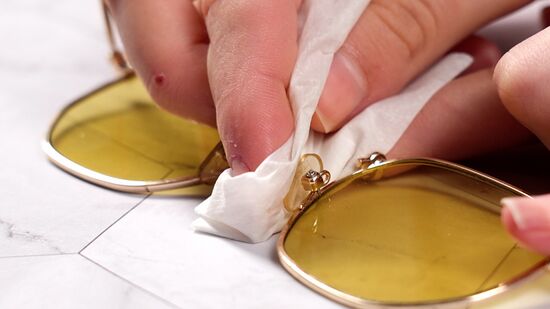
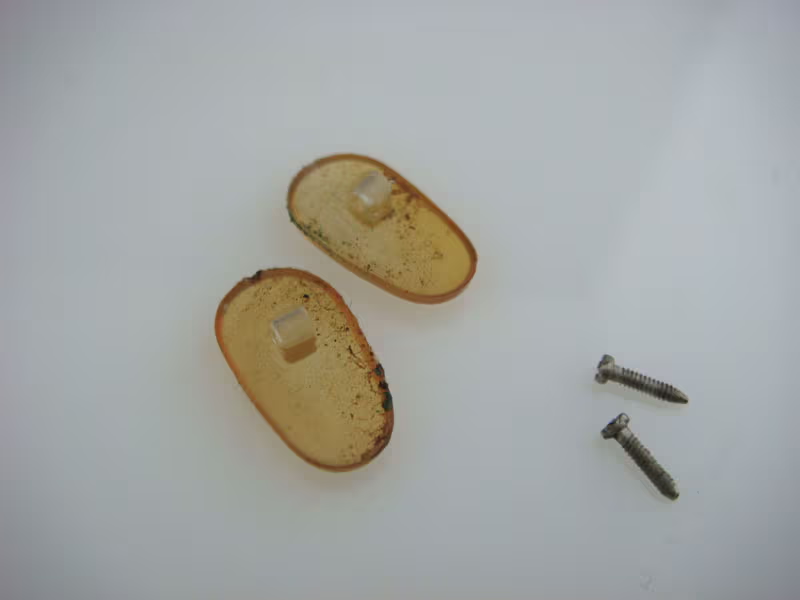
Why Do Nose Pads Turn Yellow?
Before jumping into replacement, it helps to understand why discoloration happens in the first place. Nose pads are typically made from materials designed for flexibility and comfort, but these materials naturally age over time.
1. Skin Oils and Sweat Accumulation
Your nose produces natural oils throughout the day. Combined with sweat, skincare products, sunscreen, and makeup, these substances gradually penetrate the pad material.
Even with regular cleaning, microscopic residues remain embedded, causing oxidation and discoloration.
2. UV Exposure
Sunlight accelerates chemical aging. Prolonged exposure to UV rays breaks down silicone and plastic polymers, turning transparent pads yellow or cloudy.
Ironically, people who spend more time outdoors — often the most active glasses users — experience faster aging.
3. Heat and Humidity
Warm environments soften nose pad materials, allowing oils and contaminants to absorb more deeply. This is especially common during summer months or in humid climates.
4. Cosmetic and Skincare Products
Foundation, sunscreen, moisturizers, and serums contain pigments and oils that cling to pads. Over time, these ingredients stain the material permanently.
5. Natural Material Aging
Even unused glasses stored for years may develop yellowing due to oxidation. Materials simply degrade with time.
Why You Should Avoid Cheap Replacement Pads
Many people attempt quick fixes by purchasing generic nose pads online. While inexpensive, these alternatives often create more problems than they solve.
Here’s why original parts matter.
Fit Precision
Custom eyeglasses are engineered with specific pad sizes, screw spacing, and curvature. Generic pads may:
- Sit unevenly
- Shift frame alignment
- Cause pressure points
- Affect optical positioning
Material Quality
Original manufacturer pads typically use higher-grade silicone or hypoallergenic materials designed for long wear.
Low-cost replacements may harden quickly or discolor faster.
Frame Protection
Incorrect pads can stress mounting arms, increasing the risk of breakage — especially with titanium or rimless frames.
Comfort Consistency
Original pads maintain the intended distance between lenses and your eyes, preserving both comfort and visual clarity.
Signs It’s Time to Replace Nose Pads
Not sure whether replacement is necessary? Watch for these common indicators:
- Visible yellow or brown discoloration
- Sticky or slippery surface texture
- Hardened or cracked pads
- Persistent skin irritation
- Glasses sliding down frequently
- Uneven frame balance
A good rule of thumb: replace nose pads every 6–12 months for daily wearers.
Understanding Original Manufacturer Parts
When professionals refer to “original parts,” they mean components produced or authorized by the frame manufacturer.
These parts are designed to match:
- Frame model
- Bridge geometry
- Mounting system
- Material compatibility
Original parts may include:
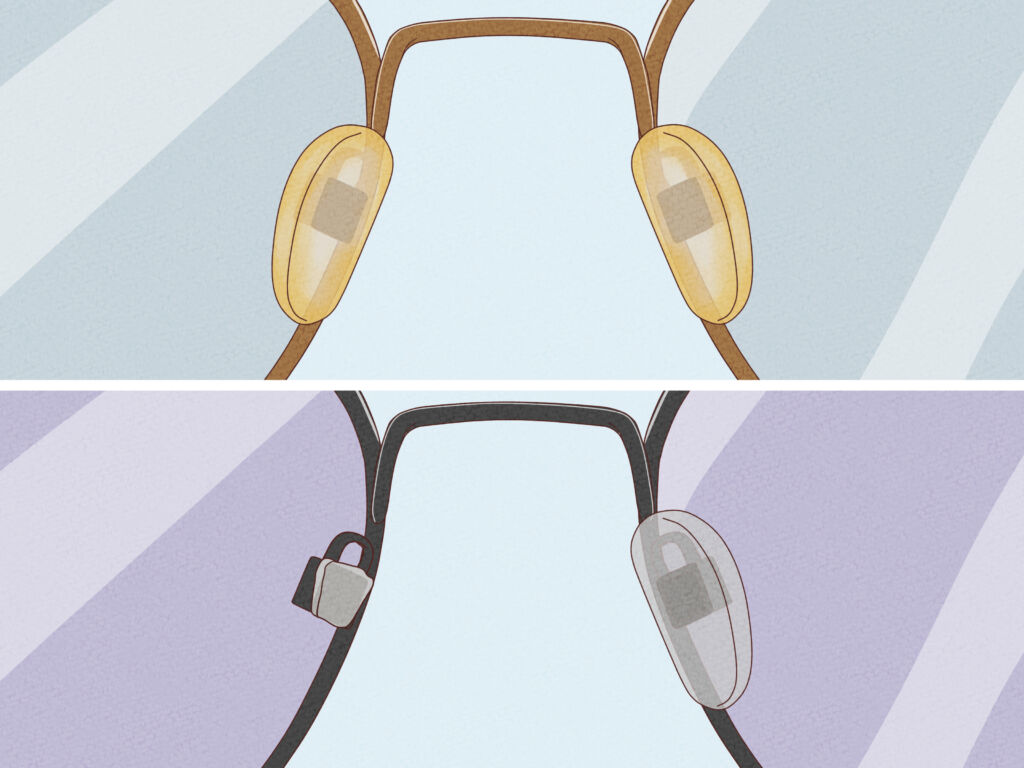
- Screw-mounted silicone pads
- Snap-in pads
- Push-fit pads
- Air-cushion pads
- Titanium-compatible pads
Each system requires different handling techniques.
The Complete Replacement Process (Step by Step)
Below is the professional workflow used by optical shops when replacing original nose pads.
Step 1: Frame Identification
The technician first identifies:
- Brand and model number
- Bridge type
- Mounting mechanism
- Pad size and shape
Model information is often located on the temple arm interior.
Accurate identification ensures compatibility with factory parts.
Step 2: Ordering Original Replacement Parts
Once identified, replacement pads are sourced through:
- Authorized distributors
- Manufacturer service centers
- Optical laboratories
Professionals avoid substitutions unless originals are discontinued.
Typical ordering time ranges from 2–10 business days.
Step 3: Pre-Replacement Inspection
Before removal, the technician checks:
- Pad arm stability
- Screw condition
- Corrosion or rust
- Frame alignment
- Bridge symmetry
If screws are worn or oxidized, they are replaced simultaneously.
Step 4: Sanitization and Preparation
The glasses undergo full cleaning to prevent contamination during installation.
This includes:
- Ultrasonic cleaning (if applicable)
- Alcohol-free disinfectant wipe
- Drying with microfiber cloth
Clean frames reduce the risk of trapped debris.
Step 5: Removing Old Nose Pads
Removal varies depending on attachment type.
Screw-Mounted Pads
A precision optical screwdriver removes micro screws carefully to avoid stripping.
Snap-In Pads
Technicians apply controlled pressure at specific angles to release clips safely.
Push-Fit Pads
Special tools disengage the mount without bending arms.
Improper removal is the most common cause of frame damage when attempted at home.
Step 6: Inspecting the Pad Arms
After removal, technicians examine:
- Metal fatigue
- Bent arms
- Surface corrosion
- Alignment symmetry
Minor adjustments are made using optical pliers.
Step 7: Installing Original Nose Pads
New pads are installed using calibrated pressure and alignment techniques.
Key considerations include:
- Correct orientation (left/right)
- Symmetry angle
- Equal height positioning
- Proper torque for screws
Overtightening can crack pads or strip threads.
Step 8: Alignment Adjustment
After installation, frames are adjusted for optimal fit.
Technicians ensure:
- Even weight distribution
- Proper pantoscopic tilt
- Correct vertex distance
- Balanced nose contact
This step significantly improves comfort.
Step 9: Final Cleaning and Quality Check
The glasses receive a final polish and inspection.
Checks include:
- Stability test
- Comfort test
- Visual alignment
- Cosmetic appearance
Only after passing inspection are glasses returned to the wearer.
Can You Replace Nose Pads Yourself?
Technically yes — but professionals strongly recommend caution.
DIY replacement risks include:
- Losing micro screws
- Scratching lenses
- Bending pad arms
- Installing incorrect sizes
- Misaligning optical centers
If your frames are high-value or customized, professional service is usually safer and inexpensive compared to replacement costs.
How Long Does Replacement Take?
Typical timelines:
- In-stock parts: 10–20 minutes
- Ordered original parts: 3–10 days total
- Complex rimless frames: up to 30 minutes service time
Many optical stores perform installation free when purchasing original parts.
Cost Expectations
Prices vary depending on brand and material:
- Standard original pads: $10–$25
- Premium silicone pads: $20–$40
- Luxury frame original parts: $40–$80
Considering the lifespan extension of your glasses, replacement is highly cost-effective.
How to Prevent Future Yellowing
While aging is inevitable, you can significantly slow discoloration.
Daily Habits
- Wipe nose pads nightly with microfiber cloth
- Remove glasses during heavy sweating
- Avoid touching pads with makeup-covered hands
Weekly Cleaning
Use mild soap and lukewarm water. Avoid harsh chemicals that degrade silicone.
Monthly Deep Cleaning
Professional ultrasonic cleaning removes embedded oils unreachable at home.
Storage Tips
- Store glasses in a ventilated case
- Avoid hot cars
- Keep away from direct sunlight when not in use
Choosing Better Nose Pad Materials
When replacing pads, ask about upgraded options:
Medical-Grade Silicone
Soft, hypoallergenic, slow discoloration.
Air Cushion Pads
Improve airflow and reduce pressure marks.
Titanium-Compatible Pads
Designed for lightweight frames.
Anti-Slip Textured Pads
Ideal for active lifestyles.
Common Mistakes People Make
Avoid these frequent errors:
- Waiting too long to replace pads
- Using alcohol wipes daily (causes drying)
- Buying random online replacements
- Tightening screws excessively
- Ignoring frame alignment after replacement
Small mistakes can shorten the life of otherwise durable glasses.
The Hidden Benefits of Replacing Nose Pads
Many wearers are surprised by how dramatic the improvement feels.
After replacement, users often notice:
- Better grip
- Reduced nose pressure
- Clearer vision alignment
- Improved hygiene
- Renewed appearance
It’s one of the simplest ways to refresh custom eyewear without major expense.
When Replacement Isn’t Enough
Occasionally, yellowing accompanies deeper issues:
- Corroded pad arms
- Broken mounts
- Frame warping
- Severe oxidation
In these cases, technicians may recommend bridge repair or partial frame servicing.
Professional vs. Online Replacement Services
Local optical shops offer advantages:
- Immediate fitting adjustments
- Authentic part verification
- Warranty protection
- Personalized comfort tuning
Online kits rarely account for facial fit — a crucial element of custom eyewear performance.
How Often Should Custom Glasses Be Serviced?
A healthy maintenance schedule looks like this:
- Daily: light cleaning
- Weekly: wash frames
- Every 6 months: nose pad replacement
- Yearly: professional adjustment and inspection
Routine care dramatically extends lifespan.
Final Thoughts: Small Parts, Big Difference
Yellowing nose pads may seem like a minor annoyance, but they affect comfort, hygiene, appearance, and even how confidently you wear your glasses.
Replacing original manufacturer nose pads is a simple, affordable process that restores your custom eyewear to its intended condition. With proper identification, authentic parts, and professional installation, your glasses can feel almost new again — without the cost of buying a new pair.
Think of nose pad replacement not as a repair, but as essential maintenance — just like replacing tires on a car or batteries in a device. When cared for properly, high-quality custom eyeglasses can remain comfortable, stylish, and functional for many years.
If your nose pads have started turning yellow, consider it a reminder: sometimes the smallest upgrades make the biggest difference in everyday comfort.
Share this post
How Should Your Glasses Fit for Comfort and Style?
Choosing the right pair of eyeglasses is about more than finding a frame design you like. A properly fitted pair of glasses...
How to Install and Remove the Top Frame
How to Install Your XCombo TopperCheck Left & RightMake sure each topper is on the correct side.Attach at the Nose BridgeAlign the...
Say Goodbye to an Awkward Look: How to Choose the Right Eyeglasses Based on Your Body Proportions and Bag Size
Eyeglasses are more than a vision-correction tool. They are also an important fashion accessory that can influence the balance, proportion, and overall...

Say Goodbye to Awkward Proportions: How to Choose the Right Glasses for Your Body Shape and Bag Size
Accessories can transform an ordinary outfit into a polished, thoughtfully coordinated look. A beautiful handbag adds personality, while the right pair of...

2026 Spring/Summer Fashion Trends: When Retro Small-Frame Glasses Meet the Underarm Bag
Fashion has always had a talent for bringing the past back in unexpected ways.A silhouette that once belonged to another decade can...

Soft Aesthetics for Girls with Square Faces: How Rounded Handbags and Gentle Eyeglass Frames Soften Facial Lines
A square face can be striking, elegant, and full of character. Defined by a broader forehead, a relatively straight jawline, and noticeable...
How to Buy Prescription Glasses Online on XCombo
Looking to buy glasses online? XCombo makes it easy to get stylish, high-quality glasses tailored to your prescription. Follow this simple step-by-step...

The Executive Style Code: A Career Guide to Suits, Briefcases, and Sophisticated Eyewear
In the modern workplace, professional style is about much more than wearing expensive clothes.The strongest business wardrobe communicates something before you say...

Street-Cool Style: How to Make Motorcycle Jackets, Belt Bags, and Futuristic Sunglasses Stand Out
Street fashion has never been about following every rule.It is about knowing which rules to break.A motorcycle jacket, a compact belt bag,...

The Art of Color Coordination: How to Match Your Bag With Your Eyeglass Frames for an Effortlessly Sophisticated Look
Fashion is often about the little details.A beautifully tailored outfit can look polished, yet something may still feel incomplete. The reason is...
Dating Night Style Secrets: The Perfect Collision of an Elegant Cocktail Dress, a Chain Evening Bag, and Sophisticated Semi-Rimless Glasses
Dating night is about more than choosing an outfit. It is about creating an impression without looking like you tried too hard....

Effortless French Elegance: The Perfect Pairing of Knitwear, Tote Bags, and Cat-Eye Glasses
There is something undeniably captivating about French style.It is polished without looking overly polished, feminine without being overly delicate, and comfortable without...