



Don’t Bend Crooked Glasses by Hand: The Real Difference Between Professional Frame Alignment Tools and DIY Adjustments
Few everyday frustrations compare to putting on your glasses and realizing something feels wrong. The frame tilts. One lens sits higher than the other. The temples squeeze behind your ears—or worse, slide constantly down your nose. A crooked eyeglass frame can turn clear vision into daily discomfort.
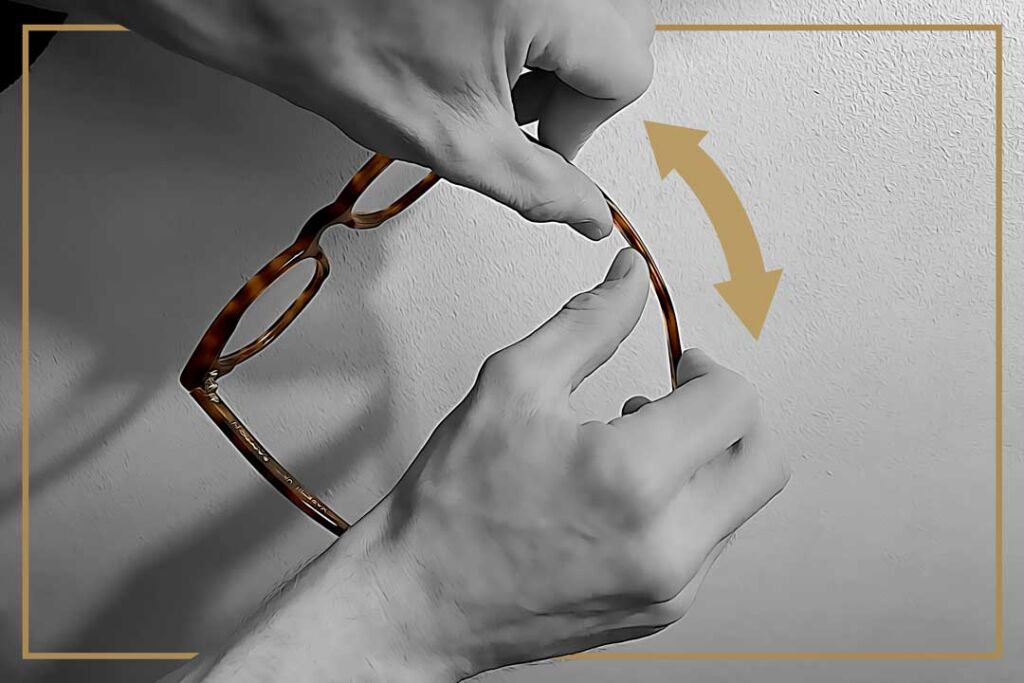
Most people instinctively try to fix the problem themselves by bending the frame with their hands. It seems simple enough: apply pressure, straighten the glasses, and move on. Unfortunately, this quick fix often creates bigger problems, including weakened hinges, cracked frames, distorted lenses, or permanent misalignment.
Professional opticians approach frame alignment very differently. They rely on specialized calibration tools, controlled heating techniques, and precise measurement methods designed to restore balance without damaging the eyewear.
In this guide, we’ll explore why glasses become crooked, what really happens when you adjust frames by hand, how professional alignment tools work, and how proper adjustments dramatically extend the lifespan and comfort of your eyewear.
Why Eyeglass Frames Become Crooked in the First Place
Even high-quality frames gradually shift out of alignment. Glasses experience constant mechanical stress throughout the day.
Common causes include:
Daily Wear Pressure
Putting glasses on with one hand twists the frame slightly every time. Over weeks or months, this repeated motion causes asymmetrical stress on hinges and temples.
Accidental Compression
Sitting on glasses—even briefly—can alter frame geometry. Many misalignments occur without obvious visible damage.
Temperature Changes
Heat softens certain frame materials, especially acetate and plastic blends. Leaving glasses inside a hot car can subtly warp the shape.
Loose Screws
Tiny hinge screws loosen naturally over time. Even a slight gap changes how the frame sits on your face.
Facial Asymmetry
Here’s something many people don’t realize: human faces are not perfectly symmetrical. Glasses must often be adjusted to match individual ear height, nose bridge angle, and head width.
Crooked glasses are not always damaged—they’re simply no longer calibrated to your face.
Signs Your Glasses Need Alignment
Many alignment issues are subtle but noticeable during wear.
Watch for these signs:
- Glasses slide down constantly
- One lens appears higher in the mirror
- Pressure behind one ear only
- Nose pads leave uneven marks
- Frames wobble on flat surfaces
- Vision feels slightly off despite correct prescription
- Headaches after extended wear
These symptoms indicate structural imbalance rather than prescription problems.
The Hidden Risks of Adjusting Glasses by Hand
Hand adjustments feel intuitive, but they lack precision and control.
Uneven Force Application
When bending frames manually, pressure rarely distributes evenly. One side often bends more than intended, creating new alignment errors.
Material Fatigue
Frames are engineered with tolerance limits. Repeated manual bending weakens metal memory or plastic integrity.
Over time, this leads to:
- Micro fractures
- Stress whitening in acetate
- Loss of spring tension
- Sudden breakage later
Lens Stress and Optical Distortion
Modern lenses are mounted under calibrated tension. Twisting the frame alters lens positioning, potentially affecting optical alignment—even if the prescription remains unchanged.
This can cause eye strain without obvious visual blur.
Hinge Damage
Hinges are precision components. Manual bending transfers stress directly into hinge barrels and screws, shortening their lifespan.
How Professional Opticians Approach Frame Alignment
Professional adjustment is not guesswork. It follows a structured diagnostic process.
Step 1: Visual Geometry Assessment
Opticians examine:
- Frame symmetry
- Temple angle
- Lens plane alignment
- Bridge positioning
They compare frame geometry against standardized alignment references.
Step 2: Facial Fit Analysis
Glasses must match the wearer’s anatomy.
Professionals evaluate:
- Ear height differences
- Nose bridge width
- Head curvature
- Pupillary alignment
Adjustments are customized—not generic.
Step 3: Controlled Adjustment Using Specialized Tools
This is where professional tools make the biggest difference.
Professional Frame Alignment Tools Explained
Frame Heaters
Plastic and acetate frames must be warmed before adjustment.
Professional heaters provide controlled temperatures that soften material without melting or weakening it.
Benefits include:
- Smooth reshaping
- Reduced cracking risk
- Preserved material strength
DIY adjustments skip this critical step.
Optical Pliers (Precision Adjustment Pliers)
Opticians use multiple types of pliers, each designed for specific adjustments.
Examples include:
- Parallel jaw pliers for even pressure
- Nylon-jaw pliers to prevent scratches
- Nose pad adjustment pliers
- Temple alignment pliers
These tools distribute force precisely across intended areas.
Alignment Boards
Flat calibration surfaces allow technicians to detect subtle imbalance invisible to the naked eye.
Frames are placed on alignment boards to confirm:
- Equal temple contact
- Proper lens plane level
- Symmetrical structure
Screwdrivers and Torque Tools
Professional-grade micro screwdrivers ensure hinges are tightened without stripping threads.
Correct torque prevents both loosening and over-tightening.
The Science Behind Proper Frame Alignment
Eyeglass alignment is essentially a three-dimensional calibration problem involving:
- Horizontal leveling
- Vertical symmetry
- Angular positioning
A correctly aligned frame ensures lenses sit perpendicular to your visual axis.
Misalignment changes how light enters the eye, potentially causing:
- Visual fatigue
- Depth perception discomfort
- Head tilt compensation
- Neck strain
This explains why fixing alignment often improves comfort instantly.
Comparing DIY Adjustment vs Professional Calibration
Accuracy
Hand Adjustment: Approximate correction
Professional Tools: Millimeter-level precision
Safety
Hand Adjustment: High breakage risk
Professional Tools: Controlled stress distribution
Comfort Outcome
Hand Adjustment: Temporary improvement
Professional Tools: Long-lasting fit
Frame Longevity
Hand Adjustment: Accelerated wear
Professional Tools: Extended lifespan
Material Matters: Why Some Frames Are Especially Risky to Adjust Yourself
Not all frames behave the same.
Acetate Frames
Require heat before bending. Cold adjustments often cause cracking.
Memory Metal Frames
Designed to flex but require controlled pressure points.
Improper bending destroys shape memory properties.
Titanium Frames
Extremely strong but difficult to reshape without specialized tools.
Rimless Frames
Highly sensitive to tension changes affecting lens stability.
DIY adjustments can loosen lens mounts.
When DIY Adjustment Is (Sometimes) Acceptable
Minor fixes can be done safely if performed carefully.
Acceptable situations include:
- Tightening a loose screw
- Slightly adjusting silicone nose pads
- Cleaning debris from hinges
Even then, gentle handling is essential.
Avoid bending structural parts of the frame.
Common DIY Mistakes That Cause Permanent Damage
Many damaged frames share similar histories.
Twisting the Front Frame
People attempt to level lenses by twisting the bridge.
This often misaligns both lenses simultaneously.
Bending Temples Outward
Trying to reduce ear pressure without heating weakens metal fatigue points.
Using Household Tools
Pliers, tweezers, or fingers create uneven force and surface scratches.
Adjusting While Wearing Glasses
This introduces unpredictable angles and excessive pressure.
How Often Glasses Should Be Professionally Adjusted
Regular calibration keeps glasses comfortable and stable.
Recommended schedule:
- After purchase: within 1–2 weeks
- Every 3–6 months for daily wearers
- After accidental drops
- When discomfort appears
Many optical shops offer adjustments free of charge.
The Comfort Difference: What Proper Alignment Feels Like
After professional adjustment, users often notice:
- Glasses feel lighter
- Reduced nose pressure
- No sliding during movement
- Balanced vision across both eyes
- Improved posture
Proper alignment distributes weight evenly across contact points.
Extending the Life of Your Eyeglass Frames
Alignment maintenance directly affects durability.
Best practices include:
- Use both hands when putting on glasses
- Store glasses in a hard case
- Avoid placing lenses face-down
- Keep frames away from extreme heat
- Clean regularly to prevent hinge buildup
Preventive habits reduce adjustment frequency.
The Cost Advantage of Professional Adjustment
Many people avoid professional adjustments assuming they are expensive.
In reality:
- Basic adjustments are often complimentary
- Repairs cost far less than frame replacement
- Preventive calibration avoids lens remounting costs
A five-minute adjustment can save hundreds of dollars.
How Optical Shops Achieve Precision Results
Professionals rely on experience combined with measurement techniques.
They evaluate:
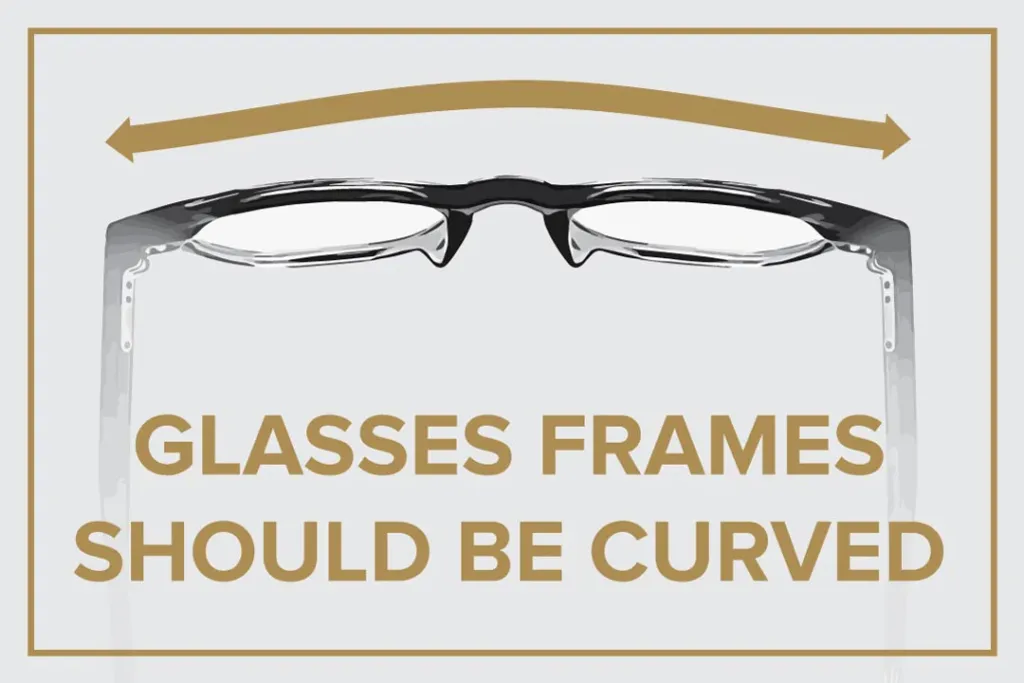
- Pantoscopic tilt (lens angle toward cheeks)
- Face-form wrap angle
- Temple pressure distribution
- Optical center positioning
These micro-adjustments dramatically influence comfort and vision clarity.
Modern Eyewear Technology and Alignment
Today’s glasses often include:
- High-index lenses
- Progressive prescriptions
- Blue-light filtering coatings
- Lightweight materials
These advanced designs demand more precise alignment than older frames.
Even small distortions can affect visual performance.
Warning Signs You Should Stop Adjusting Immediately
Seek professional help if you notice:
- Cracking sounds during bending
- Whitening marks on plastic frames
- Loose lens movement
- Sudden uneven vision
- Hinges separating from frame
Continuing adjustments may cause irreversible damage.
Choosing Frames That Stay Aligned Longer
Some frame designs resist misalignment better.
Look for:
- Spring hinges
- Reinforced temple cores
- Quality acetate construction
- Balanced weight distribution
- Adjustable nose pads
Higher-quality construction reduces maintenance needs.
Why Professional Tools Make Such a Big Difference
The core difference comes down to control.
Professional tools allow opticians to:
- Apply force exactly where needed
- Protect delicate surfaces
- Adjust gradually
- Maintain structural integrity
Hand adjustments rely on estimation, while tools enable calibration.
Final Thoughts
Crooked glasses may seem like a small annoyance, but improper adjustments can shorten the life of your eyewear and compromise comfort and vision quality. While bending frames by hand feels like a quick solution, it often introduces new alignment problems or hidden structural damage.
Professional alignment tools exist for a reason. They transform adjustments from guesswork into precision calibration, restoring balance without risking the frame or lenses.
The next time your glasses feel uneven, resist the urge to twist them back into shape. A proper adjustment performed with the right tools doesn’t just fix the problem—it preserves your eyewear, improves comfort, and ensures your vision remains exactly as intended.
Taking a few minutes for professional calibration today can add years to the life of your glasses tomorrow.
Share this post
Soline Classic Gold Base Frame – Wide Rectangle




Living a Multifaceted Life: How Custom Modular Eyewear Defines Your Personal Identity
Yet for years, eyewear has tried to force all these identities into one fixed frame.In a world where people change roles, moods,...
The Secret Weapon for Sculpting Your Face: How to Customize Eyewear Based on Your Cheekbones and Brow Shape
When it comes to elevating your appearance, most people think about hairstyles, makeup, or wardrobe upgrades. But there’s one transformative accessory that...
How Mechanical Clip Systems Make Quick Temple Replacement Possible: The Future of Modular Eyewear Design
Eyewear has evolved far beyond simple vision correction. Today, glasses are fashion statements, performance tools, and everyday essentials that must adapt to...
Why Your Glasses Keep Getting Looser Over Time: How Improper Handling Causes Hidden Structural Damage
Glasses are designed to be durable, precise, and comfortable. Yet many people notice the same frustrating pattern: a new pair fits perfectly...
Are Pink Glasses in Style?
Pink glasses are a timeless symbol of charm and personality. They evoke feelings of compassion, love, and hope, making them a popular...
One-Second Color Switch
How to Match Your Glasses Frame to Today’s Outfit—EffortlesslyLet’s be honest.You don’t wear the same outfit every day.Some days it’s clean and...