



A Must-Have for Drivers, How to Quickly Switch Polarized Lenses with One Hand While Driving
Modern driving demands more from our eyes than ever before. From harsh midday glare to sudden changes in lighting conditions, drivers constantly face visual challenges that can affect comfort, reaction time, and overall safety. While polarized lenses have long been recognized as an essential driving accessory, traditional solutions often fall short in one critical area: convenience.
This is where combination glasses with interchangeable polarized lenses come into play. Designed for real-world driving scenarios, these systems allow drivers to adapt their eyewear instantly—often with just one hand—without taking their eyes off the road.
In this article, we explore why single-hand lens switching matters, how modern combination eyewear makes it possible, and what drivers should know to use polarized lenses safely and efficiently behind the wheel.

1. Why Visual Adaptability Matters While Driving
Driving is a dynamic activity. Lighting conditions can change within seconds due to:
- Passing under bridges or tunnels
- Sudden cloud cover or sunlight bursts
- Reflections from wet roads or snow
- Oncoming headlights at dusk
Human eyes take time to adjust, especially during long drives. Visual strain, glare, and delayed adaptation increase fatigue and reduce reaction speed.
Adaptive eyewear helps bridge the gap between environmental changes and human visual response.
2. The Role of Polarized Lenses in Driving Safety
Polarized lenses are designed to reduce horizontal glare caused by reflective surfaces such as:
- Asphalt
- Windshields
- Water or snow
- Metallic vehicle surfaces
By filtering out this glare, polarized lenses:
- Improve contrast
- Enhance color clarity
- Reduce eye strain
- Improve hazard detection
For daytime driving, they are one of the most effective visual safety tools available.
3. The Problem with Traditional Polarized Sunglasses
Despite their benefits, traditional polarized sunglasses come with limitations:
- Drivers must stop or pull over to put them on
- Switching between regular glasses and sunglasses requires both hands
- Removing them in low-light conditions is inconvenient
- Carrying multiple pairs is impractical
These inconveniences discourage consistent use—especially during short trips or variable lighting conditions.
4. Enter Combination Glasses: Designed for Real Driving Scenarios
Combination glasses solve this problem by integrating:
- A primary prescription or clear lens
- One or more attachable functional lenses (such as polarized lenses)
Instead of replacing your glasses, you add or remove functionality on demand.
This design philosophy prioritizes speed, safety, and simplicity.
5. Why One-Hand Operation Is Essential for Drivers
When driving, every action should be evaluated by one standard:
Does it allow the driver to keep control of the vehicle?
One-hand lens switching is critical because:
- One hand remains on the steering wheel
- Eyes stay focused on the road
- Movements are quick and intuitive
- Distraction time is minimized
Any eyewear system that requires two hands or visual confirmation is unsuitable for real driving conditions.
6. How Modern Combination Lenses Enable One-Hand Switching
Advanced combination eyewear systems use several design features to enable single-hand operation:
- Magnetic attachment systems
- Precision alignment points
- Lightweight lens materials
- Tactile feedback during attachment
These features allow drivers to switch lenses confidently without looking down.
7. Magnetic Attachment: The Core Technology
Magnetic lens systems are the backbone of one-hand usability.
High-quality designs use:
- Embedded neodymium magnets
- Balanced magnetic force (strong but not aggressive)
- Symmetrical placement for automatic alignment
With proper design, the lens “snaps” into place naturally, guided by magnetic attraction.
8. Muscle Memory and Intuitive Design
The best combination glasses rely on muscle memory, not conscious thought.
Drivers can:
- Reach for the lens
- Align it roughly with the frame
- Feel it connect instantly
Over time, the motion becomes automatic—similar to adjusting a mirror or turning on headlights.
9. Lens Weight and Balance: Why It Matters
Heavy lenses require more precision and increase the risk of dropping them.
High-quality polarized clip lenses are:
- Ultra-lightweight
- Evenly balanced
- Designed to distribute weight across the frame
This makes one-hand attachment smoother and safer.

10. Switching Scenarios Every Driver Faces
Common real-world situations where quick switching matters include:
- Leaving a parking garage into bright sunlight
- Driving toward a low sun angle during sunrise or sunset
- Sudden glare after rain
- Entering shaded residential areas
In these moments, speed matters more than perfection.
11. Step-by-Step: How Drivers Switch Lenses with One Hand
A typical one-hand switching process looks like this:
- Keep your dominant hand on the steering wheel
- Use the free hand to pick up the polarized lens
- Bring the lens toward the frame
- Allow magnets to guide alignment
- Feel the secure attachment
- Return your hand to the wheel
The entire process takes only a few seconds.
12. Removing the Polarized Lens Safely
Just as important as attaching the lens is removing it when conditions change.
Well-designed systems allow:
- Gentle upward or outward motion
- Minimal resistance
- No risk of frame distortion
Removal should feel controlled, not forceful.
13. Safety First: When Not to Switch Lenses
Even with one-hand systems, timing matters.
Drivers should avoid switching lenses:
- In heavy traffic
- During complex maneuvers
- On sharp curves or intersections
The ideal moment is during steady, predictable driving conditions.
14. Polarized Lenses and Digital Displays
Modern vehicles rely heavily on digital dashboards.
Quality polarized lenses are engineered to:
- Reduce glare without obscuring displays
- Maintain readability of navigation screens
- Avoid rainbow or blackout effects
This balance is crucial for driving safety.
15. Prescription Compatibility: No Compromise Needed
Combination glasses work seamlessly with prescription lenses.
Drivers no longer need to choose between:
- Visual clarity
- Glare reduction
Both are available in a single system.
16. Weather Versatility: One Pair, Multiple Conditions
Beyond sunlight, combination systems adapt to:
- Overcast conditions
- Light rain glare
- Snowy environments
Drivers can switch lenses only when needed, avoiding over-darkening.
17. Reducing Driver Fatigue on Long Trips
Glare is a major contributor to eye fatigue.
By reducing strain:
- Drivers remain alert longer
- Focus improves
- Reaction time stays consistent
This is especially important on long highway drives.
18. Learning Curve: How Long Does It Take?
Most drivers adapt to one-hand lens switching within:
- A few minutes of practice
- One or two days of regular use
The key is consistency and intuitive design.
19. Why Cheap Systems Fail
Low-quality combination glasses often suffer from:
- Weak or misaligned magnets
- Poor lens balance
- Awkward attachment angles
These flaws make one-hand operation frustrating and unsafe.
20. Design Details That Make the Difference
Premium systems pay attention to:
- Lens edge contours
- Magnetic polarity orientation
- Frame rigidity
- Ergonomic grip points
These details define real usability.
21. A Comparison: Traditional Sunglasses vs. Combination Glasses
Traditional sunglasses:
- Require storage
- Interrupt driving flow
- Are easy to forget
Combination glasses:
- Stay with you
- Adapt instantly
- Reduce distraction
For drivers, adaptability beats redundancy.
22. The Psychology of Confidence While Driving
Knowing you can handle changing light conditions quickly:
- Reduces stress
- Increases confidence
- Encourages safer behavior
Confidence behind the wheel is not about speed—it’s about control.
23. Ideal Use Cases for Combination Polarized Lenses
They are especially valuable for:
- Commuters
- Rideshare drivers
- Road trip enthusiasts
- Professional drivers
Any driver who spends serious time on the road benefits.
24. Maintenance Tips for Smooth Switching
To keep one-hand switching reliable:
- Clean magnets regularly
- Store lenses in protective cases
- Avoid dropping lenses
- Check alignment periodically
Good maintenance preserves ease of use.
25. Legal Considerations and Visibility Standards
Drivers should ensure:
- Polarized lenses meet local visibility regulations
- Light transmission is suitable for daytime driving
Responsible use is always essential.
26. Combining Style and Function
Modern combination glasses are designed to look:
- Clean
- Professional
- Fashion-forward
Function no longer requires compromise on appearance.
27. The Evolution of Driver Eyewear
Eyewear has evolved from:
- Fixed-function accessories
- To modular, adaptive systems
This evolution mirrors how vehicles themselves have become smarter and more responsive.
28. One-Hand Switching as a New Standard
As drivers demand safer solutions, one-hand operability is becoming:
- An expected feature
- A design benchmark
- A mark of quality
It reflects a deeper understanding of real-world use.
29. Small Actions, Big Safety Impact
Switching lenses may seem minor, but:
- Seconds matter while driving
- Reduced distraction saves lives
- Comfort supports focus
Good design amplifies small advantages.
30. Conclusion: Drive Smarter, Not Harder
Driving will always involve changing conditions. The goal is not to eliminate challenges—but to respond to them intelligently.
Combination glasses with one-hand polarized lens switching empower drivers to:
- Adapt instantly
- Maintain control
- Protect their vision
- Stay focused on what matters most
When technology respects human behavior, safety becomes effortless.
In modern driving, that’s not a luxury—it’s a necessity.

Share this post
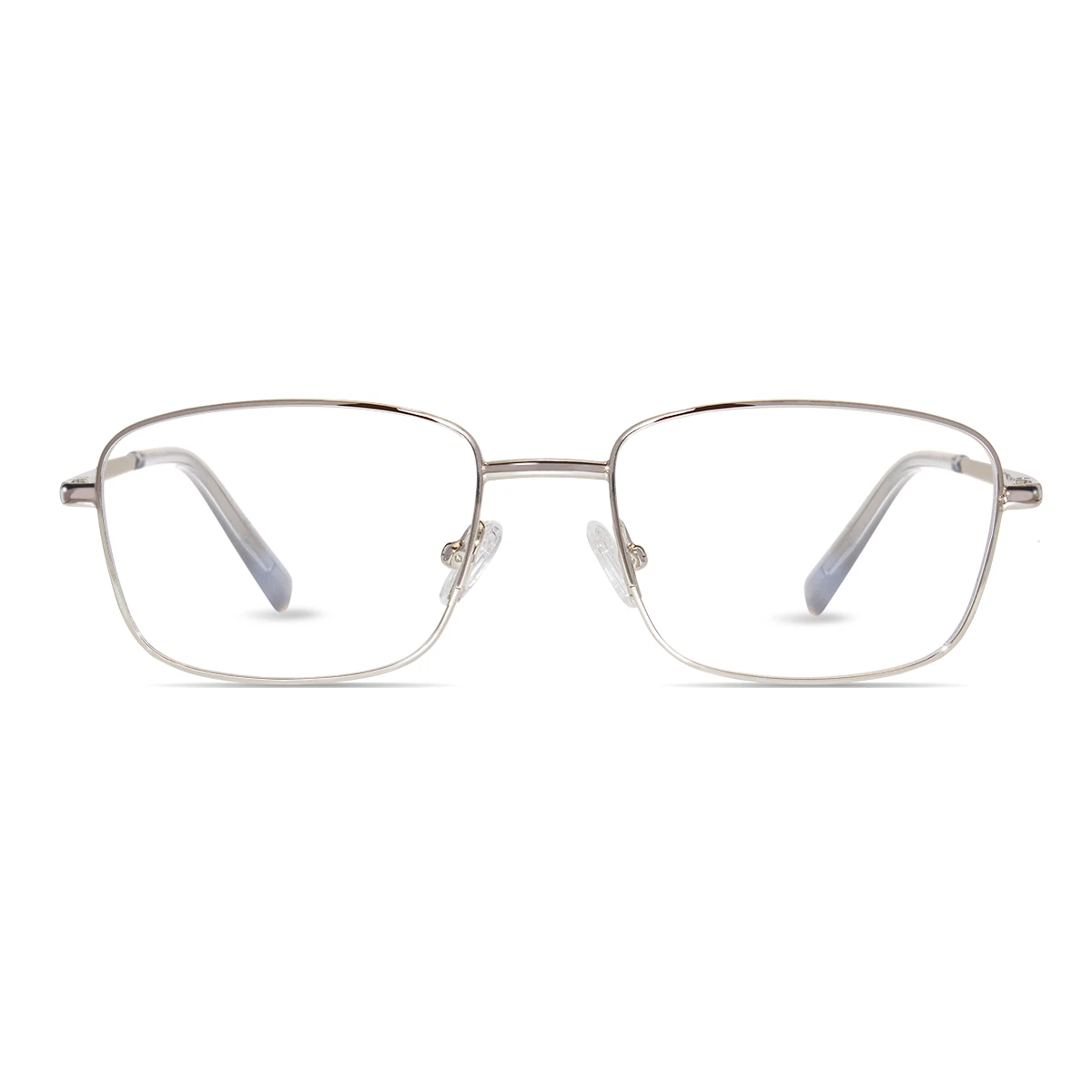
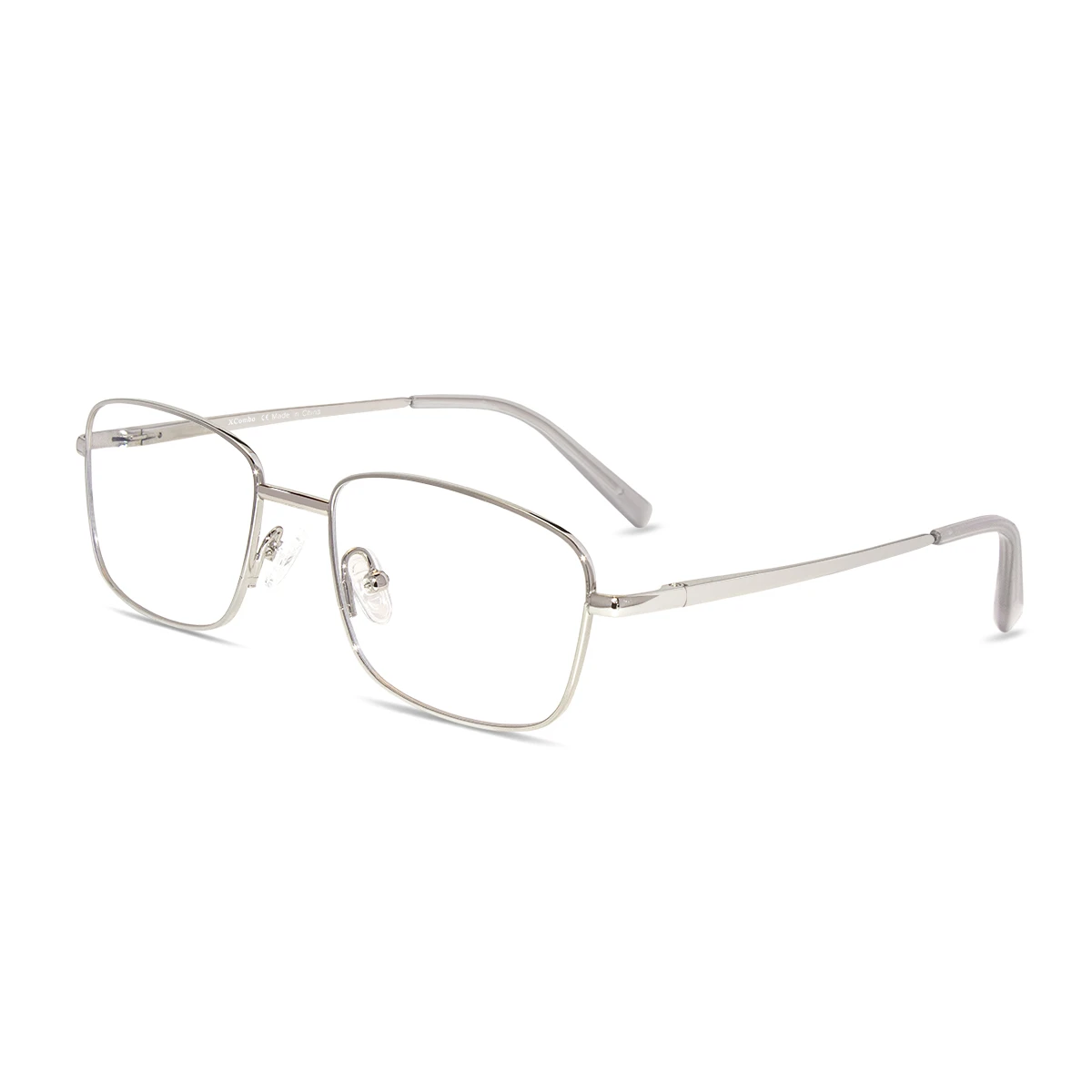
Soline Metallic Silver Base Frame - Wide Rectangle
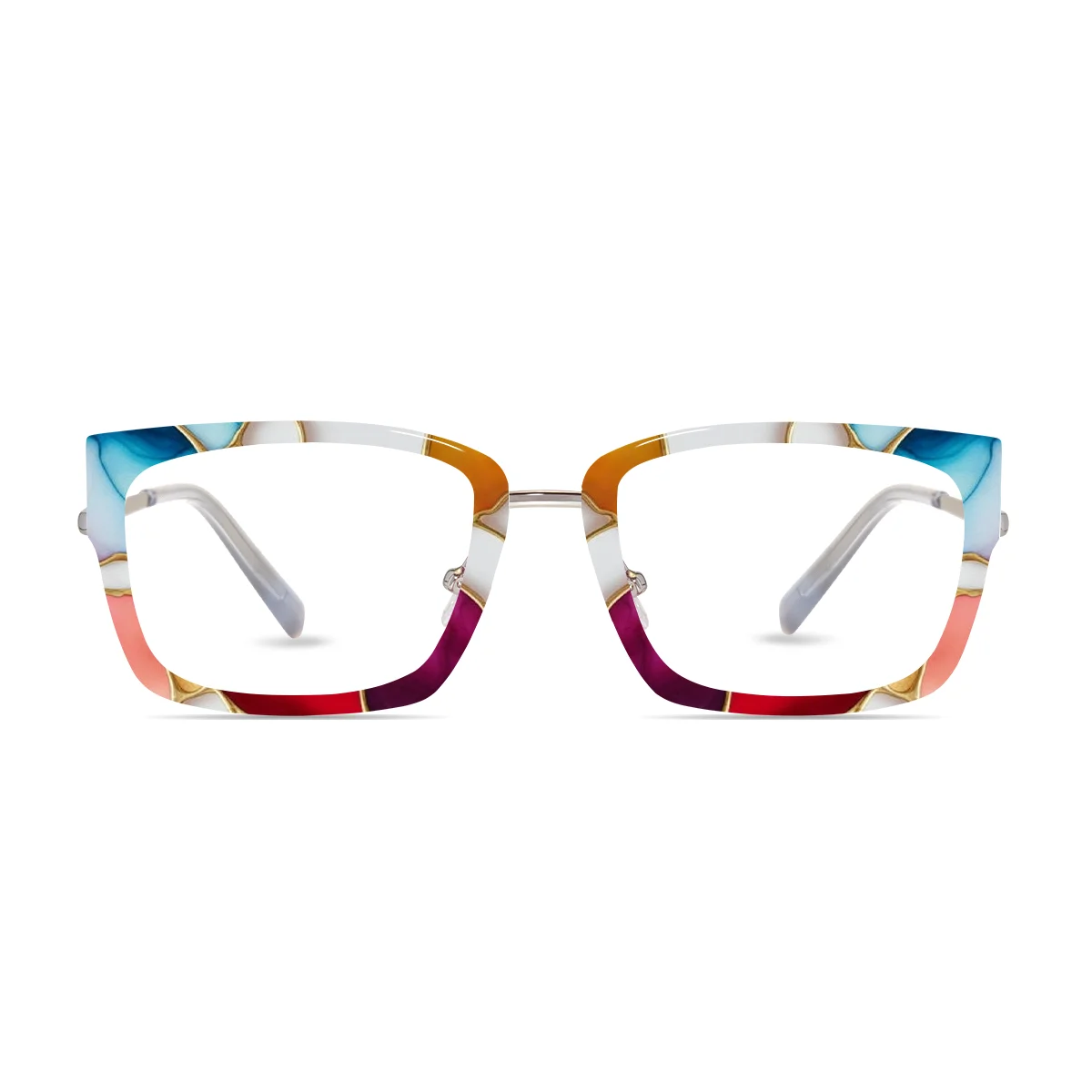
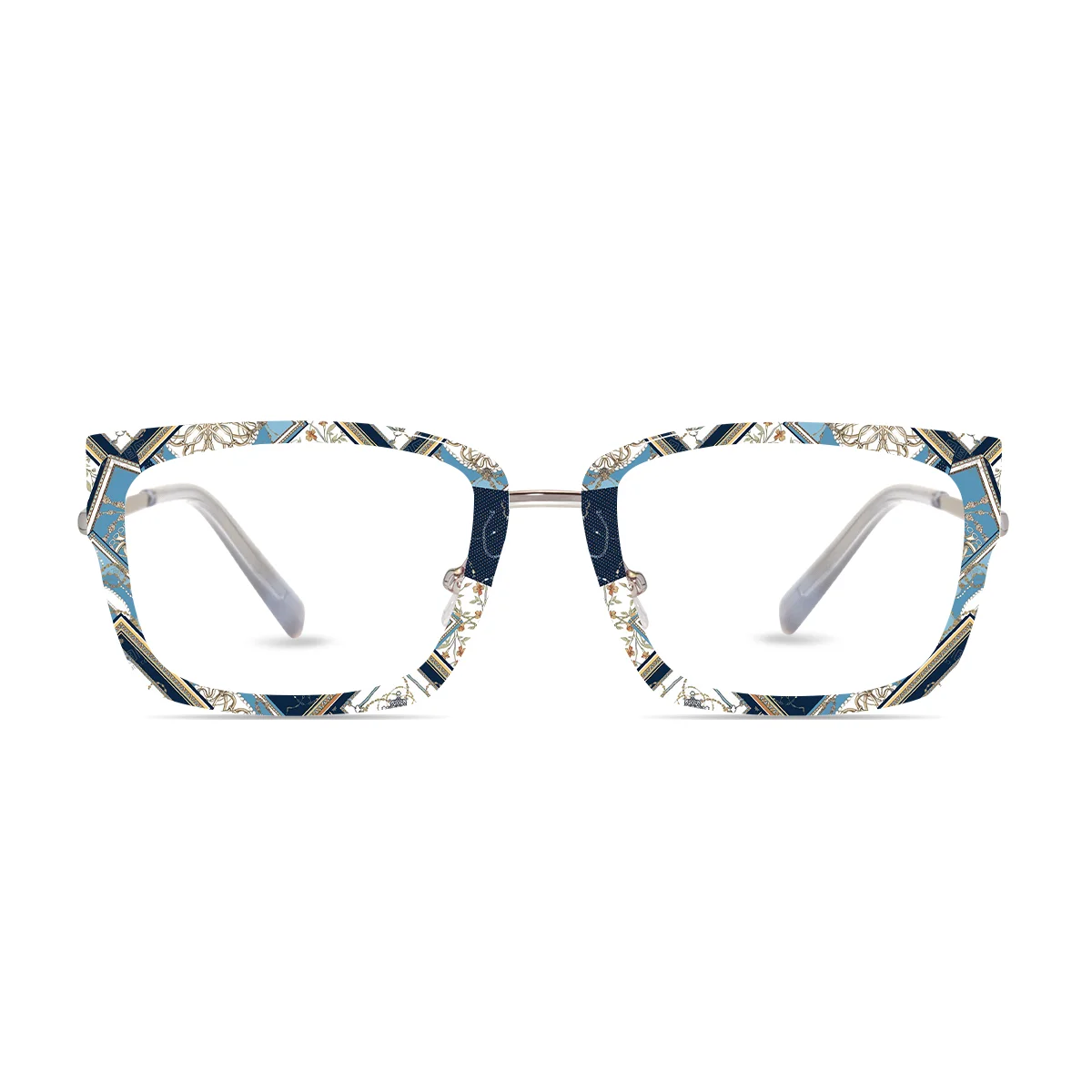




Mira Metallic Silver Cat Eye Base Frame







The Ultimate Value Champion - How One Pair of Modular Glasses Can Handle Work, Workouts, and Dates
Real value is about buying smarter.We expect one smartphone to replace a camera, a GPS, a notebook, and a wallet.We expect one...
The Architecture of Presence: Why Custom Eyewear is the Secret to "Magnetic Eyes"
Walk into any home improvement store in the United States and you’ll see rows of blackout curtains promising better sleep, lower energy...
The Balance of Lightness and Strength: The Wearing Aesthetics of Mechanical Clip Eyewear
Eyewear has always lived at the intersection of function and expression. For centuries, glasses were designed primarily to correct vision, with aesthetics...
Are Pink Glasses in Style?
Pink glasses are a timeless symbol of charm and personality. They evoke feelings of compassion, love, and hope, making them a popular...
A Minimalist’s Dream, Why One Pair of Custom Glasses Is All You Need When You Travel
Minimalism isn’t about owning less for the sake of it.It’s about owning better.For travelers, that idea becomes very real the moment you...
No More Ear Pain: How Custom Eyeglass Frames Solve 12-Hour Wear Discomfort
If you wear glasses all day, you know the feeling.It starts as a faint pressure behind your ears. By mid-afternoon, that pressure...