
A Deep Technical Breakdown: The Application of Mechanical Snap-Fit Structures in High-End Custom Eyewear
High-end custom eyewear has undergone a quiet but significant transformation over the past decade. While consumers often notice improvements in lens technology, materials, and aesthetics, one of the most important innovations remains largely invisible: the evolution of frame assembly systems.
Among these advancements, mechanical snap-fit structures have emerged as a defining engineering solution in premium custom glasses. Moving away from traditional screws and rigid hinges, snap-fit mechanisms introduce modularity, precision alignment, durability, and user adaptability — qualities increasingly demanded by modern eyewear users.
This article provides a deep technical exploration of how mechanical snap-fit structures work, why they are becoming central to high-end customized eyewear, and how engineering principles, materials science, ergonomics, and manufacturing innovation converge within these systems.
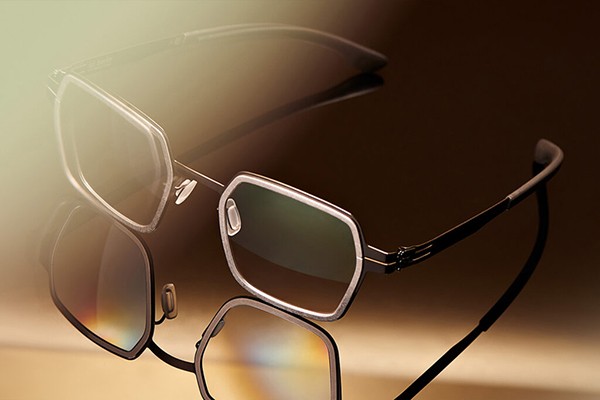
The Evolution of Eyewear Assembly
For centuries, eyeglasses relied on essentially the same mechanical principle: hinged temples connected by miniature screws.
While effective, screw-based construction presents inherent limitations:
- Gradual loosening over time
- Maintenance requirements
- Concentrated mechanical stress
- Limited customization capability
- Assembly complexity
As eyewear transitioned from purely corrective tools into lifestyle and performance products, these limitations became more noticeable.
High-end customization demanded new structural thinking.
Mechanical snap-fit systems emerged as a response.
What Is a Mechanical Snap-Fit Structure?
A mechanical snap-fit is an assembly method where components join through elastic deformation and geometric locking rather than external fasteners.
Instead of screws holding parts together, engineered features temporarily flex during assembly and then return to shape, locking components securely into position.
Core elements include:
- Flexible engagement arms
- Retention hooks or grooves
- Controlled deformation zones
- Self-aligning geometry
The structure stores elastic energy, creating continuous holding force without additional hardware.
Why High-End Custom Eyewear Needs Snap-Fit Engineering
Customization introduces challenges traditional designs struggle to solve.
Custom eyewear often requires:
- Adjustable fit parameters
- Replaceable components
- Precise lens alignment
- Lightweight construction
- Long-term reliability
Snap-fit structures enable modular systems that support personalization without sacrificing structural integrity.
This transforms eyewear from a fixed object into an adaptable platform.
Engineering Principles Behind Snap-Fit Mechanisms
Designing a successful snap-fit system requires careful mechanical calculation.
Three principles dominate engineering decisions.
1. Elastic Deformation Control
The material must flex within its elastic range — meaning it returns fully to its original shape after assembly.
If strain exceeds limits:
- Permanent deformation occurs.
- Retention force decreases.
- Structural failure becomes likely.
Engineers calculate allowable deflection using material modulus and geometry.
2. Stress Distribution
Traditional hinges concentrate stress at a single pivot.
Snap-fit systems distribute stress across broader regions, reducing fatigue accumulation.
Rounded transitions and gradual curves prevent stress concentration points.
3. Retention Force Optimization
Too much retention force makes assembly difficult.
Too little causes instability.
Designers balance engagement depth, angle, and material flexibility to achieve repeatable locking performance.
Types of Snap-Fit Structures Used in Premium Eyewear
Different functional areas require different snap mechanisms.
Cantilever Snap-Fits
Common in temple attachment systems.
A flexible arm bends outward during insertion and locks into a groove.
Advantages:
- Simple geometry
- Reliable retention
- Easy replacement
Annular Snap-Fits
Used for circular components such as lens retention rings.
Provide uniform pressure distribution around lenses.
Torsional Snap-Fits
Allow controlled rotational movement while maintaining locking engagement.
Useful for adjustable nose bridge systems.
Multi-Directional Modular Locks
Advanced custom frames combine multiple snap directions for complex assemblies.
These allow rapid disassembly without tools.
Materials Science: The Foundation of Performance
Material selection determines whether snap-fit eyewear succeeds or fails.
High-end frames rely on advanced polymers engineered for repeated deformation.
Polyamide-Based Materials (TR90 and Variants)
Widely used due to:
- High fatigue resistance
- Lightweight density
- Shape memory behavior
- Chemical stability
These materials tolerate thousands of flex cycles without cracking.
PA12 for Custom Manufacturing
Often used in additive manufacturing.
Provides:
- Consistent mechanical properties
- Dimensional accuracy
- Excellent elasticity
Ideal for bespoke frame production.
High-Performance Engineering Polymers
Premium applications may use advanced polymers offering:
- Higher temperature resistance
- Superior creep resistance
- Long-term dimensional stability
These materials enable thinner yet stronger snap features.
Precision Alignment: Critical for Optical Performance
Lens alignment must remain stable relative to the wearer’s eyes.
Even small positional shifts affect:
- Optical center alignment
- Progressive lens performance
- Visual comfort
Snap-fit systems create self-centering assemblies that maintain consistent geometry.
This is particularly important for customized prescriptions.
Modularity: The Core Advantage of Snap-Fit Eyewear
High-end customization increasingly favors modularity.
Snap-fit structures allow users to replace or modify:
- Temples
- Nose pads
- Lens modules
- Decorative elements
- Functional accessories
Instead of replacing entire frames, individual components evolve with user needs.
This extends product lifespan significantly.
Manufacturing Advantages in Custom Production
Snap-fit systems align well with modern production methods.
Injection Molding
Allows precise replication of complex geometries at scale.
Snap features can be integrated directly into molds.
Additive Manufacturing
3D printing enables personalized geometries tailored to facial scans.
Snap-fit tolerances can be digitally optimized per user.
Reduced Assembly Complexity
Eliminating screws reduces labor steps and quality variability.
Consistency improves across production batches.
Durability and Fatigue Resistance
Eyewear undergoes repeated mechanical cycles daily:
- Opening and closing temples
- Removing and wearing frames
- Accidental drops
Snap-fit systems designed with elastic deformation resist fatigue better than rigid hinge assemblies.
Distributed stress increases longevity.
Ergonomics and Comfort Improvements
Mechanical snap structures also influence comfort.
Flexible attachment zones allow subtle adaptation to head shape.
Benefits include:
- Reduced pressure points
- Improved weight distribution
- Better compatibility with headphones or helmets
Comfort becomes engineered rather than incidental.
Maintenance and User Experience
Traditional frames require periodic tightening.
Snap-fit eyewear eliminates this maintenance burden.
Users benefit from:
- Tool-free adjustments
- Easy part replacement
- Reduced repair costs
Premium customization increasingly prioritizes ownership simplicity.
Aesthetic Freedom Enabled by Snap Engineering
Without visible screws or hinges, designers gain creative flexibility.
Advantages include:
- Cleaner silhouettes
- Seamless transitions
- Minimalist aesthetics
- Innovative frame shapes
Engineering innovation directly influences visual identity.
Common Engineering Challenges
Snap-fit eyewear must overcome several risks.
Over-Stress During Assembly
Improper geometry can exceed material strain limits.
Creep Over Time
Materials may slowly deform under constant stress if poorly selected.
Wear at Contact Surfaces
Repeated engagement requires surface optimization.
Engineers mitigate these issues through testing and simulation.
Quality Testing in High-End Snap-Fit Frames
Premium manufacturers conduct rigorous validation.
Typical tests include:
- Cycle fatigue testing
- Thermal aging simulations
- Impact resistance evaluation
- Chemical exposure testing
Testing ensures long-term performance consistency.
Sustainability Advantages
Snap-fit modularity supports sustainability goals.
Benefits include:
- Replaceable components
- Reduced material waste
- Longer product lifespan
- Repair-friendly design
Customization aligns naturally with responsible consumption.
Why Luxury Eyewear Is Moving Toward Engineering-Led Design
High-end consumers increasingly value performance alongside aesthetics.
Snap-fit structures symbolize a shift from decorative luxury toward functional sophistication.
Engineering precision becomes part of brand identity.
Future Directions in Snap-Fit Eyewear Innovation
Emerging developments include:
- Shape-memory adaptive frames
- Smart sensor integration
- Micro-adjustable fit systems
- Hybrid material architectures
These innovations build upon the flexibility foundation established by snap-fit design.
Comparing Traditional and Snap-Fit Construction
| Feature | Traditional Hinges | Snap-Fit Systems |
|---|---|---|
| Fasteners | Screws required | None |
| Maintenance | Regular | Minimal |
| Customization | Limited | Extensive |
| Weight | Higher | Lower |
| Modularity | Low | High |
| Durability | Pivot stress | Distributed stress |
The Broader Impact on Customization Culture
Snap-fit engineering supports a larger shift toward personalization across industries.
Consumers increasingly expect products that adapt to them rather than forcing adaptation in return.
Custom eyewear exemplifies this transition.
Final Thoughts
Mechanical snap-fit structures represent one of the most important yet understated innovations in high-end custom eyewear. By replacing traditional mechanical constraints with elastic engineering principles, designers and engineers have unlocked new possibilities in durability, modularity, comfort, and aesthetic freedom.
The success of these systems lies not in visible complexity but in invisible precision — carefully balanced material behavior, geometric optimization, and user-centered design thinking.
As customization continues shaping the future of wearable products, snap-fit engineering will likely become a foundational standard rather than a niche innovation.
In premium eyewear, performance is no longer defined solely by lenses or style. It is defined by how seamlessly engineering disappears into everyday experience — allowing the wearer to focus not on the glasses themselves, but on the clarity they provide.
Share this post
Best Glasses for Your Face Shape: Round, Square, Oval & More
Introduction: The Right Glasses Can Transform Your Entire AppearanceChoosing a pair of glasses is about much more than simply correcting your vision....
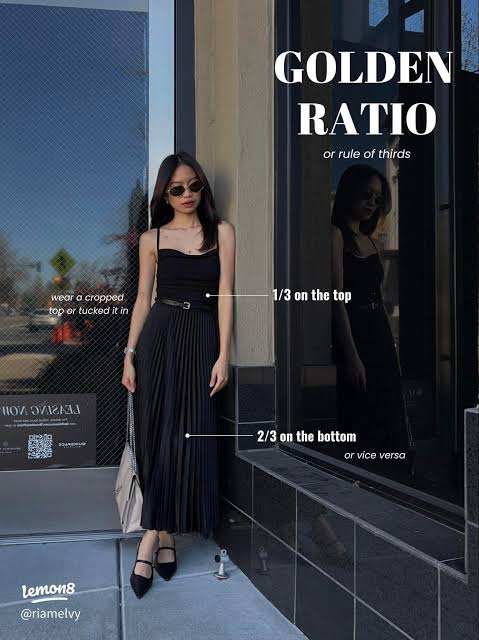
From Head to Toe: The Golden Ratio for Styling Glasses, Clothing, and Bags
Introduction: The Secret to Looking Polished From Head to ToeGreat style is rarely about wearing the most expensive clothes, following every trend,...

Minimalist Style: How Glasses and Bags Add the Perfect Finishing Touch to Black, White, and Gray Outfits
Minimalist fashion is often described as simple, effortless, and timeless. But creating a truly polished minimalist outfit is not as easy as...

Effortless Style: The Perfect Chemistry of Oversized Sweatshirts, Crossbody Bags, and Vintage Metal-Frame Glasses
Introduction: Why Relaxed Style Feels So RightFashion does not always have to look carefully calculated.Sometimes, the most appealing outfit is the one...

The Symphony of Metallic Elements: The Art of Layering Belt Buckles, Chain Bags, and Metal Frames
Introduction: When Metal Becomes a Fashion LanguageFashion has always been a conversation between materials, shapes, and personal expression. Among all design elements,...
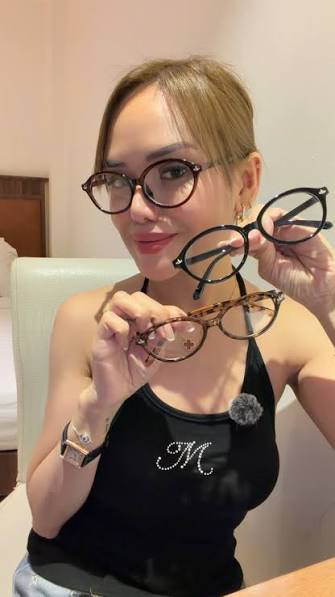
Eyeglasses as the Finishing Touch: How to Make Your Frames Blend Perfectly Into Your Everyday Outfits
Eyeglasses are more than a tool for clearer vision. Today, they are one of the most powerful accessories in a modern wardrobe....

Old Money Style Guide: How Cashmere Coats, Premium Leather Bags, and Classic Black Frame Glasses Create Timeless Elegance
Introduction: Understanding the True Meaning of Old Money FashionFashion trends come and go, but true elegance has always been about something deeper...

The Ultimate Style Rescue for Round-Faced Women: How Necklines, Bag Placement, and Geometric Glasses Create a Slimmer Look
Introduction: Redefining Beauty Beyond Face ShapeFor many women with round faces, getting dressed can sometimes feel like a constant battle. The cheeks...
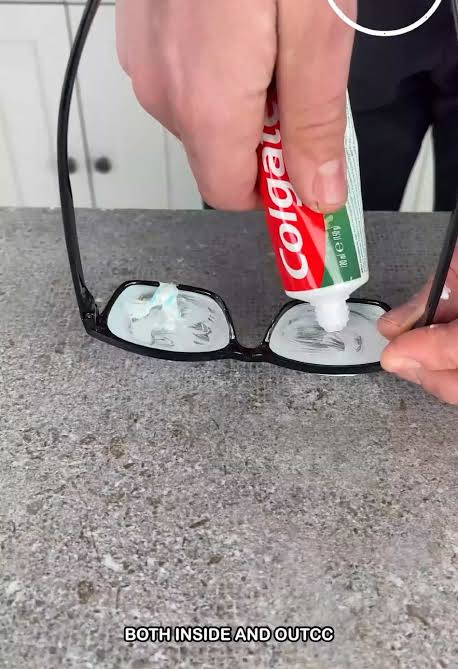
One Swipe, Crystal Clear: The Ultimate Guide to Efficient Eyeglass Cleaning
Introduction: Clear Vision Starts With Proper Lens CareFor millions of people around the world, eyeglasses are an essential part of daily life....

Eyeglasses as the Finishing Touch to Your Outfit: How Frame Shapes Can Elevate Your Style
Introduction: Eyeglasses as the Ultimate Fashion AccessoryWhen people think about fashion accessories, they often consider watches, jewelry, handbags, shoes, or clothing details....
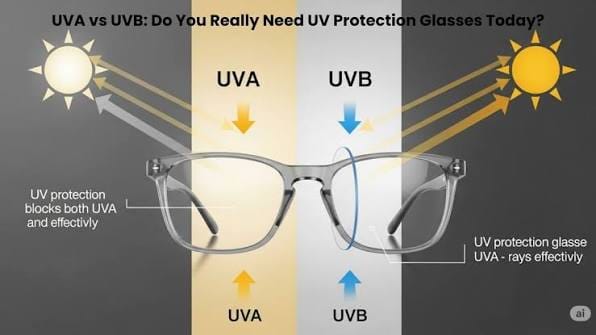
Blue Light Protection or UV Protection? Common Mistakes When Choosing Eye Protection Glasses
Introduction: Choosing the Right Eye Protection Is More Complicated Than It LooksEyeglasses have evolved far beyond simple vision correction tools. Today, consumers...
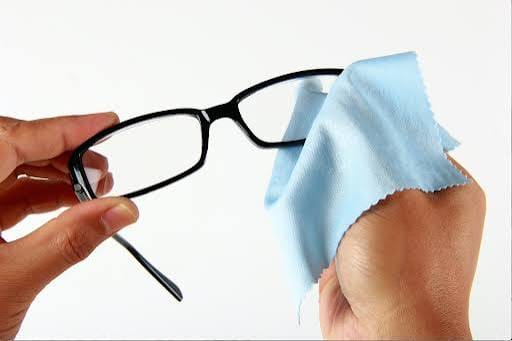
Care for Your Glasses Like You Care for Your Skin: The Complete Guide to Eyewear Maintenance
Introduction: Your Glasses Deserve More Than Just a Quick WipeMany people spend time and money caring for their skin every day.They choose...