



Temple Arms Keep Loosening? Five Reasons to Switch to Custom Glasses with Mechanical Clip-Lock Temples
If you wear glasses every day, you probably know the frustration: your temple arms slowly loosen over time. One day your frames sit perfectly; a few weeks later they start sliding down your nose. You tighten the screws, adjust them again, and maybe visit an optical shop—but the problem keeps coming back.
For many people, loose temple arms are simply considered part of owning glasses. However, modern eyewear engineering offers a better alternative: mechanical clip-lock temple systems. These innovative designs replace traditional screw hinges with precision mechanical locks that allow the temples to attach securely to the frame while also being removable.
Even more interesting, many brands now offer custom glasses with clip-lock temples, allowing users to swap temple styles or replace worn parts without tools or repairs.
If your glasses constantly feel unstable, switching to a mechanical clip-lock system might completely change your experience. In this in-depth guide, we’ll explore five compelling reasons to upgrade to custom mechanical clip-lock eyewear and why this design is gaining attention among modern eyewear enthusiasts.
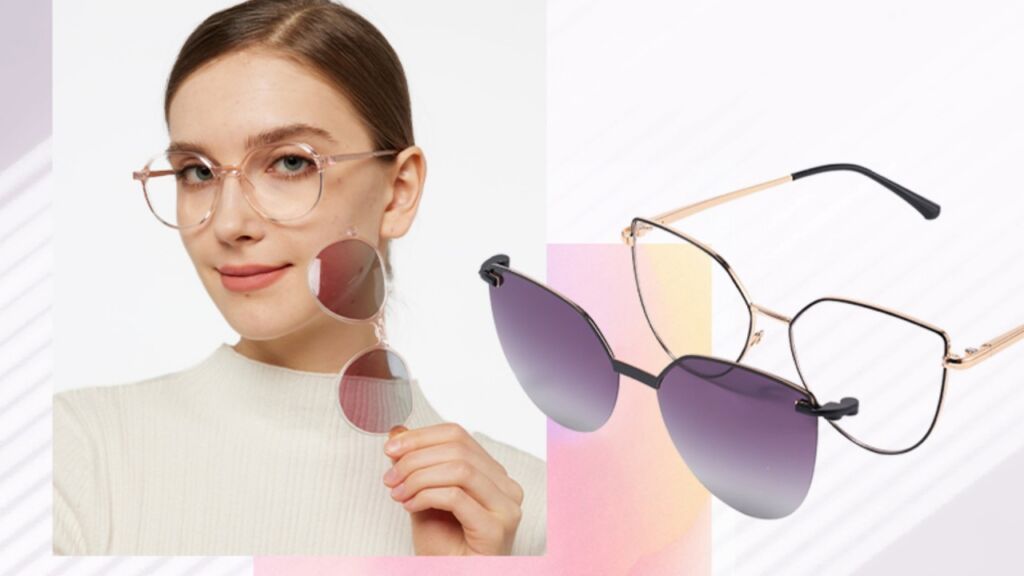
Understanding Why Traditional Temple Arms Become Loose
Before exploring the advantages of clip-lock systems, it helps to understand why temple arms loosen in the first place.
Most traditional glasses use tiny metal screws and hinges to connect the temple arms to the frame front. While this design has been used for decades, it has several structural limitations.
1. Micro-vibration from daily wear
Every time you open and close your glasses, small vibrations occur within the hinge. Over thousands of cycles, these vibrations slowly cause screws to back out.
2. Material fatigue
Thin hinge components experience repeated stress. Eventually, the metal becomes slightly deformed or worn.
3. Environmental factors
Sweat, humidity, and skin oils can gradually corrode hinge components.
4. Frequent adjustments
When users repeatedly tighten screws or bend temples, structural alignment slowly shifts.
The result is familiar: temples loosen, frames wobble, and comfort declines.
Mechanical clip-lock systems were designed specifically to eliminate many of these weaknesses.
Reason 1: Mechanical Locks Provide Superior Structural Stability
The first and most obvious advantage of clip-lock temple systems is enhanced stability.
Instead of relying on a tiny screw to hold everything together, these systems use precision-engineered mechanical connectors that snap or lock into place.
How the system works
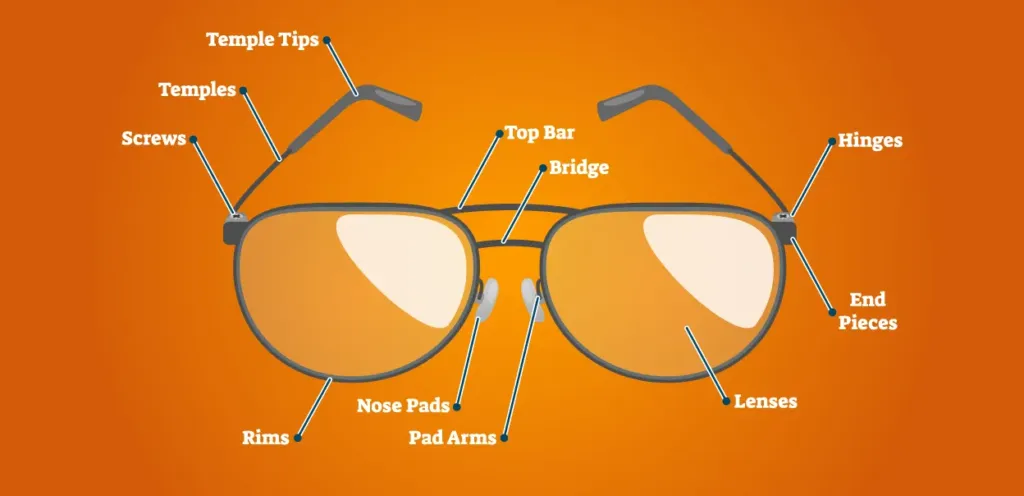
Most clip-lock glasses use a structure that includes:
- A locking slot embedded in the frame front
- A precision-shaped connector on the temple arm
- A spring or latch mechanism that secures the connection
When the temple arm is inserted, the lock engages automatically, creating a tight mechanical fit.
Benefits of this design
No screws to loosen
Traditional hinges depend on screws that inevitably loosen over time. Clip-lock systems eliminate that failure point entirely.
Reduced wear
The locking interface distributes stress across a larger contact area rather than concentrating it on a tiny screw thread.
Consistent alignment
Because the temples fit into a precisely machined slot, the alignment between frame and temples remains consistent.
Over time, this results in glasses that stay stable and balanced, even with frequent use.
Reason 2: Easy Temple Replacement Extends the Life of Your Frames
Another major benefit of mechanical clip-lock systems is modularity.
With traditional glasses, replacing a broken or bent temple arm can be difficult. Many optical shops need special tools, and sometimes the entire frame must be replaced.
Clip-lock systems simplify the process dramatically.
Tool-free replacement
Most clip-lock temples can be removed and installed in seconds:
- Press a small release point or slide the locking tab
- Pull the temple arm out of the frame
- Insert a new temple arm until it clicks into place
No screwdrivers. No hinge alignment. No complicated repairs.
Cost efficiency
If one temple becomes damaged, you don’t need to buy an entirely new frame. Instead, you can replace only the component that failed.
Sustainable eyewear
This modular design also reduces waste. Instead of discarding a frame because of a minor issue, users can keep their eyewear functioning for years.
As sustainability becomes a larger priority in product design, modular eyewear systems are becoming increasingly attractive.
Reason 3: Customization Becomes Simple and Practical
One of the most exciting advantages of clip-lock temple systems is customization.
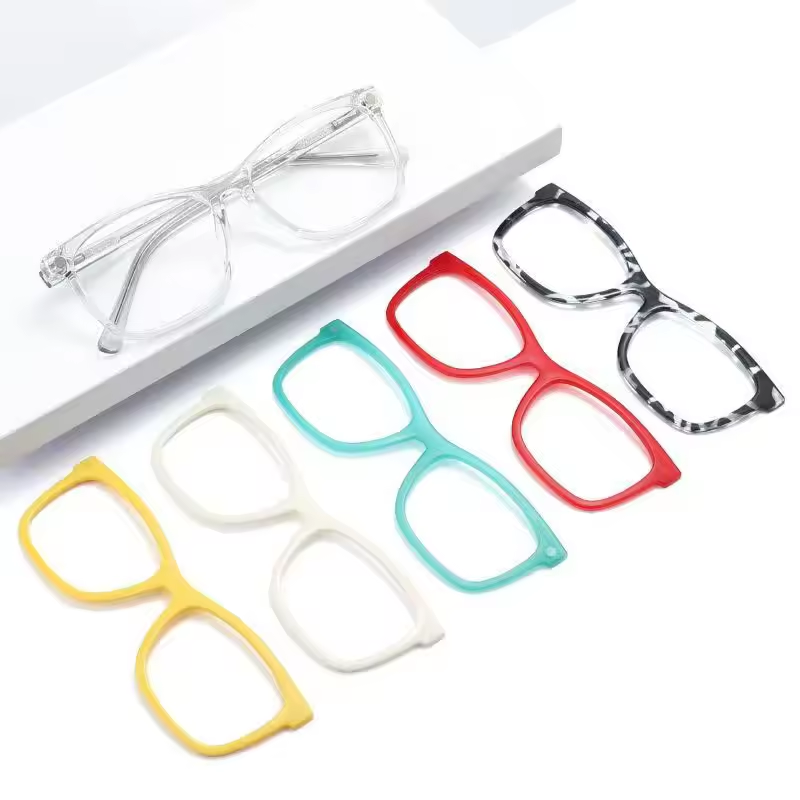
Because the temples can be removed easily, users can swap different temple styles to suit their needs or preferences.
Style flexibility
Imagine having multiple temple options for one pair of frames:
- Lightweight sport temples
- Classic acetate temples
- Sleek minimalist metal temples
- Colorful fashion temples
By simply switching the temples, the same frame can adapt to different looks.
Function-based designs
Customization isn’t only about style—it can also improve functionality.
Some examples include:
- Grip temples for sports
- Ultra-light temples for long workdays
- Flexible temples for travel durability
This modular approach turns eyewear into something closer to a configurable personal accessory.
Seasonal refresh
Instead of buying a new pair of glasses each season, you can simply update the temple style. This gives your eyewear a fresh appearance without replacing the entire frame.
Reason 4: Improved Comfort and Balance
Comfort is one of the most overlooked factors in eyewear design.
Many people assume discomfort comes from the nose pads or frame size. However, temple balance plays a huge role in overall wearability.
Mechanical clip-lock systems improve comfort in several ways.
Better weight distribution
Because the temples connect with a secure mechanical interface, the frame maintains consistent balance across both sides.
This helps prevent:
- Sliding down the nose
- Uneven pressure behind the ears
- Frame twisting
Precision alignment
The locking mechanism keeps the temples aligned exactly as intended by the designer. That means the frame sits more naturally on the face.
Reduced hinge tension
Traditional hinges rely on tight screws to maintain resistance. Over time, this tension fluctuates.
Clip-lock designs use engineered locking geometry instead of friction, creating a smoother opening and closing motion.
The result is a lighter, more stable wearing experience.
Reason 5: Stronger Durability for Everyday Life
Durability is often the deciding factor when choosing eyewear.
Glasses face constant challenges:
- Being folded and unfolded
- Dropped or bumped
- Stored in bags or pockets
- Exposed to temperature changes
Mechanical clip-lock temple systems provide several durability advantages.
Fewer failure points
By removing hinge screws, the design eliminates one of the most common breakage points in traditional eyewear.
Shock resistance
Some clip-lock systems allow the temples to detach under extreme force rather than snapping. This protective feature can prevent frame damage.
Long-term reliability
Because the locking components are engineered for repeated use, they often withstand thousands of connection cycles without performance loss.
This makes clip-lock eyewear particularly appealing for:
- Active lifestyles
- Frequent travelers
- People who wear glasses all day
Who Benefits Most from Mechanical Clip-Lock Glasses?
While almost anyone can benefit from this design, certain groups may find it especially useful.
Daily glasses wearers
If you rely on glasses for work, reading, or driving, structural stability becomes extremely important.
People tired of constant adjustments
If you regularly tighten screws or visit optical shops for repairs, clip-lock systems can reduce maintenance.
Fashion-conscious users
Those who enjoy changing their look without buying multiple frames will appreciate modular temple designs.
Active individuals
Athletes and outdoor enthusiasts benefit from durable, stable eyewear.
Tips for Choosing Quality Clip-Lock Eyewear
Not all clip-lock systems are built the same. When evaluating frames, pay attention to a few key factors.
Precision engineering
The locking mechanism should feel smooth and secure, with no wobbling or looseness.
Durable materials
Look for high-quality materials such as:
- Stainless steel
- Titanium
- Reinforced polymers
- Premium acetate
Comfortable temple shape
Even with a great locking system, temple ergonomics still matter for comfort.
Reliable brand reputation
Established eyewear designers often invest more in testing and durability.
Maintaining Clip-Lock Glasses
Although these systems are durable, a little care can keep them performing at their best.
Regular cleaning
Dust and debris can accumulate around the locking interface. Use a microfiber cloth or soft brush to clean the area occasionally.
Avoid forcing connections
Temples should slide or click into place smoothly. Never force the mechanism.
Store glasses properly
Always place glasses in a protective case when not in use.
Inspect occasionally
Check that the locking mechanism engages fully when attaching the temples.
With proper care, clip-lock eyewear can remain reliable for years.
The Future of Modular Eyewear
Eyewear design continues to evolve as technology advances.
Mechanical clip-lock systems represent a shift toward modular, customizable products that adapt to individual lifestyles.
In the future, we may see even more innovations such as:
- Magnetic-assisted locking systems
- Smart temples with integrated electronics
- Ultra-light composite materials
- Personalized ergonomic temple designs
These developments reflect a broader trend: eyewear is no longer just a medical device—it’s a flexible, customizable lifestyle accessory.
Final Thoughts
Loose temple arms are one of the most common frustrations for glasses wearers. Traditional screw-based hinges inevitably wear out, requiring constant adjustments and occasional repairs.
Mechanical clip-lock temple systems offer a smarter alternative.
By replacing screws with precision locking connectors, these designs provide:
- Greater structural stability
- Easy component replacement
- Flexible customization options
- Improved comfort and balance
- Stronger long-term durability
For anyone tired of tightening screws or dealing with unstable frames, custom glasses with mechanical clip-lock temples offer a practical and modern solution.
Instead of accepting loose temples as a normal part of wearing glasses, you can choose eyewear engineered for reliability, adaptability, and everyday comfort.
And once you experience the convenience of modular temple systems, it may be hard to imagine going back to traditional hinges again.
Share this post
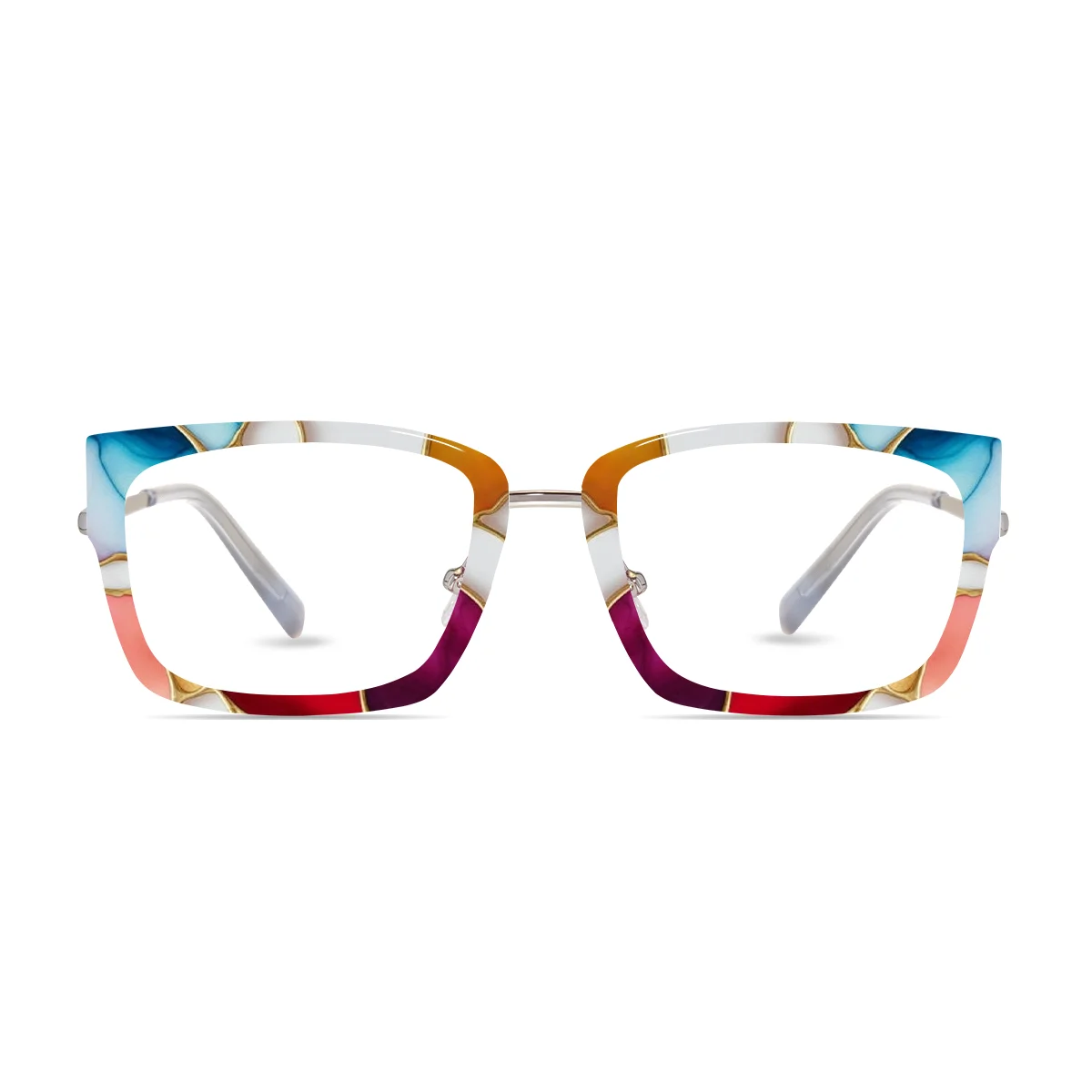
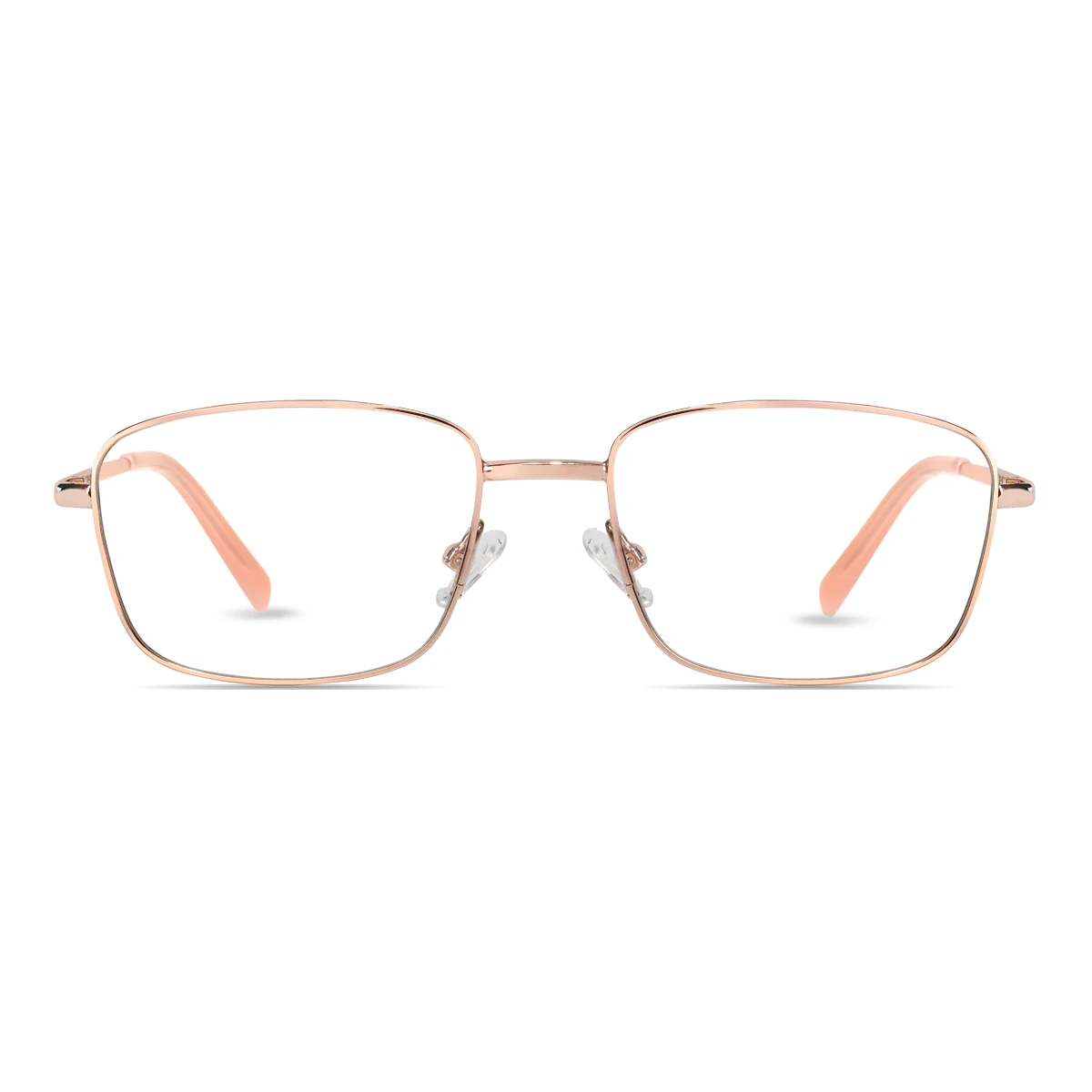
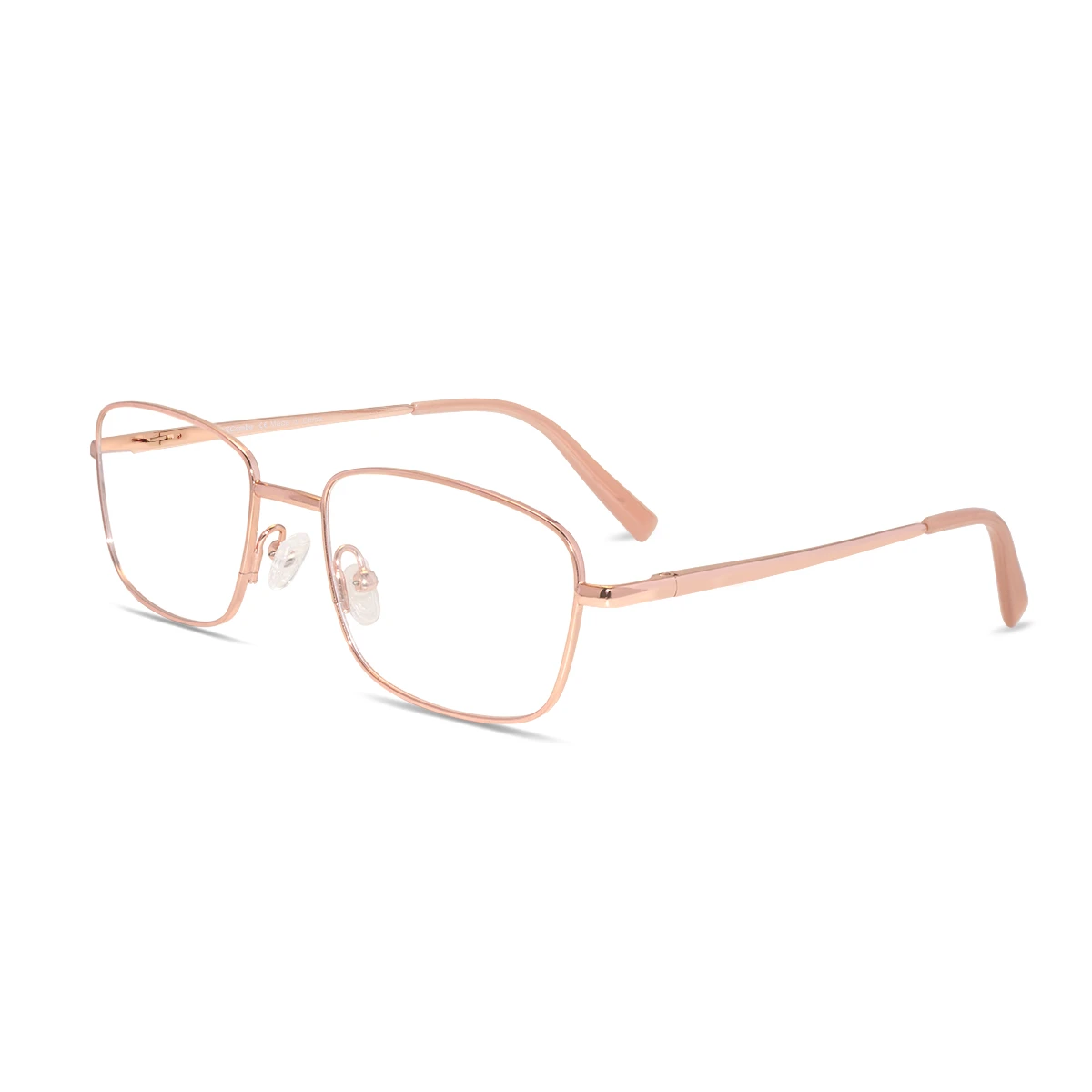
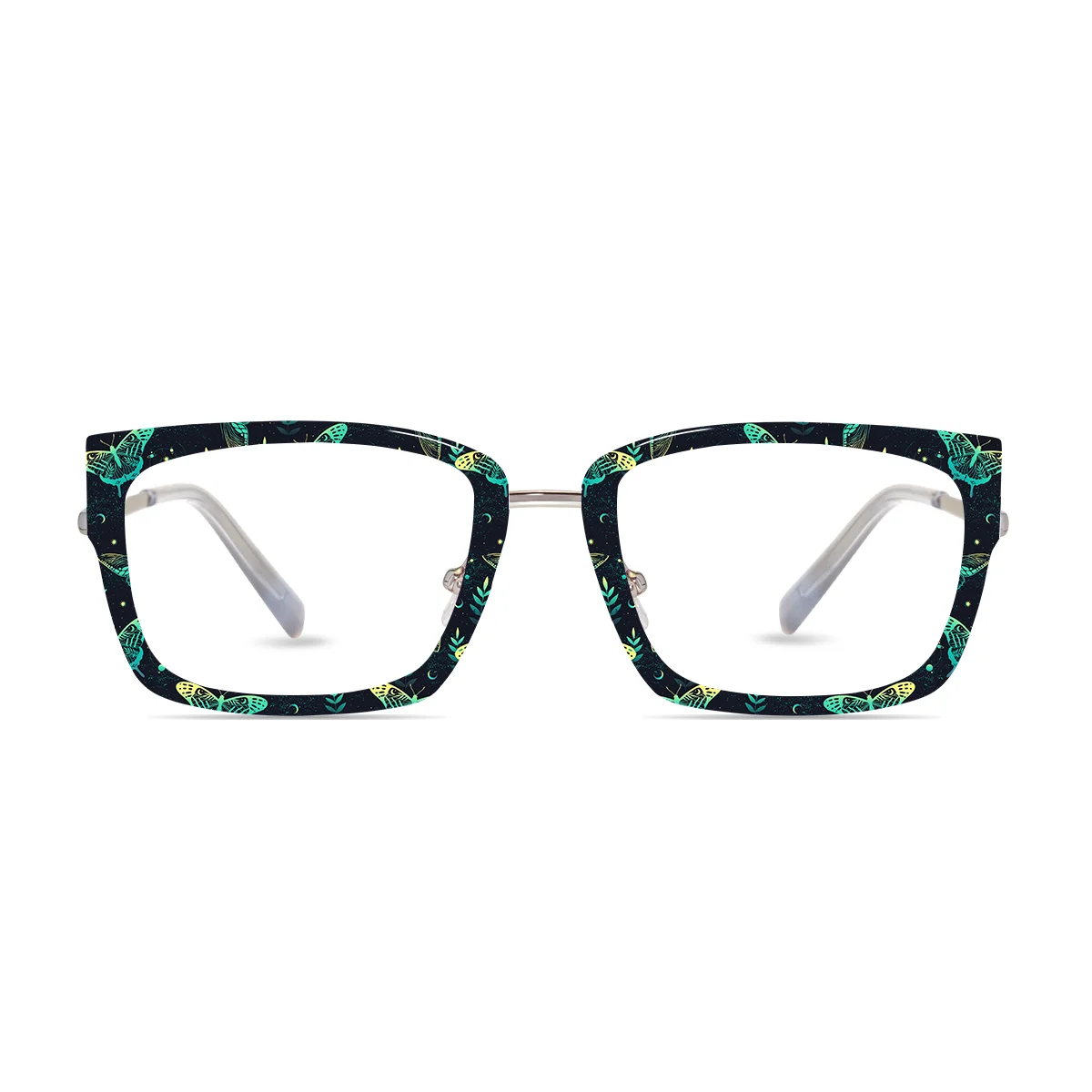
Soline Rose Gold Base Frame - Wide Rectangle
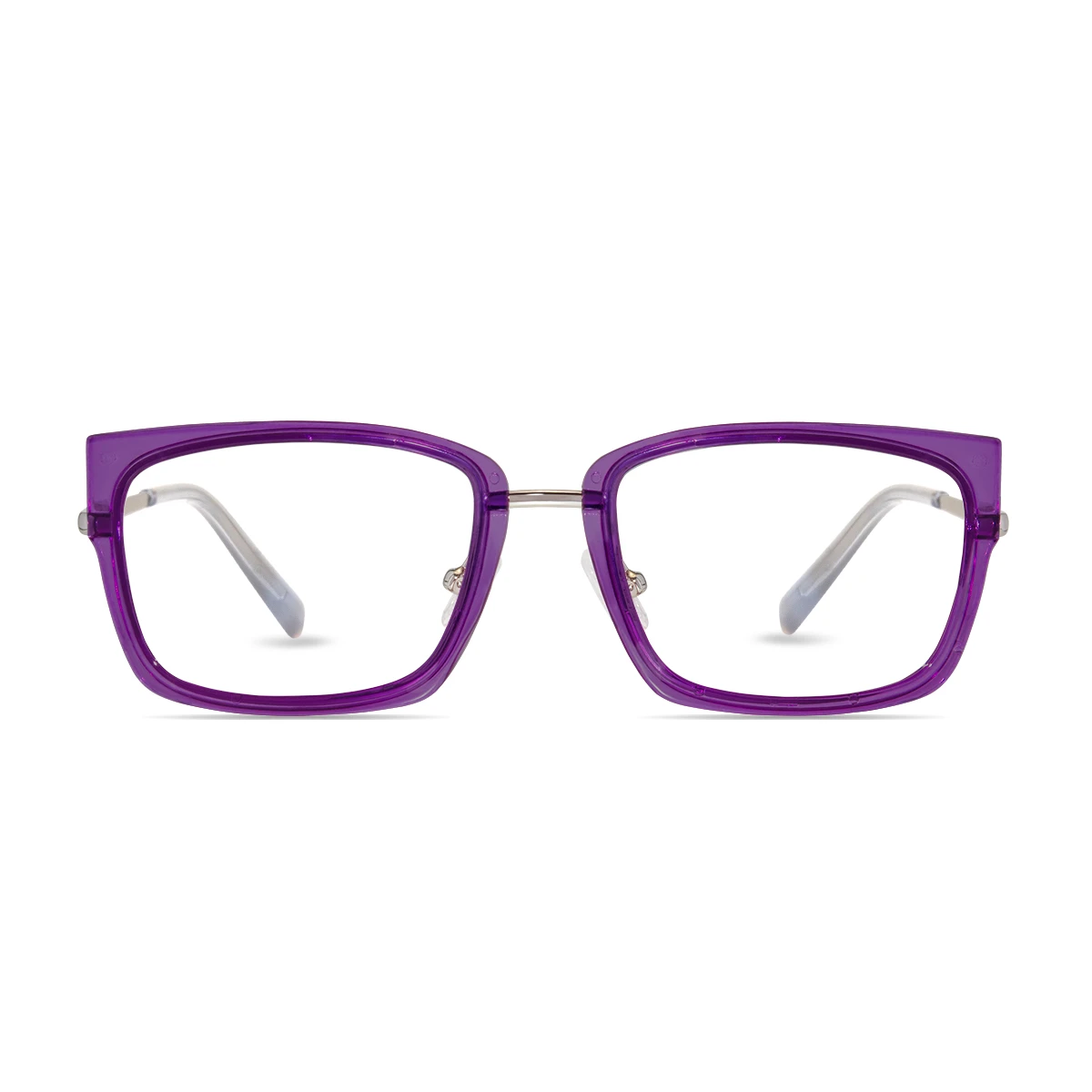
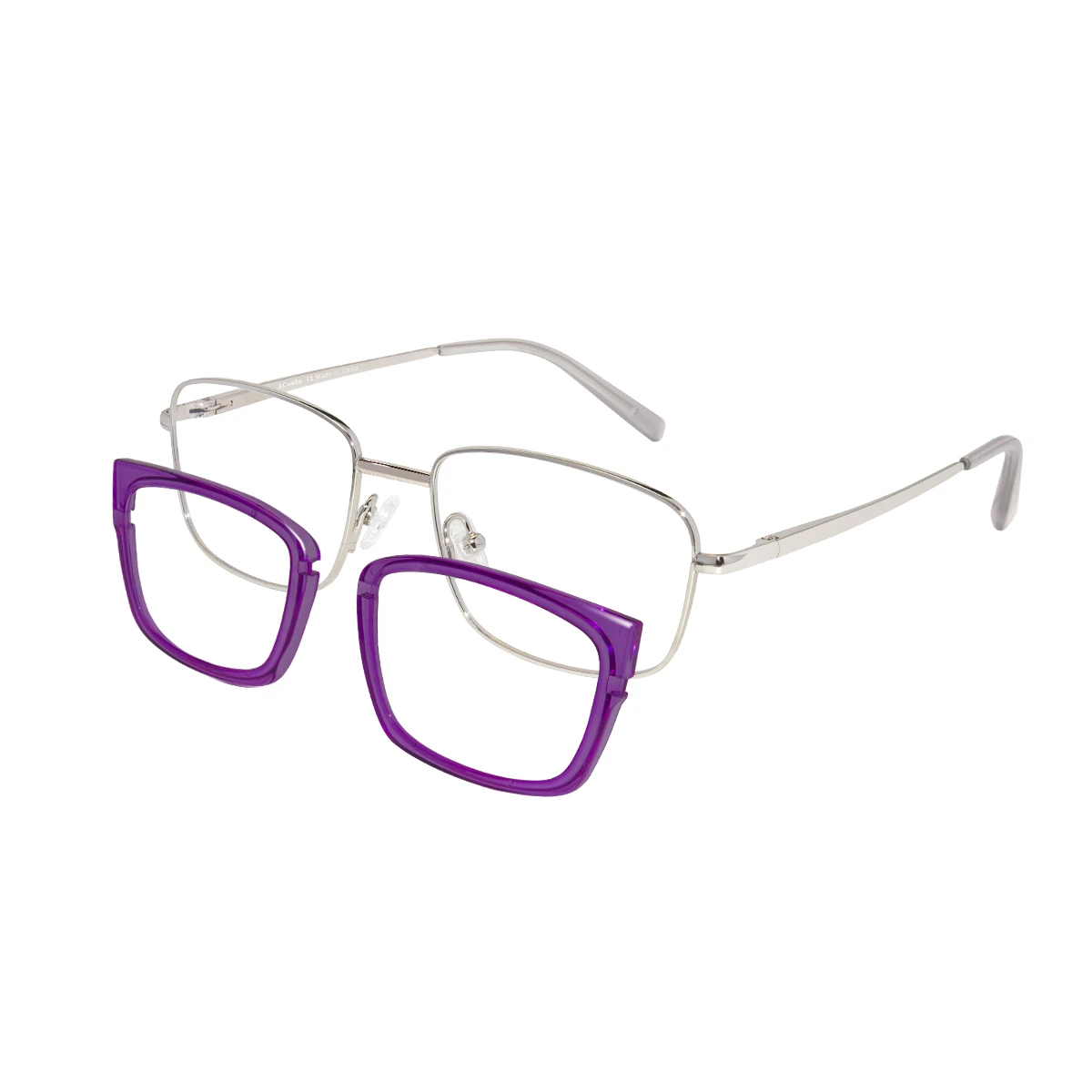
- Burgundy – Crystal (C01)
- Red – Crystal(C02)
- Burnt Orange – Crystal(C03)
- Marmalade – Crystal(C04)
- Sunshine Yellow – Crystal(C05)
- Lime Green – Crystal(C06)
- Sage – Crystal(C08)
- Green Forest – Crystal(C07)
- Army Green – Crystal(C09)
- Spruce – Crystal(C10)
- Turquiise – Crystal(C11)
- Cornflower– Crystal(C12)
- Navy – Crystal(C13)
- Indigo – Crystal(C14)
- Blue Orchid – Crystal(C15)
- Mauve – Crystal(C16)
- Lavender – Crystal(C21)
- Purple – Crystal(C17)
- Grape – Crystal(C18)
- Coral – Crystal(C19)
- Hot Pink – Crystal(C20)
- Chocolate – Crystal(C22)
Crystal Color Top Frame + Metallic Silver Base - Soline
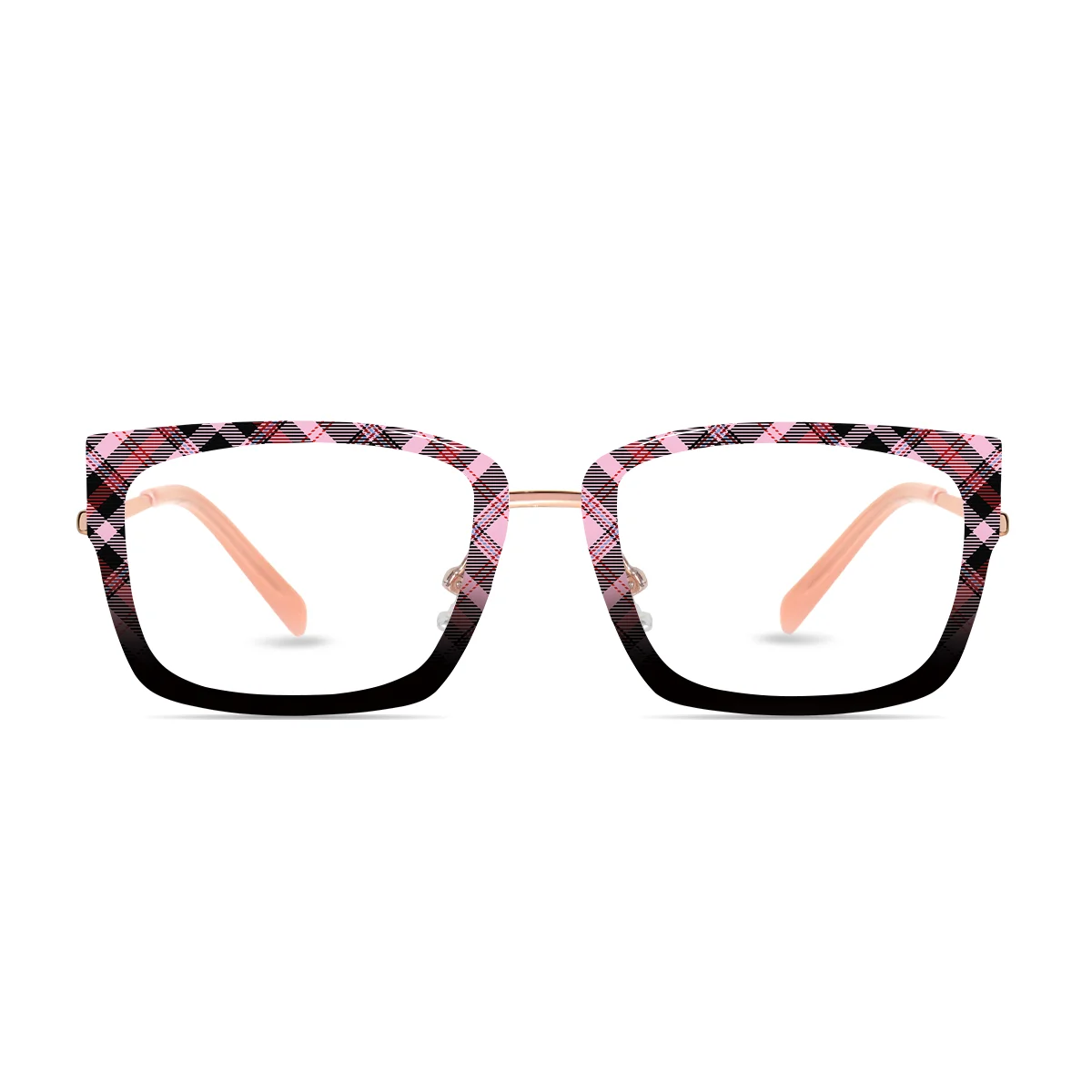
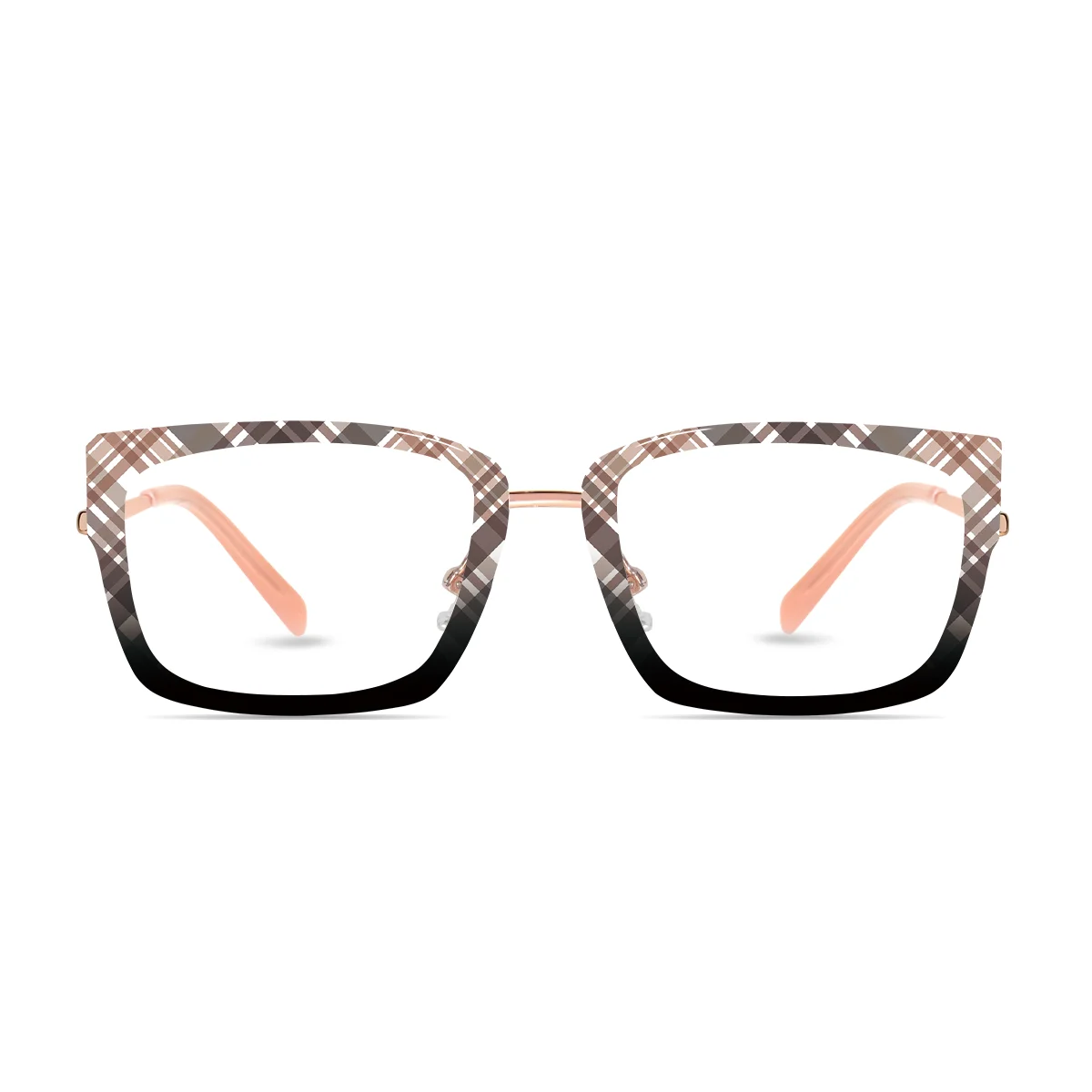


Mira Gunmetal Gray Cat Eye Base Frame


Living a Multifaceted Life: How Custom Modular Eyewear Defines Your Personal Identity
Yet for years, eyewear has tried to force all these identities into one fixed frame.In a world where people change roles, moods,...
The Secret Weapon for Sculpting Your Face: How to Customize Eyewear Based on Your Cheekbones and Brow Shape
When it comes to elevating your appearance, most people think about hairstyles, makeup, or wardrobe upgrades. But there’s one transformative accessory that...
How Mechanical Clip Systems Make Quick Temple Replacement Possible: The Future of Modular Eyewear Design
Eyewear has evolved far beyond simple vision correction. Today, glasses are fashion statements, performance tools, and everyday essentials that must adapt to...
Are Pink Glasses in Style?
Pink glasses are a timeless symbol of charm and personality. They evoke feelings of compassion, love, and hope, making them a popular...
One-Second Color Switch
How to Match Your Glasses Frame to Today’s Outfit—EffortlesslyLet’s be honest.You don’t wear the same outfit every day.Some days it’s clean and...
“Five O’Clock Headache”: Could Custom Eyewear Be the Cure for Your Daily Fatigue?
Around 4:30 p.m., your focus softens. By 5:00 p.m., there’s a dull pressure behind your eyes. Your temples tighten. The screen feels...