



How Mechanical Snap-Fit Custom Eyeglasses End the Frustration of Losing Tiny Screws
For decades, the structure of eyeglasses has remained largely unchanged. Two lenses, a frame, hinges, and a pair of microscopic screws holding everything together. Those tiny screws may seem insignificant, but anyone who wears glasses regularly knows the truth: they are often the weakest link in the entire system.
A loose hinge screw can cause the temple arm to wobble. A missing screw can render a pair of glasses almost unusable. Many people have experienced the frustration of a temple arm falling off at the worst possible moment—during a meeting, while driving, or while traveling with no repair kit nearby.
In recent years, a new design approach has begun to reshape the eyewear industry: mechanical snap-fit custom eyeglasses. Instead of relying on fragile screws, these frames use precision-engineered locking structures that securely connect components without the need for tiny fasteners.
The concept may sound simple, but its impact is significant. By eliminating screws, manufacturers can create stronger, more reliable, and more comfortable eyewear while reducing maintenance headaches for users.
This article explores how mechanical snap-fit technology works, why screw-based glasses fail so often, and how custom engineering can transform the everyday experience of wearing glasses.
The Hidden Problem With Traditional Eyeglass Screws
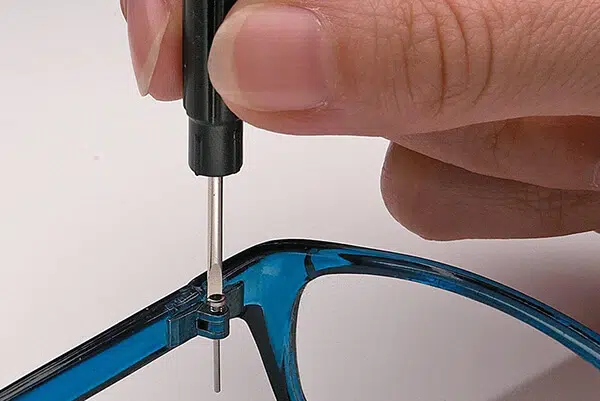
Most eyeglass frames rely on miniature hinge screws to connect the temple arms to the front frame. These screws are incredibly small—often less than two millimeters long—and they endure constant stress throughout the day.
Every time you open or close your glasses, the hinge moves. Every time you take them on or off, pressure is applied to the connection point.
Over time, vibration, friction, and repeated motion cause screws to loosen.
Even high-quality frames are not immune to this issue. Temperature changes, sweat, and accidental impacts can gradually reduce the screw's grip.
The result is familiar to many glasses wearers:
- Temple arms that feel loose
- Hinges that squeak or wobble
- Screws that gradually slide out
- Frames that suddenly fall apart
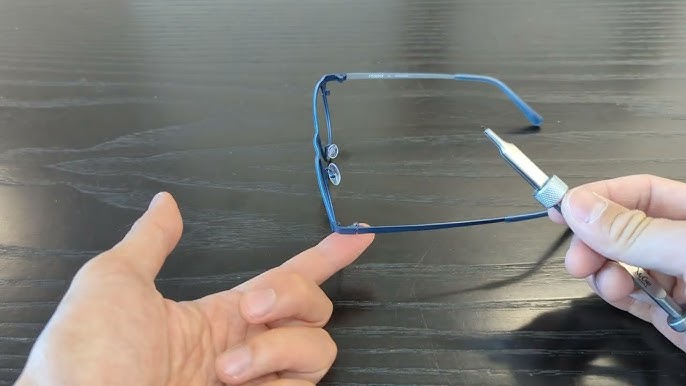
Many people temporarily solve the problem with a tiny screwdriver, but the fix rarely lasts long.
Eventually, the screw may fall out completely.
When that happens, the entire hinge loses its structural connection.
Why Losing a Screw Is More Than a Minor Annoyance
At first glance, a missing eyeglass screw may seem like a small inconvenience. However, it often leads to larger problems.
1. Immediate Loss of Function
Without the screw, the temple arm detaches from the frame. The glasses become unstable or unusable until repaired.
2. Risk of Lens Damage
When the hinge disconnects, the frame may twist or fall. This can lead to scratched or cracked lenses.
3. Frequent Repair Costs
Many optical shops charge for minor repairs. Even if the cost is small, repeated visits become inconvenient.
4. DIY Repairs That Fail
People often try to fix glasses using:
- Paper clips
- Sewing needles
- Toothpicks
- Temporary adhesive
These solutions rarely last and may damage the hinge.
5. Travel and Emergency Situations
Losing a screw while traveling can leave you with no practical repair option.
For people who rely heavily on their glasses for work or daily life, this can become a serious issue.
The Engineering Concept Behind Mechanical Snap-Fit Frames
Mechanical snap-fit technology eliminates screws by using interlocking components that physically lock together.
Instead of fastening two pieces with a screw, the frame and temple arm connect through precision-designed structural features.
These may include:
- Elastic locking tabs
- Pressure-fit joints
- Sliding grooves
- Interlocking hooks
- Spring-loaded connectors
When assembled, the components snap into place and remain securely connected.
The design distributes mechanical stress across a larger surface area instead of concentrating it on a tiny screw thread.
This dramatically improves durability.
How Snap-Fit Hinges Work in Custom Eyewear
A typical snap-fit hinge uses three key elements:
1. Flexible Locking Mechanism
A small section of the hinge is designed to flex slightly during assembly.
When the temple arm is inserted into the hinge housing, the flexible element bends temporarily.
Once fully inserted, it returns to its original shape and locks the components together.
2. Precision Alignment Channels
Small grooves guide the temple arm into the correct position.
This ensures accurate alignment without requiring a screw.
3. Structural Load Distribution
Instead of relying on a single screw point, the snap-fit system spreads mechanical stress across multiple contact surfaces.
This prevents wear and reduces the likelihood of failure.
Why Custom Eyeglasses Benefit Most From Screwless Design
Custom eyewear focuses on precision, comfort, and durability.
Mechanical snap-fit technology aligns perfectly with these goals.
1. Personalized Fit
Custom frames are designed around the wearer's facial geometry, including:
- Temple width
- Nose bridge shape
- Lens spacing
- Frame curvature
A screwless hinge ensures these carefully engineered dimensions remain stable over time.
2. Reduced Maintenance
Custom glasses are often an investment. Users expect them to last for years.
Eliminating screws removes one of the most common failure points.
3. Cleaner Aesthetic
Without visible screws, frames have a more streamlined appearance.
Minimalist design is especially popular in modern eyewear.
4. Improved Structural Integrity
Snap-fit hinges can be engineered to handle repeated movement without loosening.
This improves long-term reliability.
Materials That Enable Modern Snap-Fit Eyeglass Frames
Not all materials can support screwless hinge designs. Advanced materials make these systems possible.
High-Performance Polymers
Certain engineering plastics provide flexibility and strength.
Examples include:
- TR90
- Polyamide composites
- Reinforced nylon
These materials allow precise snap-fit features that maintain their shape after thousands of cycles.
Titanium Alloys
Titanium offers an excellent combination of strength and flexibility.
Some advanced frames use titanium snap connectors that flex slightly without permanent deformation.
Memory Metals
Shape-memory alloys can return to their original shape after bending, making them ideal for flexible hinge systems.
Hybrid Materials
Some frames combine metal cores with polymer outer structures to balance rigidity and flexibility.
The Manufacturing Precision Required for Screwless Frames
Snap-fit systems demand extremely precise manufacturing.
Even small deviations can affect performance.
Computer-Aided Design
Engineers simulate mechanical stress and movement before production.
This ensures the hinge can withstand daily use.
Precision Molding
For polymer frames, injection molds must be accurate to fractions of a millimeter.
Laser Cutting and Micro-Machining
Metal components are often cut using laser systems or CNC micro-machining.
Quality Control Testing
Manufacturers test hinges by opening and closing them thousands of times.
This verifies long-term durability.
Advantages of Mechanical Snap-Fit Eyeglasses
The benefits extend beyond simply avoiding lost screws.
1. No Loose Parts
Because there are no removable screws, users do not need to worry about small components falling out.
2. Longer Lifespan
The hinge remains stable even after years of repeated use.
3. Better Comfort
Snap-fit hinges often allow smoother movement and consistent tension.
4. Easier Maintenance
Cleaning glasses becomes easier without exposed screw heads that collect debris.
5. Safer for Active Lifestyles
Athletes, travelers, and outdoor enthusiasts benefit from frames that cannot easily fall apart.
How Snap-Fit Systems Improve Everyday Convenience
Many people underestimate how often they interact with their glasses throughout the day.
Common actions include:
- Putting glasses on and off
- Folding them for storage
- Adjusting them on the face
- Cleaning lenses
Each interaction applies mechanical stress.
Snap-fit hinges are designed to tolerate these repeated movements without loosening.
For users, this means fewer interruptions and greater confidence in their eyewear.
Common Misconceptions About Screwless Eyeglasses
Despite their advantages, some people hesitate to adopt screwless frames because of misconceptions.
Myth 1: Snap-Fit Hinges Are Fragile
In reality, well-engineered snap-fit structures are often stronger than screw-based hinges.
Myth 2: They Cannot Be Repaired
Some designs allow temples to be detached and reattached without tools.
Myth 3: Only Plastic Frames Can Use Them
Metal frames can also incorporate snap-fit technology.
Myth 4: They Are Only for Premium Frames
As manufacturing technology improves, screwless designs are becoming more widely available.
Maintenance Tips for Snap-Fit Eyeglasses
Although they eliminate screw problems, snap-fit glasses still require proper care.
Clean Hinges Regularly
Dust and debris can accumulate around moving parts.
Use a microfiber cloth or soft brush to remove particles.
Avoid Excessive Force
While durable, hinges should not be bent beyond their intended range.
Store Glasses Properly
Use a protective case when not wearing them.
Inspect Connections Periodically
Although failures are rare, checking hinge alignment helps detect potential issues early.
Environmental Benefits of Screwless Eyewear
Sustainability is becoming an important factor in product design.
Mechanical snap-fit eyewear contributes in several ways.
Reduced Material Waste
Fewer tiny metal screws mean fewer components to manufacture.
Longer Product Lifespan
Durable frames reduce the frequency of replacement.
Simplified Recycling
Products with fewer mixed materials are easier to recycle.
The Future of Custom Eyewear Engineering
As technology advances, screwless designs will likely become more sophisticated.
Future developments may include:
- Modular frame systems
- Tool-free lens replacement
- Adaptive hinge tension
- Ultra-light structural materials
Custom eyewear is increasingly blending fashion with engineering.
By rethinking traditional components, designers are creating frames that are more reliable and easier to live with.
Final Thoughts
Tiny screws have held eyeglasses together for generations, but they have also caused countless moments of frustration.
Loose hinges, missing screws, and emergency repairs are problems that many glasses wearers know all too well.
Mechanical snap-fit custom eyeglasses offer a smarter alternative.
By replacing fragile fasteners with precision-engineered locking structures, these frames provide greater durability, cleaner aesthetics, and a more reliable daily experience.
For anyone who depends on their glasses every day, eliminating the smallest weak point can make a surprisingly large difference.
The next time you consider upgrading your eyewear, it may be worth looking beyond traditional screw-based frames and exploring designs that rely on modern engineering instead.
Sometimes the most meaningful improvements come not from adding more parts—but from removing the ones that never worked very well in the first place. 👓

Share this post






- Deep Burgundy - Solid (S01)
- Red - Solid (S02)
- Burnt Orange - Solid (S03)
- Marmalade - Solid (S04)
- Sunshine Yellow - Solid (S05)
- Lime Green - Solid (S06)
- Green Forest - Solid (S07)
- Sage - Solid (S08)
- Army Green - Solid (S09)
- Spruce - Solid (S10)
- Turquiise - Solid (S11)
- Cornflower blue - Solid (S12)
- Navy - Solid (S13)
- Indigo - Solid (S14)
- Blue Orchid - Solid (S15)
- Lavender - Solid (S21)
- Mauve - Solid (S16)
- Purple - Solid (S17)
- Grape - Solid (S18)
- Warm Coral - Solid (S19)
- Hot Pink - Solid (S20)
- Chocolate - Solid (S22)
- Black – Solid (S23)
- White - Solid (S24)
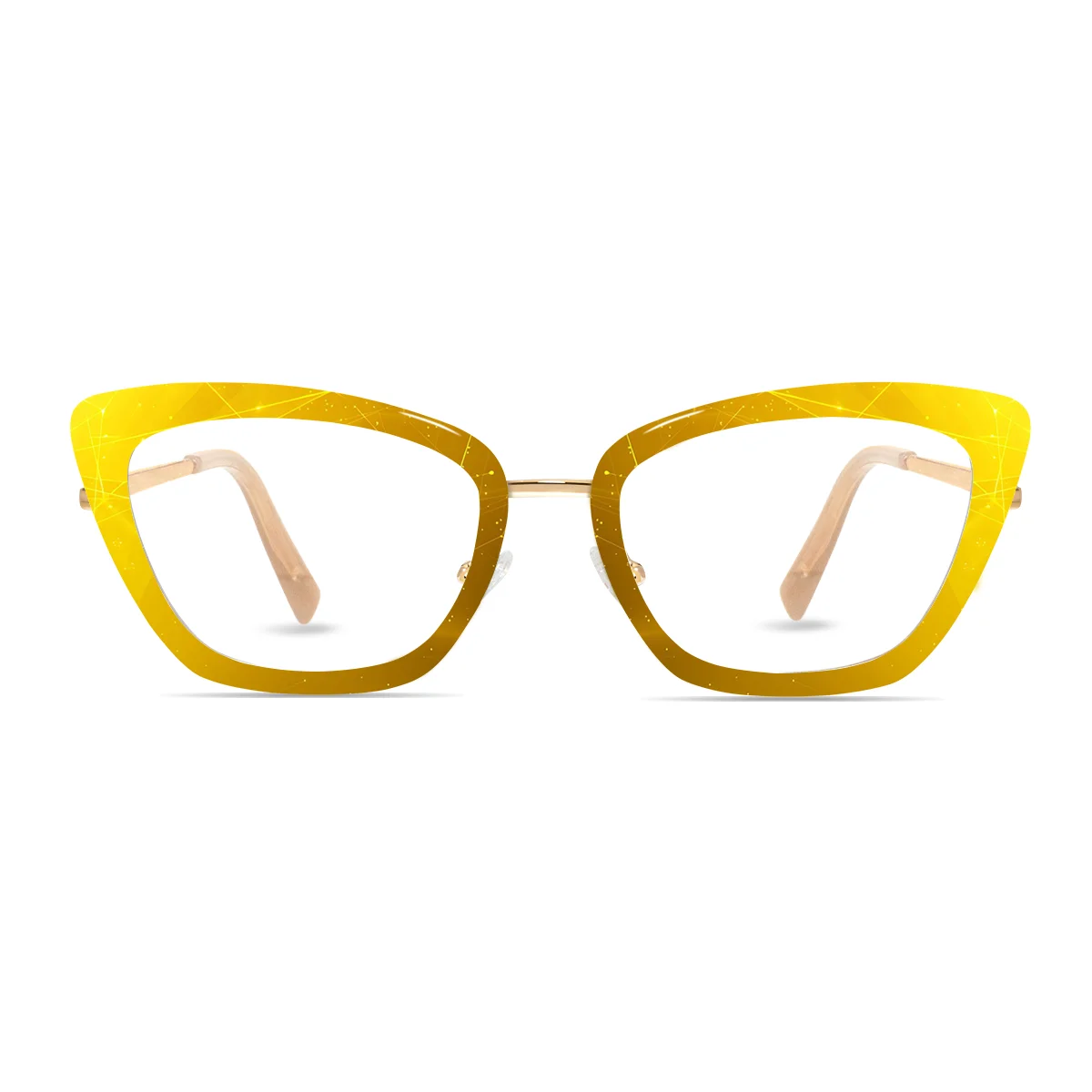
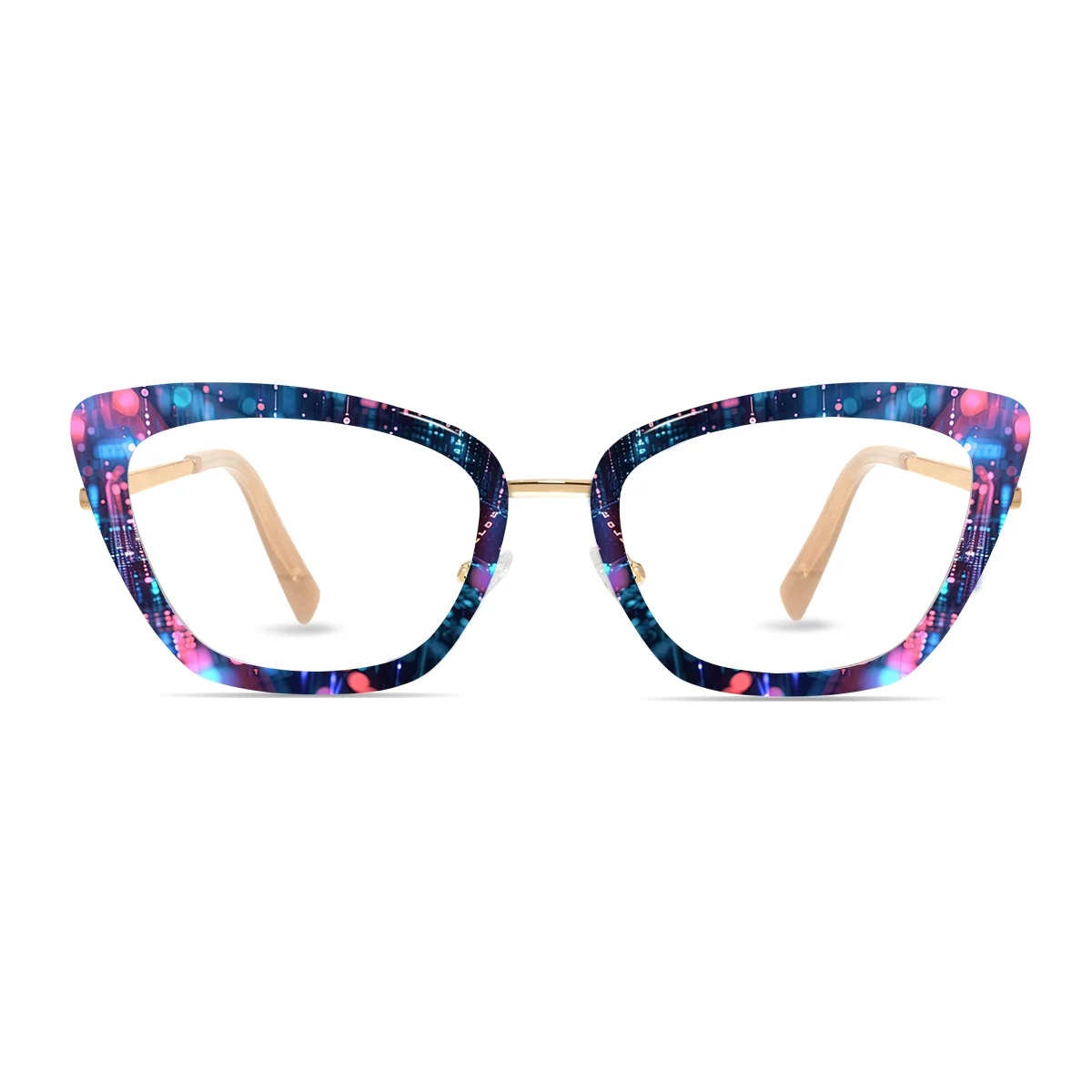
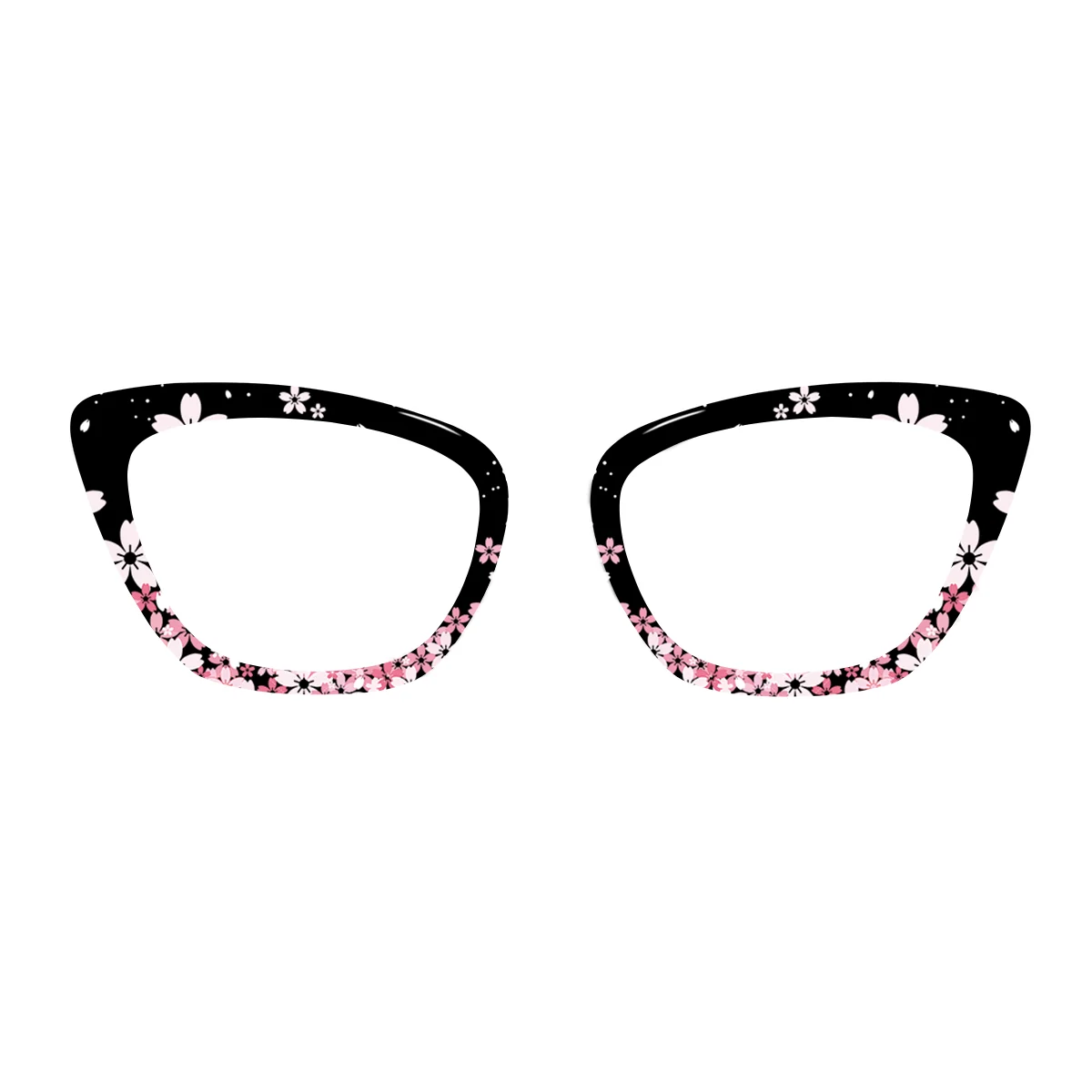
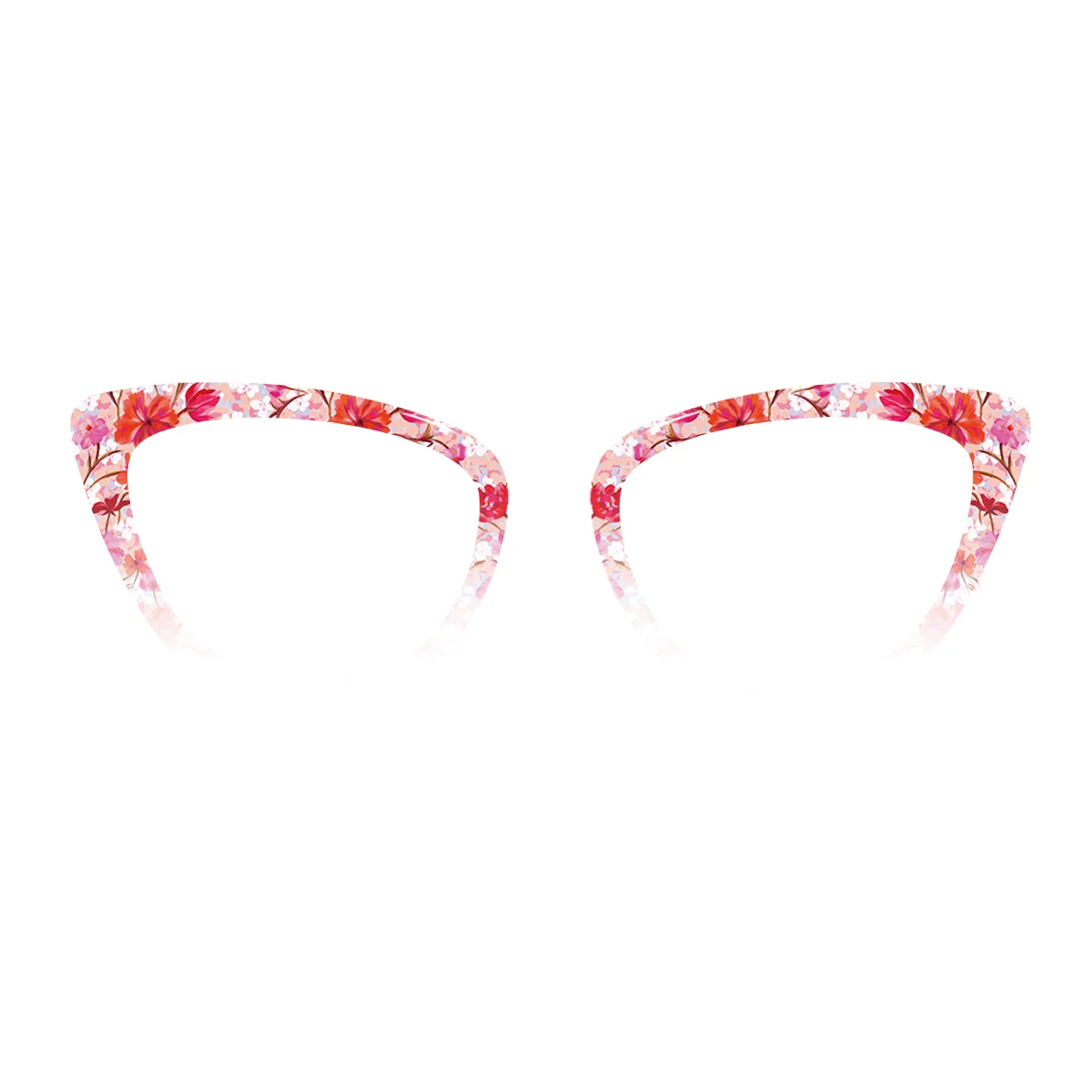
Solid Color Top Frame for Soline




Living a Multifaceted Life: How Custom Modular Eyewear Defines Your Personal Identity
Yet for years, eyewear has tried to force all these identities into one fixed frame.In a world where people change roles, moods,...
The Secret Weapon for Sculpting Your Face: How to Customize Eyewear Based on Your Cheekbones and Brow Shape
When it comes to elevating your appearance, most people think about hairstyles, makeup, or wardrobe upgrades. But there’s one transformative accessory that...
How Mechanical Clip Systems Make Quick Temple Replacement Possible: The Future of Modular Eyewear Design
Eyewear has evolved far beyond simple vision correction. Today, glasses are fashion statements, performance tools, and everyday essentials that must adapt to...
Are Pink Glasses in Style?
Pink glasses are a timeless symbol of charm and personality. They evoke feelings of compassion, love, and hope, making them a popular...
One-Second Color Switch
How to Match Your Glasses Frame to Today’s Outfit—EffortlesslyLet’s be honest.You don’t wear the same outfit every day.Some days it’s clean and...
“Five O’Clock Headache”: Could Custom Eyewear Be the Cure for Your Daily Fatigue?
Around 4:30 p.m., your focus softens. By 5:00 p.m., there’s a dull pressure behind your eyes. Your temples tighten. The screen feels...