
Your Second Face – A Thoughtful Conversation About Custom Glasses
There’s a moment many people remember clearly.
The first time they put on glasses and looked in the mirror—not to check their vision, but to check themselves.
Something felt different.
Not better or worse. Just… different.
Because glasses don’t sit quietly on your body like shoes or watches. They live right at the center of your face. They frame your eyes. They change proportions. They shift first impressions.
In many ways, glasses become your second face.
And that’s why customization matters far more than most people realize.
Glasses Are Not Accessories. They’re Identity Markers.
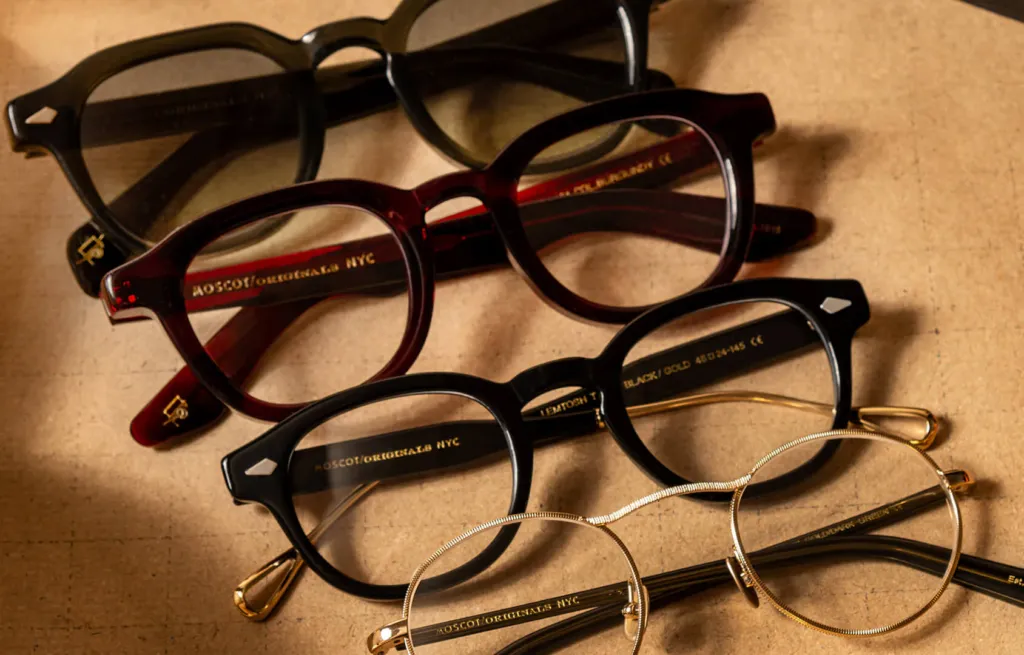
Accessories can be taken off without consequence.
Glasses can’t.
You may change clothes daily.
You may rotate shoes weekly.
But glasses stay—during conversations, meetings, photos, and quiet moments alike.
They’re present when people:
- First meet you
- Listen to you speak
- Judge your confidence
- Remember your face
That alone makes eyewear fundamentally different from most fashion items.
Why “Good Enough” Glasses Rarely Feel Right
Many people settle for glasses that are:
- Comfortable enough
- Stylish enough
- Affordable enough
And yet, something always feels slightly off.
The bridge pinches.
The frame slides.
The shape feels almost right—but not quite you.
That discomfort isn’t just physical.
It’s psychological.
When eyewear doesn’t align with your face—or your personality—it creates quiet friction every time you wear it.
Custom Eyewear Starts With a Simple Truth
No two faces are the same.
Not really.
Faces differ in:
- Width
- Nose bridge height
- Cheekbone structure
- Temple angle
- Eye spacing
- Jawline balance
Mass-produced frames are designed for averages.
But no one is average.
Customization exists because averages fail individuals.
The Face-Frame Relationship
A well-fitted pair of glasses doesn’t draw attention to itself.
It draws attention to you.
It:
- Balances proportions
- Enhances natural symmetry
- Aligns with facial lines
- Feels invisible when worn
This is why people often say,
“These don’t feel like glasses—they feel like part of me.”
That’s not accidental.
That’s design.
Custom Fit: The Invisible Luxury
Luxury isn’t always about logos or materials.
Sometimes, it’s about absence.
The absence of:
- Pressure points
- Slipping frames
- Constant adjustment
- Facial fatigue
Custom eyewear addresses details most people don’t think about:
- Bridge width tailored to your nose
- Temple length matched to your head shape
- Frame tilt aligned with your posture
These details don’t shout—but they change everything.
Custom Style: Beyond Trends
Trends move fast.
Faces don’t.
Custom eyewear focuses on:
- Timeless proportions
- Personal style consistency
- Long-term wearability
Instead of asking,
“What’s popular right now?”
Customization asks,
“What feels like you—year after year?”
That shift turns glasses from seasonal items into personal signatures.
Your Second Face in Different Contexts
Think about how many roles your face plays.
You’re not the same person at:
- Work
- Social events
- Quiet weekends
- Travel
- Creative spaces
This is where customization becomes expressive.
Interchangeable frames, magnetic toppers, or modular designs allow your “second face” to adapt—without losing its core identity.
One base.
Multiple expressions.
Just like you.
The Emotional Side of Eyewear
People rarely talk about this—but they should.
Glasses influence:
- Confidence
- Posture
- Eye contact
- Self-perception
Wearing frames that feel right can subtly change how you:
- Speak
- Smile
- Hold your head
- Show up in the world
That’s not vanity.
That’s alignment.
Custom Eyewear and the Psychology of Choice
Customization isn’t about unlimited options.
It’s about meaningful ones.
When you choose:
- Frame shape
- Material
- Color tone
- Finish
You’re making decisions about how you want to be perceived—and how you want to feel.
That process builds attachment.
People care more for what they help create.
Materials Matter—But Fit Matters More
Titanium, acetate, TR90—materials get a lot of attention.
They should.
But the best material fails if:
- The frame doesn’t align with your face
- The weight distribution is wrong
- The balance feels off
Customization ensures materials serve the wearer, not the other way around.
Custom Eyewear Isn’t Just for “Difficult” Faces
There’s a misconception that custom glasses are only for people who “can’t find anything that fits.”
In reality, custom eyewear is for people who:
- Notice details
- Value comfort
- Care about longevity
- Want consistency in how they present themselves
It’s not a solution to a problem.
It’s an upgrade in awareness.
Aging, Change, and Your Second Face
Faces change.
Weight shifts.
Bone structure evolves.
Style matures.
Custom eyewear adapts more gracefully to change because it’s built on understanding—not guessing.
Updating a custom design feels like refinement, not replacement.
The Sustainability Argument No One Mentions
Fast eyewear encourages:
- Frequent replacement
- Trend-driven waste
- Disposable design
Custom eyewear encourages:
- Longer use
- Repair instead of replacement
- Emotional durability
When something feels personal, people keep it longer.
That’s sustainability through design—not marketing.
When Glasses Stop Being a Mask
Some people feel glasses hide them.
Others feel glasses reveal them.
The difference is fit.
Poorly chosen frames feel like masks.
Well-designed custom frames feel like clarity.
They don’t change who you are.
They remove distractions.
Seeing Yourself Clearly—Literally and Figuratively
Vision correction improves how you see the world.
Custom eyewear improves how the world sees you—and how you see yourself.
That’s why the best glasses don’t feel exciting at first glance.
They feel right.
And that feeling grows with time.
Your Second Face Is Worth Thought
You wouldn’t choose a haircut without considering your face shape.
You wouldn’t choose shoes without considering comfort.
So why treat eyewear—the most visible thing you wear—as an afterthought?
Custom eyewear isn’t about luxury.
It’s about intention.
Final Thoughts: Glasses as a Quiet Statement
Your glasses speak before you do.
They speak in:
- Lines
- Proportions
- Balance
- Subtlety
They don’t need to be loud.
They need to be honest.
When eyewear is designed for you—not for shelves, not for averages—it stops being something you wear.
It becomes part of how you show up.
Your second face.
And once you experience that level of alignment, it’s very hard to go back.

Share this post
How Should Your Glasses Fit for Comfort and Style?
Choosing the right pair of eyeglasses is about more than finding a frame design you like. A properly fitted pair of glasses...
How to Install and Remove the Top Frame
How to Install Your XCombo TopperCheck Left & RightMake sure each topper is on the correct side.Attach at the Nose BridgeAlign the...
Say Goodbye to an Awkward Look: How to Choose the Right Eyeglasses Based on Your Body Proportions and Bag Size
Eyeglasses are more than a vision-correction tool. They are also an important fashion accessory that can influence the balance, proportion, and overall...
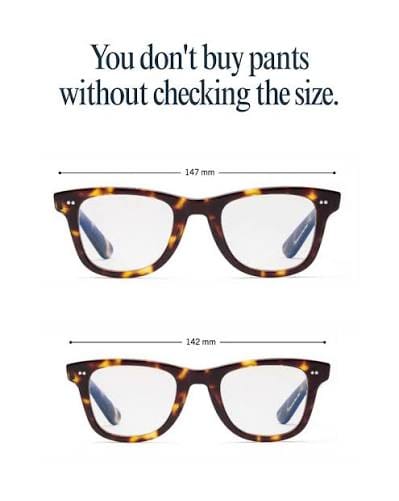
Say Goodbye to Awkward Proportions: How to Choose the Right Glasses for Your Body Shape and Bag Size
Accessories can transform an ordinary outfit into a polished, thoughtfully coordinated look. A beautiful handbag adds personality, while the right pair of...
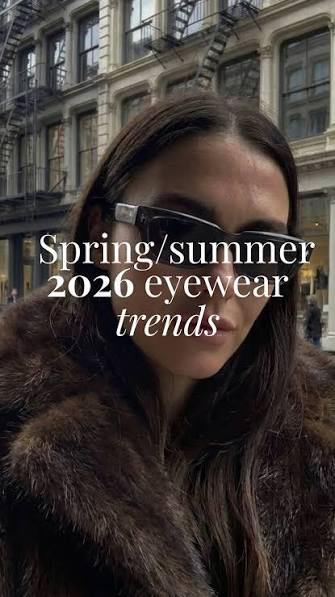
2026 Spring/Summer Fashion Trends: When Retro Small-Frame Glasses Meet the Underarm Bag
Fashion has always had a talent for bringing the past back in unexpected ways.A silhouette that once belonged to another decade can...
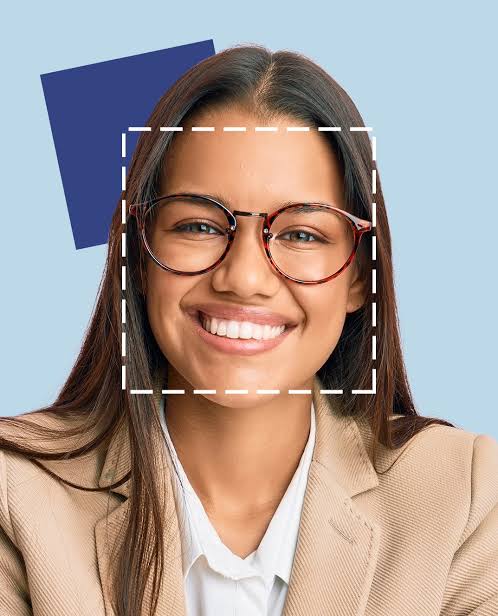
Soft Aesthetics for Girls with Square Faces: How Rounded Handbags and Gentle Eyeglass Frames Soften Facial Lines
A square face can be striking, elegant, and full of character. Defined by a broader forehead, a relatively straight jawline, and noticeable...
How to Buy Prescription Glasses Online on XCombo
Looking to buy glasses online? XCombo makes it easy to get stylish, high-quality glasses tailored to your prescription. Follow this simple step-by-step...
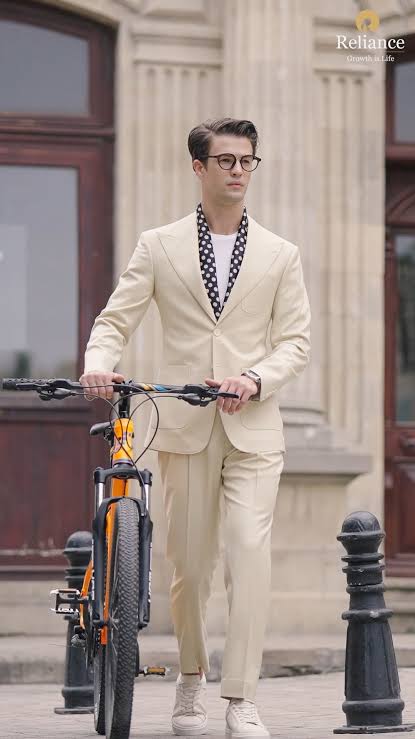
The Executive Style Code: A Career Guide to Suits, Briefcases, and Sophisticated Eyewear
In the modern workplace, professional style is about much more than wearing expensive clothes.The strongest business wardrobe communicates something before you say...
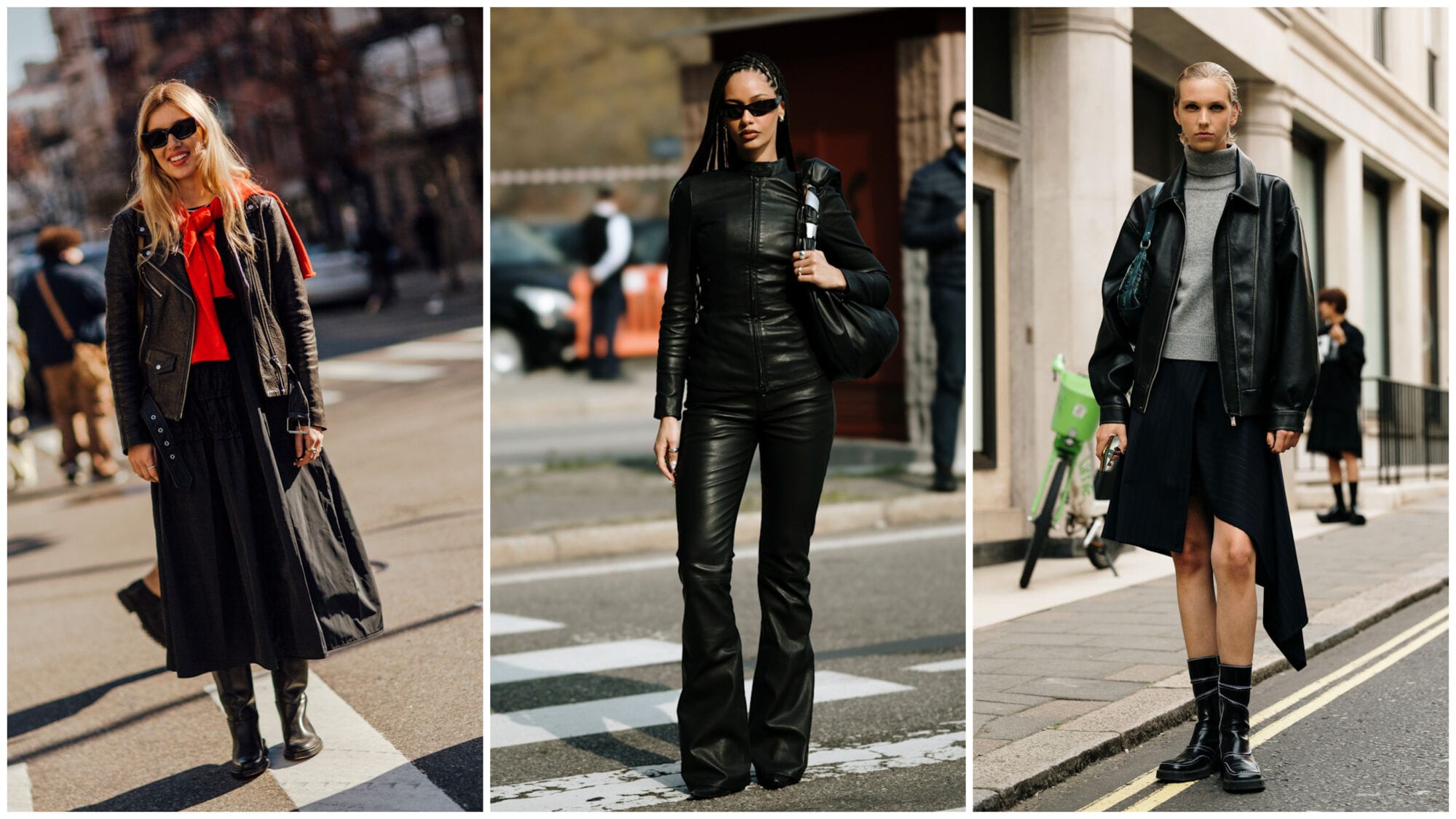
Street-Cool Style: How to Make Motorcycle Jackets, Belt Bags, and Futuristic Sunglasses Stand Out
Street fashion has never been about following every rule.It is about knowing which rules to break.A motorcycle jacket, a compact belt bag,...

The Art of Color Coordination: How to Match Your Bag With Your Eyeglass Frames for an Effortlessly Sophisticated Look
Fashion is often about the little details.A beautifully tailored outfit can look polished, yet something may still feel incomplete. The reason is...
Dating Night Style Secrets: The Perfect Collision of an Elegant Cocktail Dress, a Chain Evening Bag, and Sophisticated Semi-Rimless Glasses
Dating night is about more than choosing an outfit. It is about creating an impression without looking like you tried too hard....
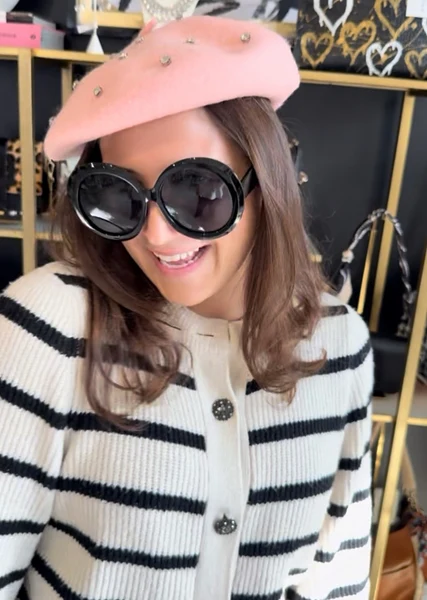
Effortless French Elegance: The Perfect Pairing of Knitwear, Tote Bags, and Cat-Eye Glasses
There is something undeniably captivating about French style.It is polished without looking overly polished, feminine without being overly delicate, and comfortable without...