


Why “Snap-Lock” Is the Real Smart Tech: A Modular Eyewear Breakthrough That Moves Beyond Magnetic Weakness
In the past decade, modular eyewear has gone from niche experiment to mainstream innovation. Interchangeable lenses, clip-on sun shields, magnetic frames, and transformable styles promise flexibility for modern life. The idea is simple: one pair of glasses, multiple looks and functions.
But as modular designs have evolved, so have their limitations.
Magnetic attachment systems — once hailed as futuristic and effortless — have revealed practical weaknesses: slipping under movement, collecting metal dust, weakening over time, and struggling under heat or sweat.
Now a new design philosophy is gaining traction: snap-lock modular eyewear, built around precision “click-in” mechanical connections rather than magnetic attraction.
The argument is bold:
True smart design isn’t about magnets — it’s about engineering certainty.
This in-depth guide explores why snap-lock modular glasses may represent the next leap in intelligent eyewear design, how they outperform magnetic systems in real-world use, and what this shift means for the future of customizable frames.

The Rise of Modular Eyewear
Before diving into the snap-lock revolution, it’s worth understanding how modular eyewear became popular.
Modern consumers demand:
- Versatility
- Customization
- Lightweight performance
- Durability
- Sustainable consumption
Instead of buying multiple pairs for work, sports, driving, and fashion, modular glasses promise one adaptable base.
Early innovations included:
- Clip-on sunglasses
- Interchangeable temples
- Detachable nose pads
- Magnetic snap-in lenses
Brands such as Oakley and Ray-Ban experimented with adaptable systems, while newer direct-to-consumer companies leaned heavily into magnetic modularity.
Magnets felt modern. Sleek. Effortless.
But effortless doesn’t always mean intelligent.
The Hidden Weakness of Magnetic Eyewear Systems
Magnetic attachments rely on attraction force between embedded magnets.
In theory, magnets provide:
- Quick lens swapping
- No visible hardware
- Minimal mechanical wear
- A seamless look
In practice, several weaknesses emerge.
1. Force Threshold Limitations
Magnets have a fixed holding force. When external force exceeds that threshold — impact, vibration, bending — the attachment can disengage.
This is especially problematic during:
- Running or sports
- Sudden head movements
- Accidental drops
- Temperature fluctuations
Mechanical snap systems, by contrast, rely on interlocking geometry rather than attraction force.
2. Gradual Strength Degradation
Magnets can weaken due to:
- Repeated detachment cycles
- Exposure to high temperatures
- Corrosion in humid environments
- Metal fatigue
Even rare-earth magnets lose holding strength under certain conditions.
Snap-lock connectors are mechanical. As long as the structure isn’t physically damaged, holding strength remains consistent.
3. Dust and Debris Accumulation
Magnetic surfaces attract:
- Metal dust
- Fine iron particles
- Environmental debris
This can lead to:
- Scratching lenses
- Misalignment
- Reduced contact surface area
- Cosmetic degradation
Mechanical snap systems don’t attract debris in the same way.
4. Sweat and Skin Oil Interference
Magnetic surfaces exposed to moisture can:
- Develop micro-corrosion
- Experience slippage
- Lose tight alignment
Athletes and active users often report loosening over time.
Snap-lock mechanisms are less sensitive to moisture exposure.
What Is a Snap-Lock Modular Eyewear System?
A snap-lock system uses precision-engineered mechanical interlocking components.
Instead of relying on magnetic attraction, the design incorporates:
- Micro-latch structures
- Pressure-fit grooves
- Flex-hinge tension points
- Click-in retention tabs
The mechanism creates an audible and tactile “click” when properly engaged — offering feedback magnets cannot provide.
This feedback matters.
Because smart design isn’t just about attachment — it’s about certainty.
The Psychology of Certainty in Wearable Tech
Wearable products require trust.
If glasses detach unexpectedly:
- Lenses can fall and crack
- Frames may warp
- User confidence drops
Magnetic systems often create subtle anxiety during high-movement activities.
Snap-lock systems provide:
- Clear locking feedback
- Defined engagement resistance
- Mechanical security
That psychological reinforcement increases perceived intelligence and reliability.
Engineering Advantages of Snap-Lock Systems
1. Directional Stability
Magnets allow slight lateral movement.
Snap-lock connectors constrain movement in:
- Vertical direction
- Horizontal direction
- Rotational direction
This precision alignment improves optical performance, especially in prescription modular frames.
2. Higher Load Resistance
Mechanical interlocking distributes stress across multiple structural points.
Magnets focus holding power at specific embedded spots.
Load distribution increases durability during:
- Accidental drops
- Sports collisions
- High wind cycling
3. Temperature Stability
Magnetic force fluctuates with heat exposure.
Mechanical structures remain stable across a wider temperature range.
For users in hot climates, this difference becomes meaningful.
4. Longevity Through Structural Integrity
Snap-lock systems rely on:
- High-tensile polymers
- Reinforced hinge geometry
- Stress-tested micro-architecture
With proper material selection, mechanical locks often outlast magnet strength retention.
Sustainability: A Hidden Benefit
Modular eyewear is often marketed as eco-friendly because it reduces the need for multiple frames.
Snap-lock systems enhance sustainability by:
- Extending product lifespan
- Reducing component failure
- Minimizing replacement parts
- Allowing targeted upgrades
Magnet failures typically require full component replacement.
Mechanical systems can sometimes allow localized part repair.
In a circular economy mindset, durability equals intelligence.
Performance in Active Lifestyles
For athletes, cyclists, hikers, and runners, stability is critical.
Magnetic systems may shift under:
- Rapid acceleration
- Impact vibration
- Sweat lubrication
Snap-lock systems maintain alignment under dynamic stress.
Brands like Nike and Adidas have long emphasized mechanical locking systems in footwear for similar reasons: physical interlocking provides predictability.
The same logic applies to eyewear.
Aesthetic Freedom Without Structural Compromise
One argument in favor of magnets is minimalism.
But modern snap-lock systems have evolved to become:
- Nearly invisible
- Ultra-slim
- Embedded within frame geometry
- Designed for seamless visual integration
Advanced CAD modeling allows micro-mechanical features that don’t disrupt frame aesthetics.
Smart no longer means exposed hardware.
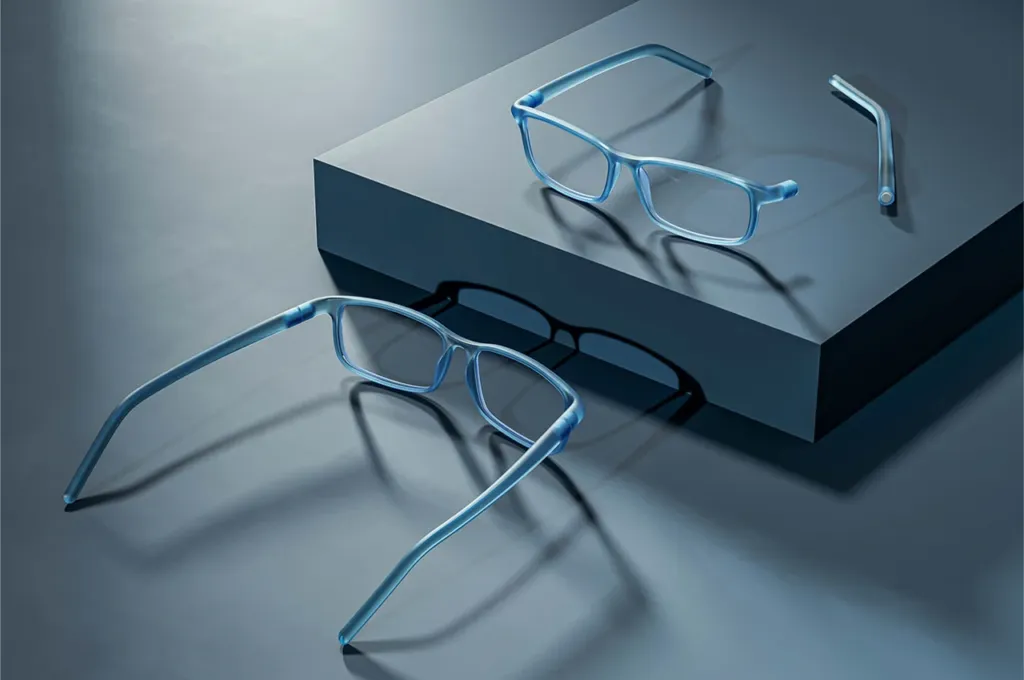
0Modular Intelligence: Beyond Lens Swapping
Snap-lock architecture opens new possibilities:
- Interchangeable bridge widths
- Adjustable temple arms
- Snap-in blue-light filters
- Clip-in prescription inserts
- Swappable color accents
Because mechanical locks are predictable, designers can expand modular ecosystems more confidently.
Magnets limit how many components can stack or align.
Snap-lock systems scale more effectively.
Safety Considerations
Magnetic eyewear can pose minor risks:
- Small magnets detaching
- Child ingestion hazards
- Interference with certain medical devices (rare but possible)
Mechanical snap components avoid these concerns.
In regulated environments, eliminating magnetic components simplifies compliance.
Cost Efficiency Over Time
Magnetic systems may require:
- Magnet replacement
- Realignment service
- Full component swaps
Snap-lock systems may have slightly higher initial engineering cost but often lower long-term maintenance cost.
Durability reduces lifecycle expense.
Smart design looks at the full ownership horizon.
Consumer Trends Favoring Mechanical Precision
As consumers become more informed, expectations shift toward:
- Performance transparency
- Engineering credibility
- Functional authenticity
- Long-term reliability
Mechanical snap-lock systems communicate tangible engineering effort.
Magnets communicate convenience.
In today’s tech landscape, convenience alone is no longer enough.
Overcoming Common Misconceptions
“Magnets Are More Advanced”
Magnets feel futuristic, but mechanical engineering has advanced equally.
Aerospace, automotive, and medical devices rely on mechanical interlocks for critical safety.
That’s not coincidence.
“Snap Systems Will Wear Out”
High-quality polymers and reinforced geometries can withstand thousands of cycles.
Proper engineering prevents early fatigue.
“Magnetic Systems Are Simpler”
Simpler doesn’t always mean smarter.
Mechanical locks may involve more engineering, but they offer greater reliability.
The Future of Intelligent Eyewear
Next-generation modular glasses may integrate:
- Embedded sensors
- Smart lenses
- AR overlays
- Biometric tracking
- Adaptive tinting
As functionality increases, attachment precision becomes more important.
Snap-lock architecture supports layered innovation more effectively than magnet-based systems.
The more complex the technology, the more critical structural stability becomes.
Why Snap-Lock Represents True Smart Design
Smart design is not defined by novelty.
It’s defined by:
- Predictability
- Durability
- Scalability
- User confidence
- Structural intelligence
Snap-lock modular eyewear meets these criteria by:
- Eliminating magnetic weakness
- Increasing load stability
- Providing tactile feedback
- Enhancing lifespan
- Supporting expanded modular ecosystems
It transforms eyewear from accessory into engineered system.
Final Thoughts
The evolution of modular eyewear reflects a broader shift in consumer technology.
We are moving from flashy features toward functional intelligence.
Magnetic systems introduced modular convenience — but snap-lock systems refine it with mechanical certainty.
When your glasses stay secure during a sprint, a bike ride, or a long commute, that’s not marketing innovation.
That’s engineering intelligence.
In the race to define the future of smart eyewear, magnets may have opened the door.
But snap-lock technology might be the system that truly locks in the win.
Share this post


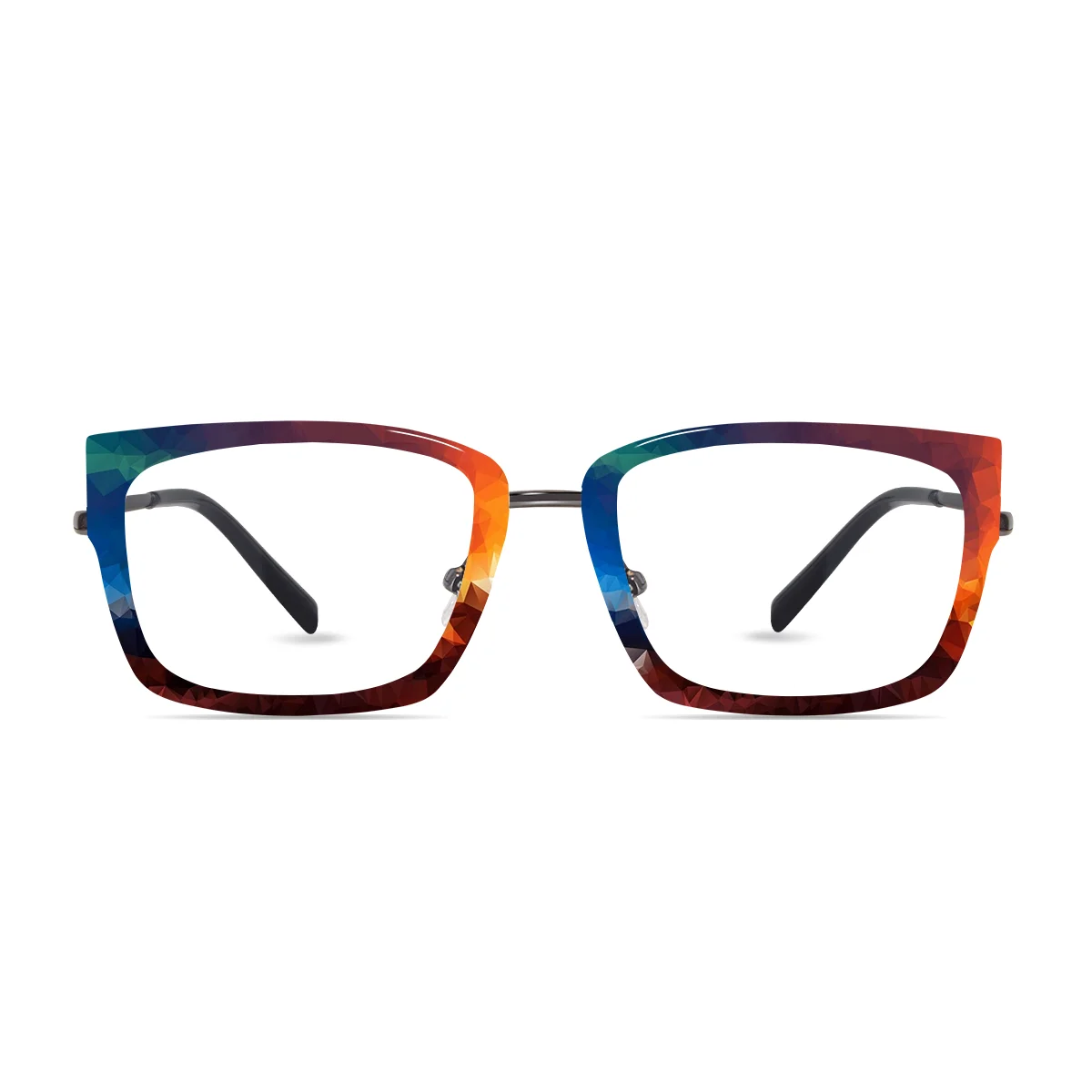
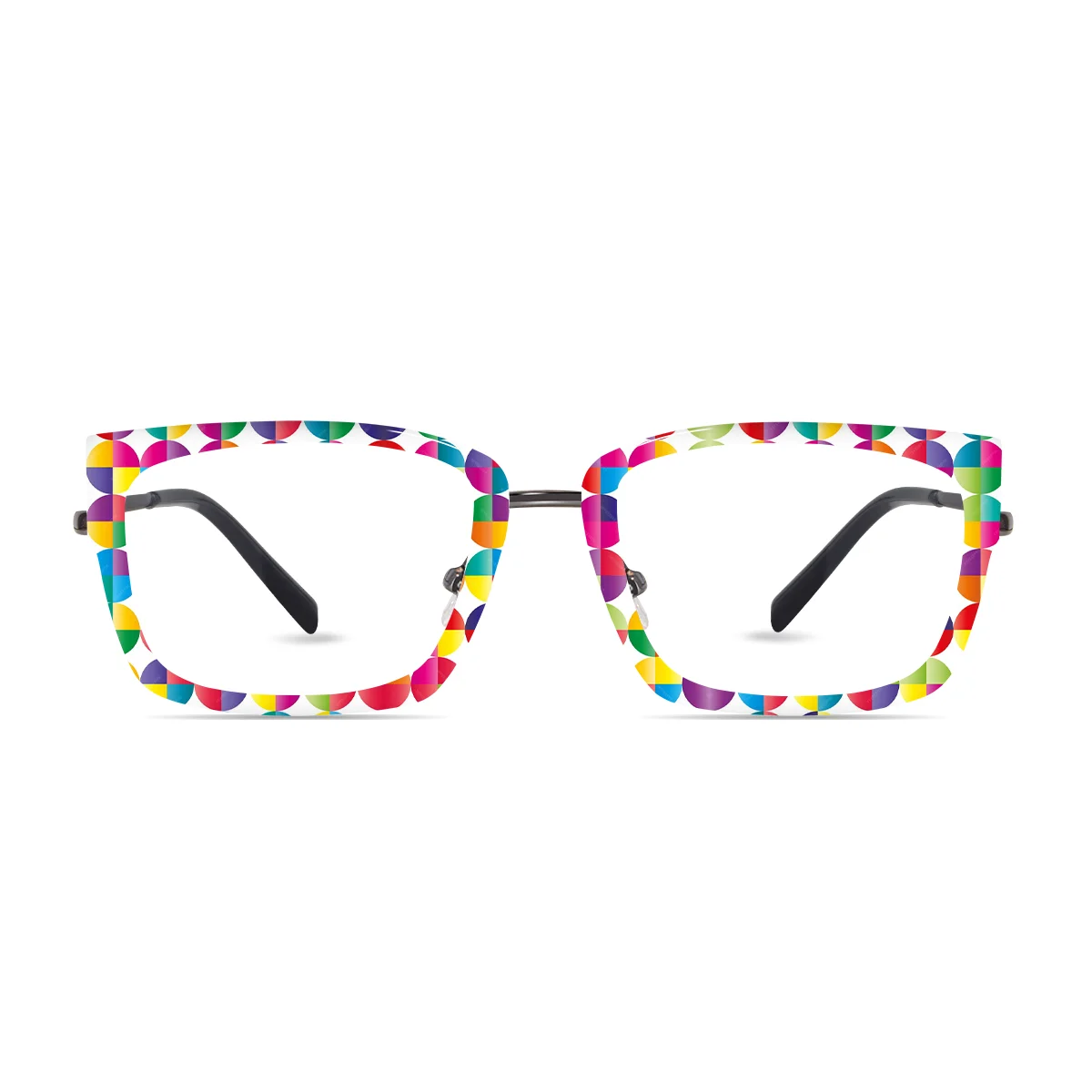
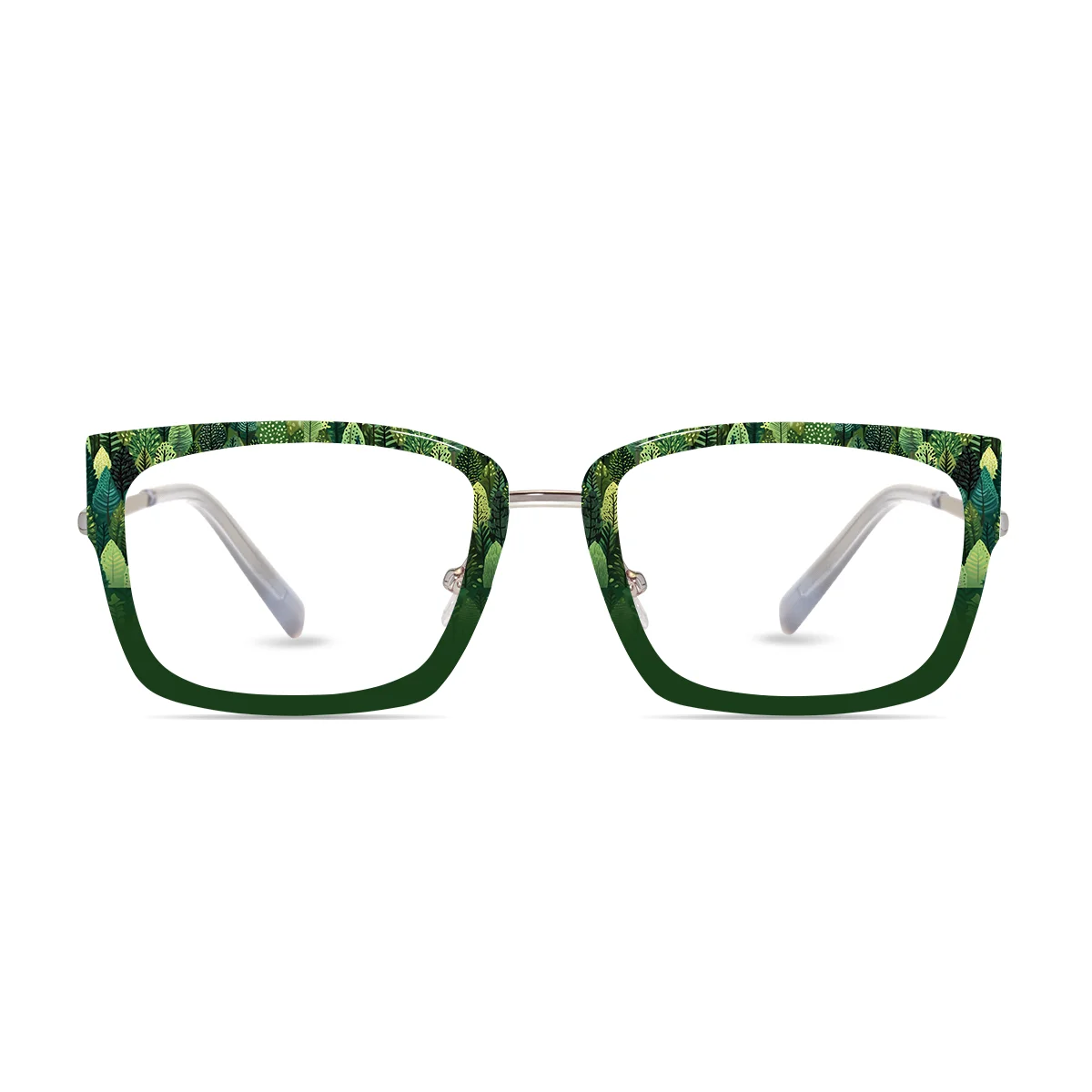
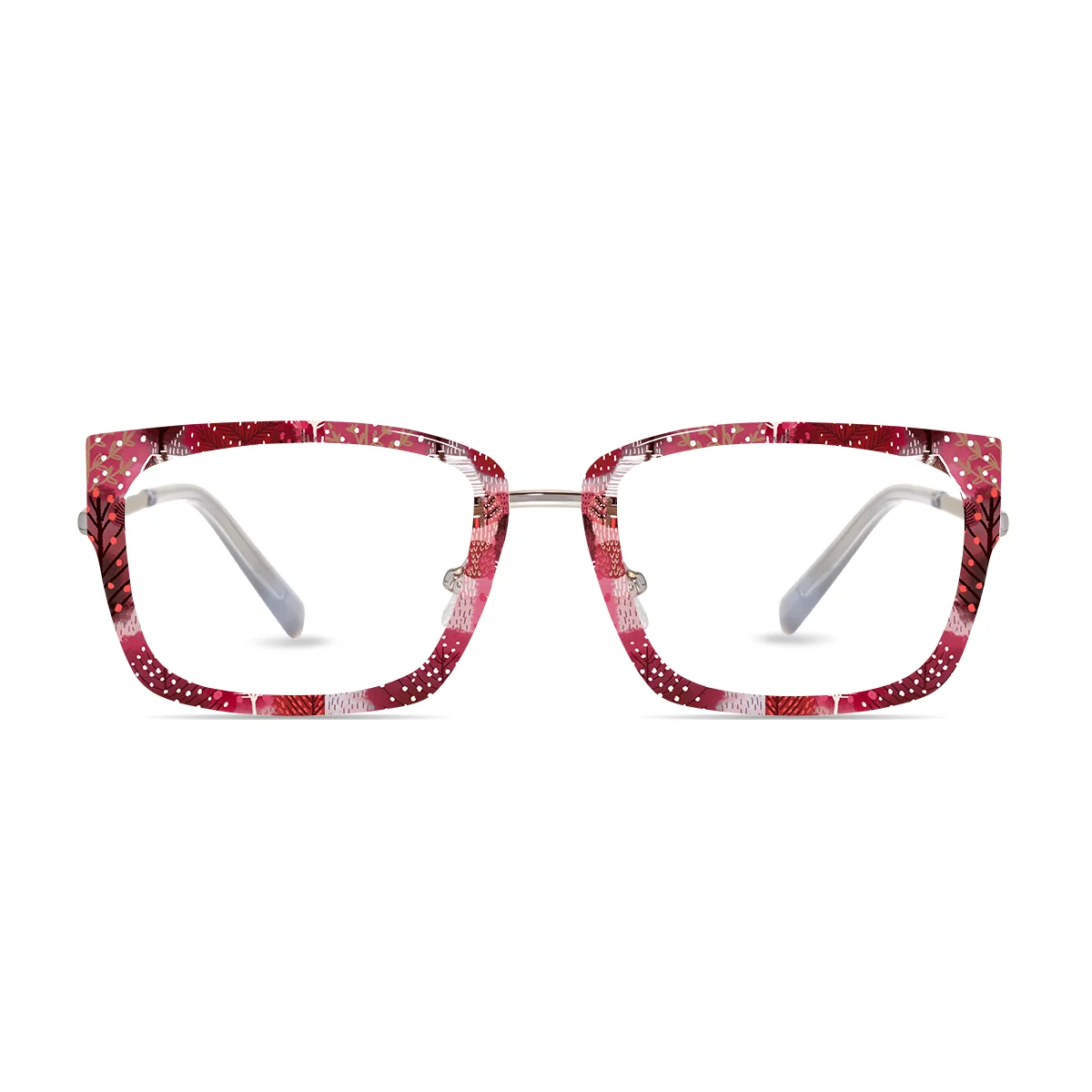


Soline Light Gold Base Frame - Wide Rectangle


Living a Multifaceted Life: How Custom Modular Eyewear Defines Your Personal Identity
Yet for years, eyewear has tried to force all these identities into one fixed frame.In a world where people change roles, moods,...
The Secret Weapon for Sculpting Your Face: How to Customize Eyewear Based on Your Cheekbones and Brow Shape
When it comes to elevating your appearance, most people think about hairstyles, makeup, or wardrobe upgrades. But there’s one transformative accessory that...
Are Pink Glasses in Style?
Pink glasses are a timeless symbol of charm and personality. They evoke feelings of compassion, love, and hope, making them a popular...
One-Second Color Switch
How to Match Your Glasses Frame to Today’s Outfit—EffortlesslyLet’s be honest.You don’t wear the same outfit every day.Some days it’s clean and...
“Five O’Clock Headache”: Could Custom Eyewear Be the Cure for Your Daily Fatigue?
Around 4:30 p.m., your focus softens. By 5:00 p.m., there’s a dull pressure behind your eyes. Your temples tighten. The screen feels...
Nerd Glasses: Choosing the Best Pair to Match Your Style
Nerd glasses have evolved from being a stereotype to a trendy fashion statement. With their unique designs and bold frames, these glasses...