
Seamlessness is key to beauty: Why snap-on custom glasses offer a more seamless aesthetic than magnetic closures
In today’s eyewear market, aesthetics are no longer just about frame color or lens shape. Modern consumers want precision, cohesion, and craftsmanship that feels intentional from every angle. The phrase “zero-gap design” has become more than a technical feature—it represents refinement, durability, and elevated personal style.
When comparing clip-on systems, especially snap-fit customization versus magnetic attachments, the difference becomes strikingly clear. If seamless beauty is your goal, snap-fit custom eyewear delivers a level of integration and structural harmony that magnetic systems simply can’t replicate.
Let’s explore why zero-gap matters, how snap-fit systems achieve superior seamlessness, and why they’re redefining premium custom eyewear in the American market.
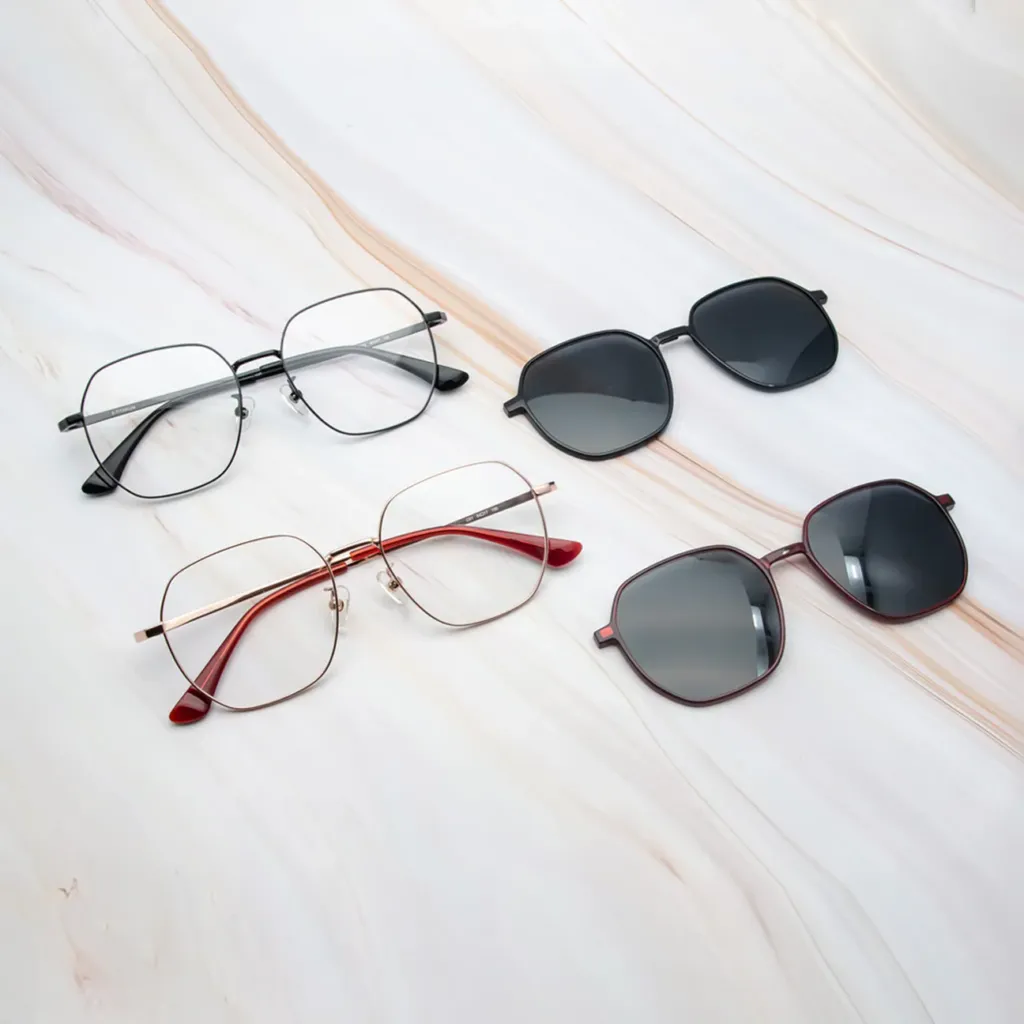
The Rise of Seamless Design in Modern Eyewear
Minimalism has shaped everything from architecture to consumer electronics. Think about the clean edge alignment of devices designed by Apple or the aerodynamic curves of vehicles by Tesla. The absence of visible seams signals precision engineering.
Eyewear is following the same trajectory.
A visible gap between a base frame and an add-on lens disrupts the visual flow of the design. Even small separations create shadow lines that draw attention. For consumers who invest in curated wardrobes, high-end accessories, and personalized details, those micro-disruptions matter.
Zero-gap eyewear isn’t about marketing hype. It’s about:
- Visual continuity
- Structural stability
- Material harmony
- Long-term durability
- Elevated aesthetic value
Snap-fit customization answers these demands in ways magnetic systems struggle to match.
Understanding the Two Systems
Before comparing them, let’s clarify how each system works.
Magnetic Attachment Eyewear
Magnetic clip-on systems use embedded magnets in both the base frame and the removable lens piece. When aligned correctly, the magnets pull the two components together.
Advantages:
- Quick attachment
- Convenient switching
- Minimal mechanical components
Limitations:
- Micro gaps between surfaces
- Potential misalignment
- Reduced structural rigidity
- Visible shadow lines along contact edges
Snap-Fit Custom Eyewear
Snap-fit systems rely on precision-engineered mechanical interlocks. Small, discreet clips are molded directly into the frame structure. The custom overlay clicks into position and sits flush with the frame.
Advantages:
- Zero-gap alignment
- Full-surface contact
- Strong mechanical lock
- Seamless integration
- Enhanced durability
The difference lies in physics and design philosophy.
Why Zero-Gap Matters More Than You Think
1. Visual Flow and Luxury Perception
Luxury often comes down to detail.
In high-end design, gaps signal compromise. A flush, unified surface signals craftsmanship. When the clip-on lens sits perfectly against the frame with no visible separation, it appears as though the eyewear was designed as a single piece.
Magnetic systems typically require a slight offset to accommodate magnet housing. That offset creates a visible seam line.
Snap-fit systems eliminate that space.
The result:
- Clean silhouette
- Continuous edge profile
- No light leakage between layers
- No distracting separation lines
For fashion-conscious wearers, this difference is immediately noticeable.
2. Engineering Precision and Structural Integrity
Magnetic systems rely on attraction force. Snap-fit systems rely on mechanical locking.
Mechanical locks provide:
- Tighter tolerance control
- Reduced movement during wear
- Stronger resistance to vibration
- Better stability during activity
If you’ve ever worn magnetic clip-ons while driving or exercising, you may have noticed slight shifts during head movement. Even micro-movements can create long-term wear along contact points.
Snap-fit systems distribute pressure evenly along contact surfaces. That means:
- Less stress concentration
- Fewer alignment failures
- Greater long-term performance
This matters especially for prescription lens users who require precise optical positioning.
3. Optical Alignment and Lens Performance
Optical clarity depends on alignment.
Even minimal misalignment between base frame and add-on lens can cause:
- Peripheral distortion
- Reflections from layered gaps
- Increased glare
- Reduced visual comfort
Snap-fit customization ensures that:
- Lenses sit flush
- Optical centers remain aligned
- Frame curvature matches overlay curvature precisely
Magnetic systems, by contrast, depend on magnetic pull force, which can vary slightly based on environmental conditions or wear over time.
Precision-fit locking eliminates that variability.
4. Long-Term Durability and Wear Resistance
Magnets degrade.
Over time:
- Magnet strength can weaken
- Adhesive components can loosen
- Repeated detachment can create alignment issues
Snap-fit systems use engineered polymer or metal interlocks that maintain structural integrity over repeated use cycles.
Additionally, zero-gap contact reduces debris accumulation. Magnetic systems often create small crevices where dust and skin oils collect.
Snap-fit systems:
- Minimize dirt buildup
- Reduce cleaning frequency
- Maintain aesthetic integrity longer
For daily wearers, this translates into years of consistent performance.
The Psychology of Seamless Aesthetics
Consumers may not consciously articulate it, but seamless design triggers psychological cues of quality.
Research in product design shows that:
- Symmetry increases perceived value
- Precision increases trust
- Flush surfaces increase satisfaction
This is why flush-mounted doors in luxury cars and bezel-less displays in modern smartphones feel premium.
Eyewear follows the same rule.
A zero-gap frame communicates:
- Intentional craftsmanship
- Custom precision
- High-end positioning
- Design maturity
Magnetic systems often feel modular. Snap-fit systems feel integrated.
That emotional difference matters in premium eyewear purchasing decisions.
Customization Depth: Why Snap-Fit Wins
Snap-fit custom eyewear allows for:
- Exact curvature matching
- Frame-specific overlay design
- Precise edge finishing
- Consistent material blending
Magnetic systems often rely on standardized magnet placement, limiting how tightly overlays can conform to unique frame contours.
True customization means engineering each overlay to match the base frame exactly.
That’s what snap-fit systems enable.
Design Freedom Without Compromise
One misconception is that snap-fit systems are bulky. Modern engineering has eliminated that issue.
Advanced CAD modeling allows designers to:
- Integrate hidden locking points
- Maintain slim profiles
- Preserve lightweight structure
- Avoid visible mechanical elements
The result is eyewear that looks sculpted, not assembled.
Magnetic housings, on the other hand, require embedding space, often increasing frame thickness at key contact areas.
For minimalistic eyewear lovers, thickness matters.
Performance in Active Lifestyles
For drivers, travelers, and outdoor enthusiasts, attachment security matters.
Magnetic systems may detach under:
- Sudden movement
- Accidental impact
- Repeated vibration
Snap-fit locking:
- Requires deliberate release
- Resists accidental detachment
- Maintains consistent alignment
Whether commuting in Boston traffic or heading out for a weekend trip, stable performance builds trust.
Material Compatibility and Innovation
Snap-fit systems allow diverse material combinations:
- TR90 frames with polarized overlays
- Acetate bases with mirrored lens additions
- Titanium frames with UV-blocking shields
Because the connection is mechanical, designers can pair materials without relying on magnetic embedding compatibility.
Magnetic systems often limit material choices due to magnet integration requirements.
That limits creative freedom.
UV Protection and Seamless Shielding
When layering UV or blue-light filtering lenses, full-surface contact matters.
Zero-gap overlays:
- Block peripheral light infiltration
- Reduce edge glare
- Improve coverage
Magnetic overlays often leave micro openings along edges.
For users prioritizing eye health and full-spectrum UV defense, flush integration makes a measurable difference.
Premium Positioning in the U.S. Market
In the American eyewear landscape, consumers increasingly demand:
- Personalization
- Clean design
- Technical refinement
- Long-term durability
Brands emphasizing snap-fit custom systems align better with premium positioning than brands relying solely on magnetic convenience.
Luxury isn’t just about convenience. It’s about finish.
Sustainability Considerations
Durability equals sustainability.
Snap-fit systems:
- Extend product lifespan
- Reduce need for replacement
- Maintain structural reliability
Magnetic degradation can shorten product cycles.
A longer-lasting eyewear system reduces material waste and supports more responsible consumption patterns.
Cost vs. Value
Magnetic systems are often cheaper to manufacture. But lower production cost does not always translate to better long-term value.
Snap-fit customization may involve:
- Higher tooling precision
- Advanced molding processes
- Tighter tolerance control
However, the result is:
- Better performance
- Fewer replacements
- Greater user satisfaction
For consumers investing in prescription eyewear, value extends beyond initial purchase price.
Style Without Compromise
Zero-gap eyewear supports:
- High-fashion aesthetics
- Professional environments
- Streetwear styling
- Minimalist wardrobes
Because the overlay integrates seamlessly, it doesn’t disrupt outfit coordination.
The difference between “attached” and “integrated” defines the visual experience.
Why Seamless Design Is the Future
As wearable technology evolves and smart eyewear grows in popularity, integration will matter even more.
Consider companies like Meta collaborating with Ray-Ban to create connected eyewear. Even in tech-integrated designs, seamless construction is essential for aesthetic acceptance.
Consumers will increasingly expect:
- Invisible engineering
- Integrated modularity
- Zero visible attachment systems
Snap-fit technology aligns with that direction.
Final Thoughts: Zero-Gap Is More Than a Feature
When comparing snap-fit custom eyewear to magnetic attachments, the conclusion is clear:
Magnetic systems prioritize convenience.
Snap-fit systems prioritize integration.
If beauty lies in detail, then zero-gap precision defines true elegance.
From structural stability to optical alignment, from psychological perception to long-term durability, snap-fit custom eyewear delivers a cohesive, premium experience.
Seamlessness isn’t just about eliminating a gap.
It’s about elevating the entire design philosophy.
In a market saturated with quick solutions and modular shortcuts, snap-fit customization stands out as a commitment to precision.
And when it comes to eyewear—the accessory that frames your face every single day—precision is everything.
Build the layout with Single Builder
Share this post
How Should Your Glasses Fit for Comfort and Style?
Choosing the right pair of eyeglasses is about more than finding a frame design you like. A properly fitted pair of glasses...
How to Install and Remove the Top Frame
How to Install Your XCombo TopperCheck Left & RightMake sure each topper is on the correct side.Attach at the Nose BridgeAlign the...

Say Goodbye to an Awkward Look: How to Choose the Right Eyeglasses Based on Your Body Proportions and Bag Size
Eyeglasses are more than a vision-correction tool. They are also an important fashion accessory that can influence the balance, proportion, and overall...
Say Goodbye to Awkward Proportions: How to Choose the Right Glasses for Your Body Shape and Bag Size
Accessories can transform an ordinary outfit into a polished, thoughtfully coordinated look. A beautiful handbag adds personality, while the right pair of...

2026 Spring/Summer Fashion Trends: When Retro Small-Frame Glasses Meet the Underarm Bag
Fashion has always had a talent for bringing the past back in unexpected ways.A silhouette that once belonged to another decade can...
Soft Aesthetics for Girls with Square Faces: How Rounded Handbags and Gentle Eyeglass Frames Soften Facial Lines
A square face can be striking, elegant, and full of character. Defined by a broader forehead, a relatively straight jawline, and noticeable...
How to Buy Prescription Glasses Online on XCombo
Looking to buy glasses online? XCombo makes it easy to get stylish, high-quality glasses tailored to your prescription. Follow this simple step-by-step...

The Executive Style Code: A Career Guide to Suits, Briefcases, and Sophisticated Eyewear
In the modern workplace, professional style is about much more than wearing expensive clothes.The strongest business wardrobe communicates something before you say...

Street-Cool Style: How to Make Motorcycle Jackets, Belt Bags, and Futuristic Sunglasses Stand Out
Street fashion has never been about following every rule.It is about knowing which rules to break.A motorcycle jacket, a compact belt bag,...

The Art of Color Coordination: How to Match Your Bag With Your Eyeglass Frames for an Effortlessly Sophisticated Look
Fashion is often about the little details.A beautifully tailored outfit can look polished, yet something may still feel incomplete. The reason is...
Dating Night Style Secrets: The Perfect Collision of an Elegant Cocktail Dress, a Chain Evening Bag, and Sophisticated Semi-Rimless Glasses
Dating night is about more than choosing an outfit. It is about creating an impression without looking like you tried too hard....

Effortless French Elegance: The Perfect Pairing of Knitwear, Tote Bags, and Cat-Eye Glasses
There is something undeniably captivating about French style.It is polished without looking overly polished, feminine without being overly delicate, and comfortable without...