
Why Clip-Lock Eyewear Frames Outlast Traditional Magnetic Accessories: The Engineering Behind Long-Term Durability
Introduction: Convenience vs. Longevity in Modern Eyewear Design
Eyewear has evolved far beyond simple vision correction. Today’s glasses often serve multiple functions — prescription lenses, blue-light filtering, sun protection, and even lifestyle adaptability through interchangeable accessories.
Among these innovations, two attachment systems dominate the market:
- Magnetic accessory systems
- Clip-lock (mechanical snap-fit) frame systems
Magnetic attachments became popular because they feel modern and effortless. A sunglass overlay snaps into place instantly, creating a seamless user experience.
But as more users accumulate months or years of real-world wear, a pattern has emerged: clip-lock systems consistently demonstrate superior durability and reliability over time.
This isn’t marketing hype. It’s physics, materials science, and mechanical engineering.
In this article, we’ll explore why clip-lock eyewear frames are often more durable than magnetic alternatives, how attachment mechanisms affect long-term performance, and what buyers should understand before choosing modular eyewear.
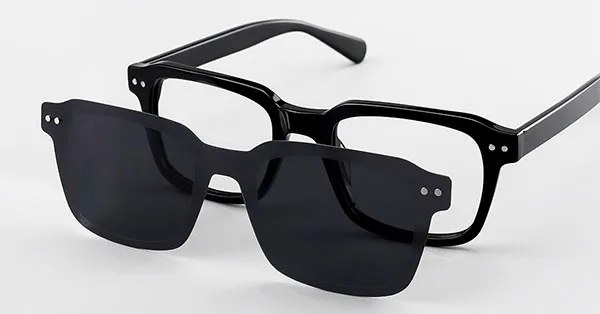
The Rise of Modular Eyewear
Modern lifestyles demand flexibility. People move between indoor screens, outdoor environments, driving conditions, and social settings throughout the day.
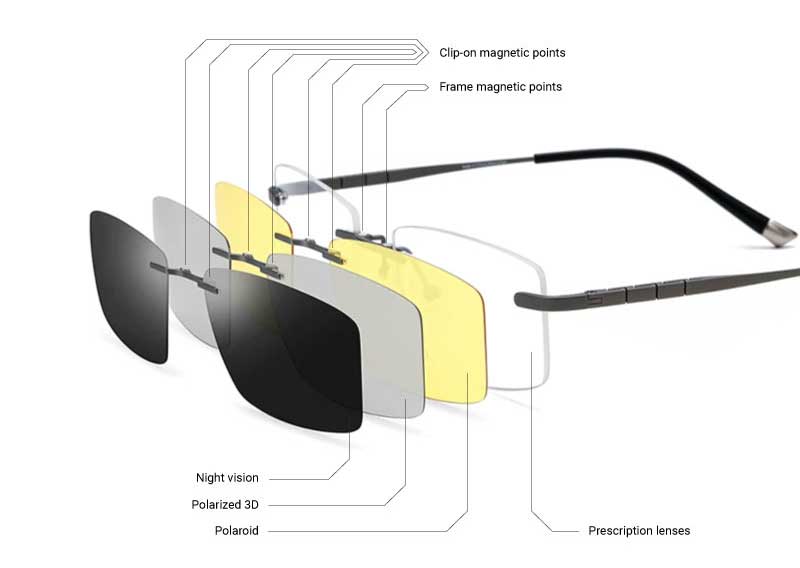
Instead of owning multiple pairs of glasses, modular systems allow users to swap accessories such as:
- polarized sun lenses
- night-driving filters
- blue-light shields
- protective overlays
This convenience sparked rapid innovation in attachment technology.
Two approaches emerged:
- Magnetic alignment systems
- Mechanical clip-lock fastening systems
Both aim to simplify switching — but they rely on fundamentally different engineering principles.
Understanding Magnetic Attachment Systems
Magnetic eyewear uses embedded micro-magnets inside the frame and accessory lens.
When brought close together, magnetic attraction aligns and holds the accessory in place.
Advantages of Magnetic Systems
- Quick attachment
- Minimal effort required
- Clean aesthetic
- Intuitive operation
For occasional use, magnets feel elegant and futuristic.
However, durability depends on invisible forces rather than structural engagement.
How Clip-Lock Systems Work
Clip-lock frames rely on physical locking mechanisms rather than magnetic force.
Common designs include:
- micro-hooks
- pressure clips
- snap-fit joints
- precision grooves
When attached, components physically interlock.
Instead of attraction, stability comes from mechanical constraint.
This distinction explains nearly all durability differences.
Physics 101: Force vs. Structure
Magnetic systems rely on attractive force measured in newtons.
Clip-lock systems rely on geometry and resistance.
Magnetic Attachment
Holding strength decreases rapidly with distance or misalignment.
Factors affecting performance:
- vibration
- impact
- slight deformation
- debris between surfaces
Mechanical Locking
Strength comes from physical barriers preventing movement.
Even when external forces act on the frame, parts remain secured because motion is mechanically restricted.
In engineering terms:
- magnets resist separation
- clips prevent separation
Prevention is inherently more stable.
Daily Wear Reality: Micro-Movements Matter
Glasses experience constant motion:
- walking vibration
- facial expressions
- temperature expansion
- repeated handling
- accidental bumps
These micro-movements gradually weaken magnetic stability.
Magnets don’t necessarily fail suddenly — they slowly lose alignment precision.
Clip-lock systems, by contrast, distribute stress across contact surfaces rather than relying on a single holding force.
The Problem of Magnet Fatigue
Magnets can degrade over time due to:
- heat exposure
- repeated mechanical shock
- corrosion
- magnetic field interference
While modern magnets are strong, their performance can still decline after extended use.
Even minor strength loss affects attachment reliability.
Users may notice:
- slight wobbling
- shifting overlays
- reduced alignment accuracy
Mechanical clips do not experience magnetic fatigue because their strength comes from material structure.
Wear and Tear: Contact Surface Engineering
Durability depends heavily on how force spreads across materials.
Magnetic systems typically concentrate holding force at small points where magnets sit.
Clip-lock systems distribute pressure across:
- edges
- grooves
- frame contours
This wider load distribution reduces stress concentration — a key principle in long-lasting product design.
Impact Resistance: Real-World Testing
Consider accidental drops — one of the most common eyewear hazards.
Magnetic Accessories
Impact can momentarily overcome magnetic force, causing accessories to detach.
Detached pieces risk scratches or loss.
Clip-Lock Systems
Mechanical locks remain engaged unless force exceeds structural limits.
Accessories stay attached, protecting lenses and maintaining alignment.
For active users, this difference becomes significant.
Alignment Precision Over Time
Optical performance depends on consistent lens positioning.
Even small shifts can affect:
- glare reduction
- polarization accuracy
- visual clarity
Magnets allow microscopic movement during use.
Clip-lock mechanisms maintain fixed positioning, ensuring stable optical alignment.
This stability is particularly important for polarized or specialty lenses.
Environmental Factors That Affect Magnetic Systems
Magnets are sensitive to environmental conditions.
Temperature Changes
Heat expansion can alter spacing between magnets, reducing holding strength.
Dust and Debris
Particles between magnetic surfaces weaken attraction.
Moisture Exposure
Humidity can corrode internal components if sealing fails.
Mechanical systems are generally less sensitive to these variables.
Longevity and Maintenance
Long-term ownership reveals practical differences.
Magnetic systems may require:
- cleaning magnet surfaces
- realignment adjustments
- replacement overlays
Clip-lock systems typically require only occasional cleaning.
Fewer performance variables lead to longer service life.
Material Compatibility Advantages
Clip-lock mechanisms work well with a wider range of materials:
- titanium frames
- acetate structures
- flexible polymers
- carbon composites
Magnetic systems require specific internal placements that limit design flexibility.
This constraint can influence frame durability and weight distribution.
Structural Integrity and Frame Stability
Magnetic designs sometimes require thinner frame areas to house magnets discreetly.
This can create localized weak points.
Clip-lock systems allow engineers to reinforce structural zones, improving overall frame strength.
Durability isn’t just about attachments — it’s about how attachments influence the entire frame.
User Behavior and Real-Life Usage Patterns
Designers increasingly study how people actually use glasses.
Common habits include:
- placing glasses on dashboards
- carrying them in bags without cases
- adjusting frames one-handed
- attaching accessories while moving
Mechanical locking systems tolerate imperfect handling better than magnet-based designs.
Durability often depends on forgiving engineering rather than ideal usage.
Safety Considerations
Secure attachment reduces risk during activities such as:
- cycling
- driving
- walking in windy environments
A detached magnetic overlay can create sudden vision changes.
Clip-lock systems provide predictable stability, improving user confidence.
Sustainability and Product Lifespan
Longer-lasting products reduce waste.
Clip-lock durability contributes to:
- fewer replacements
- extended accessory usability
- reduced material consumption
Sustainability increasingly aligns with durability engineering.
Products designed to last naturally create smaller environmental footprints.
Cost Efficiency Over Time
Magnetic systems may appear convenient initially, but replacement costs accumulate if accessories loosen or detach.
Clip-lock systems often deliver better long-term value because components remain functional longer.
Durability reduces lifecycle cost — a key factor many buyers overlook.
Comfort and Weight Distribution
Because clip-lock systems don’t rely on embedded magnets, designers can optimize weight balance more freely.
Benefits include:
- reduced nose pressure
- improved stability
- better long-term comfort
Weight distribution plays a major role in perceived quality.
Aesthetic Evolution of Clip Systems
Early clip designs were bulky and visibly mechanical.
Modern engineering has transformed them into nearly invisible integrations.
Advances include:
- micro-engineered hooks
- hidden locking channels
- precision-molded interfaces
Today’s clip-lock eyewear achieves both elegance and strength.
When Magnetic Systems Still Make Sense
Magnetic designs aren’t inherently bad.
They may suit:
- occasional accessory users
- low-impact environments
- style-focused wearers prioritizing minimalism
The key difference lies in expectations about longevity and durability.
Choosing the Right System for Your Lifestyle
Consider these questions:
- Do you switch lenses daily?
- Are you frequently outdoors?
- Do you prioritize durability over novelty?
- Do you keep glasses for several years?
Frequent users typically benefit more from mechanical locking systems.
The Engineering Trend Toward Mechanical Reliability
Across many industries — aviation, automotive, consumer electronics — designers increasingly favor mechanical redundancy over purely force-based attachment.
Why?
Because predictable structure outperforms invisible force under long-term stress.
Eyewear design is following the same trajectory.
Future Innovations in Clip-Lock Eyewear
Emerging developments include:
- self-adjusting clips
- memory-material locking arms
- ultra-light composite connectors
- tool-free modular upgrades
The goal is combining convenience with engineering reliability.
Rather than replacing clips, innovation is refining them.
Common Myths About Clip-Lock Frames
Myth: Clips Wear Out Quickly
High-quality polymers and metals withstand thousands of attachment cycles.
Myth: Magnets Are Always Stronger
Strength depends on application context, not raw force.
Myth: Clips Look Outdated
Modern designs integrate seamlessly into contemporary frames.
The Human Factor: Confidence in Everyday Use
Durability affects more than product lifespan — it influences user behavior.
When wearers trust their eyewear:
- they adjust less frequently
- they move more naturally
- they feel less distracted
Reliable attachment systems quietly improve daily comfort.
Conclusion: Why Structure Wins Over Attraction
The comparison between clip-lock and magnetic eyewear ultimately reflects a deeper engineering principle.
Magnets rely on attraction.
Clip-locks rely on structure.
Attraction can weaken under time, motion, and environment. Structure, when properly engineered, maintains stability through physical constraint.
For users seeking long-term durability, consistent performance, and dependable everyday wear, clip-lock frames often provide a more resilient solution.
As eyewear continues evolving into multifunctional wearable technology, the designs that endure will be those grounded not only in convenience — but in mechanical reliability.
In the end, the most advanced innovation isn’t always the flashiest feature.
Sometimes, it’s the one that keeps working perfectly long after the novelty fades.
Share this post
How Should Your Glasses Fit for Comfort and Style?
Choosing the right pair of eyeglasses is about more than finding a frame design you like. A properly fitted pair of glasses...
How to Install and Remove the Top Frame
How to Install Your XCombo TopperCheck Left & RightMake sure each topper is on the correct side.Attach at the Nose BridgeAlign the...
Say Goodbye to an Awkward Look: How to Choose the Right Eyeglasses Based on Your Body Proportions and Bag Size
Eyeglasses are more than a vision-correction tool. They are also an important fashion accessory that can influence the balance, proportion, and overall...
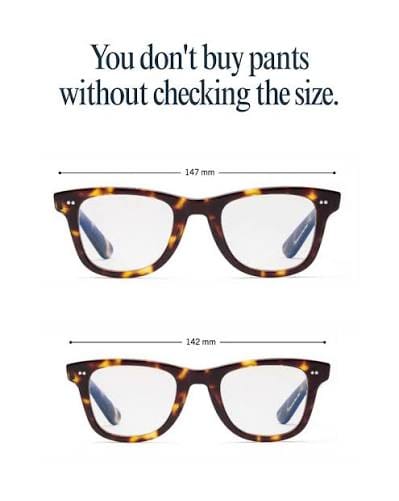
Say Goodbye to Awkward Proportions: How to Choose the Right Glasses for Your Body Shape and Bag Size
Accessories can transform an ordinary outfit into a polished, thoughtfully coordinated look. A beautiful handbag adds personality, while the right pair of...
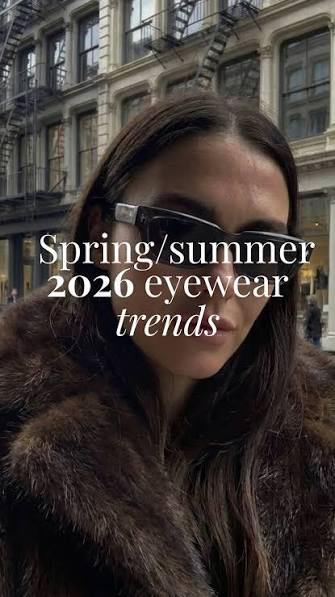
2026 Spring/Summer Fashion Trends: When Retro Small-Frame Glasses Meet the Underarm Bag
Fashion has always had a talent for bringing the past back in unexpected ways.A silhouette that once belonged to another decade can...

Soft Aesthetics for Girls with Square Faces: How Rounded Handbags and Gentle Eyeglass Frames Soften Facial Lines
A square face can be striking, elegant, and full of character. Defined by a broader forehead, a relatively straight jawline, and noticeable...
How to Buy Prescription Glasses Online on XCombo
Looking to buy glasses online? XCombo makes it easy to get stylish, high-quality glasses tailored to your prescription. Follow this simple step-by-step...
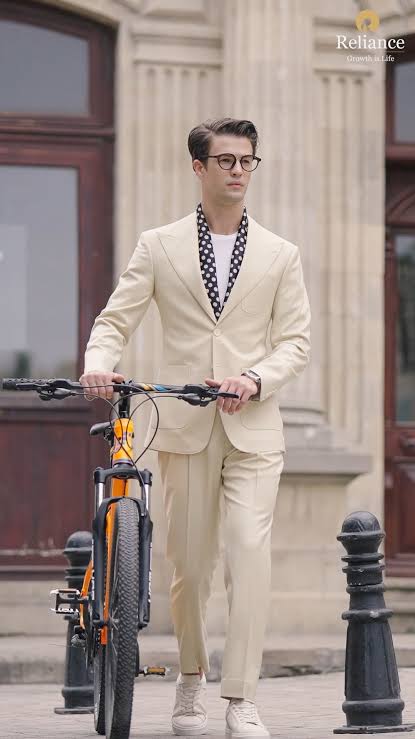
The Executive Style Code: A Career Guide to Suits, Briefcases, and Sophisticated Eyewear
In the modern workplace, professional style is about much more than wearing expensive clothes.The strongest business wardrobe communicates something before you say...
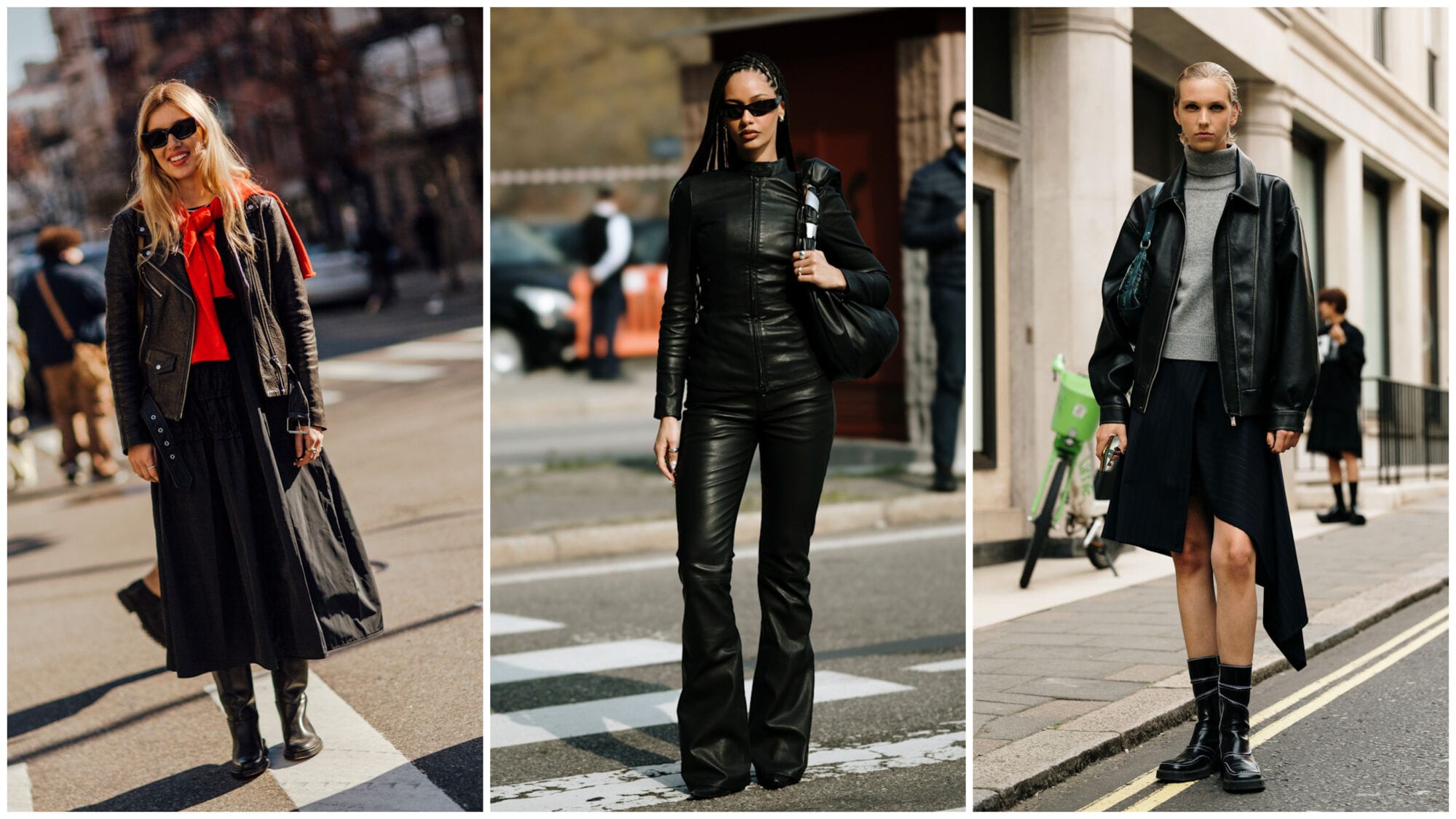
Street-Cool Style: How to Make Motorcycle Jackets, Belt Bags, and Futuristic Sunglasses Stand Out
Street fashion has never been about following every rule.It is about knowing which rules to break.A motorcycle jacket, a compact belt bag,...

The Art of Color Coordination: How to Match Your Bag With Your Eyeglass Frames for an Effortlessly Sophisticated Look
Fashion is often about the little details.A beautifully tailored outfit can look polished, yet something may still feel incomplete. The reason is...
Dating Night Style Secrets: The Perfect Collision of an Elegant Cocktail Dress, a Chain Evening Bag, and Sophisticated Semi-Rimless Glasses
Dating night is about more than choosing an outfit. It is about creating an impression without looking like you tried too hard....
Effortless French Elegance: The Perfect Pairing of Knitwear, Tote Bags, and Cat-Eye Glasses
There is something undeniably captivating about French style.It is polished without looking overly polished, feminine without being overly delicate, and comfortable without...