



Travel Essential Guide: How to Safely Protect Your Custom-Shaped Eyeglass Frames in Your Luggage
Traveling is exciting — new cities, new experiences, and a break from routine. But for people who wear custom-shaped eyeglass frames, travel can also introduce an unexpected concern: how to keep delicate, uniquely designed eyewear safe inside a suitcase.
Unlike standard frames, custom or irregularly shaped eyeglasses often feature unconventional curves, asymmetrical structures, extended temples, or specialty materials. These design elements make them visually distinctive and personally meaningful, but they also make them more vulnerable to pressure, impact, and deformation during travel.
A crowded suitcase, airport handling, temperature changes, and accidental compression can easily damage frames if they are not packed correctly.
This comprehensive guide explains how to properly protect custom-shaped eyeglass frames while traveling, from choosing the right case and packing techniques to avoiding common mistakes and preparing for unexpected situations on the road.
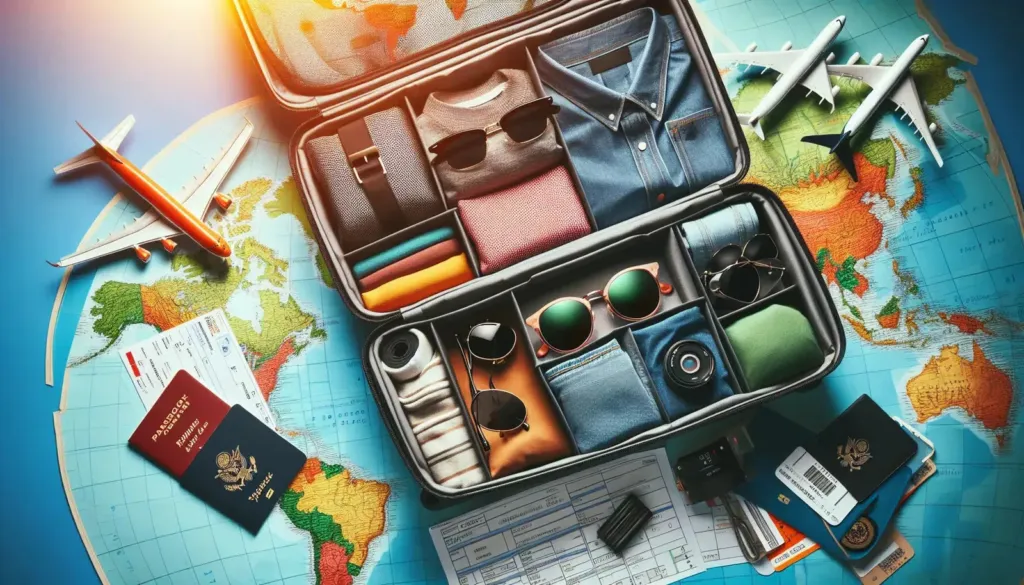
Why Custom Eyeglass Frames Require Special Travel Protection
Traditional eyeglass frames are typically designed with durability and standard storage in mind. Custom frames, however, often prioritize aesthetics, personalization, or ergonomic fit.
Common characteristics include:
- Non-symmetrical designs
- Oversized silhouettes
- Thin or lightweight materials
- Artistic structural elements
- Specialized hinges or joints
These features make custom frames more sensitive to external stress.
During travel, luggage experiences forces far beyond everyday use:
- Compression from packed items
- Sudden drops during baggage handling
- Vibrations during transport
- Pressure changes in aircraft cargo holds
Without proper protection, frames may bend, lenses may shift, or hinges may weaken.
Understanding these risks is the first step toward prevention.
The Most Common Ways Eyeglasses Get Damaged While Traveling
Many travelers assume glasses break only when dropped. In reality, damage often occurs gradually inside luggage.
Compression Damage
Heavy items pressing against a glasses case can slowly warp frame alignment.
Even slight distortion can affect comfort and vision clarity.
Torsion Stress
When luggage shifts, twisting forces may apply uneven pressure to irregular frame shapes.
Custom designs are especially susceptible because their geometry distributes stress unevenly.
Micro-Scratches
Loose items like keys, chargers, or zippers can scratch lenses if glasses are stored improperly.
Temperature Exposure
Extreme heat inside cars or cargo compartments can soften certain frame materials, making them easier to deform.
Moisture and Humidity
Humidity may affect coatings, screws, or decorative elements.
Preventing these issues requires strategic packing rather than simply placing glasses into a suitcase pocket.
Step 1: Choose the Right Protective Case
The case you use matters more than most travelers realize.
Not all eyeglass cases provide equal protection.
Hard Shell Cases vs. Soft Pouches
Hard Shell Cases (Recommended)
Benefits include:
- Impact resistance
- Compression protection
- Stable internal structure
- Better shape retention
Look for cases made from reinforced materials such as molded EVA or polycarbonate.
Soft Pouches (Limited Protection)
Soft fabric sleeves prevent scratches but offer little defense against pressure.
They are best used only inside carry-on bags when space is controlled.
Size Matters for Custom Frames
Custom-shaped frames often require larger or deeper cases.
A case that is too tight can create pressure points, while an oversized case allows movement.
The ideal fit prevents shifting while avoiding compression.
Step 2: Prepare Your Glasses Before Packing
Proper preparation reduces risk before the suitcase even closes.
Clean Your Lenses and Frames
Dust particles can act like sandpaper during movement.
Use a microfiber cloth to remove debris before storage.
Fold Frames Correctly
Always fold temples inward gently.
Never force asymmetrical arms into symmetrical positions.
Use Protective Wrapping
Wrap glasses lightly with:
- Microfiber cloth
- Lens cleaning cloth
- Soft cotton fabric
Avoid paper towels or rough materials that may scratch coatings.
Step 3: Strategic Placement Inside Your Luggage
Where you place glasses inside a suitcase matters as much as how you pack them.
The Golden Rule: Center Placement
The safest location is near the center of your luggage, surrounded by soft items.
This positioning absorbs shocks from all directions.
Cushioning Layers
Place glasses between layers such as:
- Folded clothing
- Sweaters
- Towels
Avoid positioning near hard objects like shoes or electronics.
Avoid Edge Zones
Suitcase edges receive the most impact during handling.
Never place eyewear near corners or outer walls.
Step 4: Use the “Protection Triangle” Packing Method
Frequent travelers often use a three-layer protection strategy.
- Inner Protection — cloth wrap around glasses
- Structural Protection — hard shell case
- External Cushioning — soft clothing buffer
This layered approach significantly reduces damage risk.
Step 5: Carry-On vs. Checked Luggage — Which Is Safer?
Whenever possible, carry eyewear in your carry-on bag.
Advantages of Carry-On Storage
- Controlled handling
- Reduced impact exposure
- Stable temperature conditions
- Easy access during travel
Checked luggage undergoes automated handling systems that involve drops and compression.
If checking glasses is unavoidable, increase padding significantly.
Step 6: Protect Against Shape Deformation
Custom frames can lose alignment even without visible damage.
Prevent Pressure Points
Ensure no object presses directly onto:
- Nose bridge
- Hinges
- Decorative extensions
Pressure concentrated in these areas causes permanent warping.
Maintain Natural Frame Position
Frames should rest in their natural folded shape.
Avoid packing methods that twist or flatten the design.
Step 7: Temperature Awareness During Travel
Material behavior changes with temperature.
Heat Risks
High temperatures may soften acetate or plastic frames.
Avoid leaving luggage in parked vehicles for extended periods.
Cold Risks
Extreme cold can make materials brittle, increasing breakage risk.
Allow glasses to return to room temperature before wearing.
Step 8: Bring a Backup Storage Option
Unexpected situations happen during travel.
Consider packing:
- A secondary soft pouch
- Compact repair kit
- Spare microfiber cloth
Flexibility helps when repacking luggage quickly.
Step 9: Protect Glasses During Airport Security Checks
Security screening is an overlooked risk.
Many travelers place glasses loosely in trays.
Instead:
- Keep glasses inside their case.
- Place the case inside a bag rather than directly on trays.
- Avoid stacking electronics on top.
This reduces accidental crushing during inspection.
Step 10: Daily Protection While Traveling
Protection doesn’t end after arrival.
Hotel Storage Tips
- Store glasses on stable surfaces.
- Avoid placing them lens-down.
- Keep away from sink edges.
Outdoor Activities
Use a neck strap or protective case when not wearing glasses.
Travel environments often introduce unfamiliar risks.

Common Travel Mistakes to Avoid
Even experienced travelers make these errors:
- Packing glasses last without padding
- Storing inside shoe compartments
- Using oversized cases with empty space
- Leaving glasses loose in backpacks
- Placing heavy electronics on top
Small oversights can lead to expensive repairs.
Choosing Travel-Friendly Custom Frames
If you frequently travel, consider design features that improve durability:
- Reinforced hinges
- Flexible materials
- Scratch-resistant coatings
- Balanced weight distribution
Discuss travel habits with your eyewear designer when ordering custom frames.
Emergency Fixes if Damage Happens During Travel
Despite precautions, accidents may occur.
Temporary solutions include:
- Tightening loose screws with mini tools
- Using silicone sleeves for stability
- Visiting local optical shops for adjustments
Avoid bending frames yourself without proper tools.
Long-Term Maintenance After Travel
Once you return home:
- Inspect alignment
- Clean thoroughly
- Tighten screws if necessary
- Store in a protective case
Regular post-travel checks extend frame lifespan.
Why Proper Protection Matters Beyond Cost
Custom eyewear often carries emotional and functional value.
It represents:
- Personal style
- Comfort customization
- Vision accuracy
- Daily reliability
Protecting frames ensures consistent comfort and preserves the investment made in personalization.
The Future of Travel Eyewear Protection
Innovations are emerging, including:
- Smart pressure-resistant cases
- Shock-absorbing materials
- Compact modular storage systems
- Lightweight reinforced frame designs
As travel becomes more frequent again worldwide, protective solutions continue evolving.
Final Thoughts: Travel Confidently Without Risking Your Custom Frames
Travel should expand your experiences, not create anxiety about damaging essential belongings.
Protecting custom-shaped eyeglass frames comes down to thoughtful preparation:
- Choose a structured protective case.
- Wrap frames carefully.
- Place them strategically within luggage.
- Avoid pressure and temperature extremes.
- Maintain protection throughout the journey.
With the right approach, your eyewear can travel as safely as any other essential item, allowing you to focus fully on the journey ahead.
A few minutes of careful packing can prevent costly repairs, discomfort, and inconvenience — ensuring your custom frames arrive at your destination exactly as designed: perfectly aligned, comfortable, and ready for every moment of your trip.
Share this post






Living a Multifaceted Life: How Custom Modular Eyewear Defines Your Personal Identity
Yet for years, eyewear has tried to force all these identities into one fixed frame.In a world where people change roles, moods,...
The Secret Weapon for Sculpting Your Face: How to Customize Eyewear Based on Your Cheekbones and Brow Shape
When it comes to elevating your appearance, most people think about hairstyles, makeup, or wardrobe upgrades. But there’s one transformative accessory that...
How Mechanical Clip Systems Make Quick Temple Replacement Possible: The Future of Modular Eyewear Design
Eyewear has evolved far beyond simple vision correction. Today, glasses are fashion statements, performance tools, and everyday essentials that must adapt to...
Are Pink Glasses in Style?
Pink glasses are a timeless symbol of charm and personality. They evoke feelings of compassion, love, and hope, making them a popular...
One-Second Color Switch
How to Match Your Glasses Frame to Today’s Outfit—EffortlesslyLet’s be honest.You don’t wear the same outfit every day.Some days it’s clean and...
“Five O’Clock Headache”: Could Custom Eyewear Be the Cure for Your Daily Fatigue?
Around 4:30 p.m., your focus softens. By 5:00 p.m., there’s a dull pressure behind your eyes. Your temples tighten. The screen feels...