


The No-Duplication Lab – A Complete Guide to Custom Glasses That Never Looks Like Anyone Else’s
In a world where trends spread faster than taste, eyewear has quietly become one of the last personal frontiers.
You can wear the same sneakers, the same jacket, even the same phone as someone else—and no one blinks.
But glasses? Glasses sit on your face. They define how people see you before you speak.
And yet, walk into most optical stores and you’ll find rows of frames that look… strangely familiar.
Same shapes.
Same colors.
Same “safe” designs.
This is where the idea of the No-Duplication Lab begins.
Custom eyewear isn’t about luxury for luxury’s sake. It’s about escaping sameness, reclaiming individuality, and engineering a pair of glasses that exists only for you.
This guide breaks down how custom eyewear really works—beyond marketing buzzwords—and how to design frames that never collide with anyone else’s style.

1. Why “Not Crashing Styles” Matters More Than Ever
1.1 The Age of Algorithmic Fashion
Today’s fashion cycles aren’t driven by designers—they’re driven by algorithms.
- Social media promotes what performs well
- Retailers replicate fast sellers
- Consumers unknowingly converge on the same aesthetics
The result?
A world full of people who think they’re expressing themselves—while wearing near-identical products.
Eyewear has not escaped this fate.
1.2 Glasses Are Identity, Not Accessories
Unlike bags or shoes, glasses:
- Sit at eye level
- Frame your expressions
- Appear in every conversation, photo, and meeting
That’s why duplication hits harder here.
When someone else is wearing the same frames as you, it doesn’t feel coincidental—it feels personal.
Custom eyewear exists to solve this exact problem.
2. What Custom Eyewear Really Means (And What It Doesn’t)
2.1 Custom ≠ Expensive Logo Frames
True customization is not:
- Picking from “limited editions”
- Choosing between three preset colors
- Adding your initials inside the temple
That’s personalization-lite.
Custom eyewear means structural, visual, and functional decisions made specifically for your face, lifestyle, and aesthetic preferences.
2.2 The Three Levels of Customization
Level 1: Cosmetic Customization
- Color changes
- Surface finishes
- Decorative elements
Level 2: Structural Customization
- Frame width
- Bridge shape
- Temple length and angle
Level 3: Functional Customization
- Lens purpose (work, driving, sport)
- Magnet or modular systems
- Weight distribution and balance
The No-Duplication Lab operates at Levels 2 and 3, where uniqueness actually lives.
3. The Lab Mindset: Designing Eyewear Like an Experiment
3.1 Think Like a Designer, Not a Shopper
Shoppers ask:
- “Does this look good on me?”
Designers ask:
- “What problem is this solving?”
- “What message does this send?”
- “What makes this unmistakably mine?”
Custom eyewear works best when you approach it as a design experiment, not a retail decision.
3.2 The Five Variables You Control
In the No-Duplication Lab, every pair of glasses is the result of five controlled variables:
- Face geometry
- Lifestyle context
- Visual personality
- Functional demands
- Material behavior
Change any one of these, and duplication becomes nearly impossible.
4. Step One: Face Geometry Is the Foundation
4.1 Forget Face Shape Charts (Mostly)
Round, square, oval—these charts are oversimplified.
Real customization looks at:
- Pupillary distance
- Nose bridge height and width
- Cheekbone prominence
- Eye depth
- Jawline balance
Two people with the same “face shape” often need completely different frames.
4.2 Precision Fit = Invisible Advantage
When frames are designed for your exact proportions:
- Pressure points disappear
- Glasses stop sliding
- Visual balance improves instantly
Most off-the-shelf frames compromise fit to suit “average” faces.
Custom frames don’t compromise.
5. Step Two: Define Your Visual Personality
5.1 Eyewear as a Signal System
Glasses communicate before you speak.
They can signal:
- Authority
- Creativity
- Approachability
- Precision
- Rebellion
Custom eyewear lets you control the signal, instead of inheriting it from a brand’s marketing team.
5.2 The Four Core Visual Archetypes
Most eyewear styles fall into overlapping archetypes:
- Architectural – clean lines, structure, minimalism
- Organic – curves, softness, natural materials
- Technical – modularity, function-forward design
- Expressive – bold colors, unusual shapes
The key is blending archetypes in a way that mass production never does.
6. Step Three: Material Is Identity in Disguise
6.1 Why Material Choice Prevents Duplication
Most people only see color.
Designers see behavior.
Different materials:
- Age differently
- Reflect light differently
- Feel different on the skin
Custom eyewear allows you to choose materials that match how you live, not just how you look.
6.2 Beyond Standard Acetate
Advanced customization may include:
- Multi-layer acetate laminations
- Titanium hybrids
- Lightweight composites
- Matte vs polished contrasts
Material combinations alone can make duplication mathematically unlikely.
7. Step Four: Function Is the Ultimate Differentiator
7.1 One Face, Multiple Lives
Modern life is fragmented:
- Office work
- Driving
- Sports
- Social events
One static pair of glasses struggles to keep up.
7.2 Modular and Combination Systems
Custom eyewear labs increasingly design:
- Interchangeable lenses
- Magnetic clip-ons
- Swappable toppers or fronts
This isn’t a gimmick—it’s functional architecture.
The more your eyewear adapts to you, the less likely anyone else will ever match it.
8. Step Five: Color Theory for Real Humans
8.1 Skin Tone Is Only the Beginning
True color customization considers:
- Hair color and texture
- Eye color contrast
- Wardrobe palette
- Lighting environments
Mass frames choose “safe neutrals.”
Custom frames choose strategic contrast.
8.2 The Power of Micro-Color Decisions
Small details matter:
- Inner rim color
- Temple core tint
- Gradient transparency
These micro-decisions are invisible from a distance—but unforgettable up close.
9. Why Custom Eyewear Rarely “Crashes”
Duplication happens when:
- Products rely on trends
- Designs aim for mass appeal
- Decisions are simplified for scale
Custom eyewear avoids all three.
When a frame is built from:
- Your measurements
- Your functions
- Your aesthetic logic
Even if someone tries, they can’t replicate it without becoming you.
10. The Emotional Payoff of Non-Duplication
10.1 Confidence Without Loudness
The most powerful style statements are quiet.
People notice custom eyewear not because it screams—but because it fits too well to ignore.
10.2 When Glasses Become Part of You
The ultimate sign of success?
When people say:
- “That looks so you.”
Not:
- “Nice glasses—where did you buy them?”
11. Is Custom Eyewear Worth It?
If your goal is:
- To follow trends → probably not
- To save money → not immediately
- To look like everyone else → definitely not
But if your goal is:
- To own your visual identity
- To avoid duplication permanently
- To treat eyewear as design, not decoration
Then custom eyewear isn’t indulgence—it’s precision.
Final Thought: The Lab Is Open
The No-Duplication Lab is not a place.
It’s a mindset.
It’s the decision to stop accepting:
- Generic frames
- Compromised fit
- Borrowed identities
And start designing eyewear the same way you design your life:
Intentionally. Thoughtfully. Uniquely.
Because in a world of copies,
originality doesn’t happen by accident.
Share this post
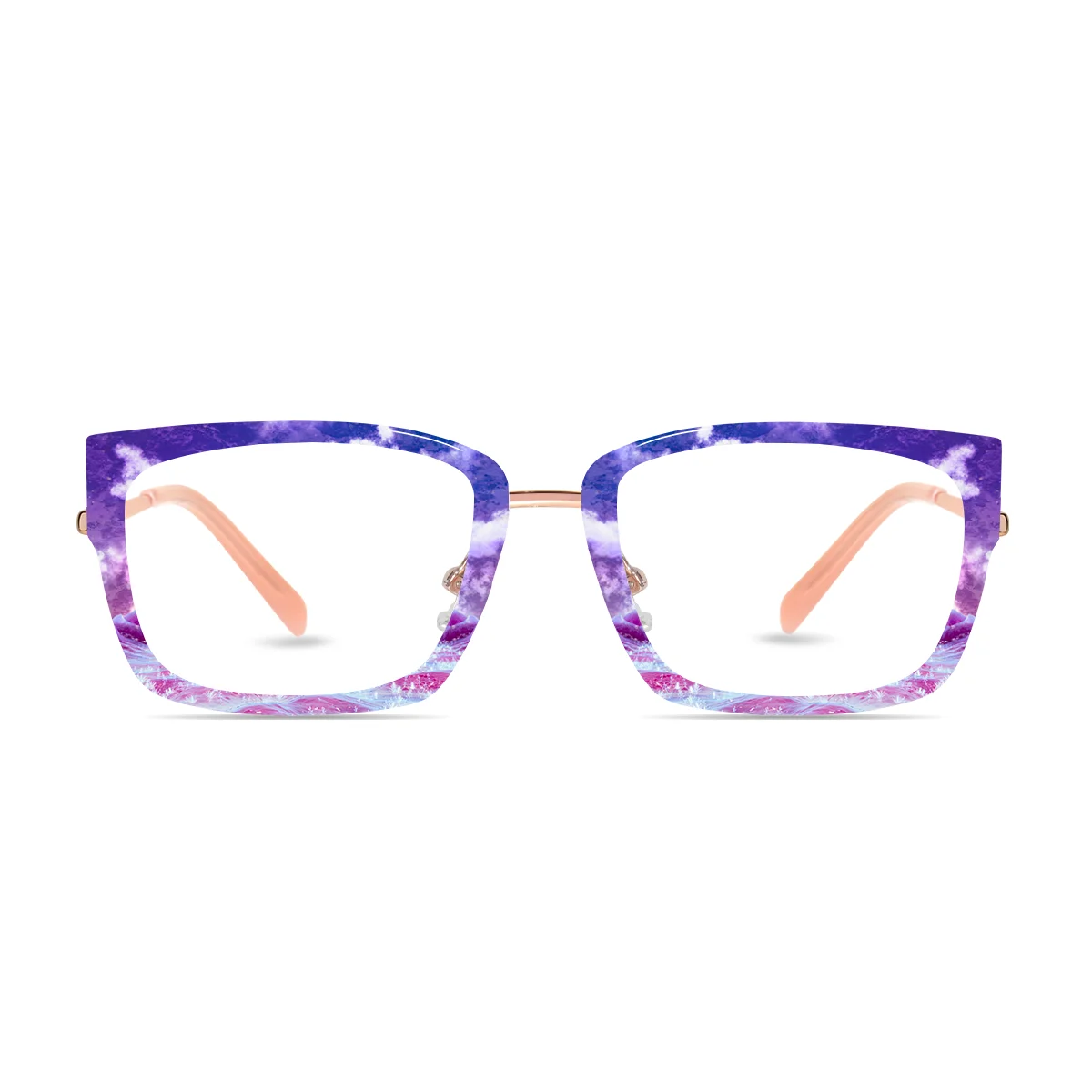
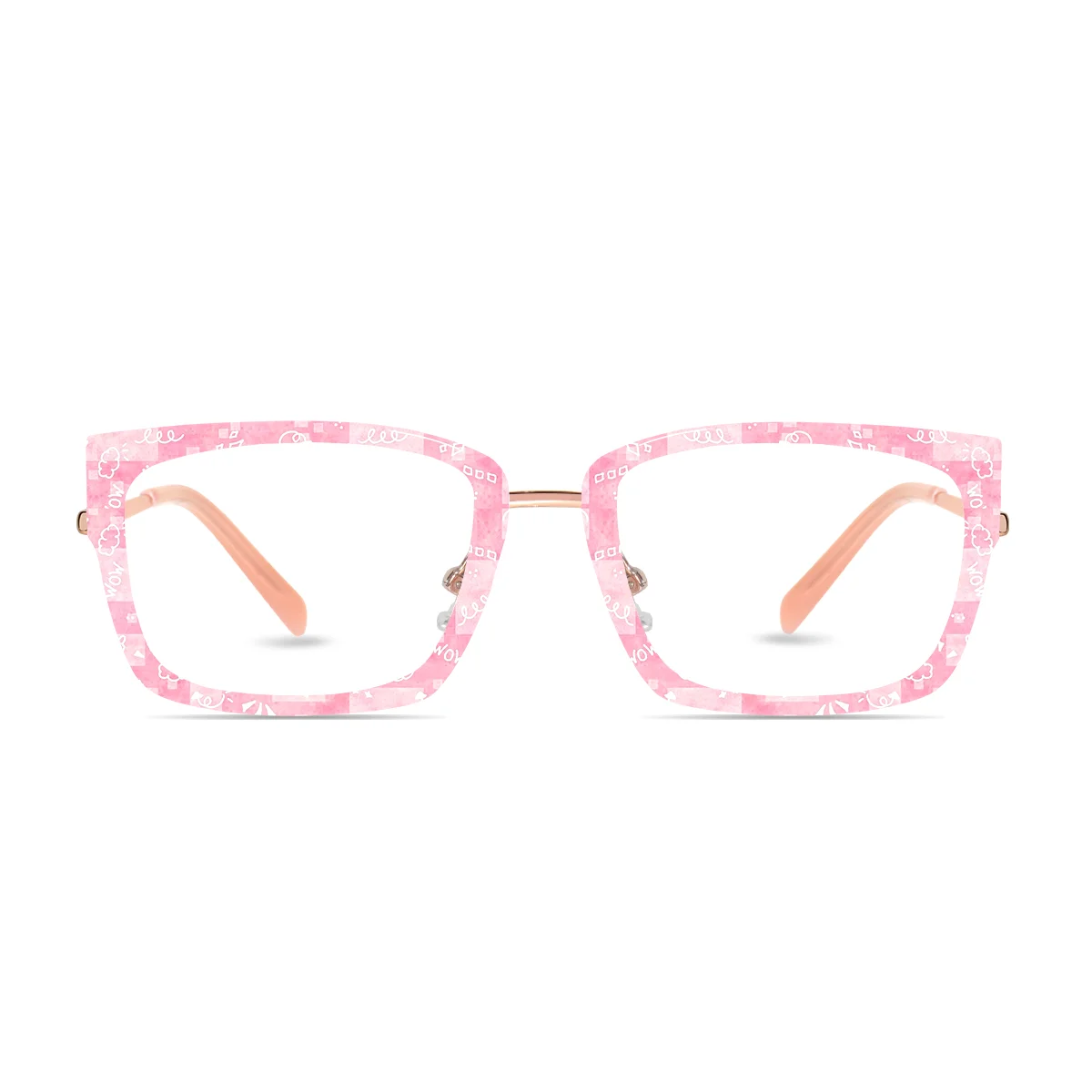


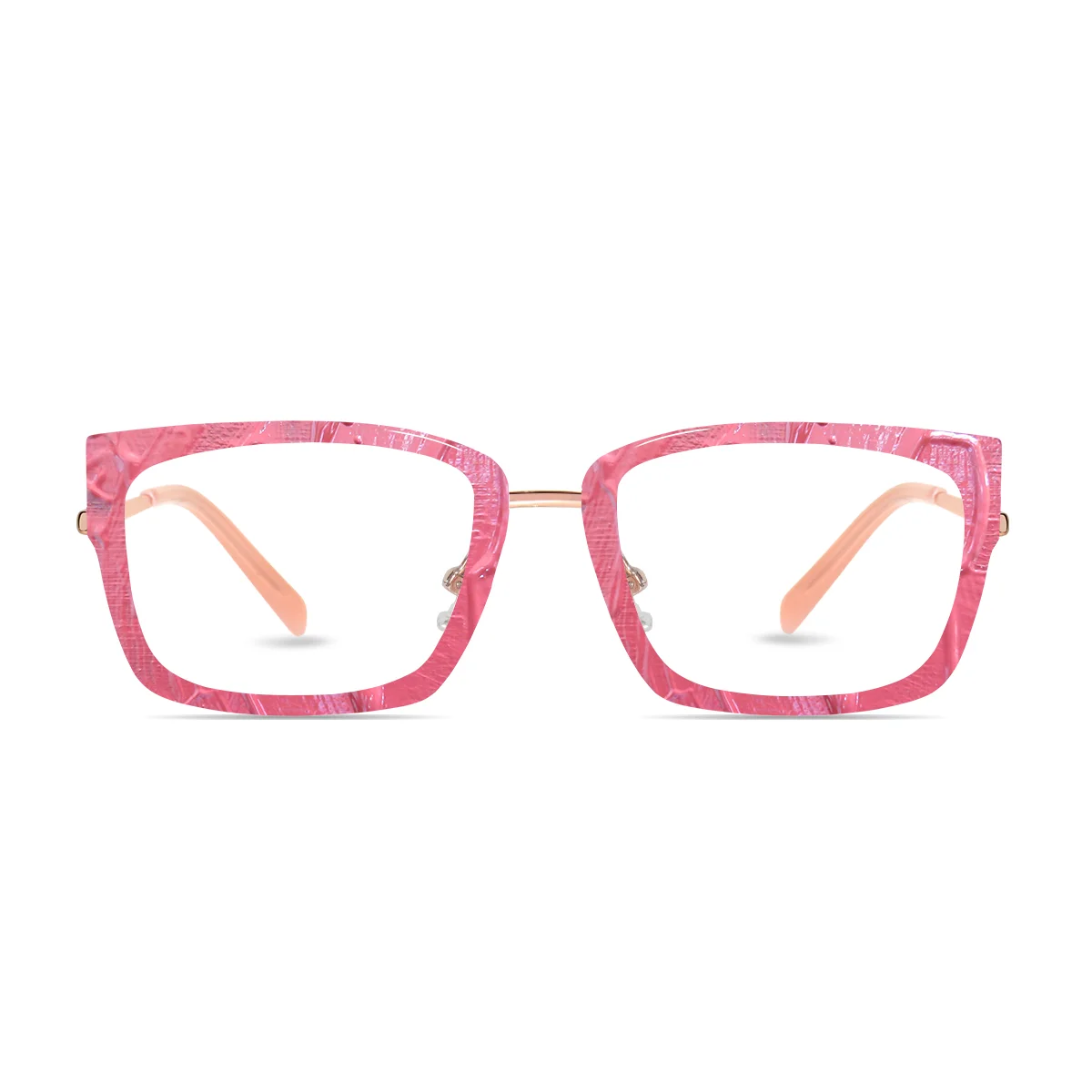
Mira Gunmetal Gray Cat Eye Base Frame


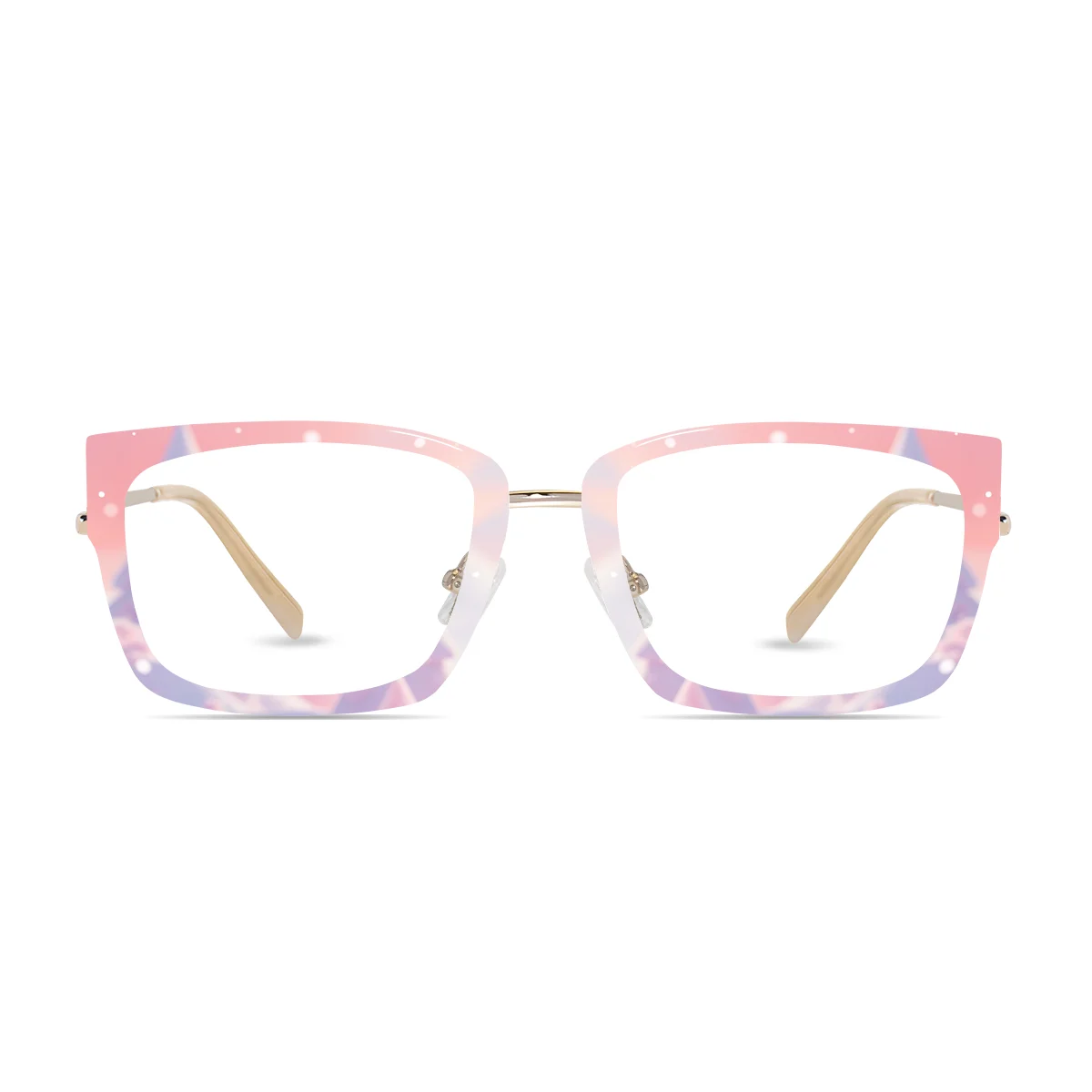
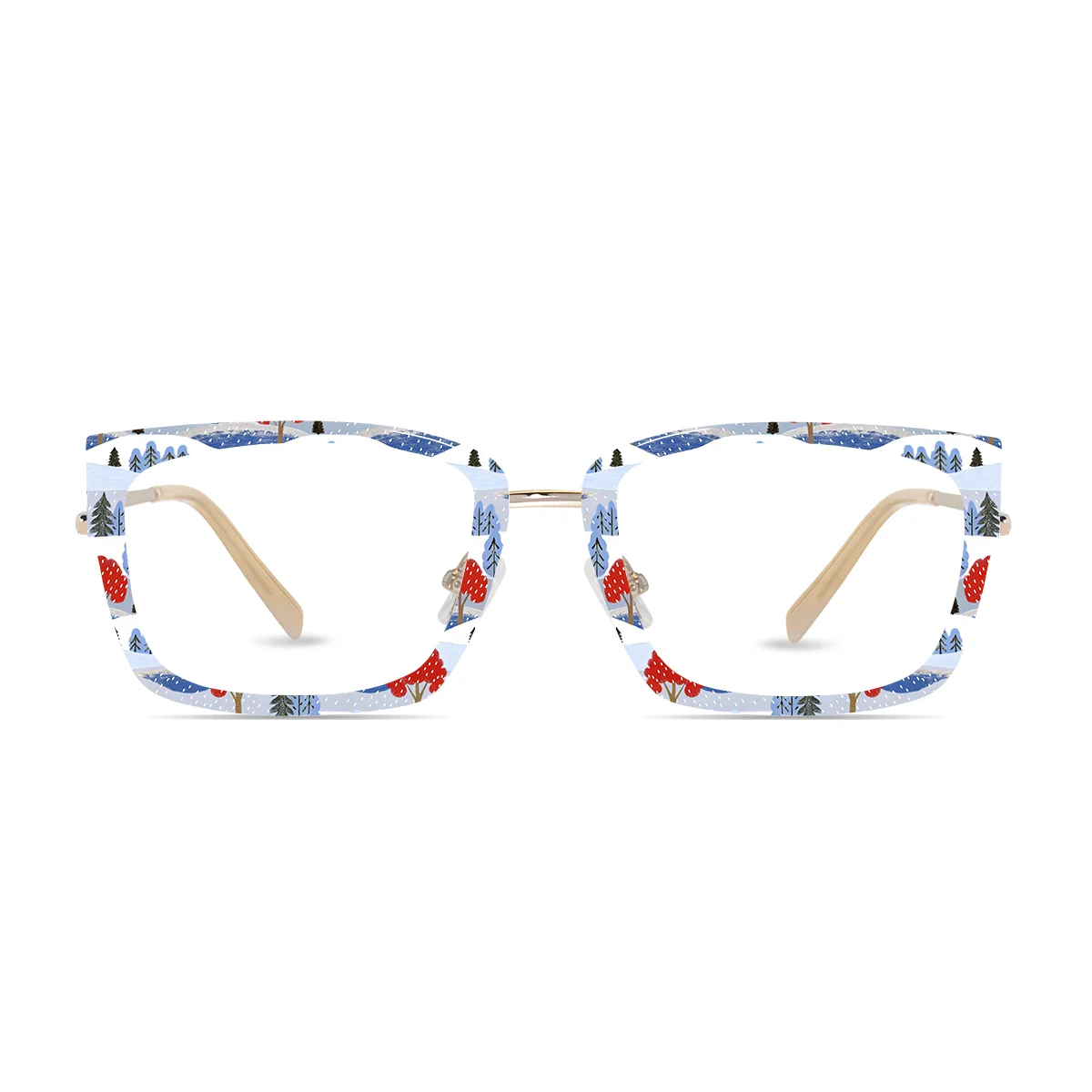
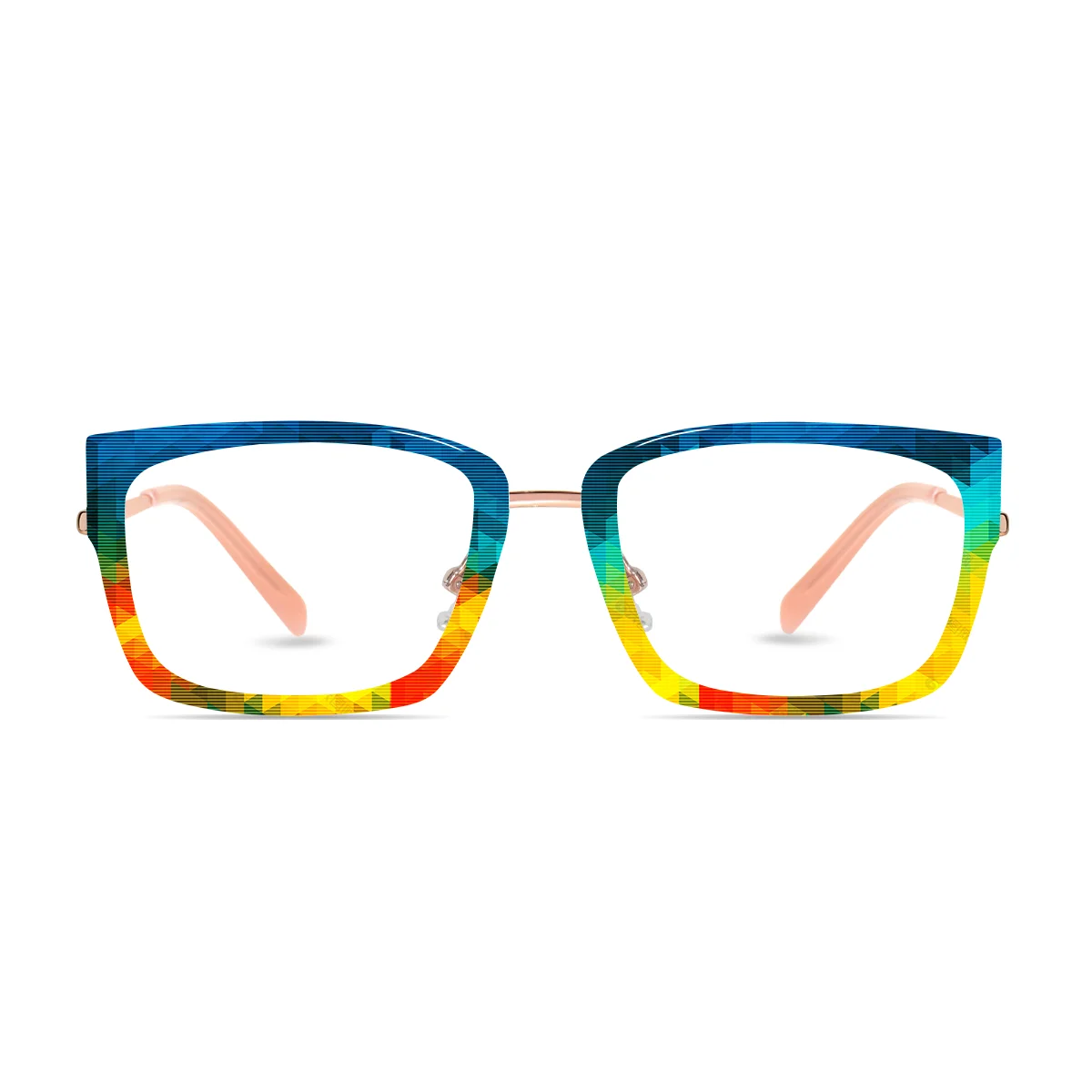
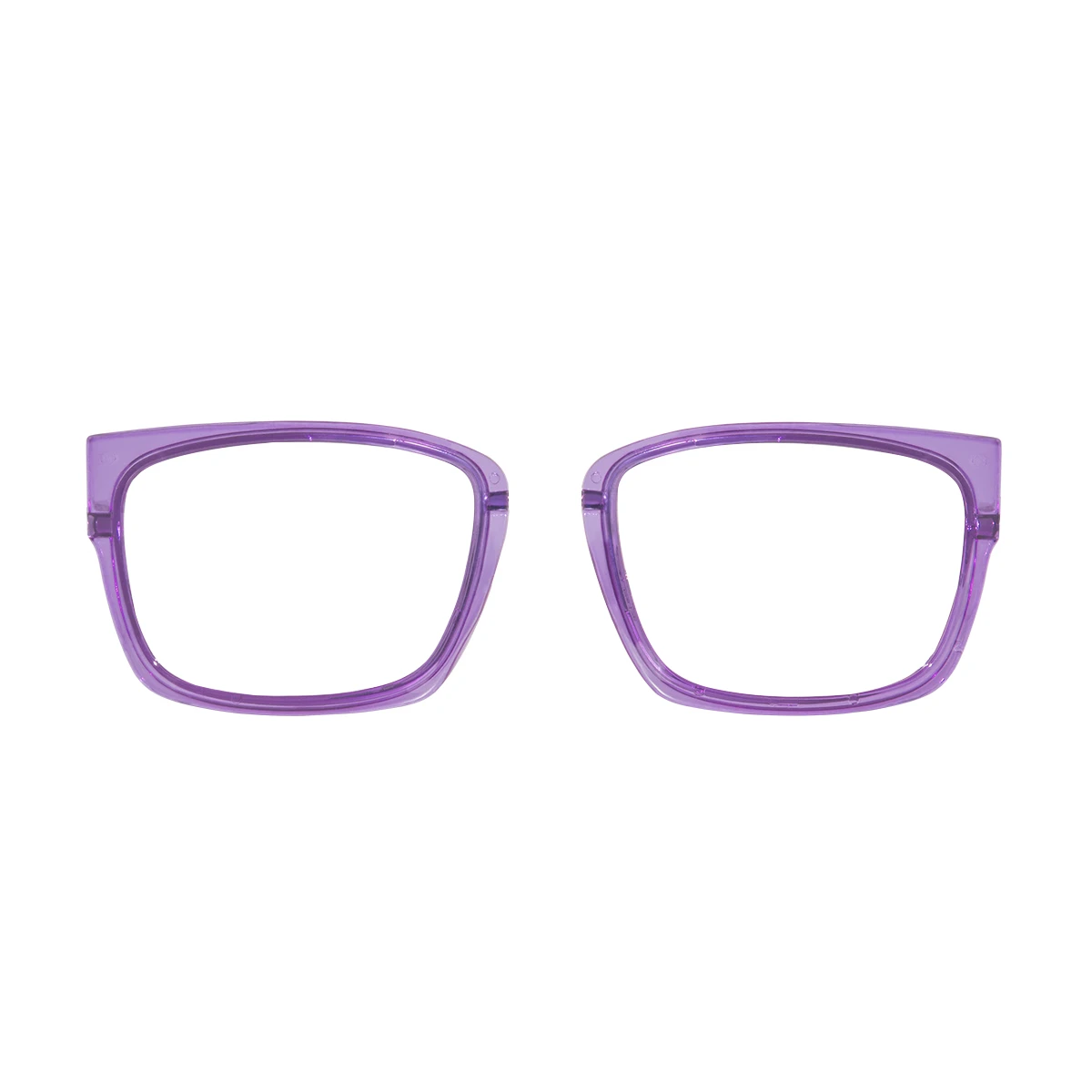
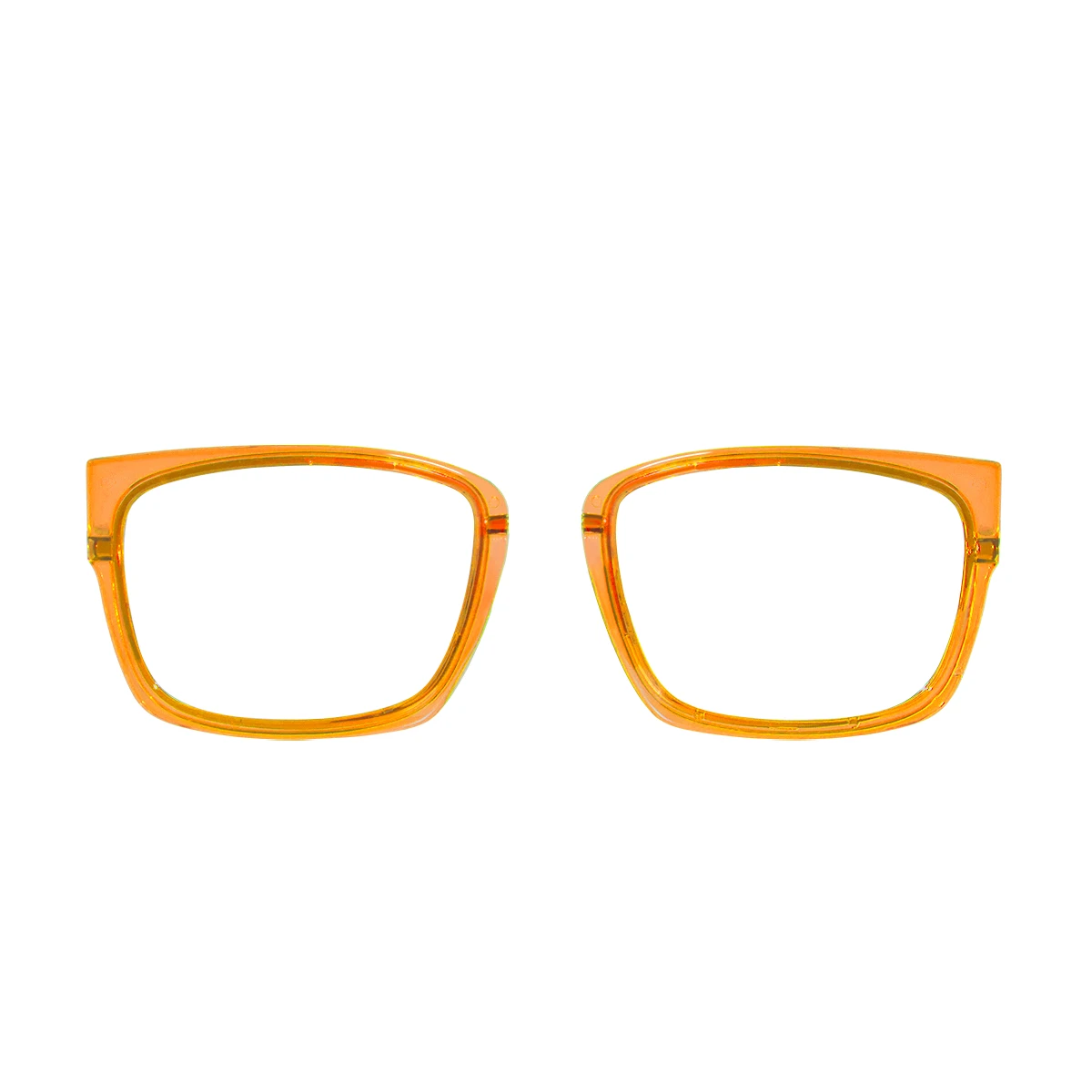
- Burgundy – Crystal (C01)
- Red – Crystal(C02)
- Burnt Orange – Crystal(C03)
- Marmalade – Crystal(C04)
- Sunshine Yellow – Crystal(C05)
- Lime Green – Crystal(C06)
- Sage – Crystal(C08)
- Green Forest – Crystal(C07)
- Army Green – Crystal(C09)
- Spruce – Crystal(C10)
- Turquiise – Crystal(C11)
- Cornflower– Crystal(C12)
- Navy – Crystal(C13)
- Indigo – Crystal(C14)
- Blue Orchid – Crystal(C15)
- Mauve – Crystal(C16)
- Lavender – Crystal(C21)
- Purple – Crystal(C17)
- Grape – Crystal(C18)
- Coral – Crystal(C19)
- Hot Pink – Crystal(C20)
- Chocolate – Crystal(C22)
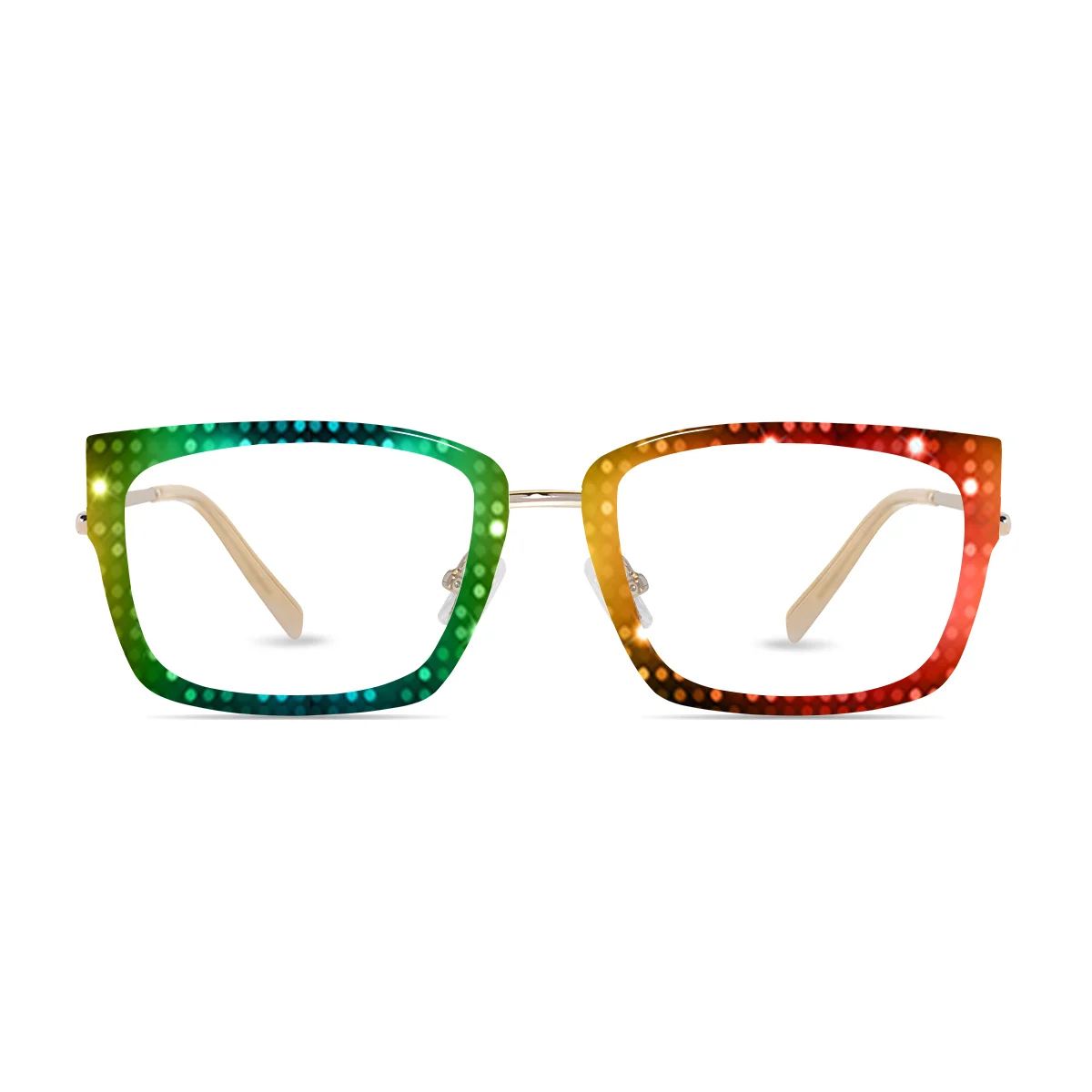
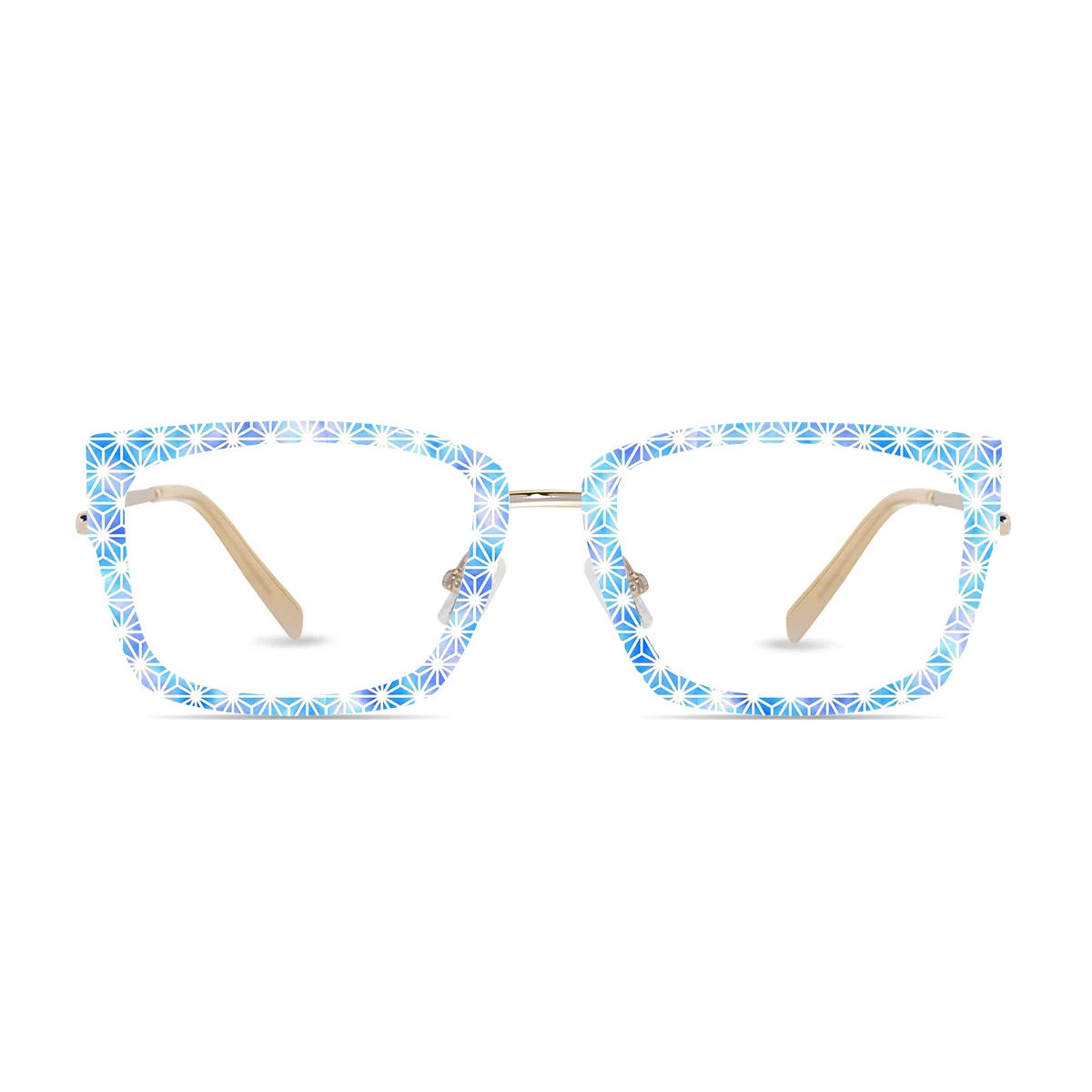
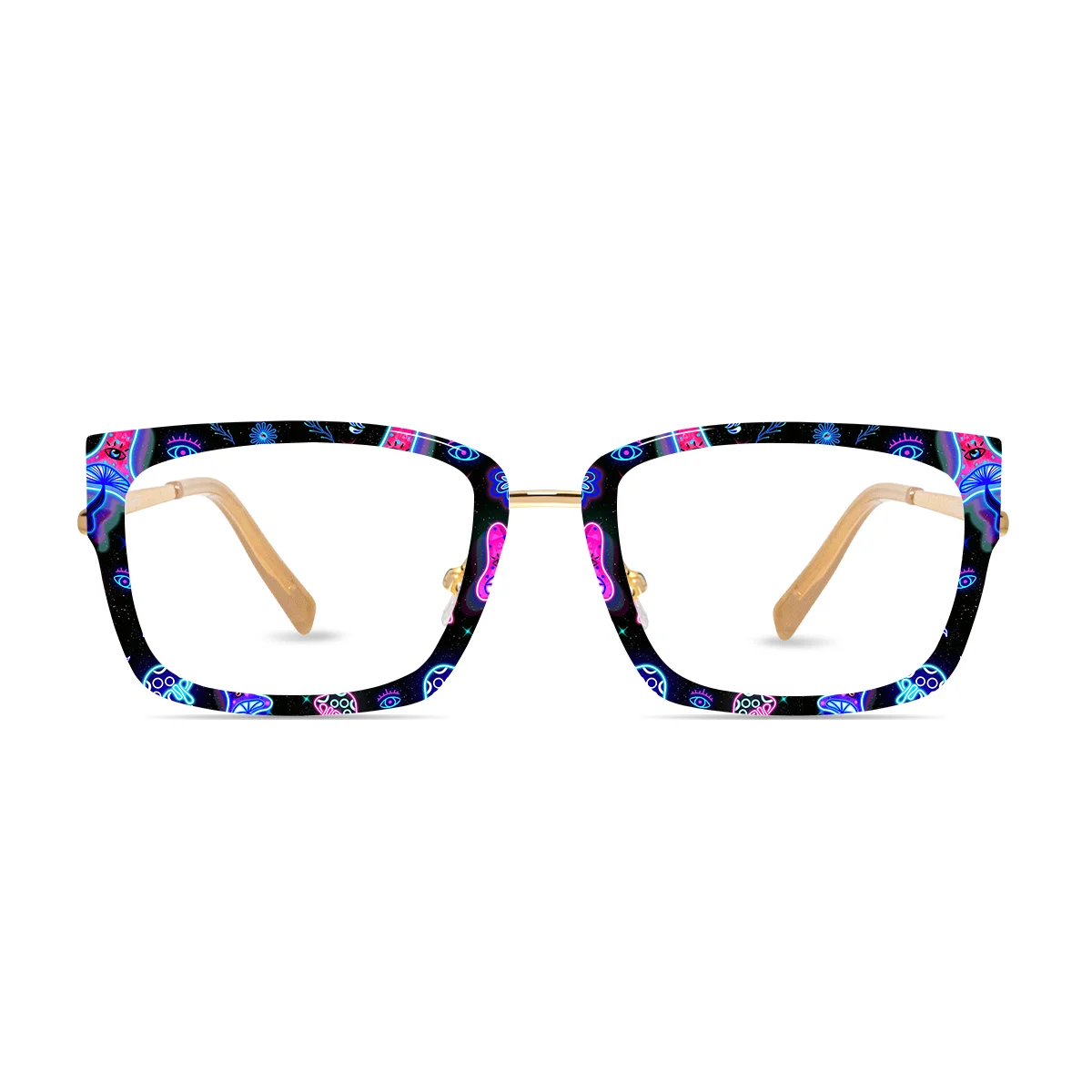
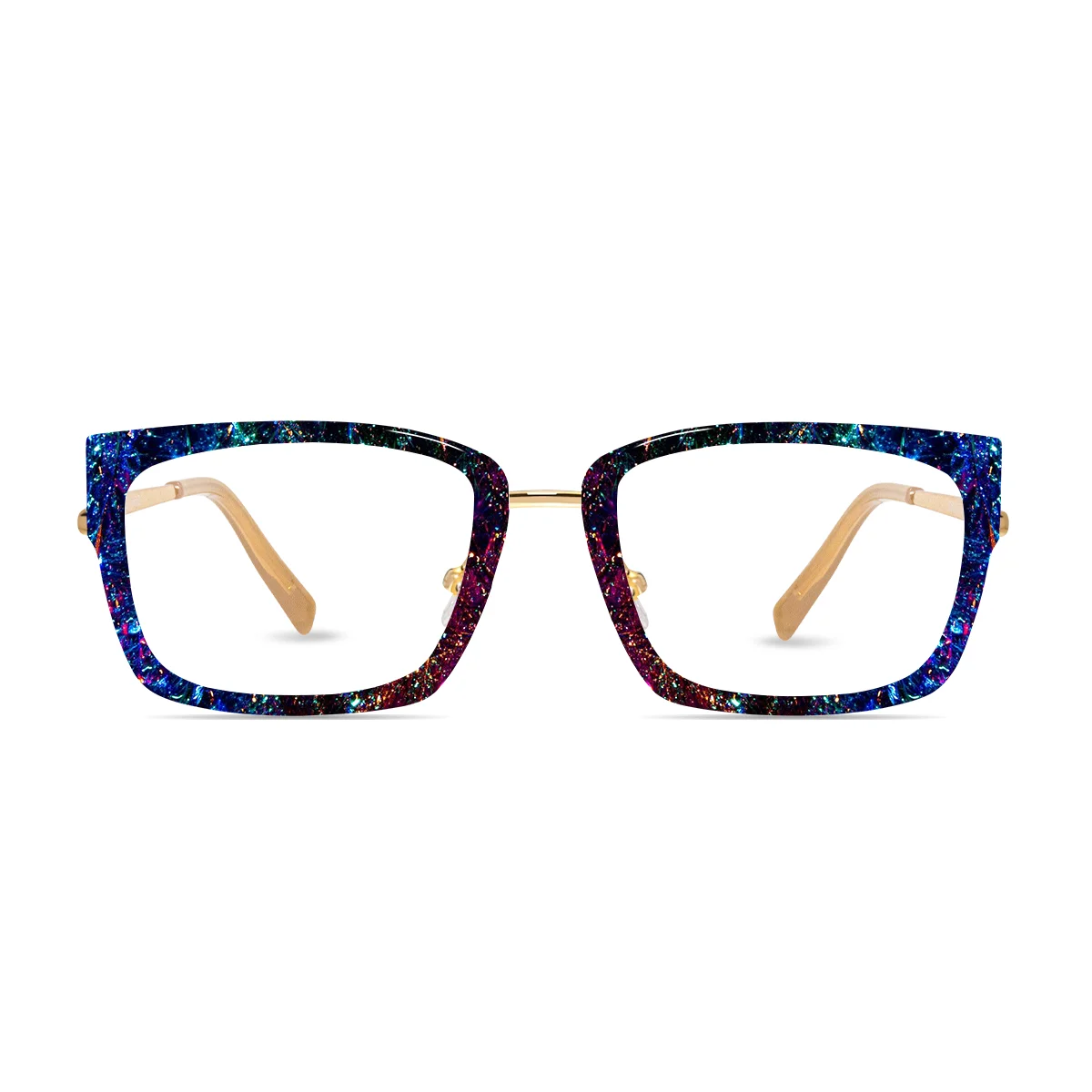
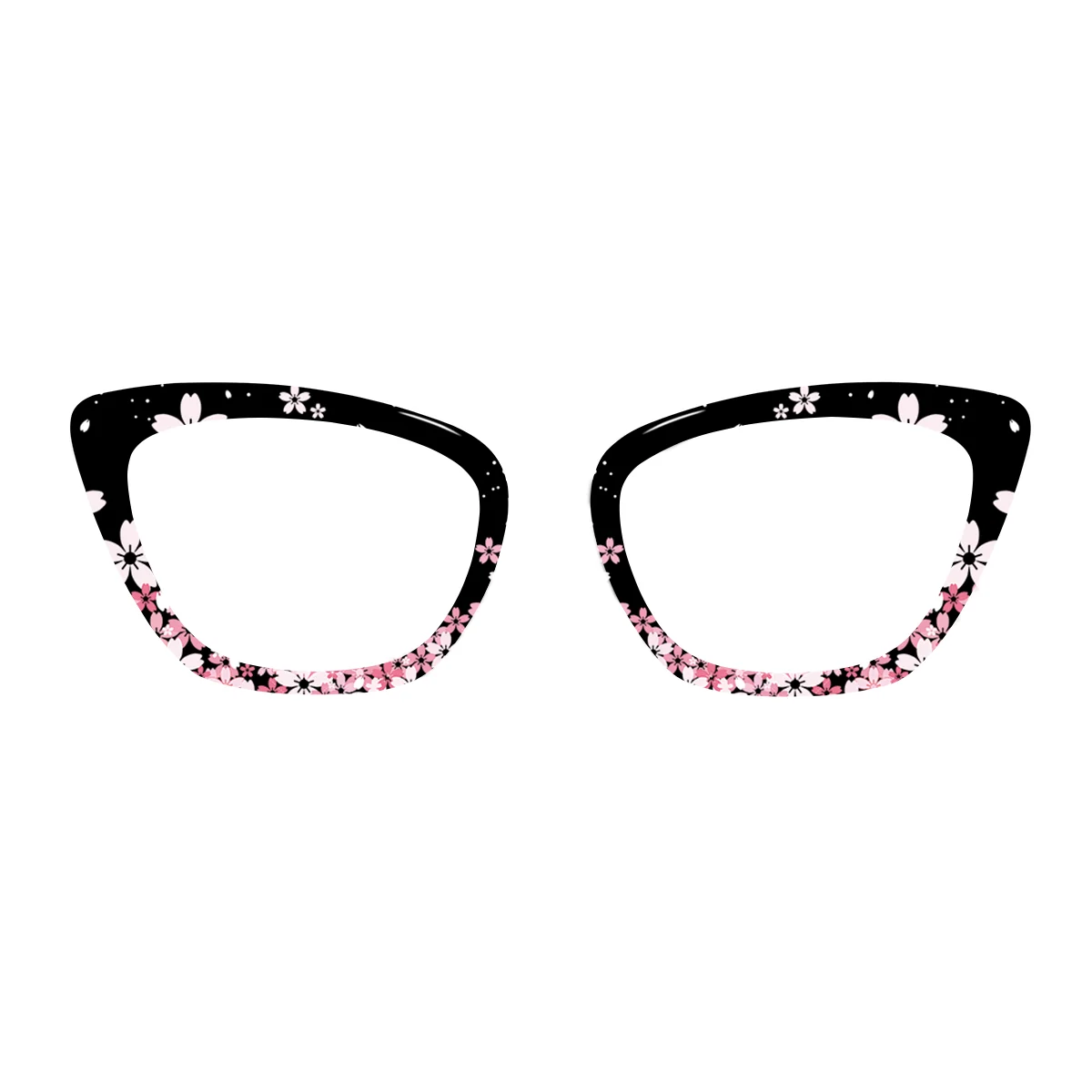
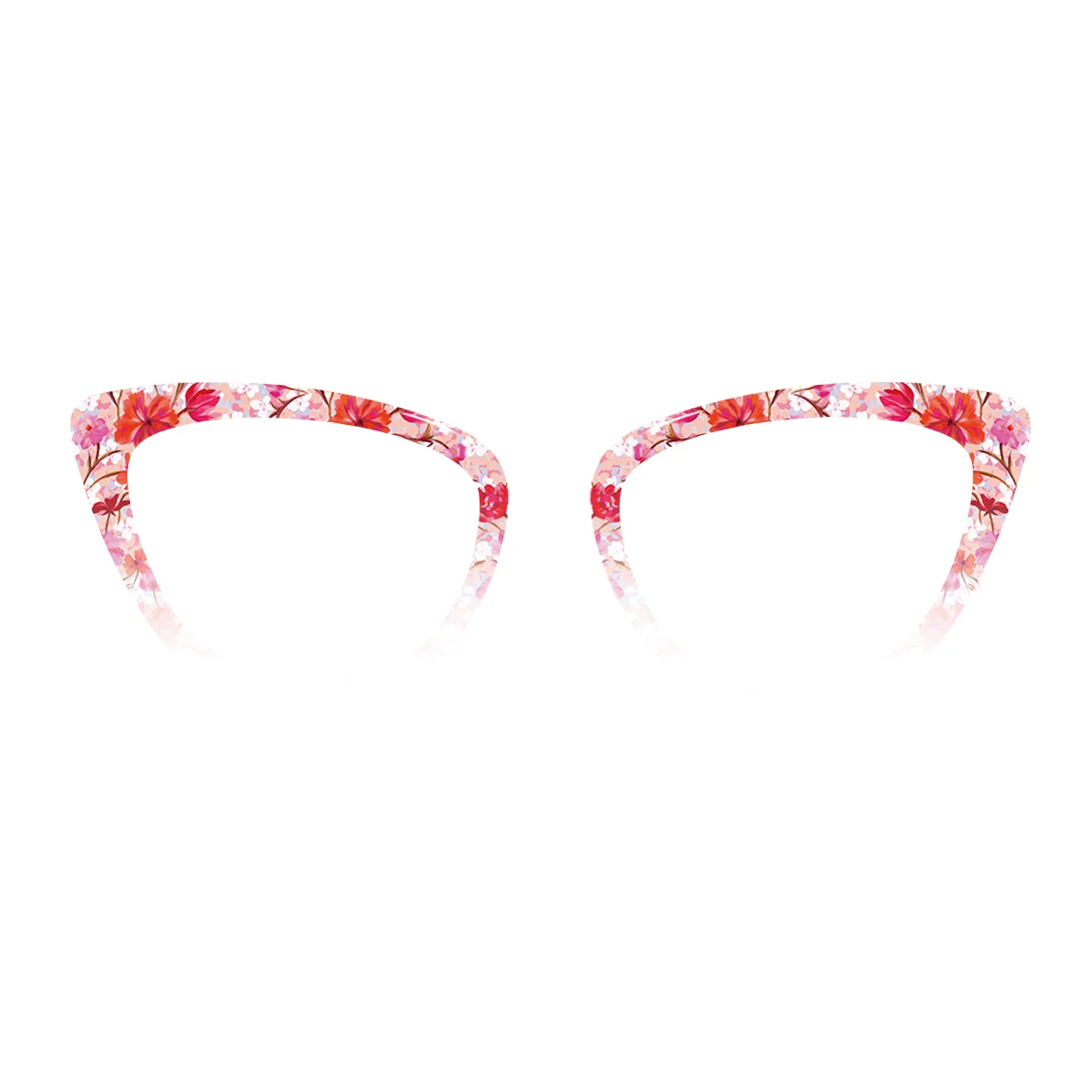
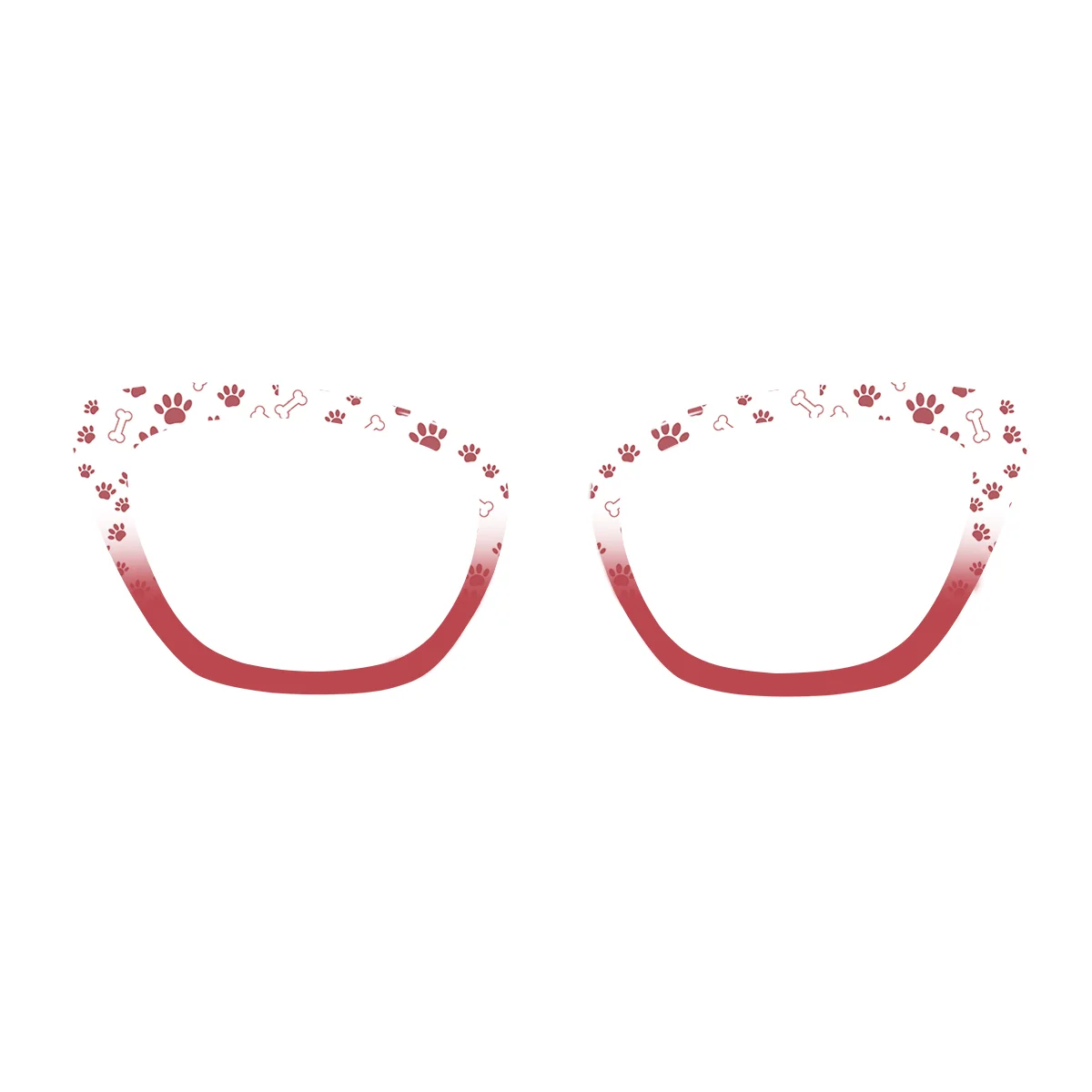
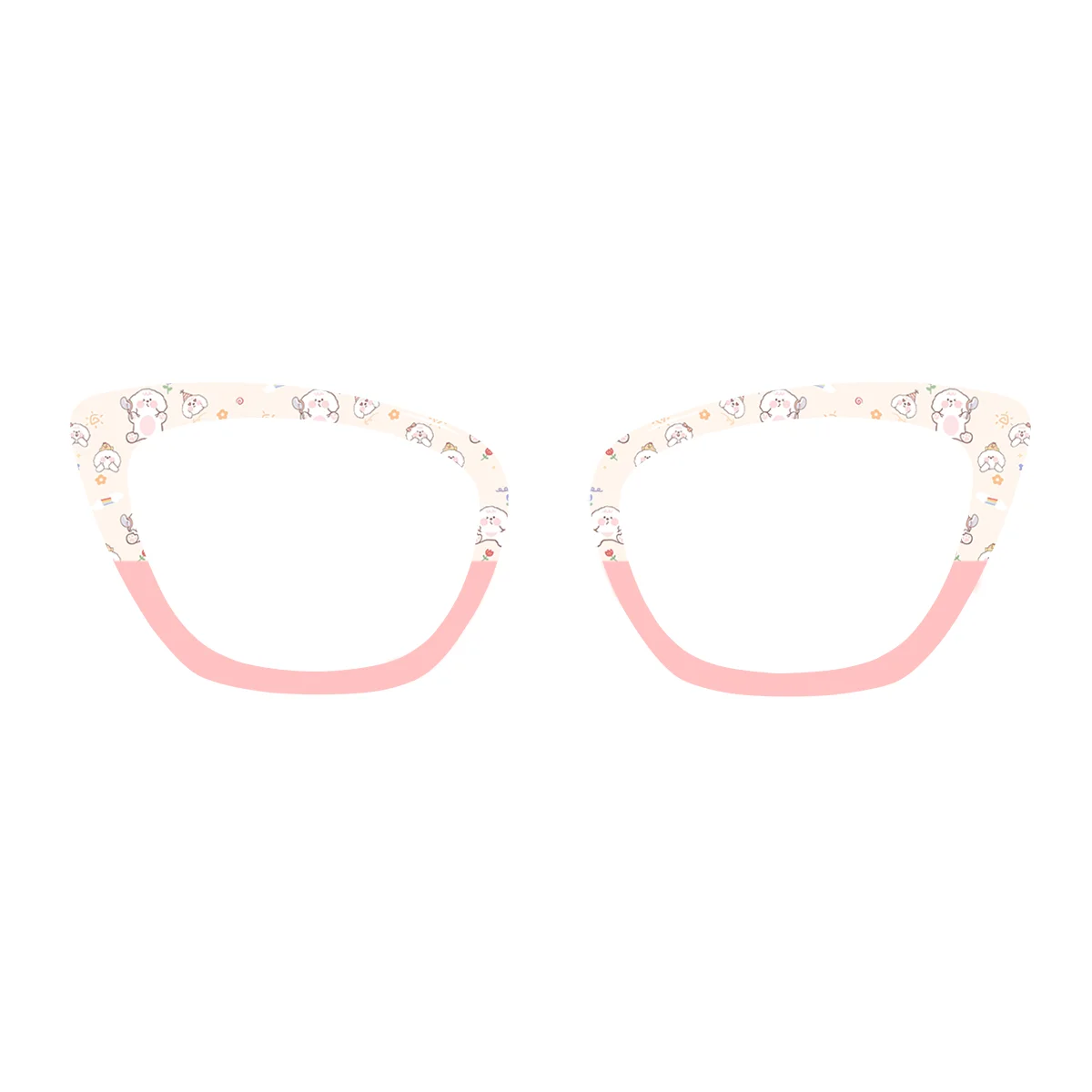
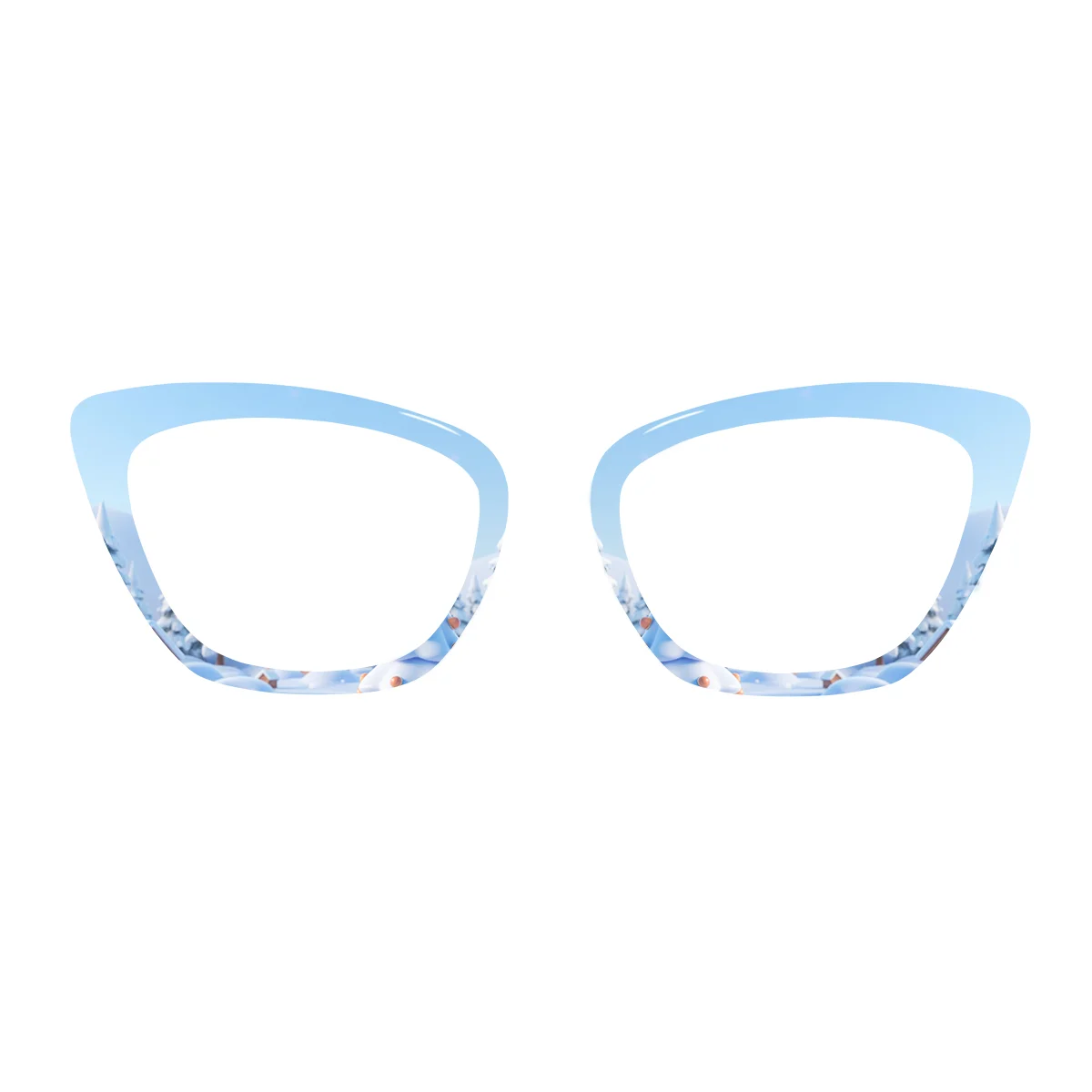
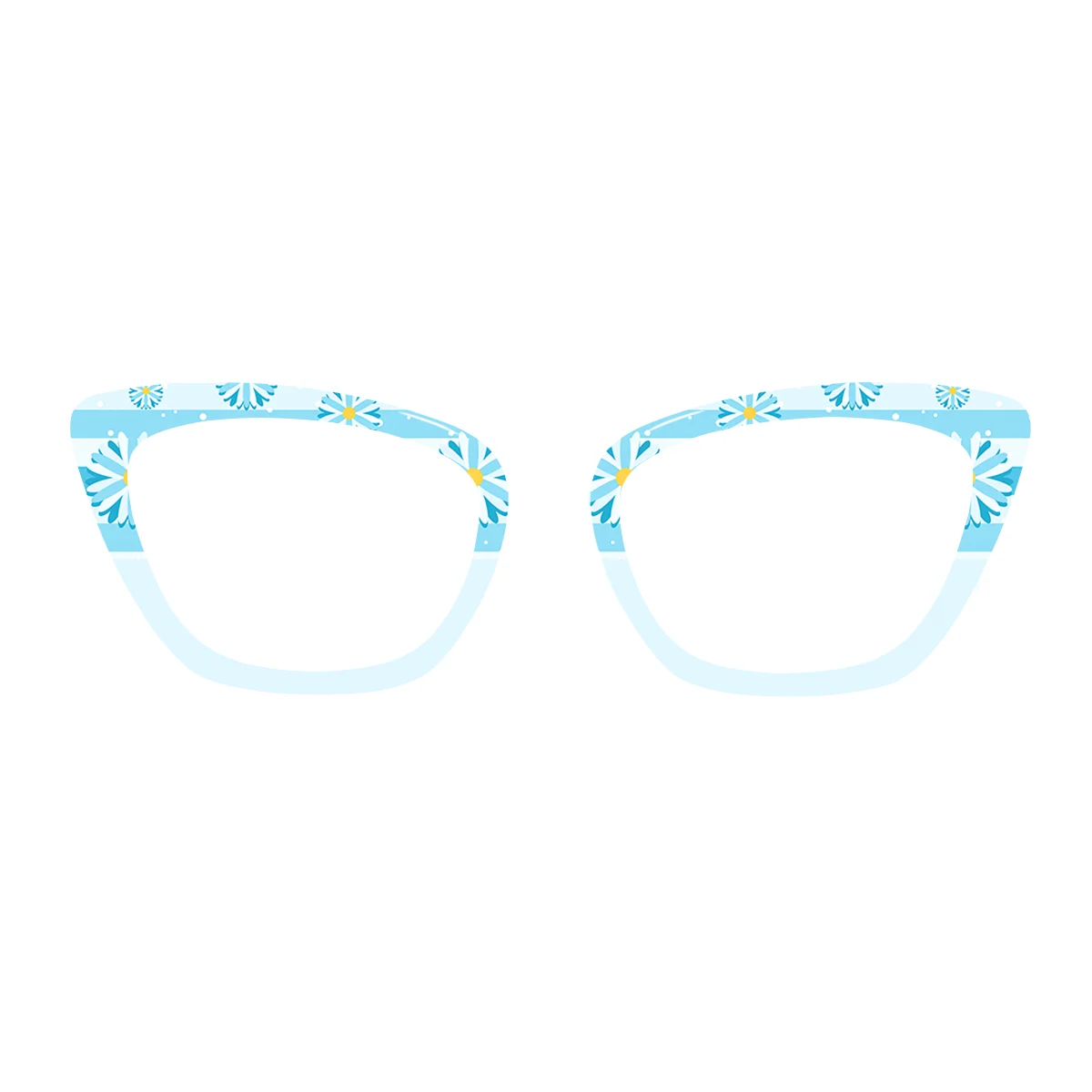
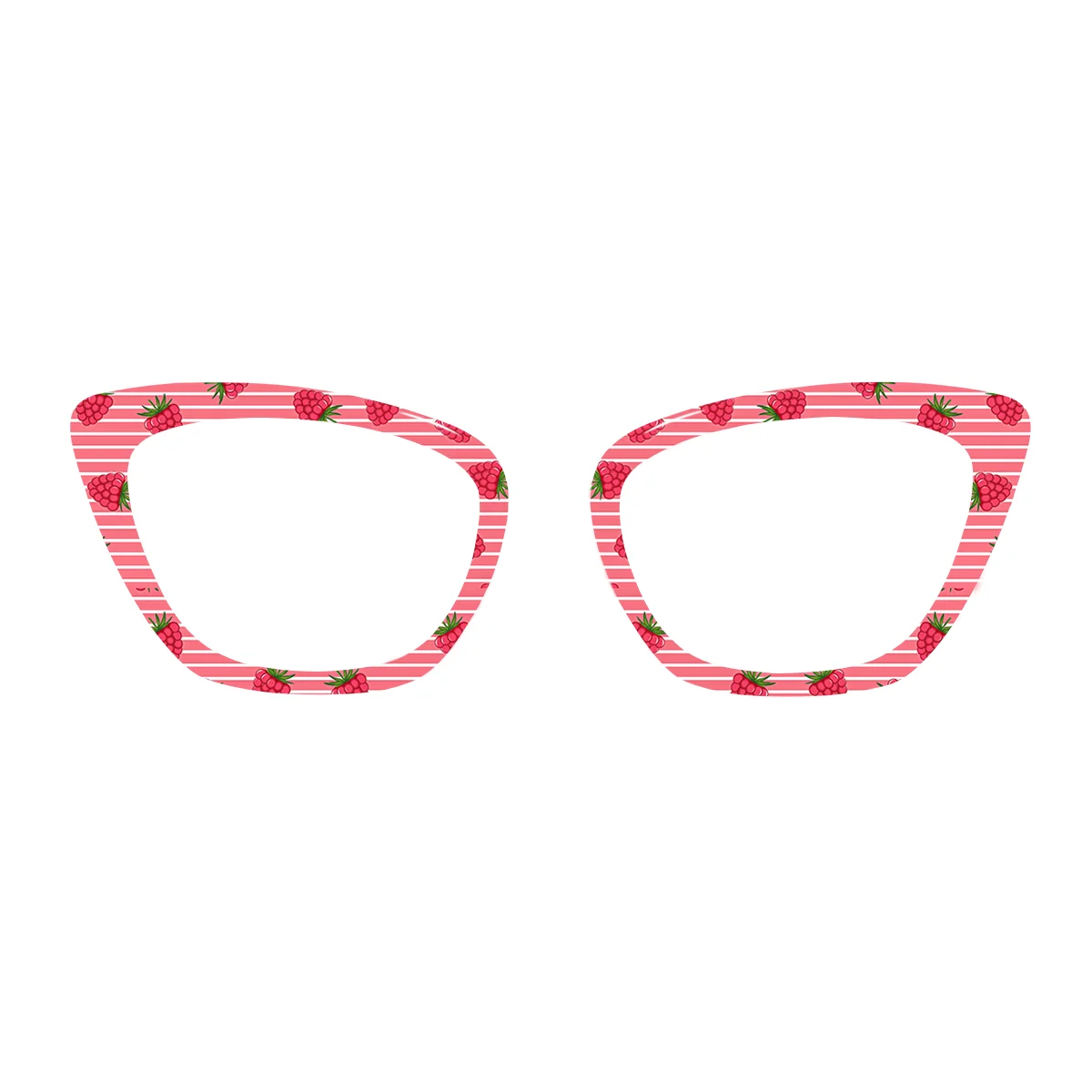
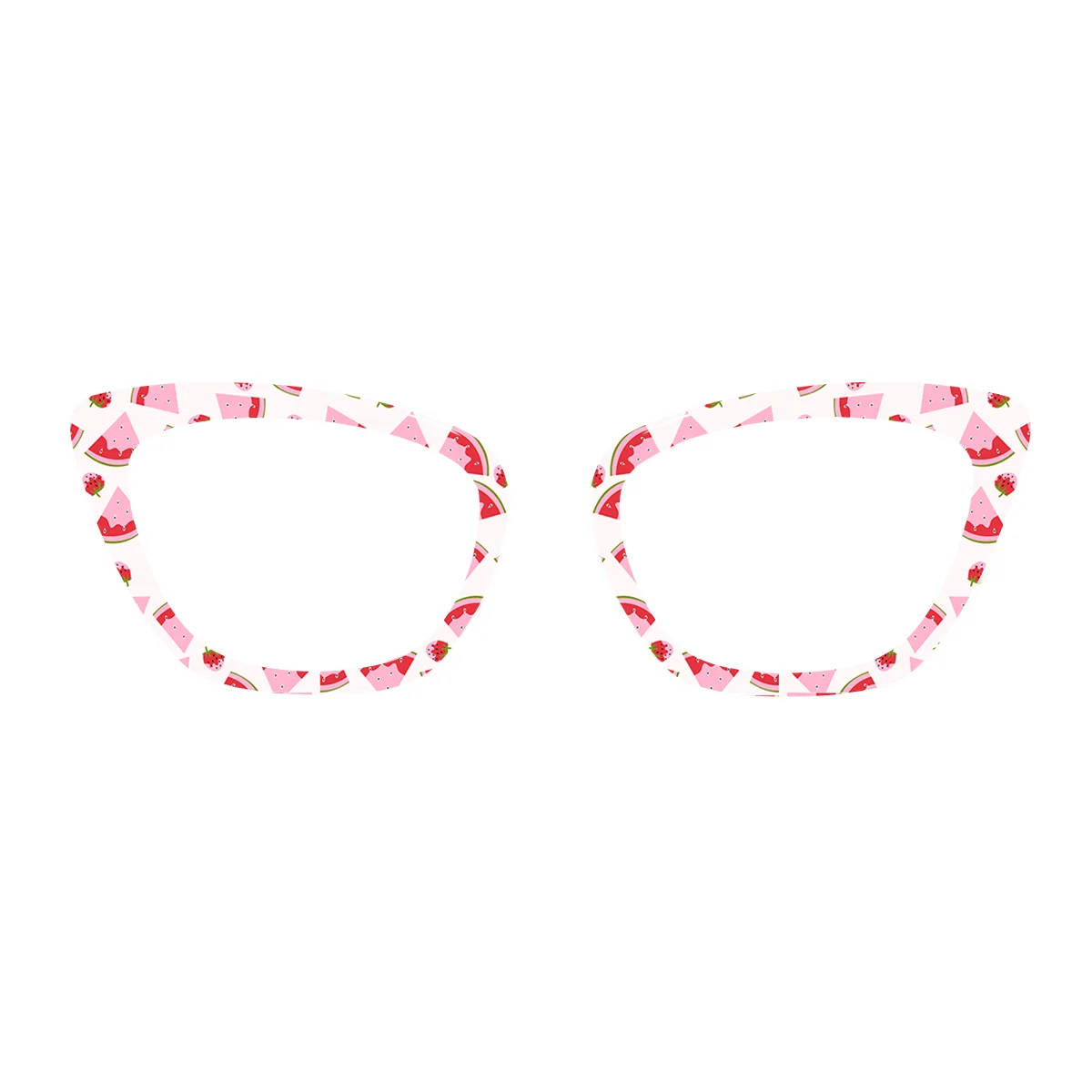
Crystal Color Top Frame for Soline


Living a Multifaceted Life: How Custom Modular Eyewear Defines Your Personal Identity
Yet for years, eyewear has tried to force all these identities into one fixed frame.In a world where people change roles, moods,...
The Architecture of Presence: Why Custom Eyewear is the Secret to "Magnetic Eyes"
Walk into any home improvement store in the United States and you’ll see rows of blackout curtains promising better sleep, lower energy...
The Balance of Lightness and Strength: The Wearing Aesthetics of Mechanical Clip Eyewear
Eyewear has always lived at the intersection of function and expression. For centuries, glasses were designed primarily to correct vision, with aesthetics...
Are Pink Glasses in Style?
Pink glasses are a timeless symbol of charm and personality. They evoke feelings of compassion, love, and hope, making them a popular...
A Minimalist’s Dream, Why One Pair of Custom Glasses Is All You Need When You Travel
Minimalism isn’t about owning less for the sake of it.It’s about owning better.For travelers, that idea becomes very real the moment you...
No More Ear Pain: How Custom Eyeglass Frames Solve 12-Hour Wear Discomfort
If you wear glasses all day, you know the feeling.It starts as a faint pressure behind your ears. By mid-afternoon, that pressure...