



The Hidden Secret of Custom Temple Length: Why Biometric Measurement Is the Only Real Solution to Ear Pain From Glasses
For millions of eyeglass wearers, discomfort behind the ears is treated as an unavoidable part of daily life. Red pressure marks, soreness after long hours, headaches, and constant adjustment have become so common that many people assume glasses simply cannot be perfectly comfortable.
But this belief is wrong.
In reality, most “ear pain” caused by glasses is not a material problem, not a weight problem, and not even a frame quality issue. The root cause is far more specific:
Incorrect temple length and geometry.
Traditional eyewear sizing relies on standardized measurements that ignore individual anatomy. Yet human head shapes vary dramatically. The distance from eye to ear, ear angle, skull curvature, and pressure tolerance differ from person to person.
The only reliable way to eliminate hanging-ear discomfort is through biometric measurement, a method that aligns frame structure with the wearer’s unique anatomy.
This article explores why temple length matters far more than most people realize, why conventional sizing fails, and how biometric customization represents the future of truly comfortable eyewear.
Why “Ear Pain” Is So Common Among Glasses Wearers
If you wear glasses daily, you may recognize these symptoms:
- Pain behind the ears after several hours
- Glasses sliding forward despite tightening
- Pressure marks or skin irritation
- Headaches near the temples
- Constant need for adjustment
Many people blame:
- heavy lenses
- poor materials
- low-quality frames
- tight nose pads
While these factors can contribute, they rarely represent the primary issue.
Most discomfort originates from improper temple length distribution, which creates uneven pressure across the head.
Understanding the Role of Eyeglass Temples
The temples (also called arms) perform three essential functions:
- Stabilize the frame on the face
- Distribute weight evenly
- Maintain optical alignment
Ideally, temples should rest rather than grip.
When properly designed, glasses feel almost weightless because pressure spreads across a wide contact area instead of concentrating behind the ears.
When incorrectly sized, the entire support system fails.
The Myth of Standard Temple Lengths
Most frames are manufactured using standard temple lengths such as:
- 135 mm
- 140 mm
- 145 mm
- 150 mm
These increments assume human anatomy falls within predictable averages.
But real-world variation is enormous.
Two people with identical face widths may have completely different:
- ear positions
- skull curvature
- ear height relative to eyes
- head depth
- ear rotation angle
Standard sizing works only statistically—not individually.
This explains why even premium frames often remain uncomfortable.
What Actually Causes “Hanging Ear Pain”
Ear pain occurs when temples create localized pressure instead of balanced support.
There are three primary biomechanical failures.
1. Temples That Are Too Short
Short temples pull forward aggressively.
Results include:
- excessive clamping force
- sharp pressure behind ears
- red marks
- tension headaches
The frame compensates for instability by squeezing.
2. Temples That Are Too Long
Long temples extend past the ideal contact zone.
Consequences:
- glasses slide down the nose
- wearer unconsciously tightens fit
- pressure shifts unevenly
- friction increases
Ironically, both short and long temples cause pain through different mechanisms.
3. Incorrect Bend Position
Even with correct length, the bend may occur at the wrong anatomical point.
If the curve starts too early or too late:
- pressure concentrates on a small area
- stability decreases
- discomfort increases throughout the day
Length alone is insufficient without anatomical alignment.
Why Traditional Adjustments Rarely Solve the Problem
Opticians often attempt fixes such as:
- bending temples inward
- tightening frame width
- adjusting nose pads
These methods provide temporary relief but introduce new issues.
Bending temples increases clamping pressure rather than redistributing weight.
The result is a cycle:
adjust → temporary comfort → pain returns → further adjustment → structural stress
Without accurate anatomical data, adjustments remain guesswork.
The Human Head Is Not Symmetrical
A major reason standard frames fail is biological asymmetry.
Most people have:
- one ear slightly higher
- uneven skull curvature
- different ear angles
- asymmetrical jaw structure
Even small differences matter because glasses rely on millimeter precision.
Traditional sizing assumes symmetry that rarely exists.
Biometric measurement acknowledges reality instead of averages.
What Is Biometric Measurement in Eyewear?
Biometric measurement uses precise anatomical data to design frames around the wearer’s physical structure.
Rather than selecting from preset sizes, measurements capture:
- eye-to-ear distance
- ear height and tilt
- head curvature radius
- pressure distribution zones
- temple contact length
- head movement dynamics
Advanced systems may involve:
- 3D facial scanning
- digital modeling
- pressure mapping
- ergonomic simulation
The goal is alignment between frame geometry and human anatomy.
Why Temple Length Must Be Personalized
Temple length is not a single measurement.
It includes three interconnected zones:
- Straight section length — from hinge to bend
- Bend location — where curvature begins
- Terminal curve length — behind-ear contact area
Biometric customization determines all three simultaneously.
A perfectly fitted temple:
- touches gently along the head
- avoids pressure points
- stabilizes without squeezing
- maintains lens alignment naturally
Comfort becomes passive rather than forced.
The Physics of Pressure Distribution
Comfort depends on surface area.
Pressure equals force divided by contact area.
When temples are incorrect:
- force concentrates on small points
- skin experiences high pressure
- pain develops quickly
Biometric design increases contact area, lowering pressure even if frame weight remains unchanged.
This explains why heavier customized frames often feel lighter than poorly fitted lightweight ones.
Why Lightweight Frames Alone Don’t Fix Ear Pain
Many brands market ultra-light frames as the solution.
Weight reduction helps slightly, but it does not address geometry.
A poorly fitted lightweight frame still creates pressure concentration.
Meanwhile, a properly measured frame distributes weight so efficiently that moderate weight becomes unnoticeable.
Fit matters more than grams.
The Connection Between Temple Length and Vision Quality
Incorrect temple positioning also affects optical performance.
Misaligned frames can cause:
- shifting focal distance
- inconsistent lens positioning
- increased eye strain
- reduced progressive lens effectiveness
Biometric fitting stabilizes lenses relative to the eyes, improving visual clarity.
Comfort and vision are interconnected.
How Biometric Measurement Eliminates Adjustment Cycles
Traditional ownership involves repeated adjustments over months or years.
Biometric customization reduces this dramatically because:
- temples match anatomy from the start
- pressure distribution is pre-calculated
- alignment remains stable during movement
Instead of forcing frames to fit, frames are designed to belong.
The Psychological Impact of Proper Fit
Comfort influences behavior more than people realize.
When glasses cause discomfort, wearers tend to:
- remove them frequently
- push them upward repeatedly
- associate eyewear with fatigue
A perfectly fitted frame disappears from awareness.
Users often report forgetting they are wearing glasses entirely—a sign of successful ergonomic design.
Why One-Size-Fits-All Manufacturing Persists
Mass production prioritizes efficiency.
Standard temple lengths reduce manufacturing complexity and inventory variation.
However, this model transfers ergonomic compromise to the wearer.
Customization shifts effort back to design rather than adaptation.
As technology lowers customization costs, biometric fitting becomes increasingly accessible.
Signs Your Current Temple Length Is Wrong
You may benefit from biometric measurement if you experience:
- pain after two to four hours of wear
- marks behind ears
- glasses slipping forward
- uneven frame alignment
- frequent optician adjustments
- headaches near temples
These symptoms indicate structural mismatch, not personal sensitivity.
The Role of Digital Scanning Technology
Modern biometric systems often use 3D scanning to capture head geometry.
Advantages include:
- millimeter-level accuracy
- repeatable measurements
- digital storage for future frames
- predictive modeling of pressure zones
Once captured, measurements can guide multiple frame designs over time.
Eyewear becomes personalized infrastructure rather than disposable fashion.
Custom Temple Geometry: Beyond Length
Biometric customization also refines:
- temple curvature angle
- thickness distribution
- flexibility zones
- hinge tension
- ear wrap angle
Small geometric adjustments dramatically influence comfort.
Precision replaces approximation.
Long-Term Health Benefits of Proper Temple Fit
Correctly distributed pressure may help reduce:
- chronic ear irritation
- skin inflammation
- tension headaches
- neck compensation posture
Comfort encourages consistent eyewear use, which supports visual health.
Why Custom Temple Length Matters More With Modern Lenses
Advanced lenses—especially progressive designs—require stable positioning.
Even minor frame shifts alter viewing zones.
Biometric temples maintain consistent alignment, maximizing lens performance.
This becomes increasingly important as optical technology advances.
The Future of Eyewear: Anatomy-Driven Design
The industry is gradually transitioning from standardized sizing to anatomy-based manufacturing.
Emerging trends include:
- digital customization platforms
- parametric frame design
- on-demand manufacturing
- AI-assisted fitting simulations
Biometric measurement represents the foundation of this transformation.
Common Misconceptions About Custom Temple Length
“Adjustments Can Fix Everything”
Adjustments modify shape but cannot correct incorrect structural proportions.
“Comfort Improves After Breaking In”
Pain reduction often results from adaptation, not improvement.
The body adjusts to discomfort—not the frame.
“Only Premium Frames Need Customization”
Comfort depends on fit, not price category.
Even expensive frames fail without proper measurements.
How to Choose Biometrically Optimized Eyewear
When exploring customization, prioritize providers that measure:
- eye-to-ear distance precisely
- ear angle individually
- head curvature digitally
- asymmetry intentionally
Ask whether temple geometry is designed from data rather than adjusted afterward.
Design-first customization delivers the best results.
A New Philosophy: Glasses Should Rest, Not Grip
The traditional idea that glasses must clamp onto the head is outdated.
Ideal eyewear behaves differently:
- balanced rather than tight
- stable rather than restrictive
- supportive rather than compressive
Biometric measurement enables this shift.
Real Comfort Is Invisible
The ultimate goal of customization is not noticeable luxury but unnoticed presence.
When temple length matches anatomy perfectly:
- adjustments disappear
- pressure vanishes
- stability becomes effortless
Glasses stop being an object you manage and become an extension of your body.
Final Thoughts: Why Biometric Measurement Is the Only True Solution
Ear pain from glasses is not inevitable. It is a design mismatch rooted in standardized sizing systems created for mass production rather than individual comfort.
Custom temple length guided by biometric measurement addresses the true cause:
human anatomical variation.
By aligning frame geometry with real biological structure, biometric customization transforms eyewear from approximate fit into precise ergonomics.
The result is not merely improved comfort—it is a fundamentally different wearing experience.
Instead of tolerating glasses, you simply wear them.
And when eyewear disappears from your awareness, design has finally done its job.
Share this post
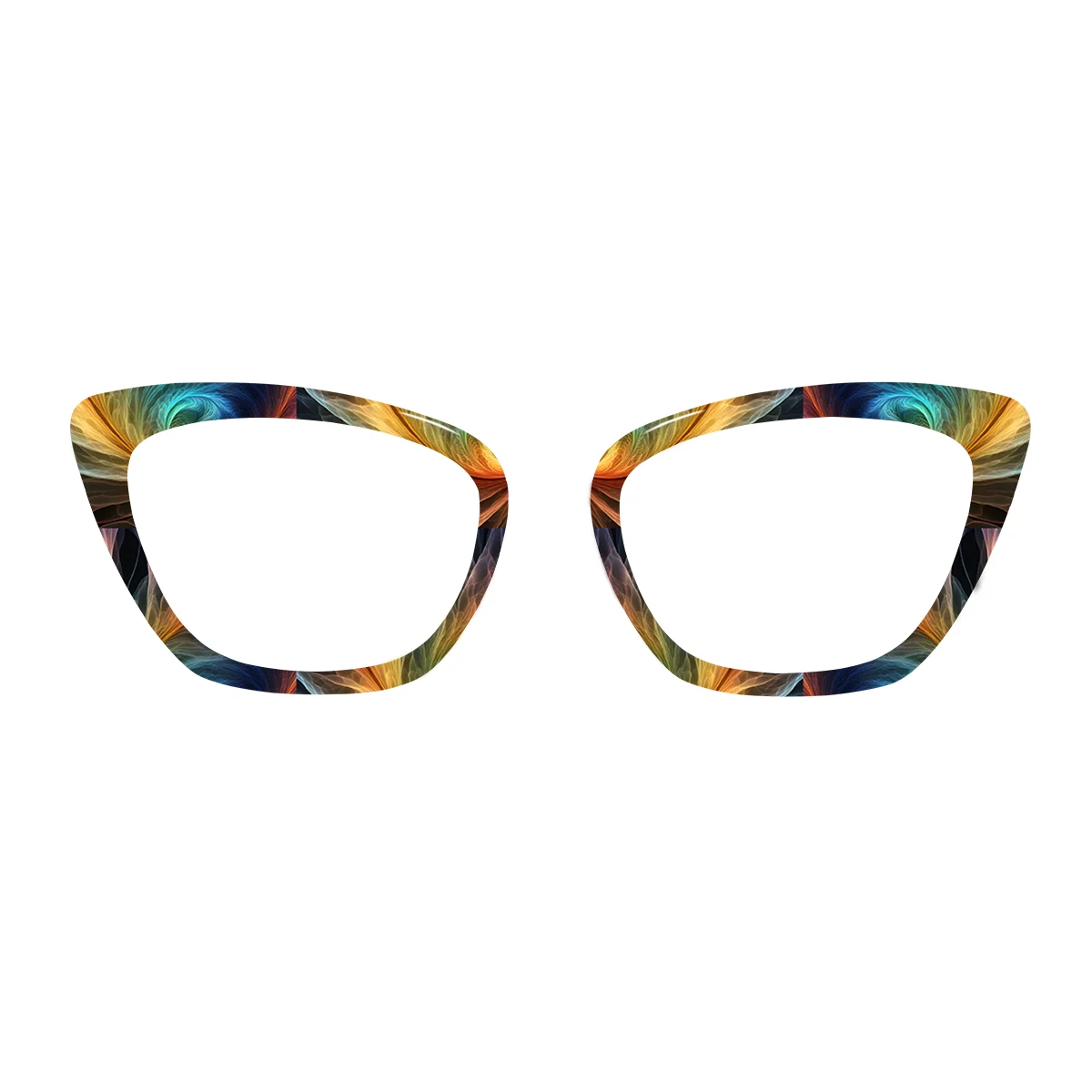
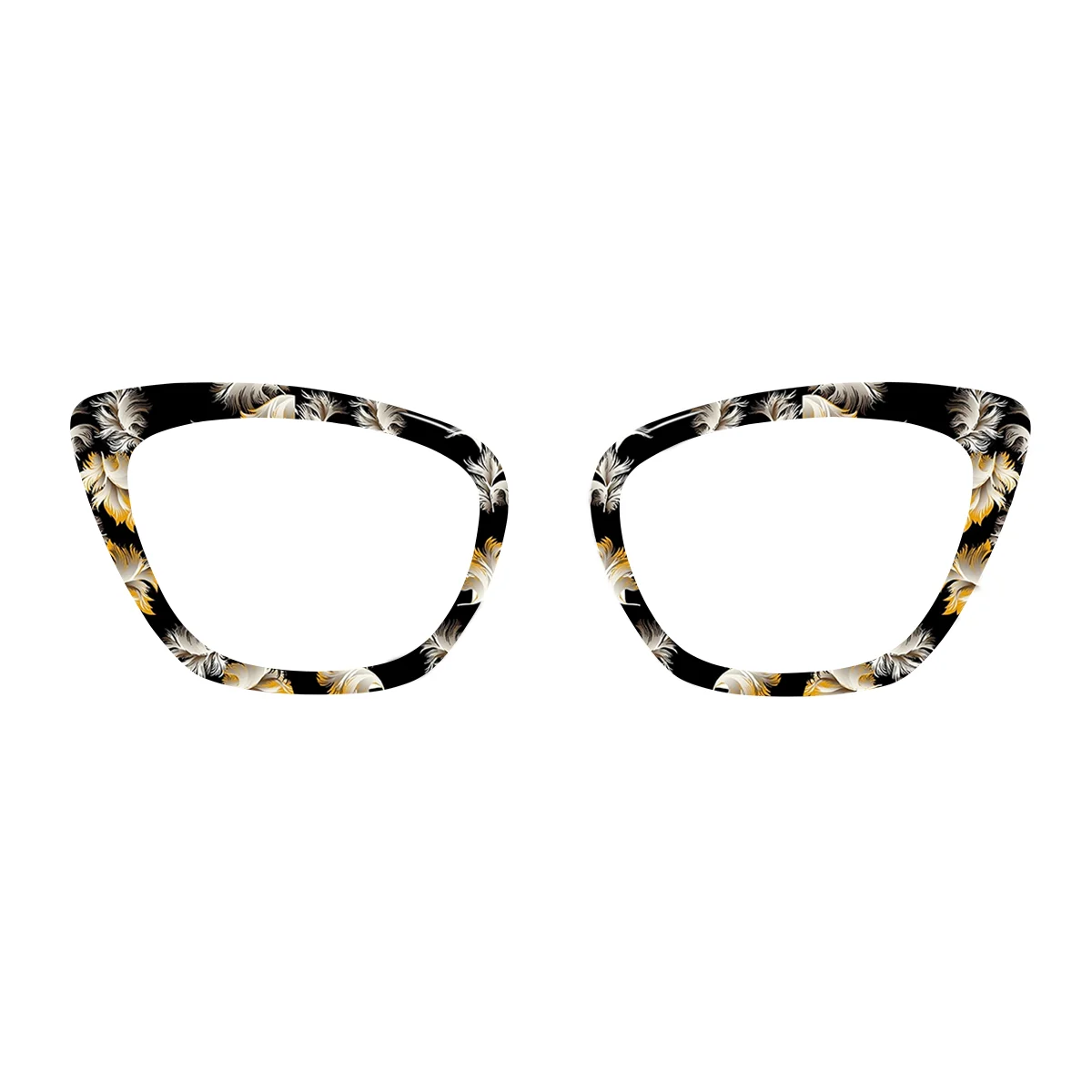
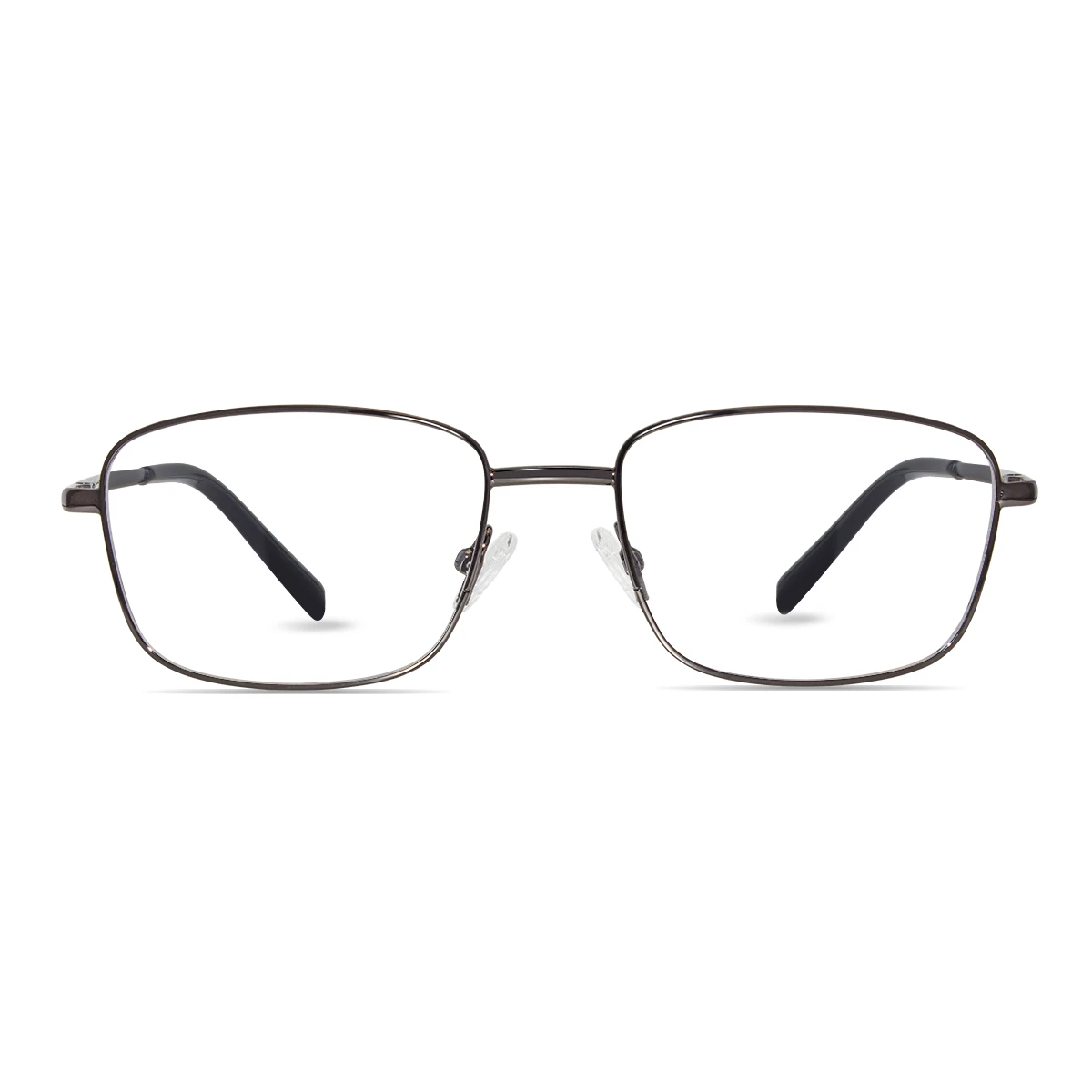

Soline Gunmetal Gray Base Frame - Wide Rectangle
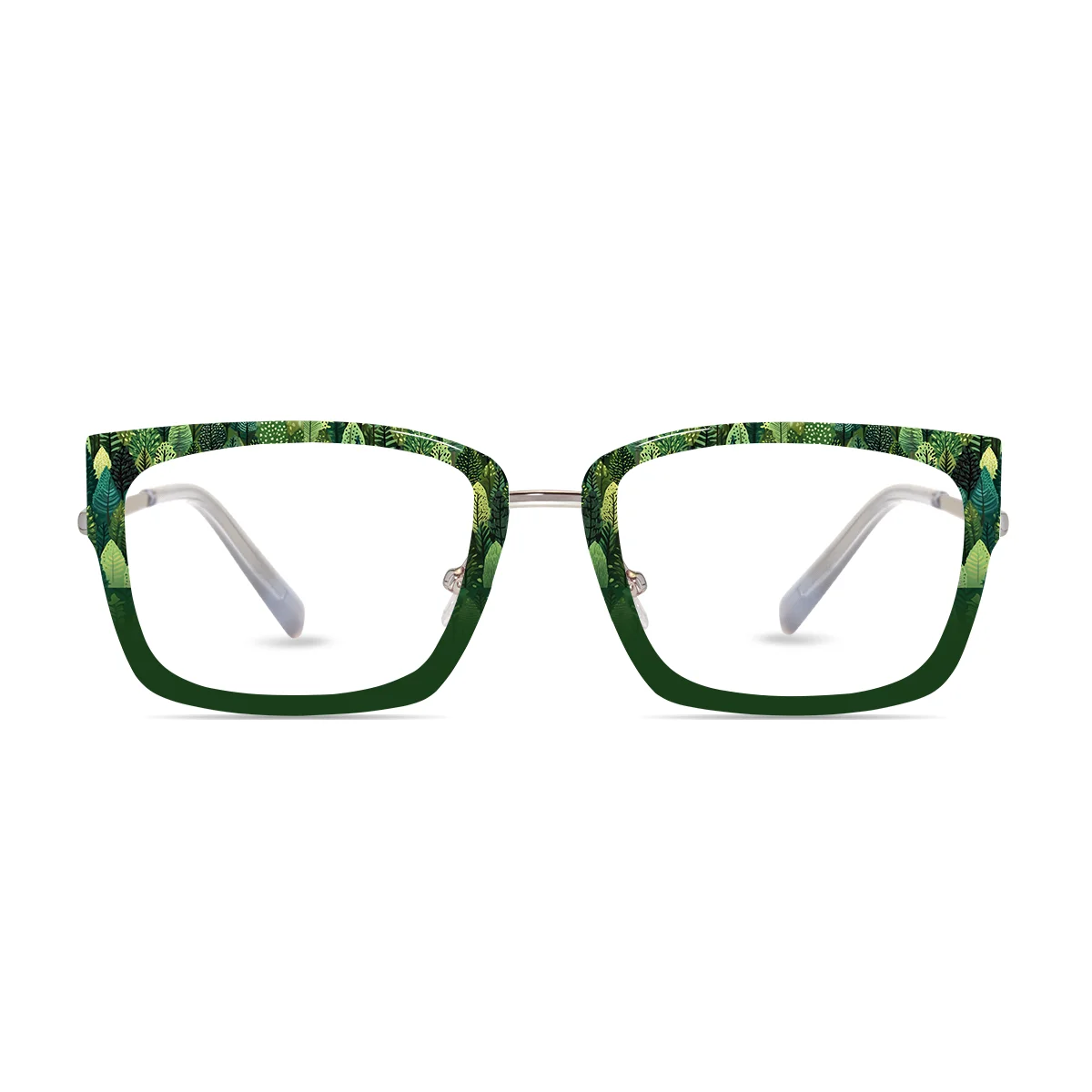
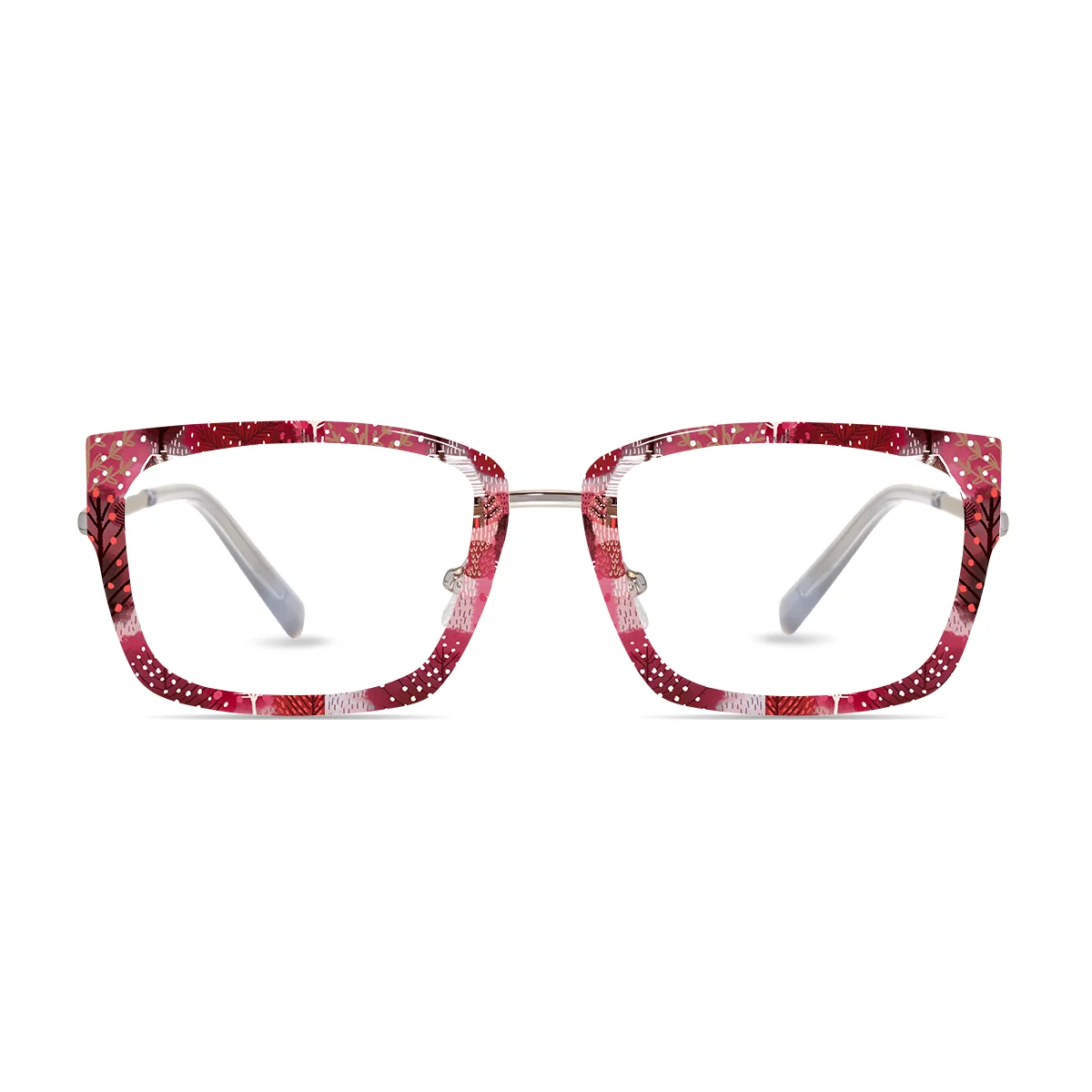
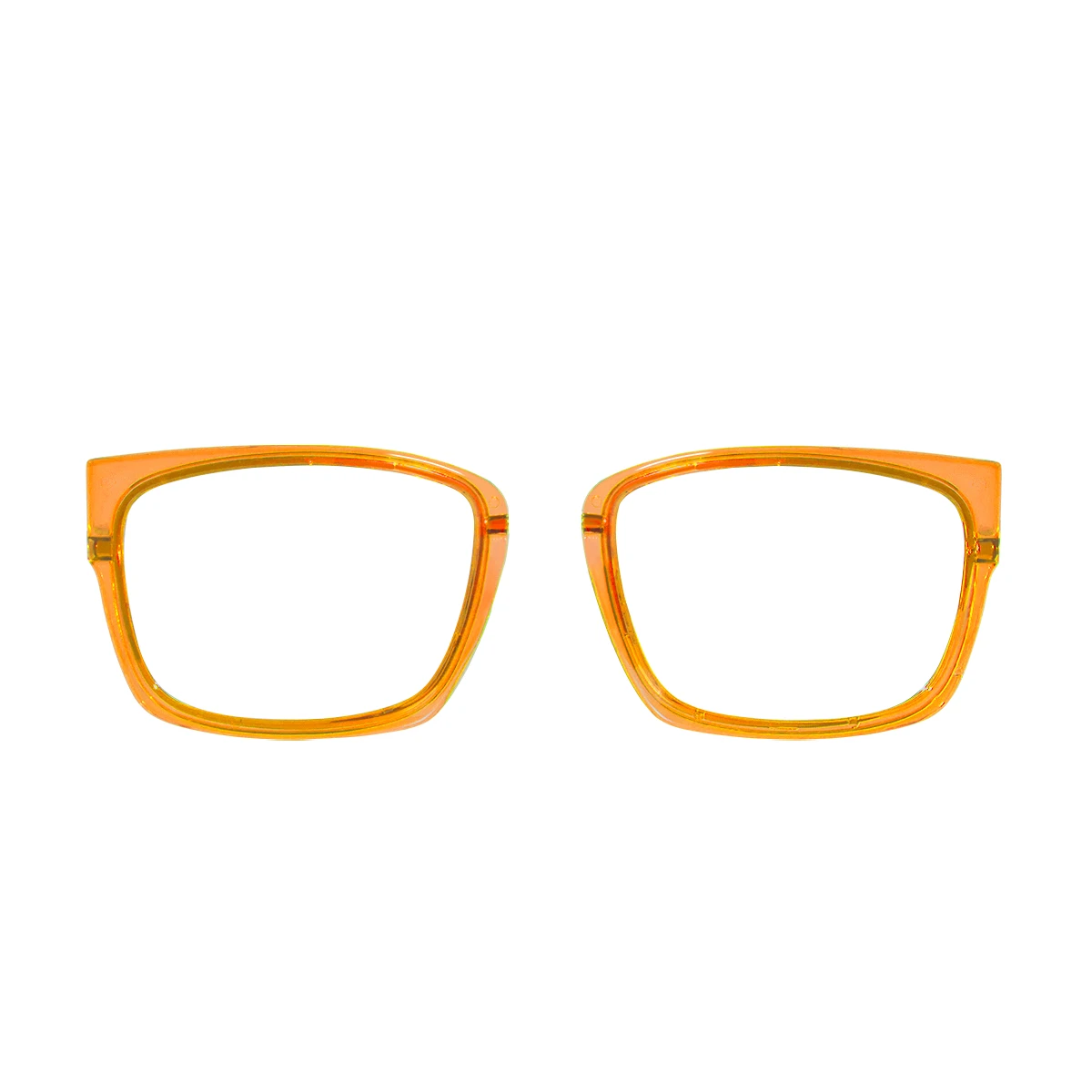
- Burgundy – Crystal (C01)
- Red – Crystal(C02)
- Burnt Orange – Crystal(C03)
- Marmalade – Crystal(C04)
- Sunshine Yellow – Crystal(C05)
- Lime Green – Crystal(C06)
- Sage – Crystal(C08)
- Green Forest – Crystal(C07)
- Army Green – Crystal(C09)
- Spruce – Crystal(C10)
- Turquiise – Crystal(C11)
- Cornflower– Crystal(C12)
- Navy – Crystal(C13)
- Indigo – Crystal(C14)
- Blue Orchid – Crystal(C15)
- Mauve – Crystal(C16)
- Lavender – Crystal(C21)
- Purple – Crystal(C17)
- Grape – Crystal(C18)
- Coral – Crystal(C19)
- Hot Pink – Crystal(C20)
- Chocolate – Crystal(C22)
Crystal Color Top Frame for Soline
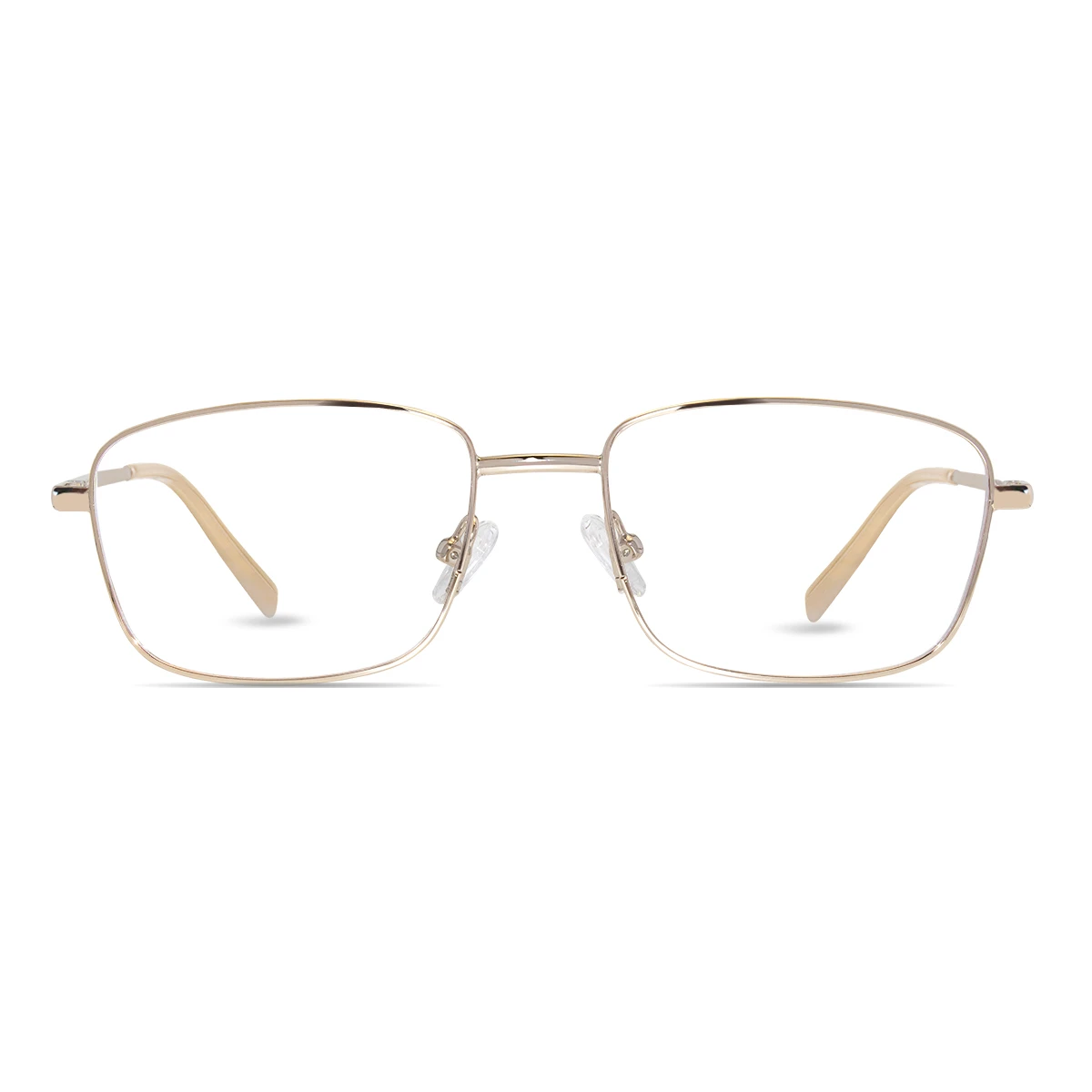
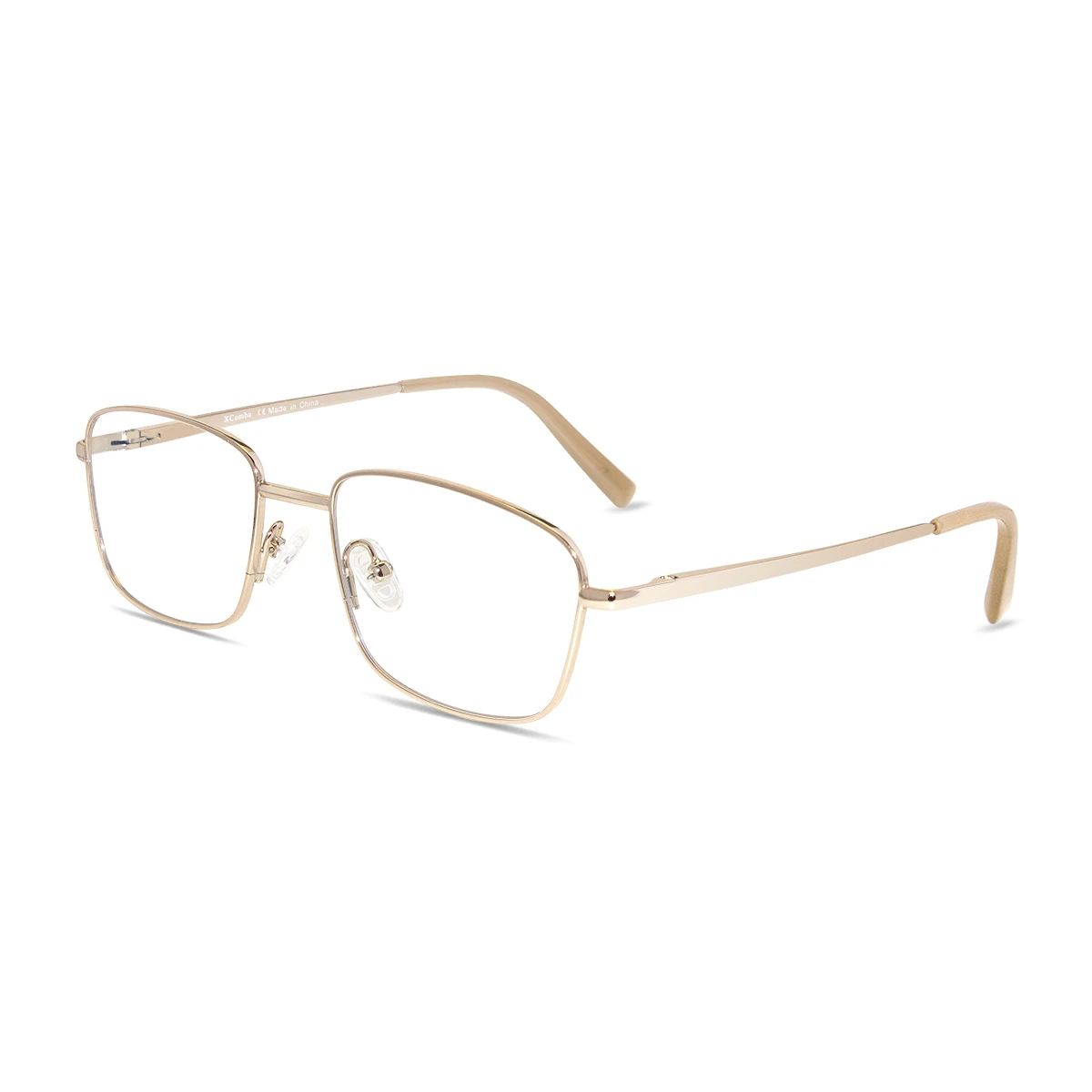
Soline Light Gold Base Frame - Wide Rectangle




Living a Multifaceted Life: How Custom Modular Eyewear Defines Your Personal Identity
Yet for years, eyewear has tried to force all these identities into one fixed frame.In a world where people change roles, moods,...
The Secret Weapon for Sculpting Your Face: How to Customize Eyewear Based on Your Cheekbones and Brow Shape
When it comes to elevating your appearance, most people think about hairstyles, makeup, or wardrobe upgrades. But there’s one transformative accessory that...
How Mechanical Clip Systems Make Quick Temple Replacement Possible: The Future of Modular Eyewear Design
Eyewear has evolved far beyond simple vision correction. Today, glasses are fashion statements, performance tools, and everyday essentials that must adapt to...
Why Your Glasses Keep Getting Looser Over Time: How Improper Handling Causes Hidden Structural Damage
Glasses are designed to be durable, precise, and comfortable. Yet many people notice the same frustrating pattern: a new pair fits perfectly...
Are Pink Glasses in Style?
Pink glasses are a timeless symbol of charm and personality. They evoke feelings of compassion, love, and hope, making them a popular...
One-Second Color Switch
How to Match Your Glasses Frame to Today’s Outfit—EffortlesslyLet’s be honest.You don’t wear the same outfit every day.Some days it’s clean and...