



Preservation Secrets: How to Maintain Your Limited-Edition Custom Eyewear and Protect Its Collector Value
Limited-edition custom eyewear has evolved far beyond simple vision correction or fashion accessories. Today, rare frames are collectible design objects — blending craftsmanship, brand heritage, material innovation, and personal expression. Much like luxury watches or designer sneakers, certain eyewear pieces appreciate in cultural and monetary value over time.
However, unlike collectibles that remain sealed in display cases, eyewear exists in a delicate space between utility and art. Owners often wear them, transport them, and expose them to environmental stress daily. Without proper care, even the most exclusive frames can lose structural integrity, aesthetic appeal, and ultimately their collectible worth.
Maintaining the value of limited-edition eyewear requires more than occasional cleaning. It involves understanding materials, storage conditions, handling habits, and long-term preservation strategies.
This comprehensive guide explains how collectors and enthusiasts can protect their custom eyewear investments while keeping them functional and beautiful for years — or even decades — to come.
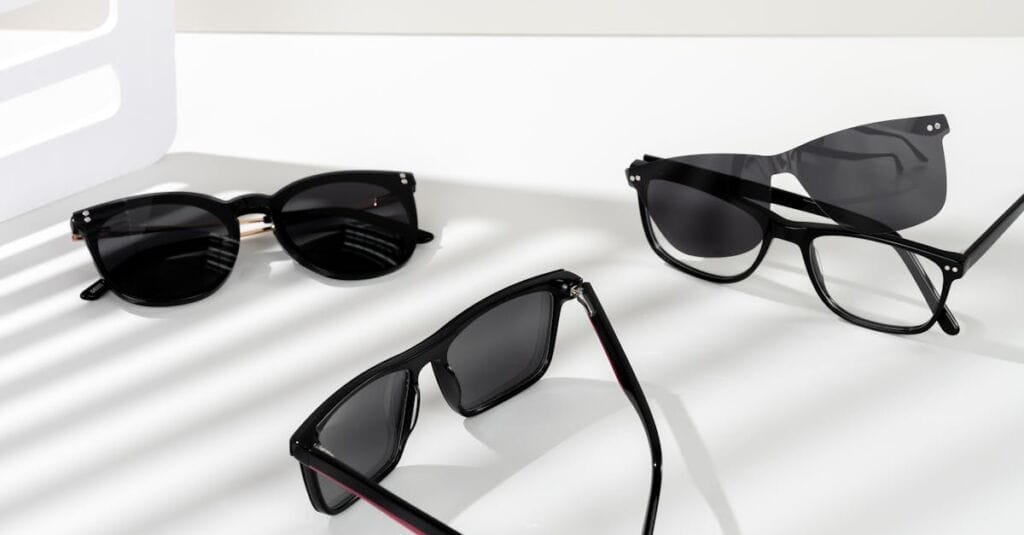
Why Limited-Edition Eyewear Holds Value
Before discussing maintenance, it helps to understand what makes certain eyewear collectible.
Limited-edition frames gain value through a combination of factors:
- Restricted production numbers
- Designer collaborations
- Handmade craftsmanship
- Unique materials
- Cultural relevance
- Brand legacy
Brands such as Jacques Marie Mage, Matsuda, and Dita Eyewear have demonstrated how carefully crafted eyewear can transition into collectible territory.
Collectors are not only buying eyewear — they are preserving design history.
The Three Enemies of Eyewear Value
Nearly all damage falls into three categories.
1. Physical Wear
- Scratches
- Frame warping
- Loose hinges
- Finish deterioration
Even minor wear reduces perceived rarity.
2. Environmental Damage
- UV exposure
- Humidity
- Temperature fluctuations
- Chemical contact
These silently degrade materials over time.
3. Improper Handling
Most damage occurs during everyday use rather than accidents.
Habits matter more than owners expect.
Understanding Frame Materials and Their Care Needs
Different materials require different preservation strategies.
Acetate Frames
Cellulose acetate is widely used in premium eyewear.
Strengths:
- Rich color depth
- Hand-polished finish
- Comfortable weight
Risks:
- Drying and shrinking
- Surface haze
- Warping from heat
Care Tip:
Keep acetate hydrated indirectly by storing frames away from dry heat sources like radiators.
Titanium Frames
Titanium represents durability and lightweight engineering.
Benefits:
- Corrosion resistance
- Hypoallergenic properties
- Structural strength
Risks:
- Finish scratching
- Joint loosening over time
Avoid abrasive cleaning methods.
Mixed Material Frames
Limited editions often combine:
- Titanium
- Acetate
- Gold plating
- Enamel detailing
Each component reacts differently to environment and cleaning agents.
Gentle, universal care methods are safest.
Daily Handling Habits That Preserve Value
Collectors often overlook the importance of daily routines.
Always Use Two Hands
Removing glasses with one hand causes gradual hinge misalignment.
Over years, this subtle stress changes frame geometry.
Avoid Head Placement
Placing glasses on your head stretches temples outward.
This permanently alters fit and symmetry.
Never Place Lenses Downward
Even smooth surfaces contain micro-particles that scratch coatings.
Keep Away From Cosmetics
Hair spray, sunscreen, and perfumes degrade finishes and lens coatings.
Apply products before wearing eyewear.
Proper Cleaning: The Collector’s Method
Cleaning is essential — but incorrect cleaning causes more damage than dirt itself.
Step 1: Rinse Before Wiping
Dust particles act like sandpaper.
Always rinse frames under lukewarm water first.
Step 2: Use Mild Soap Only
Choose fragrance-free dish soap.
Avoid:
- Alcohol wipes
- Ammonia cleaners
- Household sprays
Step 3: Microfiber Only
Paper towels and clothing fibers scratch lenses.
Use dedicated microfiber cloths stored in clean cases.
Step 4: Air Dry or Pat Dry
Aggressive rubbing wears coatings prematurely.
Lens Preservation Strategies
Collectors sometimes focus only on frames, but lenses heavily influence resale value.
Protect Anti-Reflective Coatings
Coatings deteriorate through:
- Heat exposure
- Chemical contact
- Abrasive wiping
Store eyewear away from dashboards and hot cars.
Replace Lenses Carefully
If prescription updates are needed:
- Keep original lenses stored safely.
- Document replacements.
Original components increase collector appeal.
Storage: Where Value Is Truly Preserved
Storage conditions determine long-term survival.
Ideal Storage Environment
- Temperature: 60–75°F
- Low humidity
- Indirect light
- Dust protection
Avoid attics and bathrooms.
Use Original Packaging
Collectors value:
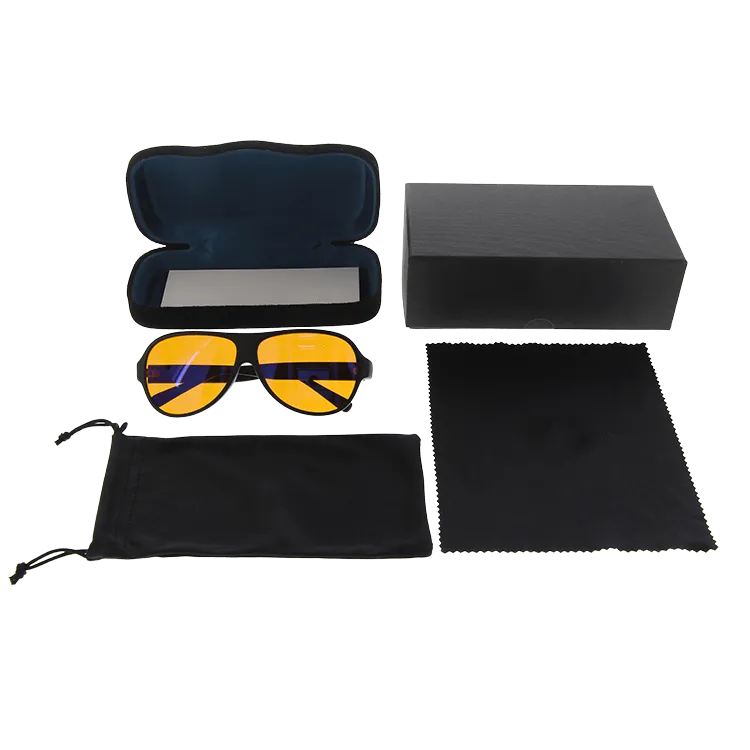
- Original case
- Cleaning cloth
- Certificates
- Limited-edition numbering cards
Keep everything.
Packaging authenticity significantly impacts resale interest.
Individual Storage Matters
Frames should never touch each other.
Use separate compartments or soft pouches.
Travel Protection Techniques
Travel presents high risk.
Best practices:
- Use hard-shell cases.
- Carry eyewear in personal bags, not checked luggage.
- Avoid overfilled bags that compress cases.
Pressure damage is surprisingly common.
Preventing Mechanical Wear
Hinges are often the first failure point.
Schedule Professional Adjustments
Annual adjustments by opticians prevent stress fractures.
Avoid DIY Screw Tightening
Improper tools strip screws or damage threading.
Professional tools ensure proper torque.
Documentation and Provenance
Collectors treat eyewear like art pieces.
Maintain records including:
- Purchase receipts
- Edition numbers
- Collaboration details
- Authentication cards
Photograph frames periodically to document condition history.
This builds provenance credibility.
Rotation Strategy for Wearable Collectibles
If you own multiple limited pieces, rotate usage.
Benefits:
- Reduces wear concentration
- Extends lifespan
- Maintains structural balance
Daily use accelerates aging.
Cleaning Schedule for Long-Term Preservation
Recommended routine:
- Daily: Gentle wipe
- Weekly: Rinse cleaning
- Monthly: Deep inspection
- Yearly: Professional service
Consistency prevents irreversible damage.
Environmental Threats Most Collectors Ignore
UV Exposure
Extended sunlight fades acetate pigments.
Store away from windows.
Sweat Acidity
Skin oils degrade finishes.
Clean frames after heavy wear.
Air Pollution
Urban particles accumulate invisibly.
Regular rinsing removes contaminants.
Displaying Collectible Eyewear Safely
Many collectors enjoy showcasing frames.
Safe display guidelines:
- UV-protected display cases
- Controlled lighting
- Dust-sealed cabinets
- Stable temperature environments
Avoid open shelves.
Insurance Considerations
High-value collections may benefit from specialty insurance.
Document:
- Photos
- Receipts
- Appraisals
Insurance recognizes eyewear as collectible luxury goods in many policies.
When Restoration Is Acceptable
Minor restoration can preserve value if done correctly.
Acceptable services:
- Professional polishing
- Hinge repair
- Manufacturer servicing
Avoid unauthorized modifications.
Original integrity matters.
What Reduces Collector Value the Most
Surprisingly, catastrophic damage is not the main issue.
Value loss typically comes from:
- Missing packaging
- Lens coating damage
- Over-adjusted frames
- Non-original parts
- Visible polishing marks
Small details matter greatly to collectors.
Long-Term Storage for Investment Pieces
If storing for years:
- Clean thoroughly.
- Dry completely.
- Wrap in microfiber.
- Store inside original case.
- Place silica gel nearby (not touching frame).
Check annually.
Building a Collector Mindset
Owners who maintain value think differently.
They treat eyewear as:
- Functional art
- Engineering craftsmanship
- Limited cultural artifacts
Care becomes part of ownership enjoyment.
Frequently Asked Questions
Should collectible eyewear be worn?
Yes, but carefully and occasionally. Gentle use does not necessarily reduce value.
Can polishing restore scratches?
Professional polishing may help frames but excessive polishing removes material.
Is aftermarket customization acceptable?
Generally no. Alterations reduce authenticity.
Do limited editions always increase in value?
Not always. Condition and rarity strongly influence desirability.
The Psychology of Preservation
Collectors often discover that maintenance deepens appreciation. Cleaning, storing, and documenting pieces builds connection with craftsmanship and design history.
Preservation is not restriction — it’s intentional ownership.
Final Thoughts
Limited-edition custom eyewear represents a unique intersection of fashion, craftsmanship, and collectible culture. Maintaining its value requires awareness, consistency, and respect for materials rather than complicated techniques.
By adopting careful handling habits, proper cleaning methods, thoughtful storage practices, and professional maintenance routines, you can preserve both the beauty and the collectible integrity of your frames for years to come.
Well-maintained eyewear tells a story — not of wear and decline, but of stewardship and appreciation.
Treat your frames not just as accessories, but as pieces of design heritage worth protecting.
And over time, their value — aesthetic, personal, and collectible — can endure far beyond trends.

Share this post


- Deep Burgundy - Solid (S01)
- Red - Solid (S02)
- Burnt Orange - Solid (S03)
- Marmalade - Solid (S04)
- Sunshine Yellow - Solid (S05)
- Lime Green - Solid (S06)
- Green Forest - Solid (S07)
- Sage - Solid (S08)
- Army Green - Solid (S09)
- Spruce - Solid (S10)
- Turquiise - Solid (S11)
- Cornflower blue - Solid (S12)
- Navy - Solid (S13)
- Indigo - Solid (S14)
- Blue Orchid - Solid (S15)
- Lavender - Solid (S21)
- Mauve - Solid (S16)
- Purple - Solid (S17)
- Grape - Solid (S18)
- Warm Coral - Solid (S19)
- Hot Pink - Solid (S20)
- Chocolate - Solid (S22)
- Black – Solid (S23)
- White - Solid (S24)
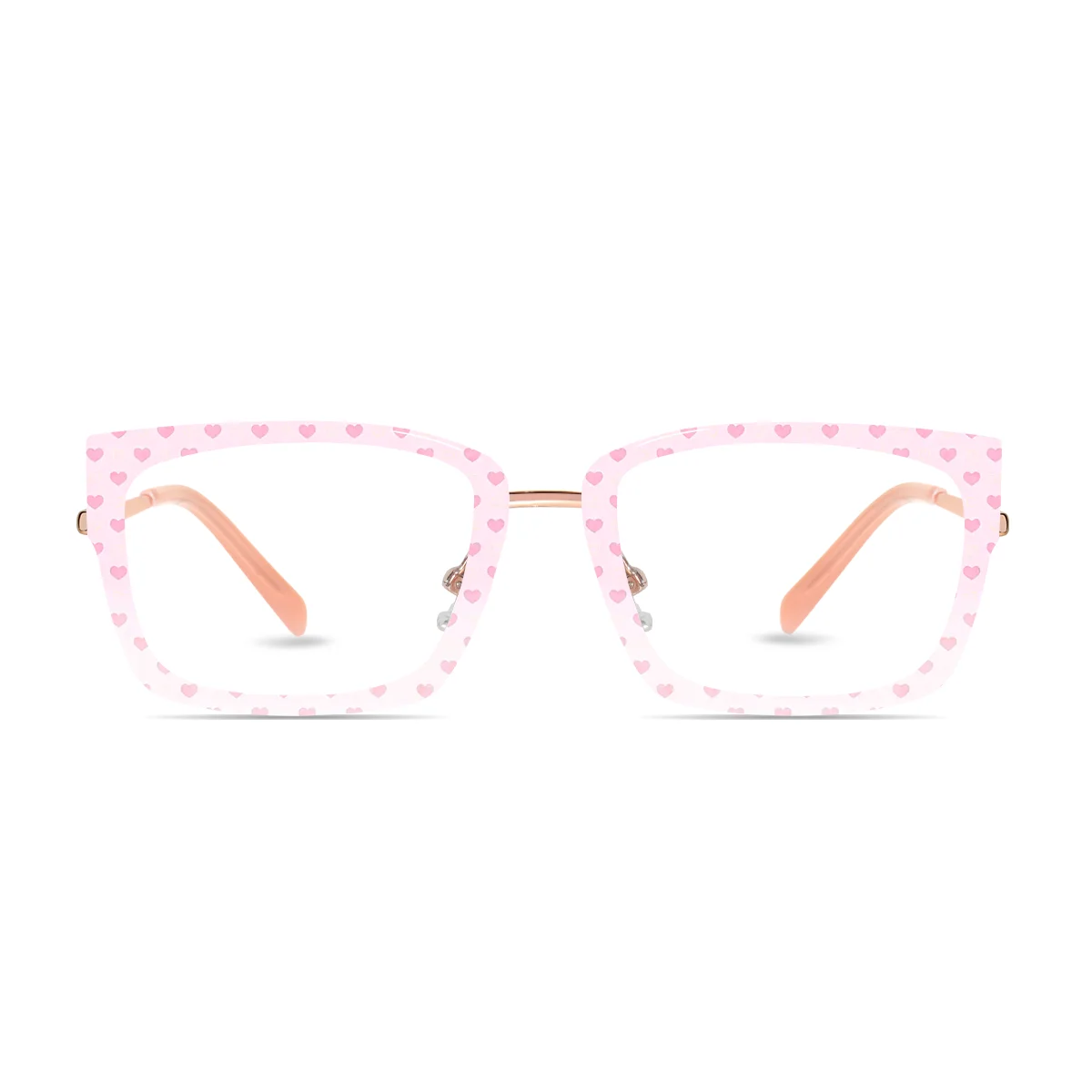
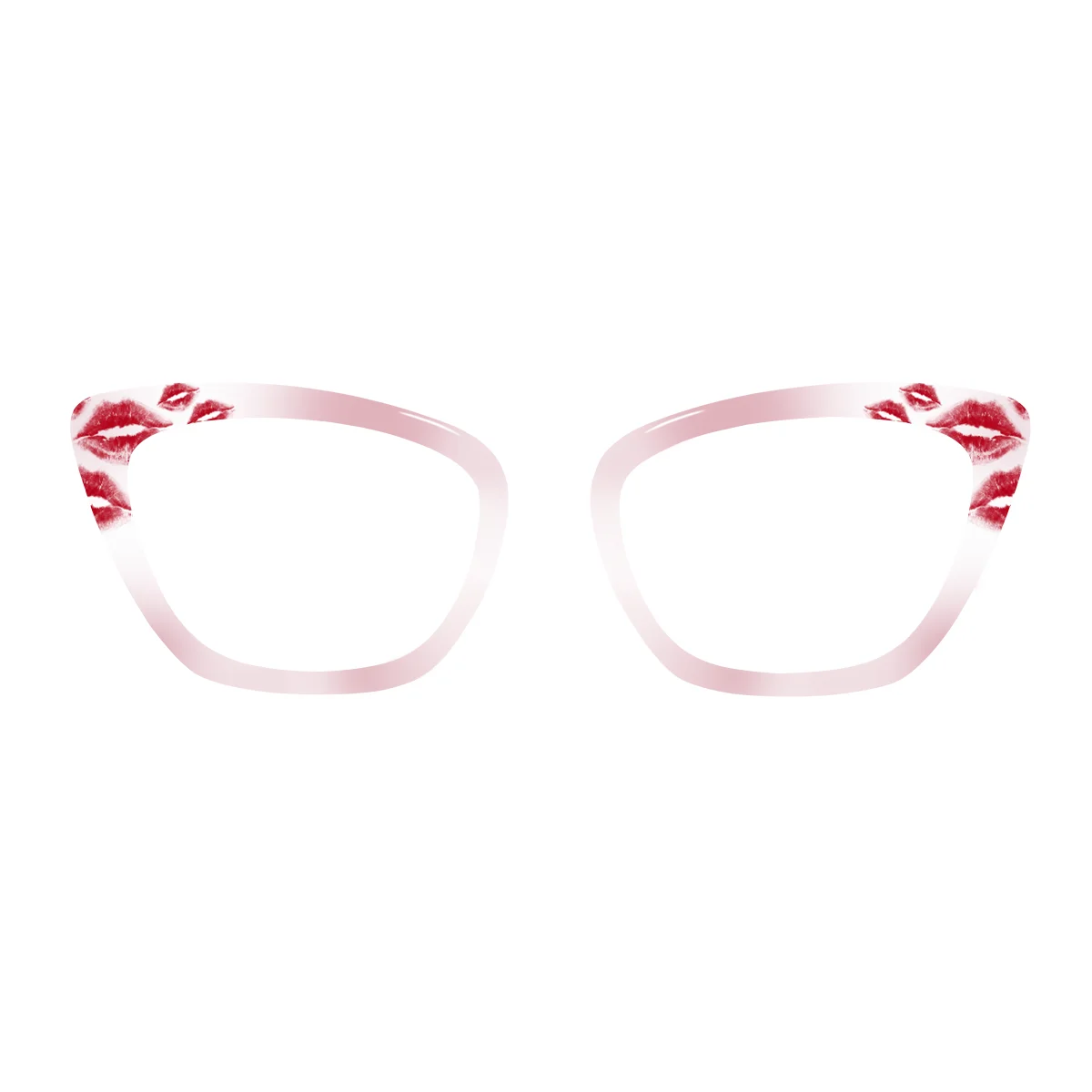
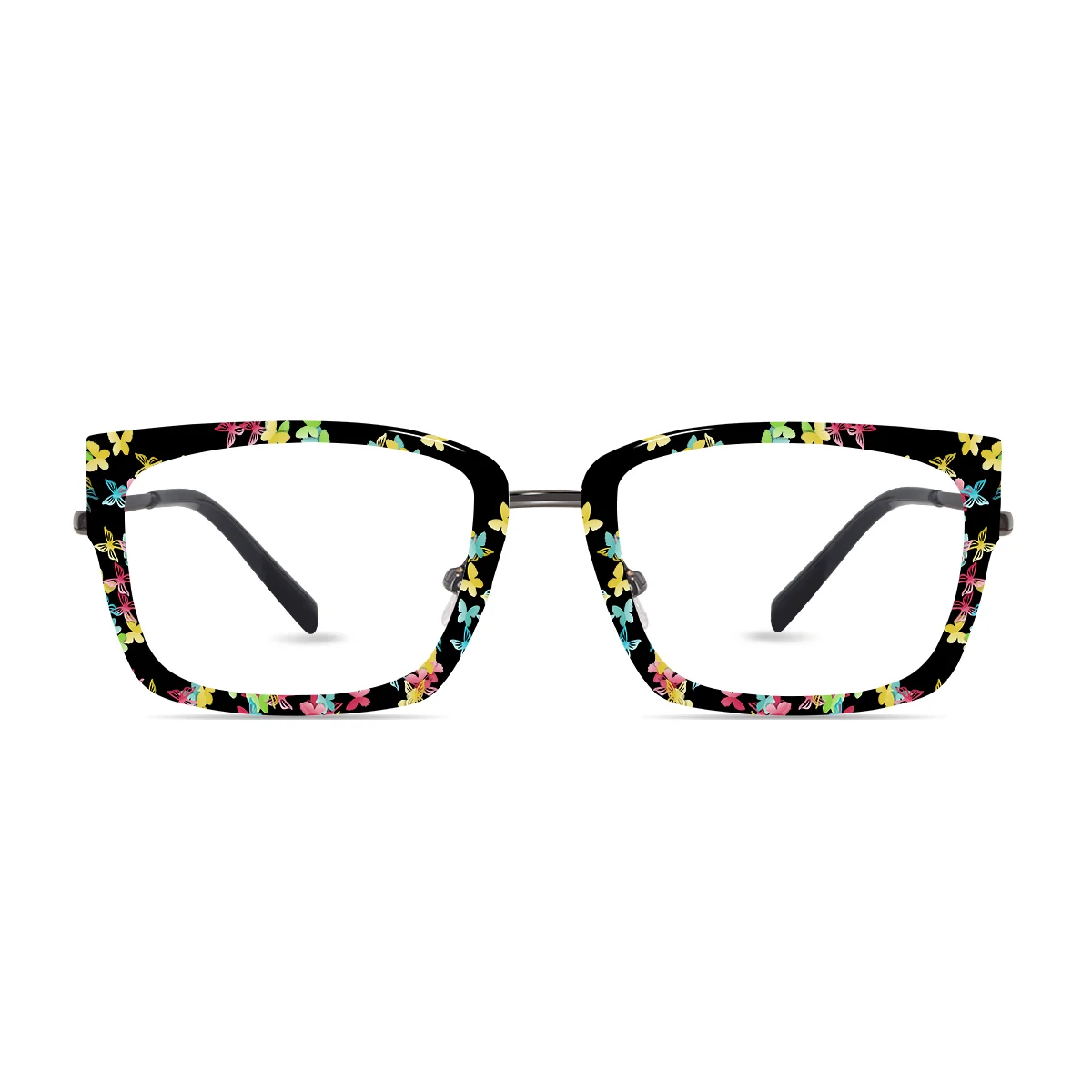
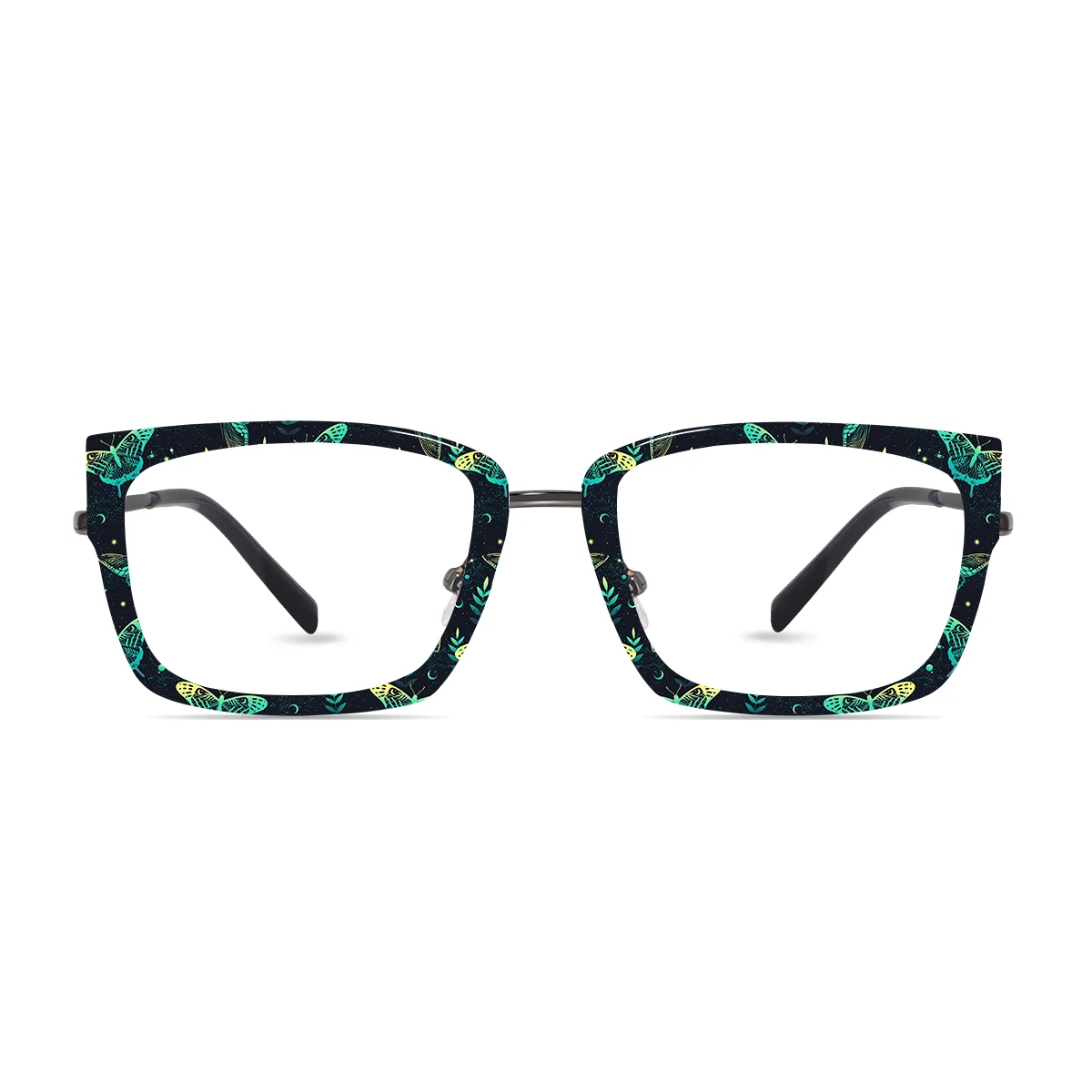
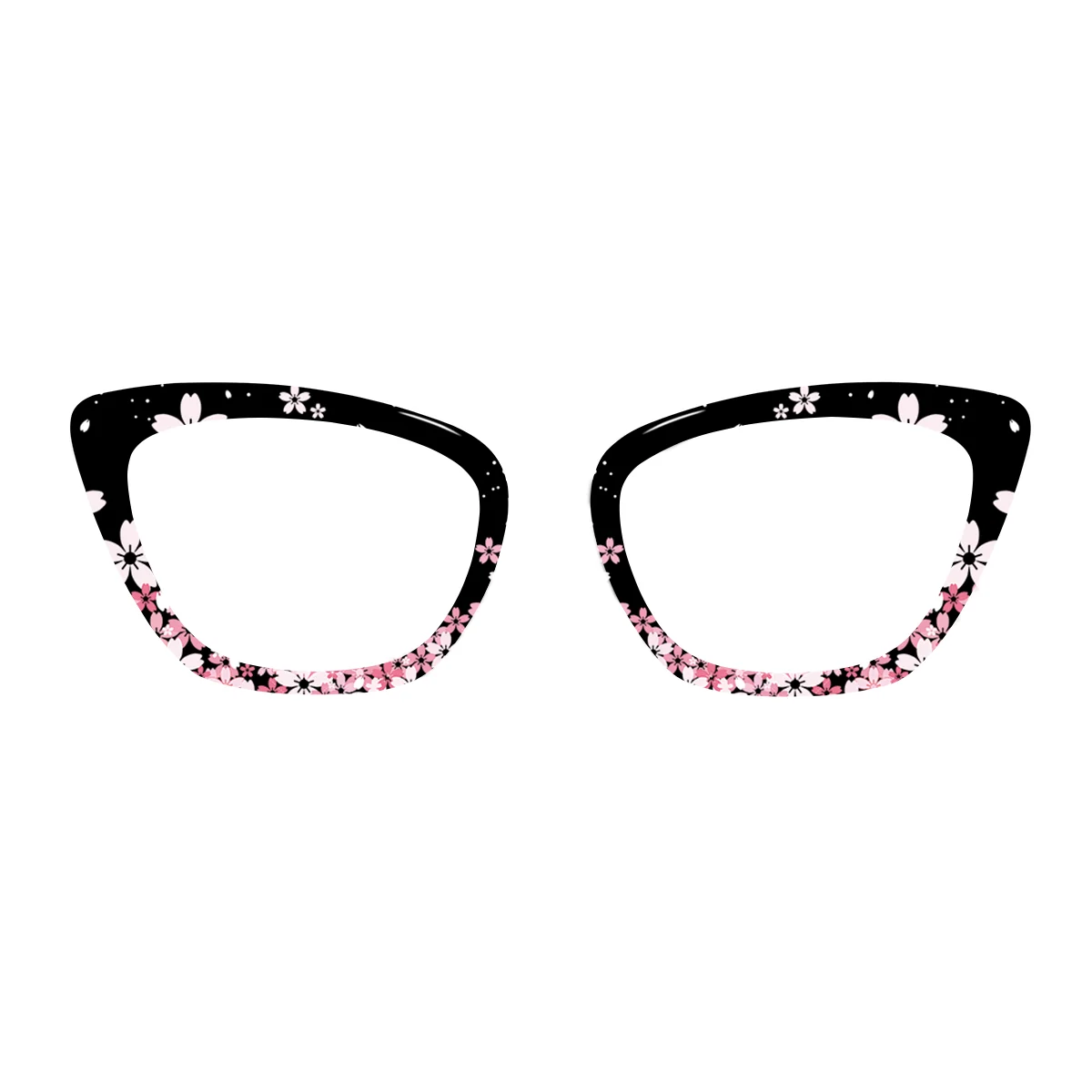
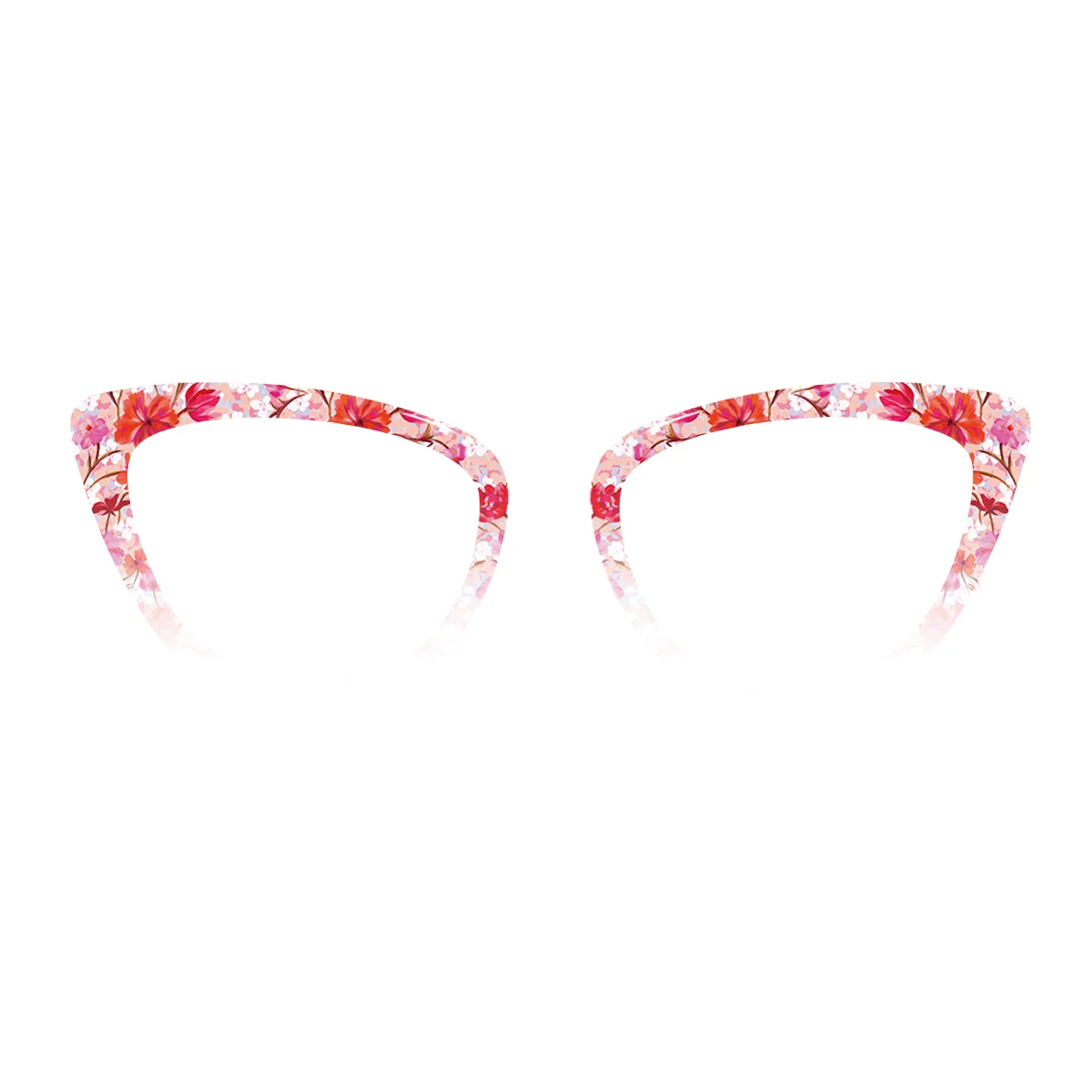
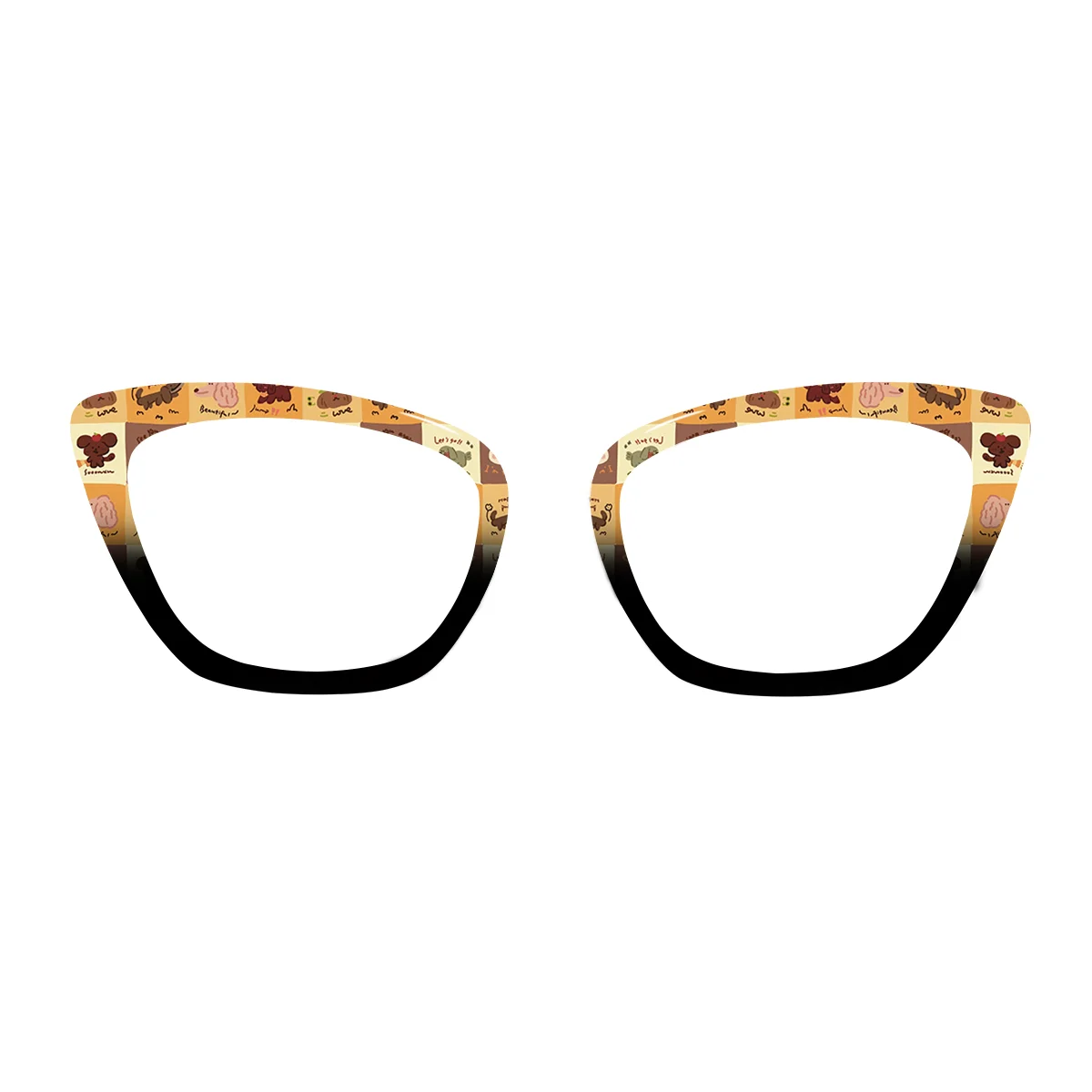
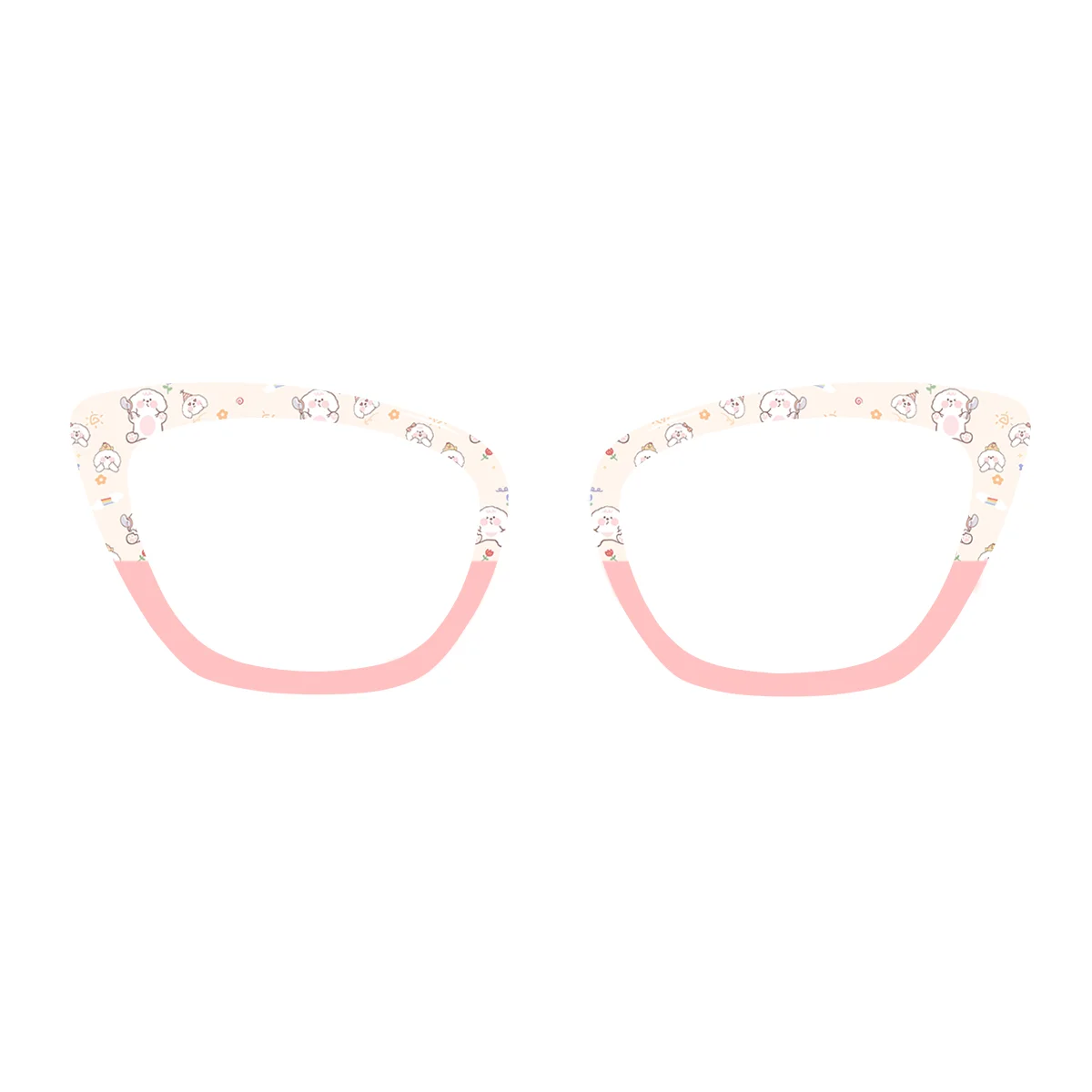
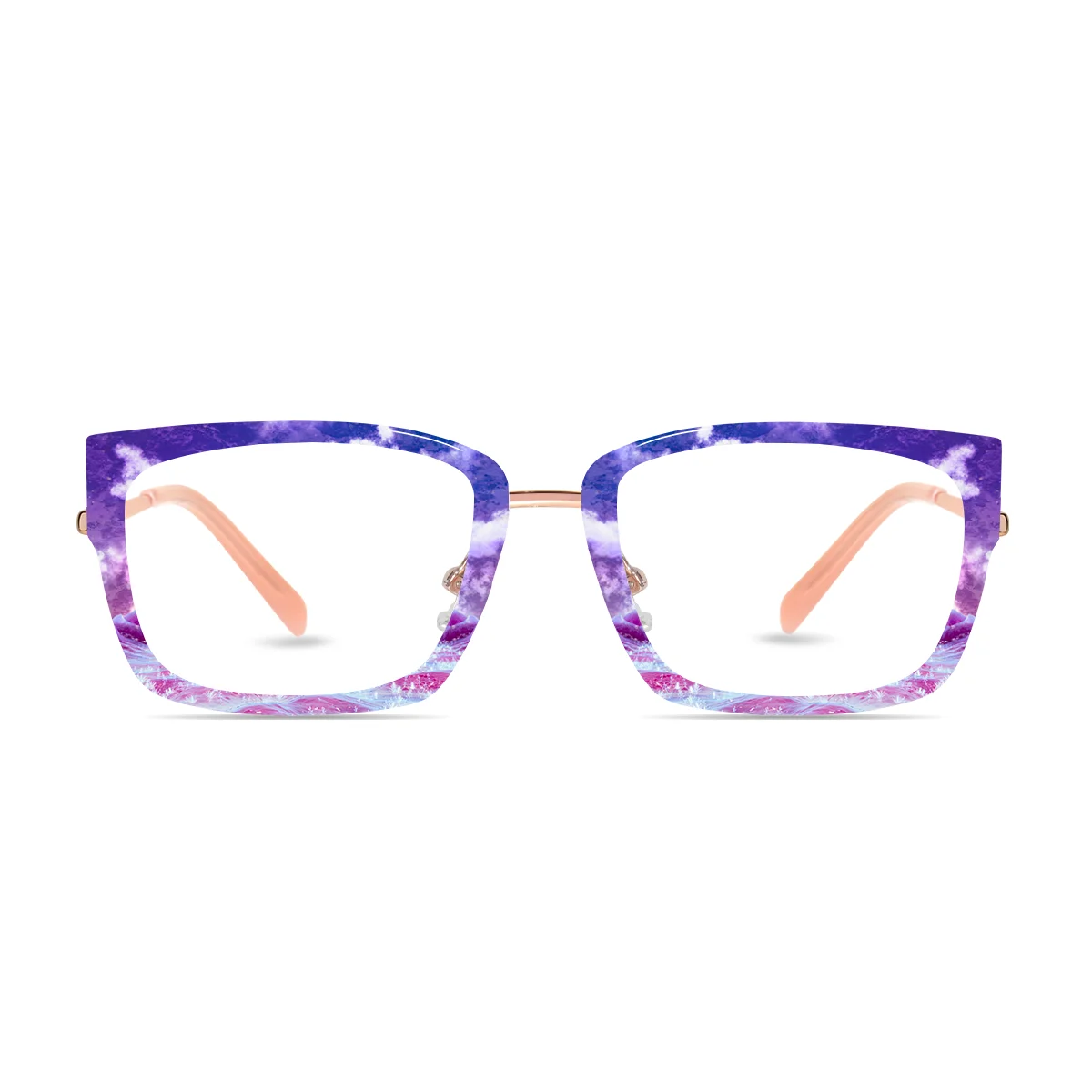
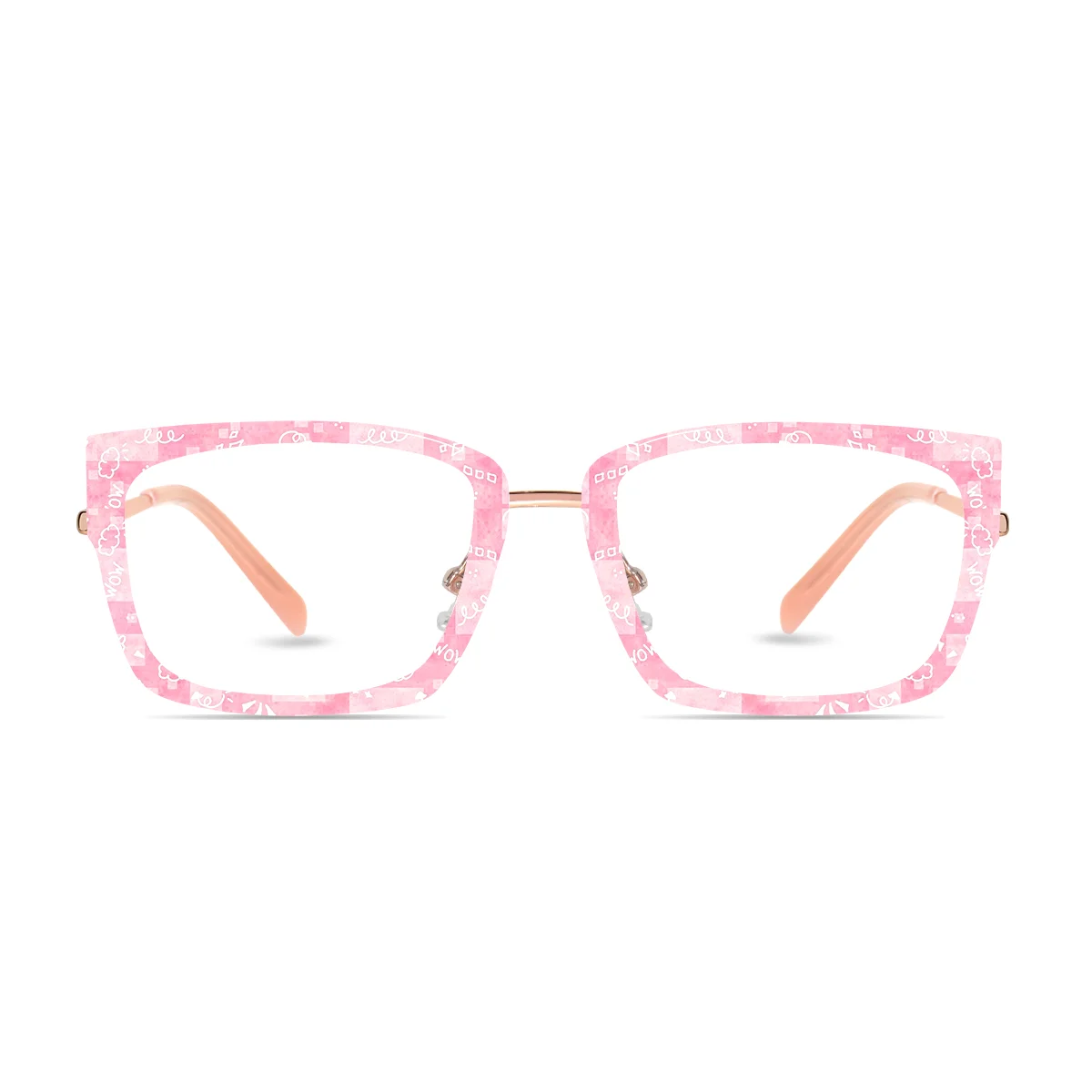
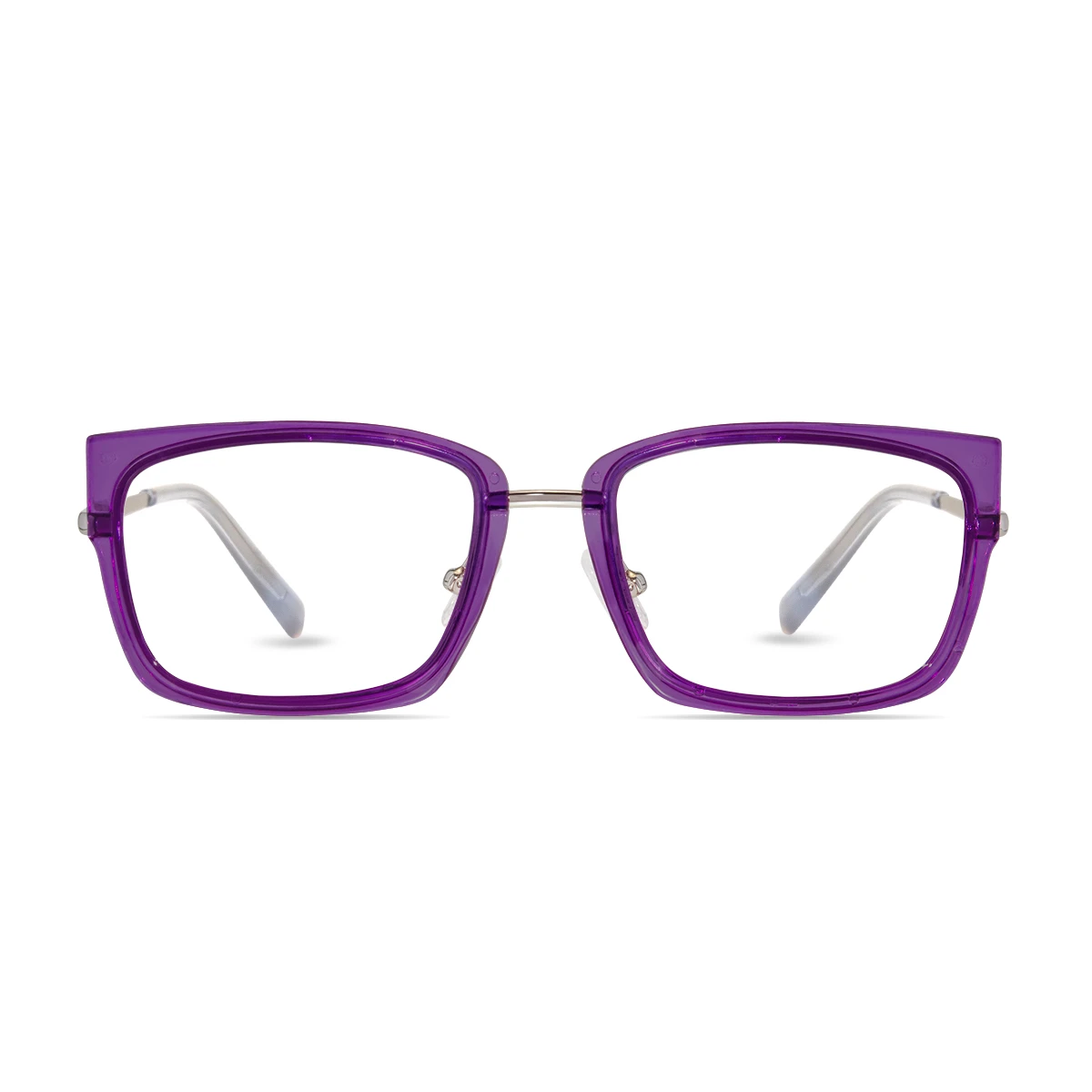
Solid Color Top Frame for Soline

- Burgundy – Crystal (C01)
- Red – Crystal(C02)
- Burnt Orange – Crystal(C03)
- Marmalade – Crystal(C04)
- Sunshine Yellow – Crystal(C05)
- Lime Green – Crystal(C06)
- Sage – Crystal(C08)
- Green Forest – Crystal(C07)
- Army Green – Crystal(C09)
- Spruce – Crystal(C10)
- Turquiise – Crystal(C11)
- Cornflower– Crystal(C12)
- Navy – Crystal(C13)
- Indigo – Crystal(C14)
- Blue Orchid – Crystal(C15)
- Mauve – Crystal(C16)
- Lavender – Crystal(C21)
- Purple – Crystal(C17)
- Grape – Crystal(C18)
- Coral – Crystal(C19)
- Hot Pink – Crystal(C20)
- Chocolate – Crystal(C22)
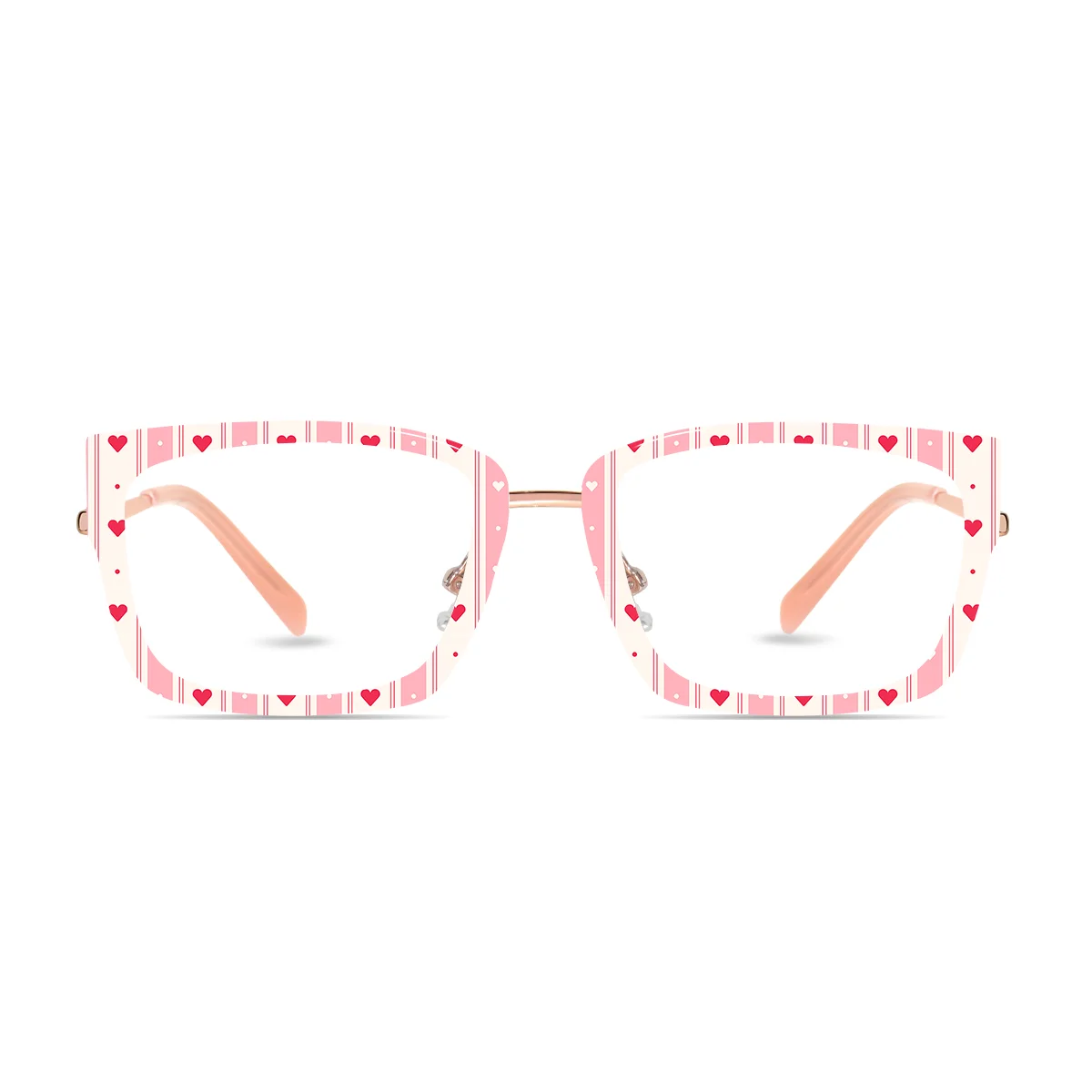
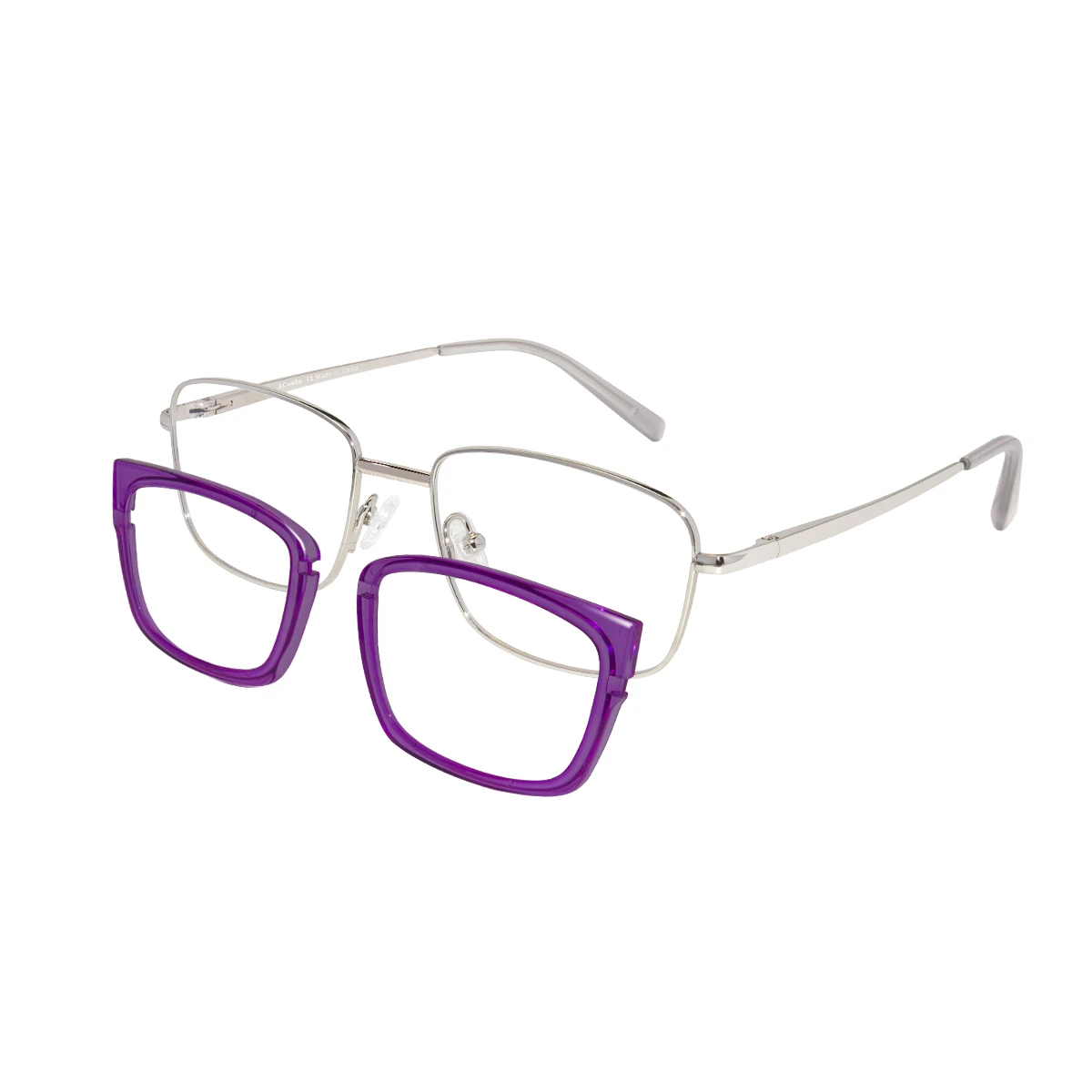
Crystal Color Top Frame + Metallic Silver Base - Soline


Living a Multifaceted Life: How Custom Modular Eyewear Defines Your Personal Identity
Yet for years, eyewear has tried to force all these identities into one fixed frame.In a world where people change roles, moods,...
The Secret Weapon for Sculpting Your Face: How to Customize Eyewear Based on Your Cheekbones and Brow Shape
When it comes to elevating your appearance, most people think about hairstyles, makeup, or wardrobe upgrades. But there’s one transformative accessory that...
How Mechanical Clip Systems Make Quick Temple Replacement Possible: The Future of Modular Eyewear Design
Eyewear has evolved far beyond simple vision correction. Today, glasses are fashion statements, performance tools, and everyday essentials that must adapt to...
Why Your Glasses Keep Getting Looser Over Time: How Improper Handling Causes Hidden Structural Damage
Glasses are designed to be durable, precise, and comfortable. Yet many people notice the same frustrating pattern: a new pair fits perfectly...
Are Pink Glasses in Style?
Pink glasses are a timeless symbol of charm and personality. They evoke feelings of compassion, love, and hope, making them a popular...
One-Second Color Switch
How to Match Your Glasses Frame to Today’s Outfit—EffortlesslyLet’s be honest.You don’t wear the same outfit every day.Some days it’s clean and...