


Never Fear Broken Temples Again: How Modular Glasses Save You Serious MoneyThe Cost-Saving Power of Replaceable Eyeglass Parts
If you’ve ever owned a pair of glasses long enough, you already know the story.
One small drop.
One careless sit.
One rushed morning.
And suddenly — snap.
A broken temple arm.
For many people, that tiny fracture means one thing:
Buying an entirely new pair of glasses.
Not because the lenses are damaged.
Not because the frames are worn out.
But because a single component failed.
Traditional eyewear is built as one unified structure. When one part breaks, the whole system becomes unusable.
But what if glasses worked differently?
What if you could simply replace the broken part — like swapping a battery or changing a phone case?
That’s exactly what modular glasses are designed to do.
And beyond convenience, modular eyewear can save you hundreds of dollars over time.
Let’s break down why glasses with replaceable arms are quickly becoming one of the smartest investments in modern eyewear.
The Real Cost of Traditional Eyeglass Repairs
Before we talk about modular eyewear, we need to talk about money.
Because the problem isn’t just inconvenience — it’s cost.
The Average Eyeglass Replacement Cycle
Most people replace their glasses every 1–2 years.
But not always because of prescription changes.
Common reasons include:
- Broken temple arms
- Snapped hinges
- Cracked bridge
- Loose or bent frames
- Cosmetic damage
When one part breaks on traditional frames, repair options are limited.
Typical Eyeglass Repair Costs
Depending on the brand and material:
- Temple arm replacement: $30–$80
- Hinge repair: $40–$100
- Frame welding: $50–$120
- Full frame replacement: $150–$400+
And in many cases, replacement parts are unavailable — especially for fashion-forward or seasonal models.
So consumers are pushed toward buying a completely new pair.
That’s where modular glasses change the equation.
What Are Modular Glasses?
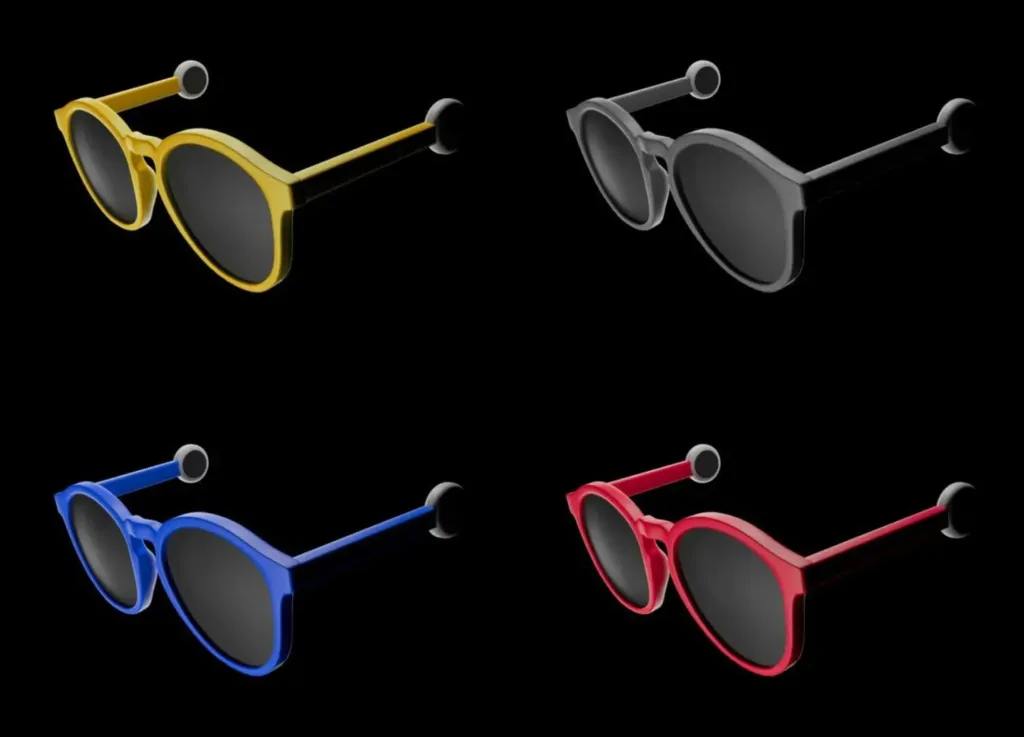
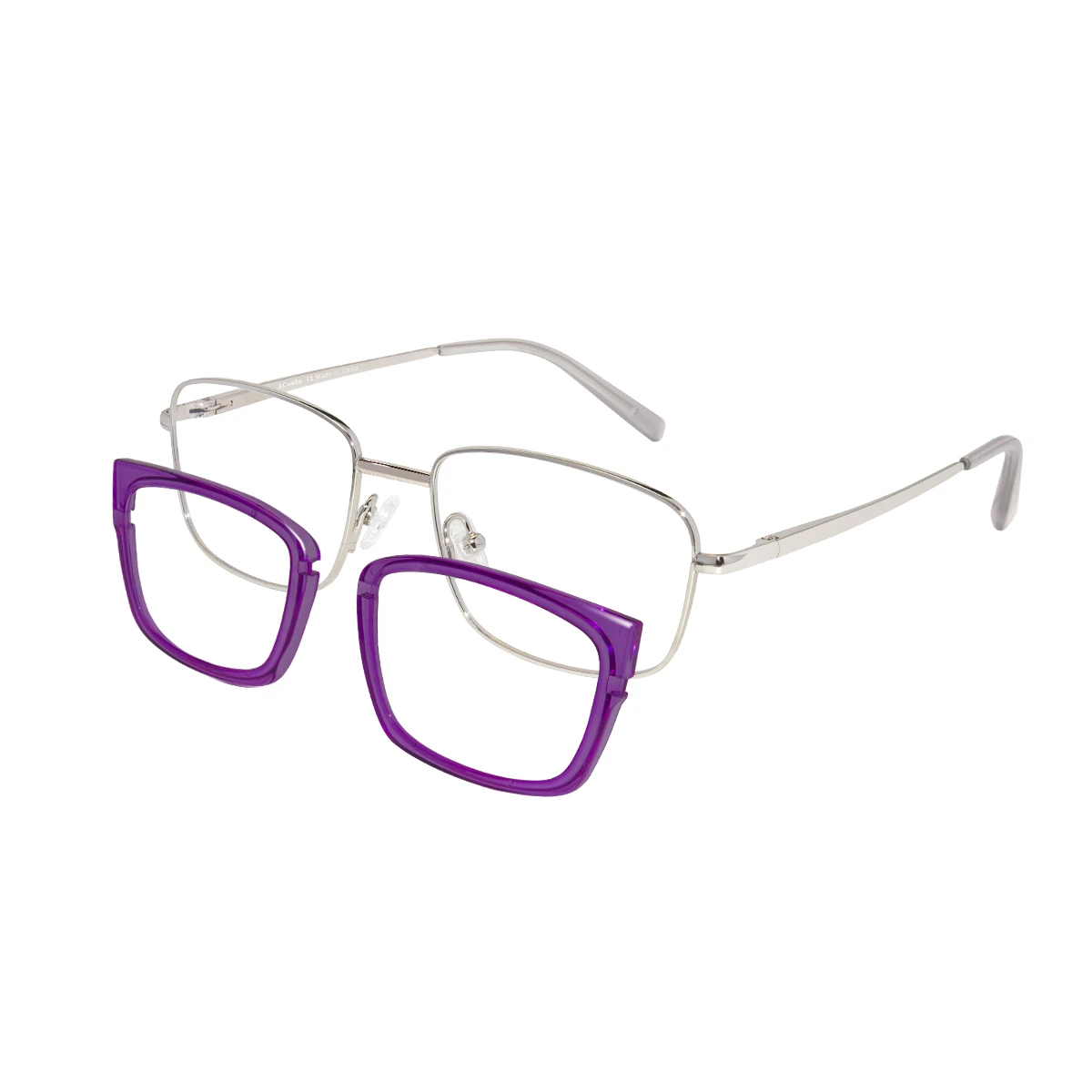
Modular glasses are eyewear systems designed with interchangeable and replaceable components.
Instead of a permanently fixed frame structure, modular eyewear includes:
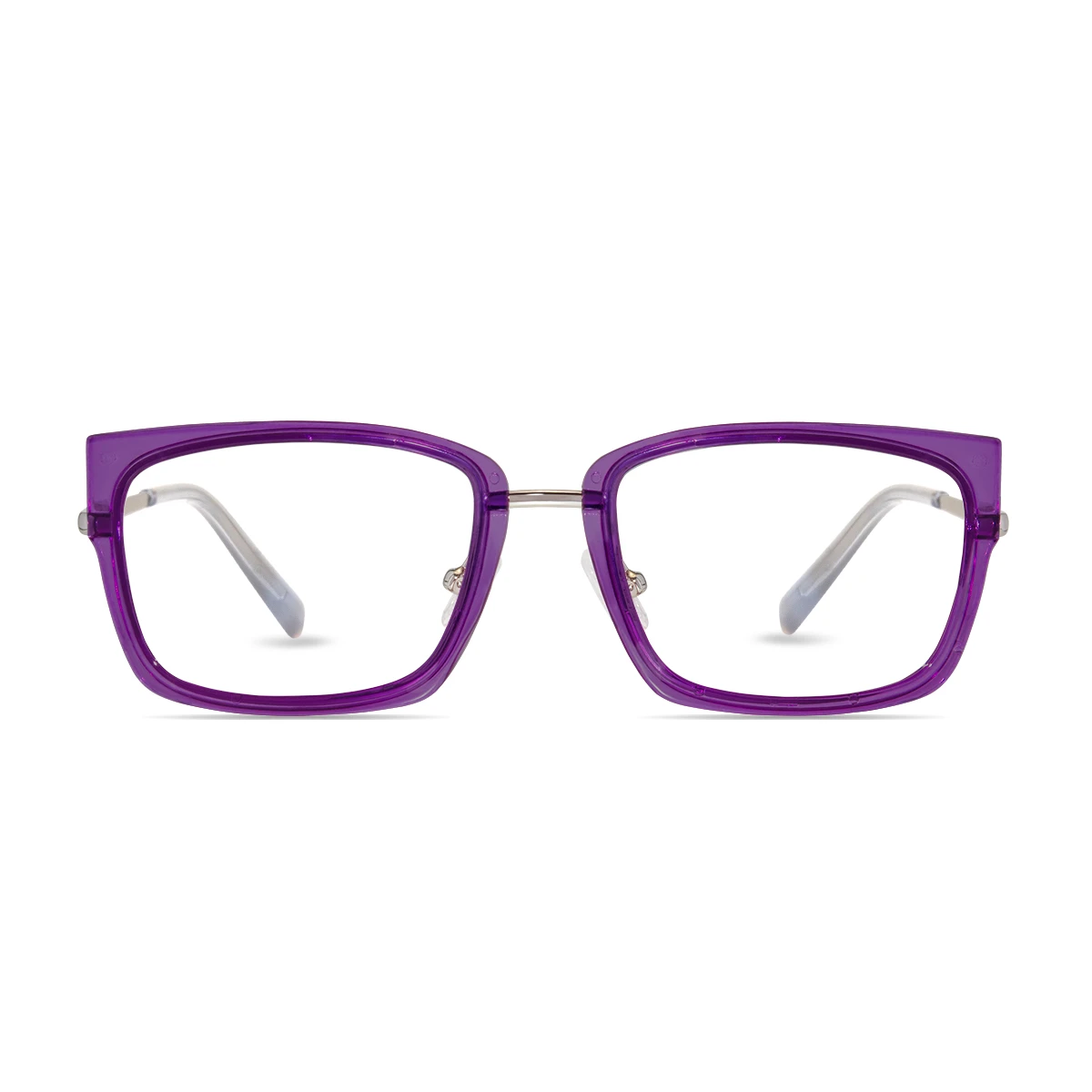
- Replaceable temple arms
- Detachable hinges
- Swappable nose bridges
- Interchangeable front frames
- Replaceable screws and connectors
The idea is simple:
When one part breaks, you replace that part — not the entire frame.
It’s like upgrading or repairing a modular smartphone or gaming PC.
And that structural difference dramatically reduces long-term eyewear costs.
Why Temple Arms Break So Often
Temple arms (also called eyeglass arms or sides) are the most vulnerable part of any frame.
Why?
Because they:
- Absorb pressure during daily wear
- Bend every time you put glasses on
- Experience torque when stored improperly
- Take impact when dropped
Even high-end acetate or metal frames are not immune.
The hinge area, in particular, is a stress concentration point.
With traditional glasses, that stress accumulates over time — until something gives.
With modular glasses featuring interchangeable temples, you simply detach and replace the damaged component.
No full-frame loss. No wasted lenses.

The Financial Advantage of Replaceable Eyeglass Parts
Let’s compare long-term costs.
Scenario: Traditional Glasses
- Initial purchase: $250
- Temple breaks after 12 months
- Replacement part unavailable
- New pair purchased: $250
Total cost over 2 years: $500
Scenario: Modular Eyewear
- Initial modular frame: $280
- Temple arm breaks
- Replacement arm: $35
- Lenses reused
Total cost over 2 years: $315
Savings: $185
Multiply that across multiple years — or multiple family members — and the difference becomes substantial.
Modular eyewear isn’t just convenient.
It’s cost-saving eyewear by design.
Extend the Life of Your Prescription Lenses
One of the most overlooked expenses in glasses isn’t the frame.
It’s the lenses.
High-quality prescription lenses can cost:
- $100–$400 depending on coatings and prescription complexity
When a traditional frame breaks beyond repair, those lenses often can’t be reused.
But modular glasses are designed with compatibility in mind.
If a front frame section cracks, you can:
- Replace only the front piece
- Transfer your existing lenses
- Avoid full repurchase
That’s a massive financial advantage.
Sustainable Glasses: Save Money and Reduce Waste
Modular eyewear isn’t just budget-friendly.
It’s environmentally responsible.
Traditional eyewear waste includes:
- Entire frames discarded for minor damage
- Excess manufacturing inventory
- Seasonal fashion turnover
Glasses with replaceable arms reduce waste by:
- Extending product lifespan
- Encouraging part replacement instead of disposal
- Supporting circular consumption
Consumers increasingly care about sustainability.
Modular glasses align with that mindset.
And sustainability often translates into cost savings over time.
Customization Without Rebuying Everything
Another benefit of interchangeable temples?
Style flexibility.
Instead of buying multiple full frames, you can:
- Swap colors
- Change materials
- Adjust temple designs
- Update your look affordably
Imagine owning:
- One core frame front
- Multiple interchangeable temple styles
Professional black for work.
Bright acetate for weekends.
Lightweight sports arms for outdoor activities.
All without purchasing multiple complete glasses.
That’s modular eyewear at its smartest.
Durability Through Design
Modular glasses aren’t weaker.
In many cases, they’re engineered to be stronger.
Why?
Because modular systems anticipate stress.
They often feature:
- Reinforced connection joints
- High-strength screws
- Shock-absorbing materials
- Flexible hinge mechanisms
Since components are replaceable, designers can focus on durability in high-stress areas.
Traditional frames try to be seamless.
Modular frames try to be serviceable.
That difference matters.
Who Benefits Most From Modular Eyewear?
While everyone can save money with modular glasses, some groups benefit especially:
1. Active Individuals
People who exercise, travel, or commute frequently put stress on frames.
Replaceable eyeglass parts prevent costly full replacements.
2. Parents Buying Glasses for Kids
Children break glasses more often.
Modular systems reduce the financial burden of frequent damage.
3. Budget-Conscious Consumers
Long-term savings add up quickly.
4. Sustainability-Minded Buyers
Repair > Replace.
5. Fashion-Oriented Wearers
Customization without full-frame repurchase.
Comparing Modular Glasses vs Traditional Frames
| Feature | Traditional Glasses | Modular Glasses |
|---|---|---|
| Temple Replacement | Often unavailable | Easily replaceable |
| Repair Cost | High | Low |
| Lens Reusability | Limited | High |
| Customization | Low | High |
| Sustainability | Moderate | Strong |
The structural advantage is clear.
Are Modular Glasses More Expensive Upfront?
Sometimes, yes.
Modular eyewear may cost slightly more initially due to:
- Engineering complexity
- Reinforced connectors
- Replaceable hardware
But that upfront cost is offset by:
- Lower repair expenses
- Extended product lifespan
- Lens preservation
- Fewer full-frame replacements
It’s the difference between short-term cost and long-term value.
The Psychology of Repairability
There’s something powerful about owning products that are repairable.
It creates:
- Confidence
- Reduced anxiety
- Sense of control
- Perceived product quality
When you know a broken temple doesn’t mean starting over, you treat your glasses differently.
You invest in them.
And that investment mindset increases customer loyalty.
The Future of Modular Eyewear
As technology evolves, modular glasses may expand to include:
- Magnetic connection systems
- Tool-free part swapping
- Smart hinge components
- 3D printed replacement parts
- Subscription-based upgrade modules
The eyewear industry is slowly shifting from disposable fashion cycles to durable design systems.
Modular architecture supports that shift.
How to Choose the Best Modular Glasses
If you’re considering modular eyewear, look for:
- Secure but easy-to-remove temple connections
- Available replacement part inventory
- High-quality hinge materials
- Lens transfer compatibility
- Warranty support
Not all modular systems are equal.
The best designs balance durability with simplicity.
Final Thoughts: Stop Replacing What You Can Repair
A broken temple arm shouldn’t cost you $300.
A cracked hinge shouldn’t force a full frame replacement.
Glasses are tools.
They should be maintainable — not disposable.
Modular glasses with replaceable eyeglass parts offer:
- Real cost savings
- Longer lifespan
- Sustainable consumption
- Customizable style
- Reduced frustration
In a world where many products are built to be replaced, modular eyewear stands out by being built to last.
And once you experience the freedom of simply swapping a broken part instead of buying an entirely new pair…
You’ll never look at traditional frames the same way again.

Share this post
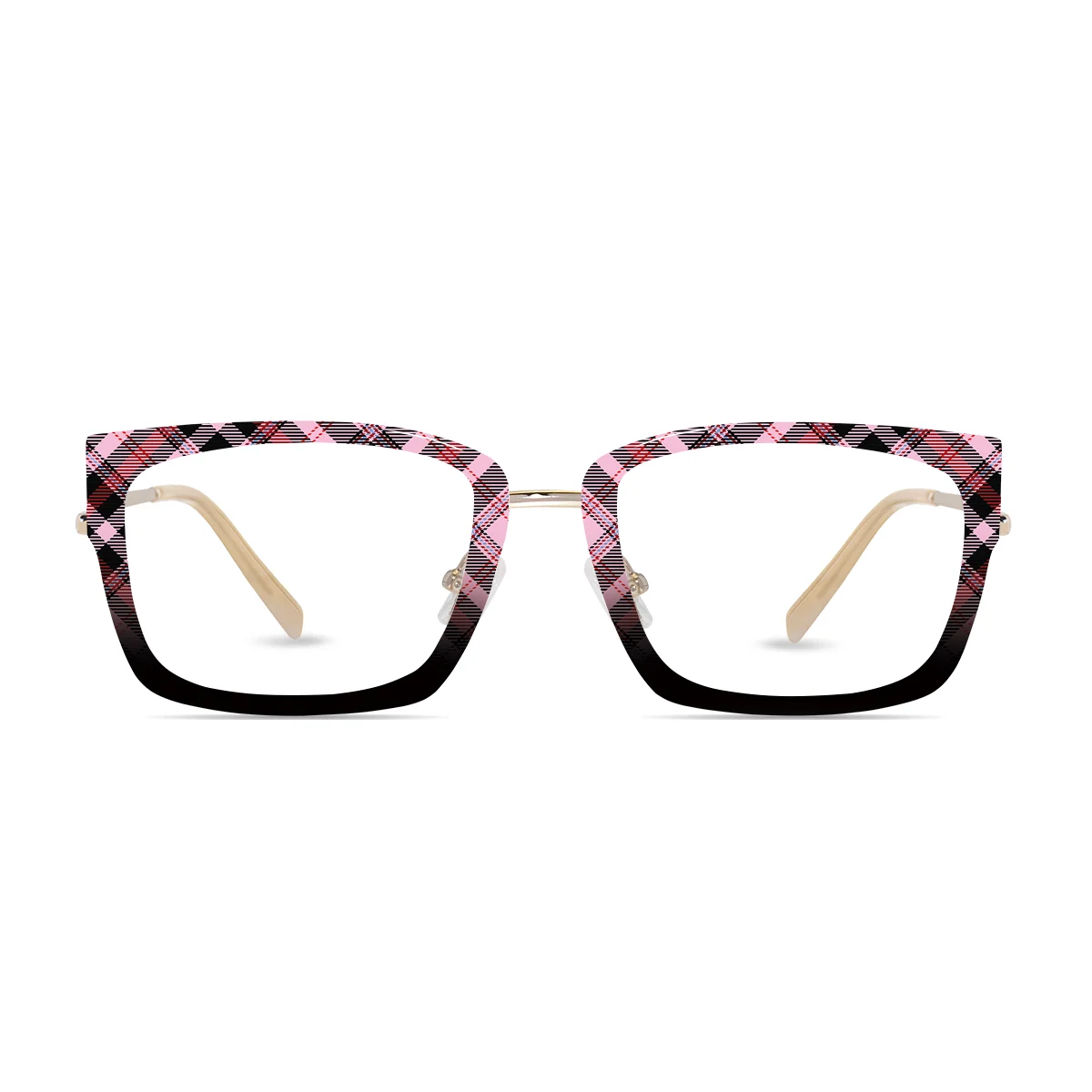
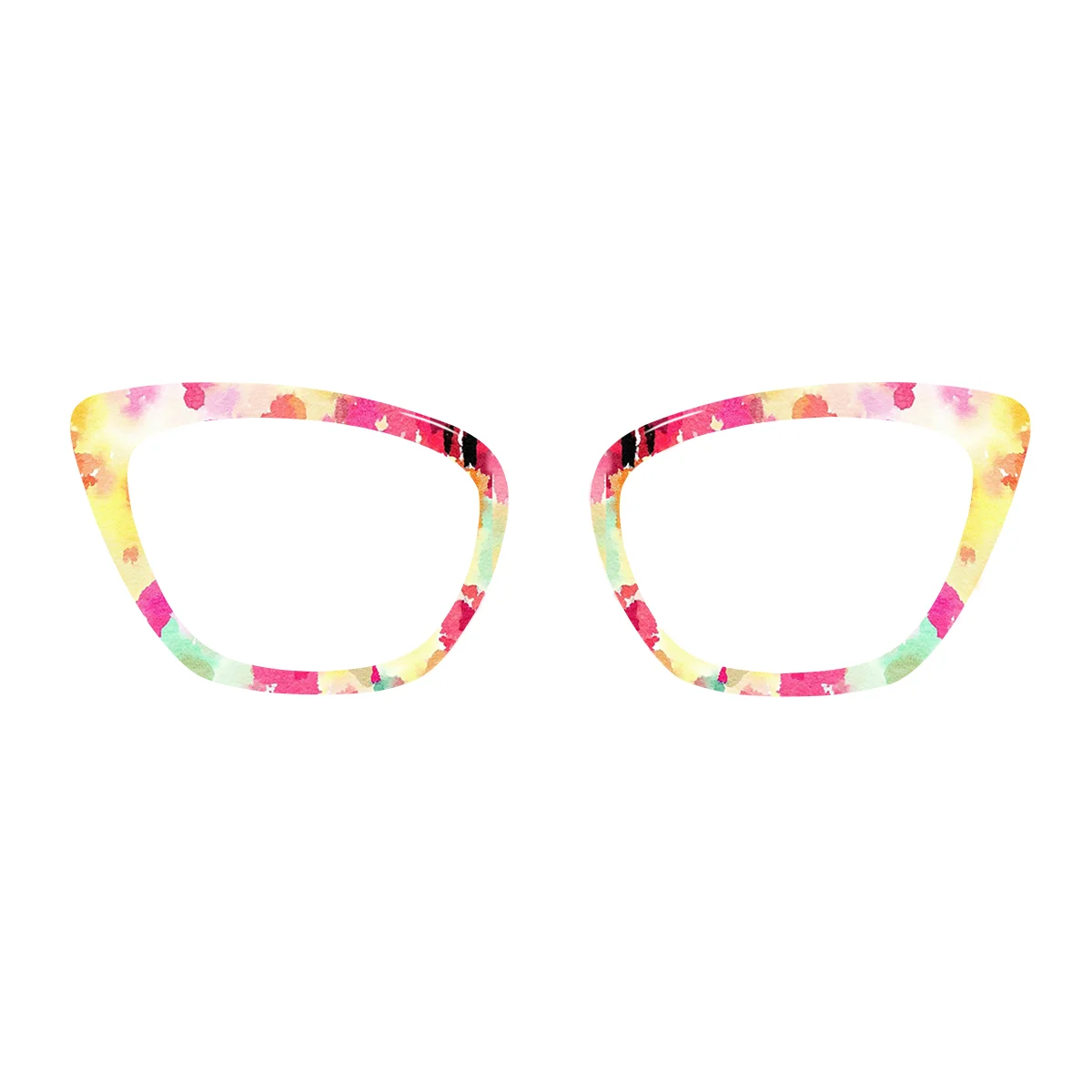
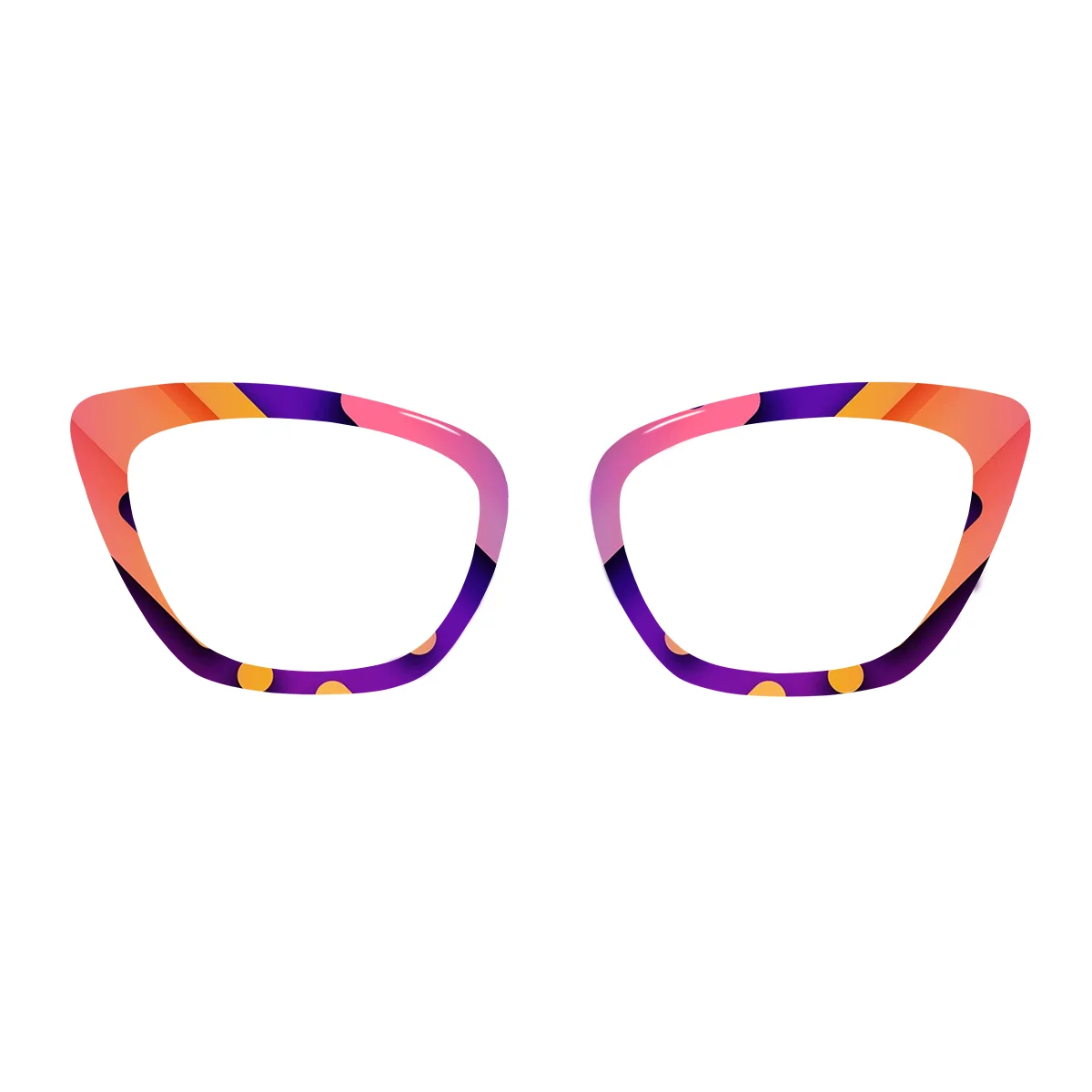
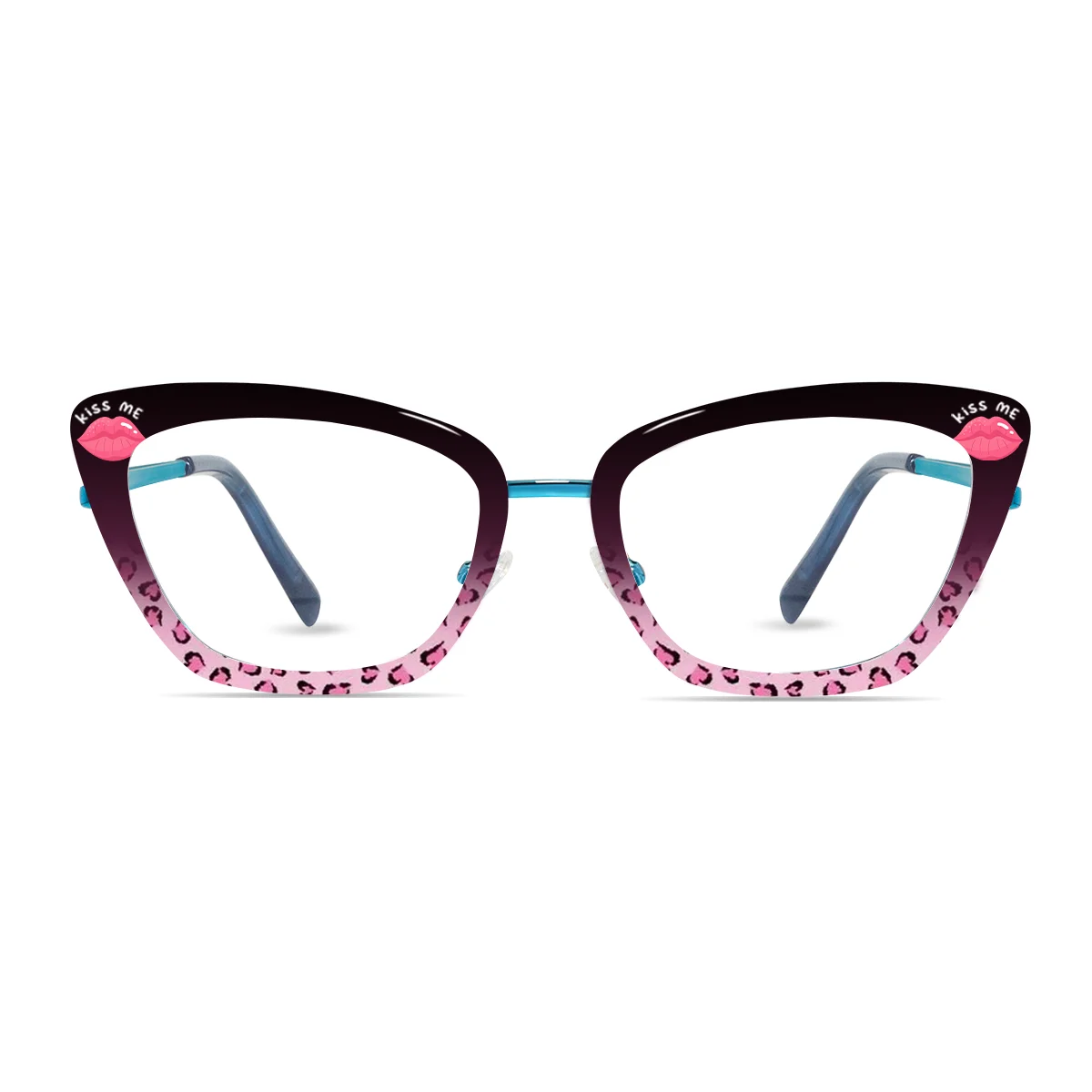
- Burgundy – Crystal (C01)
- Red – Crystal(C02)
- Burnt Orange – Crystal(C03)
- Marmalade – Crystal(C04)
- Sunshine Yellow – Crystal(C05)
- Lime Green – Crystal(C06)
- Sage – Crystal(C08)
- Green Forest – Crystal(C07)
- Army Green – Crystal(C09)
- Spruce – Crystal(C10)
- Turquiise – Crystal(C11)
- Cornflower– Crystal(C12)
- Navy – Crystal(C13)
- Indigo – Crystal(C14)
- Blue Orchid – Crystal(C15)
- Mauve – Crystal(C16)
- Lavender – Crystal(C21)
- Purple – Crystal(C17)
- Grape – Crystal(C18)
- Coral – Crystal(C19)
- Hot Pink – Crystal(C20)
- Chocolate – Crystal(C22)
Crystal Color Top Frame + Metallic Silver Base - Soline





Living a Multifaceted Life: How Custom Modular Eyewear Defines Your Personal Identity
Yet for years, eyewear has tried to force all these identities into one fixed frame.In a world where people change roles, moods,...
Are Pink Glasses in Style?
Pink glasses are a timeless symbol of charm and personality. They evoke feelings of compassion, love, and hope, making them a popular...
One-Second Color Switch
How to Match Your Glasses Frame to Today’s Outfit—EffortlesslyLet’s be honest.You don’t wear the same outfit every day.Some days it’s clean and...
Nerd Glasses: Choosing the Best Pair to Match Your Style
Nerd glasses have evolved from being a stereotype to a trendy fashion statement. With their unique designs and bold frames, these glasses...
How to Measure Pupillary Distance(PD)?
What Is Pupillary Distance(PD)?Pupillary Distance (PD) is the measurement, in millimeters, between the centers of your two pupils. This measurement is essential...
The Ultimate Value Champion - How One Pair of Modular Glasses Can Handle Work, Workouts, and Dates
Real value is about buying smarter.We expect one smartphone to replace a camera, a GPS, a notebook, and a wallet.We expect one...