


Gravity’s Grudge: Why Your Glasses Keep Sliding Down (And How Your Frames Are Trying to Tell You Something)
We’ve all been there. You’re in the middle of a high-stakes board meeting, leaning over a delicious plate of pasta, or simply looking down to tie your shoes, and it happens—the "slide." With a mind of their own, your glasses begin their slow, inevitable descent toward the tip of your nose. You push them back up with your index finger—the universal gesture of the frustrated intellectual—only for them to begin the journey again thirty seconds later.
If you find yourself adjusting your eyewear fifty times a day, it’s easy to blame the weather, your skin type, or just "bad luck." But the truth is much more scientific. When your glasses keep sliding, it’s not an accident; it’s your nose pads and temple arms "throwing a tantrum."
In this 4,000-word deep dive, we’re going to explore the "Black Tech" of eyewear ergonomics. We’ll dissect the mechanical failures of off-the-shelf frames and show you how custom engineering can turn your glasses from a sliding nuisance into a weightless extension of your face.
1. The Physics of the Slide: Why Do Glasses Move?
To stop the slide, we must first understand the forces at play. Your glasses are essentially a bridge structure supported by three points: the bridge of your nose and your two ears. This is known as the Three-Point Fit.
When this system fails, it’s usually due to one of three physical culprits:
The Fulcrum Effect
Your lenses are the heaviest part of your glasses. If the temple arms (the "arms" of the glasses) are too light or too loose, the center of gravity shifts forward. Your nose becomes a fulcrum, and the weight of the lenses pulls the front of the frames down.
The Friction Gap
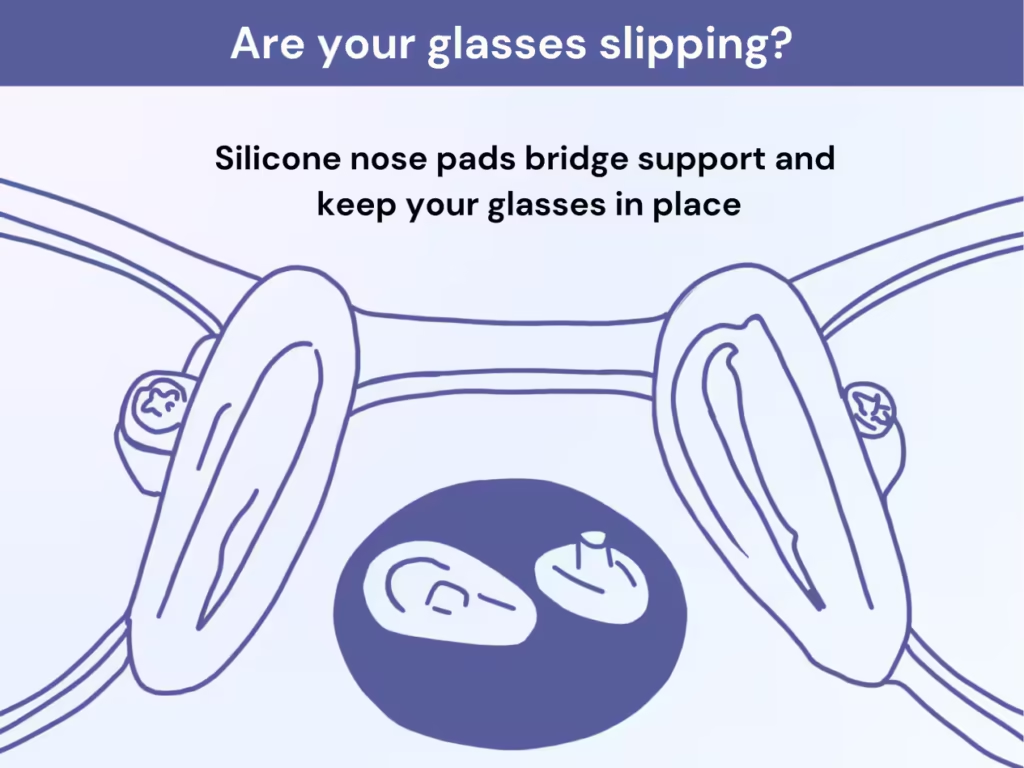
Skin produces sebum (oil), especially around the T-zone of the nose. If your nose pads are made of low-grade hard plastic (common in cheap "fast-fashion" frames), they have zero "grip." Add a little oil or sweat, and you’ve created a slip-and-slide for your eyewear.
Mechanical Fatigue
Over time, the screws in your hinges loosen, and the acetate or metal in the temples "spreads." This reduces the lateral pressure (the "hug" against your head), leaving the frames to rely solely on your nose for support.
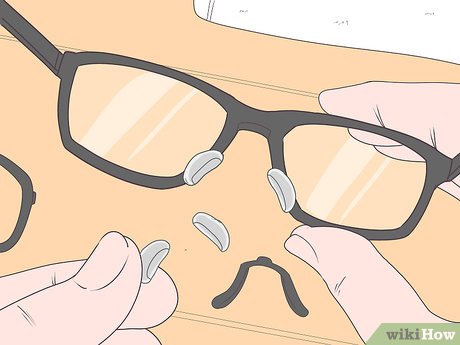
2. When Nose Pads "Throw a Tantrum": The Bridge Problem
The bridge of the nose is the most sensitive real estate on your face. It’s where your glasses exert the most pressure, and it’s the primary culprit behind the slide.
The "One Size Fits None" Standard
Most mass-produced glasses are built for a "standard" nasal bridge. However, human anatomy is incredibly diverse. If you have a Low Bridge (common in many Asian and African ethnicities), standard frames will sit on your cheeks rather than your nose. If you have a High, Narrow Bridge, standard nose pads will pinch the soft tissue, causing redness and forcing the frames upward and then downward.
The Material Evolution: From Plastic to Medical-Grade Silicone
The "Black Tech" solution for nose pads involves moving away from hard PVC.
- Air-Bag Silicone Pads: These are hollow, allowing them to deform and "suction" to the unique contour of your nose.
- Titanium Pads: Found in bespoke eyewear, these are hypoallergenic and ultra-smooth. While they seem "slippery," they are designed to be perfectly angled to your nasal slope, using surface area rather than "stickiness" to stay in place.
3. The Temple Arms: The Silent Saboteurs
While we look at the nose when glasses slide, the problem often starts at the ears. If your nose pads are the "anchor," your temple arms are the "engine."
The "Mastoid Pinch"
If your temple arms are too short, they don't wrap behind the ear correctly. Instead of hooking onto the mastoid bone, they just sit on top of it. This creates a forward-pushing force every time you move your jaw or blink.
The "Width Warp"
If your head is wider than the "standard" frame, the temples will bow outward. This creates a "spring-out" effect that actually pushes the frames away from your face.
The Custom Fix: High-end bespoke eyewear uses 3D Cranial Mapping to measure the exact distance from your temple to the back of your ear. By curving the temple arm to follow the specific bone structure of your skull, the glasses "lock" into place without needing to be tight.
4. "Black Tech" Materials: The Lightweight Revolution
If your glasses are heavy, gravity will always win. The ultimate way to stop the slide is to reduce the "mass" that gravity has to pull on.
By switching to Beta-Titanium, you reduce the frame's weight by up to 50%. This moves the center of gravity closer to your ears, naturally keeping the glasses seated on your nose.
5. The "Bespoke" Advantage: Why Customization is the Only Permanent Fix
You can buy "nose pad stickers" or "wax" to stop your glasses from sliding, but these are band-aids. The only way to stop the slide permanently is to have the frames digitally tailored to your face.
The 3D Scan Process
Modern custom eyewear brands use 3D scanners to take thousands of data points of your face. They measure:
- The Splay Angle: The angle at which your nose widens.
- The Pantoscopic Tilt: The angle of your cheeks.
- The Temple Length: The exact millimetric distance to your ear.
When a frame is built from this data, the "tantrum" stops. The nose pads rest on the bone with zero pressure, and the temples "hug" the head with just enough tension to resist gravity, but not enough to cause a headache.
6. DIY Quick Fixes vs. Professional Adjustments
If you can’t get custom frames today, how do you calm your current frames down?
- The Blow Dryer Trick (Acetate Only): Gently warm the "bend" of the temple arm and curve it slightly further down and in. Warning: Too much heat can snap the frame or ruin the finish.
- The "Stop-the-Slide" Wax: There are beeswax-based sticks you can apply to the bridge. It’s effective for a workout, but it requires constant reapplication.
- The Professional Alignment: Visit an optician who understands Frame Geometry. Sometimes, a simple "nose pad splay" adjustment can increase the contact surface area, providing more friction.
7. Conclusion: Respect Your Face, Demand Better Fit
Glasses are the only piece of medical equipment we are expected to wear on our faces for 16 hours a day. We wouldn't wear shoes that were two sizes too big, yet we tolerate glasses that slide, pinch, and "protest" every time we move.
If your nose pads and temple arms are "throwing a tantrum," listen to them. They are telling you that the geometry is wrong. By embracing Material Science and Bespoke Customization, you can end the 50-pushes-a-day habit and finally experience "Zero-Gravity" vision.
Is your nose bridge "High" or "Low"?
Would you like me to help you identify your Bridge Profile and recommend the specific frame style that will stay put on your face forever?

Share this post
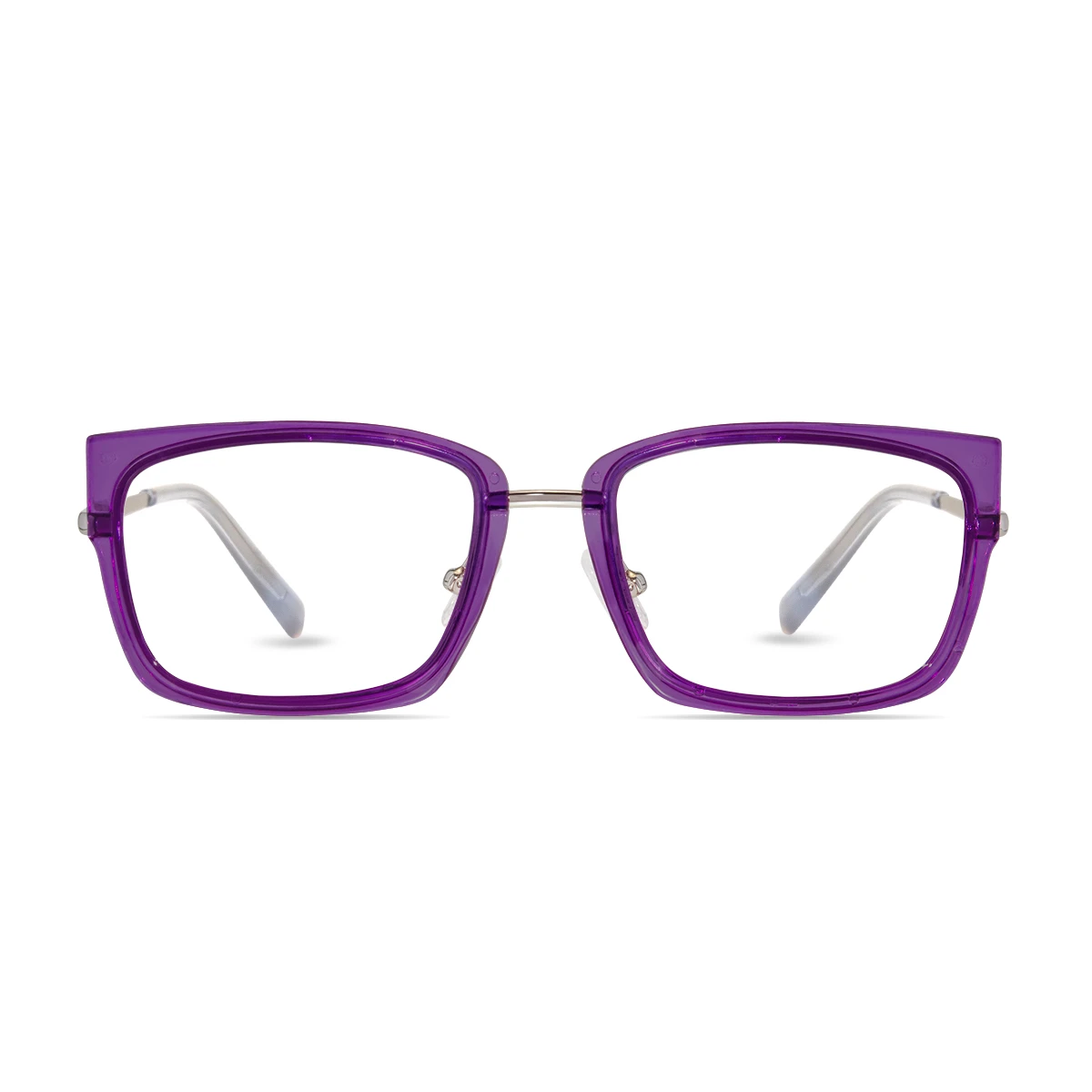
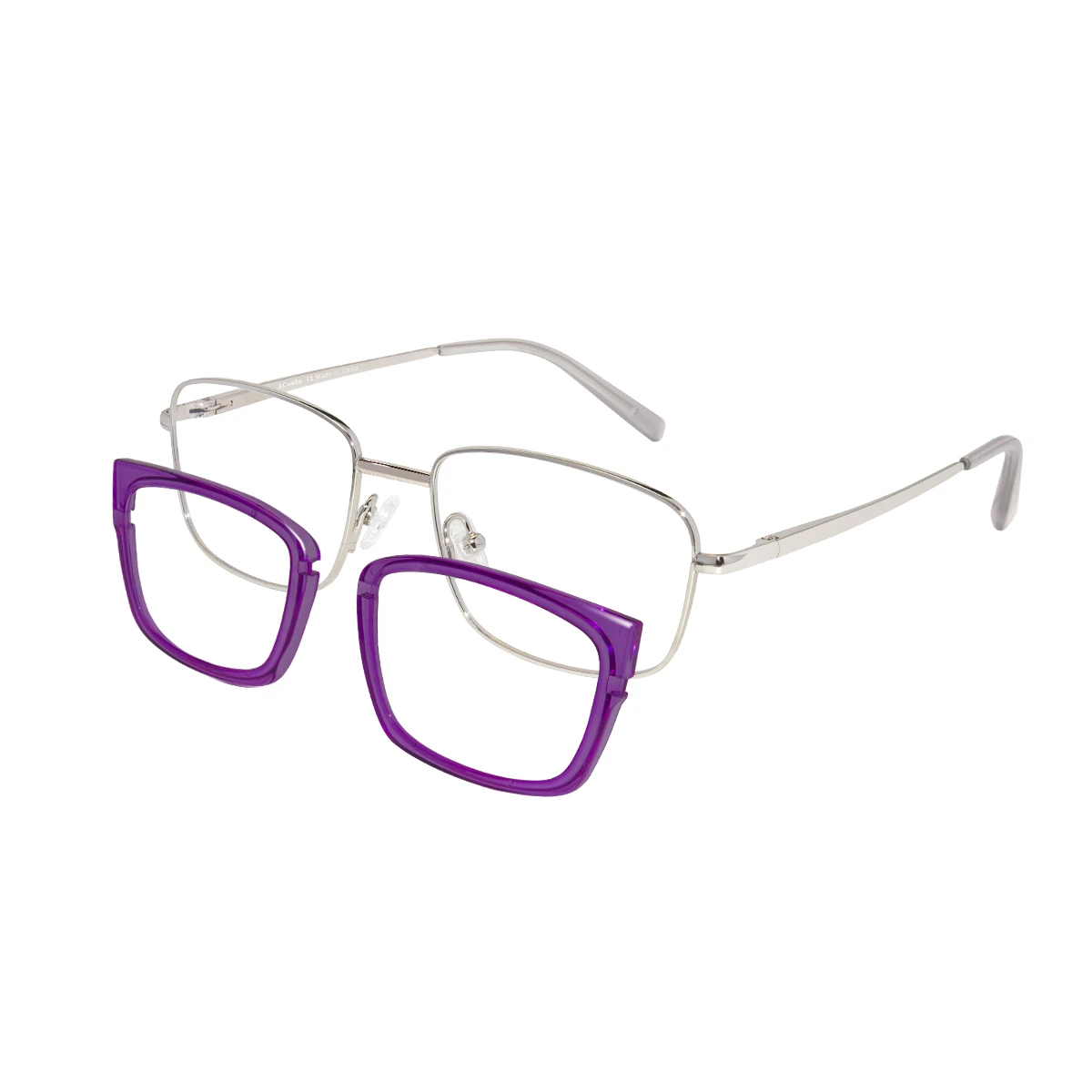
- Burgundy – Crystal (C01)
- Red – Crystal(C02)
- Burnt Orange – Crystal(C03)
- Marmalade – Crystal(C04)
- Sunshine Yellow – Crystal(C05)
- Lime Green – Crystal(C06)
- Sage – Crystal(C08)
- Green Forest – Crystal(C07)
- Army Green – Crystal(C09)
- Spruce – Crystal(C10)
- Turquiise – Crystal(C11)
- Cornflower– Crystal(C12)
- Navy – Crystal(C13)
- Indigo – Crystal(C14)
- Blue Orchid – Crystal(C15)
- Mauve – Crystal(C16)
- Lavender – Crystal(C21)
- Purple – Crystal(C17)
- Grape – Crystal(C18)
- Coral – Crystal(C19)
- Hot Pink – Crystal(C20)
- Chocolate – Crystal(C22)
Crystal Color Top Frame + Metallic Silver Base - Soline


Mira Metallic Silver Cat Eye Base Frame
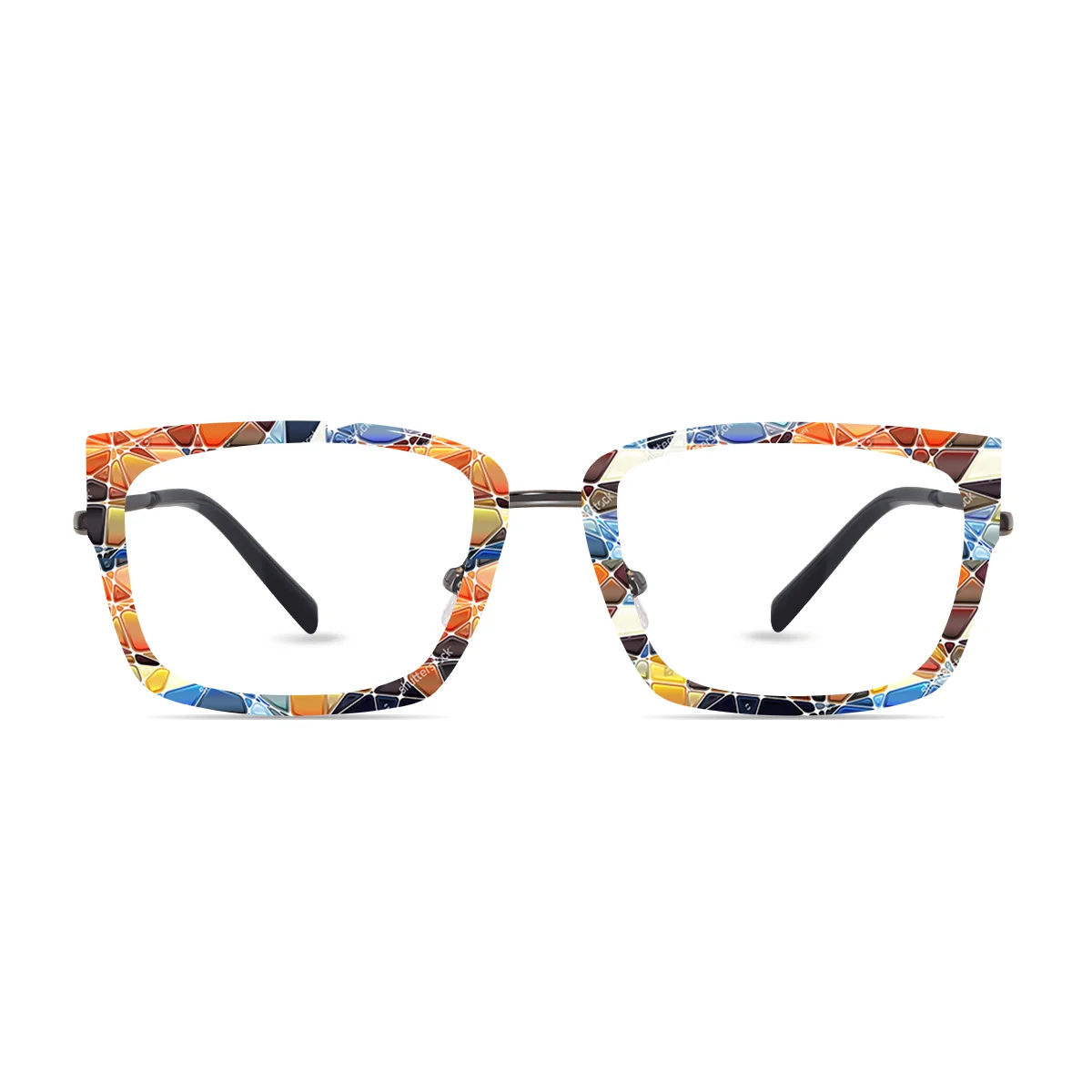
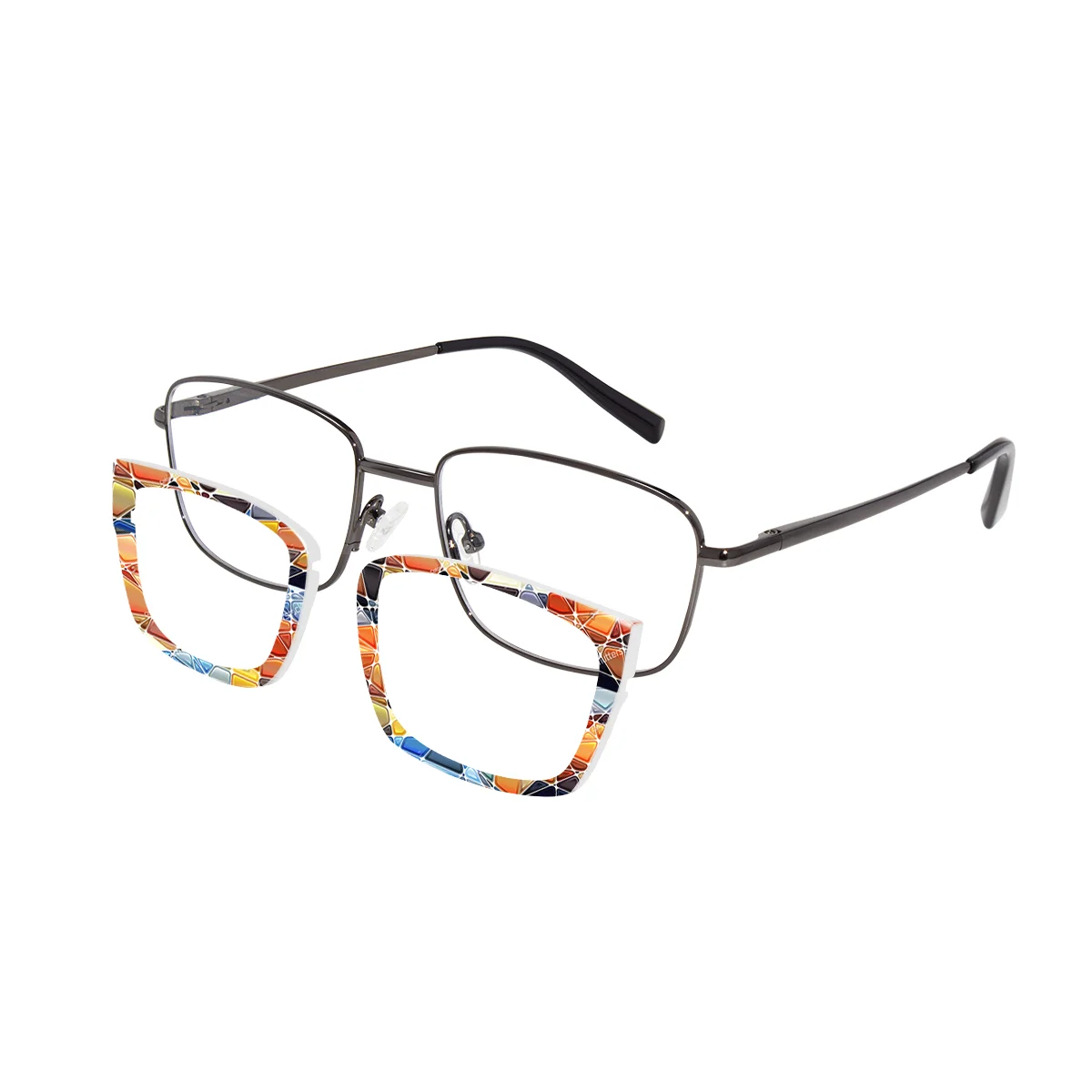
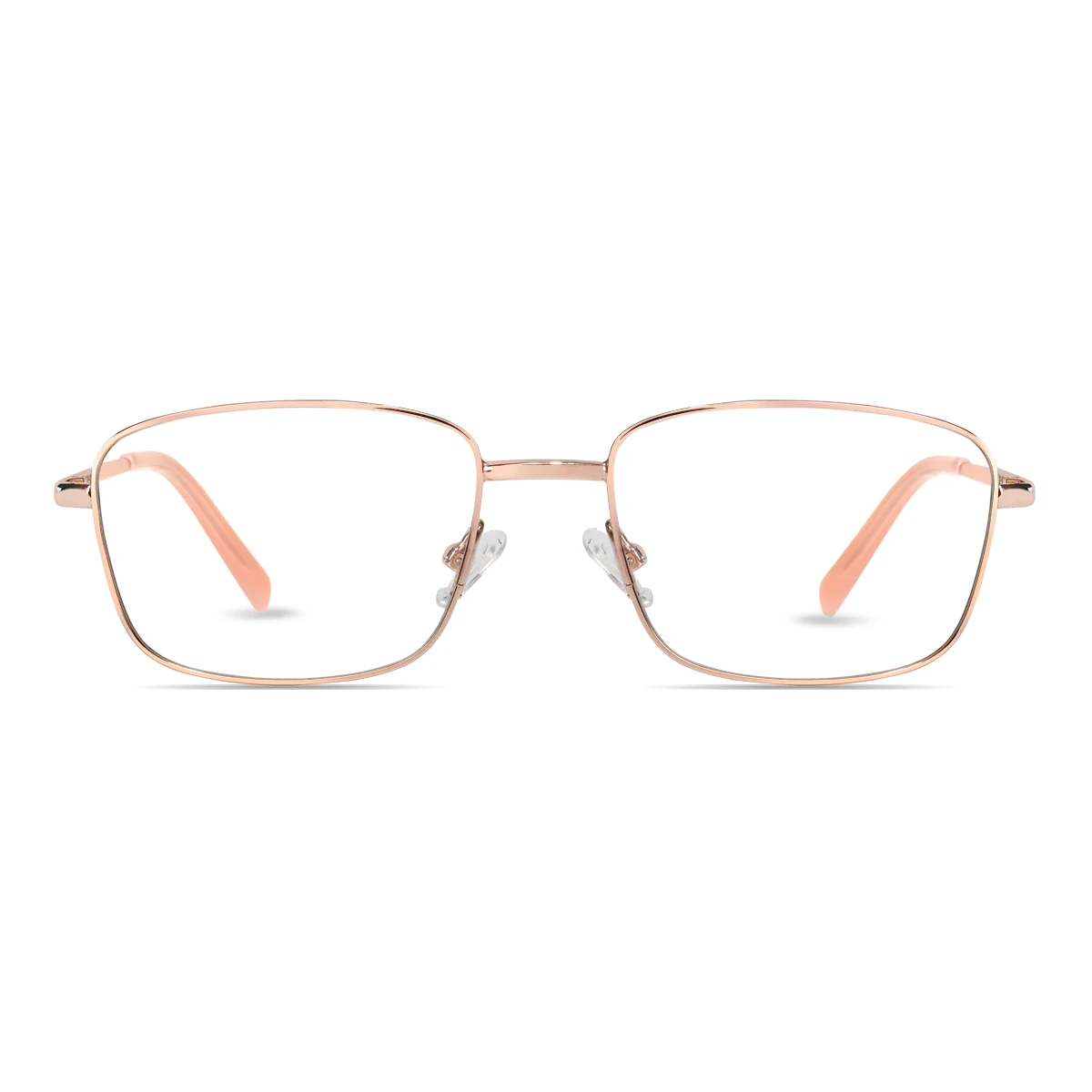
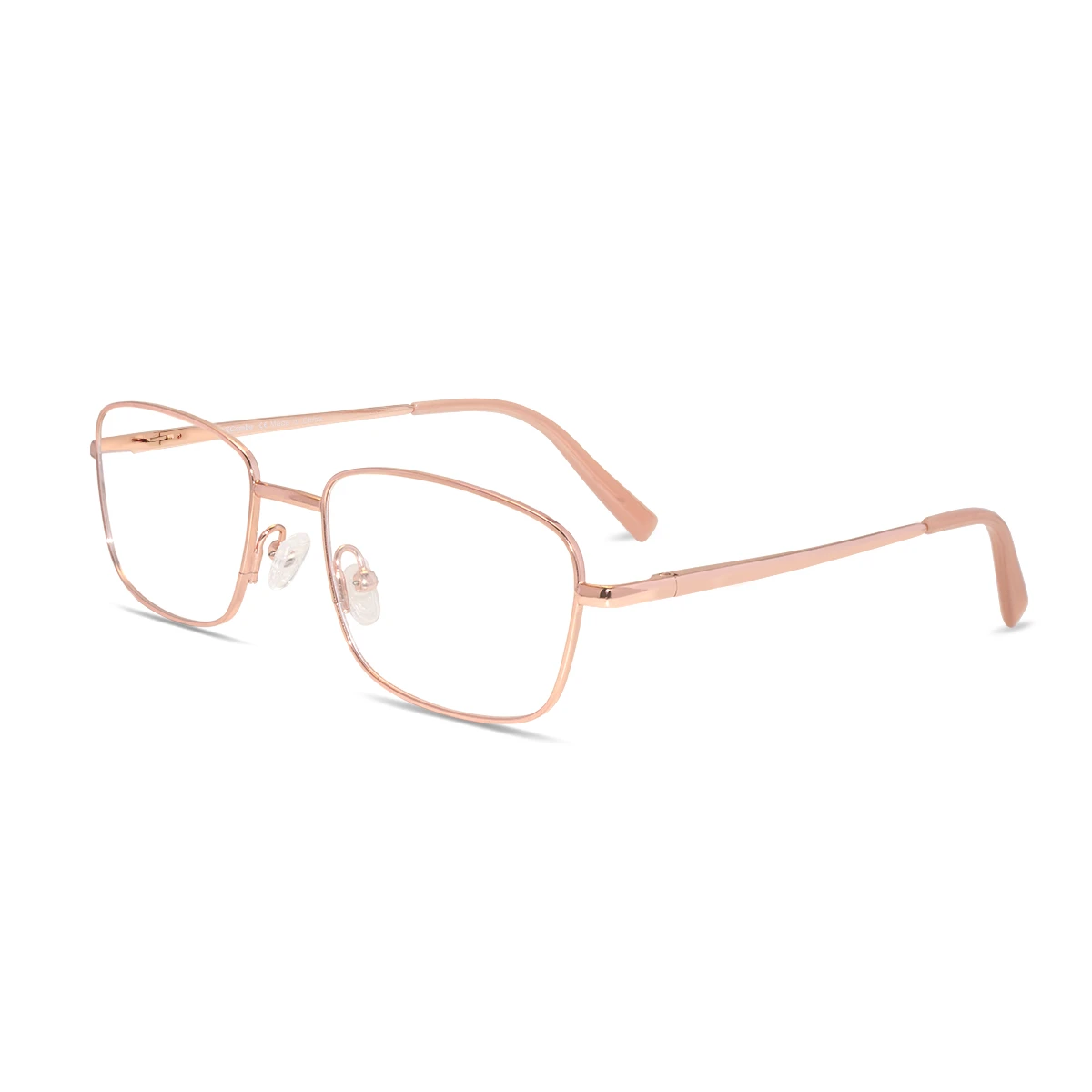
Soline Rose Gold Base Frame - Wide Rectangle
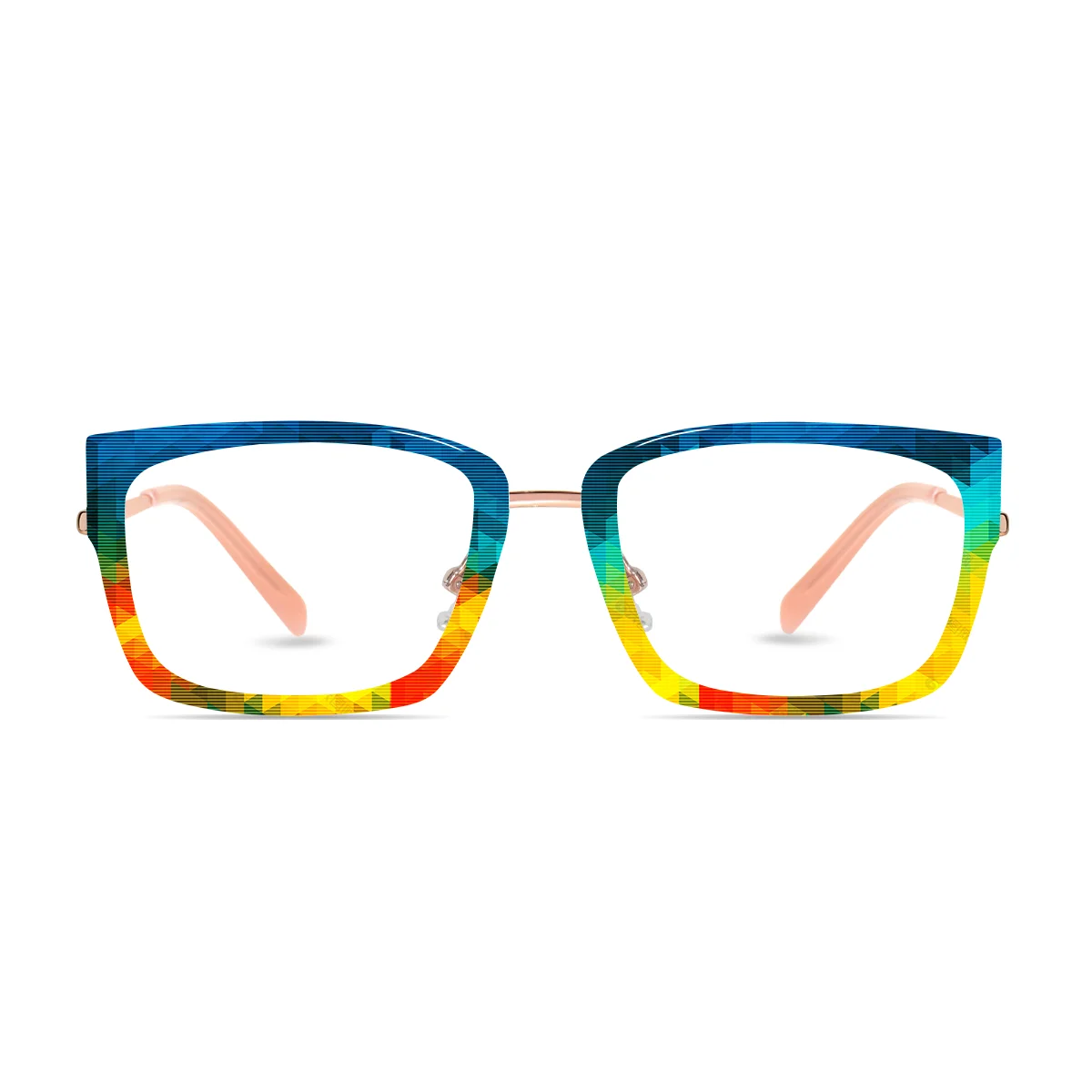
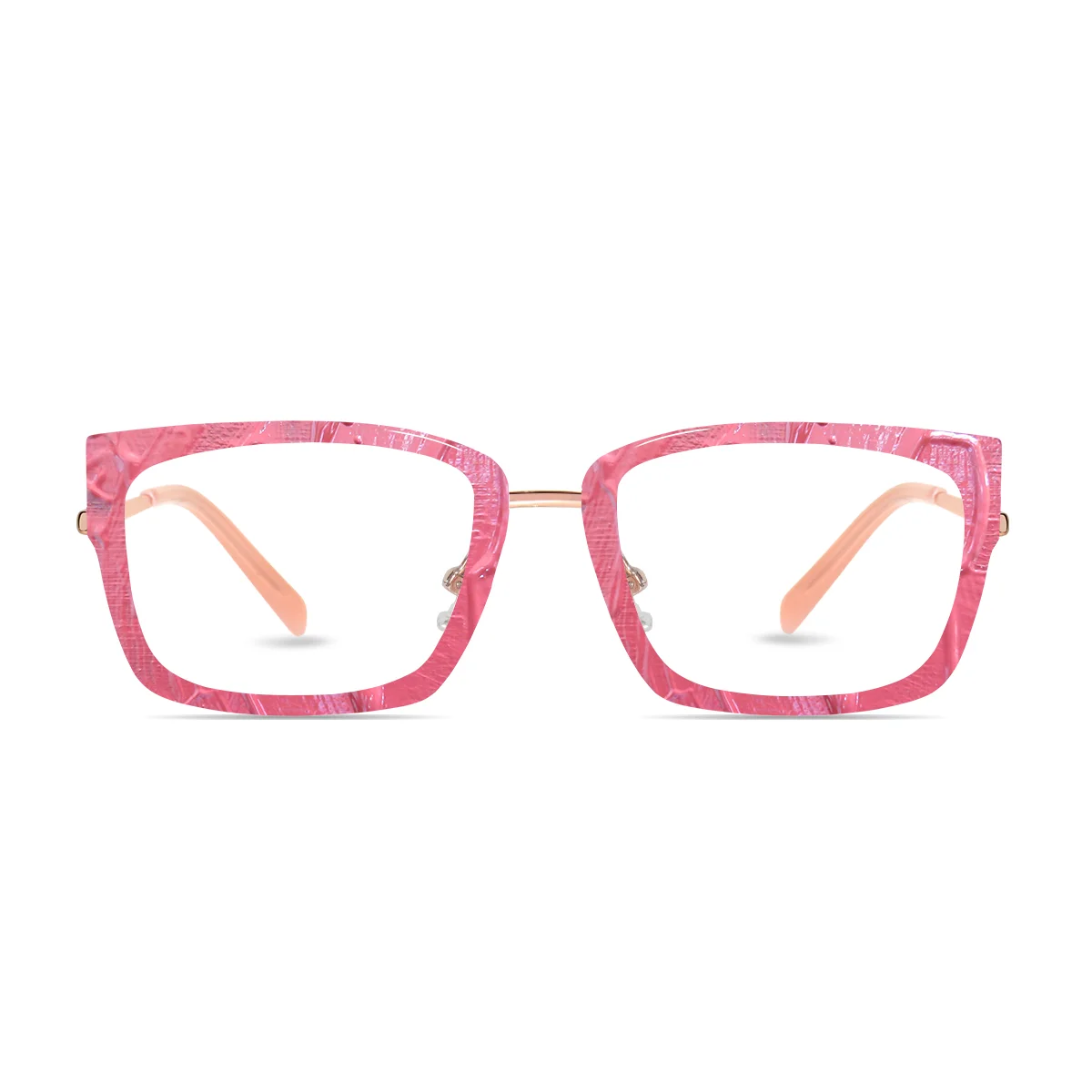


Living a Multifaceted Life: How Custom Modular Eyewear Defines Your Personal Identity
Yet for years, eyewear has tried to force all these identities into one fixed frame.In a world where people change roles, moods,...
Are Pink Glasses in Style?
Pink glasses are a timeless symbol of charm and personality. They evoke feelings of compassion, love, and hope, making them a popular...
One-Second Color Switch
How to Match Your Glasses Frame to Today’s Outfit—EffortlesslyLet’s be honest.You don’t wear the same outfit every day.Some days it’s clean and...
Nerd Glasses: Choosing the Best Pair to Match Your Style
Nerd glasses have evolved from being a stereotype to a trendy fashion statement. With their unique designs and bold frames, these glasses...
From Aerospace to Everyday Wear: The “Black Tech” of Beta Titanium and Carbon Fiber in Custom Eyewear
What do spacecraft engineering and high-performance eyewear have in common?More than you might think.Materials originally developed for aerospace and advanced engineering —...
How to Measure Pupillary Distance(PD)?
What Is Pupillary Distance(PD)?Pupillary Distance (PD) is the measurement, in millimeters, between the centers of your two pupils. This measurement is essential...