

“Five O’Clock Headache”: Could Custom Eyewear Be the Cure for Your Daily Fatigue?
Around 4:30 p.m., your focus softens. By 5:00 p.m., there’s a dull pressure behind your eyes. Your temples tighten. The screen feels brighter than it did that morning. You rub your face, blink hard, maybe grab another cup of coffee—but the fatigue lingers.
If this sounds familiar, you’re not alone. The “five o’clock headache” has become a common complaint in today’s screen-driven world. Long hours on laptops, phones, tablets, and fluorescent-lit offices have created a new kind of strain—digital eye fatigue.
But here’s the question many people overlook:
Could custom eyewear be the missing piece in solving your daily exhaustion?
In this in-depth guide, we’ll explore what causes afternoon headaches, how vision strain contributes to full-body fatigue, and whether personalized prescription glasses could be the long-term solution you didn’t know you needed.

What Is the “Five O’Clock Headache”?
The five o’clock headache isn’t a medical diagnosis—it’s a pattern. It describes recurring late-afternoon discomfort that may include:
- Dull pressure behind the eyes
- Tension in the temples
- Neck and shoulder tightness
- Blurred vision
- Dry or burning eyes
- Difficulty concentrating
For many professionals, especially those working in offices or remote setups, symptoms tend to appear after 6–9 hours of near-vision tasks.
And while stress, dehydration, or lack of sleep can contribute, one major cause is often overlooked: uncorrected or improperly corrected vision.
The Hidden Link Between Vision and Fatigue
Your eyes contain tiny muscles that constantly adjust to focus. When your prescription isn’t perfectly aligned with your daily visual demands, those muscles work overtime.
Imagine holding a light dumbbell in your hand. At first, it feels easy. But hold it for eight straight hours, and even a small weight becomes exhausting.
That’s what subtle prescription errors can do to your visual system.
Even minor issues—like slight astigmatism or undercorrected farsightedness—can trigger:
- Eye strain
- Headaches
- Reduced concentration
- Mental fatigue
- Irritability
The result? You feel drained long before the workday ends.
Why Standard Glasses May Not Be Enough
Many people assume that as long as they “have glasses,” they’re covered. But here’s the catch:
Not all prescriptions are optimized for your real-world lifestyle.
A prescription designed for general vision might not account for:
- 8+ hours of computer use
- Dual monitors
- Constant phone checking
- Overhead LED lighting
- Alternating between near and intermediate distances
Traditional single-vision lenses often prioritize distance or near tasks—not prolonged screen exposure.
That’s where custom eyewear enters the conversation.
What Makes Custom Eyewear Different?
Custom eyewear goes beyond basic prescription correction. It takes into account:
- Your working distance (how far your screen is from your eyes)
- Your posture
- Screen height
- Light exposure
- Daily device usage
- Specific visual tasks
Instead of a generic lens design, customized lenses are tailored to your habits.
For example:
- Office workers may benefit from occupational lenses designed specifically for intermediate computer distance.
- Designers or coders might need enhanced contrast clarity.
- Individuals with frequent migraines may benefit from precision lens alignment.
Custom glasses aren’t about luxury—they’re about precision.
Digital Eye Strain: A Modern Epidemic
The American Optometric Association refers to prolonged screen exposure as digital eye strain or computer vision syndrome.
Common causes include:
- Reduced blinking (we blink up to 50% less while using screens)
- Blue light exposure
- Glare
- Improper viewing distance
- Incorrect prescription strength
When these factors combine, the result can be cumulative fatigue that peaks at the end of the day.
And the effects aren’t limited to your eyes.
How Eye Strain Triggers Full-Body Fatigue
Your visual system is neurologically connected to:
- Neck muscles
- Shoulder tension
- Posture alignment
- Cognitive processing
When your eyes strain, your body compensates.
You might:
- Lean forward
- Squint
- Tilt your head
- Clench your jaw
Over time, this leads to tension headaches and musculoskeletal discomfort.
Correcting your vision more precisely can relieve that strain at its source.
Signs Your Glasses May Be Contributing to Your Headaches
Ask yourself:
- Do headaches appear mainly after screen time?
- Do you remove your glasses for certain tasks?
- Does your vision feel “almost” clear but slightly strained?
- Do you feel better on weekends or vacations?
- Has it been over a year since your last eye exam?
Even small prescription shifts can make a big difference in comfort.
The Role of Blue Light Filtering Lenses
Blue light has become a buzzword in the eyewear industry—but does it matter?
Blue light is naturally emitted by screens and LED lighting. While research is ongoing regarding long-term retinal effects, one immediate issue is visual comfort.
Custom lenses can include:
- Selective blue light filtering
- Anti-reflective coatings
- Glare reduction technology
Reducing glare alone can significantly improve afternoon comfort.
Anti-Reflective Coatings: The Unsung Hero
One of the most overlooked upgrades in eyewear is anti-reflective (AR) coating.
Without AR coating:
- Light reflects off the lens surface
- Contrast decreases
- Eyes work harder to focus
With AR coating:
- Vision appears sharper
- Light transmission improves
- Strain decreases
For people experiencing five o’clock headaches, AR coating can make a noticeable difference.
Occupational Lenses vs. Standard Lenses
If you spend most of your day at a computer, standard single-vision lenses might not be ideal.
Occupational lenses are designed specifically for:
- Computer distance
- Desk work
- Intermediate tasks
They reduce the need to tilt your head or adjust posture.
Many office workers don’t realize that their current glasses were designed primarily for driving—not screen work.
Progressive Lenses and Afternoon Fatigue
For individuals over 40 experiencing presbyopia, progressive lenses are common. But poorly fitted progressives can increase strain.
Custom progressive lenses consider:
- Frame size
- Pupillary distance
- Eye height measurement
- Head tilt
If these measurements aren’t precise, you may unconsciously strain to find the “sweet spot” in the lens.
That strain adds up by late afternoon.
Could Your Frame Fit Be Causing Headaches?
Even the best lenses can cause discomfort if frames don’t fit properly.
Issues include:
- Frames sliding down nose
- Uneven temple pressure
- Incorrect optical center alignment
Custom eyewear often includes professional frame fitting, which ensures alignment accuracy.
A small misalignment can lead to subtle but persistent strain.
The Psychological Effect of Visual Clarity
Clear vision isn’t just physical—it’s cognitive.
When your brain receives crisp visual input:
- Processing becomes easier
- Focus improves
- Energy is conserved
When vision is slightly blurred or strained:
- The brain works harder to interpret signals
- Mental fatigue increases
- Productivity drops
Sometimes what feels like burnout is partially visual overload.

When Headaches Aren’t Just About Vision
It’s important to rule out other causes:
- Dehydration
- Poor sleep
- Caffeine withdrawal
- Stress
- Poor posture
- Screen brightness settings
However, if headaches consistently align with work hours and screen use, vision correction deserves evaluation.
How to Test If Vision Is the Culprit
Try this experiment:
- Take a full weekend off screens.
- Notice whether headaches disappear.
- Return to work Monday.
- Track symptoms.
If discomfort returns during screen-heavy days, your eyewear may need reassessment.
What to Expect From a Custom Eyewear Consultation
A comprehensive vision evaluation for screen fatigue may include:
- Updated prescription testing
- Astigmatism refinement
- Binocular vision assessment
- Accommodation testing
- Discussion of daily habits
- Measurement for occupational lens design
The more specific your daily routine description, the more tailored your solution can be.
The Cost vs. Benefit Question
Custom eyewear may cost more than basic glasses. But consider:
- Fewer headaches
- Increased productivity
- Better focus
- Improved comfort
- Reduced need for pain relievers
When viewed as a daily-use tool rather than an accessory, the investment often makes sense.
Lifestyle Habits That Complement Custom Eyewear
Even with optimized lenses, healthy habits matter:
- Follow the 20-20-20 rule (every 20 minutes, look 20 feet away for 20 seconds)
- Adjust screen brightness to match room lighting
- Position monitors slightly below eye level
- Stay hydrated
- Blink intentionally
- Use proper ergonomic seating
Custom glasses work best when paired with smart habits.
Realistic Expectations
Custom eyewear isn’t a miracle cure for every headache. But for many professionals, correcting subtle vision inefficiencies leads to noticeable improvement.
Some people report:
- Reduced temple pressure
- Less end-of-day fatigue
- Clearer focus
- Improved posture
- Fewer tension headaches
The key is precision.
Who Benefits Most From Custom Eyewear?
- Office workers
- Remote professionals
- Graphic designers
- Programmers
- Students
- Accountants
- Healthcare charting staff
- Anyone logging 6+ hours daily on screens
If your work revolves around visual tasks, your eyewear should reflect that reality.
Final Thoughts: Could Your Glasses Be the Missing Link?
The five o’clock headache doesn’t have to be your normal.
While stress and long hours play a role, your vision system might be carrying more strain than you realize. Small prescription inaccuracies, poor lens design, or improper fit can quietly drain your energy all day long.
Custom eyewear isn’t about vanity or trends—it’s about tailoring vision correction to your lifestyle.
If you find yourself rubbing your temples every evening, struggling to focus by late afternoon, or feeling mysteriously exhausted after desk work, it may be time to re-evaluate your glasses.
Sometimes the solution to daily fatigue isn’t another coffee.
It’s clearer vision.

Share this post


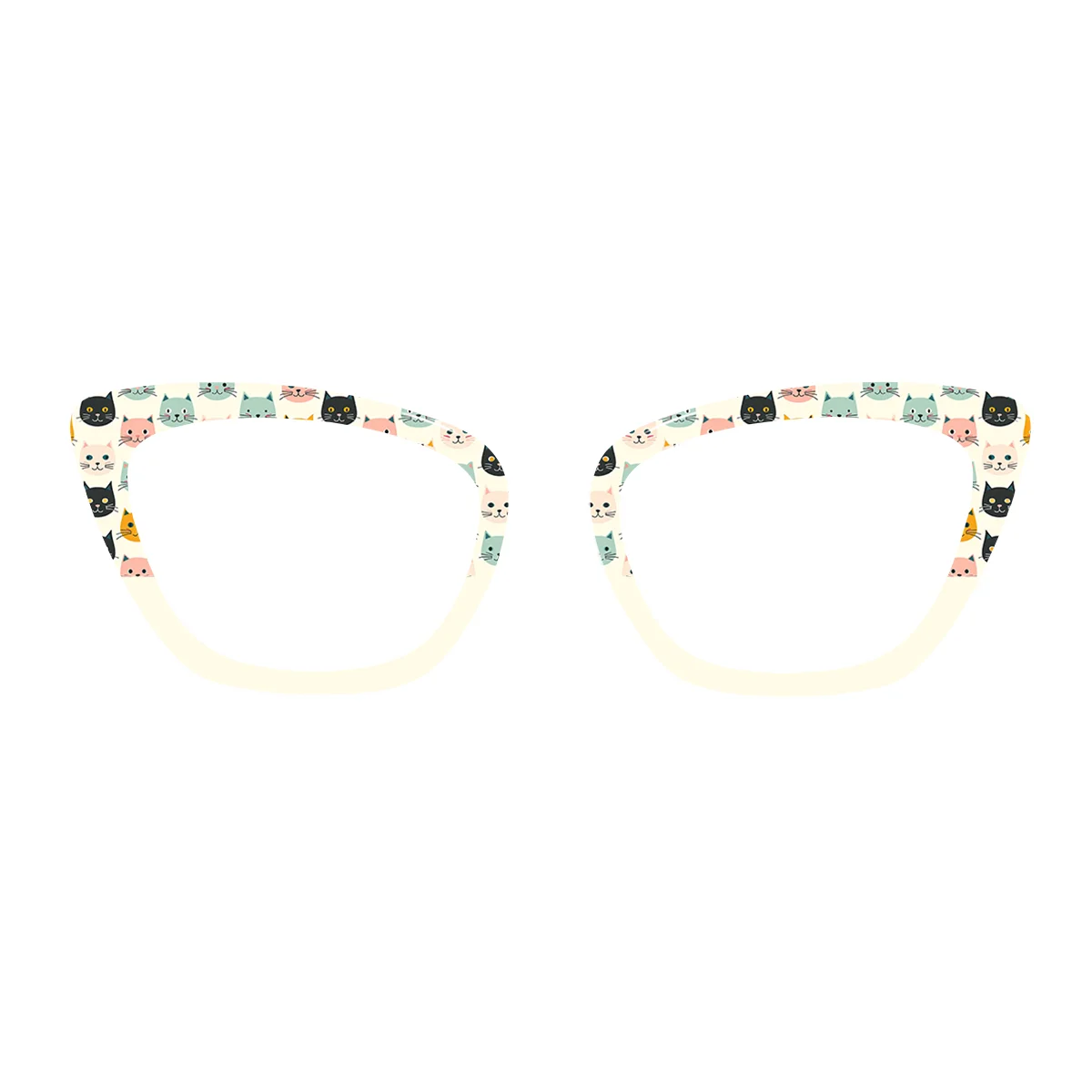
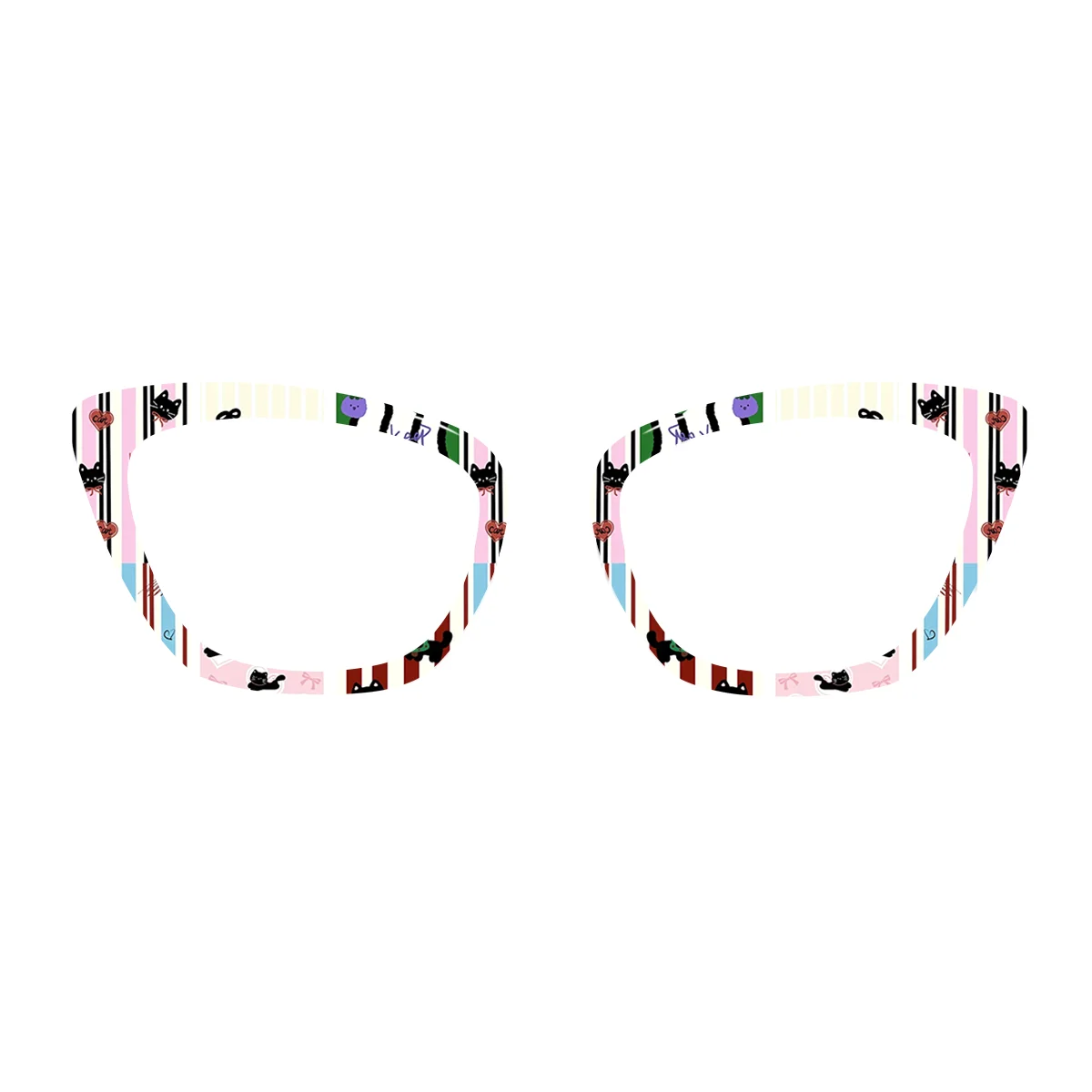
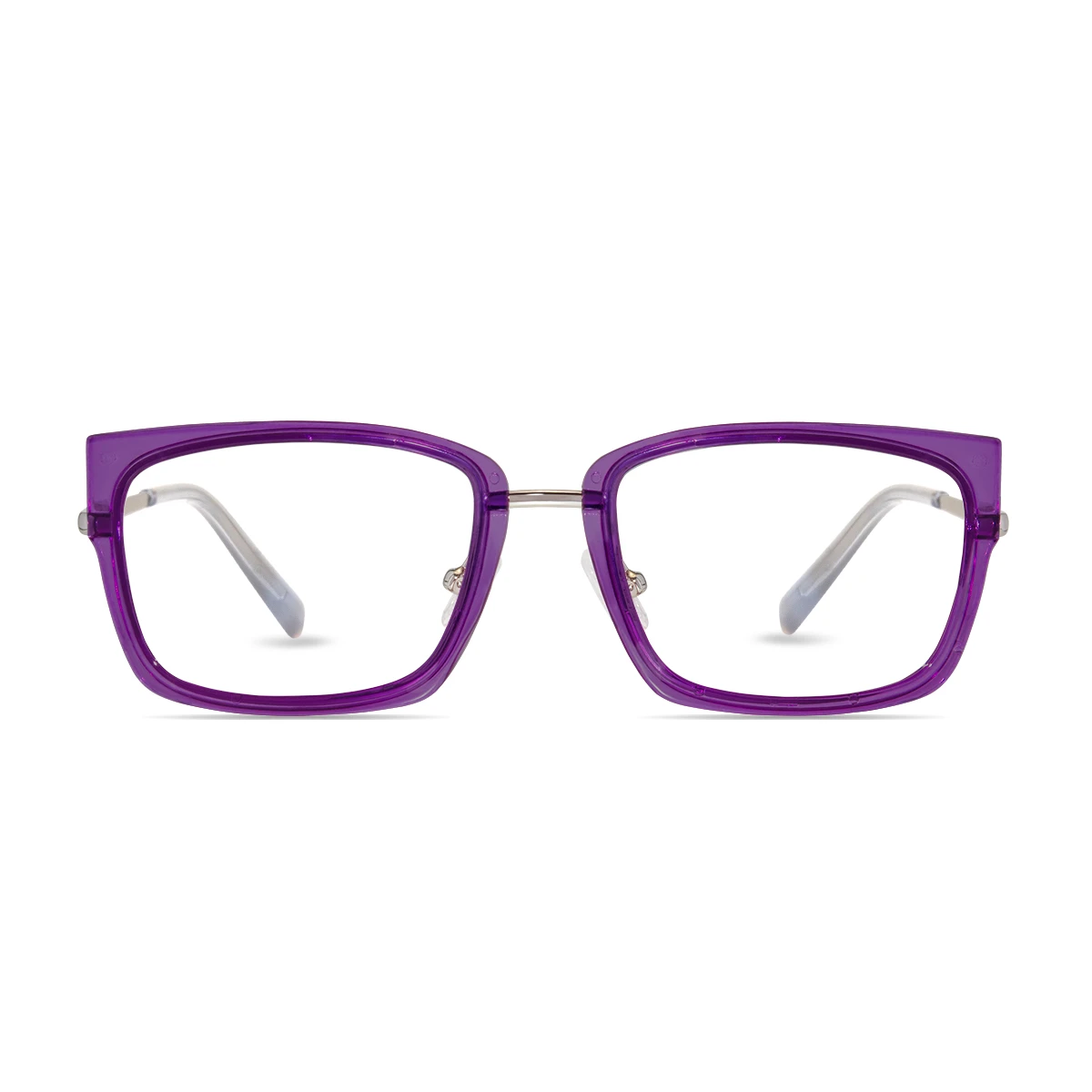
- Burgundy – Crystal (C01)
- Red – Crystal(C02)
- Burnt Orange – Crystal(C03)
- Marmalade – Crystal(C04)
- Sunshine Yellow – Crystal(C05)
- Lime Green – Crystal(C06)
- Sage – Crystal(C08)
- Green Forest – Crystal(C07)
- Army Green – Crystal(C09)
- Spruce – Crystal(C10)
- Turquiise – Crystal(C11)
- Cornflower– Crystal(C12)
- Navy – Crystal(C13)
- Indigo – Crystal(C14)
- Blue Orchid – Crystal(C15)
- Mauve – Crystal(C16)
- Lavender – Crystal(C21)
- Purple – Crystal(C17)
- Grape – Crystal(C18)
- Coral – Crystal(C19)
- Hot Pink – Crystal(C20)
- Chocolate – Crystal(C22)
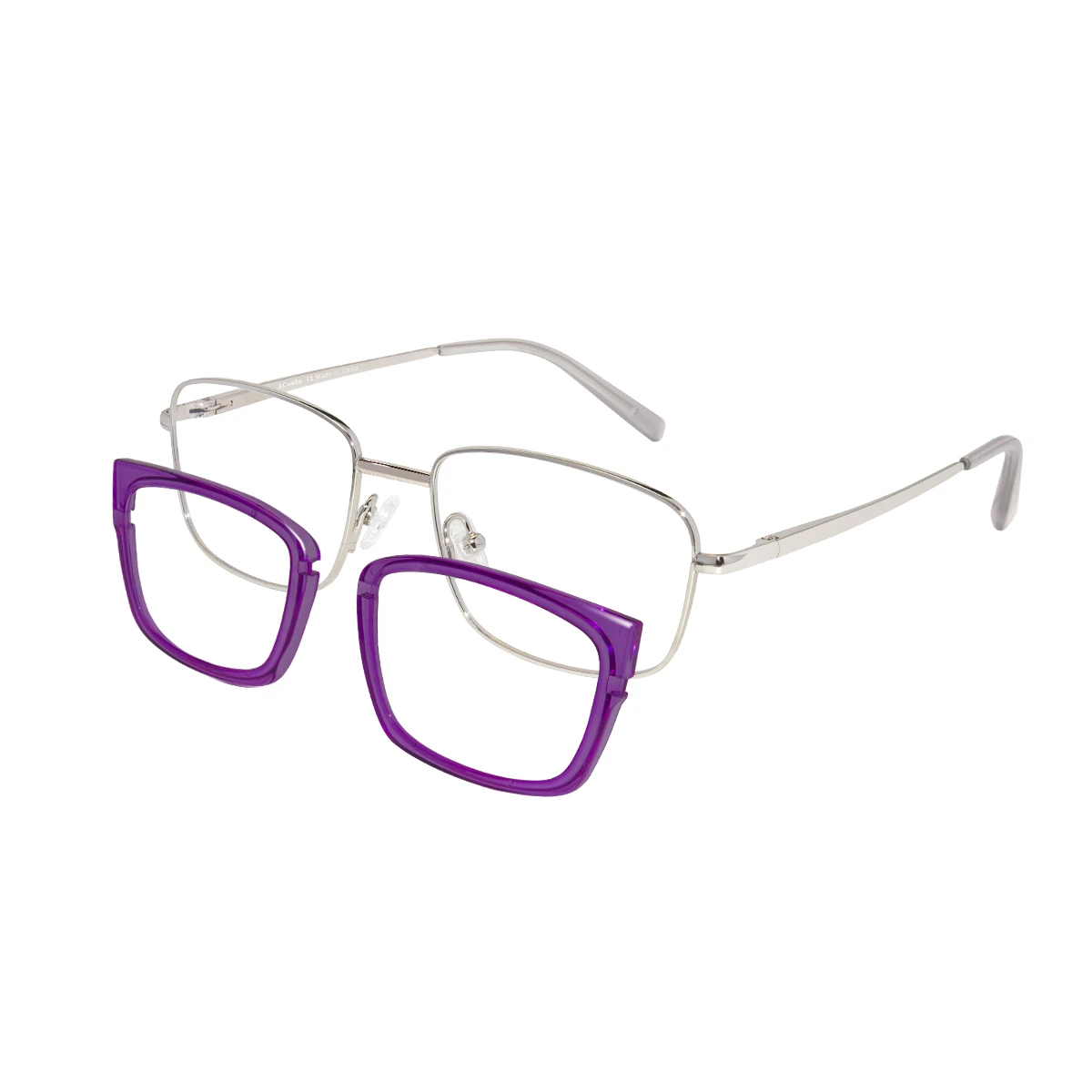
Crystal Color Top Frame + Metallic Silver Base - Soline
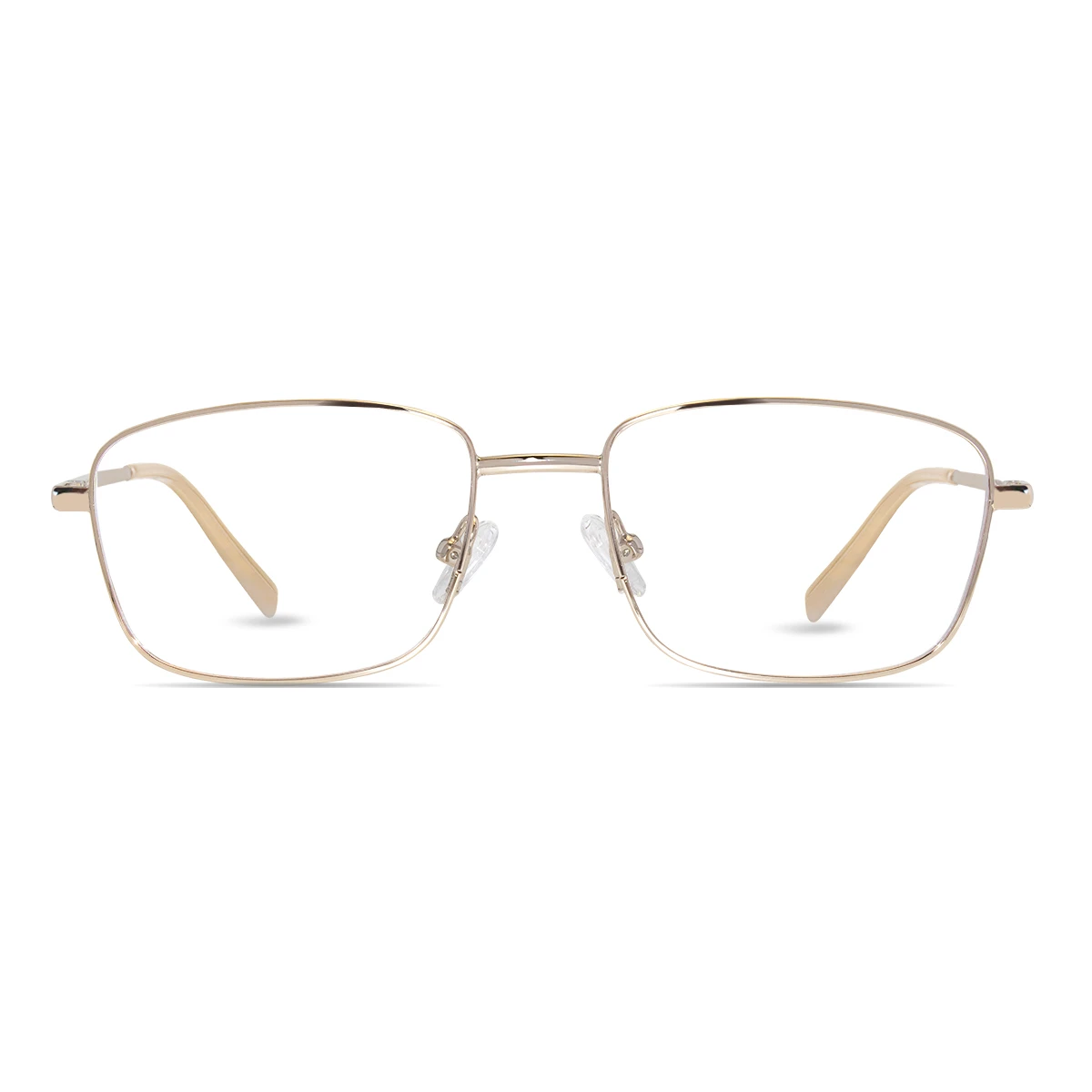
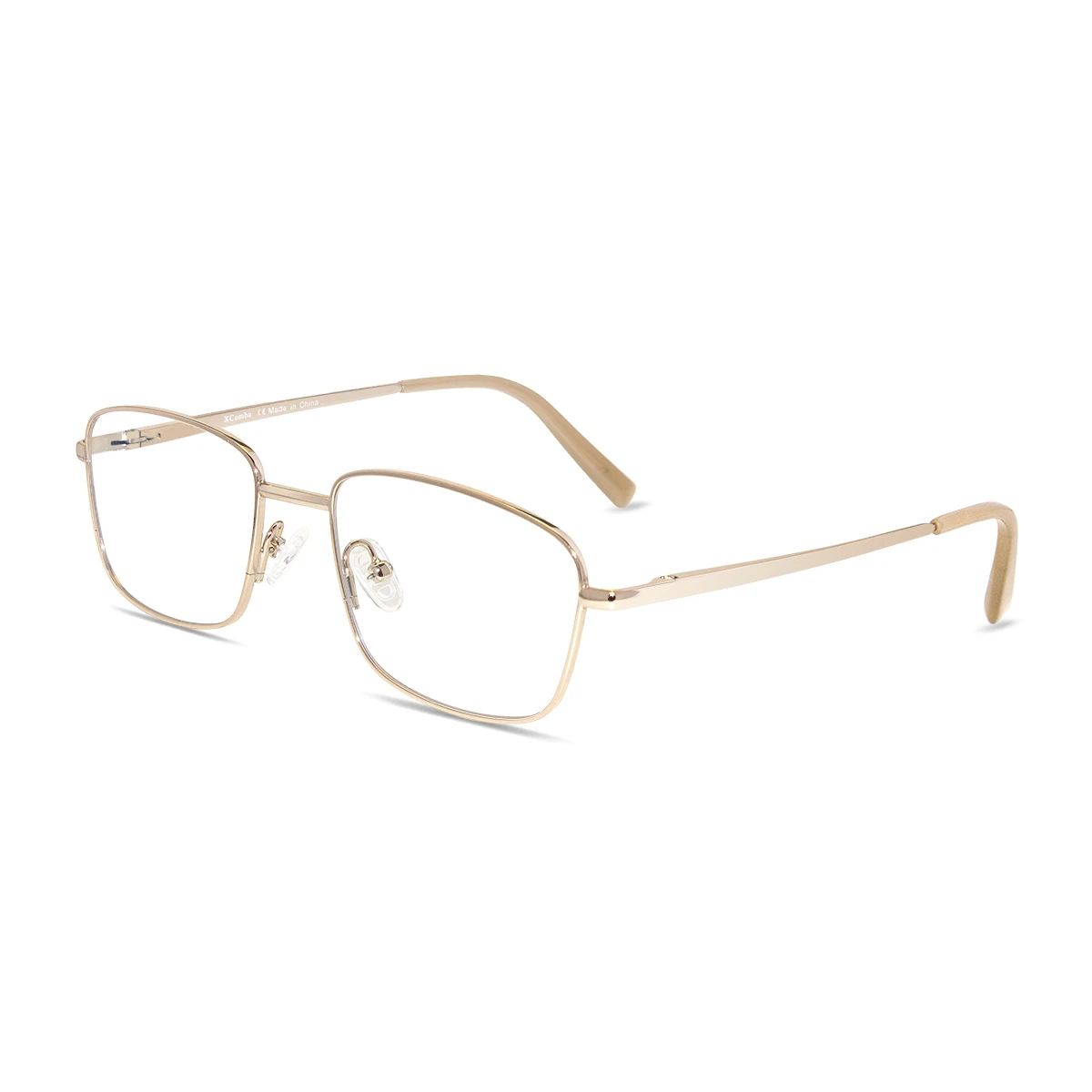
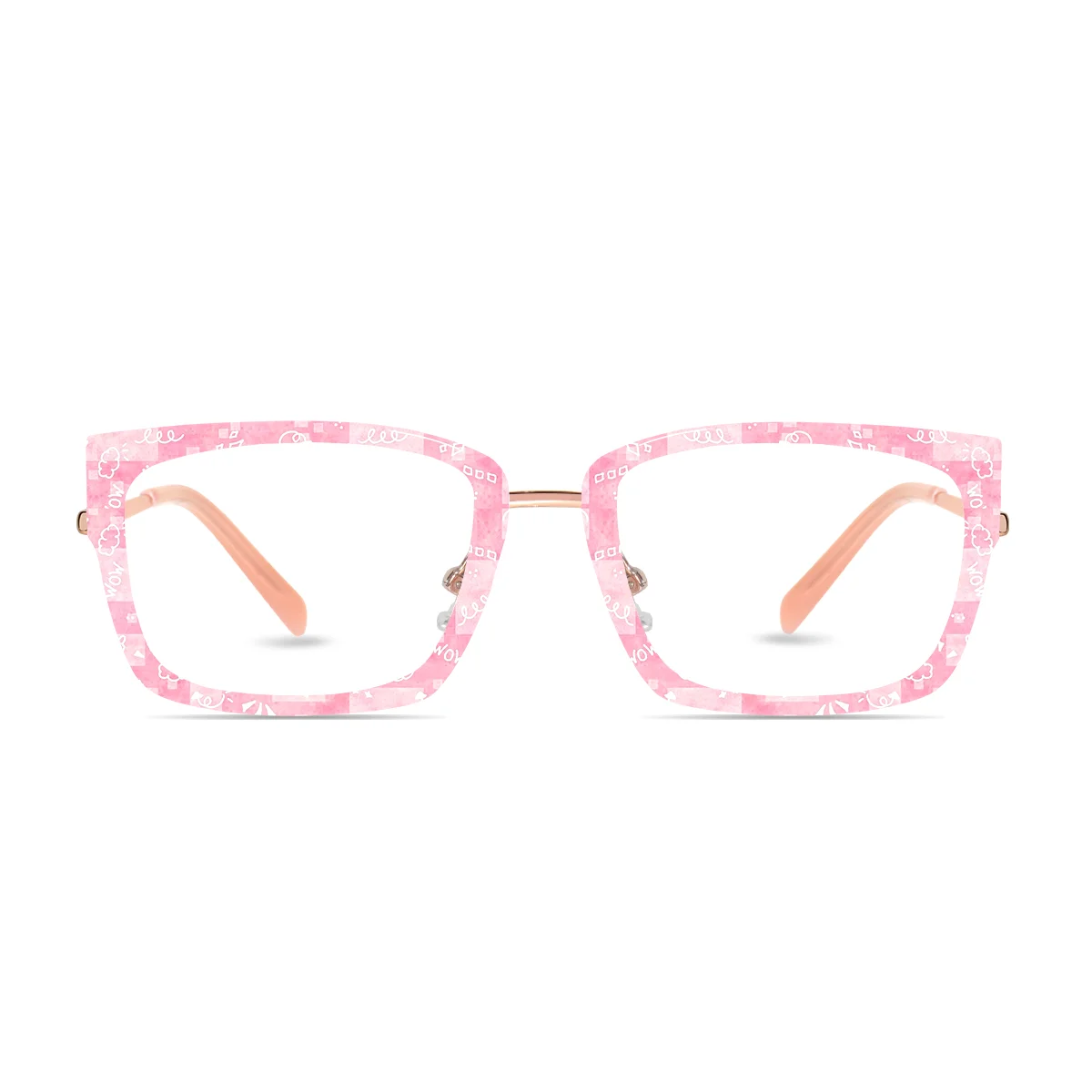
Soline Light Gold Base Frame - Wide Rectangle


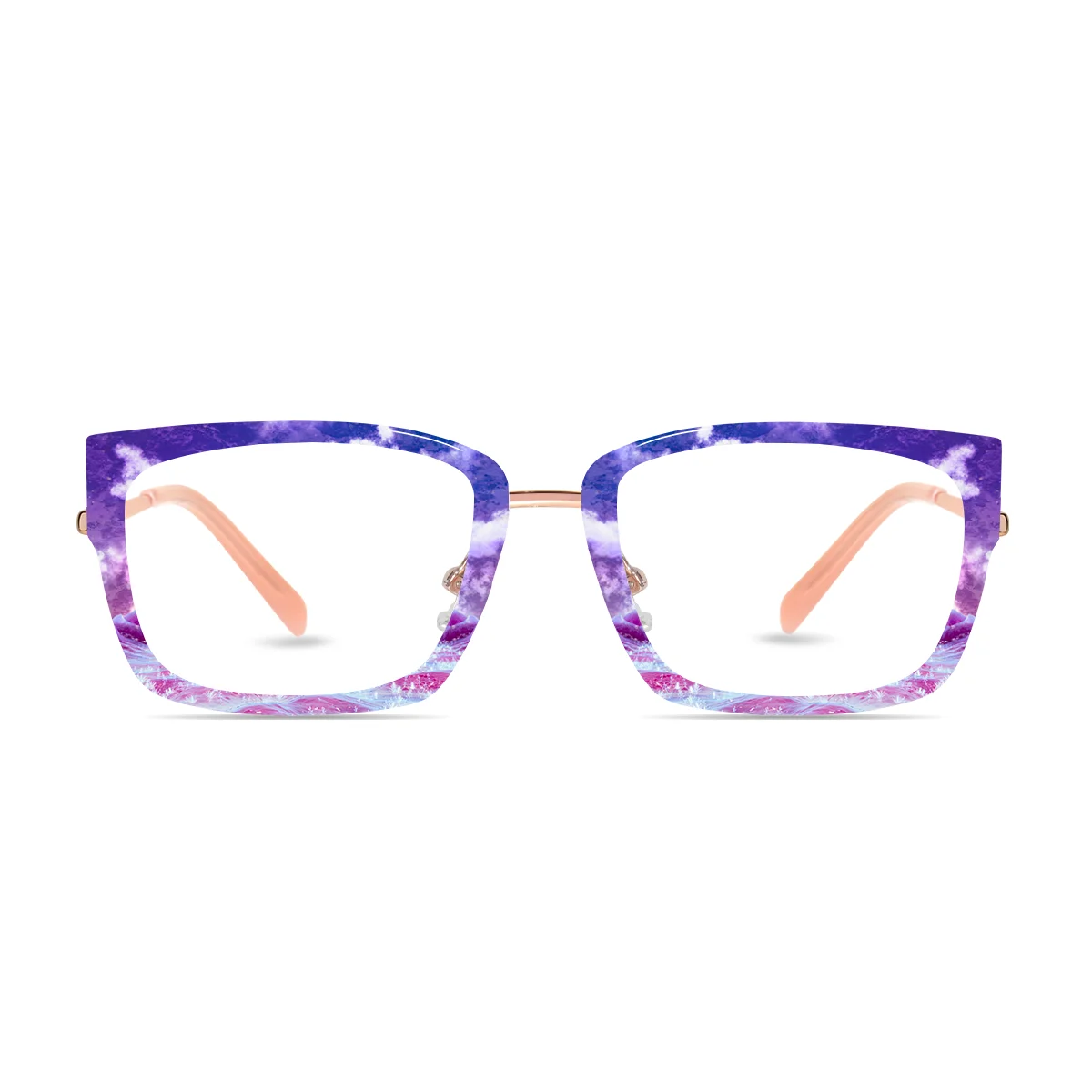


Mira Classic Gold Cat Eye Base Frame


Living a Multifaceted Life: How Custom Modular Eyewear Defines Your Personal Identity
Yet for years, eyewear has tried to force all these identities into one fixed frame.In a world where people change roles, moods,...
The Secret Weapon for Sculpting Your Face: How to Customize Eyewear Based on Your Cheekbones and Brow Shape
When it comes to elevating your appearance, most people think about hairstyles, makeup, or wardrobe upgrades. But there’s one transformative accessory that...
Are Pink Glasses in Style?
Pink glasses are a timeless symbol of charm and personality. They evoke feelings of compassion, love, and hope, making them a popular...
One-Second Color Switch
How to Match Your Glasses Frame to Today’s Outfit—EffortlesslyLet’s be honest.You don’t wear the same outfit every day.Some days it’s clean and...
No More Ear Pain: How Custom Eyeglass Frames Solve 12-Hour Wear Discomfort
If you wear glasses all day, you know the feeling.It starts as a faint pressure behind your ears. By mid-afternoon, that pressure...
Nerd Glasses: Choosing the Best Pair to Match Your Style
Nerd glasses have evolved from being a stereotype to a trendy fashion statement. With their unique designs and bold frames, these glasses...