
Eye Care Diary: Giving Your Lenses a “Mini Makeover”
For many people, eyeglasses are more than a vision correction tool. They are part of daily life, personal style, work performance, digital comfort, and long-term eye health. Yet while people often spend time choosing the perfect frame, they rarely think deeply about the condition of the lenses themselves.
Over time, even high-quality lenses gradually lose their original clarity and performance. Tiny scratches appear. Anti-reflective coatings wear down. Blue light protection weakens. Smudges become harder to clean. Night glare increases. Digital eye strain worsens. Vision may still seem “acceptable,” but the overall experience slowly declines without people realizing it.
This is where the idea of giving your lenses a “mini makeover” becomes important.
Just as skincare routines refresh and maintain healthy skin, proper lens care, upgrades, and maintenance can dramatically improve visual comfort, lens longevity, and overall eyewear performance.
This comprehensive guide explores how to refresh your eyewear experience through smarter lens care, modern lens technology, coating upgrades, cleaning habits, and replacement strategies — helping your glasses feel clearer, lighter, more comfortable, and more effective without necessarily replacing your entire frame collection.
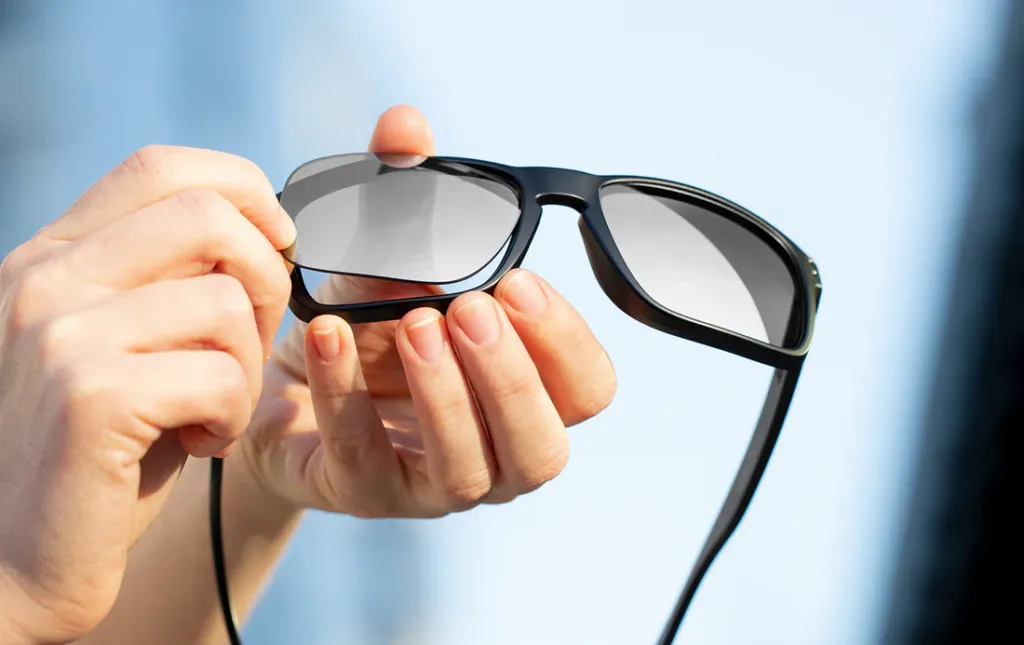
Why Lenses Matter More Than Most People Realize
When people buy glasses, frames often receive most of the attention because they are highly visible and fashion-oriented. But from a functional perspective, the lenses do most of the real work.
Your lenses influence:
- Visual sharpness
- Eye fatigue
- Glare reduction
- UV protection
- Digital comfort
- Night driving clarity
- Color perception
- Scratch resistance
- Weight and comfort
Even stylish frames cannot compensate for poor-quality or worn-out lenses.
The Hidden Aging Process of Eyeglass Lenses
Many people continue wearing the same lenses for years because the deterioration happens gradually.
Unlike a cracked smartphone screen, lens wear develops subtly over time.
Common Signs Your Lenses Need Attention
Increased Glare
Nighttime headlights may appear harsher or more scattered.
Constant Smudging
Older coatings often attract oils and fingerprints more easily.
Reduced Clarity
Micro-scratches create haze and reduce sharpness.
Eye Fatigue
Aging coatings and outdated prescriptions can increase visual strain.
Difficulty Using Digital Devices
Screen glare and blue light exposure may feel more uncomfortable than before.
Why Lens “Mini Makeovers” Are Becoming Popular
Modern eyewear consumers increasingly understand that updating lenses can refresh the entire glasses experience without purchasing completely new frames.
Lens upgrades can improve:
- Daily comfort
- Productivity
- Appearance
- Visual precision
- Outdoor performance
- Long-term eye wellness
In many cases, replacing lenses inside an existing favorite frame is both economical and practical.
Understanding Modern Lens Technology
Today’s lenses are far more advanced than basic plastic lenses from previous decades.
Modern lens technology includes:
- Anti-reflective coatings
- Blue light filtering
- Photochromic transitions
- UV protection
- Hydrophobic coatings
- Scratch-resistant layers
- High-index materials
- Digital optimization
Each layer contributes to visual performance and comfort.
The Role of Lens Coatings
Lens coatings function like protective and performance-enhancing treatments for your glasses.
Think of them as cosmetic and functional upgrades combined.
Anti-Reflective Coatings
Anti-reflective (AR) coatings reduce reflections bouncing off lens surfaces.
Benefits include:
- Sharper vision
- Reduced glare
- Better night driving
- Improved screen comfort
- More visible eyes during conversations
AR coatings are one of the most impactful lens upgrades available.
Why AR Coatings Wear Out
Over time, anti-reflective coatings may degrade because of:
- Improper cleaning
- Heat exposure
- Chemical damage
- Abrasive cloths
- Constant friction
As coatings deteriorate, lenses may appear cloudy or develop peeling effects.
Blue Light Filtering Lenses
Digital lifestyles have dramatically increased screen exposure.
People now spend hours daily looking at:
- Smartphones
- Laptops
- Tablets
- Monitors
- LED lighting
Blue light filtering lenses are designed to reduce certain high-energy visible light wavelengths.
Why Digital Eye Strain Is Increasing
Symptoms often include:
- Dry eyes
- Headaches
- Blurry vision
- Fatigue
- Difficulty focusing
Modern lenses can help reduce some of this discomfort.
Photochromic Lenses: Adaptive Vision Comfort
Photochromic lenses automatically darken in sunlight and return clear indoors.
These lenses provide convenience by combining:
- Everyday glasses
- Sunglasses
- UV protection
into one system.
Benefits of Photochromic Technology
Simplified Eyewear Routine
No need to constantly switch between glasses and sunglasses.
Better UV Protection
Modern photochromic lenses block harmful ultraviolet rays.
Improved Outdoor Comfort
Adaptive tinting helps reduce brightness and squinting.
High-Index Lenses: Aesthetic and Comfort Upgrades
Stronger prescriptions often create thick, heavy lenses.
High-index materials help reduce:
- Lens thickness
- Weight
- Edge distortion
This creates a cleaner and more attractive appearance.
Why Thin Lenses Matter
Thinner lenses can improve:
- Comfort
- Frame compatibility
- Cosmetic appearance
- Nose pressure reduction
Many people underestimate how much lighter lenses improve everyday wear.
Hydrophobic and Oleophobic Coatings
These coatings resist:
- Water
- Oil
- Smudges
- Fingerprints
They make lenses easier to clean and maintain.
Why Cleaning Performance Matters
Poor lens cleanliness affects:
- Visual clarity
- Light transmission
- Overall comfort
Advanced coatings help maintain cleaner lenses longer throughout the day.
The Biggest Lens Care Mistakes People Make
Many lens problems develop because of poor maintenance habits.
Cleaning Lenses With Clothing
Shirts and tissues may contain abrasive fibers that create micro-scratches.
Using Household Cleaners
Glass cleaners and harsh chemicals can damage coatings permanently.
Leaving Glasses in Hot Cars
Excessive heat may warp coatings and lens materials.
Dry Wiping Dusty Lenses
Dust particles act like sandpaper during dry cleaning.
Using Paper Towels
Wood fibers in paper products can scratch lens surfaces.
The Proper Way to Clean Eyeglass Lenses
Correct cleaning dramatically extends lens lifespan.
Step 1: Rinse First
Use lukewarm water to remove debris before wiping.
Step 2: Use Lens-Safe Cleaner
Only use products designed specifically for coated eyewear lenses.
Step 3: Use a Microfiber Cloth
Microfiber reduces scratching and improves cleaning effectiveness.
Step 4: Store Glasses Properly
Always use a protective case when not wearing glasses.
When Should You Replace Lenses?
Many people wait too long before replacing lenses.
Even if prescriptions remain stable, coatings and materials age.
Signs It’s Time for New Lenses
Persistent Glare
Especially during nighttime driving.
Visible Scratches
Micro-scratches reduce optical quality.
Coating Damage
Peeling or cloudy coatings affect clarity.
Increased Eye Strain
Older lenses may no longer support modern visual demands.
Outdated Lens Technology
Lens innovation improves rapidly.
Modern upgrades can significantly improve comfort.
How Modern Lifestyles Affect Lens Needs
Today’s visual demands differ dramatically from previous generations.
People now spend extensive time:
- Working remotely
- Gaming
- Streaming content
- Using smartphones
- Multitasking across screens
As a result, lens technology has evolved toward digital comfort optimization.
Computer Glasses and Occupational Lenses
Some lenses are designed specifically for office and screen environments.
These lenses help reduce strain caused by:
- Intermediate viewing distances
- Constant focus shifting
- Prolonged digital exposure
Progressive Lens Advancements
Progressive lenses have improved substantially in recent years.
Modern designs offer:
- Wider viewing zones
- Reduced distortion
- Smoother transitions
- Better adaptation
People who disliked older progressive lenses may have much better experiences with newer technologies.
Why Lens Quality Impacts Appearance
Lens upgrades are not just about vision.
They also affect personal appearance.
Reduced Reflections Improve Eye Contact
Anti-reflective coatings help others see your eyes more clearly.
This matters during:
- Meetings
- Video calls
- Photography
- Social interactions
Thin Lenses Improve Frame Aesthetics
Thicker lenses can distort facial appearance.
High-index materials create a cleaner, more modern look.
Clear Lenses Look More Premium
Smudge-resistant and anti-glare coatings maintain a polished appearance.
Sunglass Lens Upgrades
Sunglasses also benefit from lens makeover strategies.
Polarized Lenses
Polarization reduces reflected glare from:
- Roads
- Water
- Snow
- Glass surfaces
This improves comfort and visibility dramatically.
Mirror Coatings
Mirror finishes reduce brightness while adding aesthetic appeal.
Gradient Tints
Gradient lenses provide varying tint intensity for balanced indoor/outdoor transitions.
Sports and Outdoor Lens Technologies
Athletes and outdoor enthusiasts increasingly rely on specialized lens systems.
Performance Lens Features
Modern sports lenses may include:
- Contrast enhancement
- Impact resistance
- Hydrophobic coatings
- Wraparound protection
- Anti-fog technology
Outdoor Conditions Stress Lenses More
Activities such as:
- Hiking
- Cycling
- Skiing
- Fishing
- Running
expose lenses to harsher environmental conditions.
Proper coatings become especially important.
Children and Lens Protection
Kids’ lenses require additional durability because children are often rougher on eyewear.
Important Features for Children’s Lenses
Scratch Resistance
Children’s glasses experience heavy daily wear.
UV Protection
Children spend significant time outdoors.
Lightweight Materials
Comfort improves consistent wear.
The Emotional Side of Eyewear
Eyeglasses are deeply personal.
People often associate certain frames with:
- Confidence
- Professional identity
- Style
- Comfort
- Routine
This is why lens replacement can feel transformative without changing one’s familiar appearance.
A lens makeover refreshes the experience while preserving personal style.
Sustainable Eyewear Thinking
Replacing lenses instead of entire frames can also reduce waste.
More consumers now prioritize:
- Frame reuse
- Sustainable materials
- Longer product lifespan
- Reduced consumption
Lens upgrades align well with environmentally conscious habits.
Why Professional Lens Fitting Matters
Even premium lenses perform poorly if fitted incorrectly.
Proper optical alignment affects:
- Focus accuracy
- Progressive performance
- Visual comfort
- Distortion control
Professional measurements remain important.
Emerging Lens Technologies
The eyewear industry continues evolving rapidly.
Future innovations may include:
- Smart adaptive tinting
- AI-enhanced visual optimization
- Embedded display systems
- Advanced blue light management
- Self-cleaning coatings
- Ultra-light nanomaterials
Lens technology is becoming increasingly personalized and lifestyle-focused.
Building a Better Eyewear Care Routine
Healthy lenses require ongoing attention.
Daily Habits
- Use microfiber cloths
- Store glasses safely
- Avoid harsh cleaners
- Rinse before wiping
Monthly Habits
- Deep-clean frames
- Inspect coatings
- Check screw tightness
- Evaluate visual comfort
Annual Habits
- Update prescriptions
- Review lens technology options
- Replace worn lenses when needed
Why Small Lens Upgrades Make a Big Difference
Many people assume eyewear improvements require buying completely new glasses.
In reality, relatively small lens upgrades can dramatically improve:
- Clarity
- Comfort
- Appearance
- Durability
- Daily convenience
This is why lens “mini makeovers” are becoming increasingly popular among both fashion-conscious and health-conscious eyewear users.
Final Thoughts
Eyeglass lenses quietly influence nearly every part of daily visual life — from work productivity and digital comfort to driving safety and personal appearance. Yet lenses are often overlooked until problems become obvious.
Giving your lenses a “mini makeover” doesn’t necessarily mean changing your style or replacing every pair of glasses you own. Sometimes the biggest improvements come from upgrading coatings, refreshing worn lenses, improving cleaning habits, or choosing lens technologies better suited to modern lifestyles.
Clearer vision, reduced glare, better screen comfort, lighter materials, and easier maintenance can make glasses feel almost new again.
Just as skincare routines help maintain healthy skin over time, thoughtful lens care and smart lens upgrades help preserve long-term visual comfort and eyewear performance. And in a world where people rely on their eyes more than ever before, those small improvements can make an enormous difference in everyday life.
Share this post
How Should Your Glasses Fit for Comfort and Style?
Choosing the right pair of eyeglasses is about more than finding a frame design you like. A properly fitted pair of glasses...
How to Install and Remove the Top Frame
How to Install Your XCombo TopperCheck Left & RightMake sure each topper is on the correct side.Attach at the Nose BridgeAlign the...
Say Goodbye to an Awkward Look: How to Choose the Right Eyeglasses Based on Your Body Proportions and Bag Size
Eyeglasses are more than a vision-correction tool. They are also an important fashion accessory that can influence the balance, proportion, and overall...
Say Goodbye to Awkward Proportions: How to Choose the Right Glasses for Your Body Shape and Bag Size
Accessories can transform an ordinary outfit into a polished, thoughtfully coordinated look. A beautiful handbag adds personality, while the right pair of...
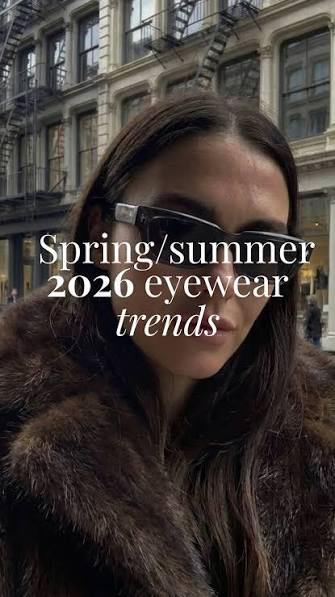
2026 Spring/Summer Fashion Trends: When Retro Small-Frame Glasses Meet the Underarm Bag
Fashion has always had a talent for bringing the past back in unexpected ways.A silhouette that once belonged to another decade can...
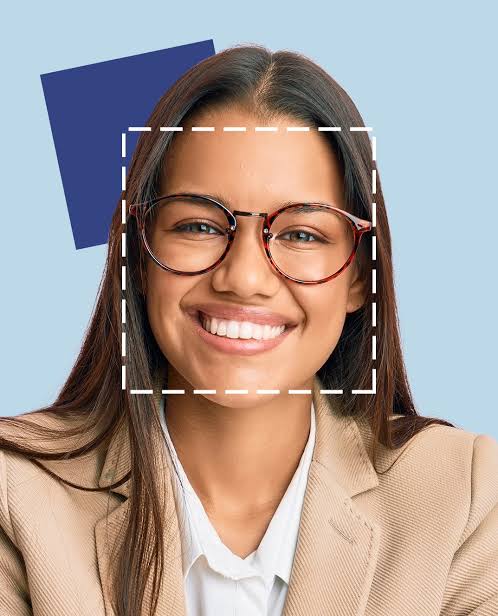
Soft Aesthetics for Girls with Square Faces: How Rounded Handbags and Gentle Eyeglass Frames Soften Facial Lines
A square face can be striking, elegant, and full of character. Defined by a broader forehead, a relatively straight jawline, and noticeable...
How to Buy Prescription Glasses Online on XCombo
Looking to buy glasses online? XCombo makes it easy to get stylish, high-quality glasses tailored to your prescription. Follow this simple step-by-step...
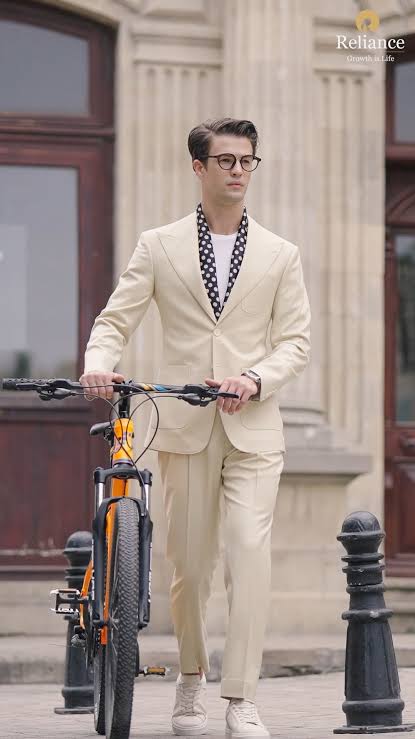
The Executive Style Code: A Career Guide to Suits, Briefcases, and Sophisticated Eyewear
In the modern workplace, professional style is about much more than wearing expensive clothes.The strongest business wardrobe communicates something before you say...

Street-Cool Style: How to Make Motorcycle Jackets, Belt Bags, and Futuristic Sunglasses Stand Out
Street fashion has never been about following every rule.It is about knowing which rules to break.A motorcycle jacket, a compact belt bag,...

The Art of Color Coordination: How to Match Your Bag With Your Eyeglass Frames for an Effortlessly Sophisticated Look
Fashion is often about the little details.A beautifully tailored outfit can look polished, yet something may still feel incomplete. The reason is...
Dating Night Style Secrets: The Perfect Collision of an Elegant Cocktail Dress, a Chain Evening Bag, and Sophisticated Semi-Rimless Glasses
Dating night is about more than choosing an outfit. It is about creating an impression without looking like you tried too hard....
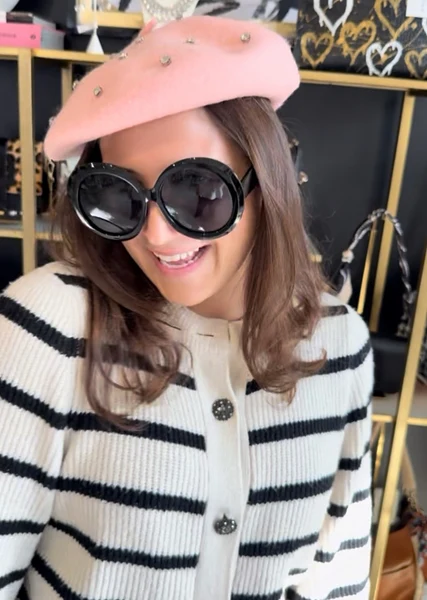
Effortless French Elegance: The Perfect Pairing of Knitwear, Tote Bags, and Cat-Eye Glasses
There is something undeniably captivating about French style.It is polished without looking overly polished, feminine without being overly delicate, and comfortable without...