
3D Printed Glasses: High-Tech Gimmick or the Future of Personalized Vision Protection?
Eyewear has always balanced two worlds: medical necessity and personal expression. For decades, glasses were manufactured using standardized molds, limited sizing systems, and mass-production techniques designed for efficiency rather than individuality. But in recent years, a new technology has begun reshaping the industry — 3D printing.
In 2026, 3D printed glasses are no longer experimental prototypes shown only at technology expos. They are appearing in optical stores, online custom eyewear platforms, and even medical vision clinics. Brands promote them as lighter, stronger, perfectly fitted, and environmentally responsible. Supporters claim they represent the future of vision care. Skeptics argue they are simply another tech-driven marketing trend.
So which is it?
Are 3D printed glasses a temporary innovation fueled by hype, or are they genuinely transforming how people protect and improve their vision?
This in-depth guide explores how the technology works, what makes it different from traditional eyewear, its advantages and limitations, and whether 3D printed glasses truly represent the next evolution of personalized vision protection.
The Evolution of Eyewear Manufacturing
To understand why 3D printing matters, it helps to look at how glasses have traditionally been made.
Traditional Manufacturing Methods
Most conventional eyeglass frames are produced through:
- Injection molding (plastic frames)
- CNC machining (metal frames)
- Hand assembly and polishing
- Standardized sizing templates
While these methods are efficient, they come with constraints:
- Limited size variations
- Waste from excess materials
- Design compromises for mass production
- Fit adjustments required after purchase
Even premium eyewear brands rely on standardized geometry designed to fit the “average face,” which often fits no one perfectly.
What Are 3D Printed Glasses?
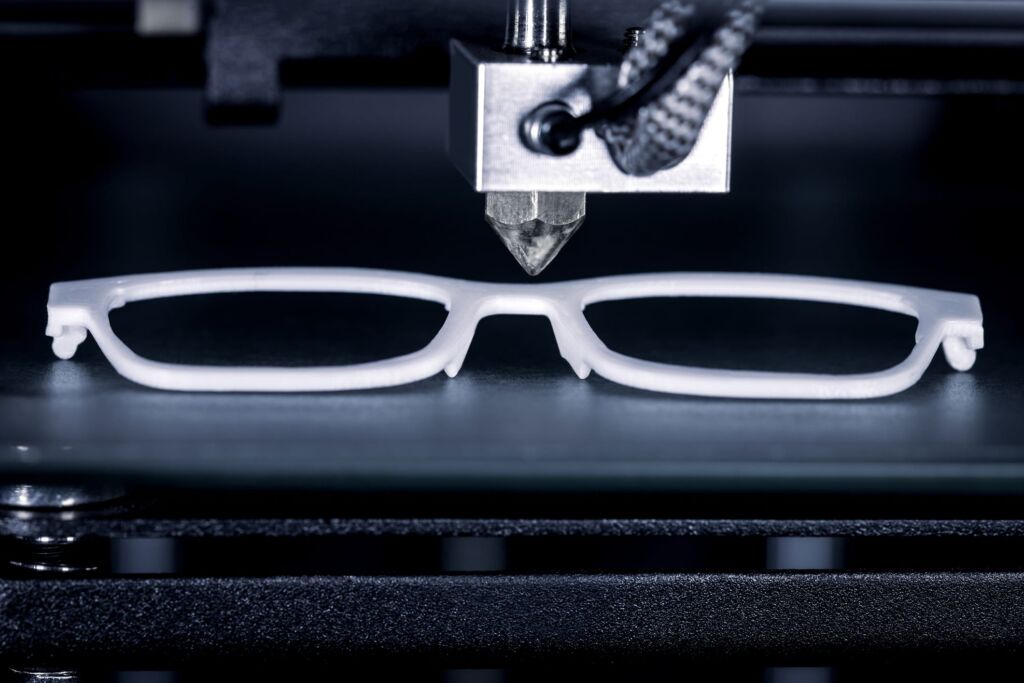
3D printed glasses are frames created through additive manufacturing, a process that builds objects layer by layer from digital designs rather than cutting material away from solid blocks.
Instead of molds, manufacturers use computer models tailored to specific measurements.
The Basic Process
- A digital frame model is created.
- Facial measurements or scans are collected.
- Software adjusts dimensions automatically.
- A 3D printer builds the frame layer by layer.
- Frames are finished, polished, and assembled with lenses.
This approach fundamentally changes how eyewear is designed and produced.
Why 3D Printing Is Entering Vision Care Now
Several technological advances converged to make 3D printed eyewear viable.
Improved Materials
Early 3D printing plastics were brittle and rough. Modern materials include:
- Nylon-based polymers
- Flexible composites
- Lightweight sintered powders
- Hypoallergenic materials
These materials offer durability comparable to traditional frames.
Precision Scanning Technology
Affordable facial scanning using smartphones and optical scanners allows precise measurement of:
- Nose bridge shape
- Temple width
- Ear height alignment
- Facial symmetry
This data enables true customization.
Demand for Personalization
Consumers increasingly expect products tailored to them — from shoes to furniture to health devices. Eyewear, worn daily and closely tied to comfort, naturally follows this trend.
The Biggest Advantage: True Custom Fit
The strongest argument for 3D printed glasses lies in personalization.
Why Fit Matters More Than Most People Realize
Poorly fitted glasses can cause:
- Pressure headaches
- Sliding frames
- Uneven lens alignment
- Eye strain
- Reduced optical performance
Traditional adjustments can only compensate so much.
3D printed frames, however, can be customized before production begins.
Personalized Parameters Include
- Frame width
- Nose pad angle
- Lens tilt
- Temple curvature
- Weight distribution
This level of customization can significantly improve long-term comfort.
Vision Protection Benefits Beyond Comfort
Better fit isn’t just about convenience — it directly affects eye health.
Accurate Optical Alignment
Prescription lenses work best when aligned precisely with pupils. Misalignment may reduce correction effectiveness.
Customized frames help maintain:
- Correct optical center positioning
- Stable viewing angles
- Reduced distortion
For people with strong prescriptions, this can make a noticeable difference.
Reduced Eye Fatigue
Stable frames minimize micro-adjustments your eyes constantly make when glasses shift position.
Users often report:
- Less end-of-day fatigue
- Improved focus during screen work
- Better reading comfort
While results vary, ergonomics plays a major role in visual comfort.
Lightweight Design and Daily Wearability
Because 3D printing builds structures layer by layer, designers can create internal lattice patterns invisible from the outside.
Benefits include:
- Reduced weight without sacrificing strength
- Balanced pressure distribution
- Enhanced airflow around the face
Lighter frames encourage consistent wear — an important factor in maintaining proper vision correction habits.
Design Freedom: Beyond Traditional Shapes
Injection molding limits design complexity because frames must release from molds.
3D printing removes these restrictions.
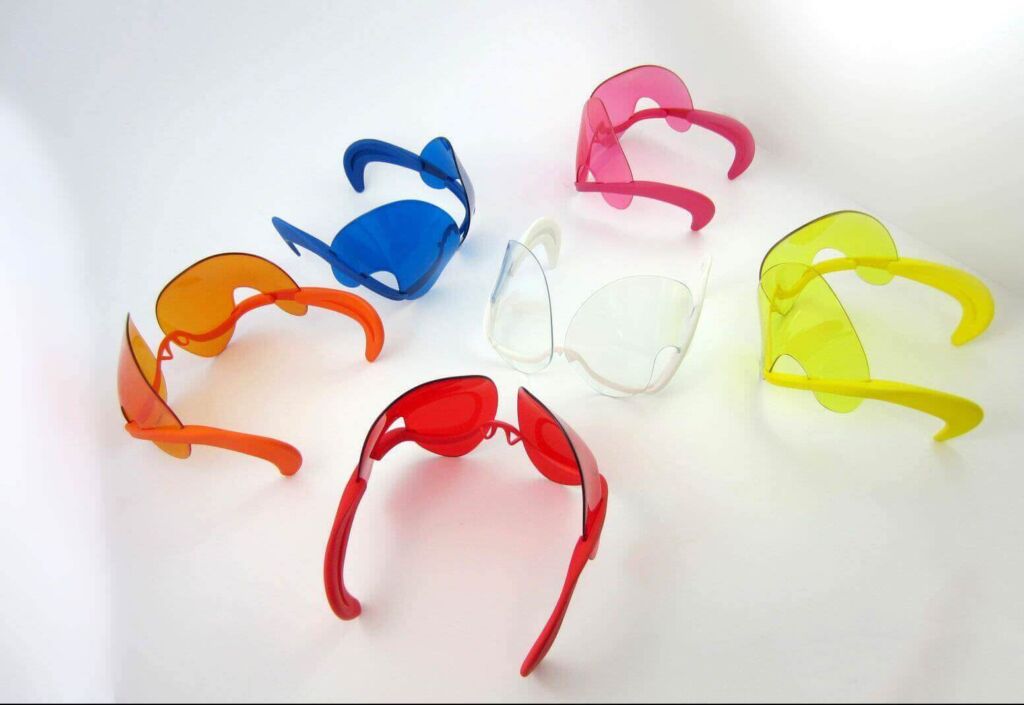
Design possibilities include:
- Organic geometries
- ultra-thin structures
- flexible hinges
- customized aesthetics
Consumers gain access to designs impossible with traditional manufacturing.
Sustainability Advantages
Environmental impact is becoming a major purchasing factor.
Traditional Frame Waste
Conventional production creates waste through:
- excess material trimming
- unused inventory
- mold replacement
Additive Manufacturing Efficiency
3D printing uses material only where needed.
Potential benefits:
- Reduced material waste
- On-demand production
- Lower inventory surplus
- Localized manufacturing
Some companies now print frames regionally, reducing shipping emissions.
Are 3D Printed Glasses Durable?
One of the biggest concerns is durability.
Strength Comparison
Modern sintered nylon frames often demonstrate:
- High impact resistance
- Flexibility without cracking
- Resistance to temperature changes
Unlike brittle plastics, many printed frames bend slightly before breaking.
However, durability varies widely depending on manufacturer quality and finishing processes.
Common Misconceptions About 3D Printed Eyewear
Myth 1: They Feel Cheap
Early prototypes looked rough, but modern finishing techniques create smooth, premium textures.
Myth 2: Only Tech Enthusiasts Use Them
Today’s buyers include:
- office professionals
- students
- athletes
- long-time prescription wearers
Customization appeals to practical users, not just gadget fans.
Myth 3: They Are Experimental
Many optical labs now integrate additive manufacturing into regular workflows.
Where 3D Printed Glasses Still Fall Short
Despite advantages, limitations remain.
Higher Initial Cost
Custom manufacturing can cost more upfront than mass-produced frames.
However, longer lifespan and comfort may offset the difference.
Limited Instant Availability
Unlike store shelves stocked with ready-made frames, custom prints require production time, typically ranging from several days to a few weeks.
Fit Depends on Scan Quality
Poor measurement leads to poor results. Accurate scanning remains critical.
Medical Applications Beyond Everyday Glasses
The real future may lie in medical customization.
Emerging applications include:
- pediatric adaptive frames
- asymmetrical facial structures
- post-surgical eyewear
- specialized sports protection
3D printing allows designs tailored to medical needs previously difficult to accommodate.
Integration With Smart Eyewear
As wearable technology grows, 3D printing enables better integration of electronics.
Potential innovations:
- embedded sensors
- AR display alignment
- biometric monitoring
- modular components
Custom frames make room for hardware without compromising comfort.
Consumer Experience: Ordering Process
Typical purchasing steps:
- Upload facial scan or measurements.
- Choose frame style.
- Customize fit and color.
- Production begins.
- Frames shipped and fitted with lenses.
This digital-first process reflects broader shifts in retail customization.
Who Benefits Most From 3D Printed Glasses?
High Prescription Users
Precise alignment improves optical accuracy.
All-Day Computer Users
Lightweight comfort reduces fatigue.
Hard-to-Fit Faces
People who struggle with standard sizes see major improvements.
Style-Conscious Consumers
Unique designs offer individuality.
Comparing Traditional vs 3D Printed Frames
| Feature | Traditional Frames | 3D Printed Frames |
|---|---|---|
| Fit | Standard sizes | Personalized |
| Production | Mass manufacturing | On-demand |
| Design Limits | High | Minimal |
| Waste | Higher | Lower |
| Customization | Limited | Extensive |
| Availability | Immediate | Made-to-order |
Are They Worth the Price in 2026?
Value depends on priorities.
They may be worth it if you value:
- comfort over trend cycles
- long-term wearability
- personalized fit
- sustainable production
They may not be ideal if you frequently switch styles or prefer low-cost fashion eyewear.
Industry Adoption Trends
Optical retailers increasingly adopt hybrid models:
- traditional frames for quick purchases
- 3D printed options for premium customization
As printing speed improves, prices are expected to decrease.
The Role of AI in Custom Eyewear
Artificial intelligence now assists with:
- face-shape analysis
- pressure-point prediction
- fit optimization
- style recommendations
AI-driven customization may soon make perfectly fitted glasses the norm rather than the exception.
The Future of Vision Protection
The long-term impact extends beyond aesthetics.
Future possibilities include:
- adaptive lenses paired with custom frames
- health-monitoring eyewear
- personalized blue-light management
- prescription optimization through wear analytics
3D printing provides the flexible manufacturing foundation needed for these innovations.
High-Tech Gimmick or Genuine Innovation?
The answer lies somewhere between skepticism and excitement.
3D printed glasses are not magic solutions. They will not automatically improve eyesight or replace professional eye care. But they do solve real problems long present in traditional eyewear:
- imperfect fit
- production waste
- limited personalization
- discomfort during extended wear
Unlike many technology trends, the benefits are practical and measurable.
Final Verdict: The Beginning of a New Eyewear Era
In 2026, 3D printed glasses are transitioning from novelty to mainstream adoption. While traditional frames will remain widely available, customization is becoming increasingly important in vision care.
The technology represents more than a design trend — it signals a shift toward personalized health products tailored to individual anatomy and lifestyle.
For consumers seeking comfort, precision, and modern manufacturing innovation, 3D printed eyewear offers a compelling glimpse into the future of vision protection.
Rather than replacing traditional glasses overnight, additive manufacturing is quietly redefining expectations: glasses should not merely fit well enough — they should fit perfectly.
And as scanning tools, materials, and production speed continue improving, the question may soon change from “Are 3D printed glasses worth it?” to “Why weren’t glasses always made this way?”
Share this post
How Should Your Glasses Fit for Comfort and Style?
Choosing the right pair of eyeglasses is about more than finding a frame design you like. A properly fitted pair of glasses...
How to Install and Remove the Top Frame
How to Install Your XCombo TopperCheck Left & RightMake sure each topper is on the correct side.Attach at the Nose BridgeAlign the...
Say Goodbye to an Awkward Look: How to Choose the Right Eyeglasses Based on Your Body Proportions and Bag Size
Eyeglasses are more than a vision-correction tool. They are also an important fashion accessory that can influence the balance, proportion, and overall...
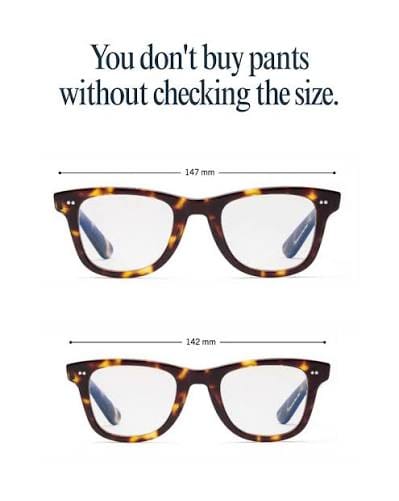
Say Goodbye to Awkward Proportions: How to Choose the Right Glasses for Your Body Shape and Bag Size
Accessories can transform an ordinary outfit into a polished, thoughtfully coordinated look. A beautiful handbag adds personality, while the right pair of...
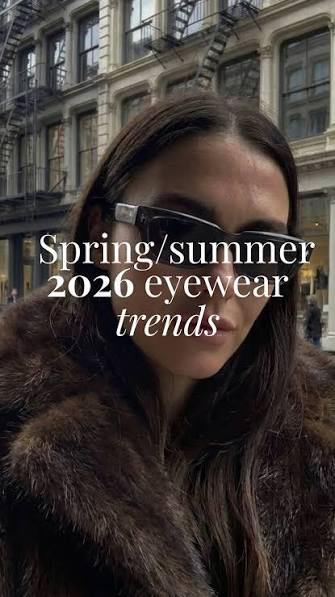
2026 Spring/Summer Fashion Trends: When Retro Small-Frame Glasses Meet the Underarm Bag
Fashion has always had a talent for bringing the past back in unexpected ways.A silhouette that once belonged to another decade can...
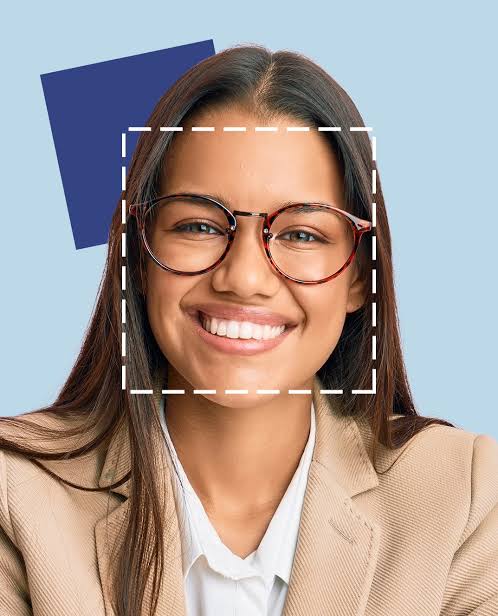
Soft Aesthetics for Girls with Square Faces: How Rounded Handbags and Gentle Eyeglass Frames Soften Facial Lines
A square face can be striking, elegant, and full of character. Defined by a broader forehead, a relatively straight jawline, and noticeable...
How to Buy Prescription Glasses Online on XCombo
Looking to buy glasses online? XCombo makes it easy to get stylish, high-quality glasses tailored to your prescription. Follow this simple step-by-step...
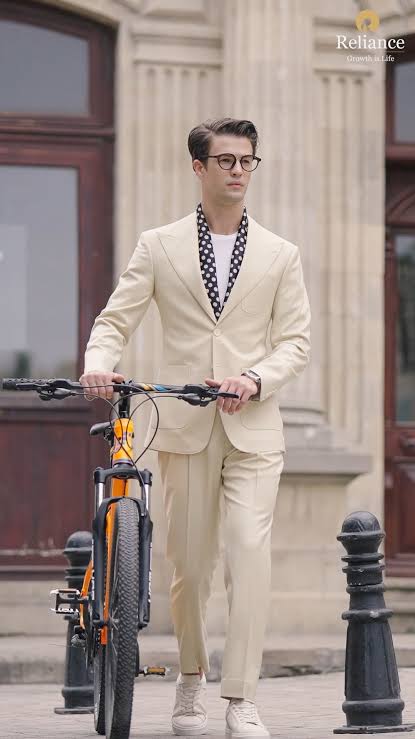
The Executive Style Code: A Career Guide to Suits, Briefcases, and Sophisticated Eyewear
In the modern workplace, professional style is about much more than wearing expensive clothes.The strongest business wardrobe communicates something before you say...
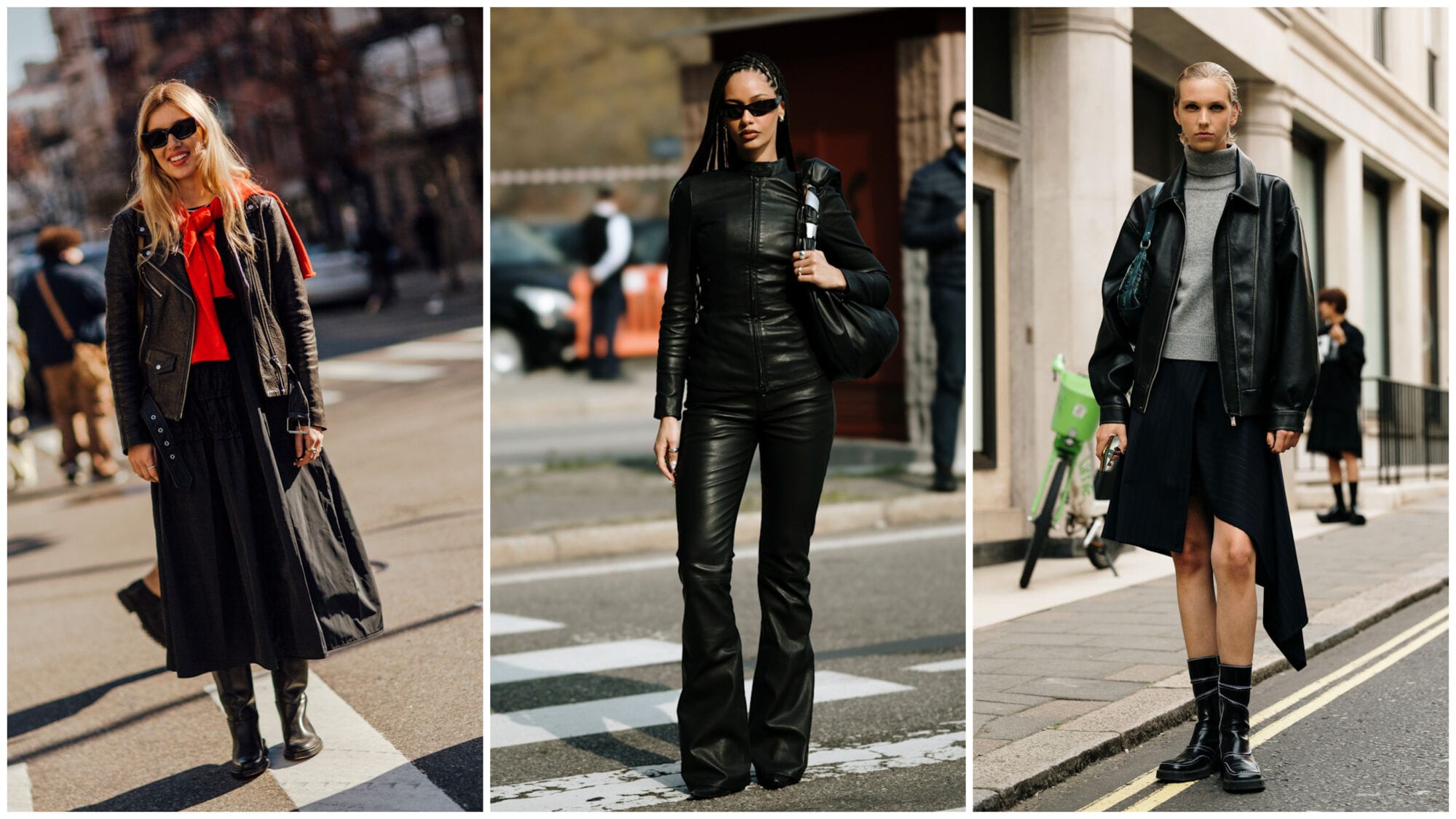
Street-Cool Style: How to Make Motorcycle Jackets, Belt Bags, and Futuristic Sunglasses Stand Out
Street fashion has never been about following every rule.It is about knowing which rules to break.A motorcycle jacket, a compact belt bag,...

The Art of Color Coordination: How to Match Your Bag With Your Eyeglass Frames for an Effortlessly Sophisticated Look
Fashion is often about the little details.A beautifully tailored outfit can look polished, yet something may still feel incomplete. The reason is...
Dating Night Style Secrets: The Perfect Collision of an Elegant Cocktail Dress, a Chain Evening Bag, and Sophisticated Semi-Rimless Glasses
Dating night is about more than choosing an outfit. It is about creating an impression without looking like you tried too hard....
Effortless French Elegance: The Perfect Pairing of Knitwear, Tote Bags, and Cat-Eye Glasses
There is something undeniably captivating about French style.It is polished without looking overly polished, feminine without being overly delicate, and comfortable without...