


If You Could Design the Future: What Features Would Your Dream Modular Eyeglasses Have?
Eyeglasses have come a long way from the simple corrective lenses first used centuries ago. Today, they serve multiple roles: vision correction, fashion statement, protective gear, and sometimes even a piece of wearable technology. Yet despite all the advances in optics and frame design, most glasses still follow a relatively traditional structure—two lenses, a fixed frame, and temple arms that fold.
But what if eyewear could be something more?
Imagine designing a pair of glasses that adapts to your daily life. A frame that can change functions depending on where you are, what you're doing, and how you want to see the world. Instead of buying multiple pairs of glasses for different situations, what if you could create a modular system that evolves with you?
The idea of a “combination” or modular eyewear system is gaining attention among designers, engineers, and consumers alike. These futuristic glasses would allow users to swap components, add features, and personalize performance in ways that traditional frames simply cannot offer.
If you had the chance to design the future of eyewear, what would your dream modular glasses include? Let’s explore the possibilities.
The Rise of Modular Design in Everyday Products
Before diving into eyewear, it’s worth understanding the concept of modular design.
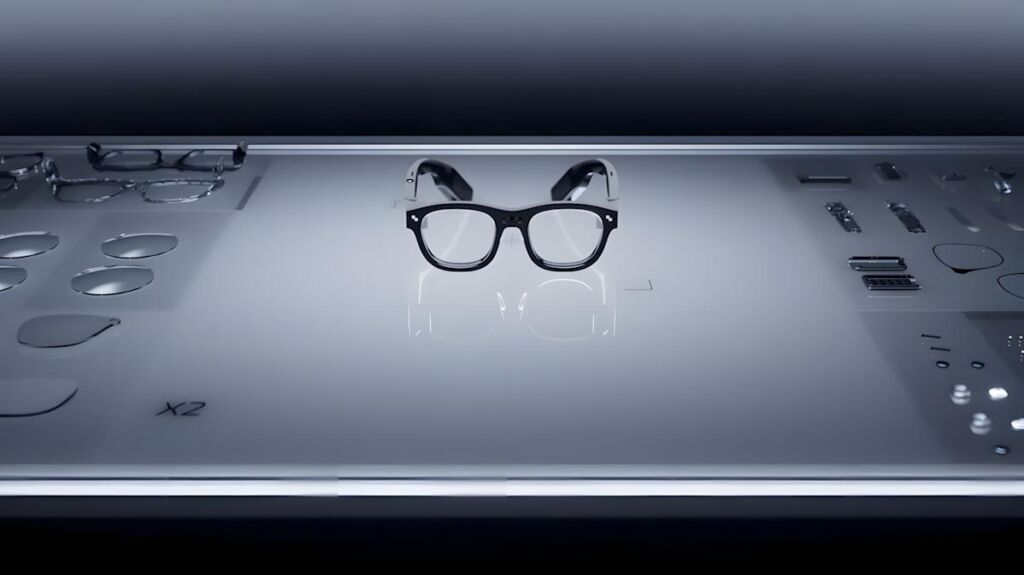
A modular product is built from interchangeable parts that can be assembled in different configurations. Instead of a single fixed design, users can customize the product by adding or replacing modules.
Many modern technologies already use this approach.
Examples include:
- Interchangeable camera lenses
- Detachable laptop components
- Modular furniture systems
- Smart home devices with expandable features
The benefit is flexibility. Instead of replacing an entire product when needs change, users can simply upgrade or swap individual parts.
Applying this concept to eyewear opens the door to exciting possibilities.
Why Traditional Glasses Are Limited
Most glasses today are designed for a single purpose.
For example:
- Everyday prescription glasses
- Reading glasses
- Computer glasses
- Sunglasses
- Sports eyewear
Many people own multiple pairs because no single frame can handle every scenario.
This leads to common frustrations:
- Constantly switching glasses throughout the day
- Carrying multiple cases while traveling
- Forgetting the right pair at home
- Spending money on several separate frames
A modular eyewear system could solve these problems by allowing one base frame to support many functions.
The Core of the Dream: A Modular Frame System
At the center of futuristic combination glasses would be a durable base frame.
This frame would serve as the structural platform where different modules connect.
The base frame might include:
- Precision attachment points
- magnetic connectors
- snap-fit joints
- modular lens mounts
These connectors would allow users to quickly swap components without tools.
The goal would be simplicity: changing functions in seconds.
Interchangeable Lenses for Every Situation
The most obvious modular feature would be interchangeable lenses.
Different lenses could serve different visual needs.
Everyday Prescription Lenses
These would function as the primary lenses used during normal daily activities.
They might include features such as:
- anti-reflective coatings
- scratch-resistant layers
- lightweight optical materials
Blue Light Filtering Lenses
For people who spend hours in front of screens, specialized lenses could reduce digital eye strain.
Instead of owning a separate pair of computer glasses, users could simply swap in blue light lenses during work hours.
Sunglass Lenses
Outdoor environments often require sun protection.
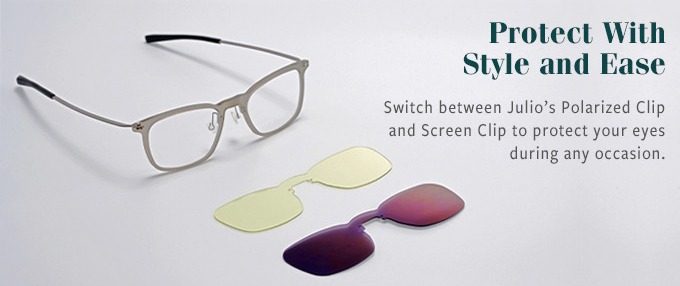
A modular system could allow tinted or polarized lenses to attach quickly to the frame.
Photochromic Smart Lenses
Some dream designs might include adaptive lenses that automatically darken in bright sunlight.
This would eliminate the need to switch lenses at all.
Clip-On Modules That Actually Feel Modern
Traditional clip-on sunglasses have existed for years, but many people dislike their bulky appearance.
A futuristic modular system could reinvent this idea.
Magnetic attachments could allow slim, elegant sun-shield modules to snap onto the frame.
These modules might include:
- polarized filters
- mirrored coatings
- gradient tints
When removed, the glasses would return to their normal indoor appearance.
Adjustable Frame Geometry
Another exciting feature of dream eyewear would be adjustable frame geometry.
Every face is different. Traditional frames are manufactured in limited sizes, which means many people compromise on fit.
Future modular glasses could allow certain adjustments.
Possible features might include:
- adjustable temple length
- customizable nose bridge height
- interchangeable nose pads
- flexible frame curvature
These options would allow users to fine-tune comfort.
Smart Technology Integration
As wearable technology becomes more advanced, eyewear is a natural platform for smart features.
In a dream modular design, technology could be optional rather than permanent.
Users could attach or detach smart modules depending on their needs.
Audio Modules
Small speakers built into the temple arms could allow users to listen to music or take calls without earbuds.
Notification Displays
Subtle visual indicators could display alerts, reminders, or navigation prompts.
Fitness Sensors
Integrated sensors might track physical activity, heart rate, or posture.
Environmental Sensors
Future glasses could measure light intensity, air quality, or UV exposure.
These features would transform eyewear into a multifunctional wearable device.
Protective Modules for Specialized Activities
Different activities require different types of eye protection.
Modular eyewear could include specialized protective attachments.
Sports Shields
Athletes could attach wraparound shields for activities such as cycling or running.
Safety Lenses
People working in construction or laboratories might add impact-resistant protective lenses.
Dust and Wind Guards
Outdoor enthusiasts could attach side shields that block wind or debris.
Instead of owning multiple pairs of protective glasses, one modular system could handle many scenarios.
Style Customization Without Buying New Frames
Fashion plays a huge role in eyewear.
Many people buy new glasses simply to change their style.
A modular system could make aesthetic changes easier and more affordable.
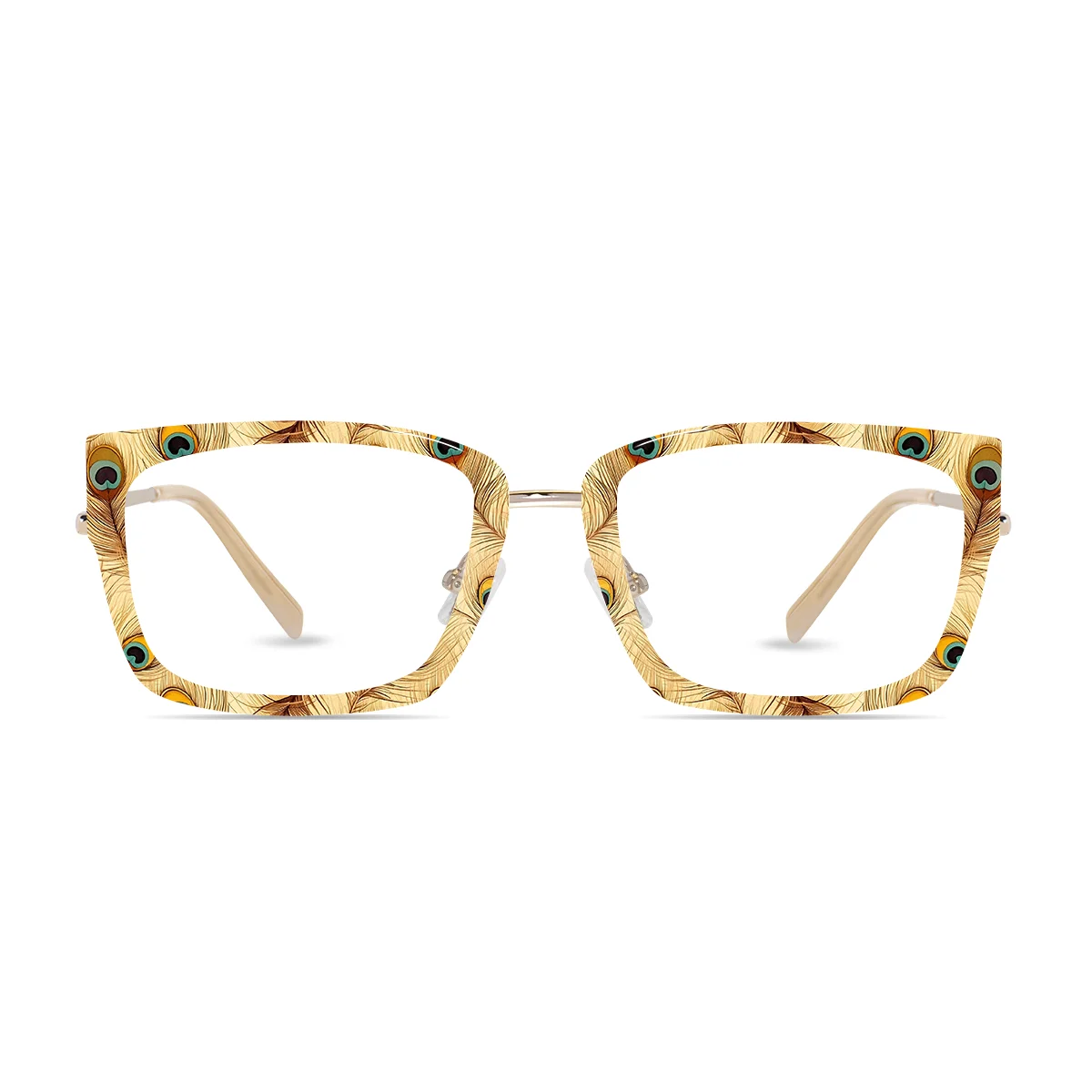
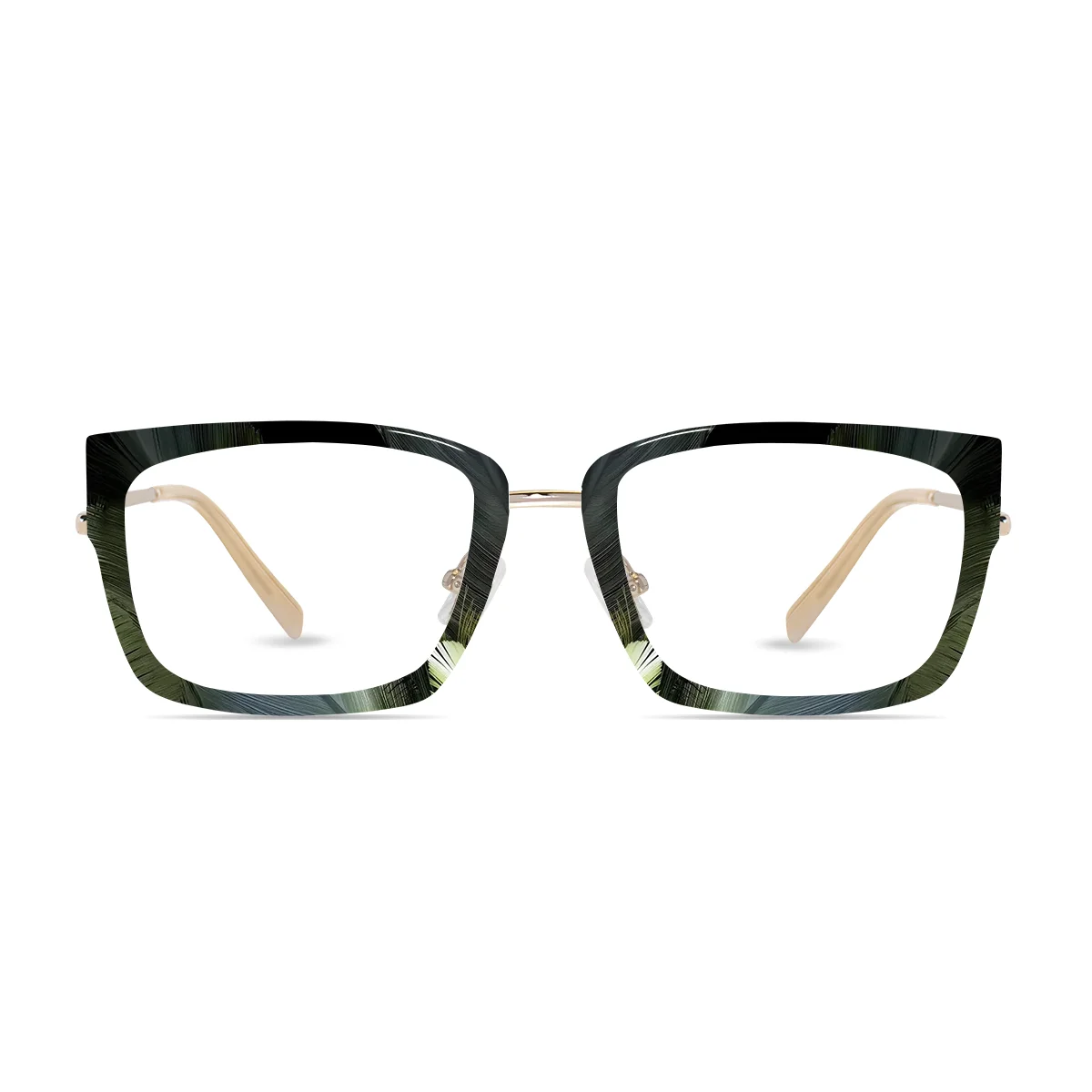
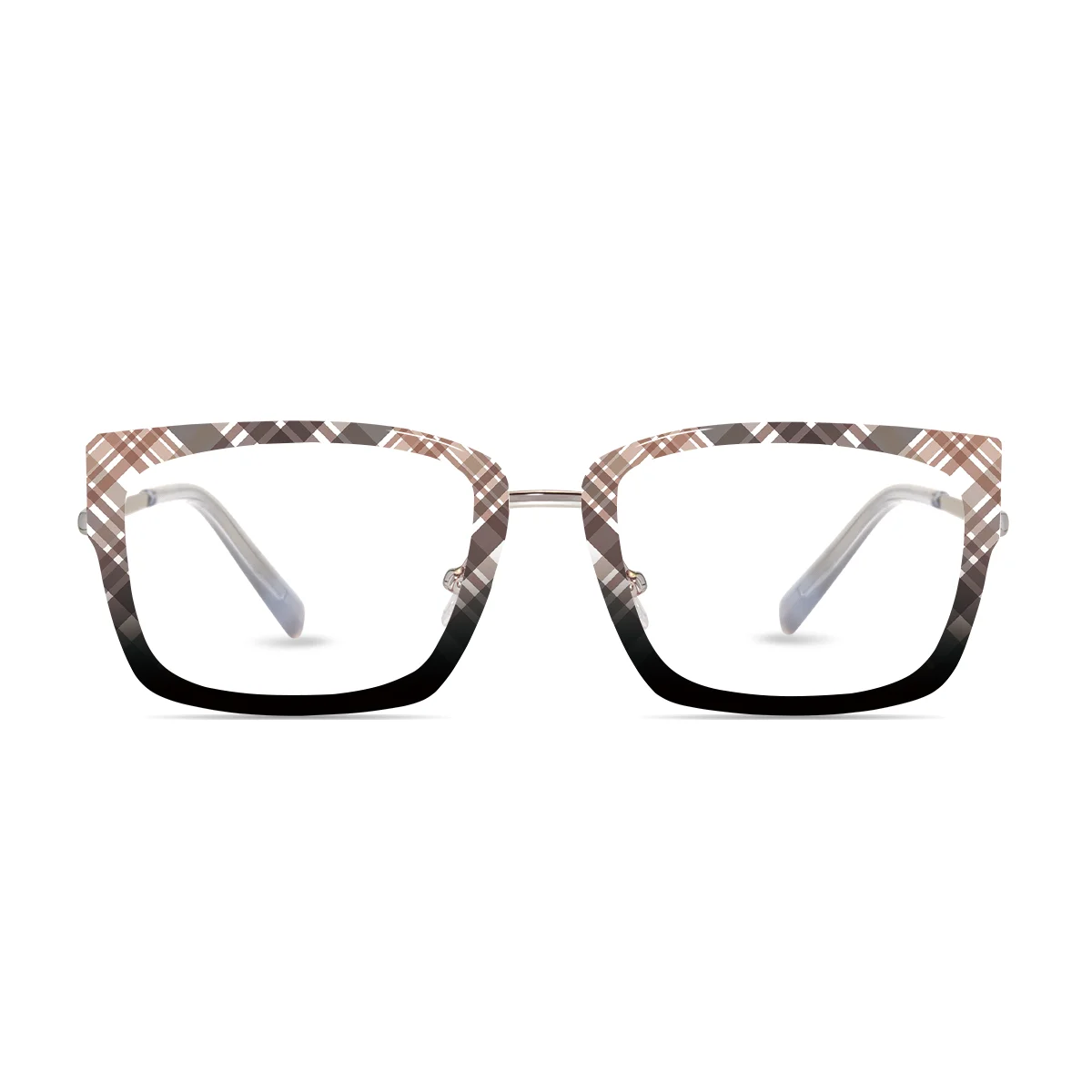
Possible style modules might include:
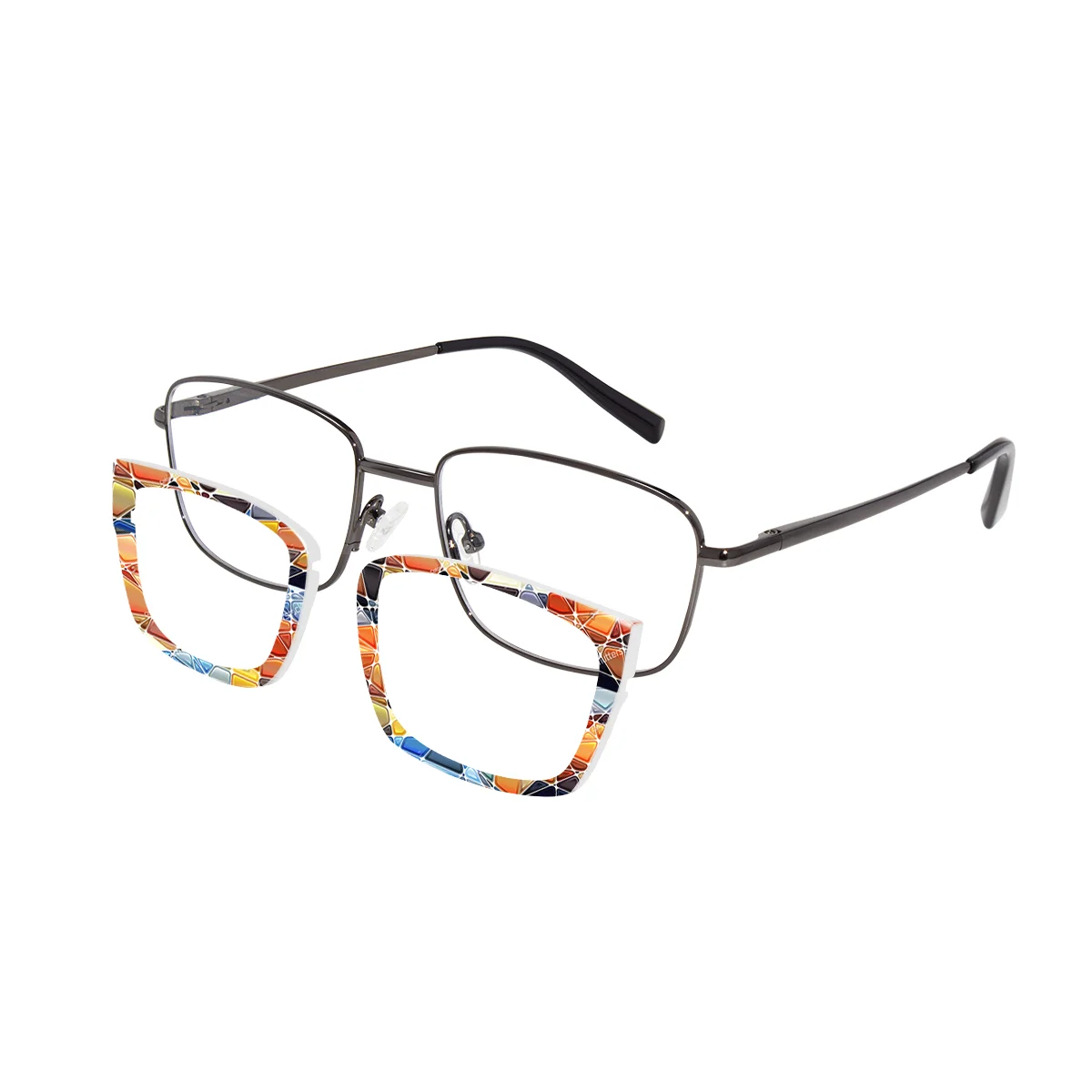
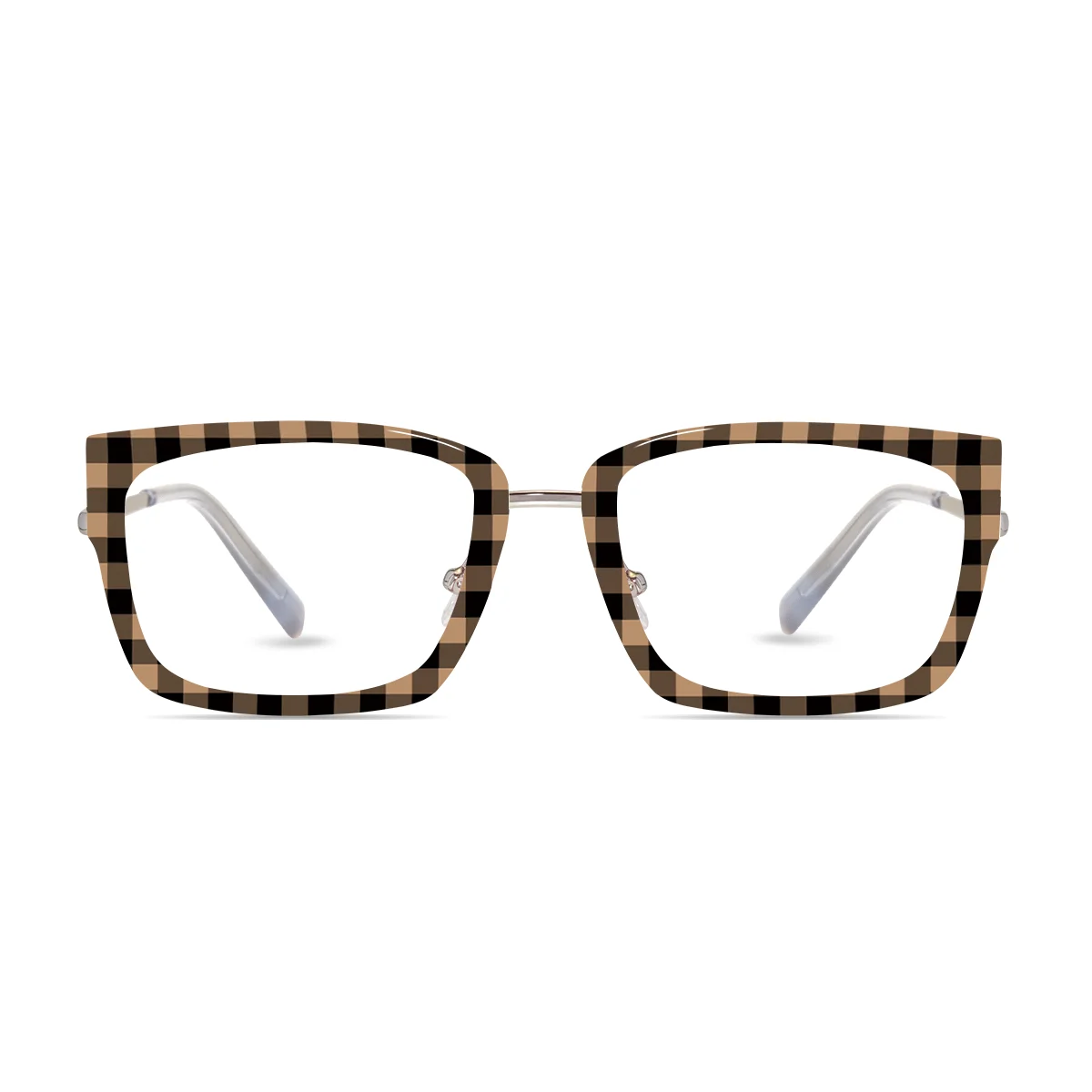
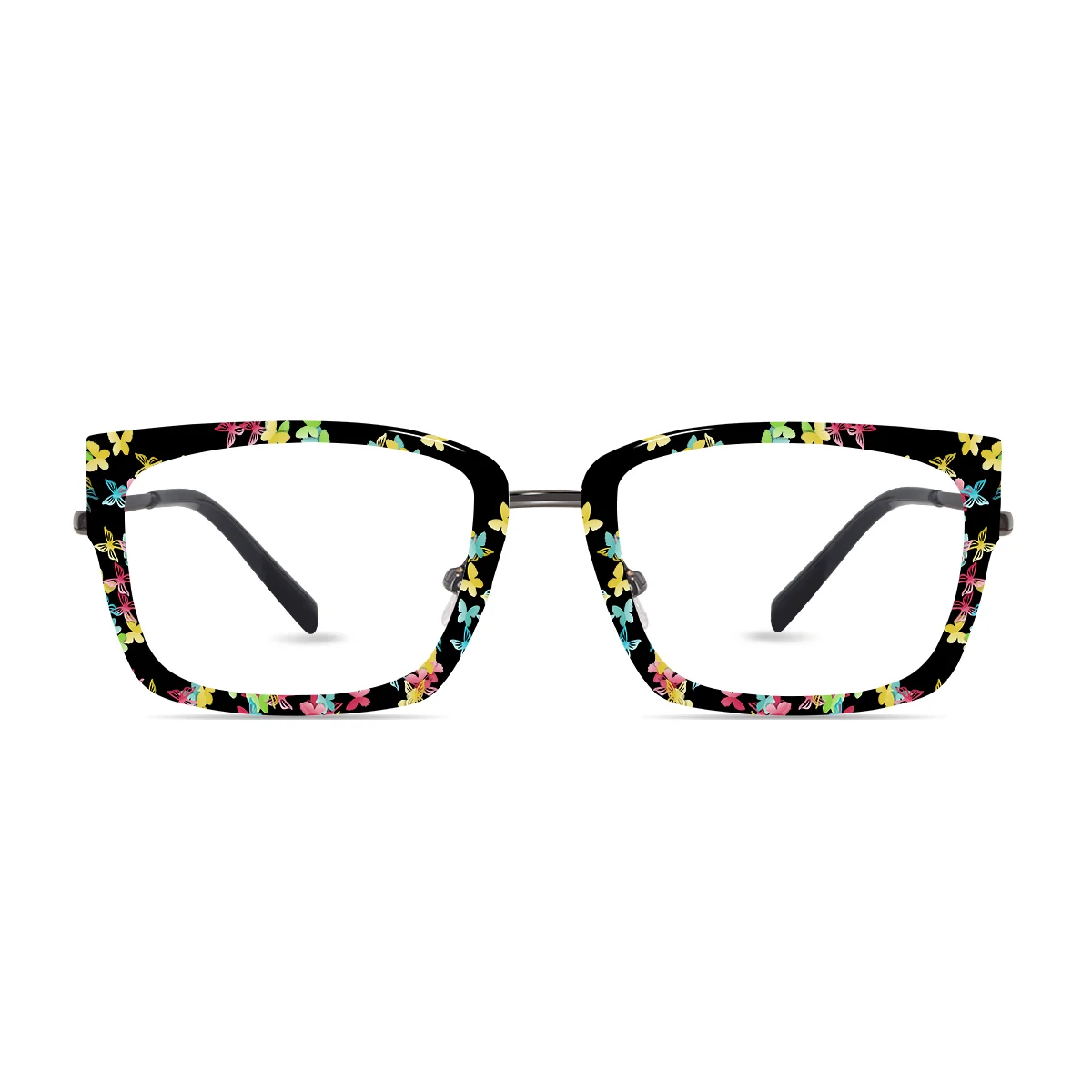
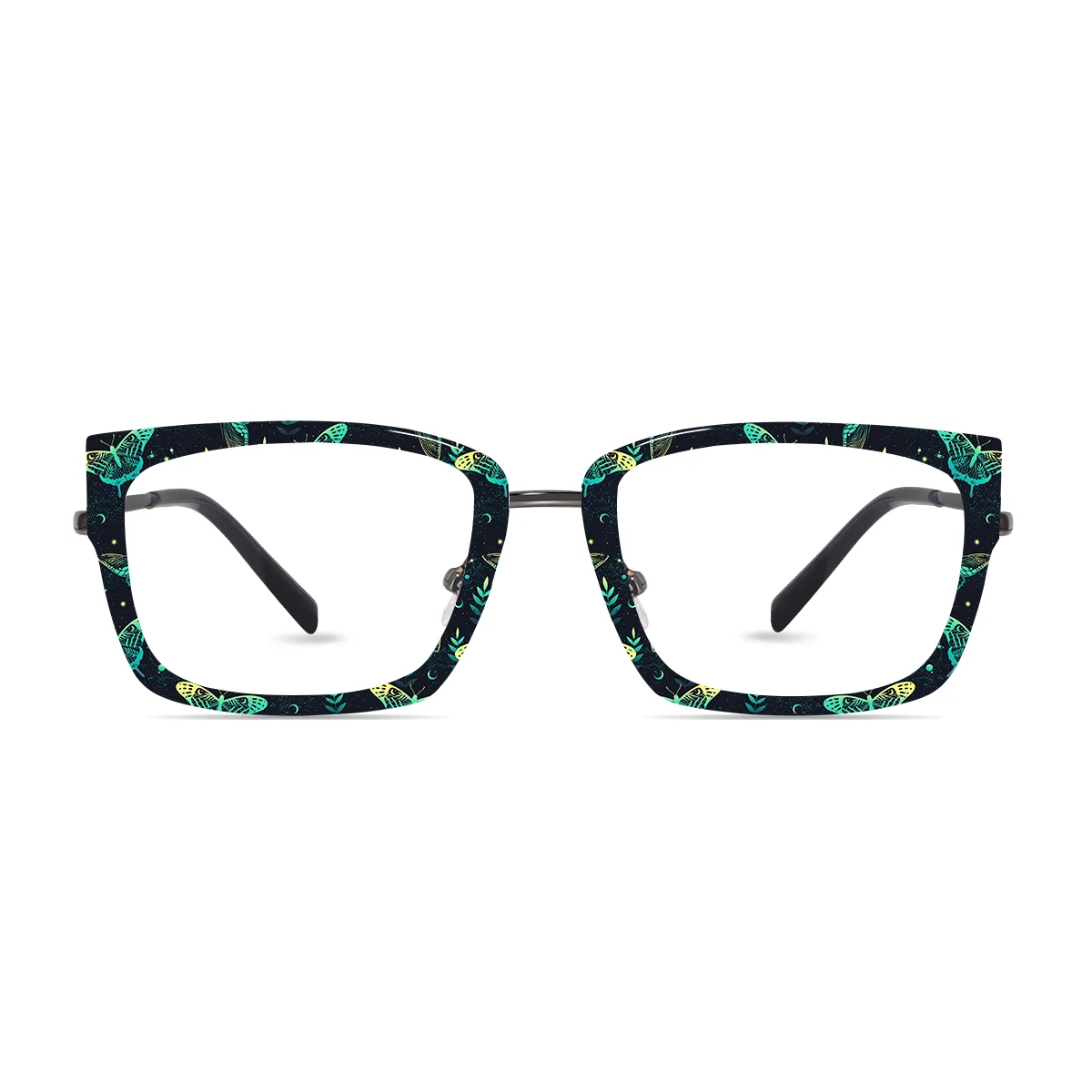
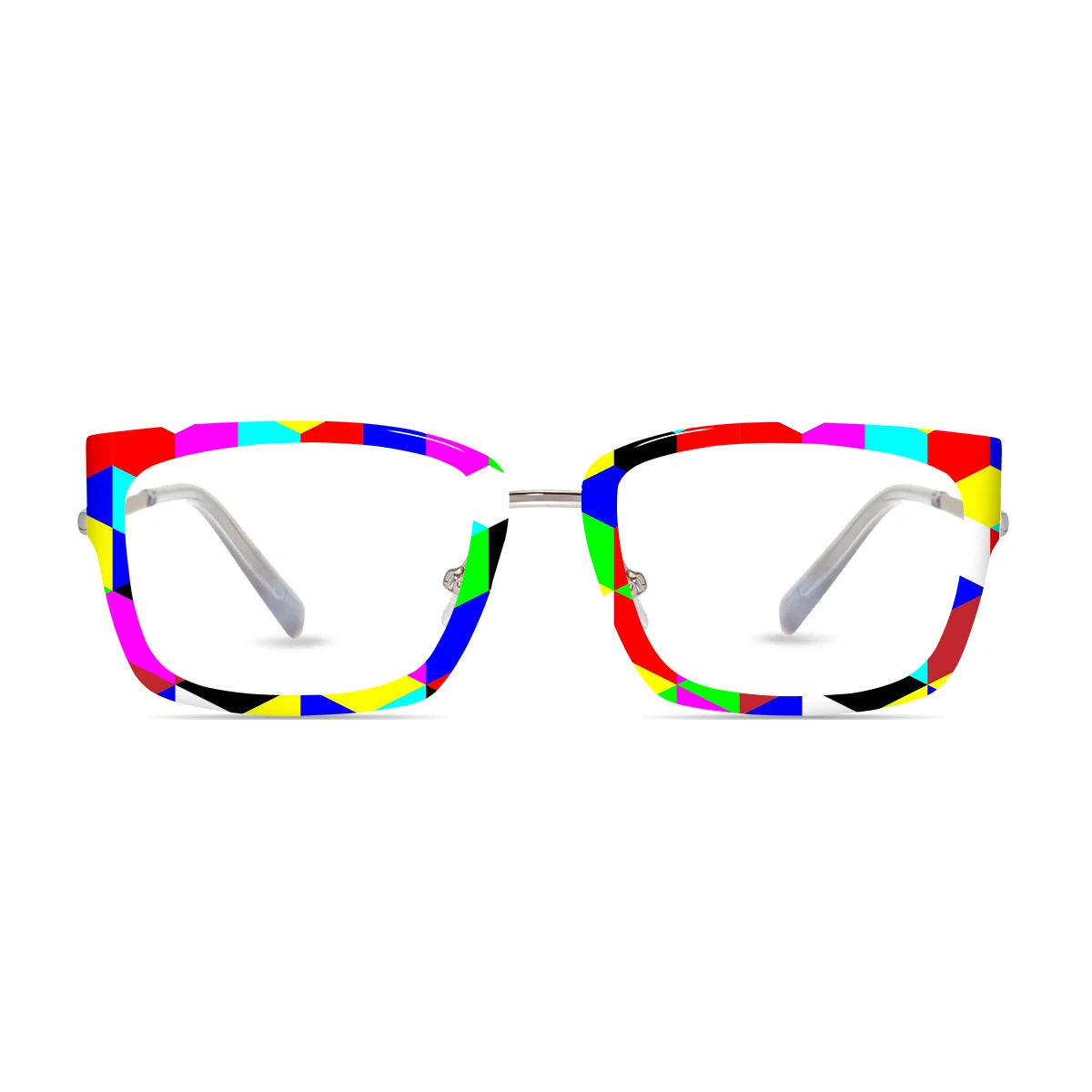
- interchangeable frame rims
- decorative temple arms
- colored accents
- textured materials
Users could transform the look of their glasses in minutes.
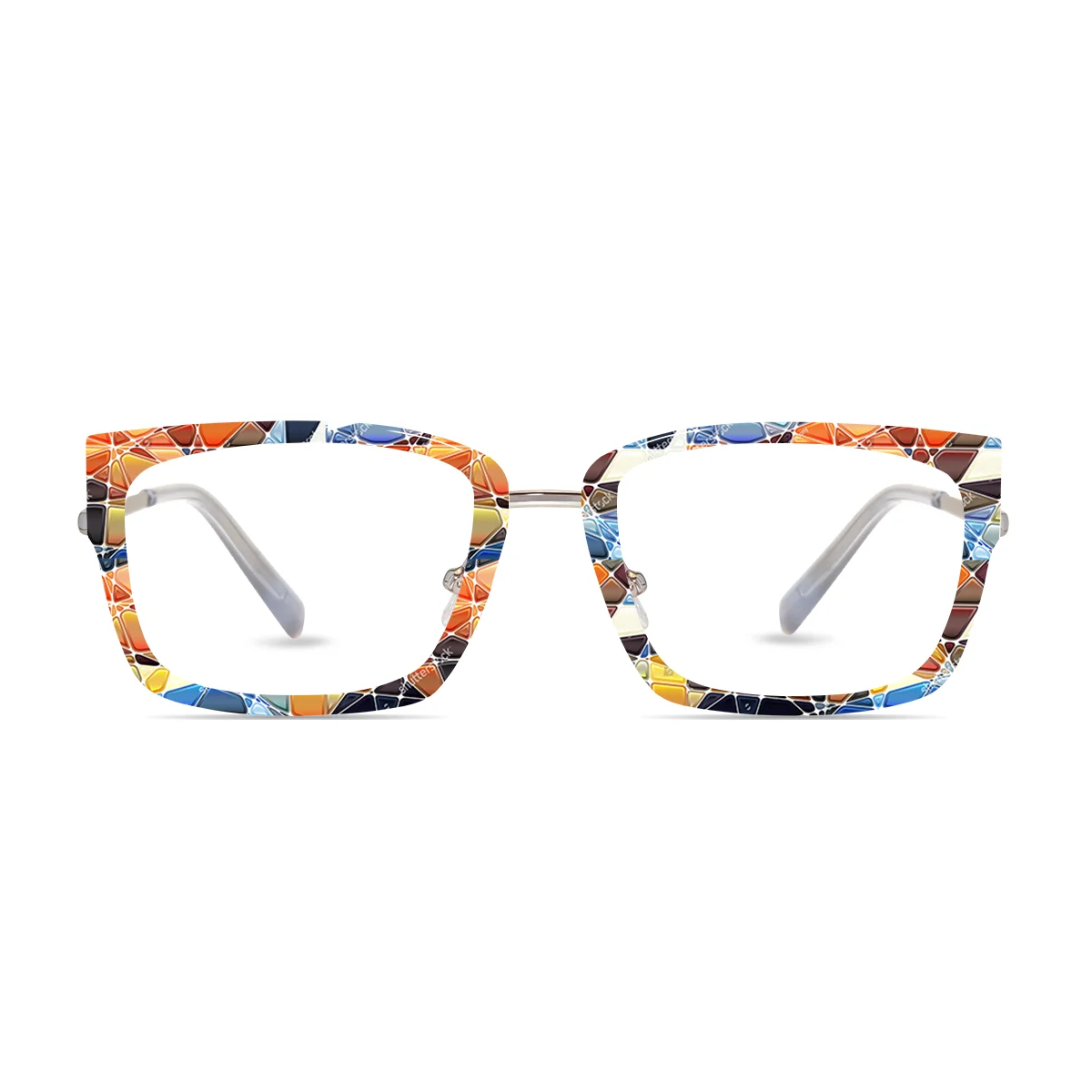
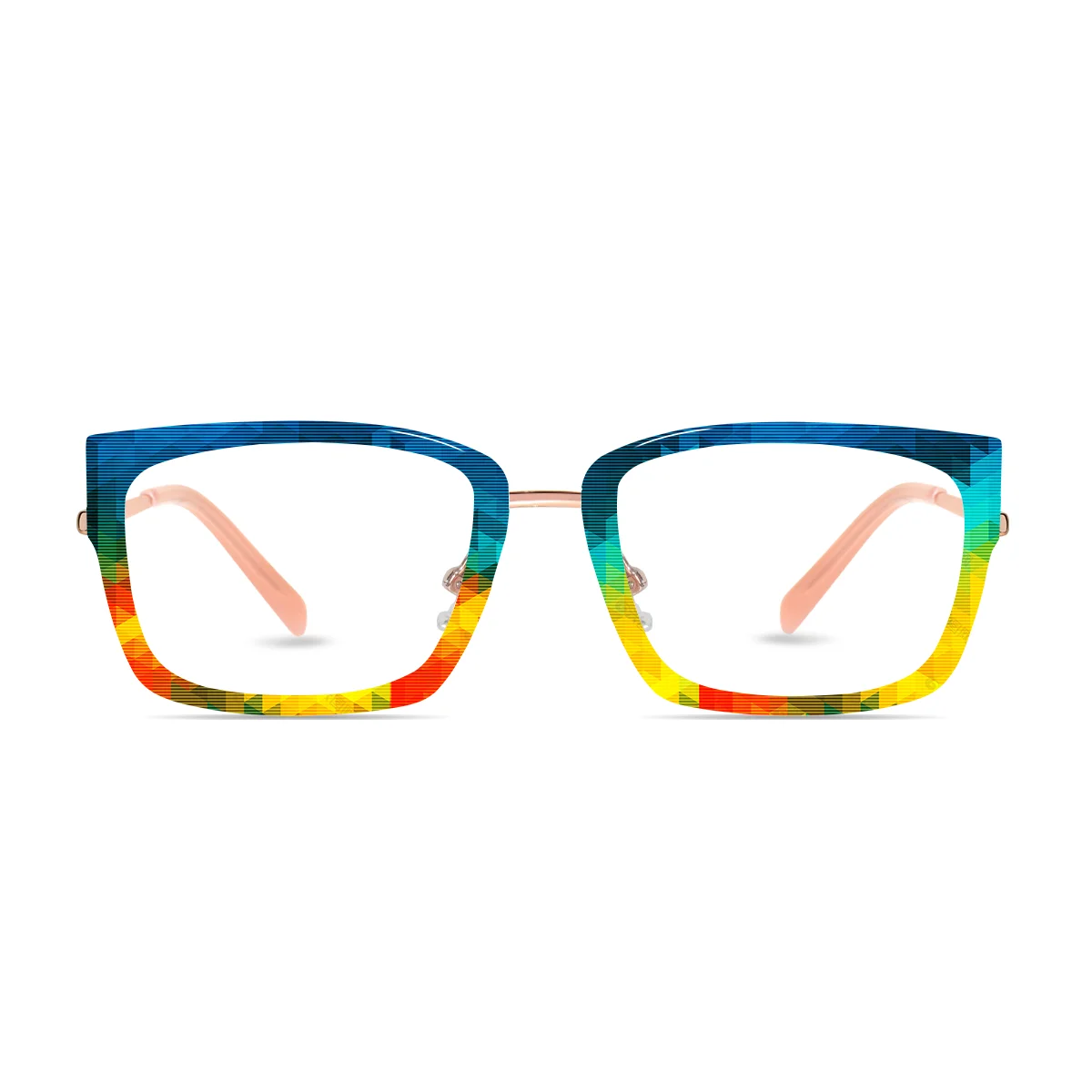
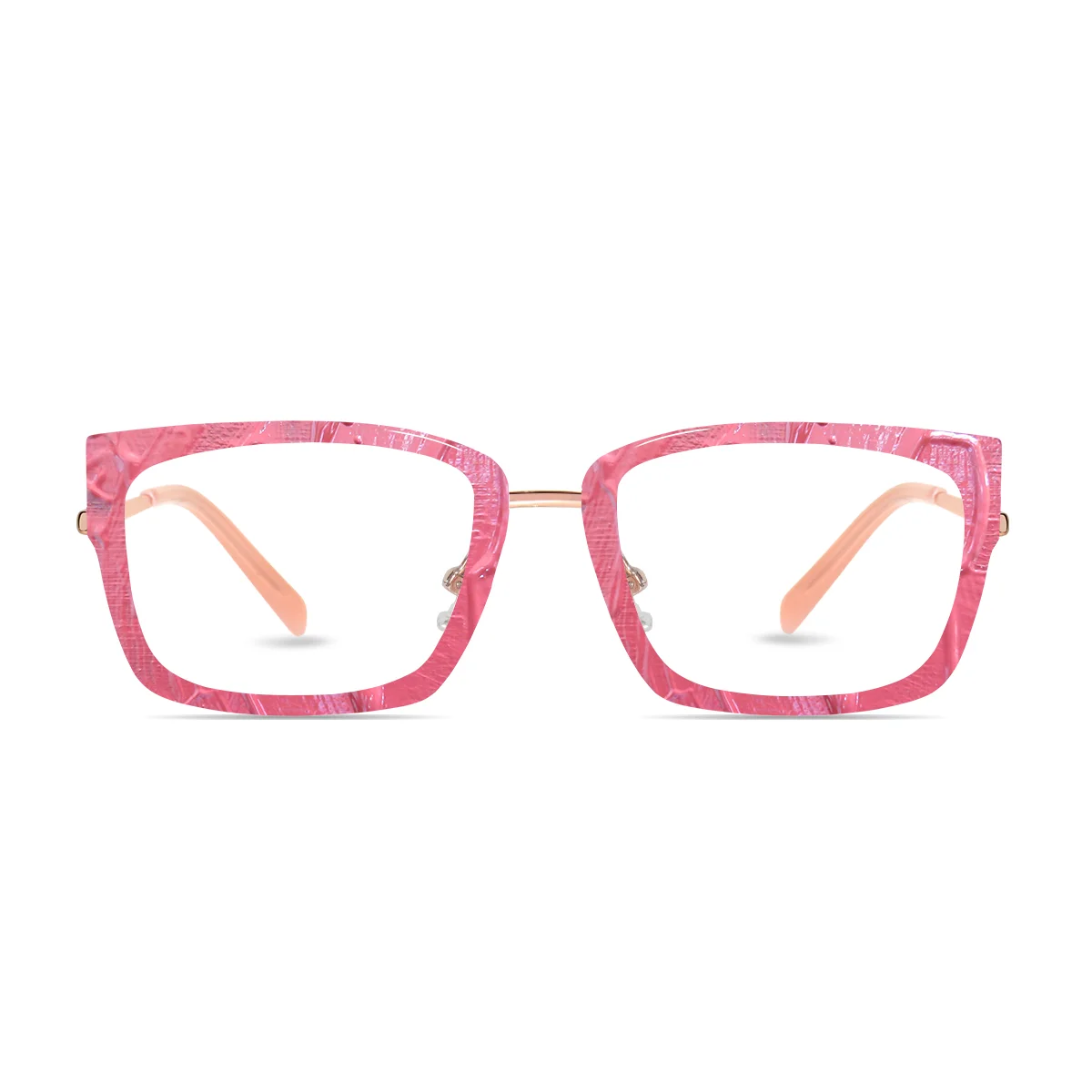
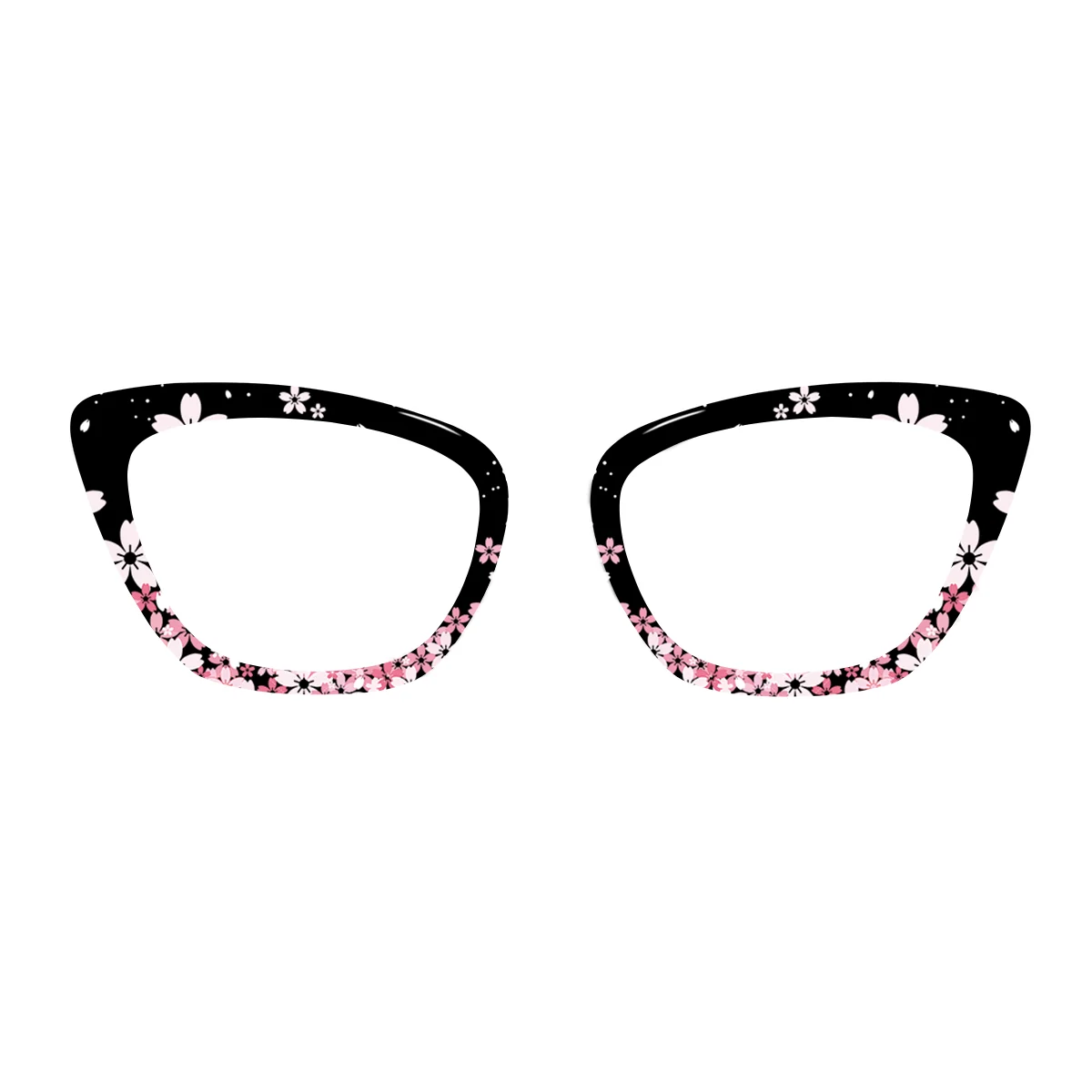
This would make eyewear feel more like a customizable accessory rather than a static object.
Travel-Friendly Eyewear Systems
Travelers often face the inconvenience of carrying several pairs of glasses.
A modular system could simplify packing.
Instead of multiple frames, a traveler might carry:
- one base frame
- two or three lens sets
- a sun shield module
- a protective sports attachment
All components could fit neatly into a compact travel case.
This approach would reduce luggage space while maintaining versatility.
Lightweight Advanced Materials
For modular eyewear to work effectively, the base frame must be both strong and lightweight.
Future designs might use advanced materials such as:
- titanium alloys
- carbon fiber composites
- aerospace-grade polymers
- flexible memory metals
These materials would ensure durability while keeping the frame comfortable for long periods.
Tool-Free Assembly
One of the most important aspects of modular design is ease of use.
No one wants to carry tiny screwdrivers just to change lenses.
Dream modular glasses would rely on simple connection systems such as:
- magnetic alignment
- snap-fit joints
- sliding rail mounts
- click-lock connectors
These systems would allow users to change components quickly and securely.
Sustainability Benefits of Modular Eyewear
Modular design also supports more sustainable consumption.
Instead of replacing entire glasses when needs change, users could simply update individual modules.
Benefits include:
- reduced material waste
- longer product lifespan
- easier repairs
- fewer discarded frames
As consumers become more environmentally conscious, modular products may become increasingly attractive.

The Role of Customization Technology
Modern manufacturing technologies are making personalized eyewear more achievable than ever.
Tools such as:
- 3D scanning
- digital modeling
- precision CNC machining
- advanced polymer molding
allow frames to be tailored to individual facial measurements.
When combined with modular systems, this level of customization could create eyewear that feels truly personal.
Potential Challenges of Modular Eyewear
While the idea of dream combination glasses is exciting, there are also challenges to consider.
Designers must balance flexibility with durability.
Connection points must be strong enough to withstand repeated changes.
Modules must remain lightweight and aesthetically appealing.
Another challenge is maintaining optical alignment. Lenses must sit precisely in front of the eyes to provide accurate vision correction.
Achieving this level of precision requires careful engineering.
However, advances in materials and manufacturing are steadily making these solutions more practical.
Imagining the Next Generation of Eyewear
The concept of modular eyewear invites us to rethink what glasses can be.
Instead of static objects, future glasses may become adaptable tools.
A single frame might support:
- work productivity
- outdoor adventure
- travel convenience
- personal style expression
This flexibility reflects a broader trend in product design: creating items that evolve with the user.
Final Thoughts
If you could design the eyewear of the future, what would it look like?
Perhaps it would be lightweight yet incredibly durable. Maybe it would adapt to changing light conditions, support smart technology, or transform its appearance depending on your mood.
Modular eyewear offers a glimpse into that future.
By combining interchangeable lenses, customizable frame components, and optional smart features, dream combination glasses could replace the need for multiple pairs.
They would simplify daily life while giving users more control over how their eyewear looks and performs.
As technology continues to evolve, the line between fashion accessory, optical tool, and wearable device will likely become even more blurred.
And one day, designing your perfect pair of glasses might not mean choosing from a shelf—it might mean building them exactly the way you imagine. 👓
Share this post






Living a Multifaceted Life: How Custom Modular Eyewear Defines Your Personal Identity
Yet for years, eyewear has tried to force all these identities into one fixed frame.In a world where people change roles, moods,...
The Secret Weapon for Sculpting Your Face: How to Customize Eyewear Based on Your Cheekbones and Brow Shape
When it comes to elevating your appearance, most people think about hairstyles, makeup, or wardrobe upgrades. But there’s one transformative accessory that...
How Mechanical Clip Systems Make Quick Temple Replacement Possible: The Future of Modular Eyewear Design
Eyewear has evolved far beyond simple vision correction. Today, glasses are fashion statements, performance tools, and everyday essentials that must adapt to...
Are Pink Glasses in Style?
Pink glasses are a timeless symbol of charm and personality. They evoke feelings of compassion, love, and hope, making them a popular...
One-Second Color Switch
How to Match Your Glasses Frame to Today’s Outfit—EffortlesslyLet’s be honest.You don’t wear the same outfit every day.Some days it’s clean and...
“Five O’Clock Headache”: Could Custom Eyewear Be the Cure for Your Daily Fatigue?
Around 4:30 p.m., your focus softens. By 5:00 p.m., there’s a dull pressure behind your eyes. Your temples tighten. The screen feels...