


How to Clean 3D-Printed Glasses: Avoid These Chemicals to Protect Your Frame’s Texture and Finish
3D-printed eyewear has transformed how people think about glasses. Instead of mass-produced frames that look identical on everyone, modern additive manufacturing allows for lightweight structures, customized fits, and intricate textures that simply weren’t possible before. Whether your frames are made from nylon powder, resin, or advanced polymer blends, one thing becomes clear very quickly: 3D-printed glasses require different cleaning care than traditional acetate or metal frames.
Many people unknowingly damage their frames during routine cleaning. Harsh chemicals, alcohol-heavy wipes, and even common household cleaners can slowly degrade surface finishes, weaken structural integrity, or dull the unique texture that makes 3D-printed eyewear special.
This guide walks you step-by-step through how to clean 3D-printed glasses safely, what ingredients to avoid, and how to maintain the premium look and feel of your frames for years.
Why 3D-Printed Glasses Need Special Cleaning Care
Unlike injection-molded plastic frames, most 3D-printed glasses are built layer by layer. This manufacturing method creates microscopic surface structures that influence flexibility, weight, and texture.
Common materials used in 3D-printed eyewear include:
- Selective Laser Sintered (SLS) nylon
- Polyamide (PA12)
- Resin-based photopolymers
- TPU flexible polymers
- Carbon-reinforced composites
These materials are durable but chemically sensitive.
Traditional frames often have sealed, polished surfaces. In contrast, many 3D-printed frames have micro-porosity — tiny openings invisible to the eye but capable of absorbing oils, soaps, or solvents.
That means improper cleaning doesn’t just affect appearance. It can lead to:
- Surface discoloration
- Texture smoothing or roughening
- Brittleness over time
- Loss of matte or satin finish
- Structural weakening at stress points
Understanding this difference is the first step toward proper care.
The Biggest Cleaning Mistake People Make
Most damage happens because people treat 3D-printed glasses like lenses instead of frames.
Lens wipes, especially disposable pre-moistened ones, often contain:
- Alcohol
- Ammonia derivatives
- Strong surfactants
- Fragrance additives
These ingredients work well on glass but can slowly degrade polymer surfaces.
A single use won’t destroy your frames — but repeated exposure absolutely can.
Many users notice problems months later and never connect them to cleaning habits.
Safe Daily Cleaning Routine (Step-by-Step)
Cleaning your glasses properly takes less than two minutes when done correctly.
Step 1: Rinse With Lukewarm Water
Always begin with running water.
Why?
Dust particles act like sandpaper. Rinsing removes debris before wiping, preventing micro-scratches.
Guidelines:
- Use lukewarm water only
- Avoid hot water (can warp polymers)
- Avoid very cold water (can stress materials)
Let water flow across both lenses and frames.
Step 2: Use a Mild Soap — Sparingly
Choose a simple, lotion-free dish soap.
Look for:
- No moisturizers
- No antibacterial agents
- No dyes
- No strong fragrance
Apply a tiny drop to your fingertips, not directly onto the frames.
Gently clean:
- Nose pads
- Hinges
- Inner frame surfaces
- Areas touching skin oils
Avoid aggressive scrubbing.
Step 3: Gentle Finger Cleaning Only
Never use:
- Paper towels
- Clothing
- Rough sponges
- Brushes with stiff bristles
Your fingertips are ideal because they apply even pressure and won’t scratch textures.
Move slowly along the contours of the frame.
Step 4: Thorough Rinse
Soap residue is one of the most common causes of dull-looking frames.
Rinse longer than you think necessary — about 20 seconds.
Make sure no slippery feeling remains.
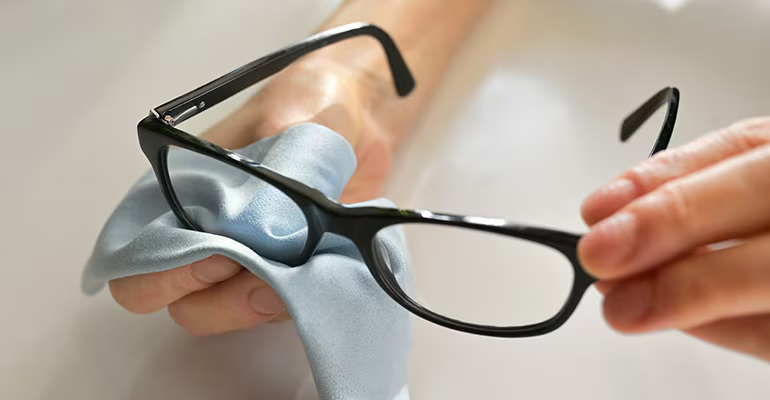
Step 5: Pat Dry With Microfiber
Use a clean microfiber cloth.
Important tips:
- Pat instead of rubbing initially
- Allow hinges to air dry
- Avoid heat drying
Microfiber preserves both lenses and textured frame surfaces.
Chemicals You Should NEVER Use on 3D-Printed Frames
Here’s where most long-term damage occurs.
1. Alcohol (Isopropyl or Ethanol)
Alcohol strips protective finishes and dries polymer chains.
Effects include:
- Fading color
- Surface chalkiness
- Increased brittleness
Even 70% alcohol wipes can cause cumulative damage.
2. Acetone or Nail Polish Remover
This is extremely destructive.
Acetone dissolves many polymers used in 3D printing almost instantly.
Results may include:
- Sticky surfaces
- Permanent deformation
- Structural cracking
Never attempt stain removal with acetone.
3. Ammonia-Based Cleaners
Common in household glass sprays.
Ammonia can:
- Break down coatings
- Cause micro-fractures
- Alter matte finishes
If it smells like window cleaner, keep it away.
4. Bleach or Chlorine Solutions
Even diluted bleach accelerates polymer degradation.
It may cause:
- Yellowing
- Surface weakening
- Texture erosion
Avoid disinfecting frames with bleach.
5. Hydrogen Peroxide (High Concentrations)
Often used for sanitation but risky for long-term exposure.
Repeated use may lead to fading and material fatigue.
6. Essential Oils and Oil-Based Cleaners
Surprisingly harmful.
Oils can seep into porous surfaces, causing:
- Dark spots
- Uneven sheen
- Sticky residue buildup
What Makes Texture Preservation So Important?
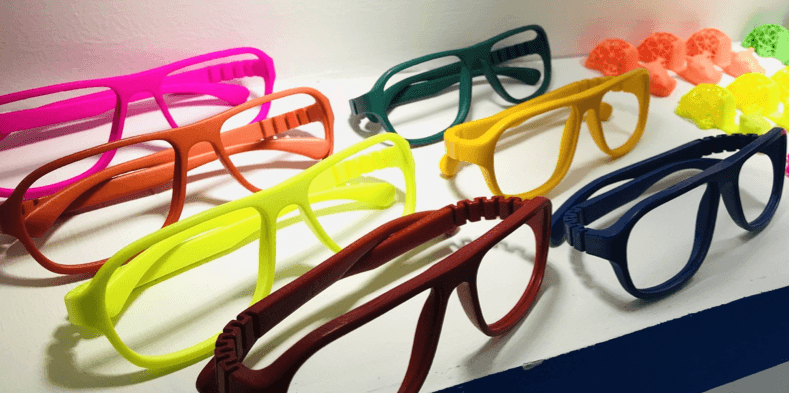
One of the defining advantages of 3D-printed eyewear is tactile quality.
Designers intentionally create:
- Matte finishes
- Sandblasted textures
- Soft-touch surfaces
- Lightweight lattice structures
Harsh chemicals smooth these microstructures over time.
The result?
Frames start looking shiny in random areas — especially where skin contact occurs.
Once texture is altered, it usually cannot be restored.
Weekly Deep Cleaning Method
For people who wear glasses all day, weekly maintenance helps extend lifespan.
Materials Needed
- Bowl of lukewarm water
- Mild soap
- Microfiber cloth
- Soft silicone brush (optional)
Process
- Soak frames for 2–3 minutes.
- Gently massage buildup areas.
- Clean hinge zones carefully.
- Rinse thoroughly.
- Air dry completely.
Avoid soaking longer than five minutes unless manufacturer instructions allow it.
How Sweat and Skin Oils Affect 3D-Printed Frames
Body chemistry plays a larger role than most people realize.
Sweat contains:
- Salt
- Fatty acids
- Minerals
Over time, these substances accumulate inside microscopic pores.
Without proper cleaning, you may notice:
- Whitening marks
- Odor retention
- Rough texture patches
Regular gentle cleaning prevents permanent buildup.
Traveling With 3D-Printed Glasses
Travel environments expose glasses to unusual risks:
- Sunscreen chemicals
- Hand sanitizer residue
- Hotel cleaning sprays
- Extreme temperatures
Best practices:
- Carry a microfiber cloth
- Rinse frames nightly
- Avoid leaving glasses in hot cars
- Store in a ventilated case
Heat combined with chemical exposure accelerates aging dramatically.
Can You Use Ultrasonic Cleaners?
This is one of the most common questions.
The answer: sometimes — but cautiously.
Ultrasonic cleaners create microscopic vibrations that remove debris.
Safe only if:
- Water temperature is low
- No harsh cleaning solution is added
- Cleaning time is under 2 minutes
Not recommended for resin-printed frames unless approved by the manufacturer.
Signs Your Cleaning Routine Is Damaging Your Frames
Watch for early warning signs:
- Surface becoming glossy unevenly
- Color fading near nose bridge
- Rough patches forming
- White stress lines
- Increased flexibility or squeaking hinges
If you notice these, immediately switch to gentler cleaning methods.
Storage Habits That Reduce Cleaning Needs
Prevention is easier than restoration.
Smart storage includes:
- Hard protective case
- Separate compartment from keys
- Dry environment
- Avoid humid bathrooms
Humidity encourages residue buildup inside porous materials.
Lens Cleaning vs Frame Cleaning: Keep Them Separate
Many lens sprays are optimized for coatings, not frames.
Best practice:
- Clean frames with soap and water.
- Clean lenses with approved lens cleaner afterward.
This prevents chemical cross-exposure.
Eco-Friendly Cleaning Options
If sustainability matters to you, good news — safe cleaning is naturally eco-friendly.
Use:
- Diluted biodegradable soap
- Reusable microfiber cloths
- Water-based cleaning only
Avoid disposable wipes whenever possible.
Professional Maintenance: When to Seek Help
Consider professional cleaning if:
- Frames smell despite washing
- Heavy discoloration appears
- Hinges stiffen
- Surface feels sticky
Optical shops can safely deep-clean using controlled equipment.
Extending the Lifespan of 3D-Printed Eyewear
With proper care, high-quality 3D-printed frames can last years.
Key habits:
- Clean weekly
- Avoid chemical exposure
- Store properly
- Handle with clean hands
- Dry completely after washing
Consistency matters more than intensity.
Myths About Cleaning Modern Eyewear
Myth 1: “Stronger cleaners work better.”
Reality: Gentle cleaning works best for advanced materials.
Myth 2: “Alcohol disinfects safely.”
Reality: It disinfects — but also degrades polymers.
Myth 3: “All plastic frames are the same.”
Reality: 3D-printed polymers behave very differently from acetate.
Quick Daily Care Checklist
✔ Rinse with lukewarm water
✔ Use mild soap occasionally
✔ Dry with microfiber cloth
✔ Avoid alcohol wipes
✔ Store in protective case
Simple habits prevent expensive replacements.
The Future of 3D-Printed Eyewear Care
As additive manufacturing evolves, materials will become even lighter and more customizable. Some emerging frames already incorporate:
- Bio-based polymers
- Flexible lattice cores
- Surface-dyed textures
- Smart material blends
These innovations make proper cleaning even more important, not less.
Care routines must evolve alongside materials.
Final Thoughts
3D-printed glasses represent a shift toward personalized design and advanced material engineering. Their unique textures, lightweight structures, and tailored comfort set them apart from traditional eyewear — but they also demand smarter care.
The biggest takeaway is simple:
Clean gently, avoid harsh chemicals, and respect the material science behind your frames.
By replacing aggressive cleaners with mild soap, water, and microfiber care, you preserve not only appearance but structural longevity. Small daily habits protect the craftsmanship and innovation that make 3D-printed eyewear special.
Treat your frames well, and they’ll continue delivering comfort, clarity, and style long after conventional frames would show wear.
Share this post

Mira Ice Blue Wide Cat-Eye Sunglasses – Metal Frame, Tinted Lenses - Interchangeable Eyewear
Soline Gunmetal Gray Sunglasses – Wide Rectangle, Tinted Lenses - Interchangeable Eyewear
Soline Metallic Silver Interchangeable Base Frame – Wide Rectangle Metal Glasses
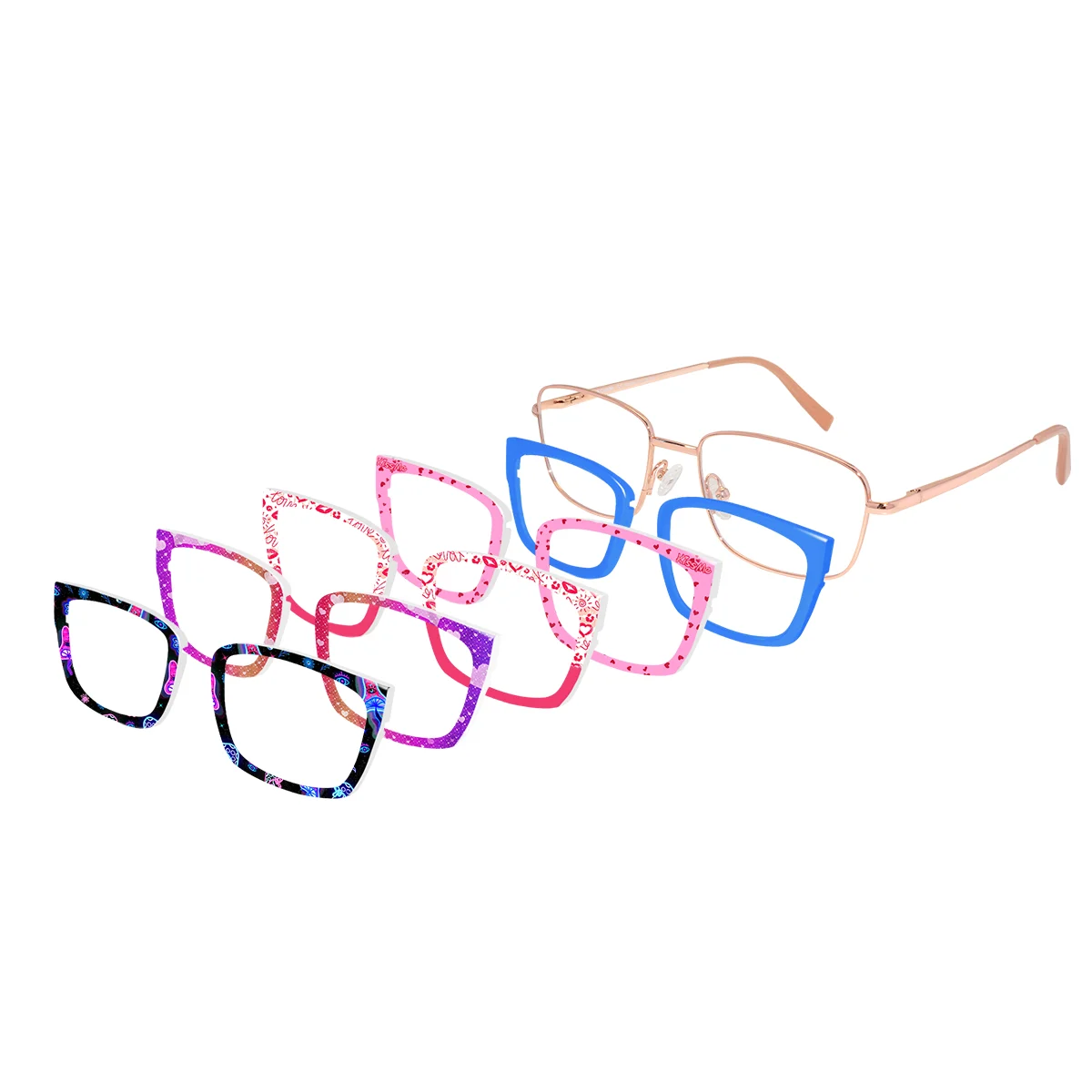
1 Base Frame + 5 Toppers | Interchangeable Glasses Bundle | Magnet-free Modular Eyewear | Rectangle


Mira Metallic Silver Interchangeable Base Frame – Wide Cat-Eye Metal Glasses
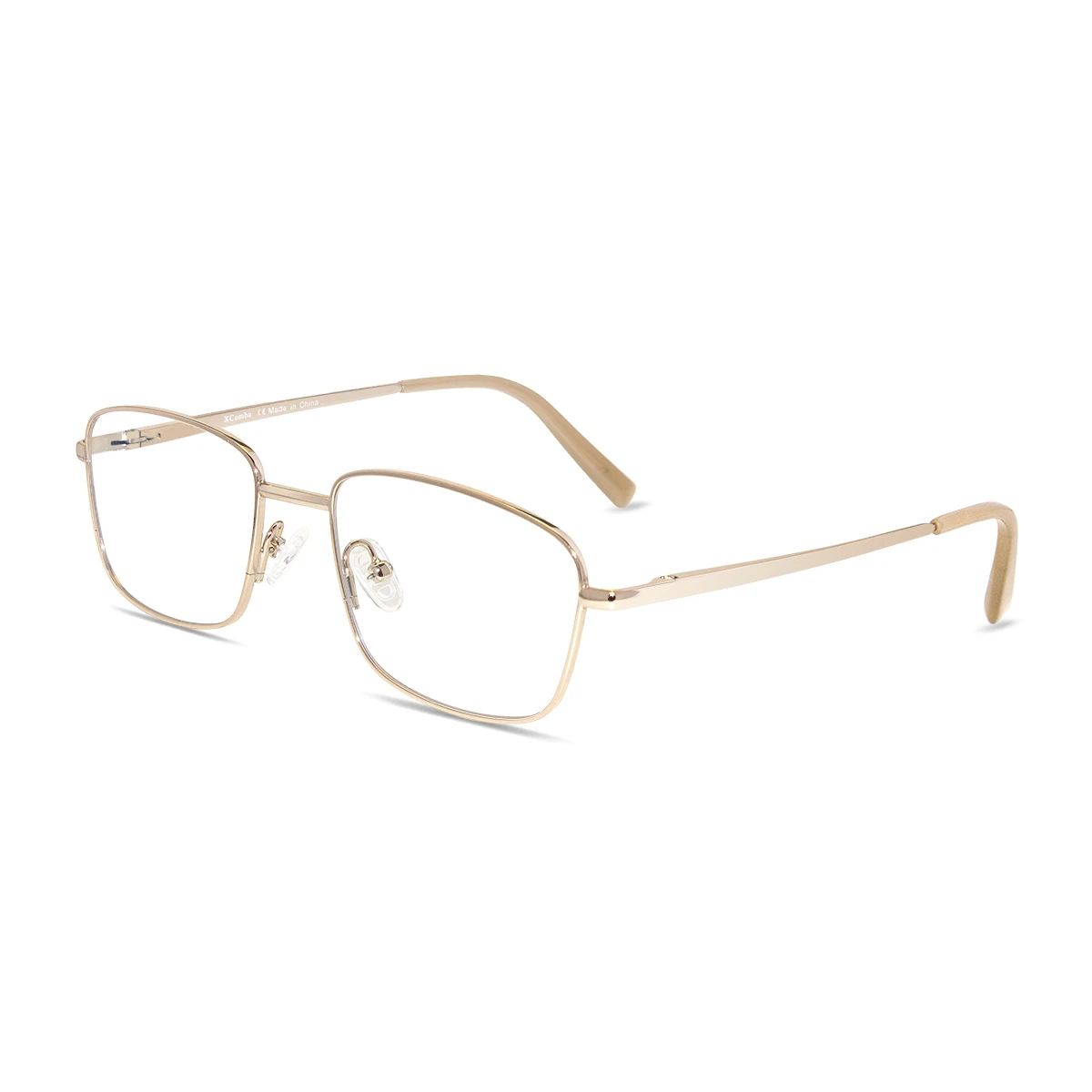
Soline Light Gold Base Frame for Interchangeable Toppers – Wide Rectangle Metal Glasses
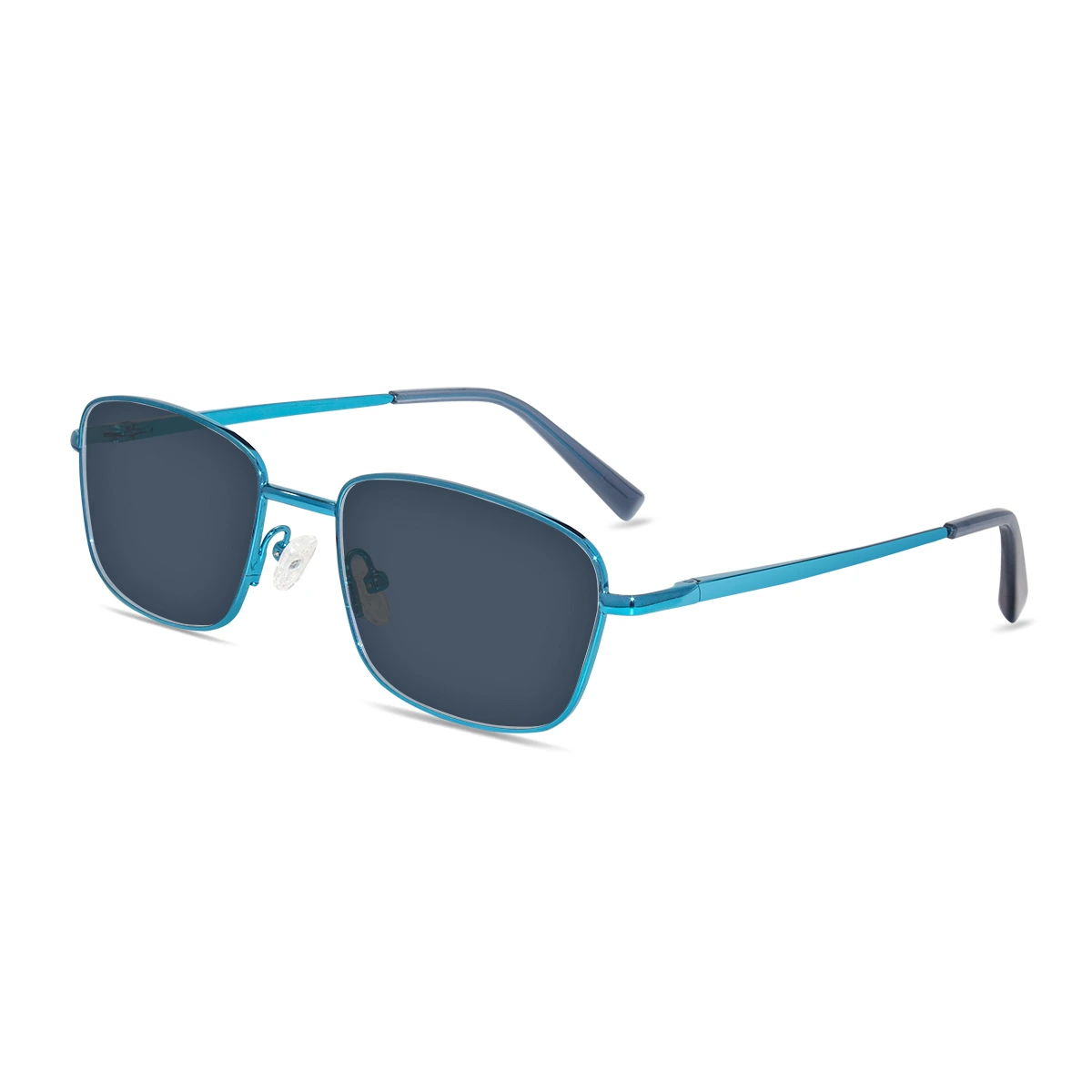
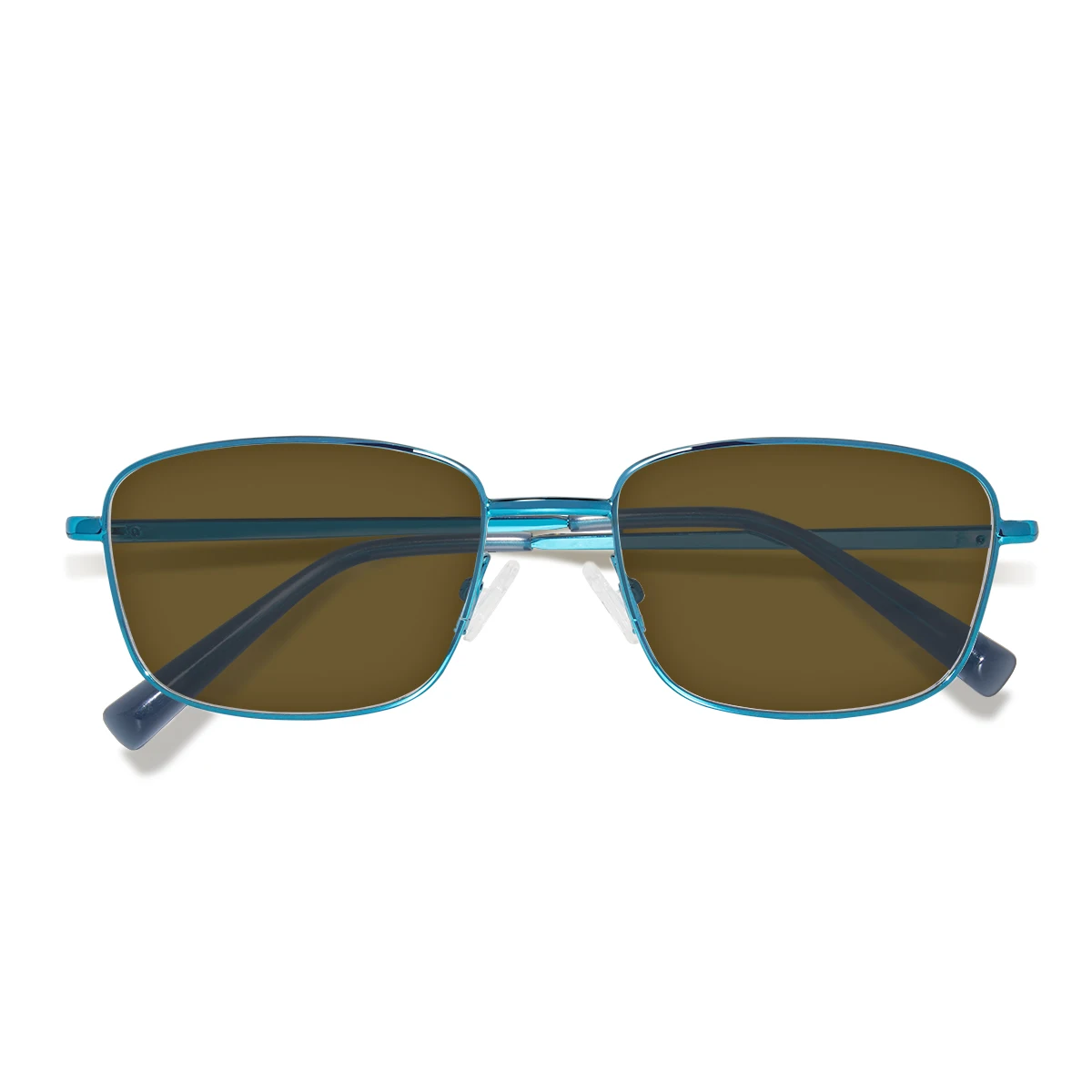
Soline Ice Blue Sunglasses – Wide Rectangle, Tinted Lenses - Interchangeable Eyewear
Understanding Diopters: What You Need to Know About Your Eyeglass Prescription
When you receive an eye prescription, it may appear as a series of numbers instead of the usual medical instructions. These numbers...
How to Install and Remove the Top Frame
How to Install the top frames?Step 1: Check the left and right Top Frames.Step 2: Press the first notch onto the bridge...

The Active Athlete’s Eyewear Survival Guide: How to Prevent Impact Damage and Sweat Wear
For athletes and fitness enthusiasts, eyewear isn’t just an accessory—it’s essential gear. Whether you’re sprinting under the sun, grinding through a high-intensity...
Best Browline Glasses for Men: A Timeless Style Choice
Browline glasses are known for their distinctive design, featuring a thicker upper frame that accentuates the browline. Originally popular in the 1940s...
Custom Glasses Hurting Your Ears? Before You Return Them, Try These Expert Adjustment Solutions
You finally receive your custom glasses — the frame looks perfect, the lenses are clear, and everything matches your style. But after...
How to Adjust Your EyeGlasses at Home: A Complete Guide
Glasses are essential for vision correction, but they also serve as a stylish accessory. However, even the best frames can feel uncomfortable...
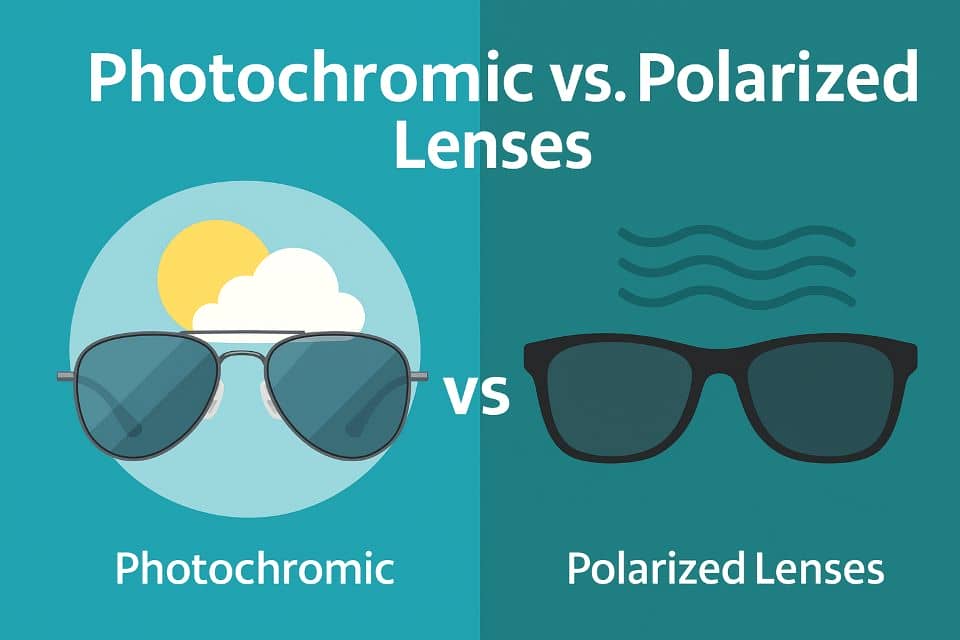
Polarized vs. Photochromic Lenses: How to Customize the Perfect Tint for Your Driving and Outdoor Lifestyle
When it comes to choosing the right eyewear for outdoor activities, the decision goes far beyond style. The lenses you wear can...
No More Ear Pain: How Custom Eyeglass Frames Solve 12-Hour Wear Discomfort
If you wear glasses all day, you know the feeling.It starts as a faint pressure behind your ears. By mid-afternoon, that pressure...
The No-Duplication Lab - A Complete Guide to Custom Glasses That Never Looks Like Anyone Else’s
In a world where trends spread faster than taste, eyewear has quietly become one of the last personal frontiers.You can wear the...
A Breakthrough for Allergy-Sensitive Wearers: Understanding Clip-Lock Eyewear Without Welding or Metal Plating
For millions of people, wearing glasses is a daily necessity. But for individuals with sensitive skin or metal allergies, eyewear can become...
Why Do Your Glasses Keep Sliding Down? The Physics Behind “Rebellious Nose Pads” — and How to Fix It for Good
Few daily annoyances are as subtle yet persistent as glasses that won’t stay in place. You push them up while reading. They...
How to Style Clear Frame Glasses
Clear frame glasses are a versatile and trendy eyewear choice that can elevate any outfit. Their minimalist design complements various face shapes...