


Zero-Screw Design: Why Mechanical Snap-Fit Structures Are the Future of Custom Eyewear
Introduction: The Tiny Screw That Defined an Industry
For more than a century, eyewear design has relied on one surprisingly fragile component: the screw.
Nearly every pair of traditional glasses — from luxury optical frames to budget readers — depends on microscopic screws to connect temples, hinges, and structural elements. These screws are so small they are almost invisible, yet they are responsible for the most common eyewear failures worldwide.
Loose hinges. Crooked arms. Sudden frame collapse. Emergency repair kits tucked into drawers and travel bags.
Consumers have accepted these problems as unavoidable, but modern engineering is challenging that assumption. A new generation of eyewear design is emerging, one that eliminates screws entirely and replaces them with precision mechanical snap-fit structures.
Zero-screw construction is not just a design trend. It represents a shift toward durability, customization, sustainability, and user-centered engineering — redefining how glasses are made, worn, repaired, and personalized.
This article explores why mechanical interlocking systems are rapidly becoming the future of custom eyewear and how this structural evolution is reshaping both manufacturing and everyday user experience.

The Hidden Weakness of Traditional Eyewear
Why Screws Became Standard
Historically, screws solved a manufacturing problem.
They allowed manufacturers to:
- Assemble frames quickly
- Replace parts individually
- Adjust hinge tension
- Standardize production
When eyewear was primarily handcrafted metalwork, screws provided flexibility and repairability.
But industrial scaling introduced unintended consequences.
Mass production emphasized speed and cost efficiency, often resulting in:
- Softer screw metals
- Thread wear over time
- Misalignment during assembly
- Increased maintenance needs
The very feature meant to improve serviceability became the most frequent point of failure.
Understanding Zero-Screw Engineering
What Is a Mechanical Snap-Fit Structure?
A zero-screw eyewear system uses engineered interlocking components rather than threaded fasteners.
Instead of relying on rotational tightening force, snap-fit designs use:
- Elastic deformation
- Precision geometry
- Friction locking
- Mechanical memory
Parts flex slightly during assembly and then return to their original shape, locking components securely into place.
This approach is widely used in aerospace interiors, medical devices, and high-performance consumer electronics — industries where reliability and precision are critical.
Applying these principles to eyewear transforms frames into integrated mechanical systems rather than collections of small parts.
Why Custom Eyewear Demands Structural Innovation
Personalization Changes Engineering Requirements
Custom eyewear differs fundamentally from mass-produced frames.
Customization introduces variables such as:
- Unique face geometry
- Individual pressure distribution
- Prescription lens thickness variations
- Personal style preferences
Traditional screw-based hinges struggle under these conditions because alignment tolerances become more critical.
Snap-fit structures allow modular adaptability without compromising structural integrity.
Frames can be designed digitally for each wearer while maintaining consistent mechanical performance.
The Physics Behind Snap-Fit Durability
Flex Instead of Fight
Screw hinges resist movement through compression and friction. Over time, repeated opening and closing creates wear, loosening the joint.
Snap-fit mechanisms behave differently.
They distribute stress across engineered surfaces rather than concentrating force at a single threaded point.
Key advantages include:
- Even load distribution
- Reduced metal fatigue
- Self-stabilizing motion paths
- Resistance to vibration loosening
Instead of gradually degrading, properly designed snap systems maintain performance across thousands of motion cycles.
Eliminating the Most Common Eyewear Failure
Industry repair statistics consistently show hinge issues as the leading cause of frame replacement.
Common screw-related problems include:
- Screws backing out during daily wear
- Thread stripping
- Corrosion from sweat exposure
- Over-tightening damage
Removing screws removes the failure category entirely.
For users, this means fewer repairs and longer product lifespan — a critical advantage as eyewear increasingly becomes a daily technology accessory rather than a disposable product.
Precision Manufacturing Meets Digital Design
The Role of Modern Fabrication
Zero-screw eyewear became possible only recently due to advances in manufacturing technologies such as:
- High-resolution CNC machining
- Advanced polymer injection molding
- Laser sintering
- 3D printing for rapid prototyping
These methods allow tolerances measured in microns, enabling snap connections that feel seamless while remaining secure.
Digital modeling ensures each component interacts exactly as intended, reducing variability common in traditional assembly.
Lightweight Comfort Through Structural Efficiency
Removing screws does more than improve durability — it reduces weight.
Even small hardware contributes disproportionate mass at hinge points, affecting balance on the wearer’s face.
Snap-fit systems allow:
- Hollow structural designs
- Continuous material flow
- Reduced component count
The result is eyewear that feels lighter without sacrificing strength.
Balanced weight distribution reduces pressure points on the nose and ears, improving long-term comfort.
A New Era of Modular Customization
Interchangeable Without Tools
One of the most transformative aspects of zero-screw construction is tool-free modularity.
Users can potentially swap:
- Temples
- Nose bridges
- Decorative elements
- Functional components
This turns eyewear into an adaptable platform rather than a fixed product.
Customization becomes ongoing rather than a one-time purchase decision.
Consumers gain flexibility similar to customizable technology ecosystems.
Sustainability Advantages of Screwless Frames
Fewer Parts, Less Waste
Traditional eyewear assembly involves numerous small components sourced separately.
Zero-screw designs reduce:
- Hardware production
- Assembly waste
- Repair-related replacements
Because frames can be disassembled without damage, individual parts may be replaced instead of discarding entire frames.
This supports circular product lifecycles and reduces environmental impact.
Improved Manufacturing Efficiency
Snap-fit assembly dramatically shortens production steps.
Instead of:
- Aligning components
- Inserting screws
- Applying torque
- Quality-checking tension
Manufacturers simply connect parts through engineered engagement.
Benefits include:
- Faster assembly lines
- Reduced labor variability
- Consistent mechanical performance
- Lower defect rates
Efficiency gains allow greater investment in material quality and customization technologies.
Design Freedom for Eyewear Creators
Moving Beyond Hinge Constraints
Traditional hinges dictate frame aesthetics.
Designers must accommodate:
- Screw housings
- Reinforcement zones
- Access points for repair tools
Snap-fit structures free designers from these limitations.
Frames can feature:
- Continuous flowing lines
- Minimalist silhouettes
- unconventional geometry
- ultra-thin profiles
Engineering becomes invisible, allowing design to lead innovation rather than follow mechanical necessity.
User Experience: The End of Maintenance Anxiety
Many glasses wearers share a familiar fear — the moment a screw loosens while traveling or during a busy workday.
Zero-screw eyewear removes this concern entirely.
Users no longer need:
- Mini screwdrivers
- Emergency repairs
- Frequent optical adjustments
Reliability shifts from reactive maintenance to passive confidence.
The product simply works.
Strength Without Rigidity
An important misconception is that snap-fit designs are fragile because they rely on flexibility.
In reality, engineered flexibility improves resilience.
Materials used in zero-screw frames often include:
- Memory polymers
- Titanium alloys
- Advanced composites
These materials absorb stress rather than transferring it to a single failure point.
Frames become resistant to drops, twisting, and daily wear stresses.
Custom Fit Through Parametric Design
Modern custom eyewear increasingly relies on facial scanning technologies.
Parametric modeling allows frames to adapt automatically based on measurements such as:
- Temple angle
- Nose bridge curvature
- Pupillary distance alignment
- Ear height asymmetry
Snap-fit systems integrate seamlessly with parametric workflows because parts are digitally defined rather than manually adjusted.
This creates repeatable personalization at scale.
Repairability Reimagined
Ironically, removing screws improves repairability.
Instead of delicate hardware replacement, damaged parts can simply snap out and be replaced.
Advantages include:
- Faster servicing
- Lower repair costs
- Reduced risk of secondary damage
- Simplified logistics
Optical shops may transition from repair centers to modular upgrade providers.
Consumer Psychology and Product Longevity
Modern consumers increasingly value products that feel engineered rather than assembled.
Zero-screw eyewear communicates:
- precision
- innovation
- reliability
- intentional design
These qualities influence perceived value and emotional attachment.
Products designed to last longer are often treated with greater care, reinforcing sustainability benefits.
Challenges Facing Screwless Adoption
Despite advantages, zero-screw systems face obstacles.
Engineering Complexity
Design requires deep mechanical modeling expertise.
Material Selection
Incorrect flexibility ranges can cause premature wear.
Consumer Education
Buyers accustomed to screws may initially question durability.
However, as exposure increases, confidence grows rapidly.
The Role of Smart Materials
Future screwless frames may incorporate responsive materials capable of:
- Shape adaptation with temperature
- Pressure redistribution
- Self-adjusting tension zones
These innovations align naturally with snap-fit architecture, which already emphasizes elastic behavior.
Eyewear could eventually adapt dynamically to wearer movement throughout the day.
Integration With Digital Manufacturing Ecosystems
Zero-screw designs align perfectly with on-demand production models.
Frames can be:
- Designed digitally
- Manufactured locally
- Assembled instantly
- Customized continuously
This reduces inventory waste while enabling faster delivery timelines.
Customization becomes scalable without sacrificing quality.
A Shift From Hardware to System Thinking
Traditional eyewear treats components independently.
Zero-screw engineering treats the frame as a unified mechanical ecosystem.
Every curve contributes structurally.
Every joint distributes stress intentionally.
The frame becomes a coordinated system rather than a collection of parts.
Comparing Traditional and Snap-Fit Eyewear
| Feature | Screw-Based Frames | Snap-Fit Frames |
|---|---|---|
| Maintenance | Frequent adjustments | Minimal maintenance |
| Durability | Hardware wear risk | Distributed stress |
| Customization | Limited | Highly modular |
| Assembly | Multi-step | Tool-free |
| Sustainability | Higher waste | Reduced components |
| Comfort | Hardware pressure points | Balanced structure |
Why Custom Eyewear Brands Are Leading the Change
Large manufacturers move cautiously due to existing production infrastructure.
Custom eyewear brands, however, thrive on innovation.
They prioritize:
- personalization
- rapid iteration
- advanced materials
- direct consumer feedback
These conditions make them ideal pioneers of zero-screw technology.
As adoption grows, mainstream eyewear will likely follow.
The Future Retail Experience
Imagine purchasing glasses where:
- Frames are digitally fitted in minutes.
- Components snap together instantly.
- Style elements change seasonally.
- Repairs require no tools.
Retail shifts from selling static products to delivering adaptable eyewear systems.
Optical stores evolve into customization studios.
Beyond Glasses: A Platform for Wearable Innovation
Zero-screw architecture also supports integration with emerging wearable technologies.
Potential additions include:
- lightweight sensors
- adaptive tint systems
- AR-compatible structures
- biometric monitoring components
Stable mechanical frameworks make future upgrades easier to integrate.
Eyewear becomes infrastructure rather than accessory.
Ethical Design and Long-Term Ownership
As consumers reconsider disposable culture, durable modular products gain importance.
Zero-screw eyewear supports ownership models focused on longevity rather than replacement cycles.
A frame purchased today could evolve through upgrades rather than disposal.
Design aligns with responsible consumption without sacrificing innovation.
Conclusion: The End of the Screw Era
For generations, eyewear design revolved around a tiny mechanical compromise — the screw.
It enabled industrial scaling but imposed limits on durability, comfort, and customization.
Mechanical snap-fit structures represent a new philosophy: engineering that works with material behavior instead of against it.
By eliminating screws, designers unlock:
- stronger structures
- lighter frames
- deeper customization
- sustainable lifecycles
- maintenance-free ownership
Zero-screw construction is not merely a technical improvement. It signals a broader transformation in how products are designed in the age of personalization.
The future of custom eyewear will not be defined by how tightly something is fastened.
It will be defined by how intelligently it fits together.

Share this post
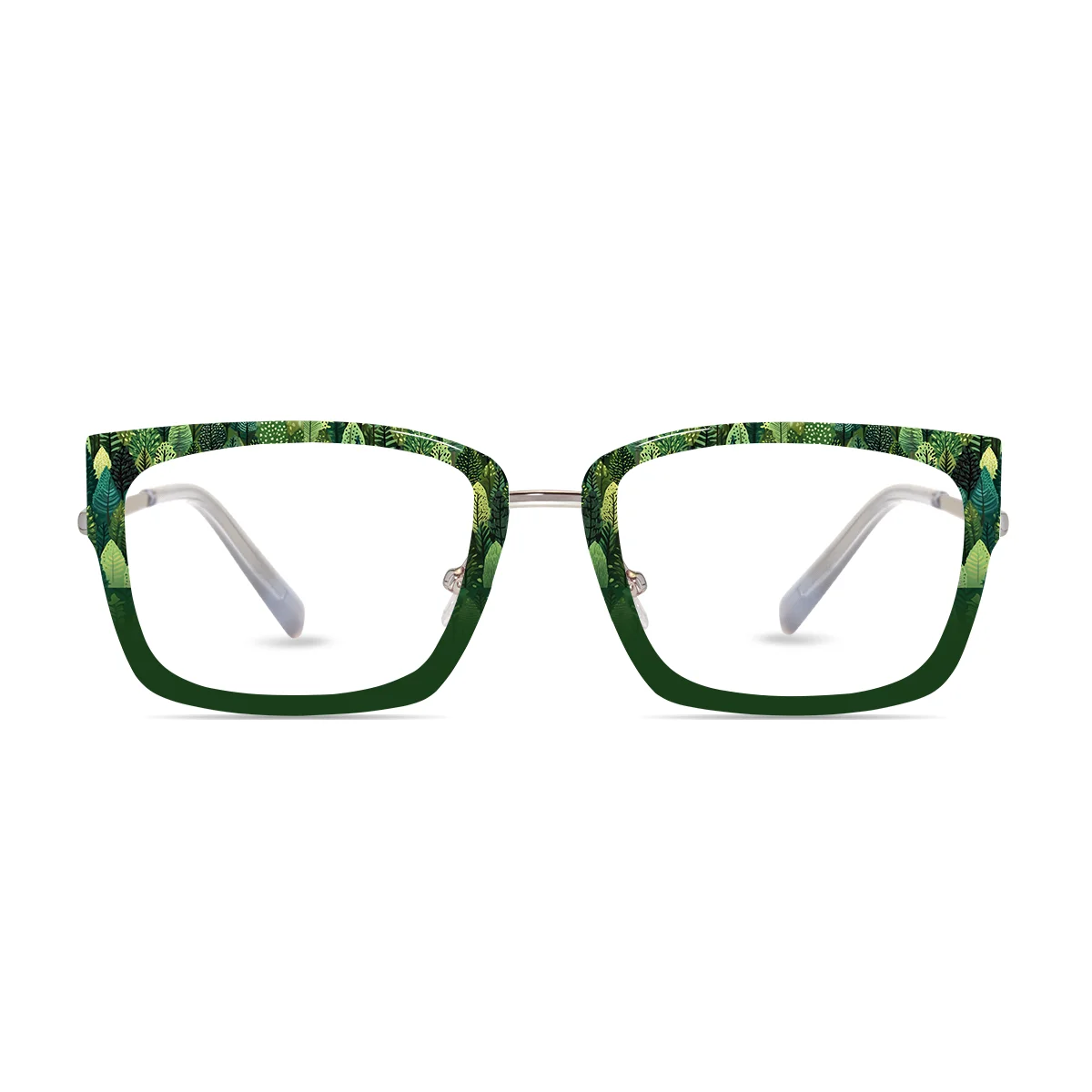
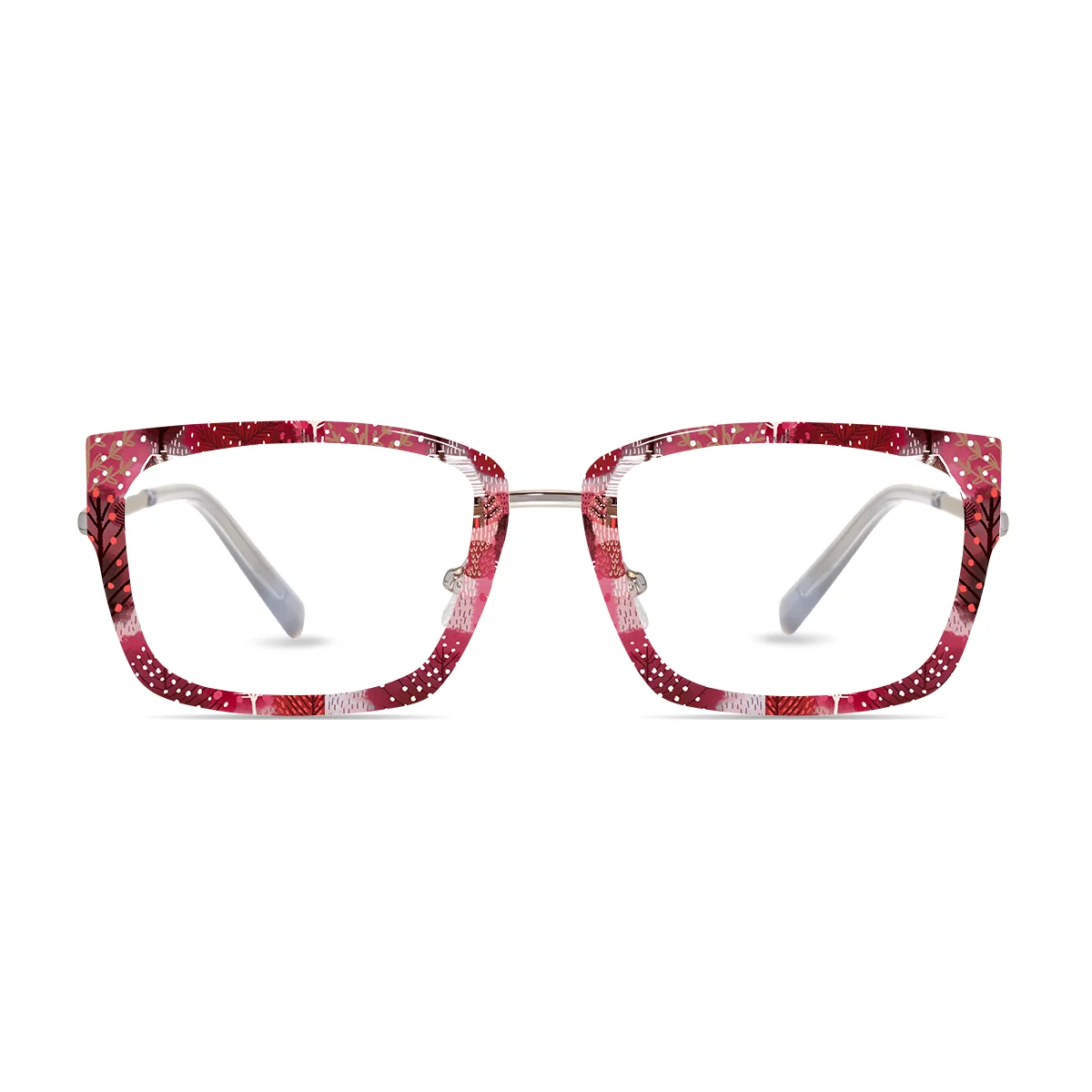
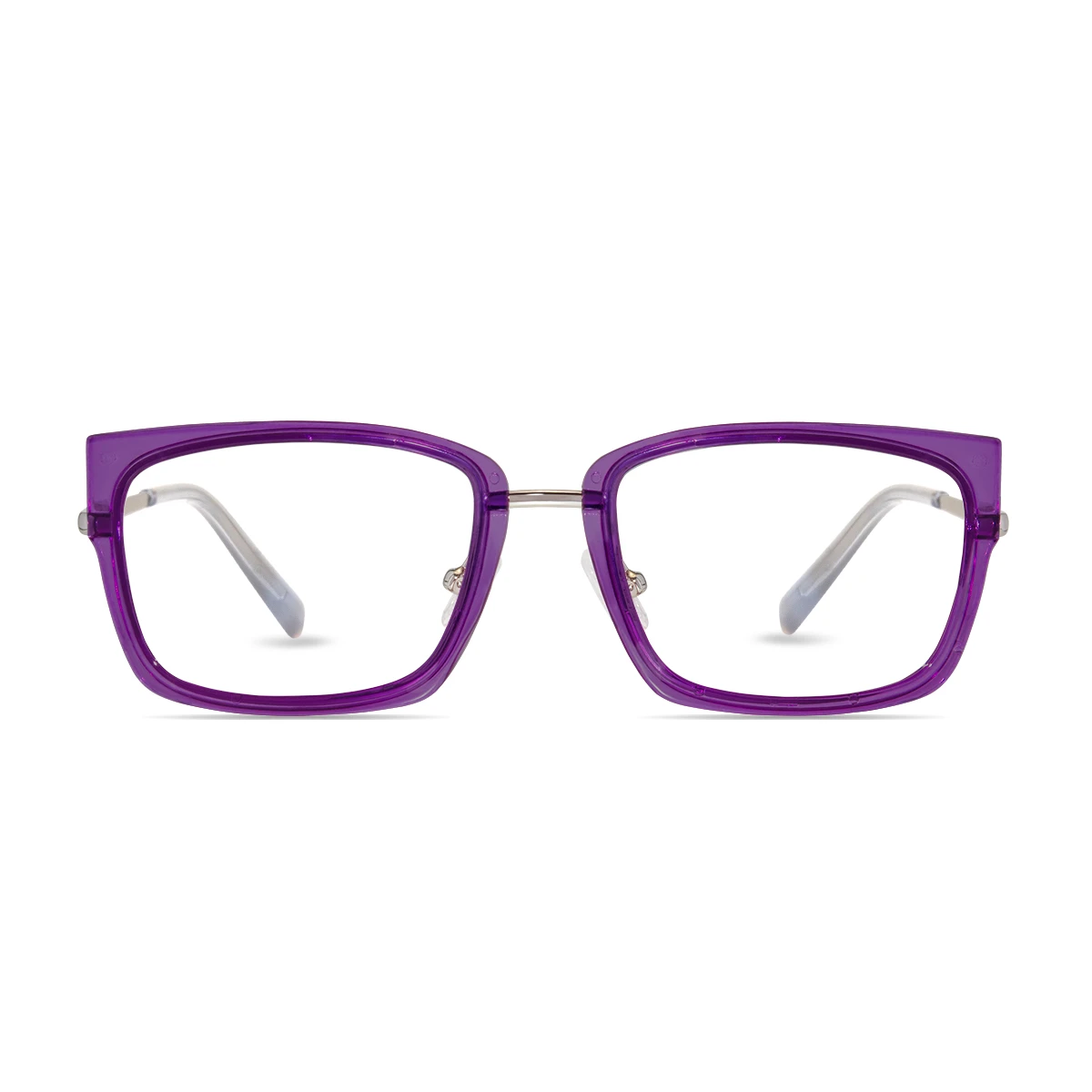
- Burgundy – Crystal (C01)
- Red – Crystal(C02)
- Burnt Orange – Crystal(C03)
- Marmalade – Crystal(C04)
- Sunshine Yellow – Crystal(C05)
- Lime Green – Crystal(C06)
- Sage – Crystal(C08)
- Green Forest – Crystal(C07)
- Army Green – Crystal(C09)
- Spruce – Crystal(C10)
- Turquiise – Crystal(C11)
- Cornflower– Crystal(C12)
- Navy – Crystal(C13)
- Indigo – Crystal(C14)
- Blue Orchid – Crystal(C15)
- Mauve – Crystal(C16)
- Lavender – Crystal(C21)
- Purple – Crystal(C17)
- Grape – Crystal(C18)
- Coral – Crystal(C19)
- Hot Pink – Crystal(C20)
- Chocolate – Crystal(C22)
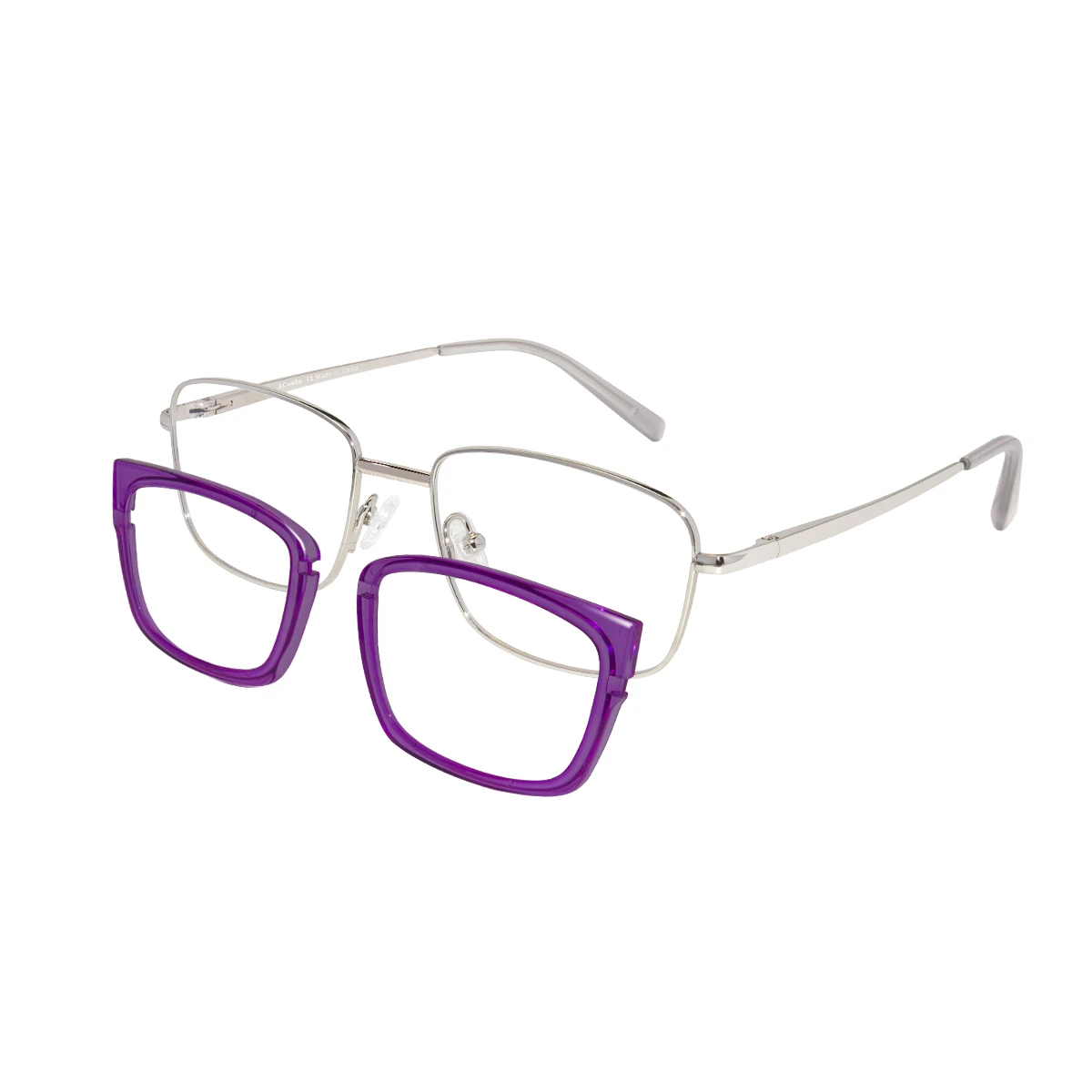
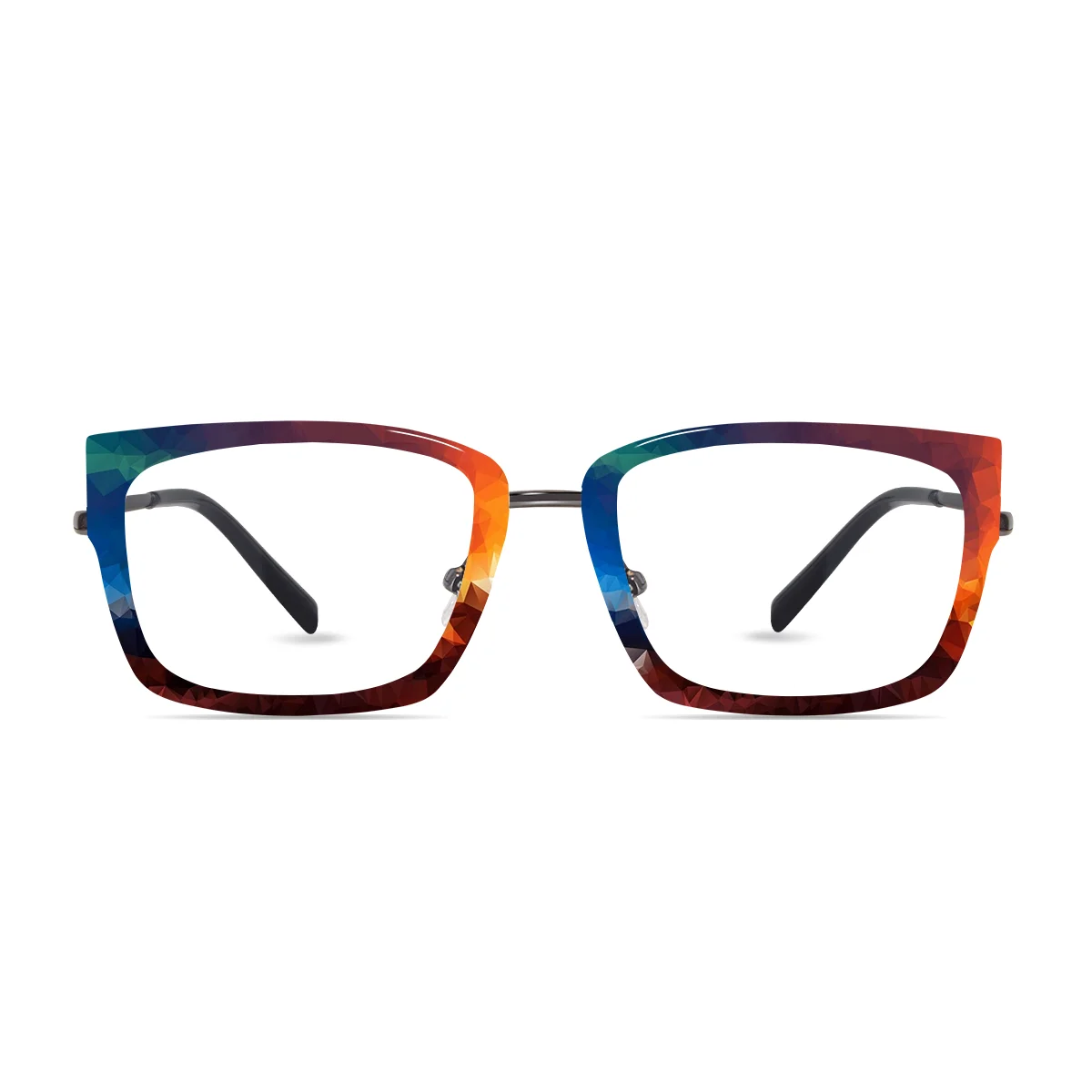
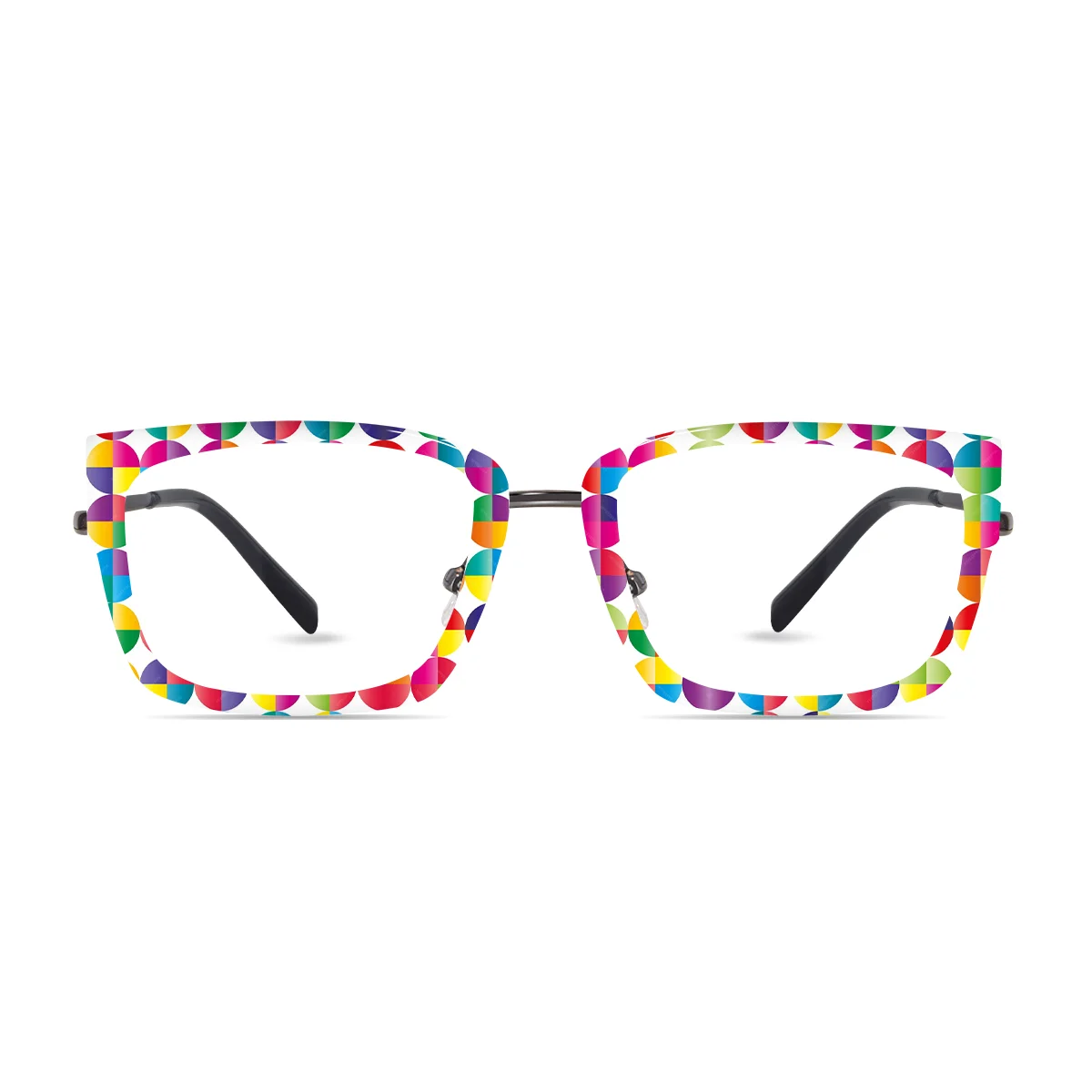
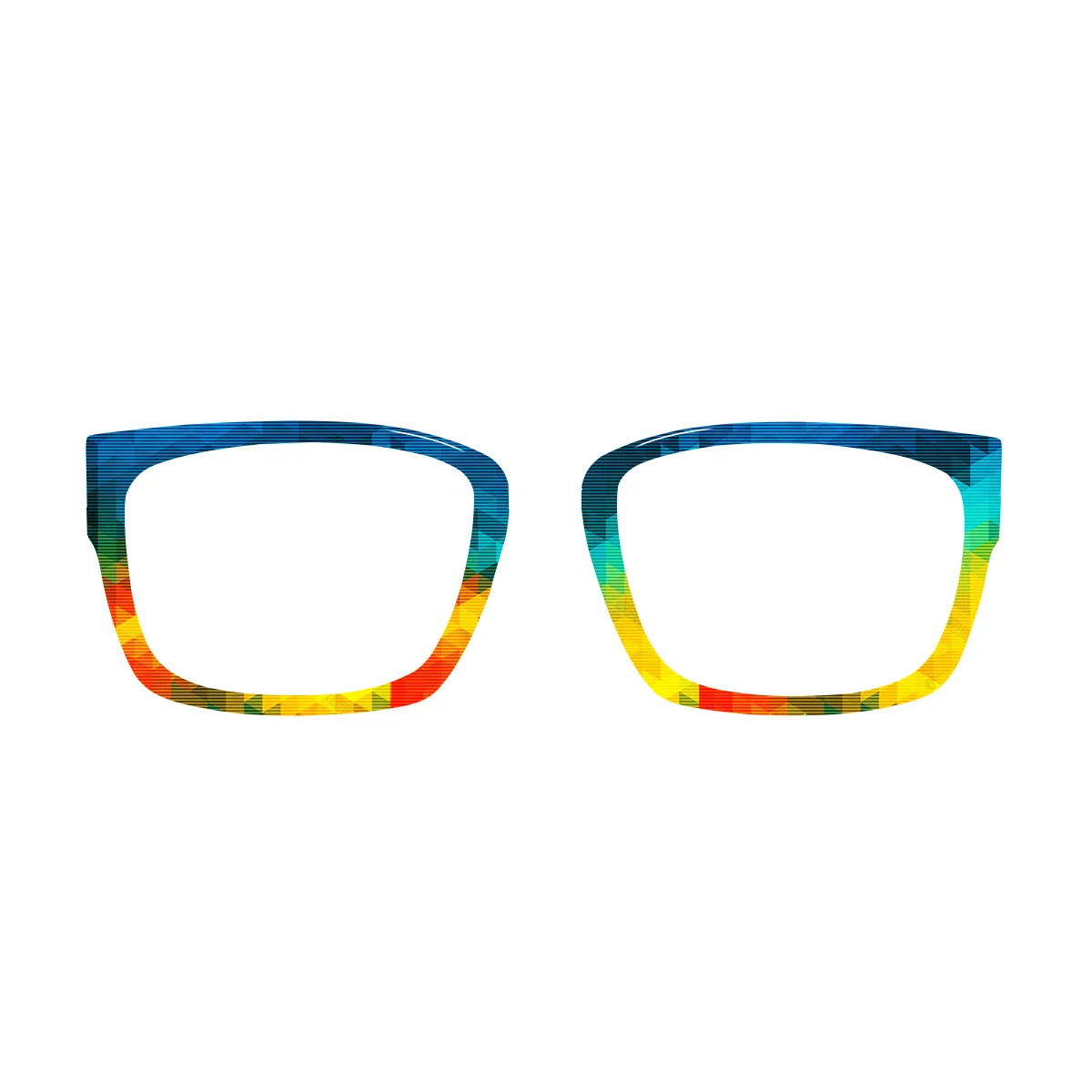
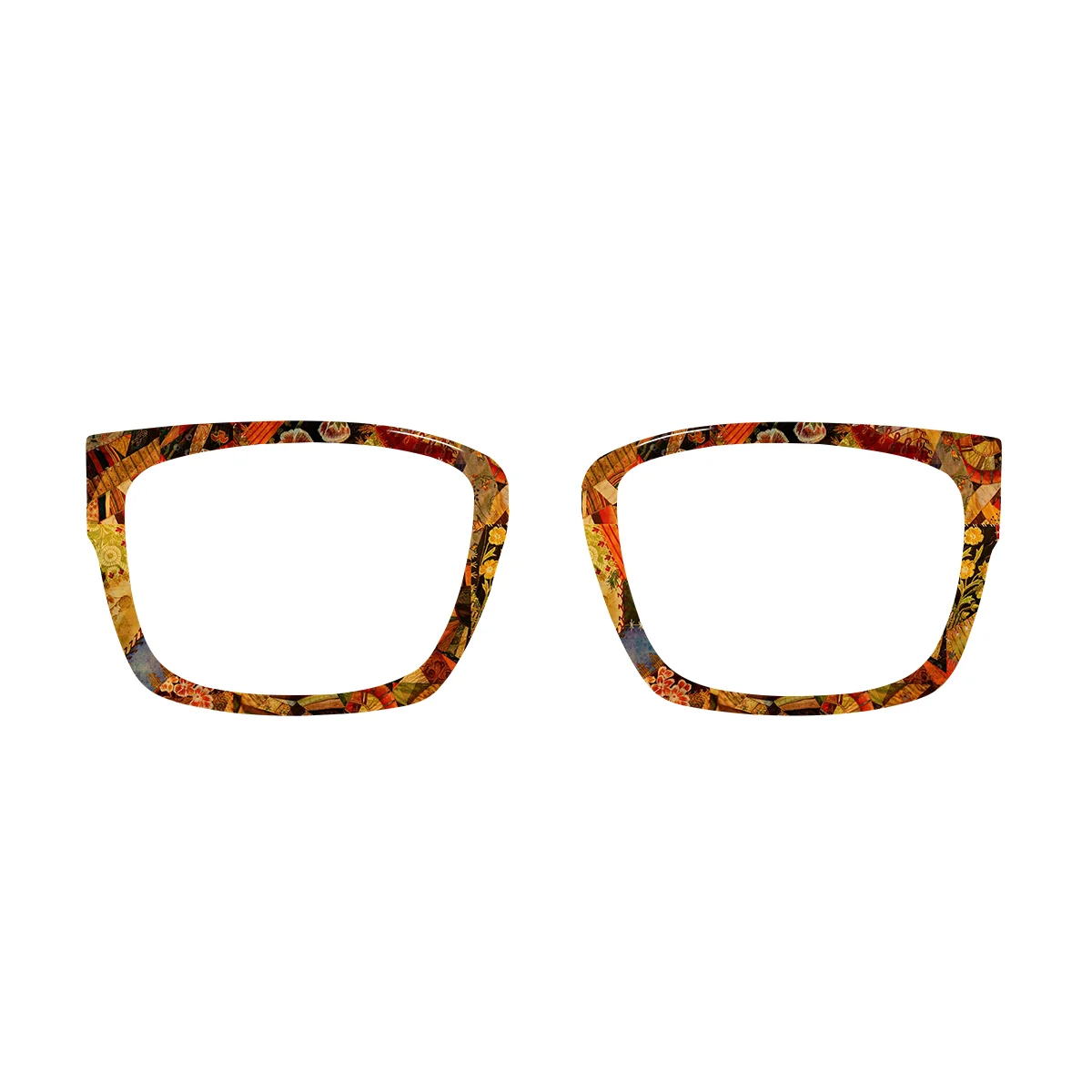
Crystal Color Top Frame + Metallic Silver Base - Soline


Living a Multifaceted Life: How Custom Modular Eyewear Defines Your Personal Identity
Yet for years, eyewear has tried to force all these identities into one fixed frame.In a world where people change roles, moods,...
The Secret Weapon for Sculpting Your Face: How to Customize Eyewear Based on Your Cheekbones and Brow Shape
When it comes to elevating your appearance, most people think about hairstyles, makeup, or wardrobe upgrades. But there’s one transformative accessory that...
Are Pink Glasses in Style?
Pink glasses are a timeless symbol of charm and personality. They evoke feelings of compassion, love, and hope, making them a popular...
One-Second Color Switch
How to Match Your Glasses Frame to Today’s Outfit—EffortlesslyLet’s be honest.You don’t wear the same outfit every day.Some days it’s clean and...
“Five O’Clock Headache”: Could Custom Eyewear Be the Cure for Your Daily Fatigue?
Around 4:30 p.m., your focus softens. By 5:00 p.m., there’s a dull pressure behind your eyes. Your temples tighten. The screen feels...
Nerd Glasses: Choosing the Best Pair to Match Your Style
Nerd glasses have evolved from being a stereotype to a trendy fashion statement. With their unique designs and bold frames, these glasses...