


How Custom Eyeglass Frames Balance Your Facial Features: The Science and Style Behind the Perfect Fit
Eyeglasses are no longer just tools for correcting vision. Today, they are among the most powerful personal style elements a person can wear every day. Unlike clothing or accessories that change frequently, eyeglasses sit directly on the face—the focal point of human interaction. Because of this, the shape, size, and design of your frames can dramatically influence how your facial features are perceived.
Many people choose glasses based solely on trends or brand popularity, only to discover that the frames feel slightly “off.” Maybe the face looks wider, the nose appears larger, or the eyes seem smaller. These subtle imbalances occur because mass-produced frames are designed for averages, not individuals.
Custom eyeglass frames solve this problem by aligning design with facial geometry. Instead of forcing your face to adapt to a frame, the frame adapts to you.
This article explores how custom eyewear balances facial proportions, enhances natural symmetry, and transforms both comfort and confidence.
Why Facial Balance Matters More Than Fashion Trends
Human perception is deeply connected to proportion and symmetry. Studies in psychology and aesthetics consistently show that balanced facial features are perceived as more harmonious and attractive. This doesn’t mean perfectly symmetrical faces—very few people have them—but rather visual equilibrium.
Eyeglasses influence this equilibrium in several ways:
- They introduce new horizontal and vertical lines.
- They create contrast around the eyes.
- They adjust perceived proportions of the forehead, cheeks, and jaw.
- They guide where attention is focused during conversation.
A poorly matched frame can unintentionally exaggerate asymmetry. A well-designed custom frame subtly corrects visual imbalance.
For example:
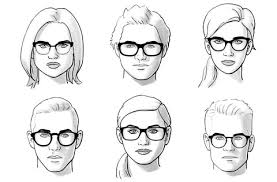
- Wide frames can slim a long face.
- Angular shapes can define softer features.
- Thin rims can reduce heaviness in strong facial structures.
- Bridge placement can alter perceived nose width.
Custom eyewear uses these principles intentionally rather than accidentally.
Understanding Facial Geometry: The Foundation of Custom Frames
Before designing a frame, opticians and designers analyze facial structure. This goes beyond identifying whether a face is round or square. True customization considers measurable geometry.
Key Facial Measurements
- Pupillary distance (PD)
Determines optical alignment and visual comfort. - Temple width
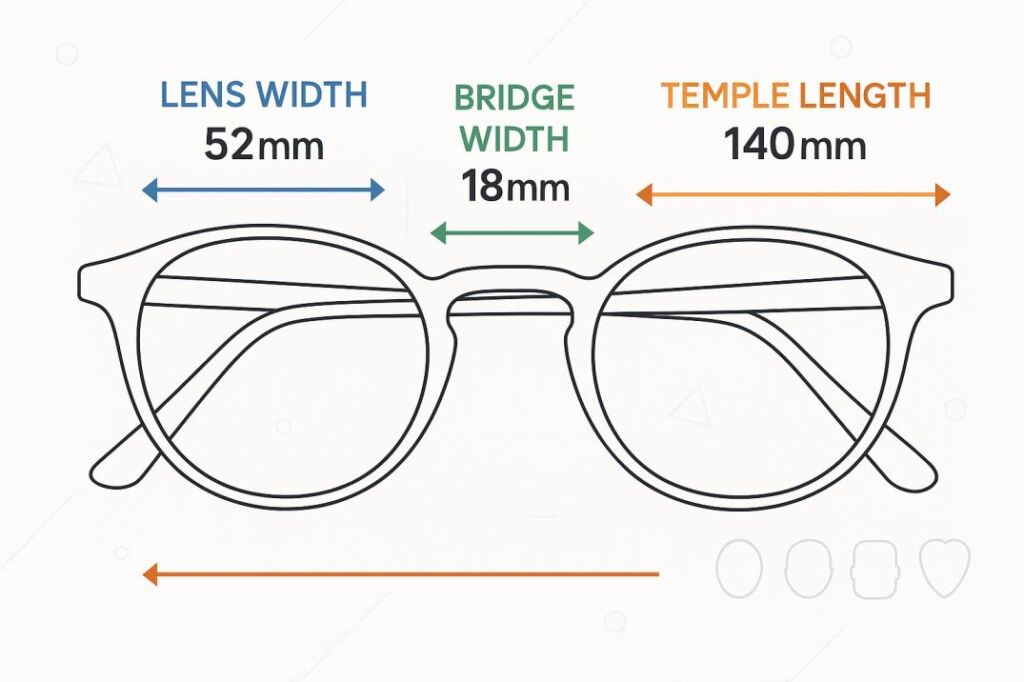
Influences frame balance and pressure distribution. - Bridge width and nose shape
Affects stability and aesthetic proportion. - Cheekbone prominence
Guides lens height and frame curvature. - Jawline angle
Helps determine complementary shapes. - Eye positioning
Ensures visual centering within the lens.
Mass-produced glasses approximate these measurements. Custom frames tailor each one precisely.
The Role of Proportion: Creating Visual Harmony
Designers often reference classical proportion principles similar to those used in architecture and art.
Horizontal Balance
Frames divide the face horizontally. Proper sizing ensures:
- Eyes sit slightly above the lens midpoint.
- Frames neither dominate nor disappear.
- Cheeks remain visually balanced.
Oversized frames may overwhelm delicate features, while undersized frames compress facial proportions.
Vertical Balance
Lens depth affects perceived face length.
- Taller lenses shorten long faces.
- Shallow lenses elongate shorter faces.
- Balanced vertical proportions create natural alignment between forehead, eyes, and chin.
Custom frames adjust millimeters that dramatically change perception.
Matching Frame Shapes to Facial Structures
While basic guides categorize faces into shapes, customization refines these ideas.
Round Faces
Goals:
- Add definition
- Create structure
- Reduce softness
Custom solutions:
- Slightly angular frames
- Sharper upper lines
- Controlled lens width to avoid exaggerating roundness
Square Faces
Goals:
- Soften strong angles
- Introduce curvature
Custom solutions:
- Rounded or oval lens geometry
- Thin rim profiles
- Adjusted bridge placement for balance
Oval Faces
Often considered versatile, but balance still matters.
Custom adjustments may:
- Prevent frames from appearing too narrow
- Maintain proportional width relative to cheekbones
Heart-Shaped Faces
Goals:
- Balance wider forehead with narrower chin.
Custom solutions:
- Lightweight lower rims
- Subtle widening near jaw level
- Carefully calibrated lens depth.
The Hidden Power of Bridge Design
Many people underestimate the importance of the bridge—the section connecting the lenses over the nose. Yet it dramatically alters facial perception.
High Bridges
- Lengthen the nose visually.
- Add sophistication.
- Work well for shorter noses.
Low Bridges
- Shorten perceived nose length.
- Improve stability.
- Create relaxed aesthetics.
Keyhole Bridges
- Reduce visual heaviness.
- Add vintage character.
- Enhance facial softness.
Custom bridge shaping ensures both comfort and proportional balance.
Frame Thickness and Visual Weight
Visual weight refers to how heavy or dominant an object appears.
Thicker frames:
- Emphasize eyes.
- Add bold personality.
- Anchor strong facial features.
Thin frames:
- Create subtle elegance.
- Allow facial features to dominate naturally.
Custom eyewear calibrates thickness according to facial contrast—skin tone, hair color, and feature intensity.
Color Theory and Facial Balance
Color is not only aesthetic; it changes perception of shape and proportion.
Skin Undertones
- Warm undertones pair well with earthy hues.
- Cool undertones harmonize with silvers and blues.
- Neutral undertones allow broader flexibility.
Contrast Level
High-contrast faces (dark hair, light skin) can support stronger frame colors.
Low-contrast faces benefit from softer tones that avoid overpowering features.
Custom frames often include personalized color blending to achieve harmony rather than dominance.
Lens Size and Eye Emphasis
The eyes are naturally the focal point of communication. Frame design can either highlight or distract from them.
Custom optimization includes:
- Centering pupils precisely.
- Adjusting lens height to match gaze direction.
- Controlling frame thickness near eyebrows.
When done correctly, others notice your expression—not your glasses.
Comfort as an Aesthetic Advantage
Poor comfort subtly affects appearance.
Common issues with standard frames:
- Sliding down the nose.
- Uneven pressure behind ears.
- Constant adjustment movements.
These behaviors unconsciously signal discomfort.
Custom frames improve aesthetics indirectly by improving posture and natural movement. When glasses fit perfectly, wearers appear more relaxed and confident.
Materials Matter: Structure Meets Style
Customization also extends to materials.
Acetate
- Warm appearance.
- Highly customizable colors.
- Sculptable for facial contours.
Titanium
- Lightweight yet strong.
- Ideal for minimal aesthetics.
- Excellent for long wear.
Stainless Steel
- Durable and sleek.
- Modern visual identity.
Material choice influences both comfort and visual balance.
Personal Style Integration
A face does not exist independently from lifestyle or identity. Custom frames integrate personality with proportion.
Considerations include:
- Professional environment
- Fashion preferences
- Daily activities
- Cultural influences
- Personal expression goals
A designer may subtly adjust angles or finishes to align with how someone wants to be perceived—approachable, authoritative, creative, or minimalist.
Digital Scanning and Modern Customization Technology
Advances in optical technology have revolutionized customization.
Modern processes may include:
- 3D facial scanning
- Digital modeling
- Precision milling or printing
- Virtual try-on simulations
These technologies allow designers to preview balance before production begins.
The result is consistency between expectation and reality.
Psychological Effects of Well-Balanced Frames
The impact of properly balanced eyewear extends beyond appearance.
Wearers often report:
- Increased confidence
- Reduced self-consciousness
- Improved eye contact
- Greater professional presence
Because glasses sit at the center of attention, improving their harmony amplifies social perception.
Custom Frames vs. Ready-Made Frames
| Feature | Ready-Made Frames | Custom Frames |
|---|---|---|
| Fit | Average sizing | Individual measurements |
| Comfort | Variable | Optimized |
| Facial balance | Accidental | Intentional |
| Style personalization | Limited | Extensive |
| Longevity | Moderate | Often higher |
Customization transforms eyewear from a product into a personal design solution.
Common Mistakes People Make When Choosing Glasses
- Following trends without considering facial structure.
- Choosing frames too small for face width.
- Ignoring bridge comfort.
- Selecting colors that overpower skin tone.
- Prioritizing brand name over fit.
Custom design eliminates these guesswork errors.
The Subtle Art of Asymmetry Correction
Most faces have natural asymmetry:
- One eyebrow slightly higher.
- Uneven ear height.
- Nose deviation.
- Different cheekbone prominence.
Custom frames can compensate through micro-adjustments:
- Temple length differences.
- Lens alignment corrections.
- Nose pad customization.
These changes are nearly invisible but highly effective.
Sustainability Benefits of Custom Eyewear
Customization often leads to longer product lifespans.
Benefits include:
- Reduced replacement frequency.
- Higher-quality materials.
- Repairable components.
- Less waste from discarded ill-fitting frames.
Choosing durable, personalized eyewear supports more conscious consumption.
How the Custom Design Process Typically Works
- Facial measurement and consultation.
- Style discussion and lifestyle analysis.
- Digital or manual design adjustments.
- Material and color selection.
- Prototype fitting.
- Final manufacturing.
- Precision fitting session.
Each step refines balance and comfort.
Who Benefits Most from Custom Frames?
While anyone can enjoy them, customization is especially valuable for:
- People with hard-to-fit nose bridges.
- Individuals with high prescriptions.
- Professionals wearing glasses daily.
- Style-conscious consumers.
- Those who experience discomfort with standard frames.
The Future of Personalized Eyewear
The eyewear industry is moving toward personalization as a standard rather than a luxury.
Emerging innovations include:
- AI-assisted design recommendations.
- Biometric fit analysis.
- Adaptive materials.
- On-demand manufacturing.
As technology advances, perfectly balanced eyewear will become increasingly accessible.
Final Thoughts: When Glasses Become Part of You
The best eyeglasses do not draw attention because they are loud or trendy. They succeed because they feel inevitable—as if they naturally belong on your face.
Custom eyeglass frames balance facial features through careful consideration of proportion, geometry, color, and comfort. They enhance what already exists rather than masking it.
When frames align with facial structure, people notice clarity in expression, confidence in posture, and harmony in appearance. The glasses stop being an accessory and become an extension of identity.
In a world filled with mass production, customization restores individuality—one face at a time.
Share this post
- Burgundy – Crystal (C01)
- Red – Crystal(C02)
- Burnt Orange – Crystal(C03)
- Marmalade – Crystal(C04)
- Sunshine Yellow – Crystal(C05)
- Lime Green – Crystal(C06)
- Sage – Crystal(C08)
- Green Forest – Crystal(C07)
- Army Green – Crystal(C09)
- Spruce – Crystal(C10)
- Turquiise – Crystal(C11)
- Cornflower– Crystal(C12)
- Navy – Crystal(C13)
- Indigo – Crystal(C14)
- Blue Orchid – Crystal(C15)
- Mauve – Crystal(C16)
- Lavender – Crystal(C21)
- Purple – Crystal(C17)
- Grape – Crystal(C18)
- Coral – Crystal(C19)
- Hot Pink – Crystal(C20)
- Chocolate – Crystal(C22)
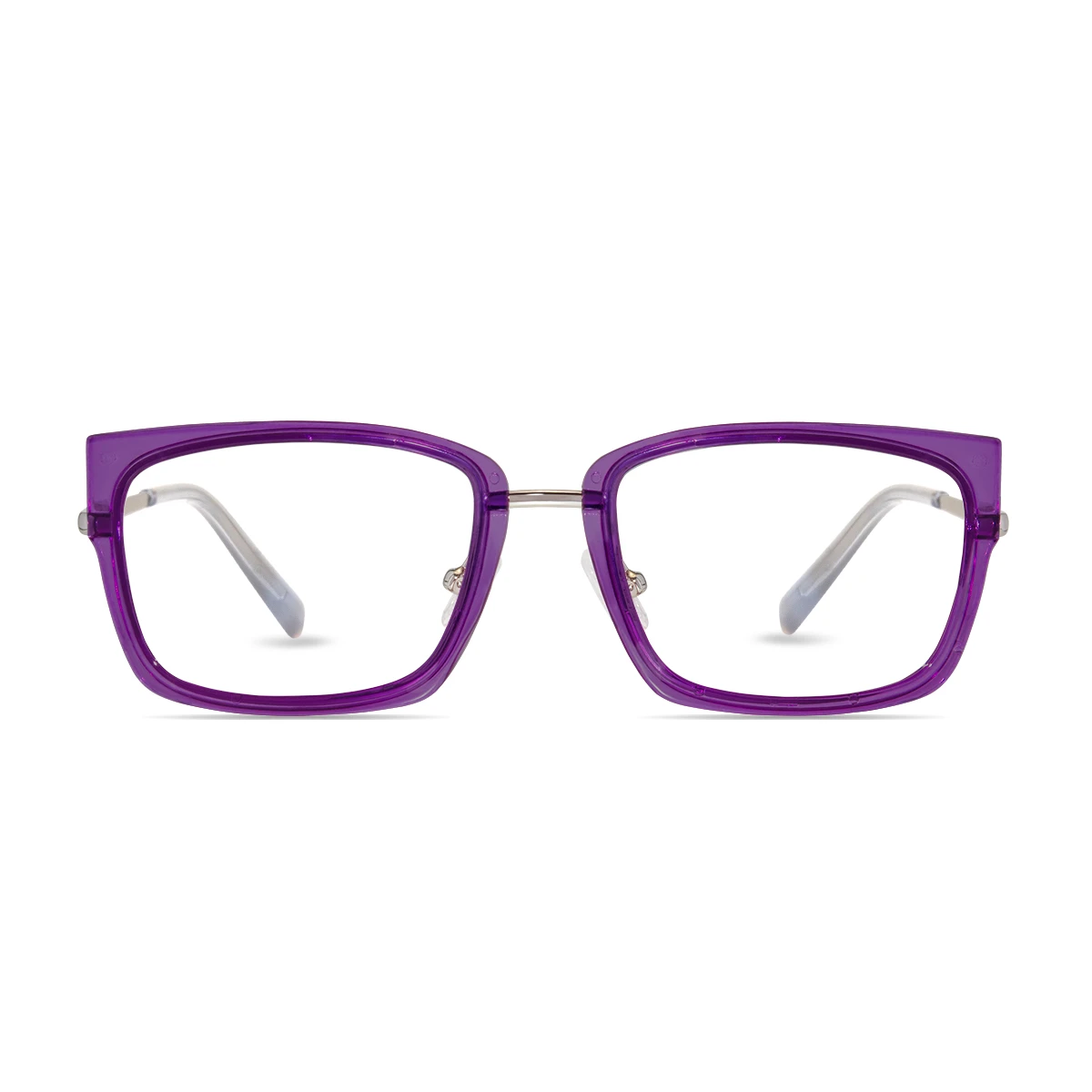
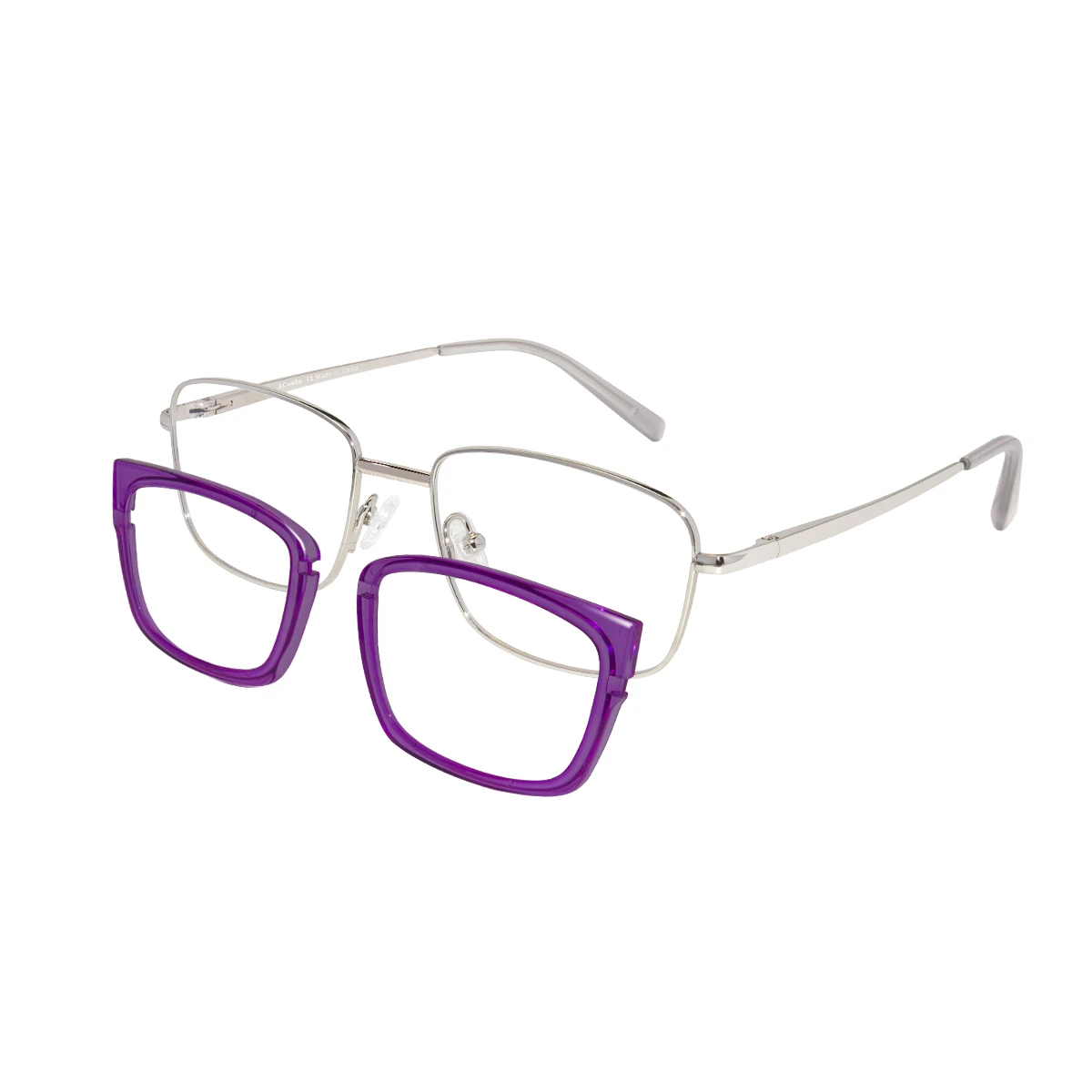
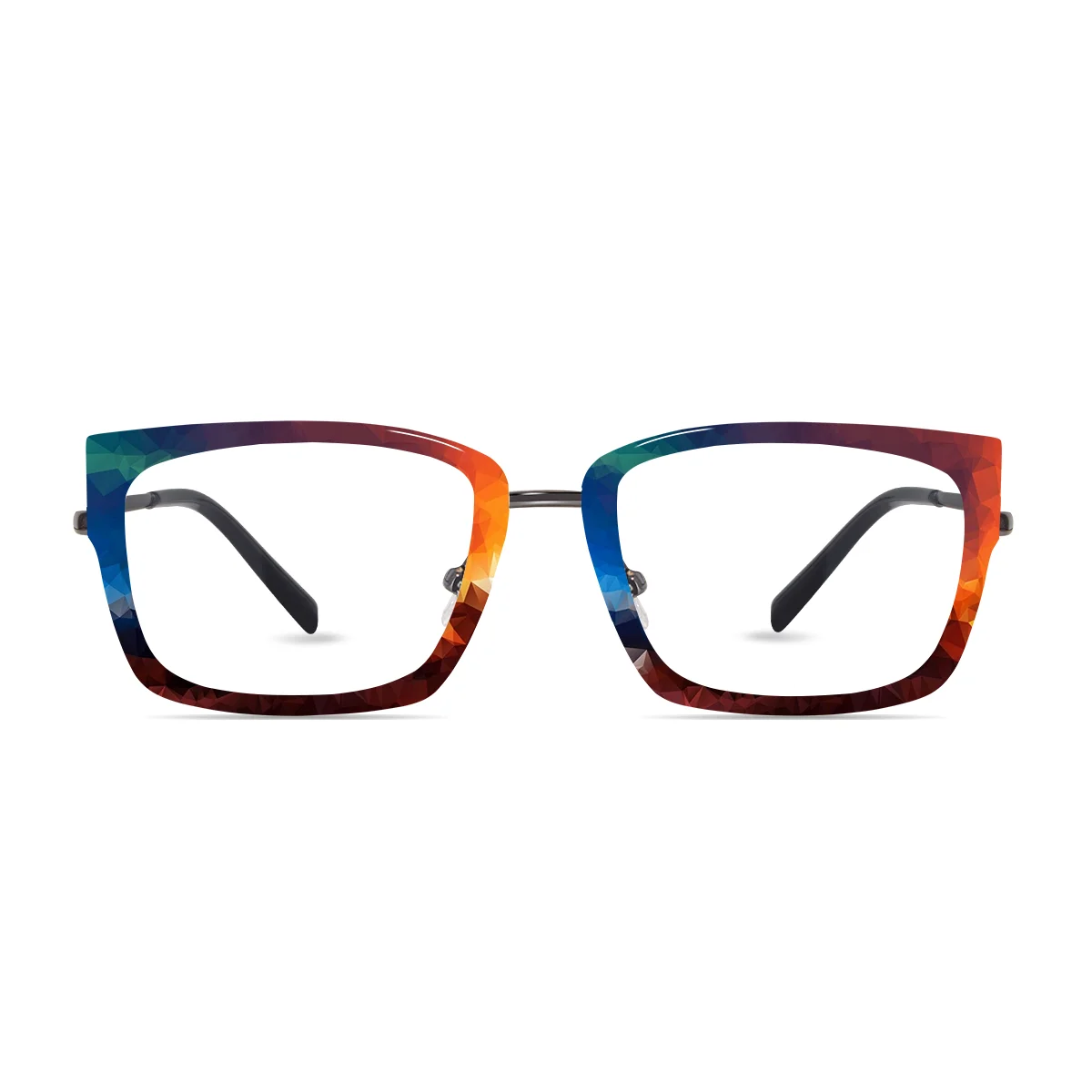
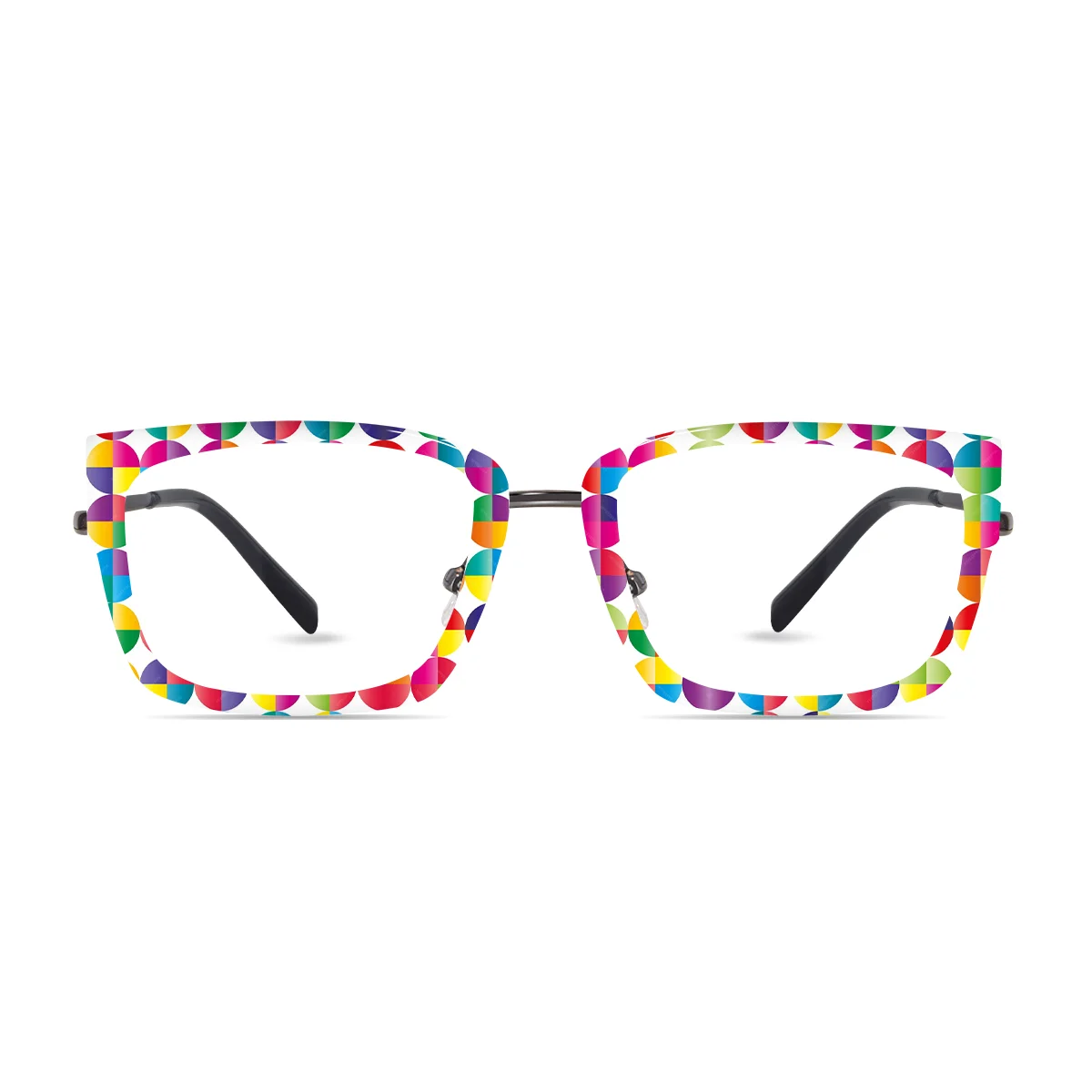
Crystal Color Top Frame + Metallic Silver Base - Soline
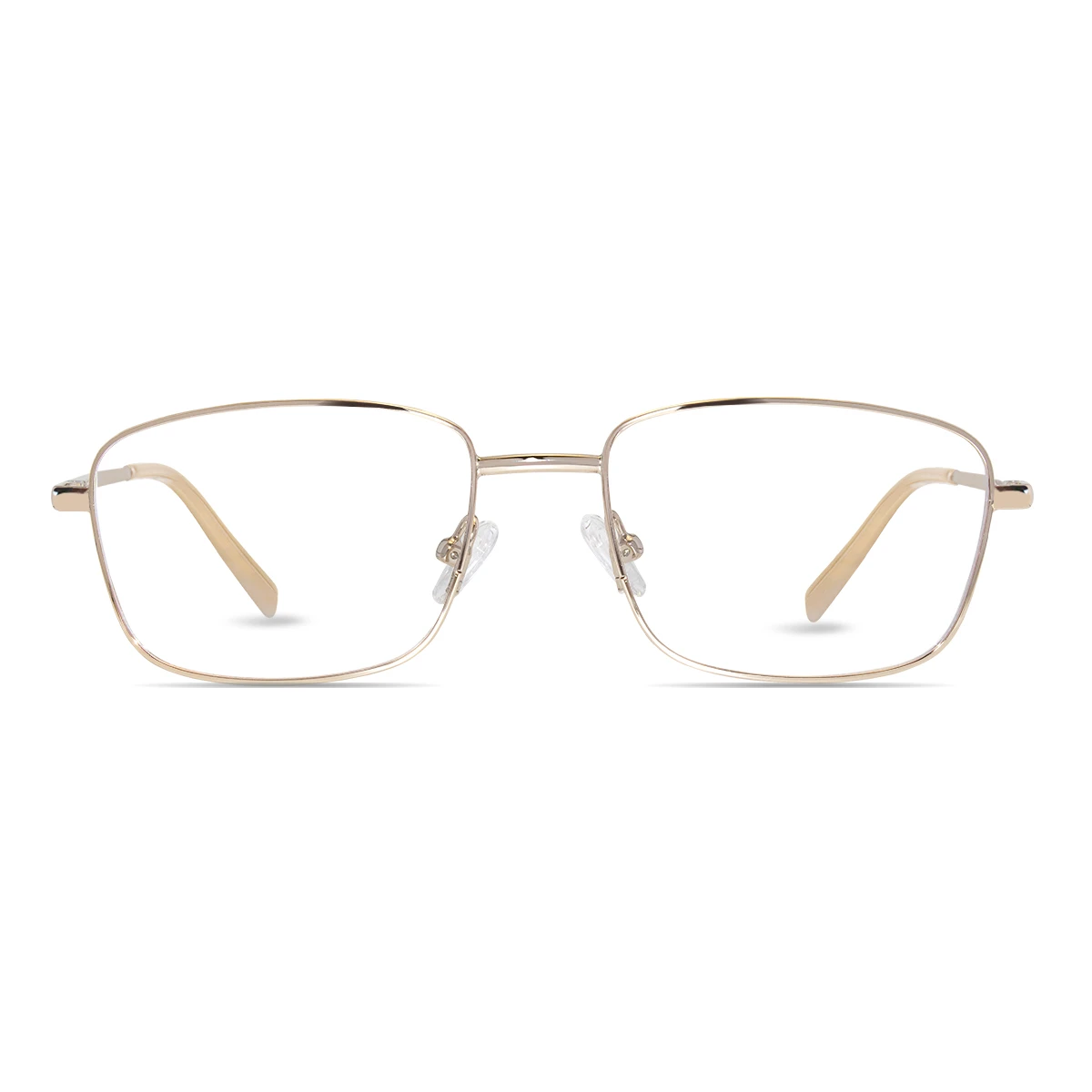
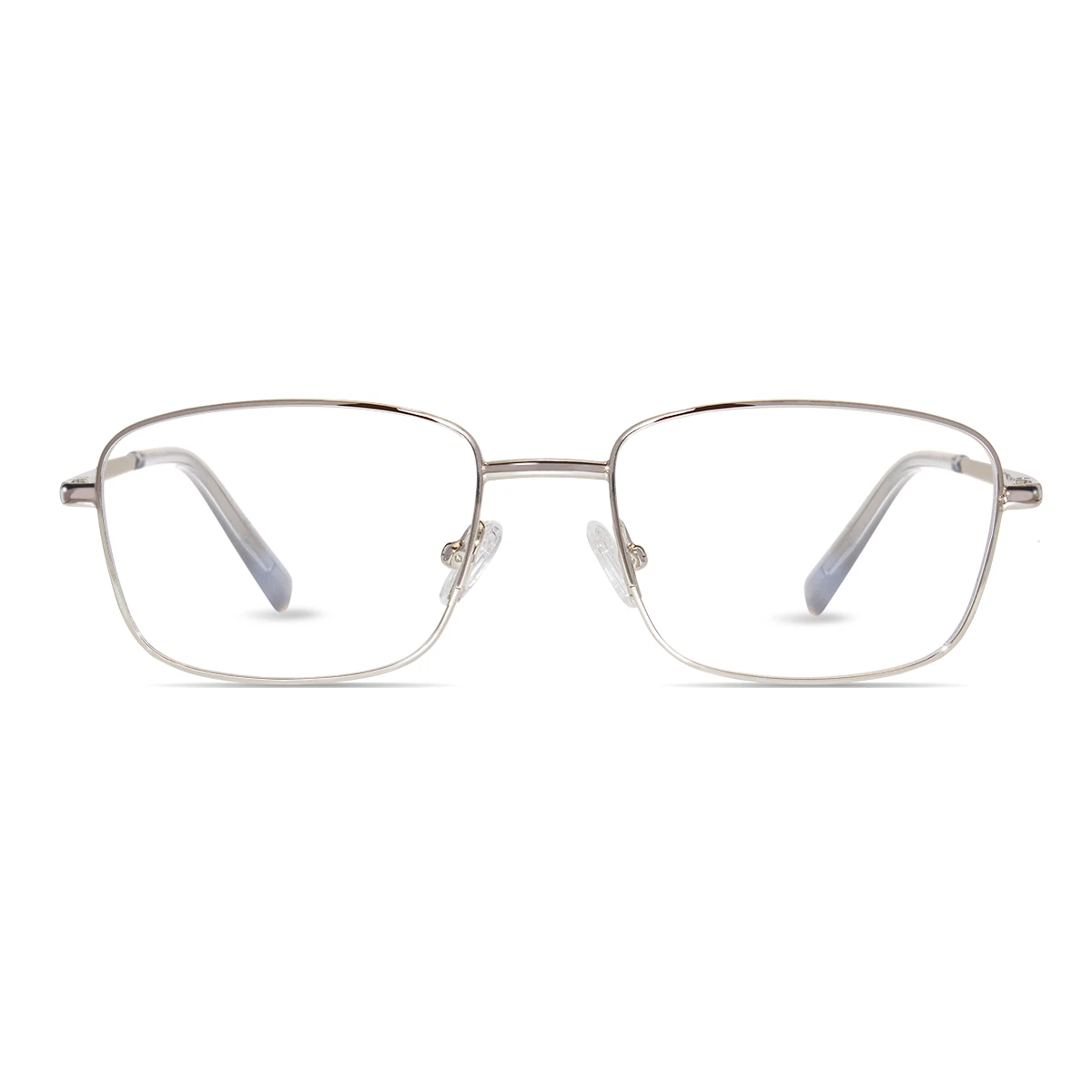
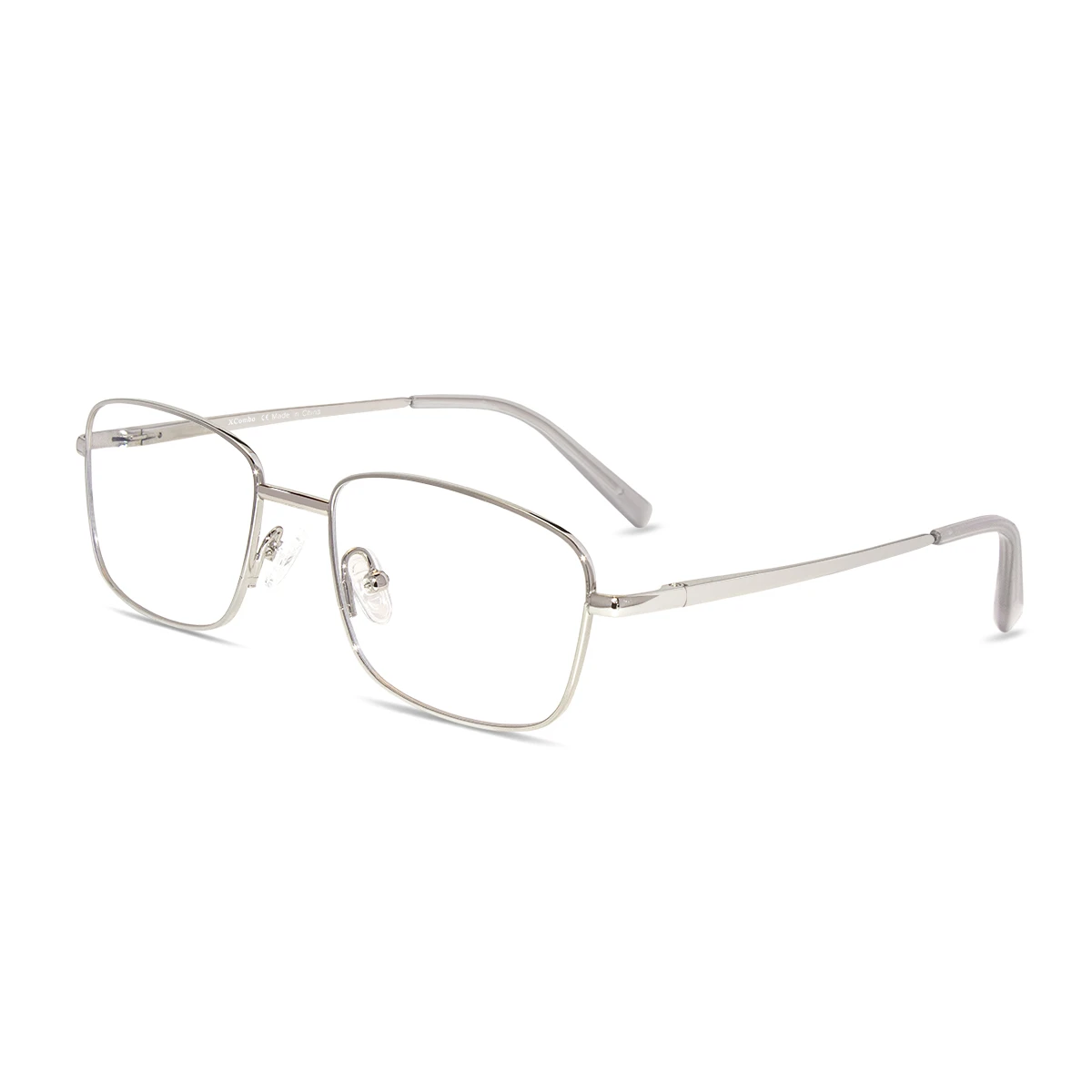
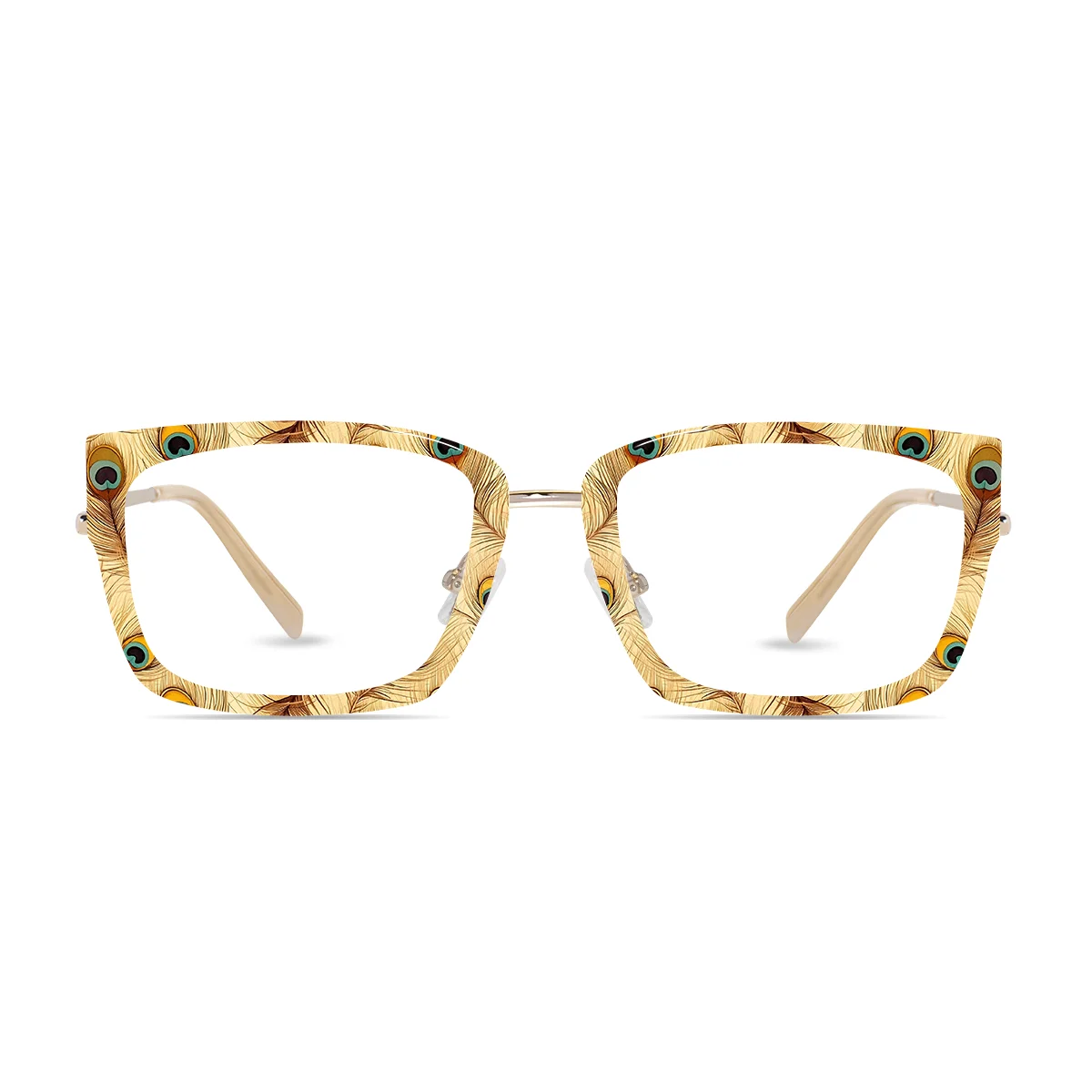
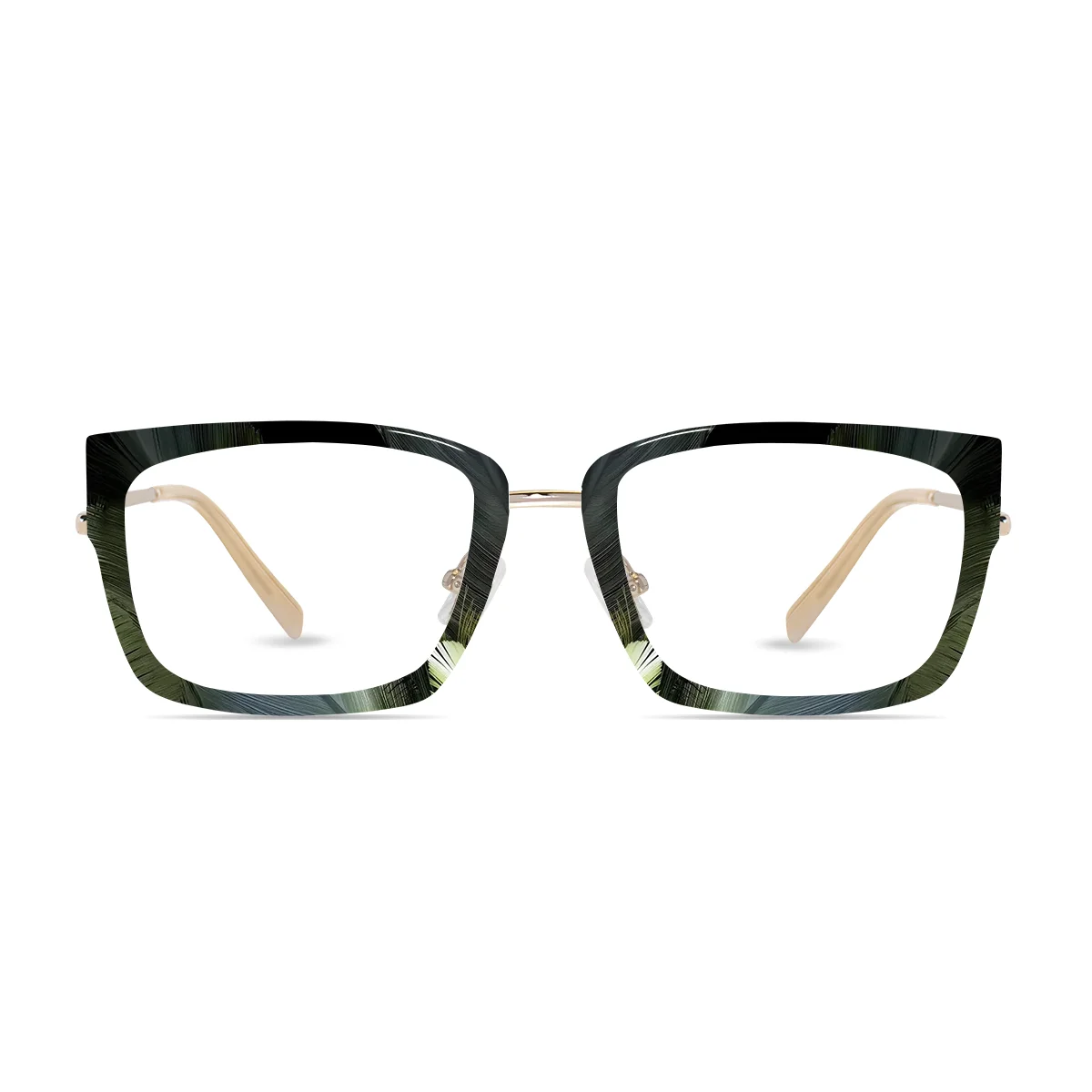
Soline Light Gold Base Frame - Wide Rectangle
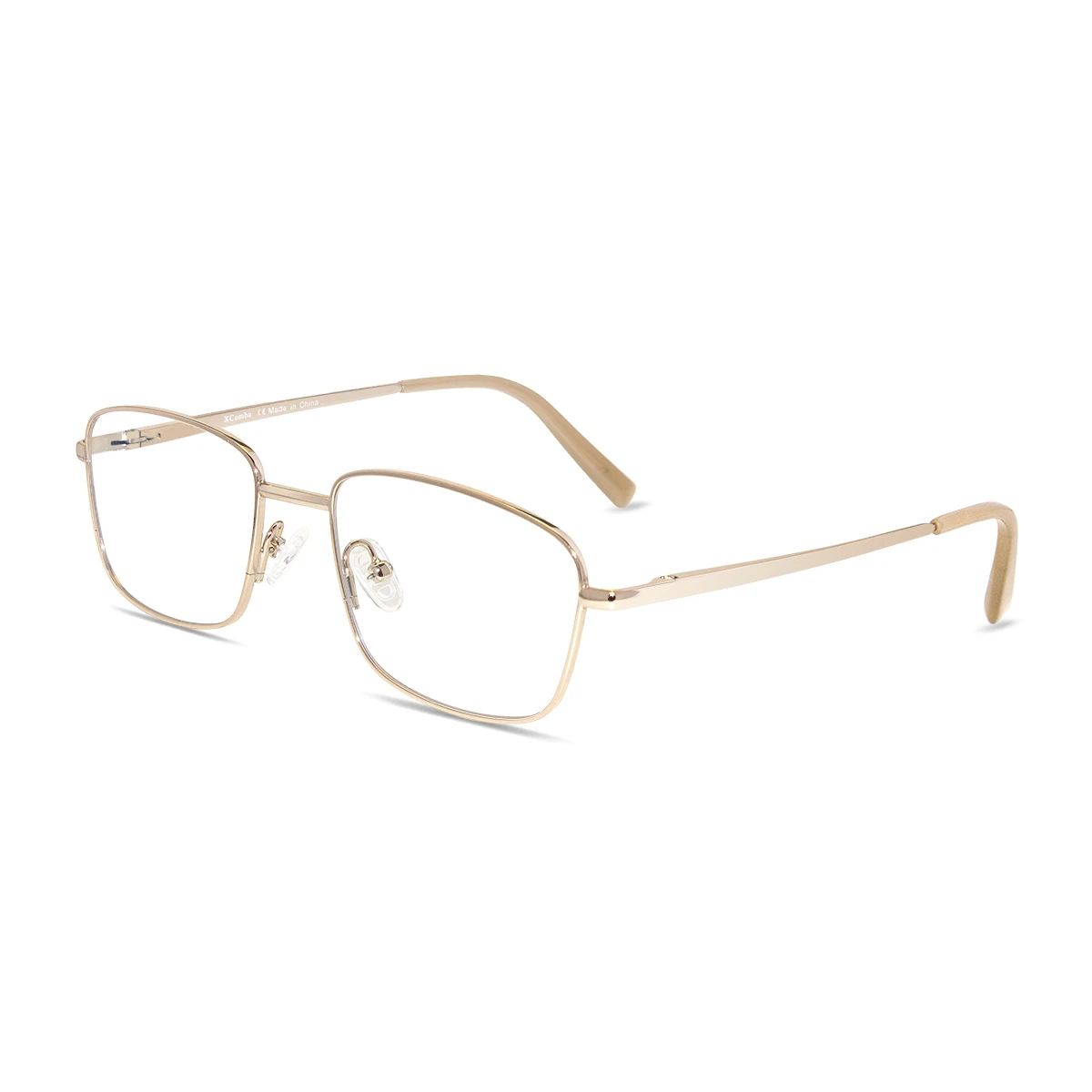
Soline Metallic Silver Base Frame - Wide Rectangle


Living a Multifaceted Life: How Custom Modular Eyewear Defines Your Personal Identity
Yet for years, eyewear has tried to force all these identities into one fixed frame.In a world where people change roles, moods,...
The Secret Weapon for Sculpting Your Face: How to Customize Eyewear Based on Your Cheekbones and Brow Shape
When it comes to elevating your appearance, most people think about hairstyles, makeup, or wardrobe upgrades. But there’s one transformative accessory that...
Are Pink Glasses in Style?
Pink glasses are a timeless symbol of charm and personality. They evoke feelings of compassion, love, and hope, making them a popular...
One-Second Color Switch
How to Match Your Glasses Frame to Today’s Outfit—EffortlesslyLet’s be honest.You don’t wear the same outfit every day.Some days it’s clean and...
“Five O’Clock Headache”: Could Custom Eyewear Be the Cure for Your Daily Fatigue?
Around 4:30 p.m., your focus softens. By 5:00 p.m., there’s a dull pressure behind your eyes. Your temples tighten. The screen feels...
Nerd Glasses: Choosing the Best Pair to Match Your Style
Nerd glasses have evolved from being a stereotype to a trendy fashion statement. With their unique designs and bold frames, these glasses...