


From Aerospace to Everyday Wear: The “Black Tech” of Beta Titanium and Carbon Fiber in Custom Eyewear
What do spacecraft engineering and high-performance eyewear have in common?
More than you might think.
Materials originally developed for aerospace and advanced engineering — including beta titanium alloys and carbon fiber composites — are now transforming the world of custom eyewear. Once used in aircraft structures and cutting-edge industrial design, these materials are redefining how glasses feel, perform, and last.
Today’s custom eyewear is no longer just about correcting vision. It’s about precision engineering, advanced materials, and personalized comfort. Beta titanium and carbon fiber represent two of the most exciting innovations in modern optical design, offering strength, flexibility, durability, and ultra-lightweight performance.
In this comprehensive guide, we explore how these high-tech materials moved from aerospace laboratories to everyday eyewear — and why they represent the future of custom glasses.
Why Materials Matter in Custom Eyewear
When choosing glasses, many people focus on:
- Frame style
- Lens type
- Prescription strength
- Appearance
But the frame material plays an equally critical role.
Material selection determines:
- Weight and comfort
- Durability and lifespan
- Flexibility and fit
- Skin compatibility
- Structural performance
- Long-term stability
Traditional frame materials like acetate or standard metal alloys have limitations. They can be heavy, prone to deformation, or less resistant to environmental stress.
This is why advanced materials like beta titanium and carbon fiber are gaining popularity.
The Evolution of Eyewear Materials
Eyewear materials have evolved significantly over time.
Early Materials
Early glasses were made from:
- Wood
- Bone
- Steel
- Basic metals
These materials prioritized function over comfort.
Industrial Era Materials
Later innovations introduced:
- Cellulose acetate
- Stainless steel
- Aluminum alloys
These improved aesthetics and manufacturability but still had durability limitations.
Advanced Engineering Materials
Today, custom eyewear increasingly uses:
- Titanium alloys
- Memory metals
- Carbon fiber composites
These offer superior performance characteristics once limited to aerospace and advanced manufacturing.
What Is Beta Titanium?
Beta titanium is a specialized titanium alloy engineered for exceptional flexibility and strength.
Unlike traditional titanium, which can be rigid, beta titanium offers:
- High elasticity
- Lightweight structure
- Superior fatigue resistance
- Corrosion resistance
- Excellent shape recovery
These properties make it ideal for precision applications.
Aerospace Origins of Beta Titanium
Beta titanium was originally developed for high-performance industries such as aerospace engineering, where materials must withstand extreme conditions.
Organizations like NASA have long relied on advanced titanium alloys for applications requiring:
- High strength-to-weight ratios
- Structural stability
- Resistance to environmental stress
- Long operational lifespan
The same properties now benefit eyewear users.
Why Beta Titanium Is Ideal for Custom Eyeglass Frames
Exceptional Flexibility
Beta titanium can bend significantly without permanent deformation.
Benefits include:
- Reduced risk of frame breakage
- Greater comfort during wear
- Adaptability to facial structure
- Resistance to accidental damage
This flexibility allows frames to maintain alignment over time.
Ultra-Lightweight Comfort
Beta titanium frames weigh significantly less than traditional metals.
Advantages:
- Reduced nose pressure
- Improved long-term wear comfort
- Minimal fatigue during extended use
For people who wear glasses all day, weight reduction dramatically improves experience.
Corrosion Resistance
Titanium naturally resists corrosion from:
- Sweat
- Humidity
- Skin oils
- Environmental exposure
This improves frame longevity and appearance.
Hypoallergenic Properties
Beta titanium is highly biocompatible.
This makes it ideal for people with:
- Sensitive skin
- Metal allergies
- Chronic irritation from traditional frames
Shape Memory Performance
Beta titanium’s elastic properties allow frames to return to their original shape after bending.
This helps maintain:
- Lens alignment
- Frame geometry
- Optical accuracy
What Is Carbon Fiber?
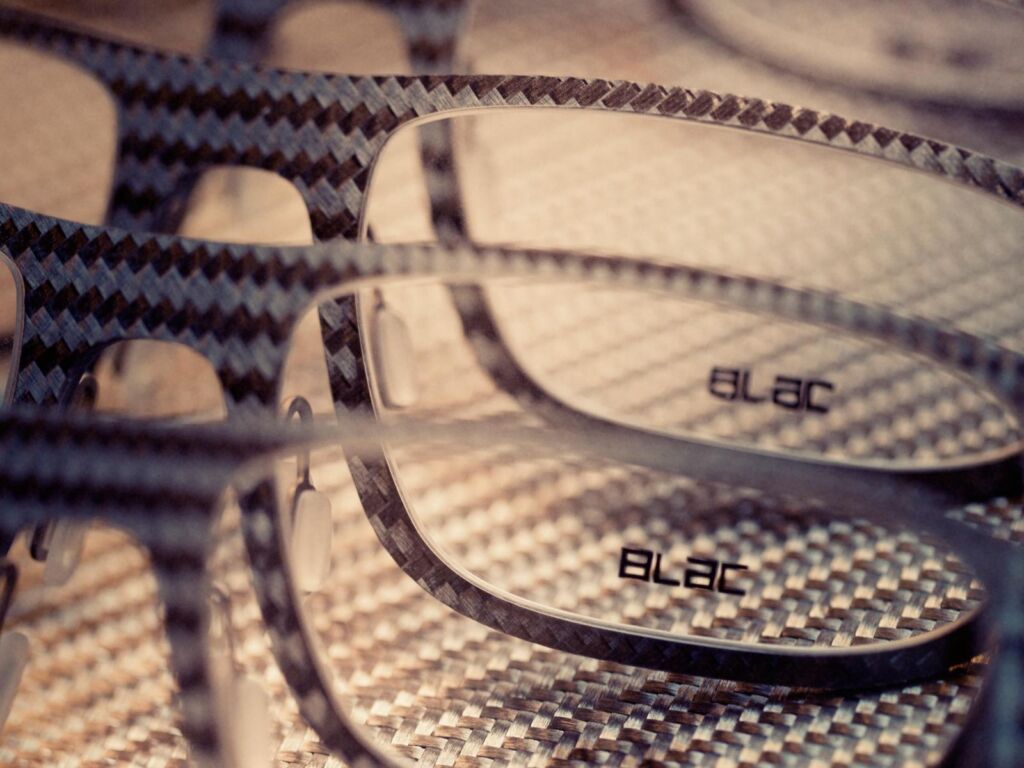
Carbon fiber is a composite material made of extremely thin carbon strands woven together and bonded with resin.
It is known for:
- Extreme strength
- Exceptional lightness
- High stiffness
- Modern aesthetics
- Structural stability
Its strength-to-weight ratio exceeds most metals.
Carbon Fiber’s High-Performance Heritage
Carbon fiber gained prominence in high-performance industries such as:
- Aerospace engineering
- Racing vehicles
- Sports equipment
- Advanced manufacturing
Its ability to provide maximum strength with minimal weight made it revolutionary.
Why Carbon Fiber Is Transforming Eyewear
Extreme Strength
Carbon fiber frames resist:
- Impact damage
- Structural fatigue
- Warping
This leads to longer-lasting eyewear.
Featherweight Construction
Carbon fiber is lighter than most metals and plastics.
Benefits include:
- Minimal pressure points
- Comfortable daily wear
- Improved balance
High Structural Stability
Unlike flexible metals, carbon fiber maintains shape extremely well.
This ensures:
- Consistent lens positioning
- Stable optical performance
- Long-term durability
Distinctive Aesthetic Appeal
Carbon fiber offers a modern, textured appearance associated with high-end technology and performance design.
Beta Titanium vs Carbon Fiber: Different Strengths
Both materials offer exceptional performance but serve different purposes.
Beta Titanium Advantages
- Greater flexibility
- Higher elasticity
- Better shock absorption
- More adaptable fit
Ideal for comfort and resilience.
Carbon Fiber Advantages
- Higher stiffness
- Greater structural strength
- Minimal deformation
- Premium modern appearance
Ideal for stability and durability.
Hybrid Frames: Combining the Best of Both Worlds
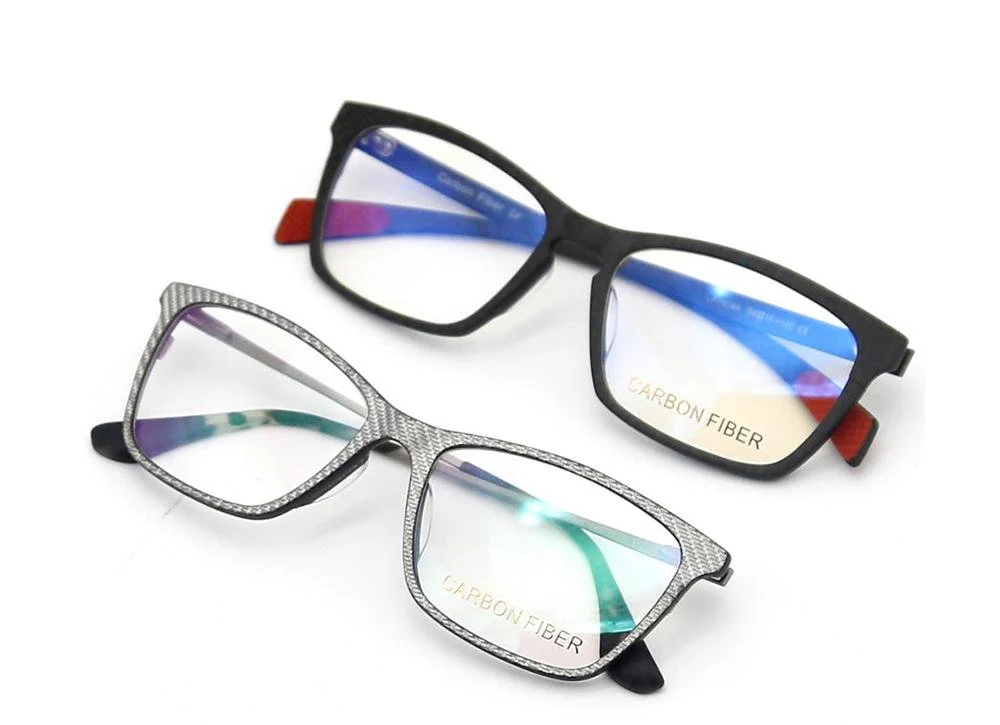
Some custom eyewear designers combine beta titanium and carbon fiber in a single frame.
This creates:
- Flexible temples
- Rigid front structures
- Balanced weight distribution
- Enhanced durability
Hybrid engineering optimizes performance across multiple dimensions.
How These Materials Improve Custom Eyewear Performance
Better Fit Precision
Advanced materials allow manufacturers to design frames that conform more accurately to facial structure.
Enhanced Durability
Frames resist bending, fatigue, and environmental wear.
Improved Optical Stability
Stable frames maintain proper lens alignment, improving vision quality.
Long-Term Cost Efficiency
Higher durability reduces replacement frequency.
Manufacturing Challenges and Precision Engineering
Working with beta titanium and carbon fiber requires specialized manufacturing techniques.
Processes may include:
- CNC precision machining
- Laser cutting
- High-temperature forming
- Composite layering
- Advanced surface treatment
These complex methods contribute to higher quality.
The Role of Customization in Modern Eyewear
Advanced materials support highly personalized design.
Custom eyewear may include:
- Facial measurement optimization
- Tailored frame geometry
- Weight distribution adjustments
- Personalized aesthetics
Material performance enables this precision.
Comfort Engineering: Why Weight and Balance Matter
Frame weight affects:
- Nose pressure
- Ear comfort
- Posture
- Wear duration
Lightweight materials improve ergonomic performance.
Durability for Active Lifestyles
Beta titanium and carbon fiber frames suit:
- Sports activities
- Outdoor use
- Frequent travel
- Demanding work environments
Their strength and resilience support active lifestyles.
Environmental Resistance and Longevity
Advanced materials resist:
- Temperature changes
- Moisture exposure
- Chemical interaction
- UV exposure
This ensures long-term performance.
Design Freedom for Eyewear Engineers
Strong lightweight materials allow:
- Thinner frame structures
- Innovative shapes
- Minimalist designs
- Improved aesthetics
This expands creative possibilities.
Sustainability Considerations
Long-lasting materials reduce waste by extending product lifespan.
Durability contributes to:
- Fewer replacements
- Reduced material consumption
- Lower environmental impact over time
Are These Materials Worth the Investment?
Advanced material frames often cost more upfront but provide:
- Longer lifespan
- Greater comfort
- Better performance
- Reduced maintenance
For many users, the long-term value justifies the cost.
Common Misconceptions About High-Tech Eyewear Materials
“Lightweight means fragile.”
Both beta titanium and carbon fiber are extremely strong.
“Advanced materials are only for athletes.”
Anyone benefits from comfort and durability.
“Traditional frames perform just as well.”
Modern materials offer measurable performance advantages.
The Future of High-Performance Eyewear
The eyewear industry continues integrating advanced materials and engineering techniques.
Future developments may include:
- Smart adaptive frames
- AI-optimized structural design
- 3D-printed titanium components
- Next-generation composite materials
Material science will continue driving innovation.
From Aerospace Engineering to Everyday Comfort
The journey of beta titanium and carbon fiber reflects a broader trend — technologies once reserved for high-performance industries are becoming part of everyday life.
What was once used in spacecraft structures and advanced engineering now sits comfortably on the bridge of your nose.
This transformation represents the fusion of science, design, and human-centered engineering.
Final Thoughts: The Future of Custom Eyewear Is Engineered
Modern eyewear is no longer just a visual aid — it’s a piece of precision engineering. Beta titanium and carbon fiber demonstrate how advanced materials can transform comfort, durability, and performance.
From aerospace innovation to personalized eyewear design, these materials bring cutting-edge technology into daily life. For those seeking the highest level of comfort, longevity, and structural excellence, high-tech materials are shaping the next generation of custom glasses.
The future of eyewear isn’t just about seeing better — it’s about engineering better.
Share this post
- Bone Rattle (PH01)
- Haunted Plaid (PH02)
- Pumpkin King (PH03)
- Night Sky Bat (PH04)
- Pumpkin Parade (PH05)
- Spooky Duo (PH06)
- Witch’s Cat (PH07)
- Mint Ghost (PH08)
- Dark Spell (PH09)
- Midnight Meow (PH10)
- Ghost Mosaic (PH11)
- Skull Storm (PH13)
- Wicked Glow (PH14)
- Haunted Gray (PH15)
- Phantom Mosaic (PH16)
- Midnight Dots (PH17)
- Haunted Medley (PH18)
- Nightmare Mix (PH19)
- Ghost Fade (PH20)
- Candy Curse (PH26)
- Ghost Drift (PH21)
- Pumpkin Fusion (PH22)
- Shadow Spirit (PH23)
- Spooky Toon (PH24)
- Demon Grin (PH25)
- Autumn Bloom (PH27)
Soline Combo | Metallic Silver Base + Halloween Top Frame





Living a Multifaceted Life: How Custom Modular Eyewear Defines Your Personal Identity
Yet for years, eyewear has tried to force all these identities into one fixed frame.In a world where people change roles, moods,...
Are Pink Glasses in Style?
Pink glasses are a timeless symbol of charm and personality. They evoke feelings of compassion, love, and hope, making them a popular...
One-Second Color Switch
How to Match Your Glasses Frame to Today’s Outfit—EffortlesslyLet’s be honest.You don’t wear the same outfit every day.Some days it’s clean and...
Nerd Glasses: Choosing the Best Pair to Match Your Style
Nerd glasses have evolved from being a stereotype to a trendy fashion statement. With their unique designs and bold frames, these glasses...
Gravity’s Grudge: Why Your Glasses Keep Sliding Down (And How Your Frames Are Trying to Tell You Something)
We’ve all been there. You’re in the middle of a high-stakes board meeting, leaning over a delicious plate of pasta, or simply...
How to Measure Pupillary Distance(PD)?
What Is Pupillary Distance(PD)?Pupillary Distance (PD) is the measurement, in millimeters, between the centers of your two pupils. This measurement is essential...