

Beyond the Optical Clone: Reclaiming Your Identity in the Era of Mass-Produced Eyewear
In the modern age of "Fast Fashion," we are living through a crisis of homogeneity. Walk into any coffee shop in Brooklyn, any boardroom in Chicago, or any creative studio in Los Angeles, and you will see it: the same three "trending" frame shapes, produced by the same global conglomerates, resting on a thousand different faces.
We have entered the era of the "Optical Clone." When luxury brands and budget retailers alike outsource their designs to a handful of massive manufacturers, the result is a sterile landscape of "same-ness." Eyewear, which should be the most intimate expression of our personality—literally framing how we see the world and how the world sees us—has become a commodity.
But for those who refuse to "blend in," a revolution is brewing. This is the movement toward Bespoke, One-of-a-Kind Eyewear. It is a shift away from the assembly line and back toward the artisan’s bench, powered by "Black Tech" like 3D scanning and high-precision CNC milling.
In this 4,000-word manifesto, we’ll explore why the fast-fashion model is failing our individuality, the psychological power of a unique visual signature, and how you can utilize modern customization technology to ensure you never "clash" with another pair of glasses again.
1. The Fast-Fashion Trap: Why Everyone Looks the Same
To understand the value of a unique frame, we must first understand why everything looks so similar today.
The Illusion of Choice
Most people believe they are choosing from hundreds of independent brands. In reality, a vast majority of the world's eyewear is controlled by a few massive entities. They dictate the trends, they own the retail stores, and they produce the frames in the same factories.
The "Safe Design" Echo Chamber
When you produce a million units of a single frame, you cannot afford to be "bold." You have to design for the "average" face. This results in:
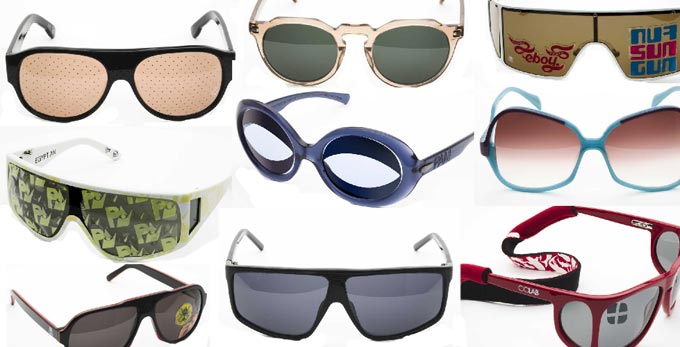
- Generic Geometry: Frames that are neither too round nor too square, designed to be "passable" on everyone but "perfect" on no one.
- The Color Desert: A sea of tortoiseshell and black, because daring colors are a financial risk for mass-producers.
2. The Psychology of the "Visual Signature"
Your face is the primary interface through which you interact with humanity. When you wear "off-the-shelf" glasses, you are effectively wearing a mask designed by a committee.
Identity and the "Self-Reference Effect"
Psychologists have long noted that the items we wear closest to our sensory organs—like glasses—become part of our "extended self." When you wear a frame that was designed specifically for your bone structure and your aesthetic taste, your confidence increases. You aren't just wearing an accessory; you are broadcasting an authentic signal of who you are.
The Power of the "First Five Seconds"
In any social or professional interaction, the "First Five Seconds" are dominated by the eyes. A unique, bespoke frame acts as an immediate conversation starter and a memory anchor. People may forget your tie or your shoes, but they will never forget the person with the striking, custom-carved emerald acetate frames that fit their face like a bespoke suit.
3. "Black Tech" in Custom Optics: How "Unique" is Actually Made
How do we move from "Mass-Produced" to "One-of-a-Kind" without spending a fortune on a hand-carving artisan in a mountain village? The answer lies in Digital Bespoke Manufacturing.
Step 1: 3D Facial Topography
True uniqueness starts with data. Modern custom boutiques use 3D scanners to capture thousands of data points on your face. This ensures the frame isn't just a "style" choice—it’s an anatomical match.
- The Bridge: Carved to the exact width and splay of your nose.
- The Width: Scaled to the precise millimeter of your temple-to-temple distance.
Step 2: Parametric Design
This is the "Black Tech" secret. Designers use software that allows them to tweak the "curves" of a frame in real-time. Want to raise the bridge 2mm to make your nose look slimmer? Want to sharpen the "cat-eye" flick by 15 degrees to match your brow line? In the bespoke world, the design is a living file, not a static mold.
4. Material Innovation: Creating a Texture Nobody Else Has
If you want to avoid "frame-clashing," you need to look beyond standard plastic. Custom eyewear leverages materials that mass-producers find too difficult or expensive to work with.
5. The "Perfect Fit" Paradox: Comfort as a Style Statement
We often think of "style" and "comfort" as separate goals. But in the world of unique eyewear, they are the same thing.
A frame that fits perfectly stays in the "Golden Zone" of your face. It doesn't slide, it doesn't pinch, and it doesn't hide your eyebrows. This Visual Stability is what creates that "High-End" look. When you see someone whose glasses never move, even when they laugh or tilt their head, you are looking at the result of custom engineering.
Pro-Tip: If your glasses always slide down, you aren't just losing comfort—you're losing your "style profile." Bespoke frames use Anatomical Balancing to ensure the center of gravity sits behind your ears, keeping the front of the frame perfectly poised.
6. Curating Your Optical Wardrobe: Moving Beyond One Pair
In the fast-fashion era, people buy one pair of "safe" glasses and wear them with everything—from a tuxedo to a tracksuit.
The "Unique" approach encourages the Optical Wardrobe. * The Professional Frame: A bespoke, matte-black titanium frame for the boardroom.
- The Weekend Frame: A bold, "Cognac" or "Olive" custom acetate for brunch and galleries.
- The Evening Frame: A thin, high-gloss "Midnight" frame for dinner parties.
When your glasses are unique, they become a tool you use to curate the "vibe" of your day.
7. The Sustainability Angle: Buy Once, Wear Forever
The most "unique" thing you can do in a throwaway culture is to own something that lasts. Fast-fashion frames are designed to break or go out of style within 12 months.
Bespoke eyewear is built on the principle of Longevity. 1. Repairability: High-quality custom frames use "riveted" hinges and premium materials that can be buffed, polished, and repaired for decades. 2. Timelessness: Because the frame was designed for your face—not a fleeting trend—it will never look "out of date." It will always look like "you."
8. Conclusion: Your Face, Your Rules
The era of accepting "close enough" is over. You don't have to wear the same frames as the person sitting next to you on the subway. You don't have to settle for a bridge that pinches or a color that washes out your skin tone.
By embracing the world of Custom, One-of-a-Kind Eyewear, you are making a radical statement in a homogenized world: "I am not a demographic. I am an individual."
Ready to break the mold?
Would you like me to help you design a Face-Shape Blueprint that identifies the exact architectural lines that will complement your unique features?
Share this post
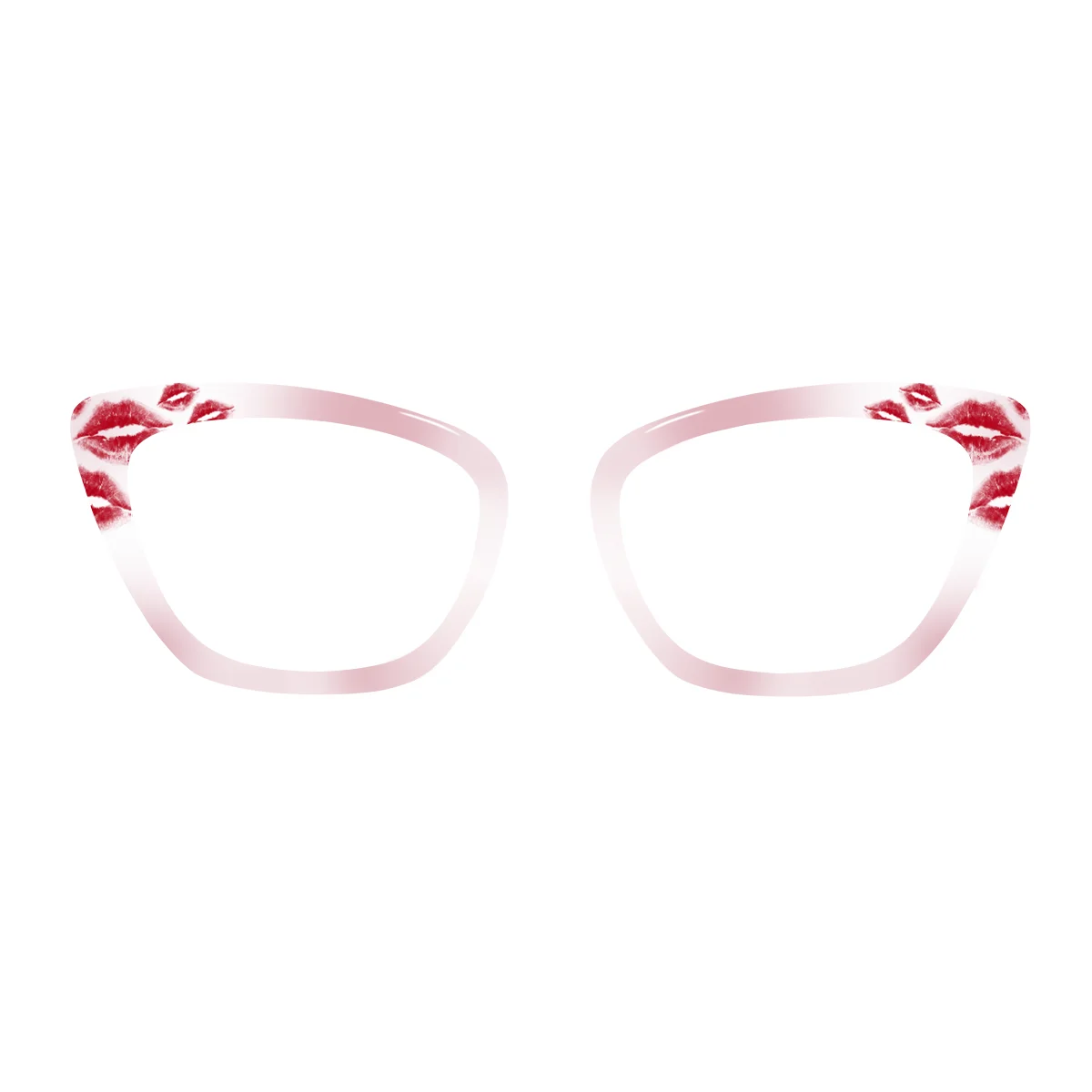
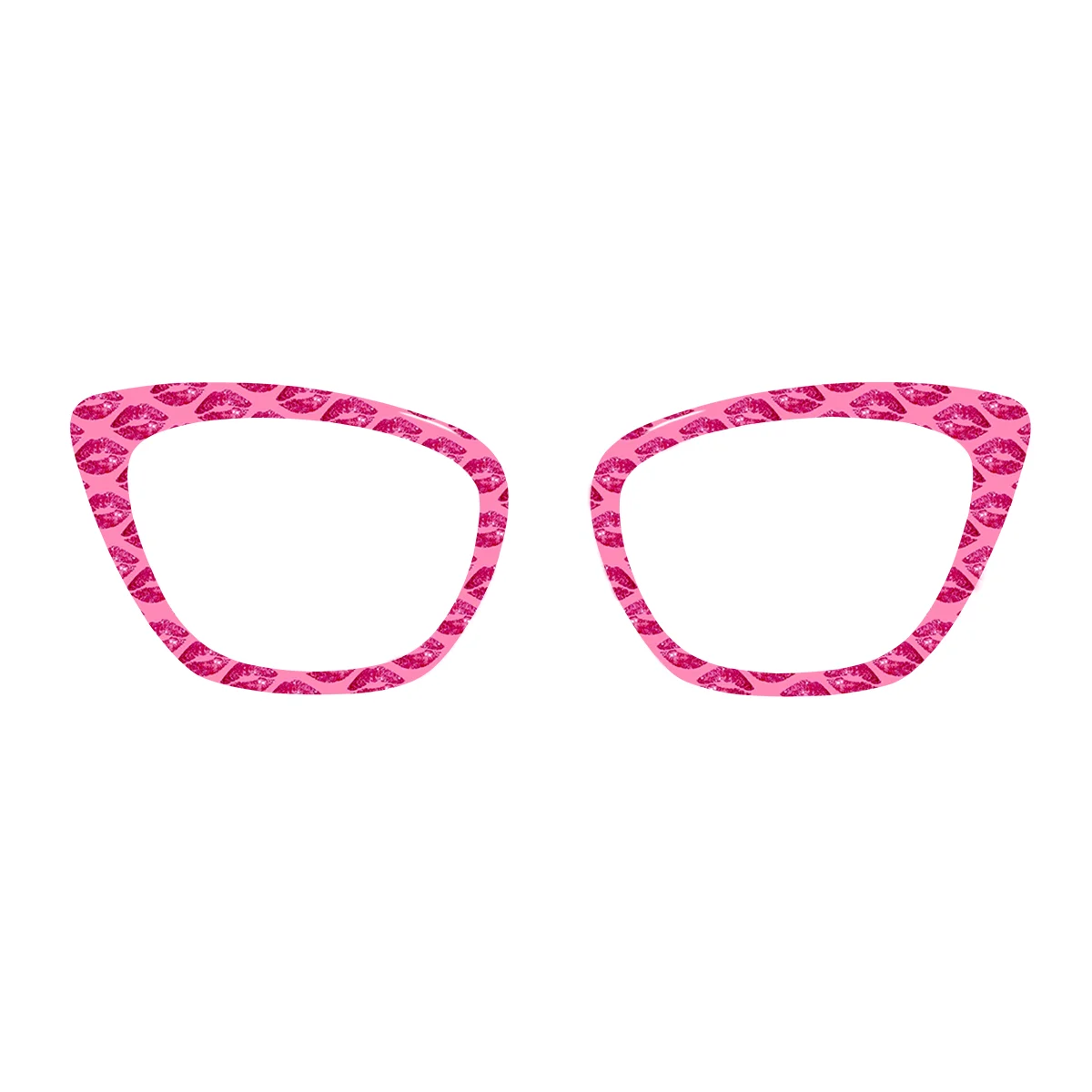
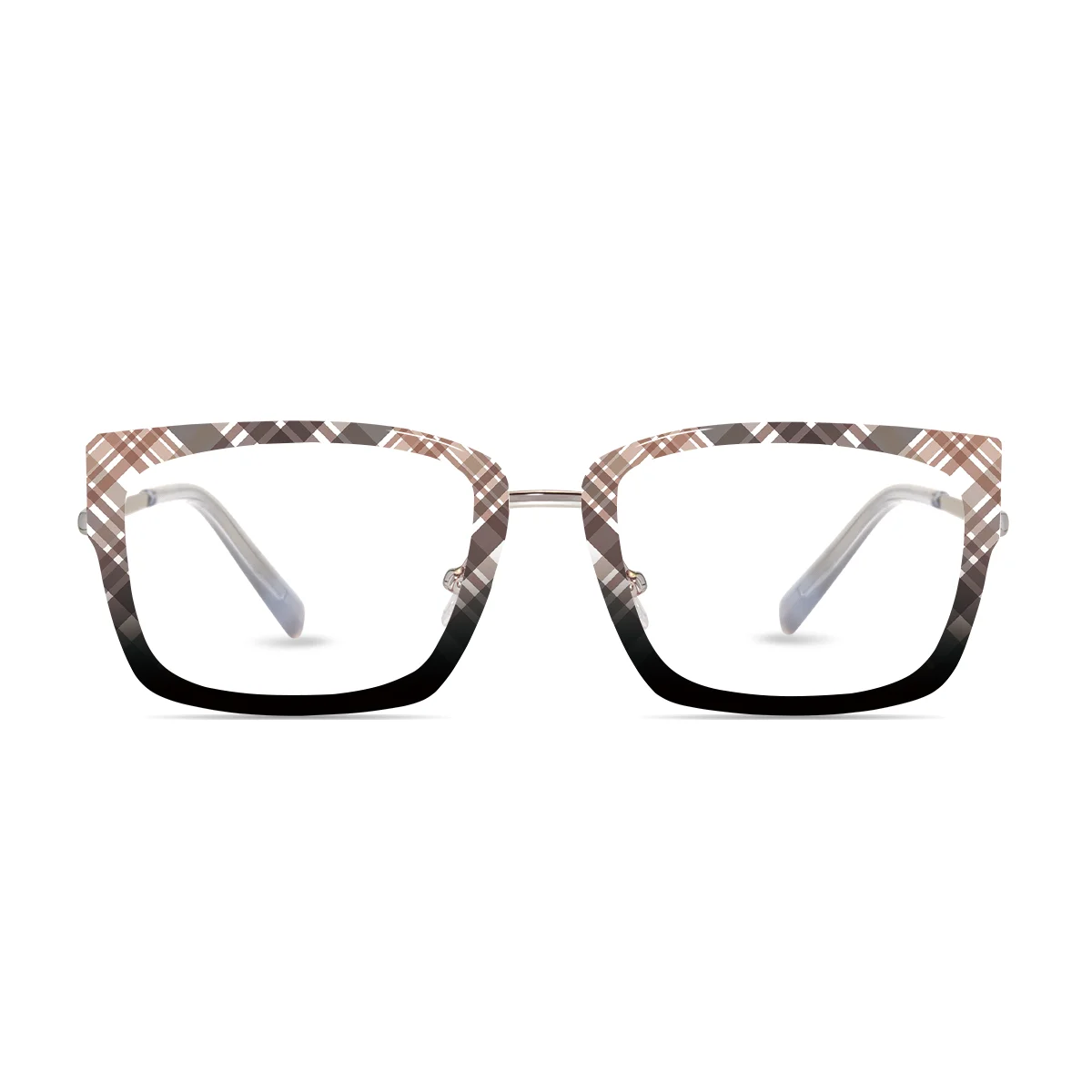
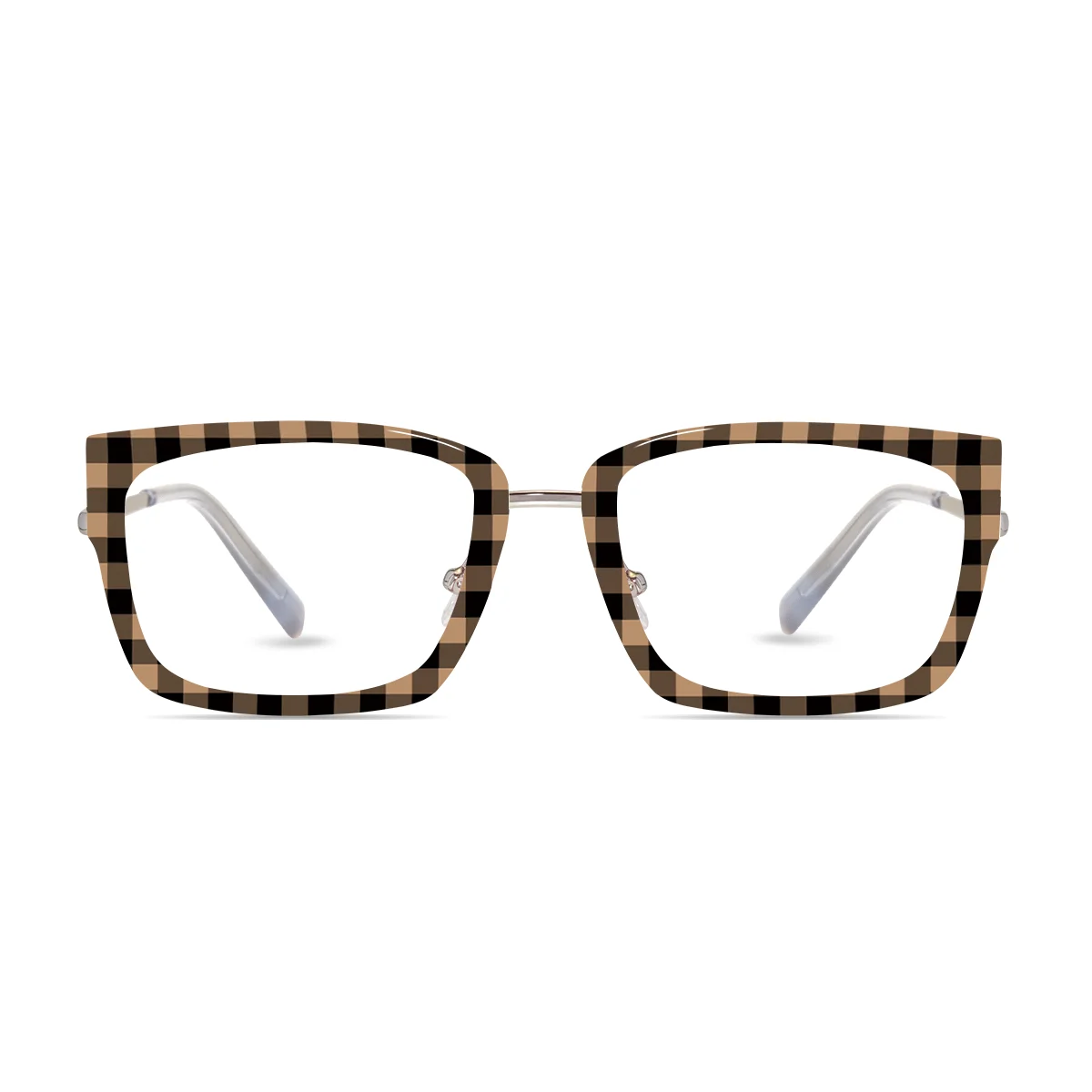
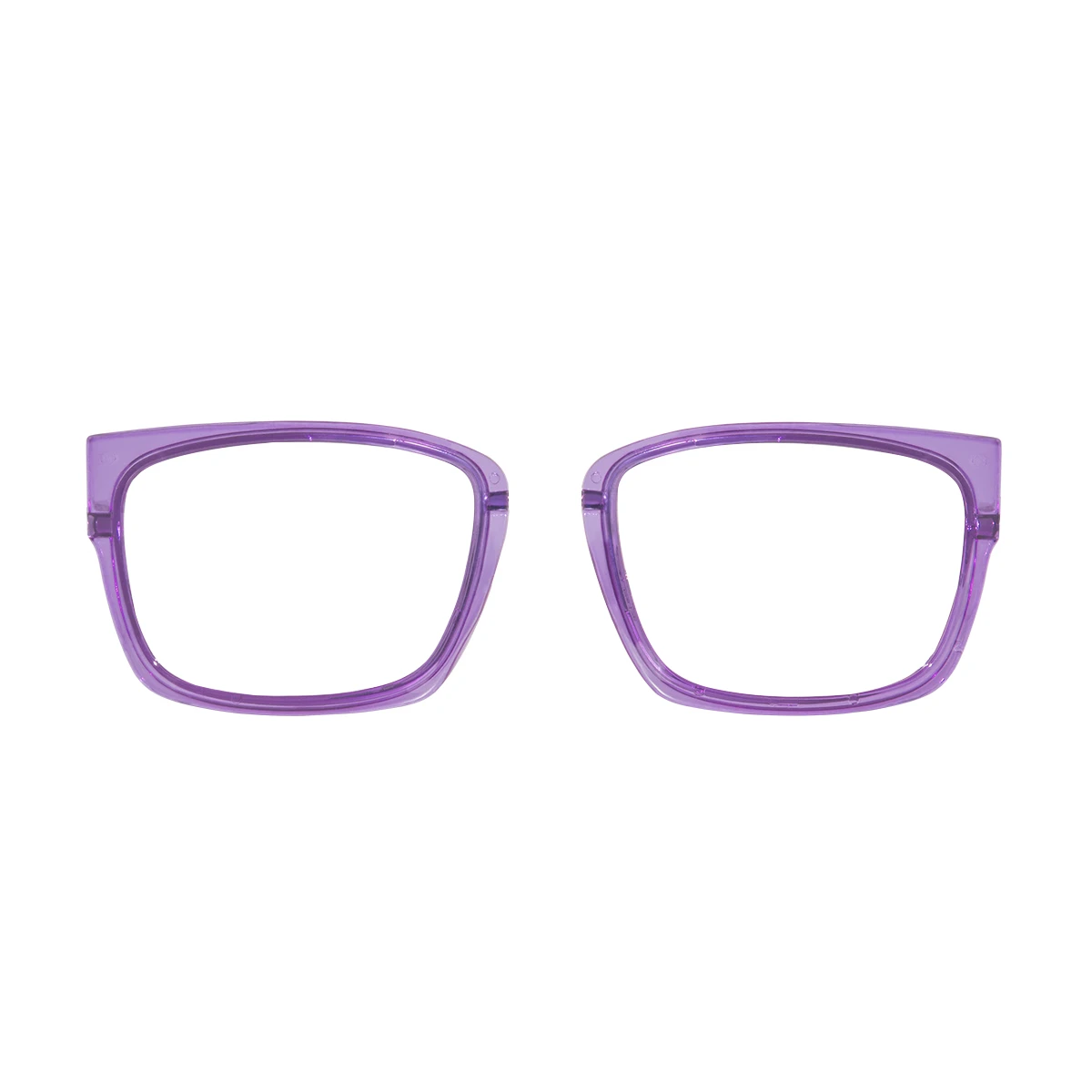
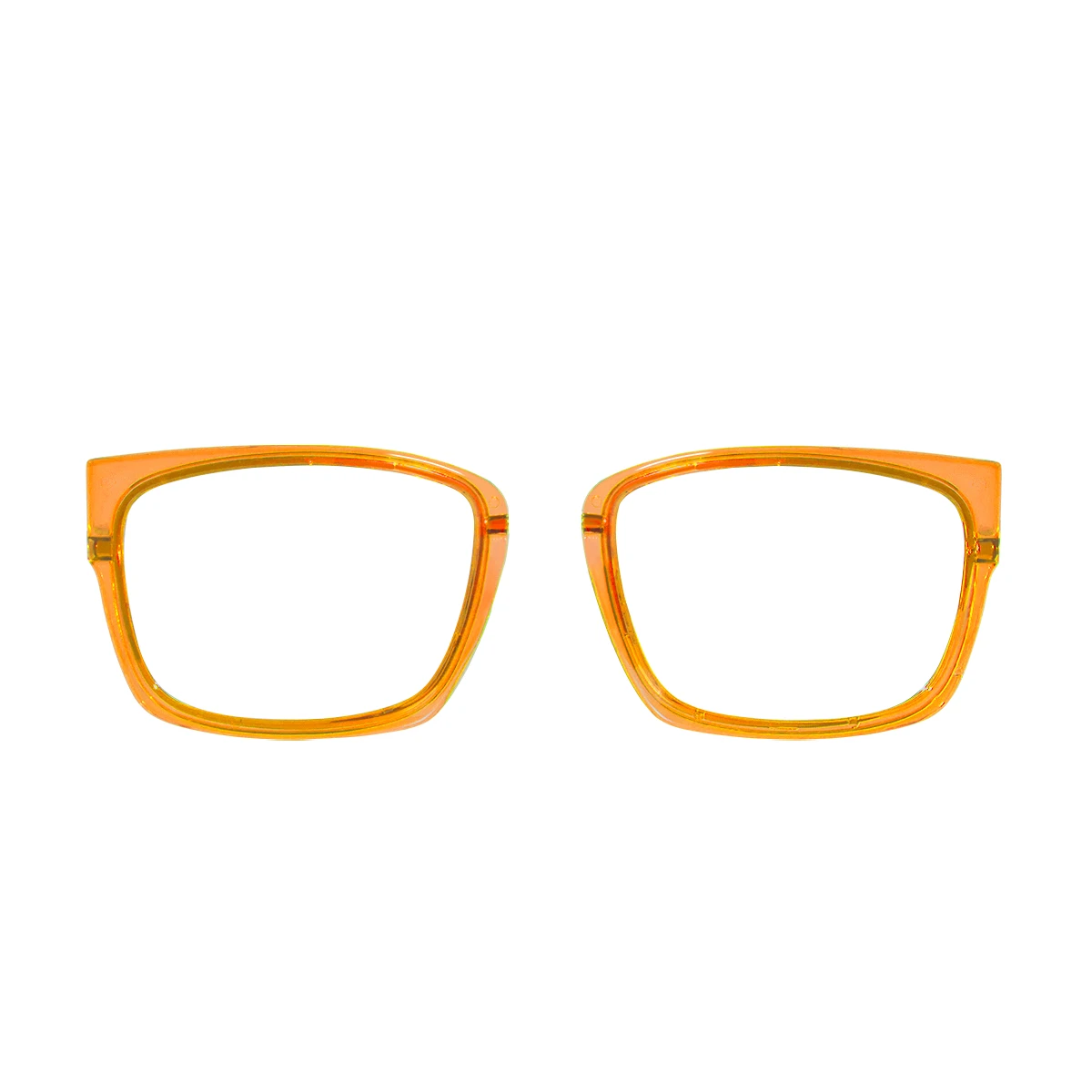
- Burgundy – Crystal (C01)
- Red – Crystal(C02)
- Burnt Orange – Crystal(C03)
- Marmalade – Crystal(C04)
- Sunshine Yellow – Crystal(C05)
- Lime Green – Crystal(C06)
- Sage – Crystal(C08)
- Green Forest – Crystal(C07)
- Army Green – Crystal(C09)
- Spruce – Crystal(C10)
- Turquiise – Crystal(C11)
- Cornflower– Crystal(C12)
- Navy – Crystal(C13)
- Indigo – Crystal(C14)
- Blue Orchid – Crystal(C15)
- Mauve – Crystal(C16)
- Lavender – Crystal(C21)
- Purple – Crystal(C17)
- Grape – Crystal(C18)
- Coral – Crystal(C19)
- Hot Pink – Crystal(C20)
- Chocolate – Crystal(C22)
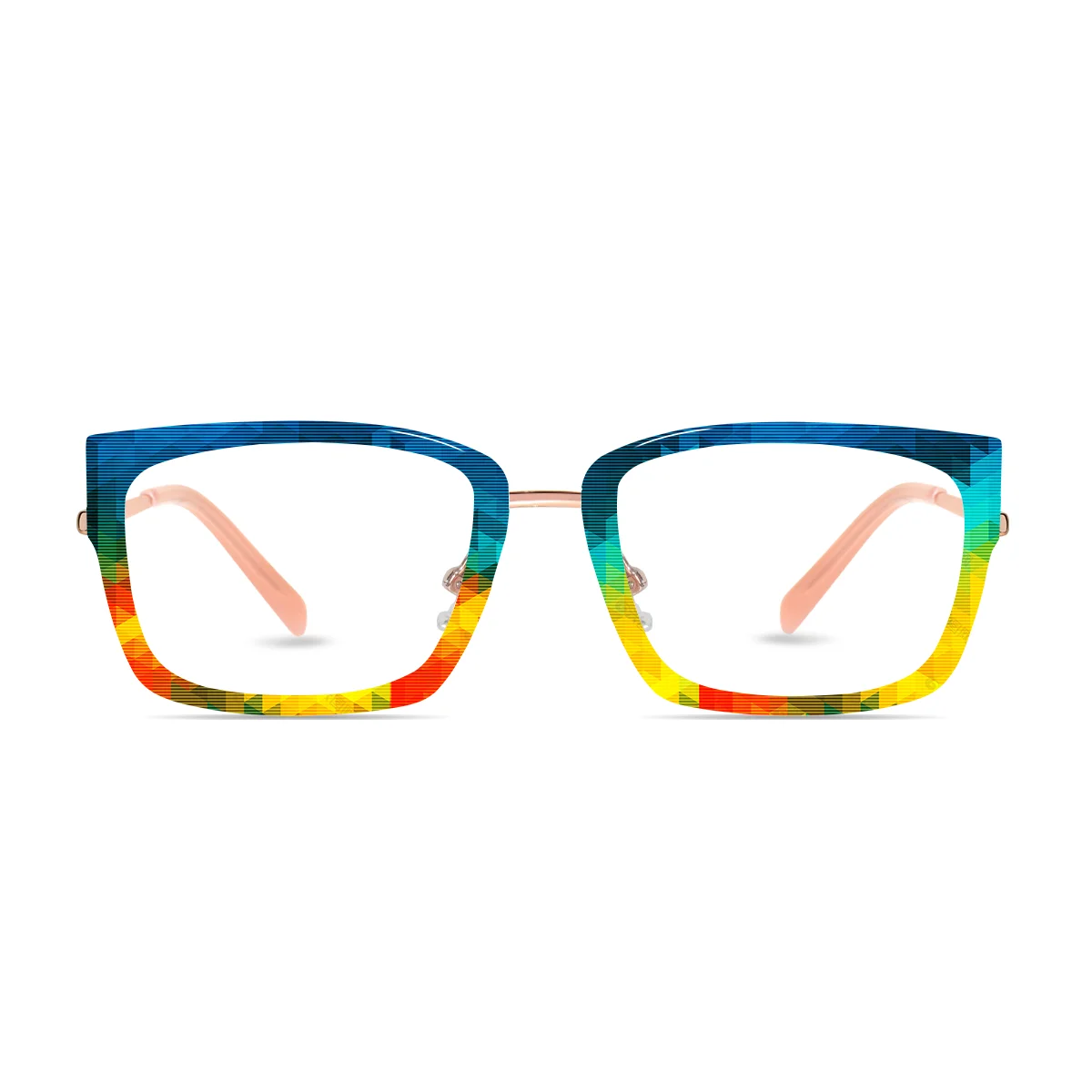
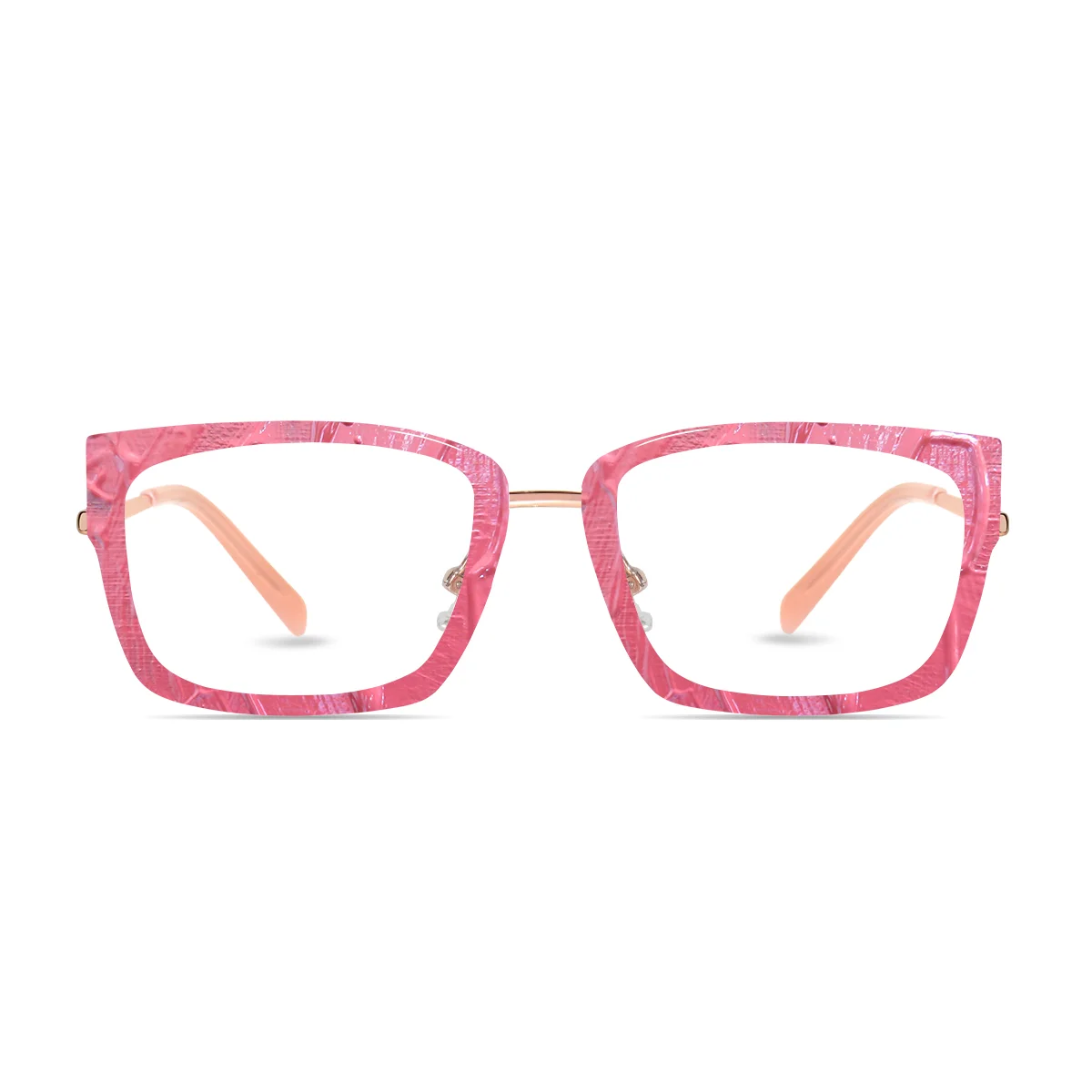
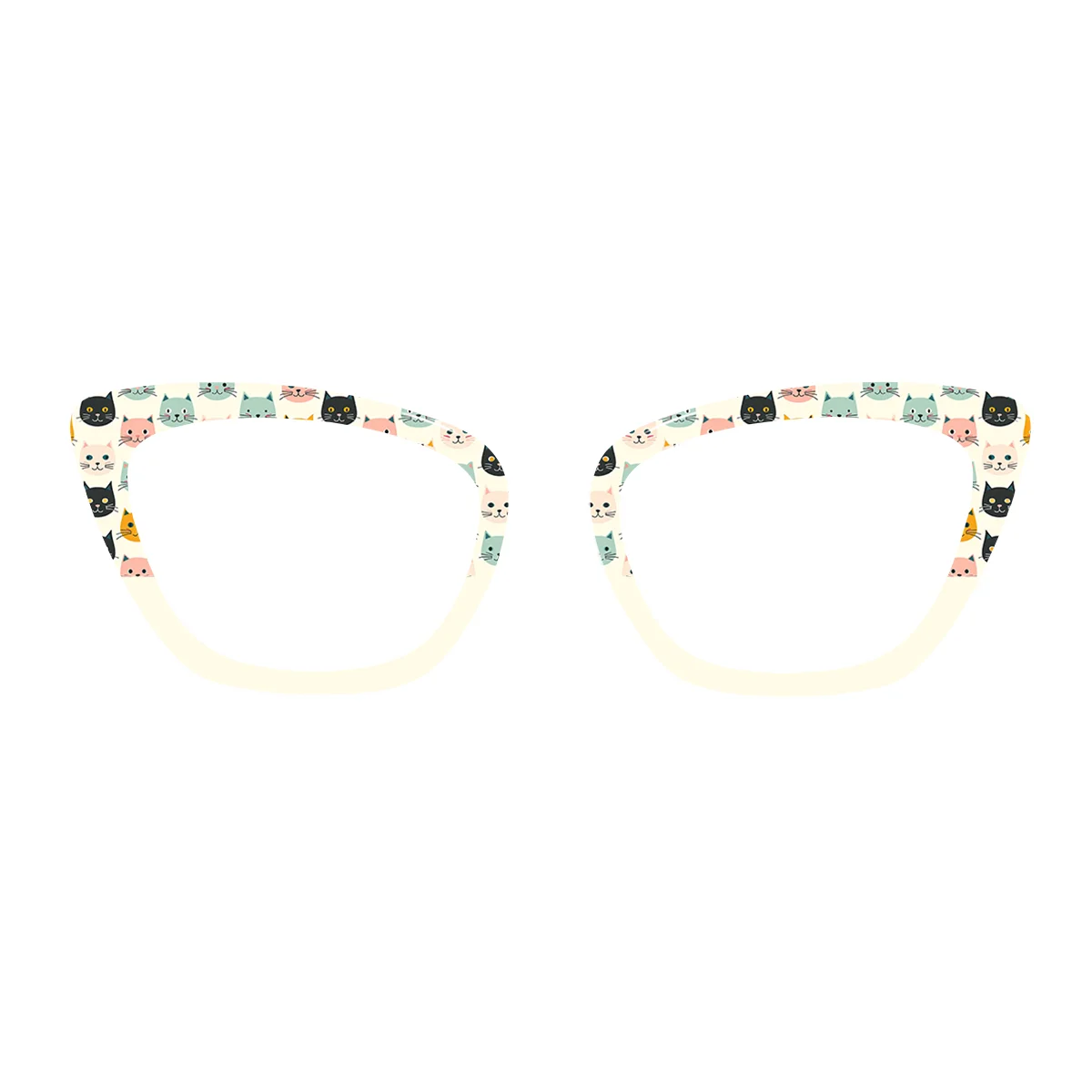
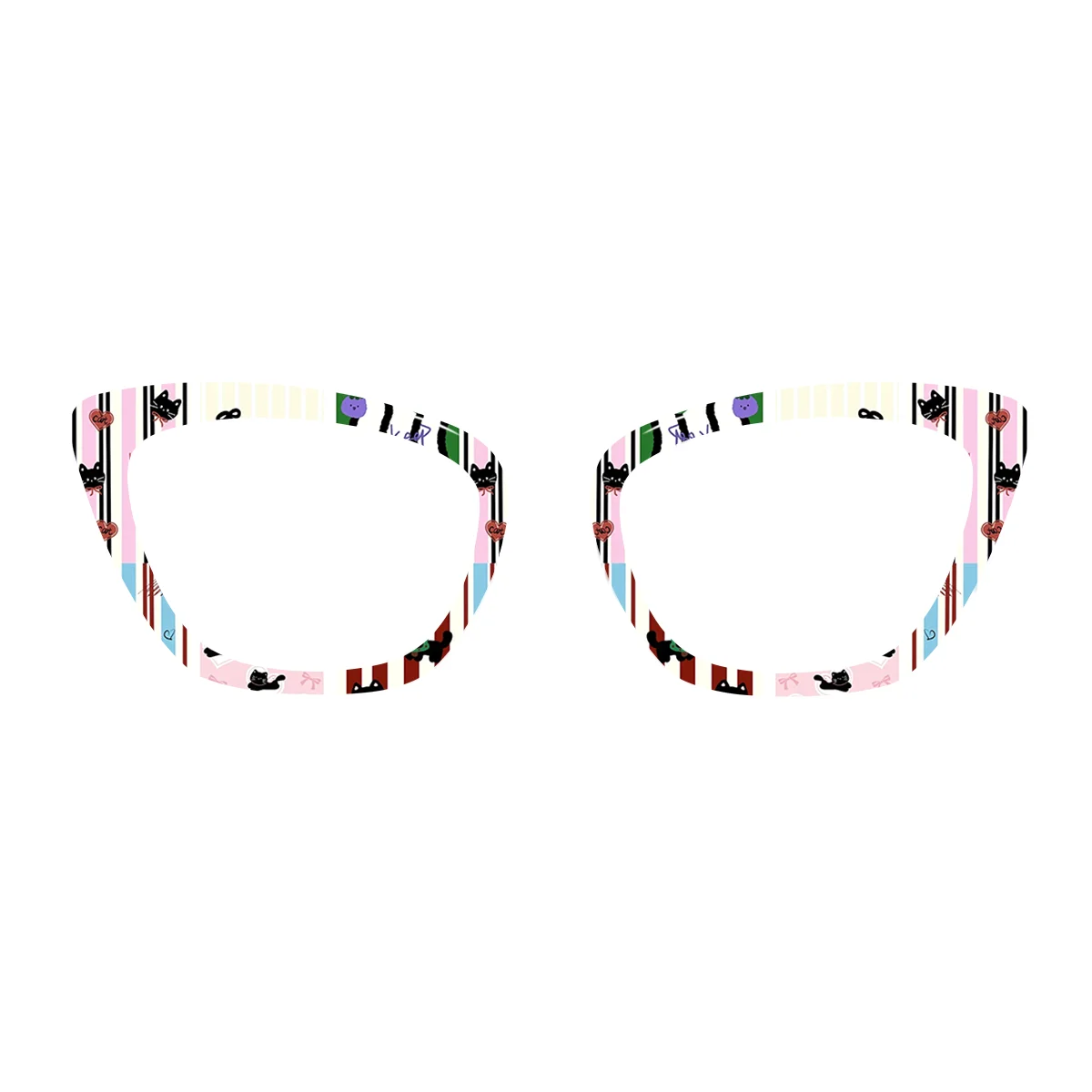
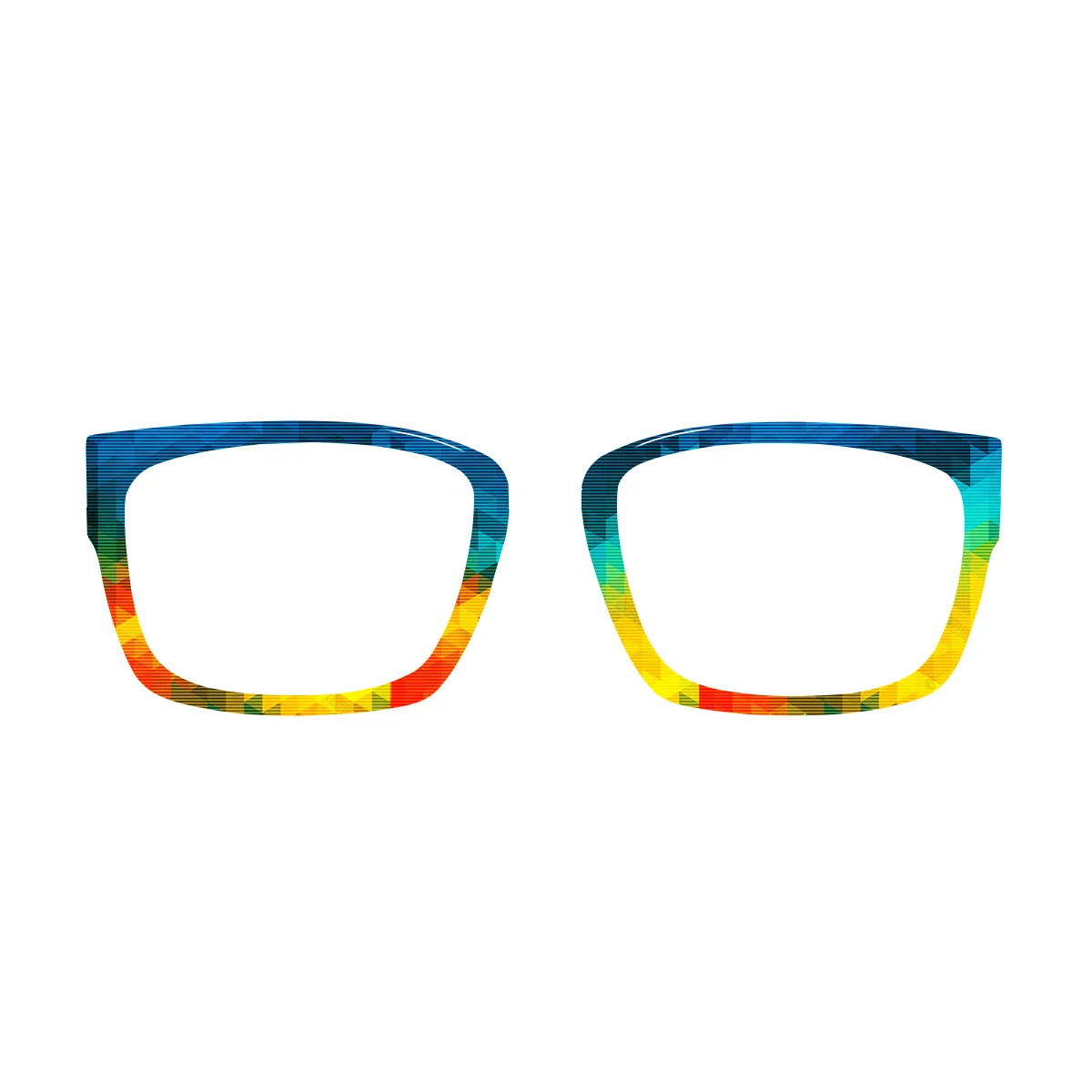
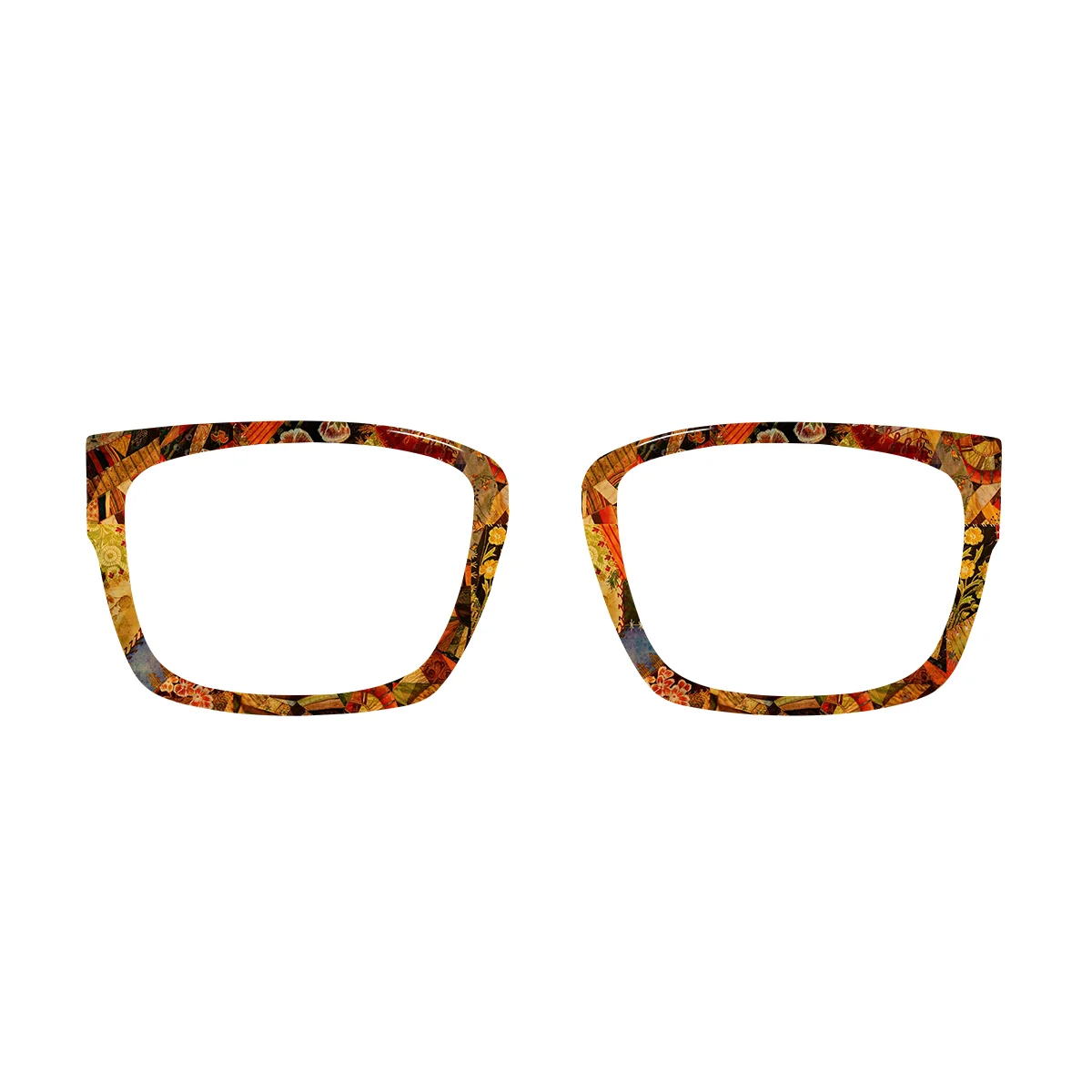
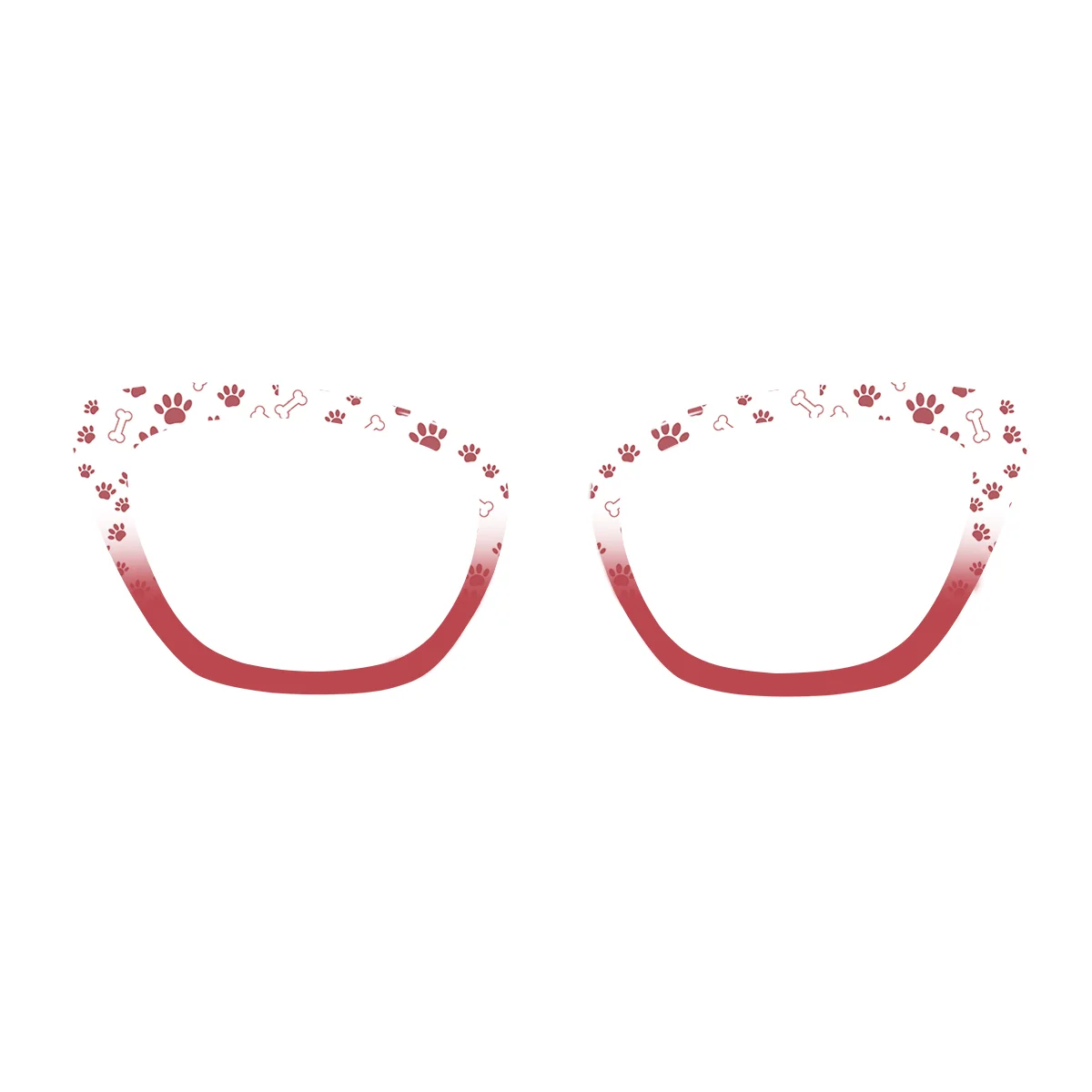
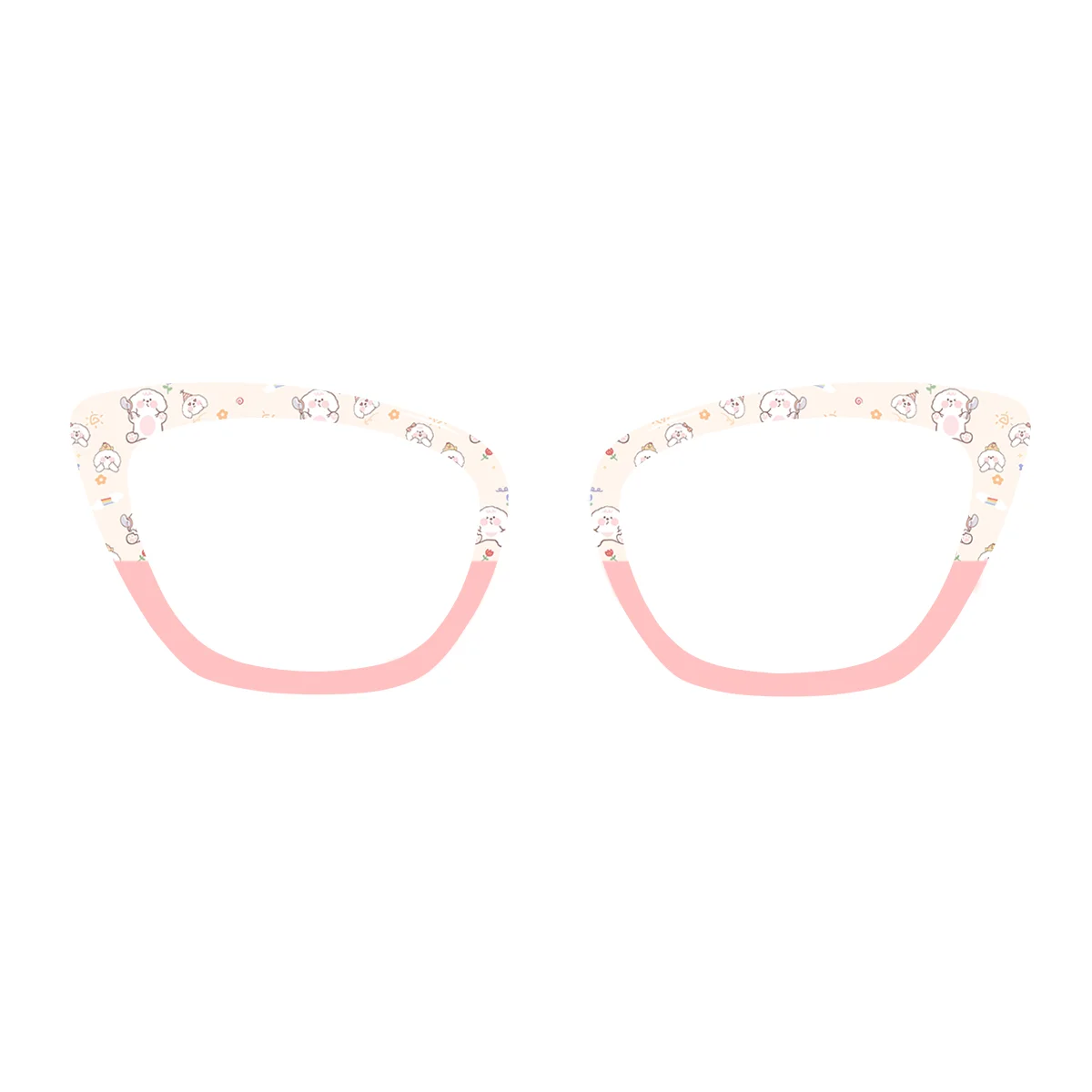
Crystal Color Top Frame for Soline


Living a Multifaceted Life: How Custom Modular Eyewear Defines Your Personal Identity
Yet for years, eyewear has tried to force all these identities into one fixed frame.In a world where people change roles, moods,...
Are Pink Glasses in Style?
Pink glasses are a timeless symbol of charm and personality. They evoke feelings of compassion, love, and hope, making them a popular...
One-Second Color Switch
How to Match Your Glasses Frame to Today’s Outfit—EffortlesslyLet’s be honest.You don’t wear the same outfit every day.Some days it’s clean and...
Nerd Glasses: Choosing the Best Pair to Match Your Style
Nerd glasses have evolved from being a stereotype to a trendy fashion statement. With their unique designs and bold frames, these glasses...
From Aerospace to Everyday Wear: The “Black Tech” of Beta Titanium and Carbon Fiber in Custom Eyewear
What do spacecraft engineering and high-performance eyewear have in common?More than you might think.Materials originally developed for aerospace and advanced engineering —...
How to Measure Pupillary Distance(PD)?
What Is Pupillary Distance(PD)?Pupillary Distance (PD) is the measurement, in millimeters, between the centers of your two pupils. This measurement is essential...