

Are the Glasses of the Future “Assembled,” Not Made? An Exclusive Interview with a High-End Custom Eyewear Designer
The world of eyewear is undergoing a dramatic transformation. What was once a simple vision correction tool has evolved into a highly personalized blend of fashion, technology, engineering, and lifestyle expression. Today’s most forward-thinking designers are asking a bold question: what if glasses weren’t manufactured as a single object, but assembled piece by piece like a modular system?
From interchangeable frames and magnetic components to 3D-printed structures and precision facial data modeling, the future of eyewear may be defined not by mass production — but by personalization through assembly.
In this in-depth feature, we explore the emerging trend of modular eyewear through an exclusive interview with a high-end custom eyewear designer. We examine how interchangeable components are reshaping the industry, what technologies are driving innovation, and why consumers are embracing glasses that can be built, upgraded, and transformed over time.
The Evolution of Eyewear: From Standard Frames to Modular Design
Eyeglasses have existed for centuries, but the concept of customization has accelerated dramatically in the digital era. Historically, consumers chose from a limited range of pre-made frames with minor adjustments for fit. Today, that model is being replaced by fully customizable systems.
Traditional Manufacturing vs Modular Assembly
Traditional eyewear production typically involves:
- Fixed frame shapes
- Limited size adjustments
- Permanent structural components
- One-time purchase lifecycle
Modular eyewear, however, introduces a different philosophy:
- Interchangeable components
- Replaceable parts
- Adjustable structure
- Continuous customization
This shift reflects broader changes in consumer expectations — people want products that adapt to their lifestyle, not the other way around.
Meet the Designer Behind the Movement
To understand this transformation, we spoke with a leading designer in high-end custom eyewear — a specialist whose studio focuses on fully modular glasses systems combining engineering precision and aesthetic flexibility.
According to the designer:
“The future of eyewear isn’t a finished object. It’s a platform. You build it, modify it, and evolve it over time.”
This philosophy challenges the conventional idea of eyewear as a static product and introduces the concept of glasses as an adaptable personal system.
What Does “Assembled Eyewear” Actually Mean?
The idea of assembled eyewear revolves around modular construction. Instead of producing one permanent frame, designers create multiple components that can be configured in different ways.
Key Modular Components
Modern modular eyewear typically includes:
- Detachable frame fronts
- Replaceable temples (arms)
- Interchangeable nose bridges
- Magnetic lens attachments
- Adjustable hinges
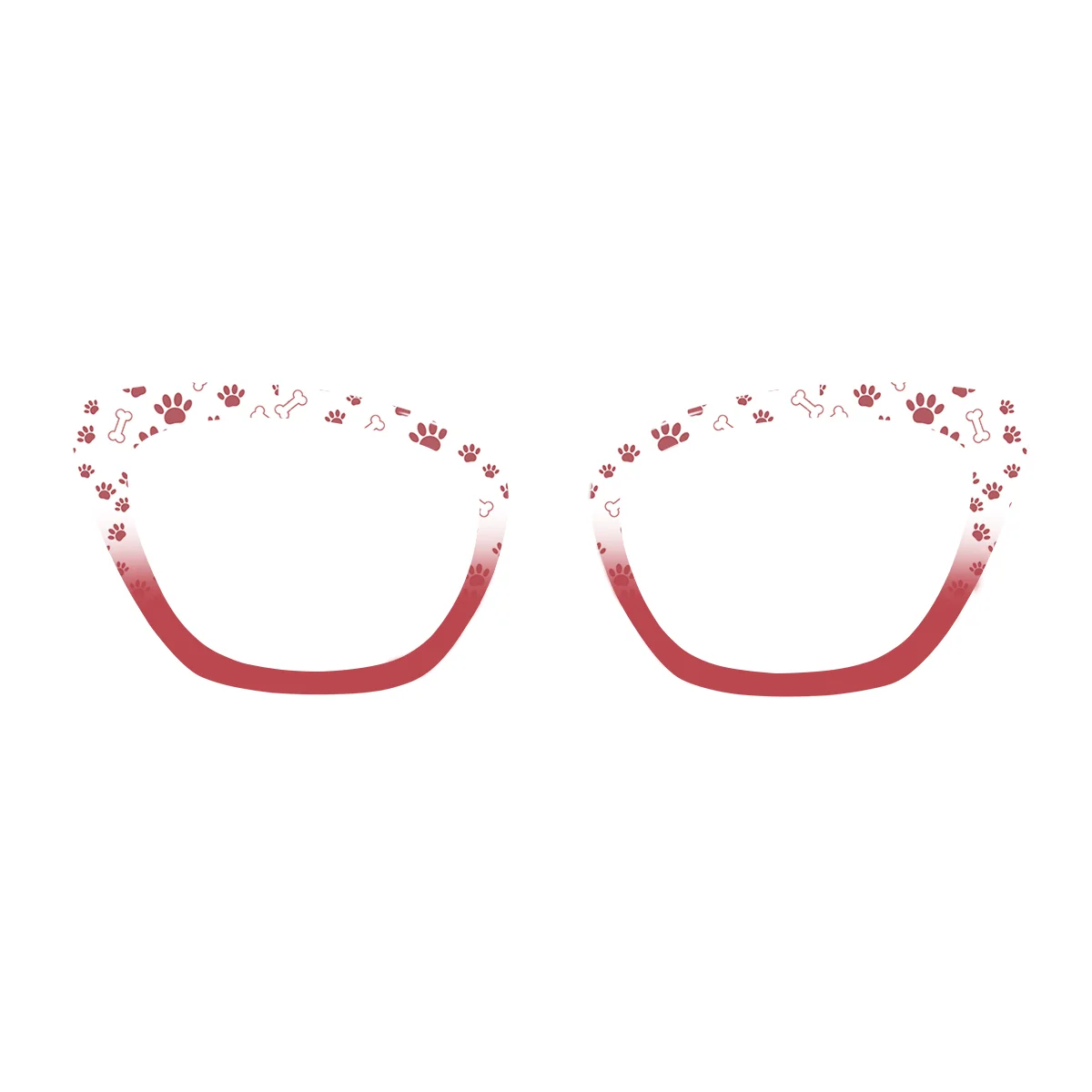
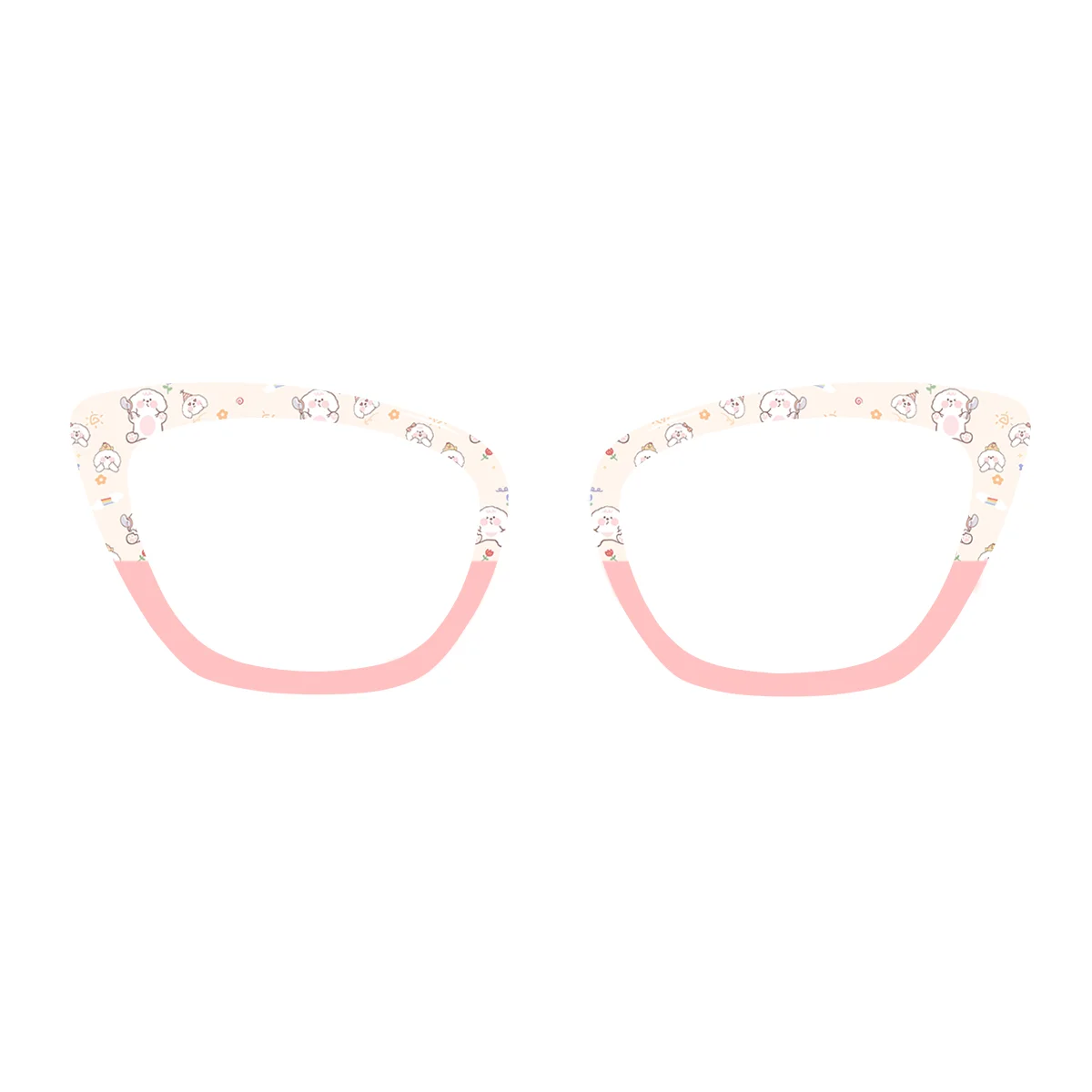
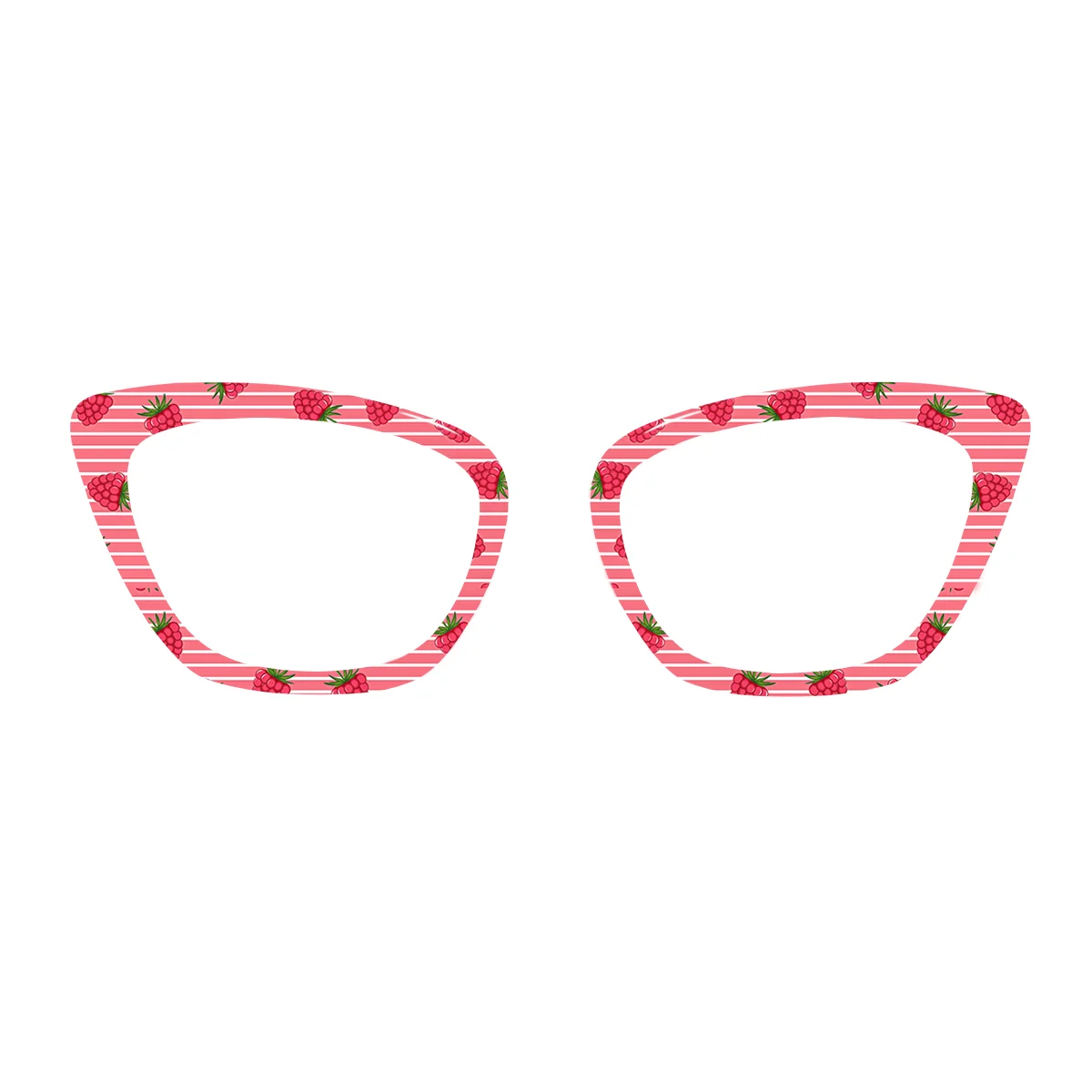
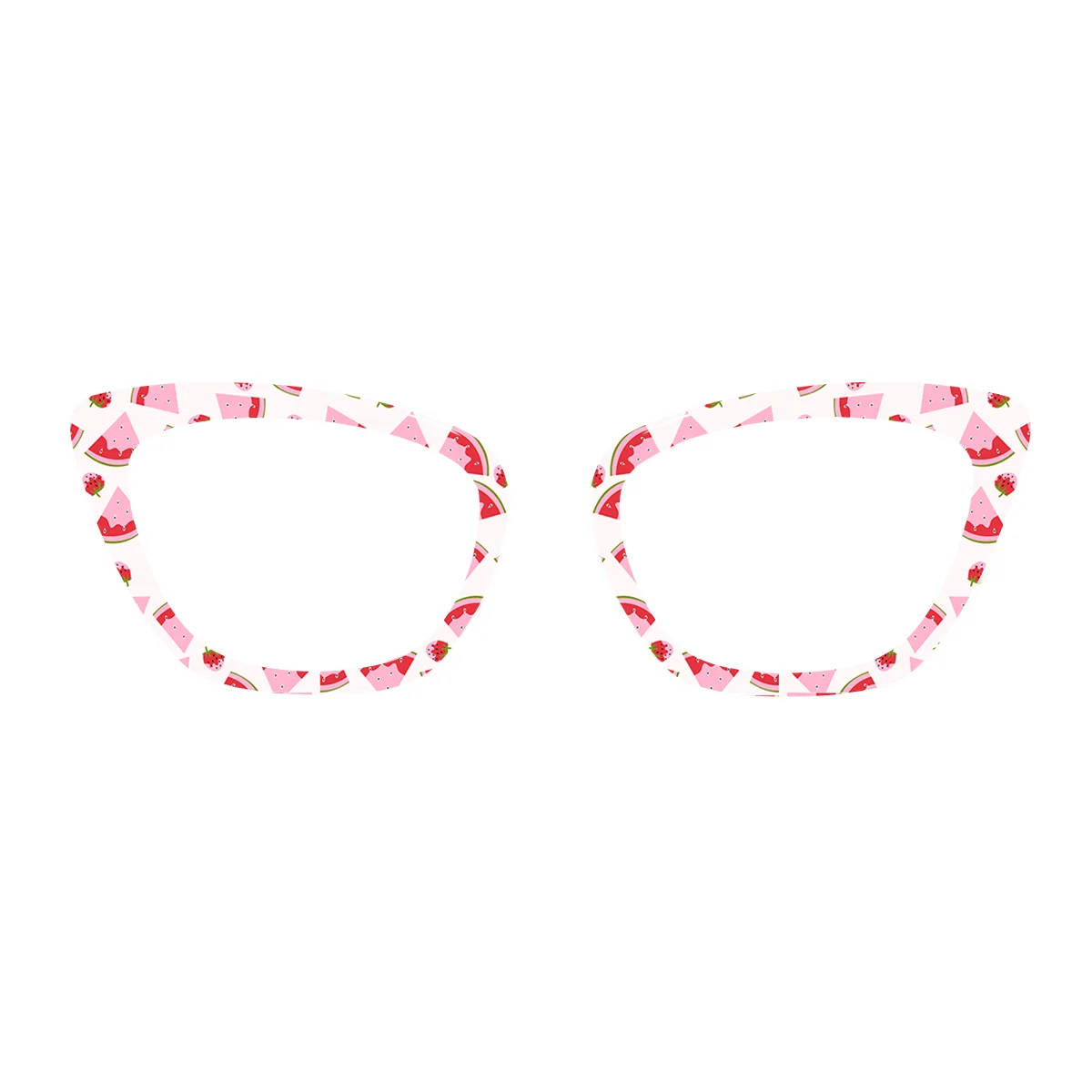
- Swappable decorative elements
These components work together to create thousands of possible combinations.
Why Modular Glasses Are Gaining Popularity
Several trends are driving the rapid adoption of modular eyewear.
1. Personal Identity and Self-Expression
Eyewear sits at the center of the face, making it a powerful tool for personal expression. Consumers increasingly want:
- Unique designs
- Style flexibility
- Seasonal variation
- Occasion-specific looks
Modular glasses allow users to transform their appearance instantly.
2. Sustainability and Reduced Waste
Traditional glasses often require full replacement when a single component breaks. Modular design allows:
- Part replacement instead of full disposal
- Longer product lifespan
- Reduced material waste
- More sustainable consumption
Sustainability has become a major motivation for younger consumers.
3. Economic Efficiency Over Time
Although modular eyewear may have higher initial costs, it often reduces long-term expenses:
- Broken parts can be replaced individually
- Style updates don’t require new frames
- Lens upgrades integrate with existing systems
This long-term value proposition attracts practical buyers.
4. Rapid Lifestyle Adaptation
Modern life demands versatility. Users may need:
- Professional appearance for work
- Casual styling for daily wear
- Performance fit for sports
- Blue-light protection for digital use
Modular systems adapt quickly without multiple pairs.
The Technology Behind Custom Assembly
Advanced technologies make modular eyewear possible.
3D Facial Scanning
High-end custom eyewear now uses facial data modeling similar to research conducted at the MIT Media Lab.
This technology measures:
- Nose bridge geometry
- Pupillary distance
- Head width
- Ear positioning
- Facial symmetry
These measurements ensure perfect component alignment.
3D Printing and Rapid Prototyping
3D printing allows designers to produce highly precise components.
Benefits include:
- Lightweight structures
- Complex geometries
- Custom fit production
- Rapid design iteration
This technology removes many limitations of traditional manufacturing.
Magnetic Attachment Systems
Magnetic technology enables quick switching between components without tools.
Common uses include:
- Clip-on sun lenses
- Decorative overlays
- Structural connectors
- Adjustable bridge components
Precision engineering ensures stability and durability.
Advanced Materials Engineering
High-end modular eyewear uses specialized materials such as:
- Titanium alloys
- Carbon fiber composites
- Memory polymers
- Ultra-light engineered plastics
These materials provide strength, flexibility, and comfort.
The Design Philosophy: Function Meets Emotion
According to our interviewee, modular eyewear is not just about engineering — it’s about emotional connection.
“When users participate in building their glasses, they feel ownership. The product becomes part of their identity.”
This participatory design approach transforms customers into co-creators.
From Space Technology to Everyday Wear
Interestingly, many materials used in modular eyewear originate from aerospace engineering — industries dominated by companies like NASA.
These materials offer:
- Extreme durability
- Lightweight performance
- Structural resilience
- Temperature resistance
Their adoption demonstrates how high-tech innovation reaches consumer fashion.
The Rise of Interchangeable Temples and Frame Systems
One of the most popular modular features is interchangeable temples (the arms of glasses).
Why Temples Matter
Temples influence:
- Comfort
- Stability
- Visual style
- Weight distribution
Different temple designs support different activities, from sports to formal wear.
Magnetic Frames and Instant Style Transformation
Magnetic frame systems allow users to change color, shape, or function instantly.
Common Applications
- Switching from optical to sunglasses
- Changing frame colors to match outfits
- Adding protective shields
- Adjusting frame thickness
This flexibility turns eyewear into a dynamic accessory.
Custom Fit: The End of One-Size-Fits-All
Mass-produced glasses rely on standard measurements that rarely match individual anatomy.
Custom modular eyewear addresses:
- Pressure points
- Slippage issues
- Uneven fit
- Long-term discomfort
Perfect fit improves both comfort and visual performance.
The Role of Artificial Intelligence in Design
Artificial intelligence is beginning to play a role in eyewear customization.
AI systems analyze:
- Facial structure
- Style preferences
- Lifestyle habits
- Ergonomic requirements
These insights help generate optimal configurations.
The Luxury Market Embraces Modular Eyewear
High-end fashion houses and major manufacturers — including the global eyewear company EssilorLuxottica — are exploring customization technologies and personalized fitting experiences.
Luxury consumers increasingly demand:
- Unique design
- Limited production
- Personal identity expression
- Technological innovation
Modular eyewear meets all these expectations.
Challenges Facing Modular Eyewear Adoption
Despite its advantages, modular eyewear still faces several challenges.
Manufacturing Complexity
Producing interchangeable components requires:
- Precise engineering
- Strict quality control
- Compatibility testing
This increases production difficulty.
Higher Initial Cost
Custom systems typically cost more upfront than standard glasses.
However, long-term value often offsets the initial investment.
Consumer Education
Many users are unfamiliar with modular concepts and require guidance to understand the benefits.
The Designer’s Vision of the Future
Our interviewee believes the next decade will redefine eyewear.
Future Developments May Include:
- Fully adaptive frames that change shape automatically
- Integrated health monitoring sensors
- Smart materials responding to environment
- Digital style customization platforms
- Cloud-based facial data storage for instant ordering
Eyewear may become part of a broader wearable technology ecosystem.
Beyond Fashion: Medical and Functional Applications
Modular eyewear is not limited to style. It also improves medical applications.
Potential benefits include:
- Precision vision correction
- Adaptive lens systems
- Specialized sports protection
- Accessibility enhancements
Customization improves functional performance.
Sustainability and Circular Design
The designer emphasizes sustainability as a core principle.
Modular eyewear supports circular design by enabling:
- Repair instead of replacement
- Material reuse
- Extended product life
- Reduced manufacturing waste
This approach aligns with global sustainability goals.
The Consumer Experience: From Purchase to Creation
Buying custom modular eyewear differs from traditional shopping.
Typical process:
- Facial measurement and scanning
- Style consultation
- Component selection
- Fit optimization
- Future upgrade options
The experience resembles bespoke tailoring.
How Social Media Is Accelerating the Trend
Digital platforms promote personalized style and individuality. Influencers frequently showcase interchangeable eyewear combinations, increasing awareness and demand.
Consumers now expect:
- Personal expression tools
- Rapid style change
- Unique visual identity
Modular glasses fit perfectly into this culture.
Is Mass Production Becoming Obsolete?
While mass production will not disappear, customization is becoming increasingly important.
The future may combine:
- Standardized base components
- Personalized configuration
- On-demand manufacturing
- Digital design ecosystems
This hybrid model balances efficiency and individuality.
The Psychology of Customization
Research shows that people value products they help create. Custom eyewear provides:
- Emotional attachment
- Identity reinforcement
- Higher satisfaction
- Stronger brand loyalty
This psychological factor drives market growth.
What Consumers Should Consider Before Choosing Modular Eyewear
If considering modular glasses, evaluate:
- Component compatibility
- Replacement availability
- Material quality
- Adjustment flexibility
- Long-term upgrade support
Choosing a reliable system ensures lasting value.
The Designer’s Final Message
Our interview concludes with a powerful perspective:
“Glasses are no longer just tools for vision. They’re evolving into personal systems — adaptable, expressive, and constantly changing.”
This vision captures the essence of modular eyewear’s future.
Conclusion: A New Era of Personalized Vision
The concept of eyewear is shifting from static objects to dynamic systems. Modular design, advanced materials, digital measurement, and user participation are redefining how glasses are created and experienced.
As customization technology continues to evolve, the question is no longer whether eyewear will become more personalized — but how far personalization will go.
The glasses of the future may not be manufactured in a single step. Instead, they will be assembled, refined, and transformed over time — shaped by technology, design innovation, and the unique identity of every wearer.
In this new era, vision correction becomes more than functional. It becomes personal, adaptable, and deeply expressive — a perfect reflection of the individual behind the lens.
Share this post
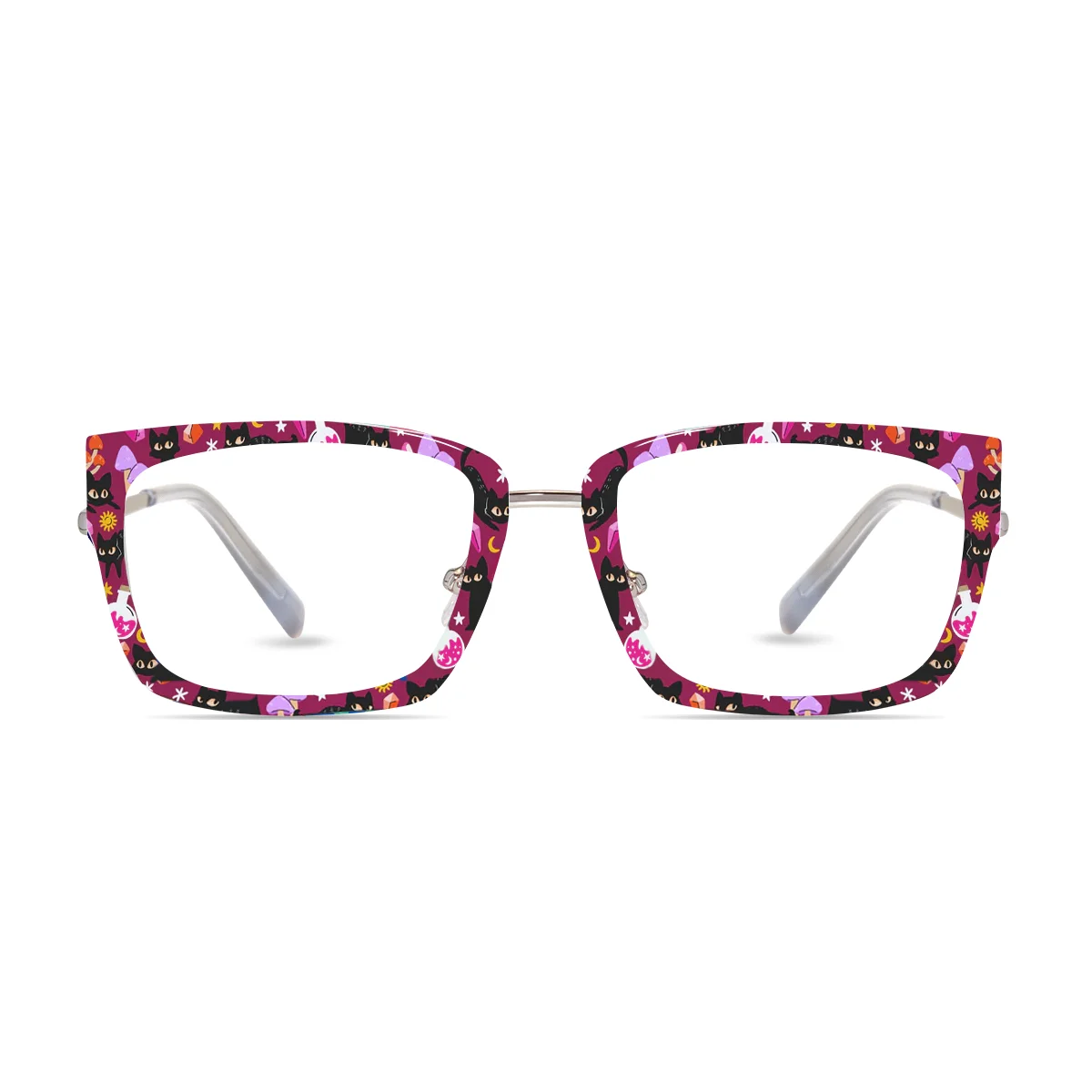
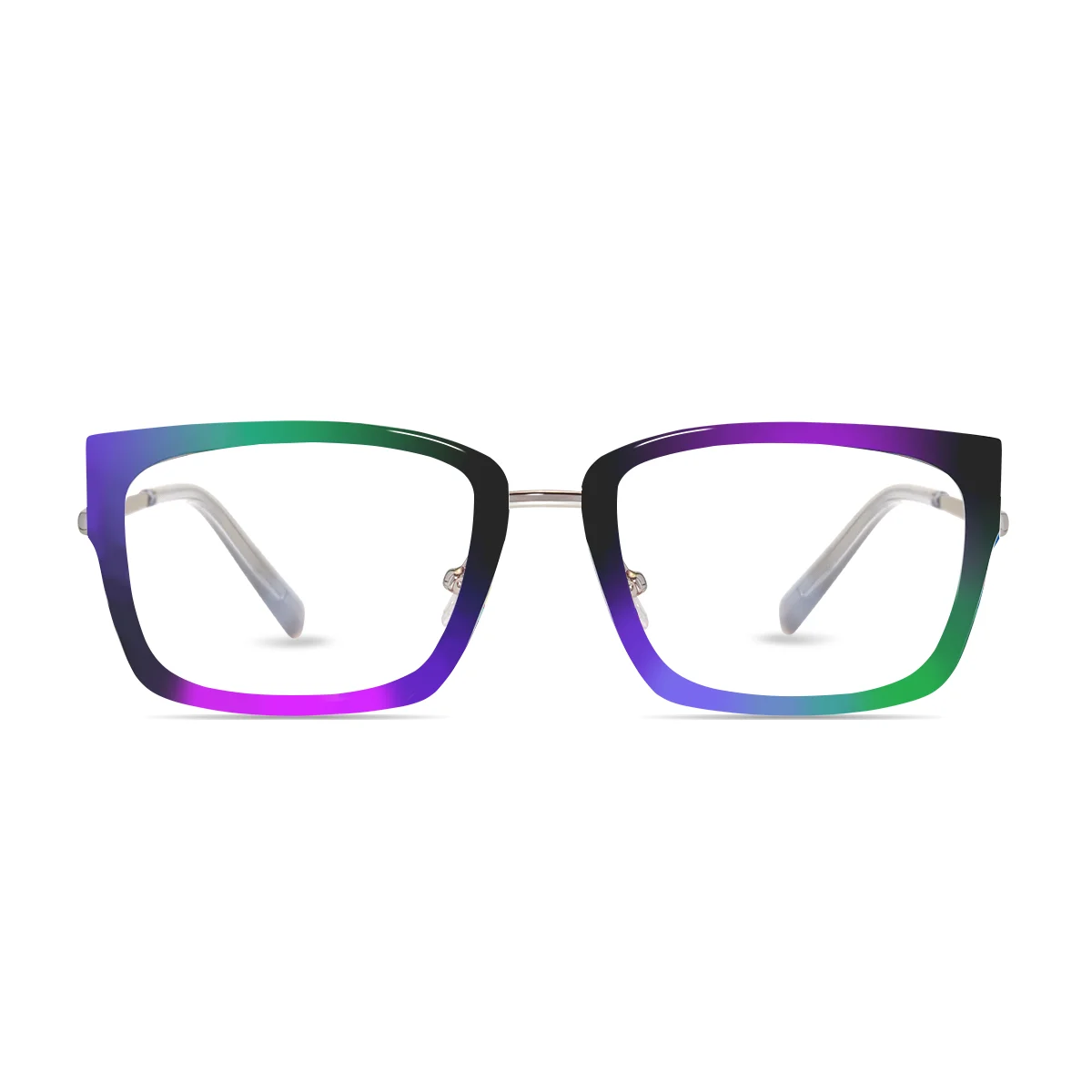
- Bone Rattle (PH01)
- Haunted Plaid (PH02)
- Pumpkin King (PH03)
- Night Sky Bat (PH04)
- Pumpkin Parade (PH05)
- Spooky Duo (PH06)
- Witch’s Cat (PH07)
- Mint Ghost (PH08)
- Dark Spell (PH09)
- Midnight Meow (PH10)
- Ghost Mosaic (PH11)
- Skull Storm (PH13)
- Wicked Glow (PH14)
- Haunted Gray (PH15)
- Phantom Mosaic (PH16)
- Midnight Dots (PH17)
- Haunted Medley (PH18)
- Nightmare Mix (PH19)
- Ghost Fade (PH20)
- Candy Curse (PH26)
- Ghost Drift (PH21)
- Pumpkin Fusion (PH22)
- Shadow Spirit (PH23)
- Spooky Toon (PH24)
- Demon Grin (PH25)
- Autumn Bloom (PH27)
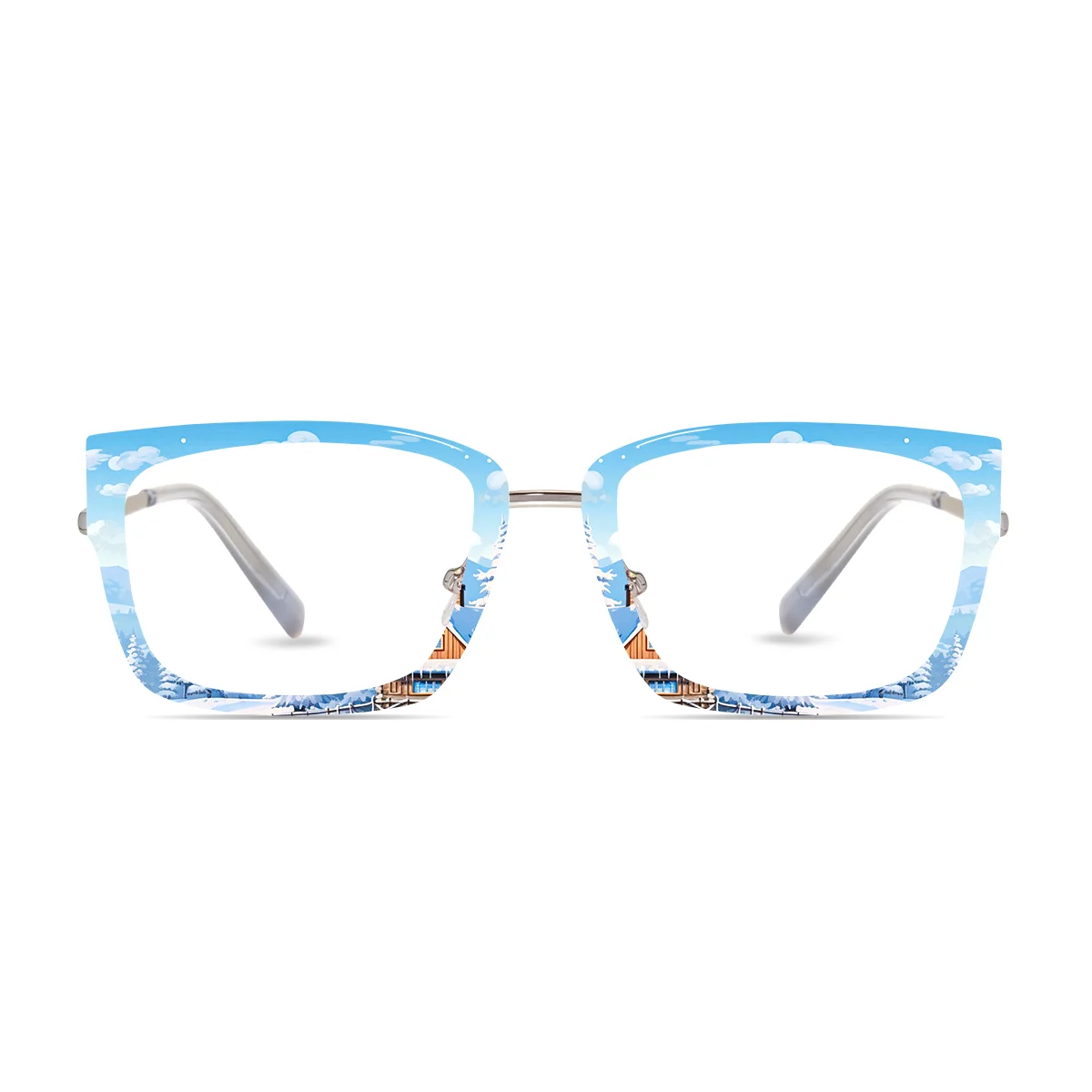
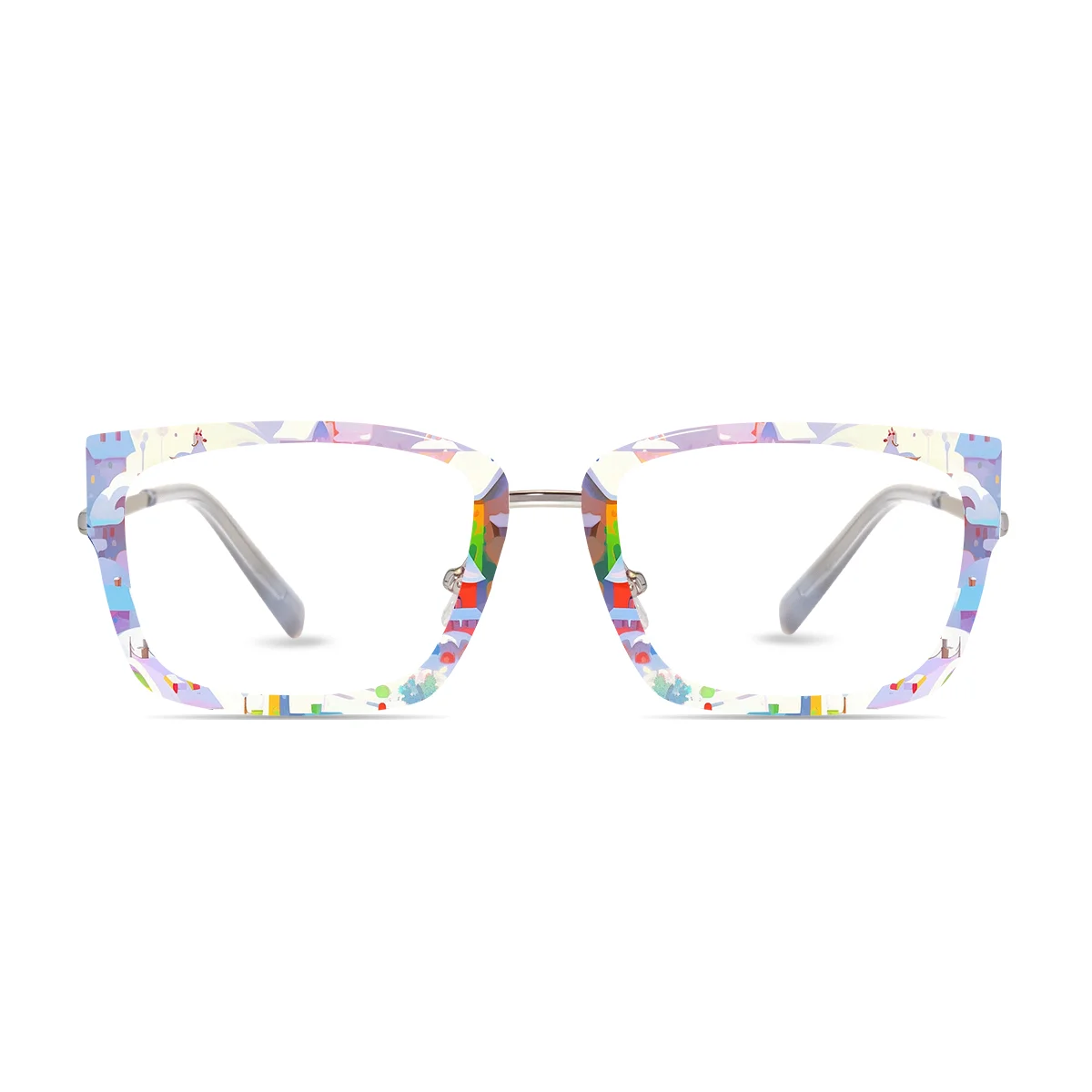
Soline Combo | Metallic Silver Base + Halloween Top Frame
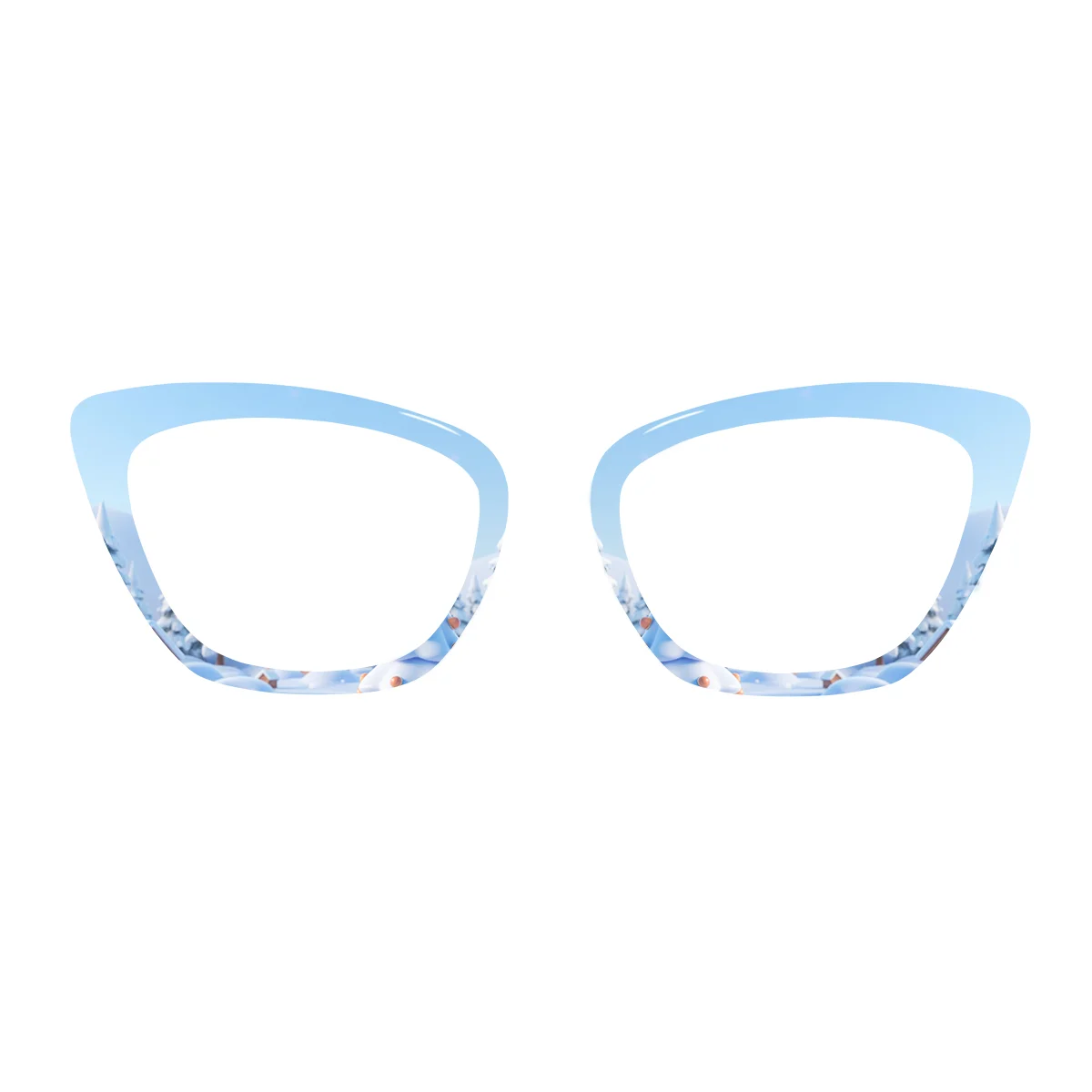
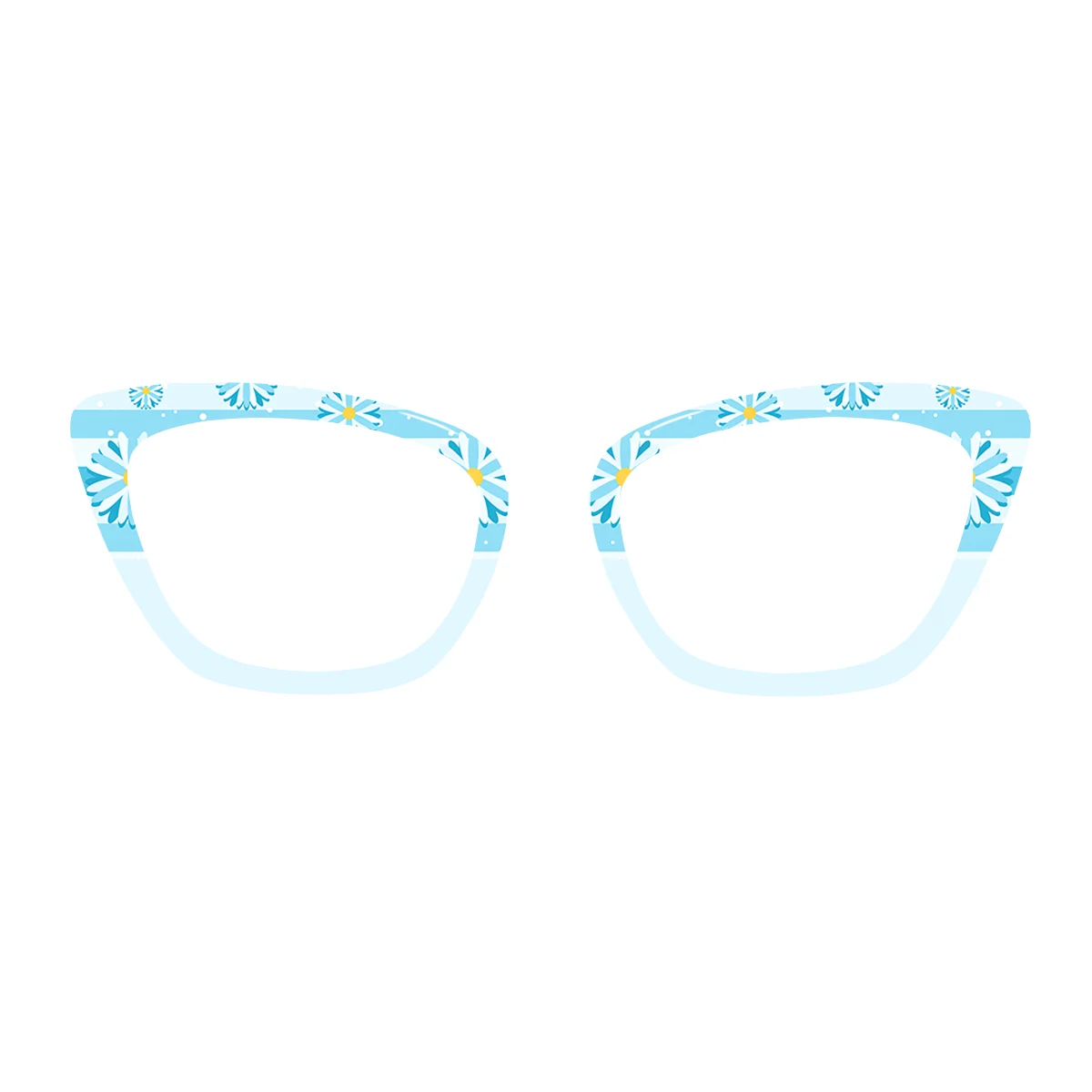




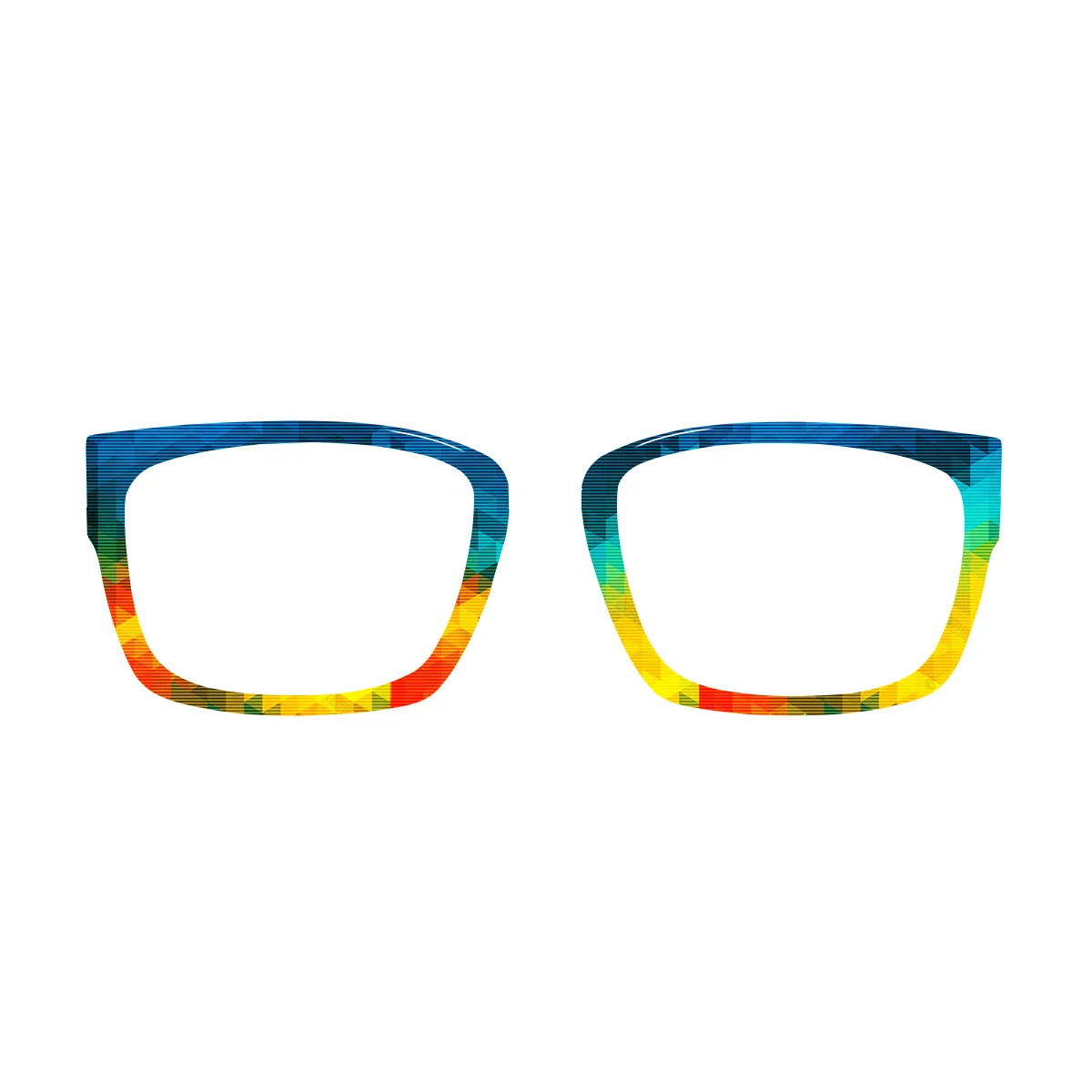
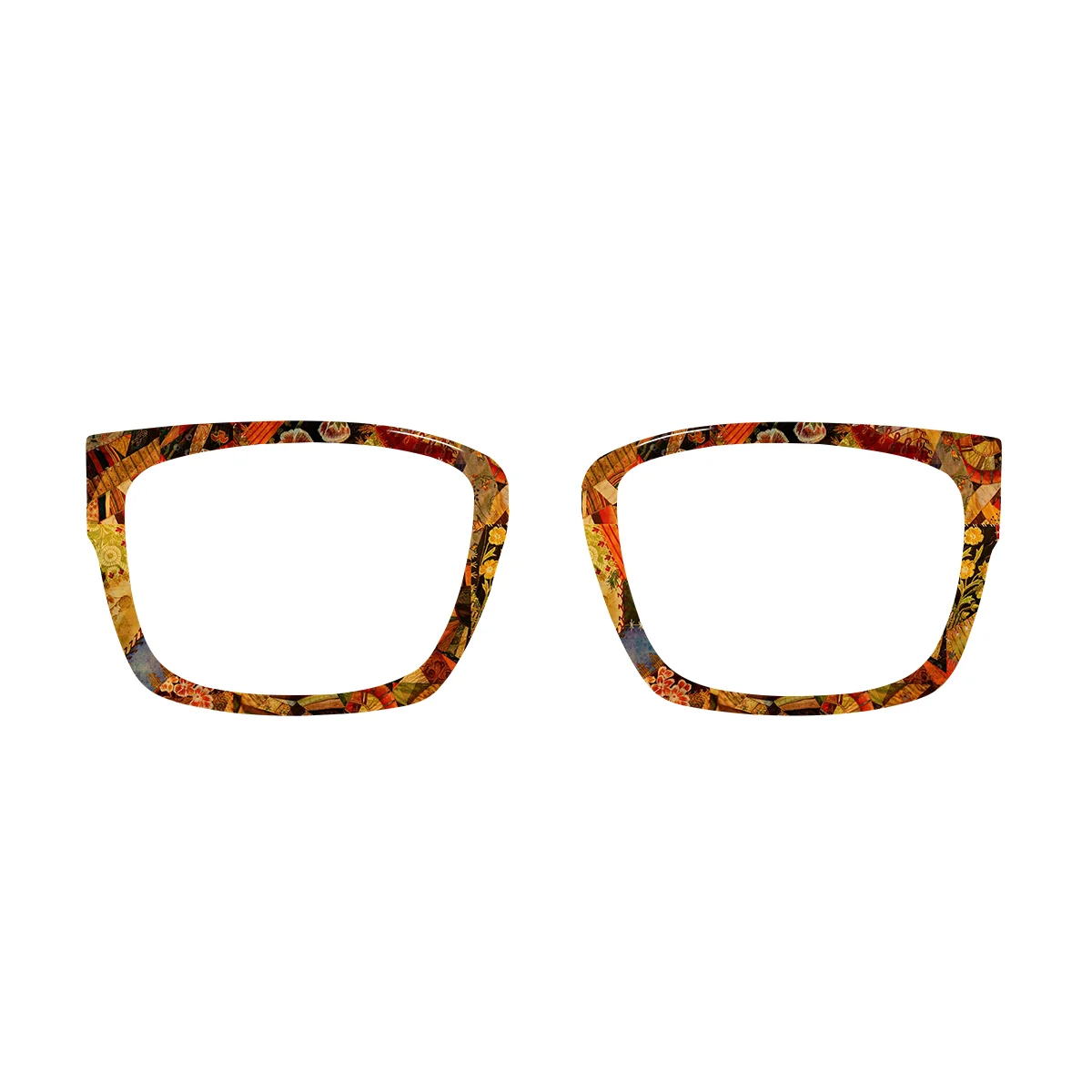
Mira Gunmetal Gray Cat Eye Base Frame


Living a Multifaceted Life: How Custom Modular Eyewear Defines Your Personal Identity
Yet for years, eyewear has tried to force all these identities into one fixed frame.In a world where people change roles, moods,...
Are Pink Glasses in Style?
Pink glasses are a timeless symbol of charm and personality. They evoke feelings of compassion, love, and hope, making them a popular...
One-Second Color Switch
How to Match Your Glasses Frame to Today’s Outfit—EffortlesslyLet’s be honest.You don’t wear the same outfit every day.Some days it’s clean and...
Nerd Glasses: Choosing the Best Pair to Match Your Style
Nerd glasses have evolved from being a stereotype to a trendy fashion statement. With their unique designs and bold frames, these glasses...
From Aerospace to Everyday Wear: The “Black Tech” of Beta Titanium and Carbon Fiber in Custom Eyewear
What do spacecraft engineering and high-performance eyewear have in common?More than you might think.Materials originally developed for aerospace and advanced engineering —...
How to Measure Pupillary Distance(PD)?
What Is Pupillary Distance(PD)?Pupillary Distance (PD) is the measurement, in millimeters, between the centers of your two pupils. This measurement is essential...