


3D Printed Eyewear: Gimmick or the Future? Achieving Micron-Level Precision in Bespoke Optics
For decades, the experience of buying glasses has remained remarkably stagnant. You walk into a brightly lit store, try on dozens of frames that were designed for an "average" face that doesn't actually exist, and eventually settle for the pair that pinches the least.
But a quiet revolution is happening at the intersection of additive manufacturing and optical science. 3D Printed Eyewear has moved out of the "experimental" phase and into the high-end luxury market. Yet, skepticism remains. Is this just a high-tech gimmick designed to justify a premium price tag, or is it the definitive future of how we see the world?
The answer lies in one word: Precision. Specifically, the ability to achieve micron-level accuracy that traditional manufacturing simply cannot replicate. In this 4,000-word deep dive, we will explore the "Black Tech" behind 3D printed frames, the physics of a perfect fit, and why this technology is the only way to achieve true "Zero-Gravity" comfort.
1. The Geometry of Failure: Why Traditional Frames Hurt
To understand why 3D printing is the future, we must first look at why traditional frames fail. Mass-produced frames—whether they are injection-molded plastic or CNC-cut acetate—rely on Standardized Sizing.
In a factory, a frame is built for a "standard" human. But human faces are marvels of asymmetry. One ear is often 2mm higher than the other; the bridge of the nose might be slightly wider on the left than the right; the distance between your pupils (PD) might not align with the geometric center of a "standard" frame.
When you wear a standardized frame, your head is forced to adapt to the glasses. This leads to:
- Localized Pressure Points: The "pinch" on the bridge or the "dig" behind the ears.
- Optical Distortions: If the frame doesn't sit at the perfect "Pantoscopic Tilt," your high-index lenses won't perform correctly.
- The Slide: Frames that constantly move because the bridge splay doesn't match your nasal anatomy.
2. Selective Laser Sintering (SLS): The "Black Tech" Core
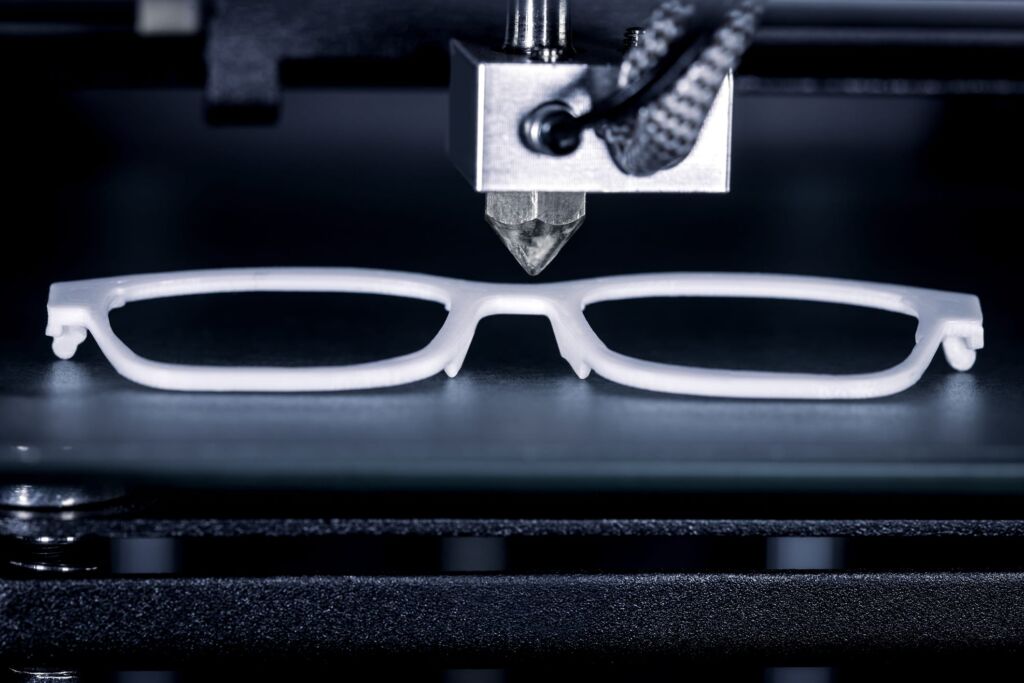
The "Gimmick" argument usually stems from cheap, home-grade 3D printers that leave visible layers and rough edges. Professional bespoke eyewear, however, uses Selective Laser Sintering (SLS).
How it Works:
Instead of melting a plastic string, an SLS machine uses a high-powered CO2 laser to fuse microscopic particles of Polyamide 12 (PA12) powder together. The laser moves with micron-level precision, creating the frame layer by layer inside a bed of powder.
The Micron Advantage:
Because the laser can be controlled with extreme granularity, we can design frames with a Variable Wall Thickness.
- Reinforced Hinges: We can make the areas around the screws denser and stronger.
- Flexible Temples: We can make the arms thinner and more "spring-like" to hug the head without squeezing.
- Internal Lattices: SLS allows for hollow structures. Imagine a frame that looks solid but is internally a honeycomb, making it 40% lighter than traditional acetate.
3. The Digital Twin: Achieving Micron-Level Accuracy
The secret to 3D printed eyewear isn't actually the printer—it's the 3D Facial Scan.
When you opt for bespoke 3D printed frames, the process starts with a high-resolution scan that captures up to 30,000 data points of your facial topography. This creates a "Digital Twin" of your head in a virtual environment.
Precise Mapping Includes:
- The Nasal Splay: Mapping the exact curvature of the nose to create a "Cradle Fit" bridge.
- Cranial Width: Measuring the distance between the temples to ensure the "hug" of the glasses is distributed evenly.
- Ear Position: Measuring the precise "drop" and "back-set" of each ear individually.
The software then generates a frame geometry that is a 1:1 mathematical match for your face. When we talk about "micron-level precision," we are referring to the fact that the gap between your skin and the frame is engineered to be consistent across the entire contact surface.
4. Materials Science: PA12 vs. Traditional Acetate
Is 3D printed plastic "cheap"? Quite the opposite. Polyamide 12 is a high-performance polymer used in the automotive and aerospace industries for its incredible durability-to-weight ratio.
The micro-porous nature of 3D printed PA12 is a "Hidden Feature." It provides a natural "matte" grip that prevents the glasses from sliding down your nose, even during physical activity or in humid weather.
5. The End of the "Optical Compromise"
For people with complex prescriptions (high astigmatism or high myopia), 3D printing isn't just about comfort—it's about Visual Clarity.
When lenses are fitted into a standard frame, the "Vertex Distance" (the space between your eye and the lens) is often an estimate. If that distance is off by even 1mm, it can cause peripheral distortion. With 3D printing, the frame is designed to hold the lens at the exact vertex distance and tilt required by your optometrist. You aren't just wearing custom frames; you are wearing an optimized optical system.
6. Sustainability: The Green Side of "Black Tech"
The traditional eyewear industry is incredibly wasteful. Acetate frames are cut from large sheets, with up to 70% of the material ending up as scrap on the factory floor.
3D printing is an additive process. You only use the powder necessary to create the frame. The leftover powder in the bed can be recycled and reused for the next print. This makes bespoke 3D printing one of the most sustainable paths in the fashion industry.
7. Verdict: Gimmick or Future?
If you view glasses as a disposable fashion accessory to be changed every three months, 3D printing might seem like overkill.
But if you view glasses as a functional prosthetic—something that sits on your face for 16 hours a day and dictates how you perceive reality—then 3D printing is undeniably the future. The ability to achieve a fit that is accurate to the micron is a paradigm shift that makes "off-the-shelf" glasses feel like ancient technology.
Ready to step into the "Digital Bespoke" era?
Would you like me to create a Comparison Guide of the top 3D-printing eyewear brands currently leading the market in North America?
Share this post
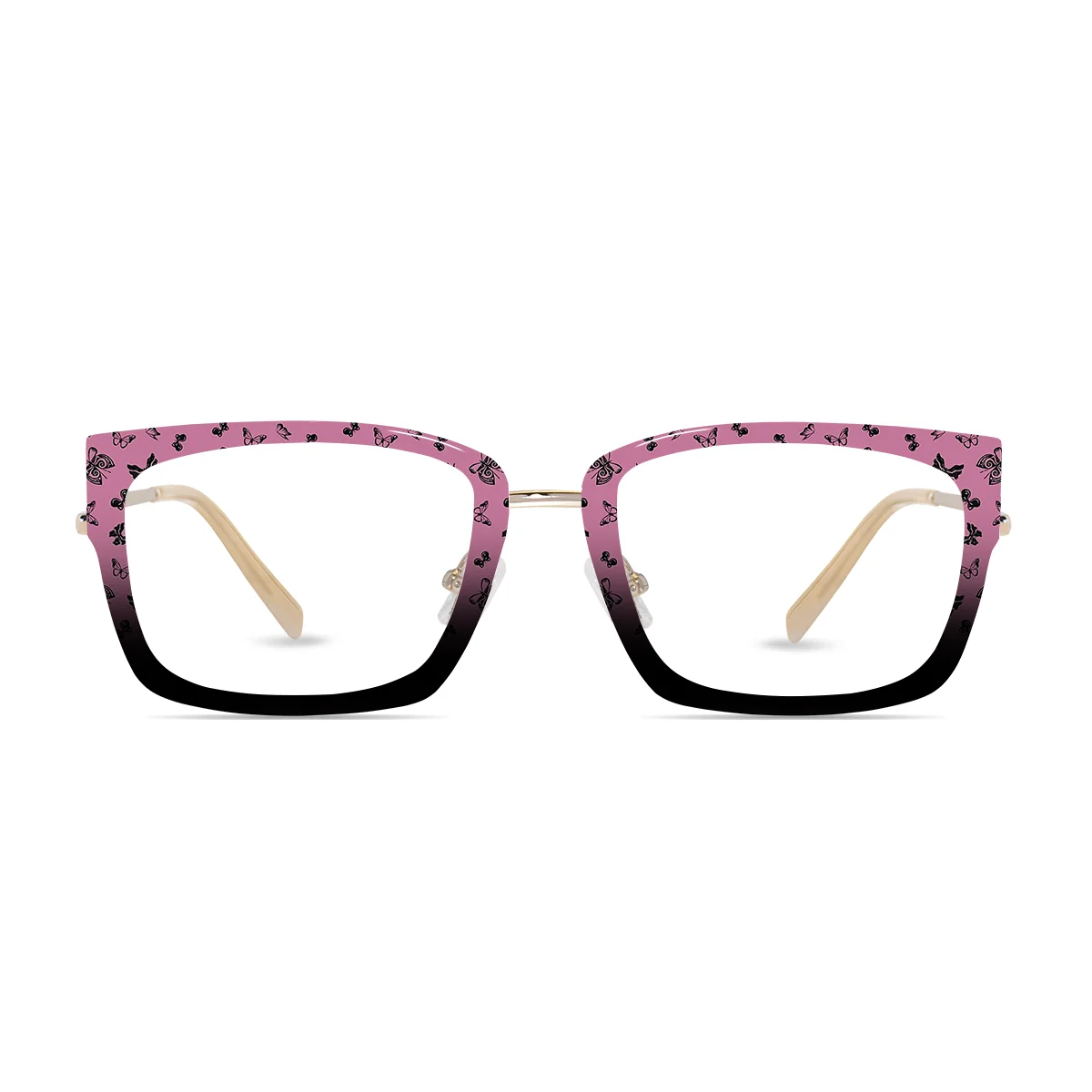
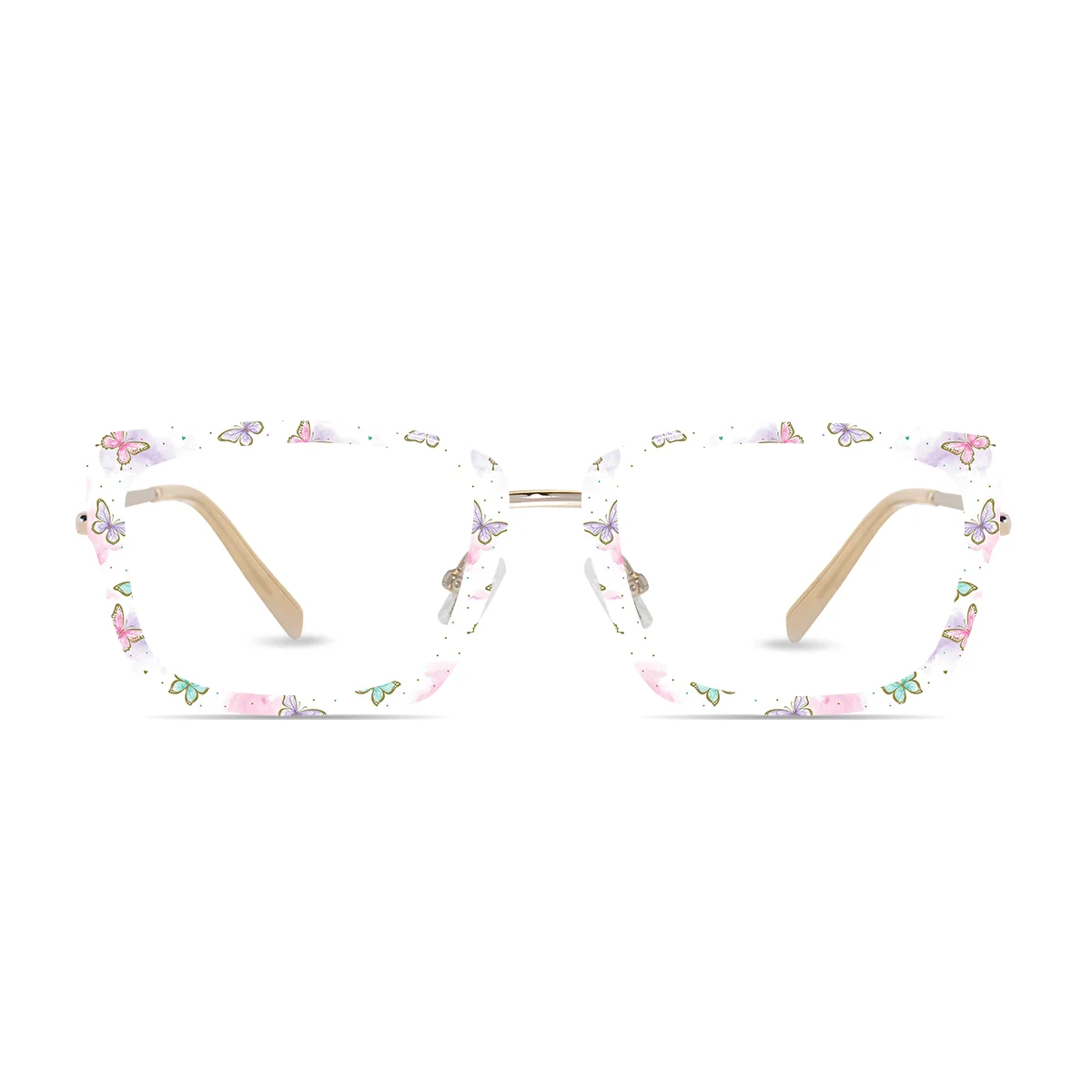
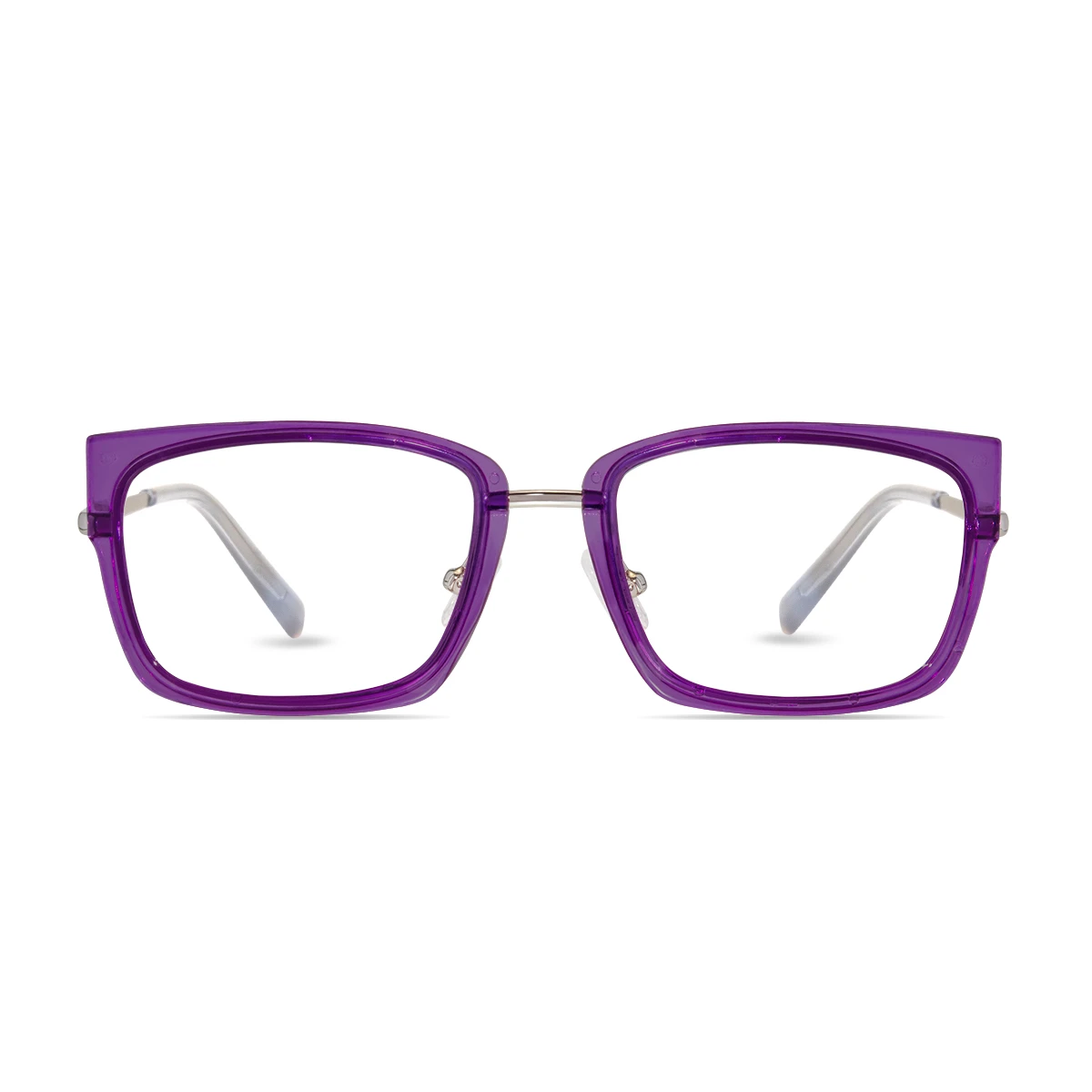
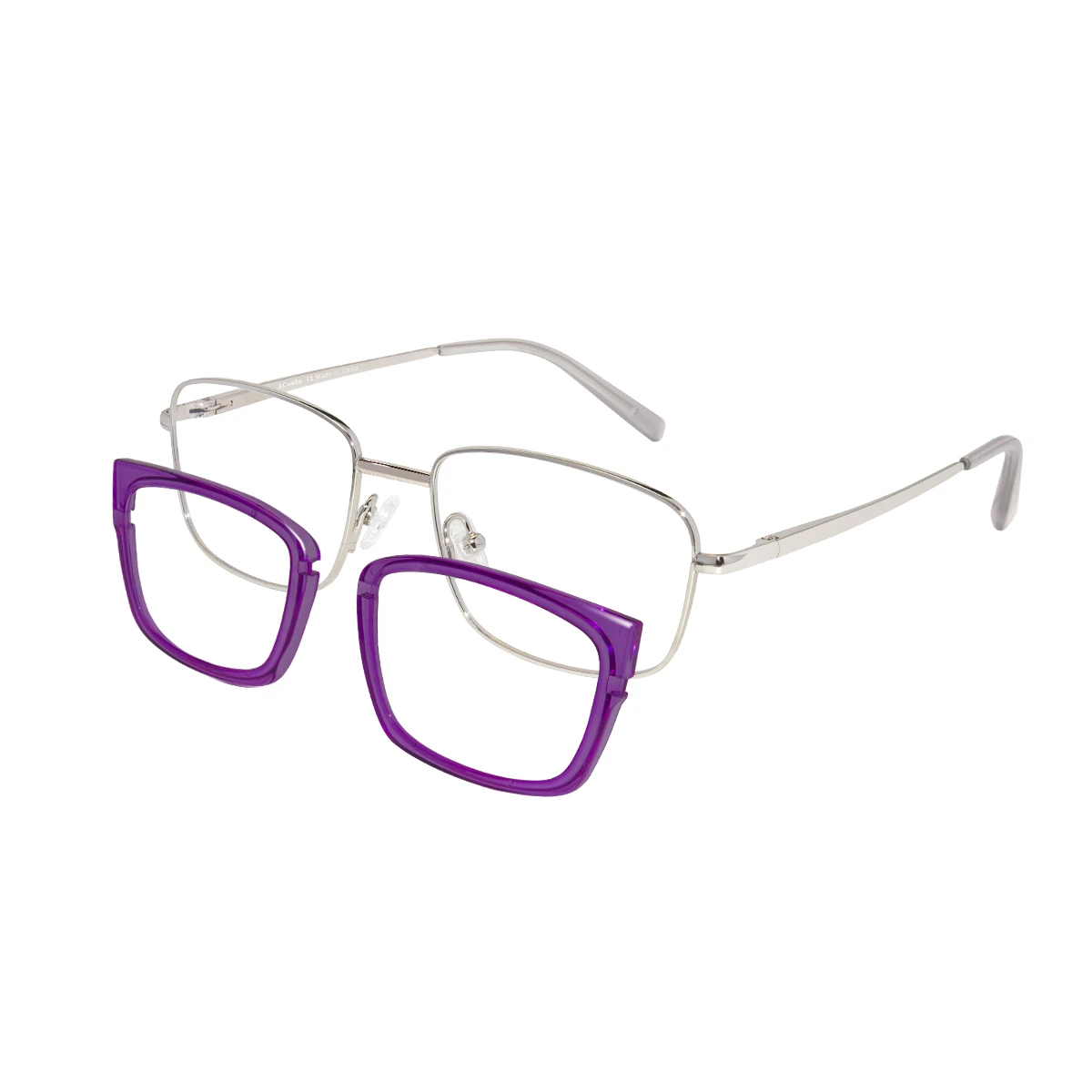
- Burgundy – Crystal (C01)
- Red – Crystal(C02)
- Burnt Orange – Crystal(C03)
- Marmalade – Crystal(C04)
- Sunshine Yellow – Crystal(C05)
- Lime Green – Crystal(C06)
- Sage – Crystal(C08)
- Green Forest – Crystal(C07)
- Army Green – Crystal(C09)
- Spruce – Crystal(C10)
- Turquiise – Crystal(C11)
- Cornflower– Crystal(C12)
- Navy – Crystal(C13)
- Indigo – Crystal(C14)
- Blue Orchid – Crystal(C15)
- Mauve – Crystal(C16)
- Lavender – Crystal(C21)
- Purple – Crystal(C17)
- Grape – Crystal(C18)
- Coral – Crystal(C19)
- Hot Pink – Crystal(C20)
- Chocolate – Crystal(C22)
Crystal Color Top Frame + Metallic Silver Base - Soline


Living a Multifaceted Life: How Custom Modular Eyewear Defines Your Personal Identity
Yet for years, eyewear has tried to force all these identities into one fixed frame.In a world where people change roles, moods,...
Are Pink Glasses in Style?
Pink glasses are a timeless symbol of charm and personality. They evoke feelings of compassion, love, and hope, making them a popular...
One-Second Color Switch
How to Match Your Glasses Frame to Today’s Outfit—EffortlesslyLet’s be honest.You don’t wear the same outfit every day.Some days it’s clean and...
Nerd Glasses: Choosing the Best Pair to Match Your Style
Nerd glasses have evolved from being a stereotype to a trendy fashion statement. With their unique designs and bold frames, these glasses...
From Aerospace to Everyday Wear: The “Black Tech” of Beta Titanium and Carbon Fiber in Custom Eyewear
What do spacecraft engineering and high-performance eyewear have in common?More than you might think.Materials originally developed for aerospace and advanced engineering —...
How to Measure Pupillary Distance(PD)?
What Is Pupillary Distance(PD)?Pupillary Distance (PD) is the measurement, in millimeters, between the centers of your two pupils. This measurement is essential...