

Why Do Your Glasses Keep Sliding Down? The Physics Behind “Rebellious Nose Pads” — and How to Fix It for Good
Few daily annoyances are as subtle yet persistent as glasses that won’t stay in place. You push them up while reading. They slide down again while typing. They creep toward the tip of your nose during conversations, workouts, or even while sitting still.
Many people assume this problem is unavoidable — a normal part of wearing glasses. Others blame facial shape or think they simply chose the wrong frame style. In reality, constantly slipping glasses are rarely random. They are the result of predictable physical forces, material behavior, and fit mechanics that can be understood — and corrected.
In this comprehensive guide, we’ll explore why glasses slide down your nose, the physics behind what many wearers jokingly call “angry nose pads,” and the practical solutions that actually work in 2026. By understanding how weight, friction, balance, and anatomy interact, you can transform uncomfortable eyewear into stable, all-day vision support.
The Everyday Problem Most Glass Wearers Experience
If you wear glasses regularly, you’ve likely noticed at least one of these symptoms:
- Frames slowly drifting downward
- Frequent need to push glasses back up
- Pressure marks on the nose
- Frames tilting forward when looking down
- Glasses slipping during warm weather
- Movement while chewing or speaking
These issues affect both inexpensive and premium eyewear. Price alone does not guarantee stability.
The real explanation lies in physics.
The Three Forces Acting on Your Glasses
Every pair of glasses is constantly influenced by three main forces:
- Gravity
- Friction
- Mechanical Support
When these forces fall out of balance, slipping begins.
Let’s break each one down.
1. Gravity: The Constant Downward Pull
Gravity pulls your glasses toward the ground at all times. The heavier your frames and lenses, the stronger this downward force becomes.
Factors increasing gravitational pull:
- Thick prescription lenses
- Metal frames with dense components
- Oversized fashion frames
- Added coatings or attachments
Even a small increase in weight can significantly affect stability because glasses rest on a very small contact area — your nose and ears.
2. Friction: Your Glasses’ Only Defense Against Gravity
Friction is the resistance between two surfaces touching each other — in this case, the nose pads and your skin.
High friction = glasses stay put.
Low friction = glasses slide.
Friction depends on:
- skin texture
- oil or sweat
- nose pad material
- contact surface area
- pressure distribution
Smooth plastic pads against oily skin create extremely low friction, almost like ice on glass.
3. Mechanical Support: The Hidden Stabilizer
Many people believe nose pads hold glasses in place. In reality, the ears provide most of the structural support.
Temple arms create counterforce that stabilizes frames horizontally. If this balance fails, weight shifts forward and slipping begins.
Why Nose Pads Become the “Villain”
Nose pads often get blamed because they are the most visible contact point. But slipping usually means the entire support system is misaligned.
Common issues include:
- incorrect pad angle
- uneven pressure
- worn materials
- improper frame balance
When nose pads stop distributing weight evenly, gravity wins.
The Physics of Pressure Distribution
Pressure equals force divided by area.
When glasses rest on too small an area:
- pressure increases
- discomfort rises
- skin produces oil or sweat
- friction decreases
Ironically, tighter pressure can cause more slipping because skin responds by becoming smoother and more lubricated.
Properly fitted nose pads increase surface area rather than squeezing harder.
Anatomy Matters: Not All Noses Are the Same
Mass-produced glasses assume standardized facial dimensions, but real human anatomy varies widely.
Important variations include:
- bridge width
- nose slope angle
- skin softness
- facial symmetry
- cheekbone height
Frames designed for a generic face rarely match individual geometry perfectly.
This mismatch explains why glasses may fit well in-store but slip during daily wear.
The Role of Lens Weight (Often Overlooked)
High prescriptions dramatically affect balance.
Thicker lenses:
- shift center of gravity forward
- increase torque around the nose
- amplify downward rotation
This creates a lever effect.
Imagine holding a hammer near the handle versus near the head — weight distribution changes stability. Glasses behave the same way.
Center of Gravity: The Hidden Design Factor
Stable glasses position their center of gravity close to the face.
Poorly balanced frames extend weight forward, increasing rotational force.
Signs of forward-heavy glasses:
- slipping when looking downward
- frames touching cheeks
- constant nose pressure
Modern frame engineering focuses heavily on redistributing weight toward the temples.
How Skin Conditions Affect Slippage
Your skin changes throughout the day.
Factors reducing friction:
- natural facial oils
- humidity
- skincare products
- sunscreen
- sweat during activity
Summer slipping is common because moisture reduces surface resistance dramatically.
This is not a fitting failure — it’s physics interacting with biology.
Nose Pad Materials: Why Some Work Better
Different materials create different friction levels.
Silicone Nose Pads
- soft
- high grip
- adapt to skin texture
- excellent stability
PVC or Hard Plastic Pads
- durable
- lower friction
- more slipping likely
Air Cushion Pads
- distribute pressure well
- comfortable for long wear
Material choice alone can dramatically change performance.

Nose Pad Angle: The Tiny Adjustment That Changes Everything
Nose pads should sit flush against the nose.
Incorrect angles cause:
- edge-only contact
- uneven pressure
- reduced friction
- instability
Even a one-millimeter adjustment alters how forces distribute.
Professional optical adjustments often solve slipping instantly because they restore correct force alignment.
Temple Arms: The Unsung Heroes
Temple arms provide counterbalance.
Problems arise when they are:
- too loose
- too straight
- incorrectly curved
- uneven in length
Properly adjusted temples gently hook behind ears, redistributing weight away from the nose.
They should stabilize — not clamp.
Why Tightening Frames Usually Makes Things Worse
A common mistake is squeezing frames tighter.
This increases pressure but reduces comfort and may trigger more oil production, lowering friction further.
The goal is balance, not tightness.
Frame Width and Fit Errors
Frames that are too wide allow lateral movement, which converts into downward slipping.
Frames that are too narrow create pressure points that push frames forward.
Correct width keeps lenses centered without compression.
Modern Solutions Available in 2026
Eyewear technology has evolved significantly.
Adjustable 3D-Fit Nose Pads
New designs adapt dynamically to facial contours, improving contact area.
Lightweight Advanced Materials
Frames made from engineered polymers reduce gravitational force.
Custom-Fit Frames
Facial scanning enables personalized geometry aligned with individual anatomy.
These innovations address slipping at the design stage rather than after purchase.
DIY Fixes That Actually Work
Before replacing glasses, try these proven solutions.
Clean Nose Pads Regularly
Oil buildup reduces friction.
Use mild soap or alcohol wipes weekly.
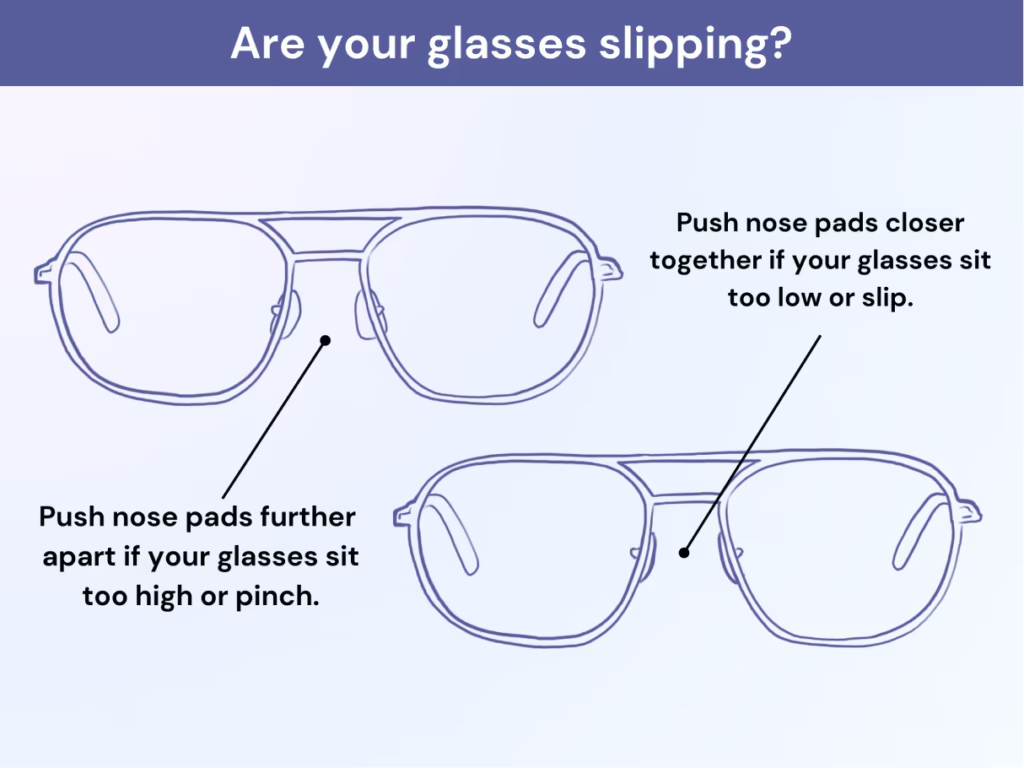
Adjust Pad Spacing
Pads should evenly distribute weight across the bridge.
If only edges touch skin, adjustment is needed.
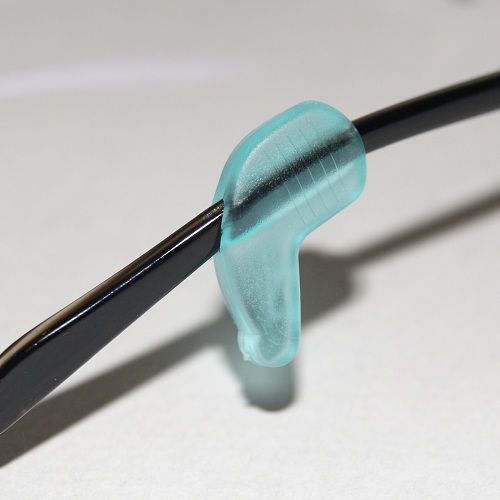
Add Silicone Pad Covers
Temporary sleeves increase grip and comfort.
Improve Temple Fit
Gentle inward curvature behind ears increases stability without pressure.
Reduce Forward Weight
Switch to thinner high-index lenses if prescription allows.
Lifestyle Factors That Influence Stability
Your daily habits matter more than expected.
Screen Use
Looking downward increases forward torque.
Exercise
Movement amplifies gravitational forces.
Climate
Humidity and temperature affect friction levels.
Understanding these variables helps set realistic expectations.
Common Myths About Slipping Glasses
Myth: Expensive Glasses Never Slip
Fit matters more than price.
Myth: Nose Shape Is the Problem
Most slipping results from frame mechanics, not anatomy.
Myth: Tight Frames Stay Better
Balance beats pressure every time.
When Replacement Is the Best Solution
Sometimes adjustments cannot fix design flaws.
Consider new frames if:
- lenses are excessively heavy
- bridge design doesn’t match your nose
- frame size is fundamentally wrong
- materials have degraded
Modern lightweight frames often eliminate chronic slipping entirely.
Choosing Stable Glasses From the Start
When shopping, test stability by:
- looking down and side to side
- smiling and speaking
- gently shaking your head
Frames should remain stable without pressure.
Pay attention to balance rather than style alone.
The Future of Anti-Slip Eyewear
Emerging developments include:
- adaptive grip materials
- biometric fit analysis
- AI-assisted frame design
- personalized weight distribution modeling
Eyewear is moving toward ergonomics similar to athletic equipment — engineered for individual performance.
The Psychological Impact of Stable Glasses
Comfort affects behavior.
Stable glasses encourage:
- consistent wear
- improved posture
- reduced face touching
- better visual focus
Small mechanical improvements translate into meaningful daily comfort.
Final Thoughts: It’s Physics, Not Personal Failure
If your glasses constantly slide down, the problem is not your face, your habits, or bad luck. It’s a mismatch between physical forces and frame design.
Once you understand the interaction between gravity, friction, and support mechanics, slipping becomes a solvable engineering issue rather than a lifelong annoyance.
Well-fitted glasses should feel almost invisible — balanced, stable, and effortless throughout the day.
In 2026, advances in materials, customization, and ergonomic design mean slipping glasses are increasingly avoidable. With proper adjustments and smarter frame choices, you can finally stop pushing your glasses back up every few minutes and start experiencing eyewear the way it was meant to function: secure, comfortable, and perfectly aligned with your daily life.
Share this post




Living a Multifaceted Life: How Custom Modular Eyewear Defines Your Personal Identity
Yet for years, eyewear has tried to force all these identities into one fixed frame.In a world where people change roles, moods,...
The Secret Weapon for Sculpting Your Face: How to Customize Eyewear Based on Your Cheekbones and Brow Shape
When it comes to elevating your appearance, most people think about hairstyles, makeup, or wardrobe upgrades. But there’s one transformative accessory that...
Are Pink Glasses in Style?
Pink glasses are a timeless symbol of charm and personality. They evoke feelings of compassion, love, and hope, making them a popular...
One-Second Color Switch
How to Match Your Glasses Frame to Today’s Outfit—EffortlesslyLet’s be honest.You don’t wear the same outfit every day.Some days it’s clean and...
“Five O’Clock Headache”: Could Custom Eyewear Be the Cure for Your Daily Fatigue?
Around 4:30 p.m., your focus softens. By 5:00 p.m., there’s a dull pressure behind your eyes. Your temples tighten. The screen feels...
Nerd Glasses: Choosing the Best Pair to Match Your Style
Nerd glasses have evolved from being a stereotype to a trendy fashion statement. With their unique designs and bold frames, these glasses...