

Total Cost of Ownership: Comparing the Lifespan of Cheap Eyeglass Frames vs. Custom Quality Frames
When shopping for new glasses, most people focus on the sticker price. A $29 frame seems like a steal. A $250 custom frame feels expensive. But the real financial question isn’t “How much does it cost today?”—it’s “How much will this pair of glasses actually cost me over time?”
That’s where the concept of total cost of ownership (TCO) becomes essential.
In this comprehensive guide, we’ll compare low-cost eyeglass frames with custom-quality frames across durability, repair frequency, comfort, lens compatibility, long-term value, and replacement cycles. By the end, you’ll have a clear framework for deciding which option truly costs less over the life of your glasses.
What Is Total Cost of Ownership for Eyewear?
Total cost of ownership goes beyond the initial purchase price. It includes:
- Initial frame cost
- Lens compatibility and upgrade costs
- Repair expenses
- Replacement frequency
- Comfort-related indirect costs
- Productivity impact
- Environmental footprint
When evaluating cheap glasses versus premium custom eyewear, the purchase price is just one variable in a much larger equation.
The Appeal of Cheap Eyeglass Frames
Low-cost frames have become widely available through online retailers and discount optical chains. Many are mass-produced using inexpensive materials and standardized molds.
Why Cheap Frames Are Attractive
- Low upfront price
- Trend-driven styles
- Quick online ordering
- Frequent promotional discounts
- Low commitment if style changes
For consumers who switch styles often or use glasses as secondary backups, cheap frames may seem practical.
But durability and long-term performance tell a different story.
The Hidden Costs of Budget Eyewear
1. Material Fatigue and Breakage
Most cheap frames are made from:
- Low-grade plastic
- Thin metal alloys
- Low-density acetate blends
Over time, these materials are prone to:
- Cracking at the bridge
- Loose hinges
- Warping under heat
- Temple arm misalignment
When frames fail within 6–12 months, replacement becomes necessary. Repeated replacements quickly erase initial savings.
2. Limited Repair Options
Budget frames are often not designed for repair. Hinges may be riveted in ways that prevent tightening. Replacement parts are rarely available.
If a hinge breaks, the entire frame is typically discarded.
3. Lens Reusability Problems
When frames break, lenses often cannot be reused due to:
- Slight dimensional differences
- Warped frame structure
- Poor lens mounting design
This means paying for new lenses again, which can double the replacement cost.
Custom Quality Frames: What Makes Them Different?
Custom-quality eyewear is built with long-term durability in mind. These frames often use:
- High-grade cellulose acetate
- Stainless steel or titanium alloys
- Reinforced hinges
- Precision manufacturing processes
The difference is not just aesthetic—it’s structural.
Common Characteristics of Premium Frames
- Thicker stress points at the bridge
- Reinforced temple joints
- Adjustable nose pads
- Replaceable screws and hinges
- Heat-resistant materials
The result is a product designed to last multiple years rather than multiple months.
Lifespan Comparison: Cheap vs. Custom Frames
Let’s compare average usage lifespan under normal daily wear.
Budget Frames
- Average lifespan: 6–18 months
- Higher breakage risk
- Often replaced rather than repaired
Custom Quality Frames
- Average lifespan: 3–7 years
- Designed for repair
- Can accommodate multiple lens updates
While individual results vary, quality frames frequently outlast budget options by three to five times.
Comfort as a Long-Term Cost Factor
Comfort directly impacts total ownership cost, even if it’s not obvious.
Poorly fitted frames may cause:
- Headaches
- Pressure points
- Slipping during activity
- Frequent adjustments
Time spent returning or adjusting glasses carries hidden costs—especially for professionals who rely on clear vision daily.
Custom frames often allow:
- Tailored bridge sizing
- Adjustable temple length
- Face-specific curvature
A better fit reduces strain and increases daily usability.
Lens Compatibility and Upgrade Cycles
Prescription lenses are often more expensive than frames. When evaluating total cost of ownership, lens reuse matters.
With Cheap Frames
If a frame breaks:
- Lenses often cannot be reused.
- New lenses must be purchased.
- Blue light, progressive, or high-index lenses increase replacement cost.
With Custom Frames
Durable frames can support multiple lens cycles:
- Annual prescription updates
- Lens coating upgrades
- Transition to progressive lenses
This dramatically lowers lifetime eyewear expenses.
Cost Scenario Breakdown Over 5 Years
Let’s compare hypothetical five-year ownership:
Scenario A: Budget Frames
- Year 1: $40 frame + $120 lenses = $160
- Year 2: Frame breaks, replace entire set = $160
- Year 3: Upgrade prescription = $160
- Year 4: Frame warps = $160
- Year 5: Replacement again = $160
Total: $800 over five years
Scenario B: Custom Quality Frame
- Year 1: $250 frame + $150 lenses = $400
- Year 3: Replace lenses only = $150
- Year 5: Replace lenses again = $150
Total: $700 over five years
Even with higher upfront cost, custom frames may reduce long-term expenses.
Environmental and Sustainability Impact
Frequent replacement increases:
- Plastic waste
- Packaging waste
- Carbon shipping footprint
Cheap frames often end up in landfills due to limited repair options.
Higher-quality frames promote:
- Repairability
- Lens replacement instead of full disposal
- Longer product cycles
Sustainability-conscious buyers increasingly factor environmental cost into purchasing decisions.
Structural Integrity and Daily Wear Stress
Eyeglasses experience significant stress daily:
- Opening and closing temples
- Resting on the bridge
- Temperature fluctuations
- Accidental drops
Low-cost hinges often loosen quickly. Screws strip. Plastic becomes brittle.
Premium frames use:
- Spring hinges
- Reinforced metal cores
- Multi-layer acetate construction
These structural differences directly affect long-term performance.
Aesthetic Longevity vs. Fast Fashion
Cheap eyewear often mirrors fast fashion cycles. Trendy shapes may feel outdated within a year.
Custom-quality frames frequently emphasize:
- Timeless silhouettes
- Neutral colorways
- Classic shapes
When style remains relevant longer, replacement due to trend fatigue decreases.

Professional and Lifestyle Considerations
For professionals, eyewear is more than a utility—it’s part of personal branding.
Frequent frame breakage can:
- Disrupt work
- Require emergency replacements
- Affect confidence
Custom frames designed for daily durability offer reliability in high-demand environments.
Athletes and active individuals also benefit from higher structural integrity.
Resale and Secondary Use Value
Quality frames sometimes retain resale value or can be repurposed with non-prescription lenses.
Budget frames typically have no resale market and minimal secondary value.
Psychological Ownership and Perceived Value
When consumers invest in higher-quality eyewear, they often:
- Maintain it better
- Store it properly
- Invest in protective cases
- Replace screws proactively
Lower-priced frames are more likely to be treated as disposable.
This behavioral difference influences lifespan.
Repairability as a Cost Multiplier
A single hinge repair costing $15 can extend frame life by two years.
Budget frames often lack replaceable components, making minor issues terminal.
Custom frames are designed with maintenance in mind.
Repairable design is a key differentiator in total cost analysis.
Insurance and Warranty Considerations
Premium eyewear brands often include:
- 1–2 year warranties
- Replacement parts availability
- In-store adjustment services
Budget online sellers may offer limited post-purchase support.
Warranty value contributes to total cost efficiency.
Heat, Travel, and Durability
Glasses left in cars during summer can warp cheap plastic frames.
Higher-quality acetate and metal alloys resist temperature distortion better.
For frequent travelers, durability under varied conditions matters.
When Cheap Frames Make Sense
Despite limitations, budget frames may be appropriate if:
- You need a backup pair.
- Your prescription changes rapidly.
- You want experimental fashion pieces.
- Glasses are used occasionally.
Short-term use can justify lower investment.
When Custom Quality Is Worth It
Custom frames are ideal when:
- You wear glasses daily.
- You rely on progressive or high-cost lenses.
- You value long-term comfort.
- You prefer fewer replacements.
- You prioritize sustainability.
For primary eyewear, durability often wins.
How to Evaluate Frame Quality Before Buying
Look for:
- Reinforced hinges
- Metal core inside acetate temples
- Solid bridge construction
- Even alignment on flat surfaces
- Replaceable screws
Avoid frames that feel excessively lightweight or flexible at stress points.
The True Cost Equation
Total Cost of Ownership =
(Initial Frame Cost + Lens Costs + Repairs + Replacements) ÷ Years of Use
The lower annualized cost—not the lowest purchase price—determines true value.
Final Thoughts: Cheap vs. Custom—Which Wins?
The debate between inexpensive eyeglass frames and custom-quality frames isn’t about price tags. It’s about longevity, reliability, and long-term financial logic.
Cheap frames offer immediate affordability but often require repeated replacement.
Custom frames demand higher upfront investment but frequently reduce long-term cost, improve comfort, support lens reuse, and minimize environmental waste.
If you view glasses as disposable accessories, budget frames may suffice.
If you view glasses as daily essential equipment—something you rely on for work, safety, and comfort—then durability matters more than initial savings.
In the long run, the smartest choice isn’t the cheapest frame.
It’s the one that costs you less over time.
Share this post
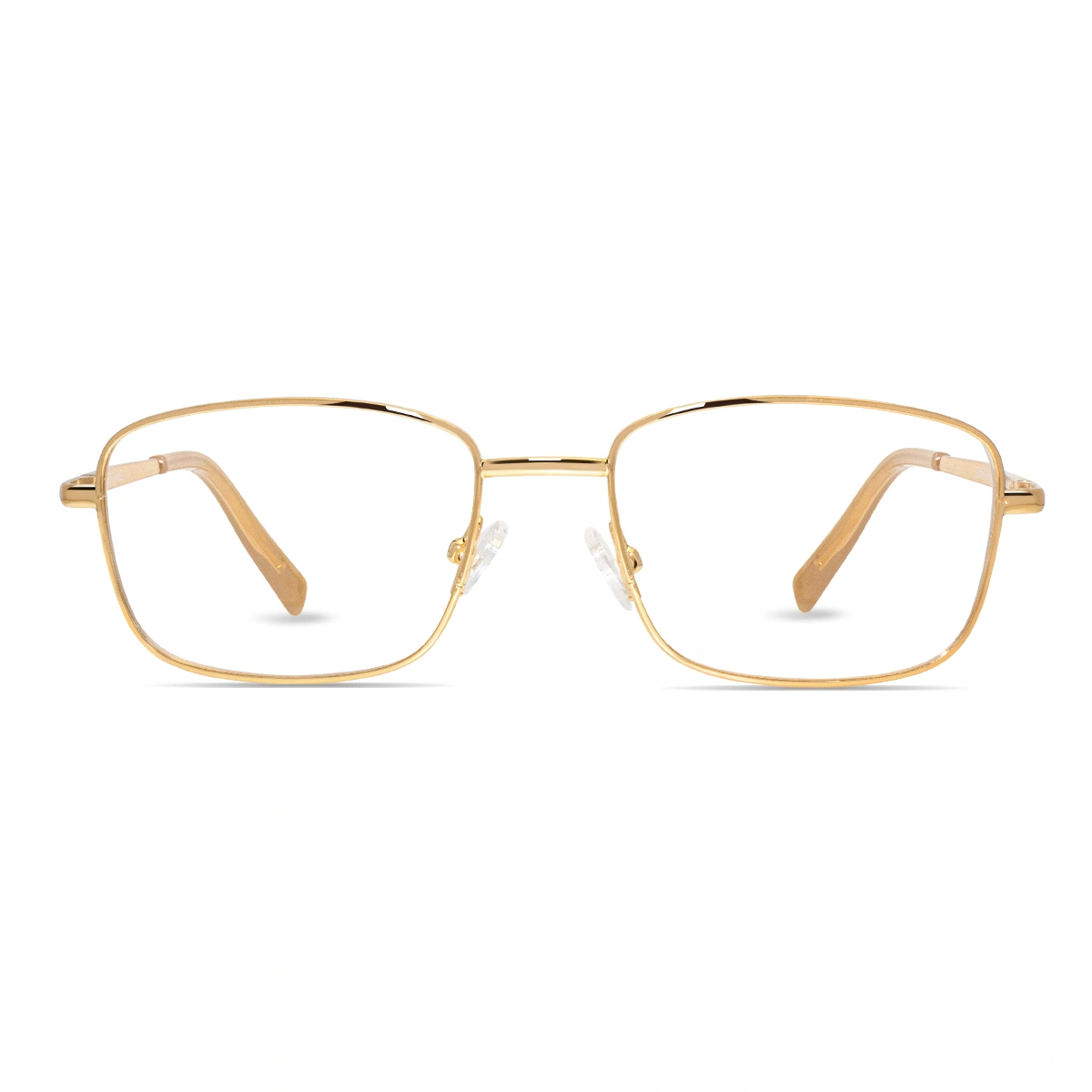
Soline Classic Gold Base Frame – Wide Rectangle


Soline Metallic Silver Base Frame - Wide Rectangle


Mira Classic Gold Cat Eye Base Frame


Living a Multifaceted Life: How Custom Modular Eyewear Defines Your Personal Identity
Yet for years, eyewear has tried to force all these identities into one fixed frame.In a world where people change roles, moods,...
The Secret Weapon for Sculpting Your Face: How to Customize Eyewear Based on Your Cheekbones and Brow Shape
When it comes to elevating your appearance, most people think about hairstyles, makeup, or wardrobe upgrades. But there’s one transformative accessory that...
Are Pink Glasses in Style?
Pink glasses are a timeless symbol of charm and personality. They evoke feelings of compassion, love, and hope, making them a popular...
One-Second Color Switch
How to Match Your Glasses Frame to Today’s Outfit—EffortlesslyLet’s be honest.You don’t wear the same outfit every day.Some days it’s clean and...
Nerd Glasses: Choosing the Best Pair to Match Your Style
Nerd glasses have evolved from being a stereotype to a trendy fashion statement. With their unique designs and bold frames, these glasses...
From Aerospace to Everyday Wear: The “Black Tech” of Beta Titanium and Carbon Fiber in Custom Eyewear
What do spacecraft engineering and high-performance eyewear have in common?More than you might think.Materials originally developed for aerospace and advanced engineering —...