

The “Invisible” Companion in Daily Life: My 30-Day Journey from Ready-Made Glasses to Custom Eyewear
There are some things in life you don’t notice—until they change.
For years, my glasses were just… there. I wore ready-made frames from well-known optical stores, picked something that looked good in the mirror, adjusted to mild discomfort, and moved on. Like most people, I assumed glasses were glasses. If I could see clearly, that was enough.
But over time, subtle annoyances began to stack up:
- Nose pressure after long workdays
- Frames sliding when I leaned forward
- Light headaches in the afternoon
- Constant micro-adjustments
- Red marks on my nose bridge
None of these were dramatic. They were just background noise—small daily frictions I had normalized.
Then I decided to try custom eyewear.
This is my honest 30-day experience transitioning from standard ready-made glasses to custom-fit frames—and how something so “invisible” ended up changing my comfort, productivity, and awareness more than I expected.
Why I Switched in the First Place
The decision wasn’t dramatic. I wasn’t chasing fashion. I wasn’t unhappy with my appearance.
I was tired of:
- Subtle discomfort
- Frames constantly sliding
- Feeling slightly “aware” of my glasses
If you wear glasses daily, you know what I mean. You don’t consciously think about them—but you’re always adjusting them.
Push up the bridge.
Reposition the temples.
Take them off for relief.
I started wondering:
What if glasses didn’t feel like something I had to manage?
That curiosity led me to explore custom eyewear.
What “Custom” Actually Meant in My Case
Custom eyewear doesn’t necessarily mean handmade luxury frames costing thousands of dollars.
In my case, it meant:
- Frames selected based on my facial measurements
- Bridge width tailored to my nose shape
- Temple length adjusted precisely
- Pupillary distance measured accurately
- Lens height optimized for my prescription
The process felt more intentional than my previous purchases, where I mostly chose based on appearance and brand.
Week 1: Immediate Differences I Noticed
The first thing I noticed was… nothing.
And that was the point.
My glasses didn’t demand attention.
No sliding.
No nose pinching.
No temple pressure.
The fit felt neutral—like they belonged there.
By Day 3, I realized something subtle: I hadn’t touched my glasses once during the workday.
With my previous ready-made pair, I would adjust them at least 15–20 times a day.
That absence of adjustment felt strangely liberating.
The Nose Bridge Revelation
In hindsight, my old frames never truly fit my nose bridge.
They either:
- Slid down slightly
- Pressed too firmly
- Left marks
Custom fitting accounted for my lower bridge height and slight asymmetry.
The result?
- Even weight distribution
- No visible red indentations
- No pressure headaches
I didn’t realize how much micro-pressure had been affecting my comfort until it disappeared.
Week 2: Subtle Changes in Focus and Eye Fatigue
Around the second week, I began noticing differences in visual comfort.
With my old glasses, I sometimes felt:
- Mild eye strain late in the day
- Slight distortion when looking sideways
- Fatigue during long screen sessions
My new lenses were centered more precisely according to my pupillary distance and lens height.
The difference wasn’t dramatic—but it was consistent.
Long Zoom meetings felt easier.
Reading felt steadier.
Scrolling didn’t require micro-adjustments of my head.
Vision felt more “balanced.”
The Psychological Effect of Proper Fit
One unexpected shift was psychological.
When something fits well, you stop thinking about it.
My glasses felt less like an accessory and more like an extension of my face.
That subtle integration reduced distraction.
I wasn’t:
- Conscious of sliding
- Aware of pressure
- Thinking about how I looked adjusting them
Comfort creates invisibility—and invisibility creates freedom.
Week 3: Daily Life Without Micro-Frustrations
By the third week, the most noticeable change was the absence of irritation.
Simple things improved:
- Bending down to tie my shoes—no slipping
- Walking outdoors—no constant pushing up
- Working out lightly—stable positioning
- Driving—clear side vision
Ready-made frames are designed to fit average measurements.
But faces aren’t average.
Custom adjustments eliminated the small mismatches I had tolerated for years.
Comparing Weight and Balance
Interestingly, my custom frames weren’t significantly lighter than my old pair.
The difference was balance.
Weight distribution was more even between:
- Bridge
- Temples
- Front frame
Instead of feeling front-heavy, they felt centered.
That balance reduced nose pressure dramatically.
Social Reactions (Or Lack Thereof)
No one made dramatic comments.
Which confirmed something important:
The shift was internal, not aesthetic.
A few people said:
“Those look great on you.”
But visually, they weren’t radically different from my previous style.
The real difference was comfort—not appearance.
Productivity and Comfort Connection
I work long hours at a screen.
Before switching, I occasionally removed my glasses mid-day just to relieve pressure—even though my prescription required them.
After switching, I stopped doing that entirely.
The cumulative effect?
- Fewer interruptions
- More sustained focus
- Less subtle fatigue
It’s hard to quantify, but I genuinely felt more efficient.
Headaches: A Surprising Improvement
I used to get mild tension headaches 1–2 times per week.
Nothing severe. Just dull discomfort.
Over 30 days, I didn’t experience a single one.
While I can’t definitively say it was only the glasses, the timing was noticeable.
Proper optical centering and reduced temple pressure likely played a role.
The Confidence Factor
There’s a quiet confidence that comes from comfort.
When glasses fit perfectly:
- You stop adjusting them in conversations
- You stop worrying about slipping
- You move naturally
That subtle freedom changes body language.
You feel less self-conscious.
Maintenance and Durability Observations
After 30 days, I also noticed:
- Hinges remained stable
- No loosening
- No misalignment
Because the frames were adjusted precisely from the beginning, there was less stress on components.
Poorly fitting glasses often require repeated bending and adjustment, which weakens structure over time.
What I Missed About Ready-Made Glasses
To be fair, ready-made glasses have advantages:
- Immediate availability
- Lower upfront cost
- Wide variety in-store
For some people with average facial measurements, they may work perfectly well.
But for me, “good enough” wasn’t optimal.
The Cost Question
Custom glasses were more expensive than my previous pair—but not dramatically so.
The real difference was value over time.
If I wear glasses every waking hour, the cost per day becomes minimal.
Comfort is something you experience constantly.
It’s hard to put a price on daily relief.
The Most Unexpected Change
The biggest surprise?
I forgot I was wearing glasses.
That might sound insignificant—but it’s powerful.
When something disappears from your awareness, it means it fits seamlessly into your life.
Glasses became what they were always meant to be:
An invisible companion.
Who Might Benefit Most from Custom Eyewear?
Based on my experience, custom frames are especially helpful for:
- People with low or narrow nose bridges
- Long daily screen users
- Progressive lens wearers
- Individuals with facial asymmetry
- Those who experience frequent slipping
If you constantly adjust your glasses, that’s a sign something isn’t quite right.
30-Day Reflection: Was It Worth It?
Absolutely.
Not because they looked dramatically better.
Not because they were a luxury statement.
But because comfort compounds.
Small irritations removed from daily life add up to meaningful improvement.
Over 30 days, I experienced:
- Zero nose marks
- No slipping
- Fewer headaches
- Less eye fatigue
- More consistent focus
That consistency is what changed everything.
Final Thoughts: The Power of Invisible Comfort
We often invest heavily in visible upgrades:
- Phones
- Clothing
- Furniture
- Technology
But we underestimate the impact of the objects we interact with constantly.
Glasses sit on your face for 10–14 hours a day.
They shape how you see the world—and how the world sees you.
When they fit poorly, discomfort becomes background noise.
When they fit perfectly, they disappear.
After 30 days with custom eyewear, I realized something simple:
The best companions in life are the ones you don’t have to think about.
And for me, my glasses finally became one of them.
Share this post

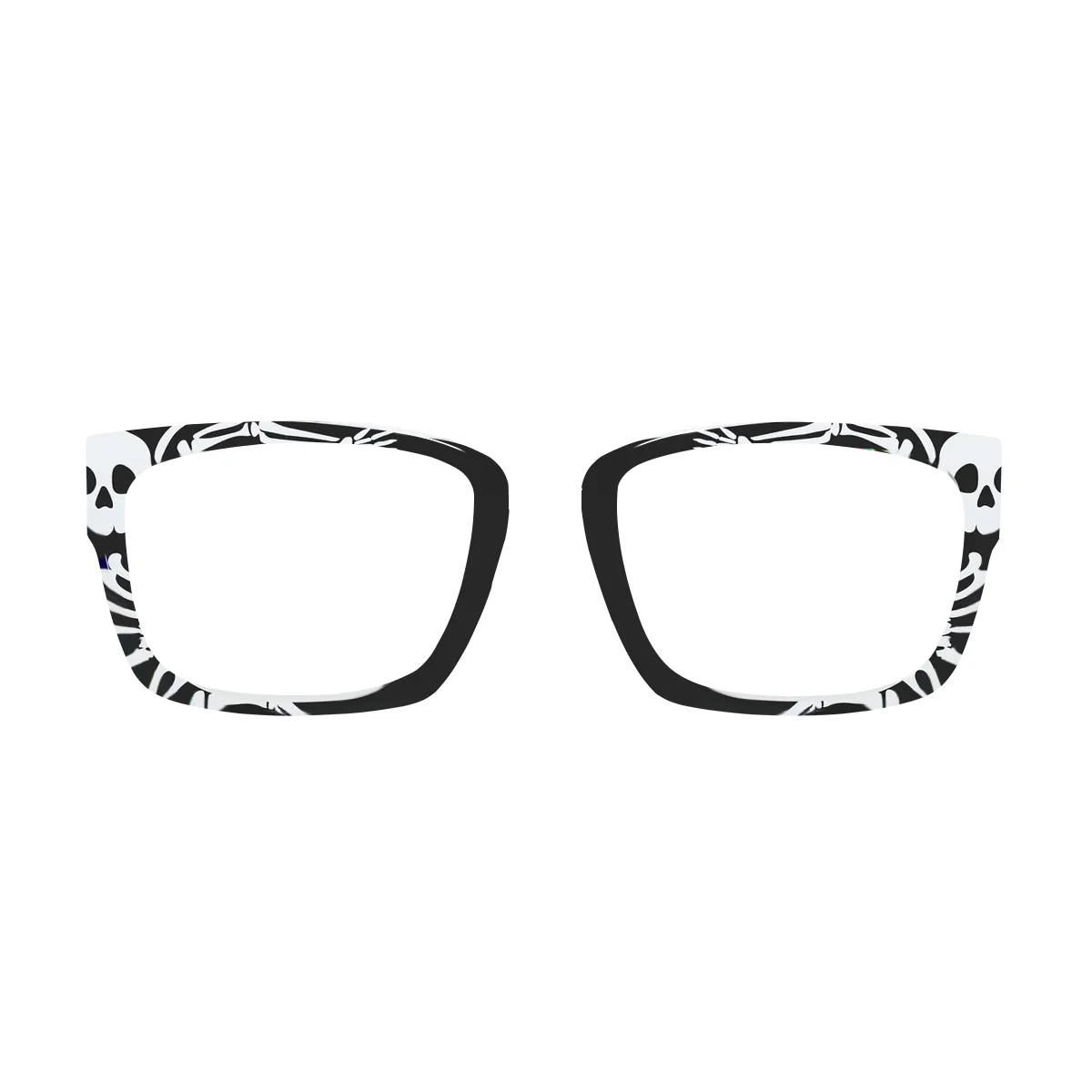
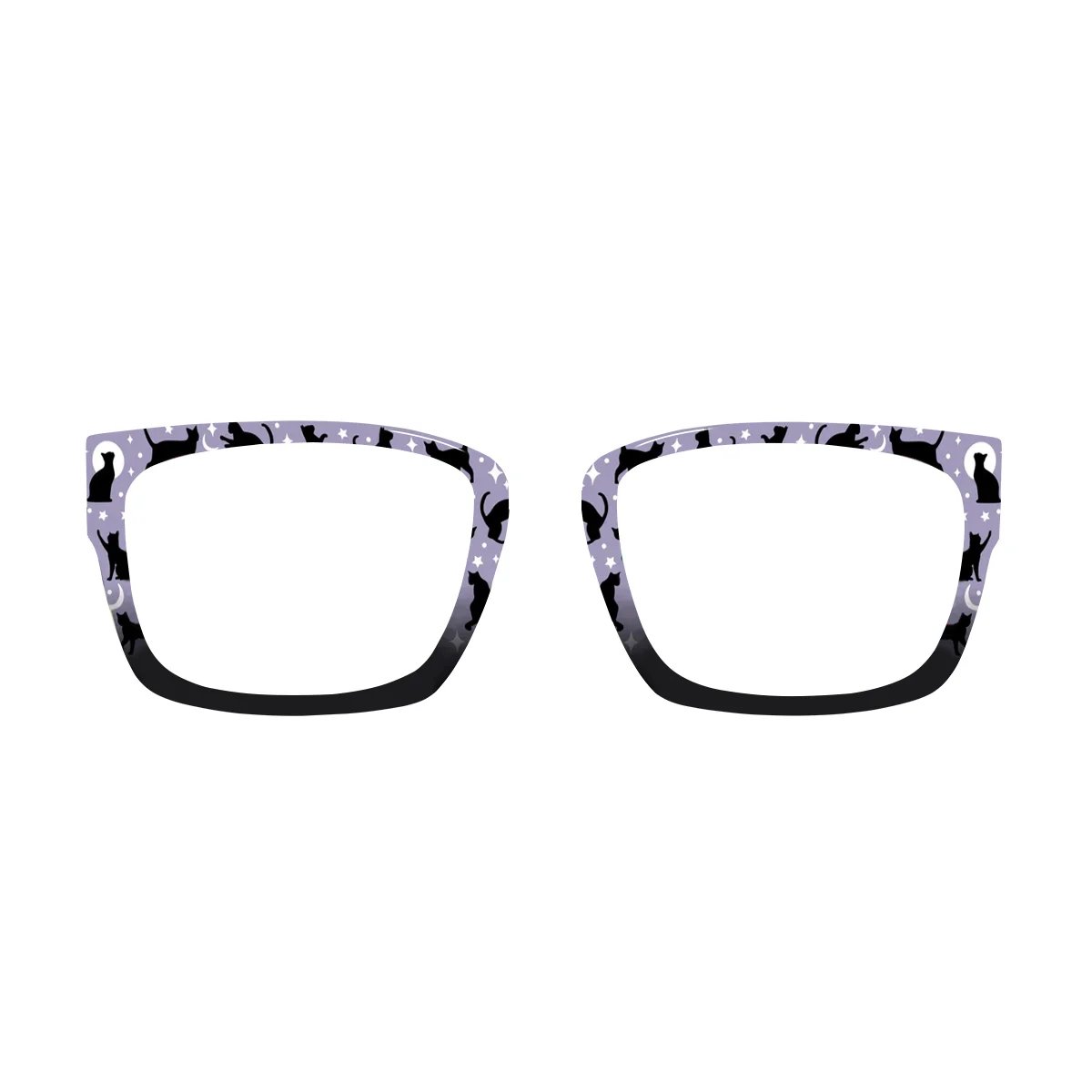
- Bone Rattle (PH01)
- Haunted Plaid (PH02)
- Pumpkin King (PH03)
- Night Sky Bat (PH04)
- Pumpkin Parade (PH05)
- Spooky Duo (PH06)
- Witch’s Cat (PH07)
- Mint Ghost (PH08)
- Dark Spell (PH09)
- Midnight Meow (PH10)
- Ghost Mosaic (PH11)
- Skull Storm (PH13)
- Wicked Glow (PH14)
- Haunted Gray (PH15)
- Phantom Mosaic (PH16)
- Midnight Dots (PH17)
- Haunted Medley (PH18)
- Nightmare Mix (PH19)
- Ghost Fade (PH20)
- Candy Curse (PH26)
- Ghost Drift (PH21)
- Pumpkin Fusion (PH22)
- Shadow Spirit (PH23)
- Spooky Toon (PH24)
- Demon Grin (PH25)
- Autumn Bloom (PH27)







How Custom Frame Colors Shape Your Professional Presence: The Psychology and Strategy Behind Eyewear Material Choices
In modern workplaces, personal presentation extends far beyond clothing. Accessories once considered purely functional now carry powerful visual signals that influence perception,...
Lens World Restoration: Inside the Professional Eyewear Maintenance Laboratory
Eyeglasses are no longer simple vision tools.For millions of people, they represent daily functionality, personal style, digital productivity, eye protection, and even...
Polarized or Photochromic? How to Customize the Perfect Tinted Lenses for Your Outdoor Driving and Sports Lifestyle
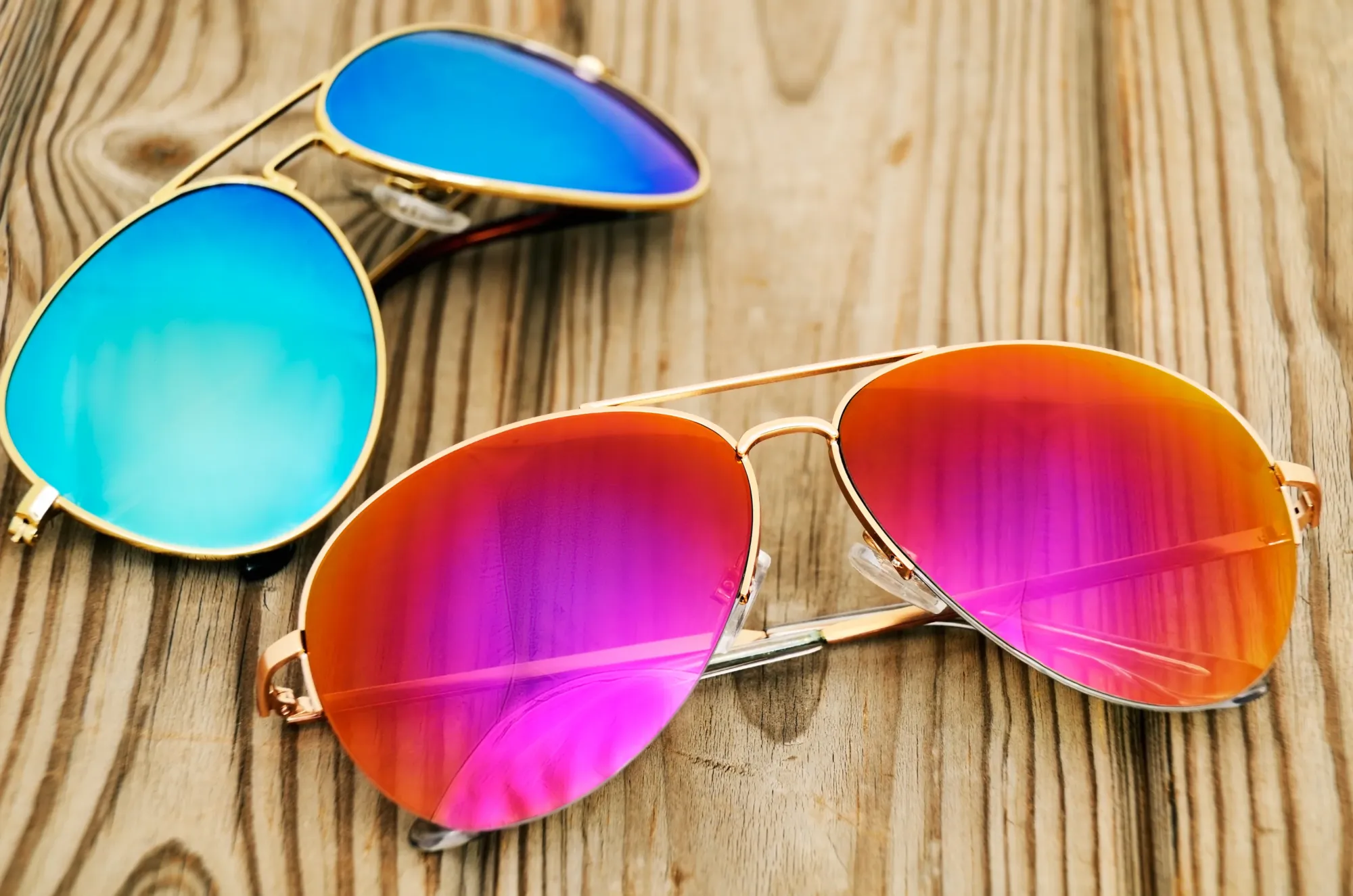
Choosing the right tinted lenses is no longer just about fashion or basic sun protection. Today’s eyewear technology allows you to tailor...
Never Fear Broken Temples Again: How Modular Glasses Save You Serious MoneyThe Cost-Saving Power of Replaceable Eyeglass Parts
If you’ve ever owned a pair of glasses long enough, you already know the story.One small drop.One careless sit.One rushed morning.And suddenly...
A Deep Technical Breakdown: The Application of Mechanical Snap-Fit Structures in High-End Custom Eyewear
High-end custom eyewear has undergone a quiet but significant transformation over the past decade. While consumers often notice improvements in lens technology,...
A Minimalist’s Dream, Why One Pair of Custom Glasses Is All You Need When You Travel
Minimalism isn’t about owning less for the sake of it.It’s about owning better.For travelers, that idea becomes very real the moment you...
Eyeglass Troubleshooting Guide: The Complete DIY Repair and Maintenance Checklist
A good pair of eyeglasses is more than just a vision correction tool. For many people, glasses are part of daily comfort,...
Can You Customize Glasses with High Myopia? The Truth About Lens Thickness and Frame Compatibility
If you have high myopia, you’ve probably heard at least one of these statements:“Your prescription is too strong for stylish frames.”“You’ll need...
Protecting Your Cards and Devices: Avoiding the Hidden Risks of Strong Magnets in Everyday Life
Magnets are everywhere in modern life. From refrigerator doors and wireless chargers to phone accessories and smart home gadgets, magnetic technology has...
Nose Pads Turning Yellow? The Complete Guide to Replacing Original Parts for Custom Eyeglasses
Custom eyeglasses are more than just vision tools — they are daily essentials, personal style statements, and long-term investments. Whether you wear...
Eye Care Diary: Giving Your Lenses a “Mini Makeover”
For many people, eyeglasses are more than a vision correction tool. They are part of daily life, personal style, work performance, digital...
Summer Warning: Why You Should Never Leave Your Eyeglasses in a Hot Car
When summer arrives, most people think about beach days, road trips, and long hours of sunshine. But with rising temperatures comes a...