

Stop the Ear Torture: How Custom Eyewear Solves the 12-Hour Wear Fatigue
For the modern professional, the workday doesn't end when you leave the office. Between eight hours at a desk, an hour of commuting, and three hours of "winding down" with digital media, many of us wear our glasses for 12 to 14 hours straight.
By the ten-hour mark, something happens. That stylish pair of frames you bought suddenly feels like a lead weight. You feel a dull throb behind your ears, a pinch on the bridge of your nose, and a mysterious tension in your temples that makes focusing on your screen nearly impossible.
We call this "Eyewear Fatigue." For decades, we’ve accepted this discomfort as a necessary evil of being nearsighted. We’ve been told that "breaking in" new glasses is normal. But here is the "Black Tech" truth: Discomfort is a design failure. In this 4,000-word deep dive, we are going to explore why mass-produced glasses are failing your anatomy and how the revolution in Bespoke Custom Eyewear is using advanced materials and cranial mapping to make 12-hour wear feel like wearing nothing at all.
1. The Anatomy of Discomfort: Why Your Ears are Suffering
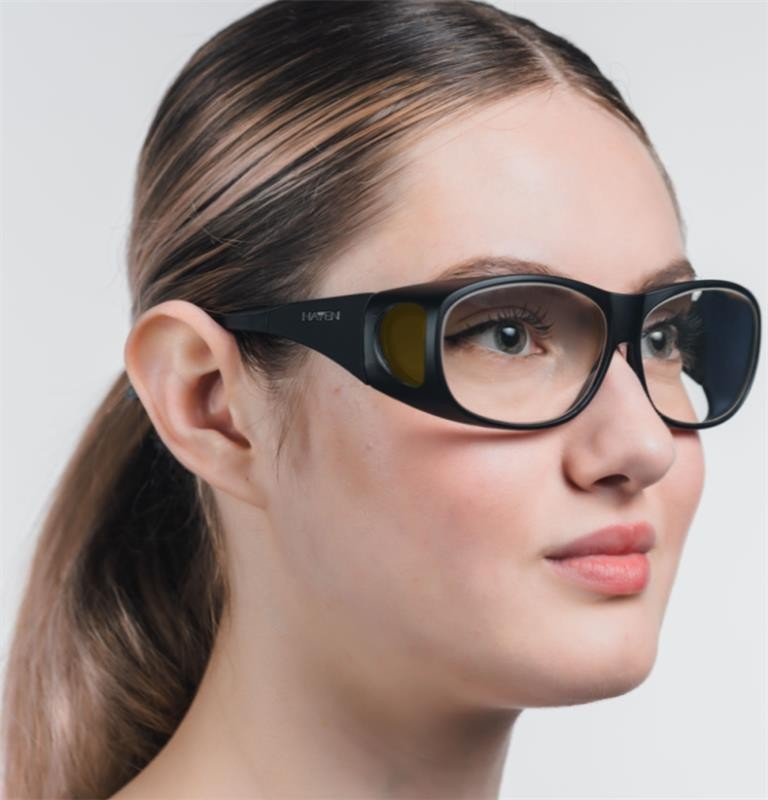
To solve the pain, we have to understand the "Trigeminal Nerve." This nerve is responsible for sensation in your face. When a pair of "one-size-fits-all" glasses sits on your head, it often exerts uneven pressure on branches of this nerve.
The Mastoid Bone Pressure Point
The area behind your ear—the mastoid process—is incredibly sensitive. Mass-produced frames use a generic "drop" (the curve of the temple arm). If your ear is positioned slightly higher or lower than the "standard" human model used in the factory, the tip of that temple arm digs into the mastoid bone. Over 12 hours, this restricted blood flow and nerve compression lead to what many mistake for a "tension headache."
The "Slippage" Cycle
When glasses don't fit the width of your cranium perfectly, they begin to slide. To compensate, most people tighten the frames or add "ear hooks." This creates a "vice-grip" effect. You are essentially trading one type of pain (sliding) for another (compression).
2. The Custom Solution: Cranial Mapping and 3D Fit
The primary "Black Tech" advancement in bespoke eyewear is Digital Cranial Mapping. Instead of a salesperson eyeing your face and saying, "These look good," custom eyewear utilizes high-resolution 3D scanning.
The "Golden Triangle" of Fit
A custom-fit ignores standard sizes (like 52-18-140) and focuses on three specific anatomical coordinates:
- Nasal Slope: Everyone’s nose has a different "angle of attack." Custom bridges are milled to match your specific slope, distributing the weight across the bone rather than the soft tissue.
- Temple Width: Mass-produced glasses are often too narrow, bowing outward and pressing into your temples. Custom frames are built with a "straight-shot" temple that follows the actual width of your skull.
- Ear Position (Asymmetry): Most humans are asymmetrical. One ear is almost always slightly higher or further back than the other. Custom eyewear builds a left temple and a right temple that are different lengths and curves to match your unique ears.
3. Material Science: The Weightless Frontier
You can’t solve 12-hour fatigue with heavy materials. This is where Beta-Titanium and 3D-Printed Polyamide come into play.
| Material | Weight (approx.) | Performance |
| Standard Acetate | 30g+ | Heavy, prone to warping in heat. |
| Bespoke Beta-Ti | 10g - 14g | Aerospace-grade, "memory" flexibility, hypoallergenic. |
| 3D-Printed PA12 | 5g - 8g | High strength-to-weight ratio, porous "grip" texture. |
By utilizing Beta-Titanium, custom frames can achieve a "spring-fit" that holds the glasses on your face using physics rather than force. The material is so light that the primary weight on your face becomes the lenses themselves, not the frame.
4. Optical Alignment and Eye Strain
Fatigue isn't just physical; it's visual. When your glasses don't fit perfectly, the "Optical Center" of the lens doesn't align with your pupil.
If your glasses slide down just 5mm, you are no longer looking through the "sweet spot" of the prescription. Your eye muscles have to work overtime to correct the slight distortion. Over 12 hours, this causes Digital Eye Strain (DES). Custom eyewear ensures that the "Pantoscopic Tilt" (the angle of the lens) is locked into the perfect position for your specific cheekbone structure, keeping your vision crisp and your brain relaxed.
5. The "Black Tech" of Bespoke Nose Pads
Most glasses use "click-in" silicone pads. Custom eyewear often uses Integrated Medical-Grade Titanium pads or Anatomically Contoured Bridges.
- The Benefit: By maximizing the "contact patch" between the frame and your nose, the pressure (force divided by area) is minimized. It’s the difference between standing in high heels versus flat sneakers.
6. Case Study: The 12-Hour Test
Imagine a software engineer wearing "Brand X" luxury frames. By 2:00 PM, they are rubbing their temples. By 6:00 PM, they take their glasses off during a meeting just to find relief.
Now, imagine that same engineer in a Bespoke 3D-Printed frame.
- 9:00 AM: Frame is put on; weight is imperceptible.
- 1:00 PM: The "friction-grip" texture prevents sliding during lunch.
- 8:00 PM: The engineer realizes they are still wearing their glasses while sitting on the couch.
That is the "Invisible Frame" goal.
7. How to Transition to Custom Eyewear
If you’re ready to end the ear torture, look for these three things in a provider:
- 3D Scanning Technology: Avoid anyone who only uses a ruler and a mirror.
- Material Transparency: Ensure they are using Beta-Titanium or high-density polymers.
- Trial Fitting: Real bespoke services often provide a 3D-printed "prototype" for you to wear for a day before the final frame is crafted.
8. Conclusion: Your Ears Deserve Better
We spend thousands of dollars on ergonomic chairs, high-end mattresses, and supportive footwear—yet we settle for "standard" glasses that pinch our heads for 14 hours a day.
Custom eyewear is the final frontier of personal ergonomics. By combining the "Black Tech" of 3D printing with the timeless principles of facial anatomy, we can finally reach the "Lightness Limit."
Stop settling for red marks and headaches. Your glasses should be a tool that empowers your vision, not a weight that holds you back.
Ready to experience "Zero-Gravity" vision?
Would you like me to help you find a Custom Frame Blueprint based on your specific face shape—whether you have a "Low Bridge" or "High Cheekbones"?

Share this post
- Deep Burgundy - Solid (S01)
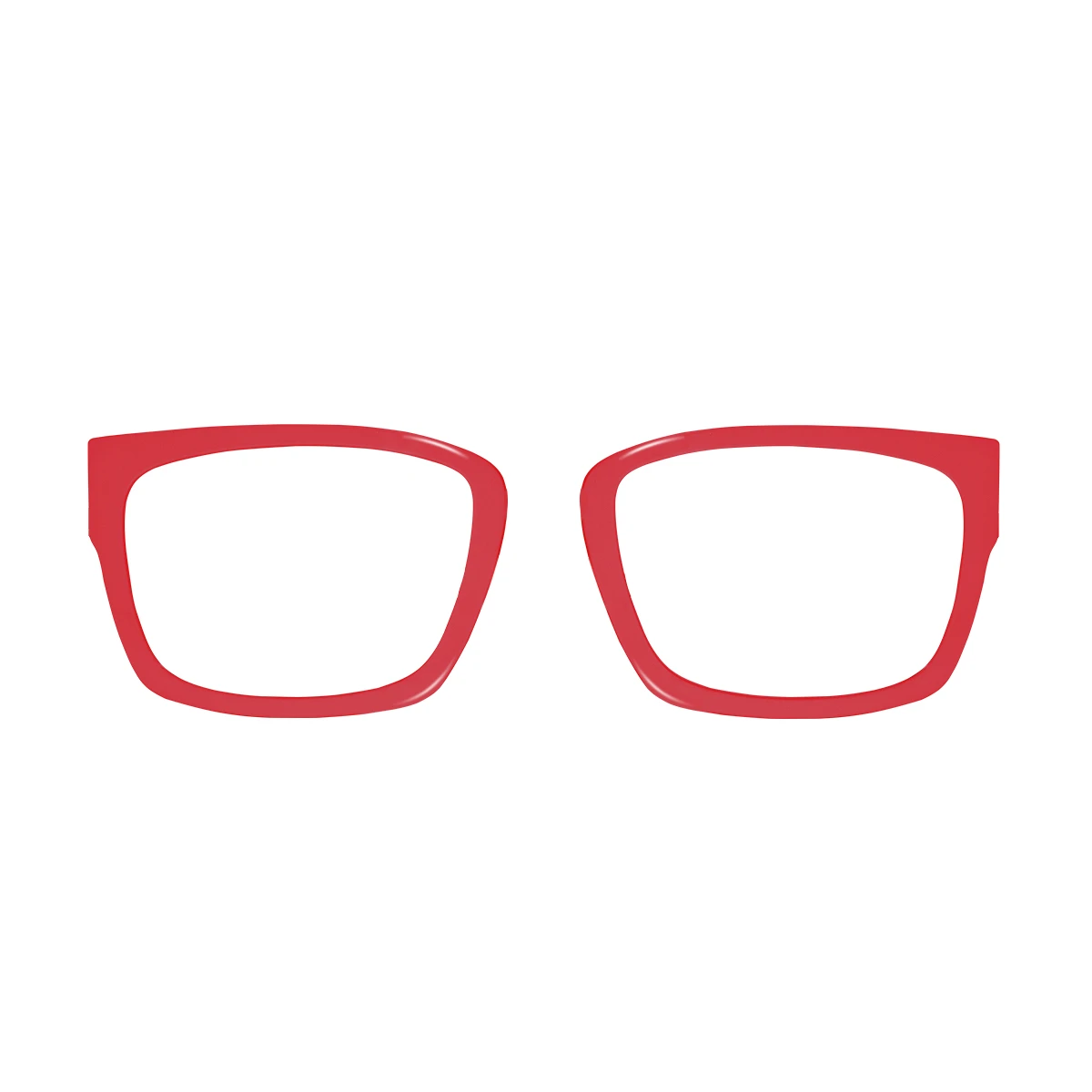
- Red - Solid (S02)
- Burnt Orange - Solid (S03)
- Marmalade - Solid (S04)
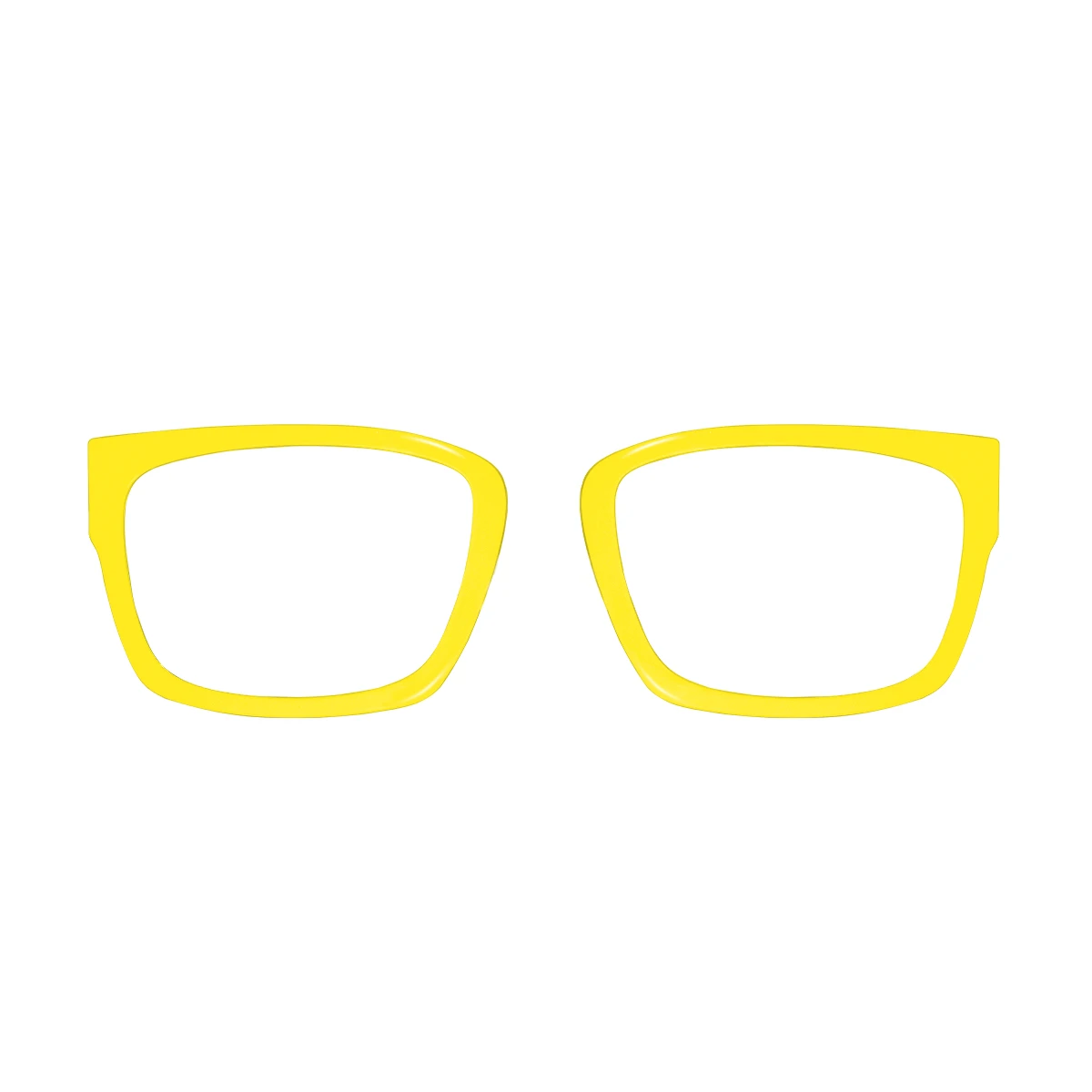
- Sunshine Yellow - Solid (S05)
- Lime Green - Solid (S06)
- Green Forest - Solid (S07)
- Sage - Solid (S08)
- Army Green - Solid (S09)
- Spruce - Solid (S10)
- Turquiise - Solid (S11)
- Cornflower blue - Solid (S12)
- Navy - Solid (S13)
- Indigo - Solid (S14)
- Blue Orchid - Solid (S15)
- Lavender - Solid (S21)
- Mauve - Solid (S16)
- Purple - Solid (S17)
- Grape - Solid (S18)
- Warm Coral - Solid (S19)
- Hot Pink - Solid (S20)
- Chocolate - Solid (S22)
- Black – Solid (S23)
- White - Solid (S24)








“Five O’Clock Headache”: Could Custom Eyewear Be the Cure for Your Daily Fatigue?
Around 4:30 p.m., your focus softens. By 5:00 p.m., there’s a dull pressure behind your eyes. Your temples tighten. The screen feels...
Can You Replace Lenses in Old Frames?
Over time, your vision may change, requiring a new prescription for corrective lenses. However, this doesn’t necessarily mean you need to replace...

Mirror-Like Brilliance: Anti-Corrosion Strategies for Fashion Eyewear Frames
Introduction: Why Corrosion Is the Silent Enemy of Stylish EyewearFashion eyewear has evolved far beyond its original purpose of vision correction. Today,...
The Architecture of Presence: Why Custom Eyewear Makes Your Eyes Look More Alive
Some people walk into a room and immediately command attention. Their presence feels balanced, confident, and intentional — even before they speak....
“One-Step” Investment: Why Custom Glasses Save You Money in the Long Run
When it comes to eyewear, many people focus on upfront cost rather than long-term value. It’s easy to fall into the trap...

Microfiber Cloth vs. Paper Towels: Why the Wrong Cleaning Tool Can Ruin Your Lenses
Most people don’t think twice about how they clean their lenses. Whether it’s eyeglasses, camera lenses, or screens, the instinct is simple:...
Gravity’s Grudge: Why Your Glasses Keep Sliding Down (And How Your Frames Are Trying to Tell You Something)
We’ve all been there. You’re in the middle of a high-stakes board meeting, leaning over a delicious plate of pasta, or simply...
Eyewear as a Power Accessory: Why CEOs Are Turning to Custom Optical Products
In boardrooms, investor meetings, keynote stages, and high-stakes negotiations, every detail communicates something long before words are spoken. Leadership presence is not...
One Degree Makes the Difference: A Deep Dive into Custom Prescription Glasses
In the world of eyewear, it’s easy to assume that vision correction is a game of big numbers—minus five or plus three,...
he Ultimate Street Style Accessory - What Do the Magnetic Custom Glasses Bloggers Can’t Stop Wearing Actually Look Like?
Scroll through Instagram.Pause on a street style reel.Watch a “Get Ready With Me” video from your favorite fashion blogger.At some point, you’ll...
The Mechanic’s Manifesto: A Daily Guide to Maintaining Screwless Snap-Fit Eyewear
In the world of high-end eyewear, there is a sharp divide between those who accept the status quo and those who demand...
Finding Your "Signature Frames": How to Design an Eyewear Look That Defines Your Identity
Think of the most iconic figures in history and pop culture. Steve Jobs. Iris Apfel. Buddy Holly. Karl Lagerfeld. When you visualize...