
“One-Step” Investment: Why Custom Glasses Save You Money in the Long Run
When it comes to eyewear, many people focus on upfront cost rather than long-term value. It’s easy to fall into the trap of buying mass-produced frames or discount lenses, thinking, “I’ll just replace these when they break or go out of style.” At first glance, it seems like the cheaper route — after all, the initial price is lower.
But a closer look reveals a different story. Custom eyewear, thoughtfully designed for your face, prescription, and lifestyle, often proves to be the smarter financial choice over time. From comfort and durability to vision quality and fewer replacements, investing in custom glasses is less about indulgence and more about intelligent spending.
This guide explores why a “one-step” investment in custom glasses can save you money, reduce hassle, and even enhance your day-to-day life.

The Hidden Costs of Mass-Produced Glasses
Many consumers underestimate the total cost of standard, off-the-shelf eyewear. What seems like a bargain often hides additional expenses:
- Frequent Replacement
Inexpensive frames are typically made from weaker materials like low-grade plastics or alloys. They bend, crack, or lose their shape more easily. Replacing them every year (or even every six months) adds up quickly. - Limited Lens Options
Budget frames often come with basic lenses. Anti-reflective coatings, blue-light filtering, or progressive lenses may require upgrades or additional purchases. - Fit and Comfort Issues
Poorly fitting glasses can cause headaches, eye strain, or slippage. You may spend money adjusting frames at multiple optical shops or even purchase accessories like strap bands to keep them in place. - Compromised Vision Quality
Mass-market lenses may have optical distortions, especially for strong prescriptions or progressive lenses. Compromised vision can lead to discomfort, affecting productivity and overall well-being — an indirect financial cost.
Custom Glasses: The “One-Step” Investment
Custom eyewear takes into account your prescription, face shape, lifestyle, and aesthetic preferences. This upfront planning creates a solution that addresses most potential problems at once.
Key advantages include:
- Durability and Material Quality
Custom frames use premium materials like titanium, acetate, or reinforced polymers. These last longer, resist wear and tear, and maintain their shape. - Precision Lens Options
Lenses are tailored not just to your prescription but also to your visual habits — whether you read extensively, use digital devices, or spend time outdoors. This reduces the need for future upgrades or adjustments. - Perfect Fit
Measurements of nose bridge, temple length, and frame width ensure that glasses sit correctly, eliminating slippage, pressure points, and irritation. Proper fit reduces the likelihood of damage caused by bending or mishandling. - Enhanced Vision and Comfort
Correctly crafted lenses minimize distortions, reduce glare, and support long-term eye health. Less eye strain can improve productivity, comfort, and even safety in daily activities like driving.
Long-Term Financial Benefits
Although the initial cost of custom glasses is higher, long-term savings are significant. Consider this comparison:
| Expense | Off-the-Shelf Glasses | Custom Glasses |
|---|---|---|
| Initial Purchase | $100–$250 | $300–$600 |
| Average Lifespan | 1–2 years | 3–5+ years |
| Lens Upgrades | Often extra | Included in prescription customization |
| Adjustments | Frequent, sometimes paid | Minimal, included in service |
| Total 5-Year Cost | $500–$1,250 | $300–$600 |
Over time, you spend less on replacements, adjustments, and vision corrections. Essentially, a larger upfront investment consolidates costs that would otherwise accumulate incrementally.
Comfort Equals Productivity
Another financial advantage is comfort. Poorly fitting or distorted glasses reduce productivity:
- Headaches from misaligned lenses can cost work hours.
- Slippage and adjustment distractions may interrupt focus.
- Eye fatigue can decrease efficiency and increase the need for breaks.
Custom eyewear mitigates these risks. By investing once in well-fitted glasses, you preserve energy, focus, and efficiency — which is particularly valuable for students, professionals, or anyone working long hours at screens.
Reduced Risk of Ancillary Expenses
Mass-market glasses often lead to additional spending on accessories:
- Anti-slip nose pads or temple covers.
- Protective cases to prolong life due to fragile construction.
- Lens coatings purchased separately to address scratches, glare, or blue-light filtering.
Custom glasses often include high-quality coatings and structural enhancements at purchase. This reduces the need for piecemeal upgrades and avoids the cumulative costs associated with maintaining lower-quality frames.
Style That Lasts
Fashion is another hidden financial factor. Trendy or cheap glasses may go out of style quickly. Consumers may replace frames not because they are broken but because they no longer feel current.
Custom frames can be timeless or tailored to your style preferences, reducing unnecessary replacements. Investing in classic, high-quality materials ensures your glasses remain both functional and aesthetically pleasing for years.
Case Study: A Five-Year Comparison
Let’s examine two hypothetical consumers:
Consumer A: Budget Frames
- Spends $150 per frame.
- Replaces every 1.5 years.
- Adds $50 per year for lens coatings or adjustments.
Five-Year Total: ~$650
Consumer B: Custom Glasses
- Spends $450 upfront for high-quality, tailored frames with premium lenses.
- Minimal adjustments required.
- Lasts the full five years without replacement.
Five-Year Total: ~$450
Consumer B spends $200 less over five years and enjoys consistent comfort, vision quality, and style.
How to Maximize the Value of Custom Glasses
- Choose durable materials: Titanium and acetate last longer than standard plastic.
- Include premium coatings: Scratch resistance, anti-glare, and UV protection pay off in the long run.
- Prioritize fit over fashion alone: A slightly understated style with perfect fit beats trend-driven frames that wear poorly.
- Regular maintenance: Cleaning and minor adjustments maintain longevity and preserve investment value.
- Think long-term prescription changes: Many custom providers offer discounted lens updates, extending frame use for multiple prescriptions.
The Psychological Factor: Investing Wisely
Spending more upfront requires a mindset shift: viewing glasses as a long-term investment in vision and comfort, not a disposable accessory.
When you adopt this approach:
- You avoid repetitive spending on cheap replacements.
- You reduce stress associated with frequent frame failure.
- You gain confidence in your vision and style.
This aligns with broader personal finance principles: sometimes paying more now saves more later.
Environmental Benefits
While this may not be directly financial, consider the ecological cost of repeated replacements. Fewer discarded frames mean less waste. Durable, long-lasting custom glasses reduce the environmental footprint of eyewear consumption — another form of indirect savings, especially if your household values sustainability.
Summary: The One-Step Investment Concept
Custom glasses exemplify a “one-step” investment:
- Upfront cost consolidates multiple future expenses.
- Durability reduces replacement frequency.
- Fit and precision reduce ancillary spending.
- Long-term comfort and style increase satisfaction.
The initial higher price is offset by five-year savings, reduced stress, and enhanced quality of life.
Practical Steps to Make the Investment Work
- Assess your lifestyle: Determine lens type and frame strength needed.
- Select experienced opticians: Proper measurement ensures maximum longevity and comfort.
- Prioritize features that matter: Anti-reflective coating, progressive lenses, and sturdy frames are investments that pay off.
- Maintain your glasses: Clean gently, store in protective cases, and avoid unnecessary bending.
- Plan for prescription changes: Many custom providers offer affordable lens replacements, extending the value of the original frames.
Final Thoughts: Spending Smarter, Not Just Cheaper
When it comes to eyewear, the cheapest option is rarely the most cost-effective. By considering custom glasses as a long-term investment, you reduce repeated expenses, preserve comfort, and ensure reliable vision for years.
The principle is simple: one thoughtful purchase now saves multiple future purchases, adjustments, and headaches later. In financial terms, custom eyewear is a small upfront investment with outsized returns — a classic example of paying more today to spend less tomorrow.
Investing in custom glasses isn’t just about looking good — it’s about seeing clearly, staying comfortable, and protecting your wallet in the long run.
Share this post
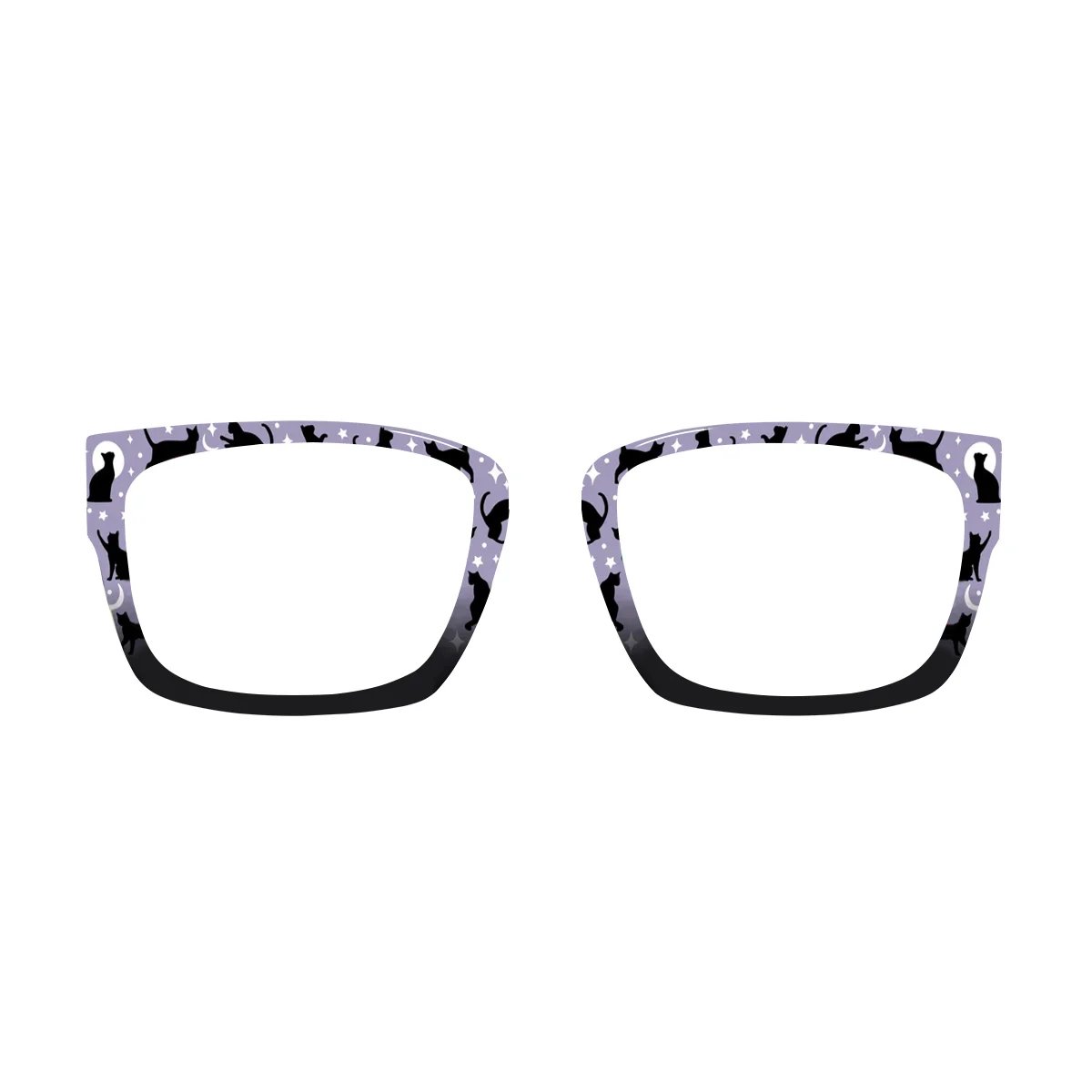
- Bone Rattle (PH01)
- Haunted Plaid (PH02)
- Pumpkin King (PH03)
- Night Sky Bat (PH04)
- Pumpkin Parade (PH05)
- Spooky Duo (PH06)
- Witch’s Cat (PH07)
- Mint Ghost (PH08)
- Dark Spell (PH09)
- Midnight Meow (PH10)
- Ghost Mosaic (PH11)
- Skull Storm (PH13)
- Wicked Glow (PH14)
- Haunted Gray (PH15)
- Phantom Mosaic (PH16)
- Midnight Dots (PH17)
- Haunted Medley (PH18)
- Nightmare Mix (PH19)
- Ghost Fade (PH20)
- Candy Curse (PH26)
- Ghost Drift (PH21)
- Pumpkin Fusion (PH22)
- Shadow Spirit (PH23)
- Spooky Toon (PH24)
- Demon Grin (PH25)
- Autumn Bloom (PH27)


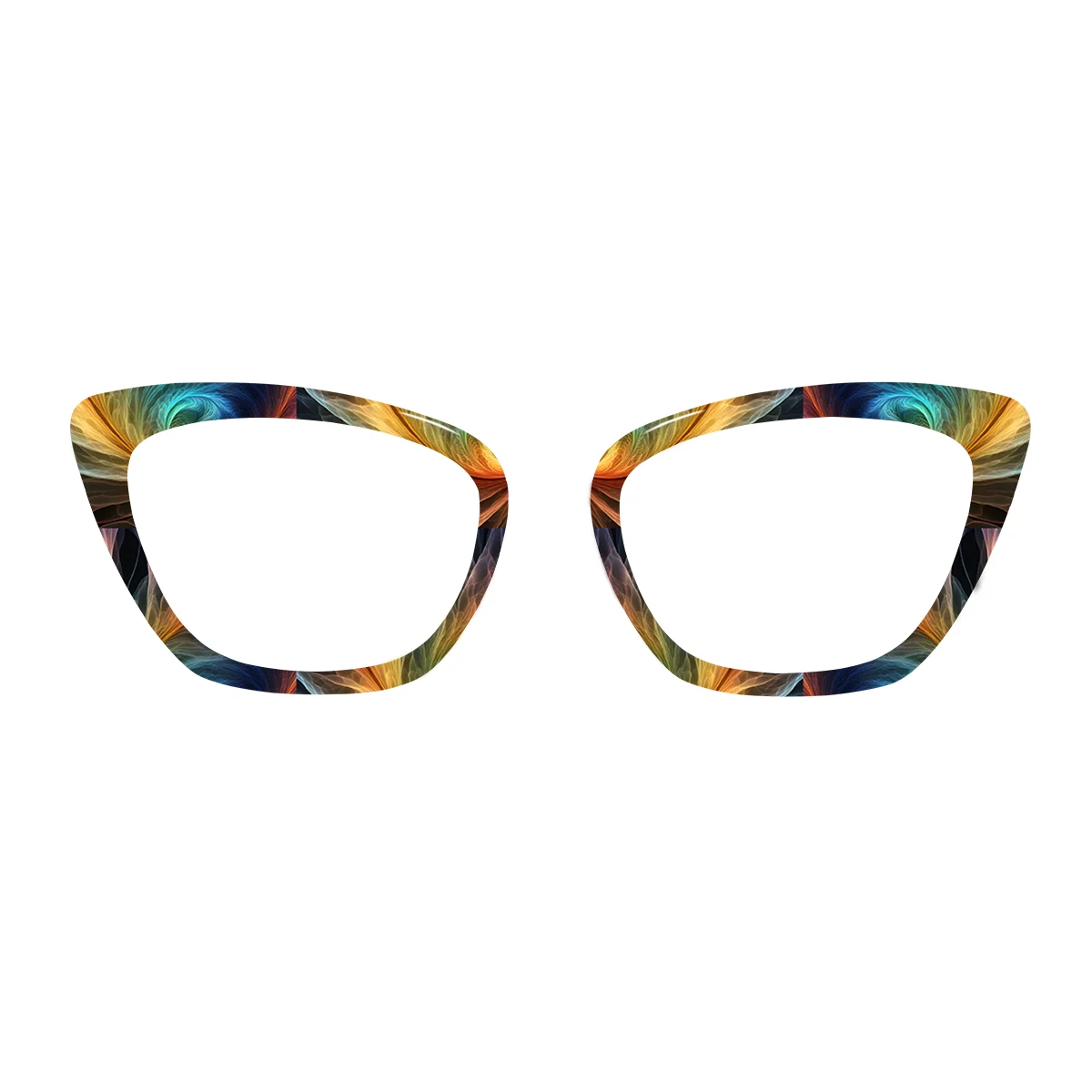
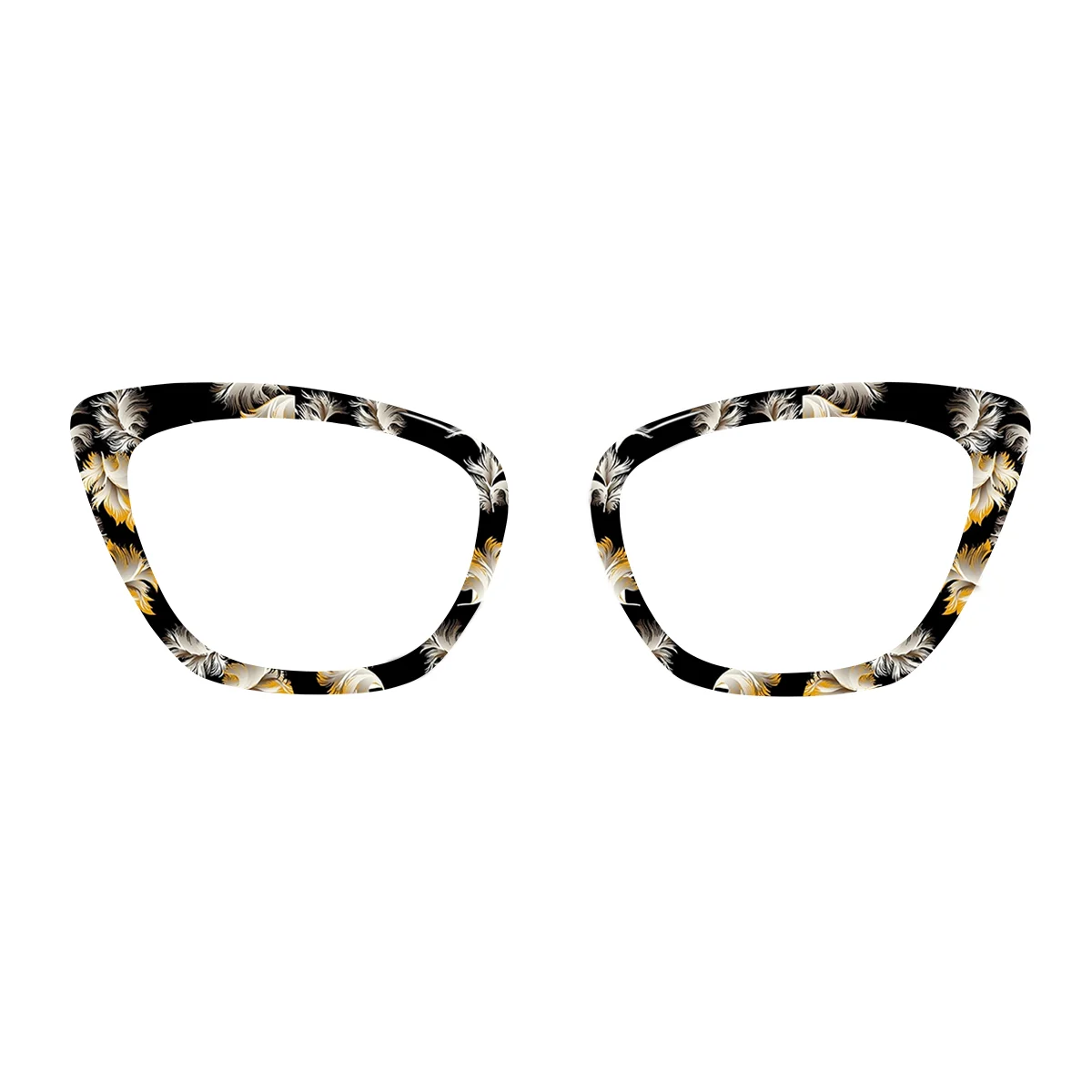
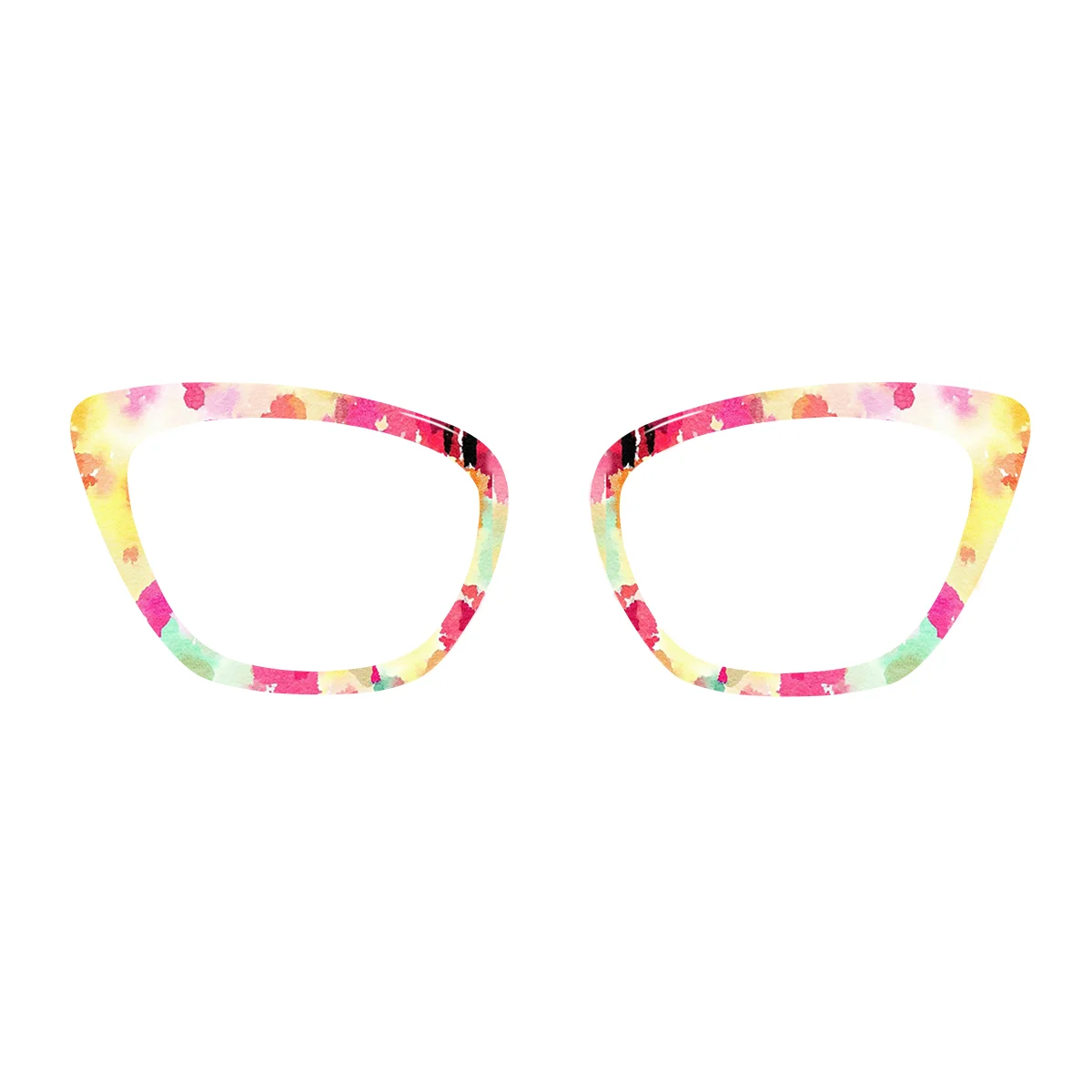
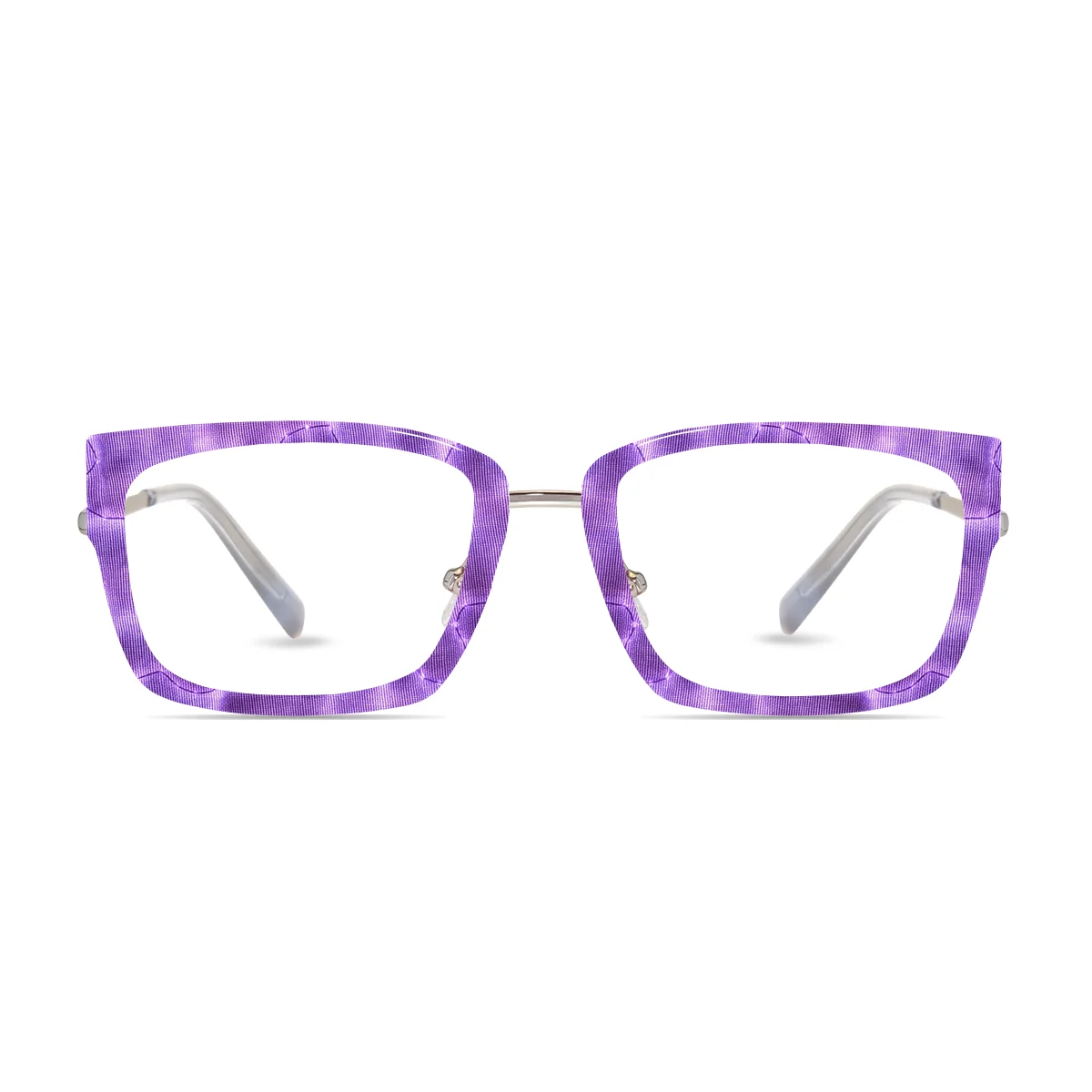
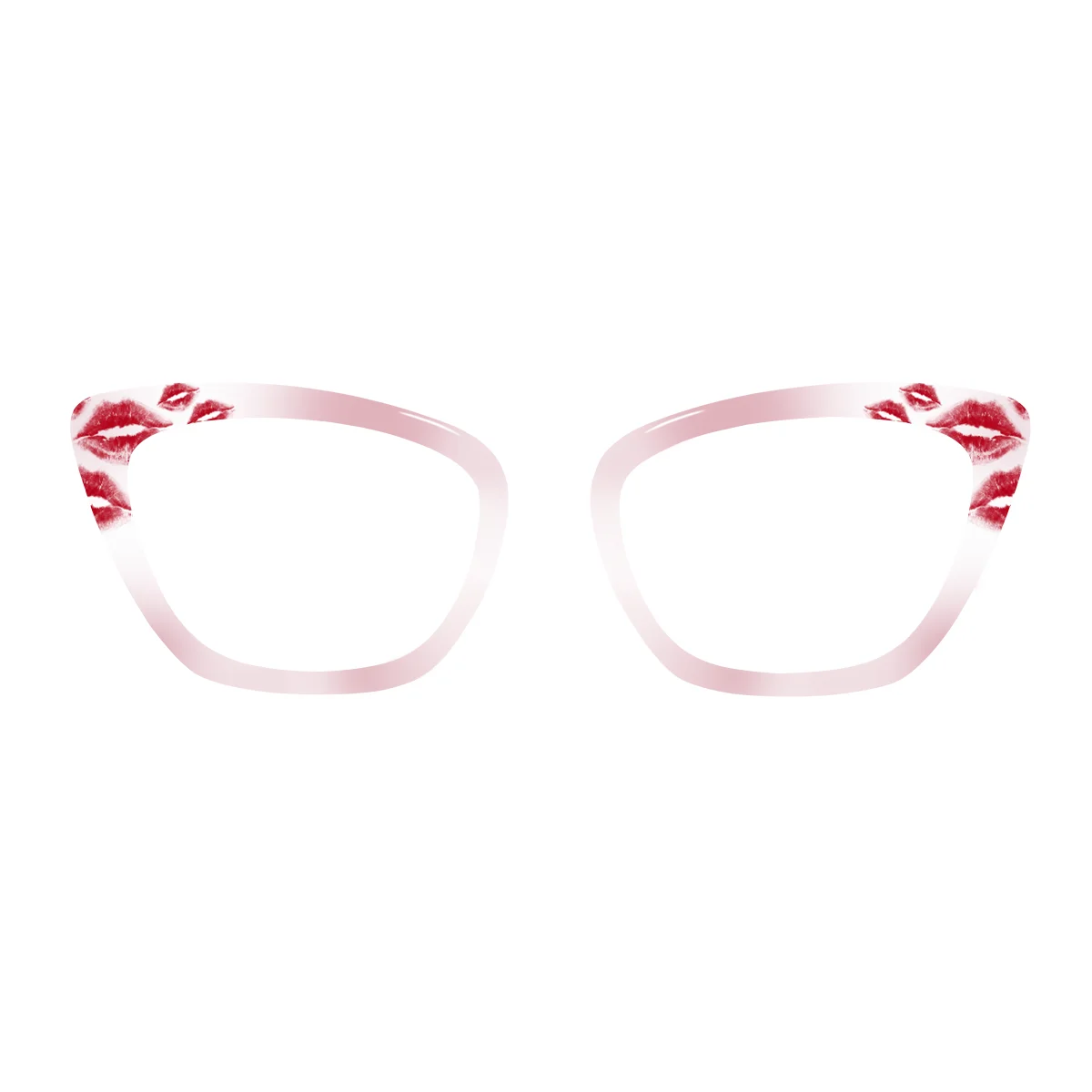
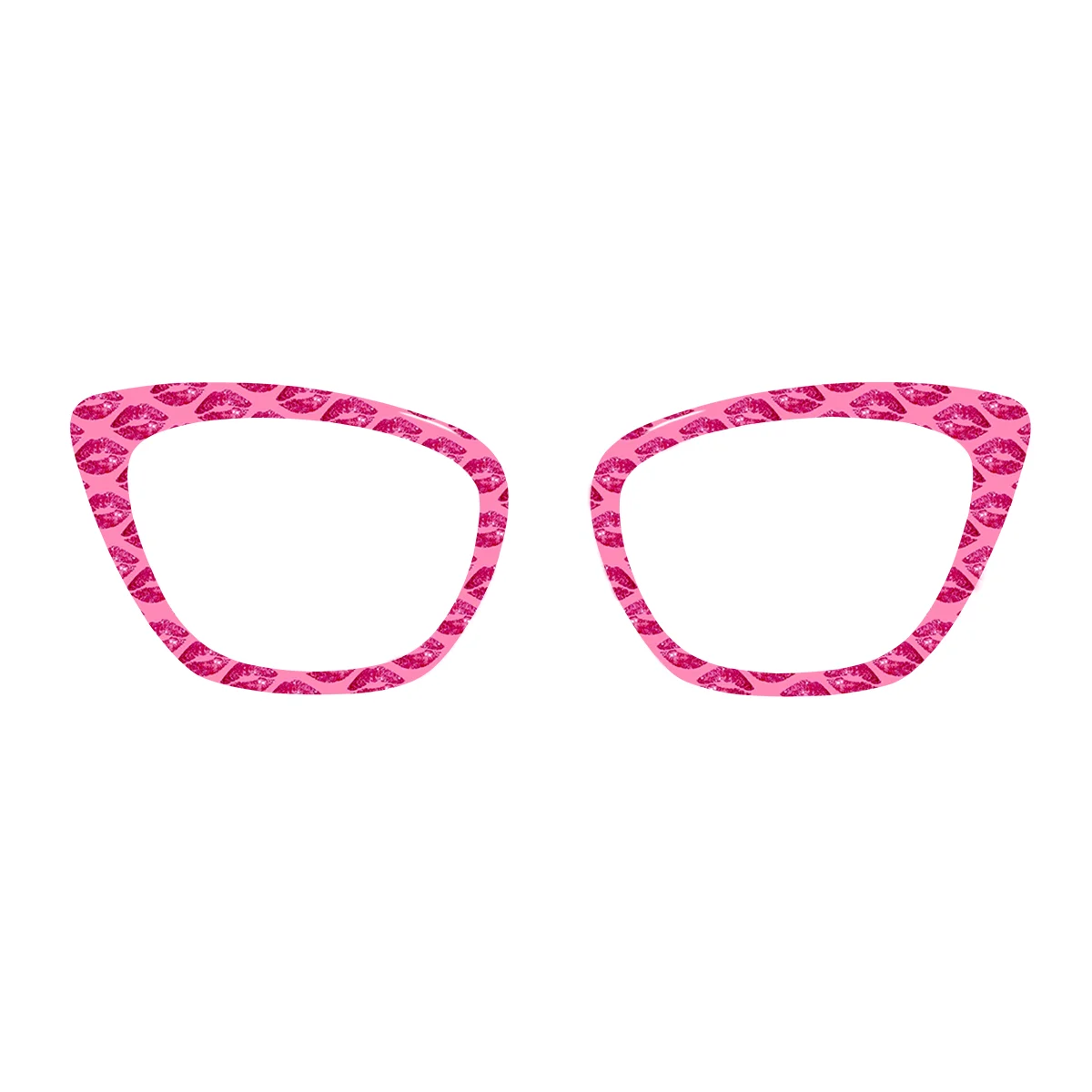
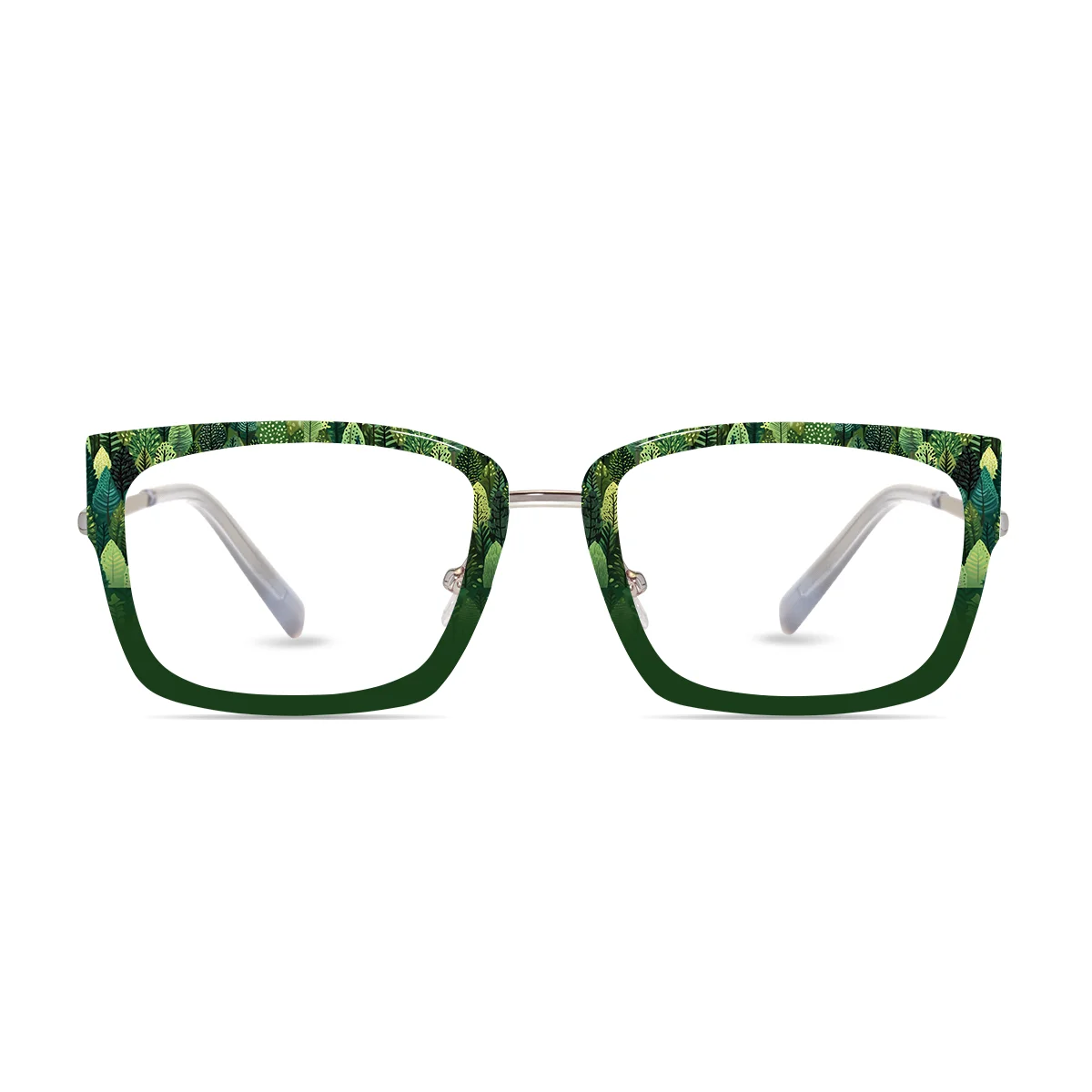




- Burgundy – Crystal (C01)
- Red – Crystal(C02)
- Burnt Orange – Crystal(C03)
- Marmalade – Crystal(C04)
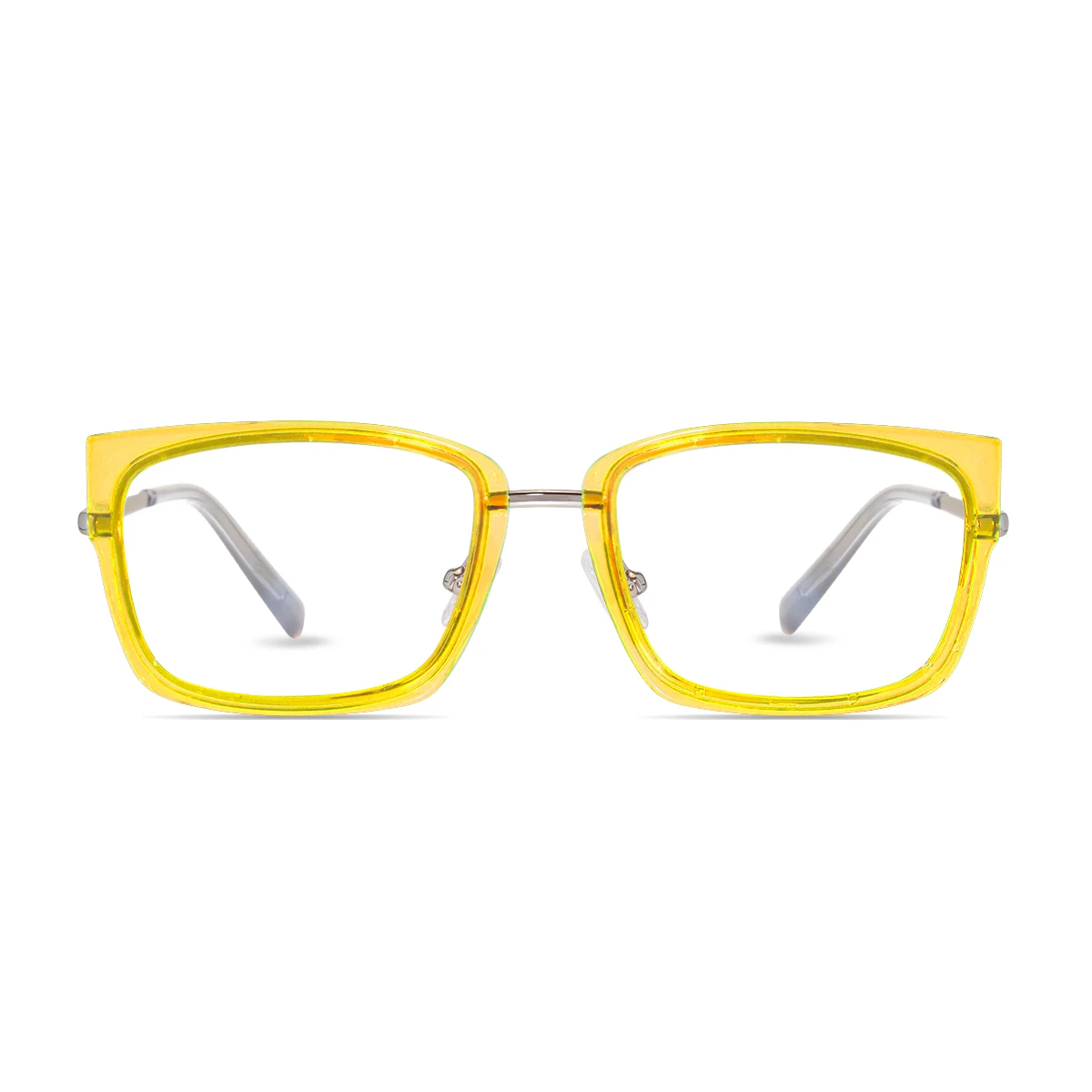
- Sunshine Yellow – Crystal(C05)
- Lime Green – Crystal(C06)
- Sage – Crystal(C08)
- Green Forest – Crystal(C07)
- Army Green – Crystal(C09)
- Spruce – Crystal(C10)
- Turquiise – Crystal(C11)
- Cornflower– Crystal(C12)
- Navy – Crystal(C13)
- Indigo – Crystal(C14)
- Blue Orchid – Crystal(C15)
- Mauve – Crystal(C16)
- Lavender – Crystal(C21)
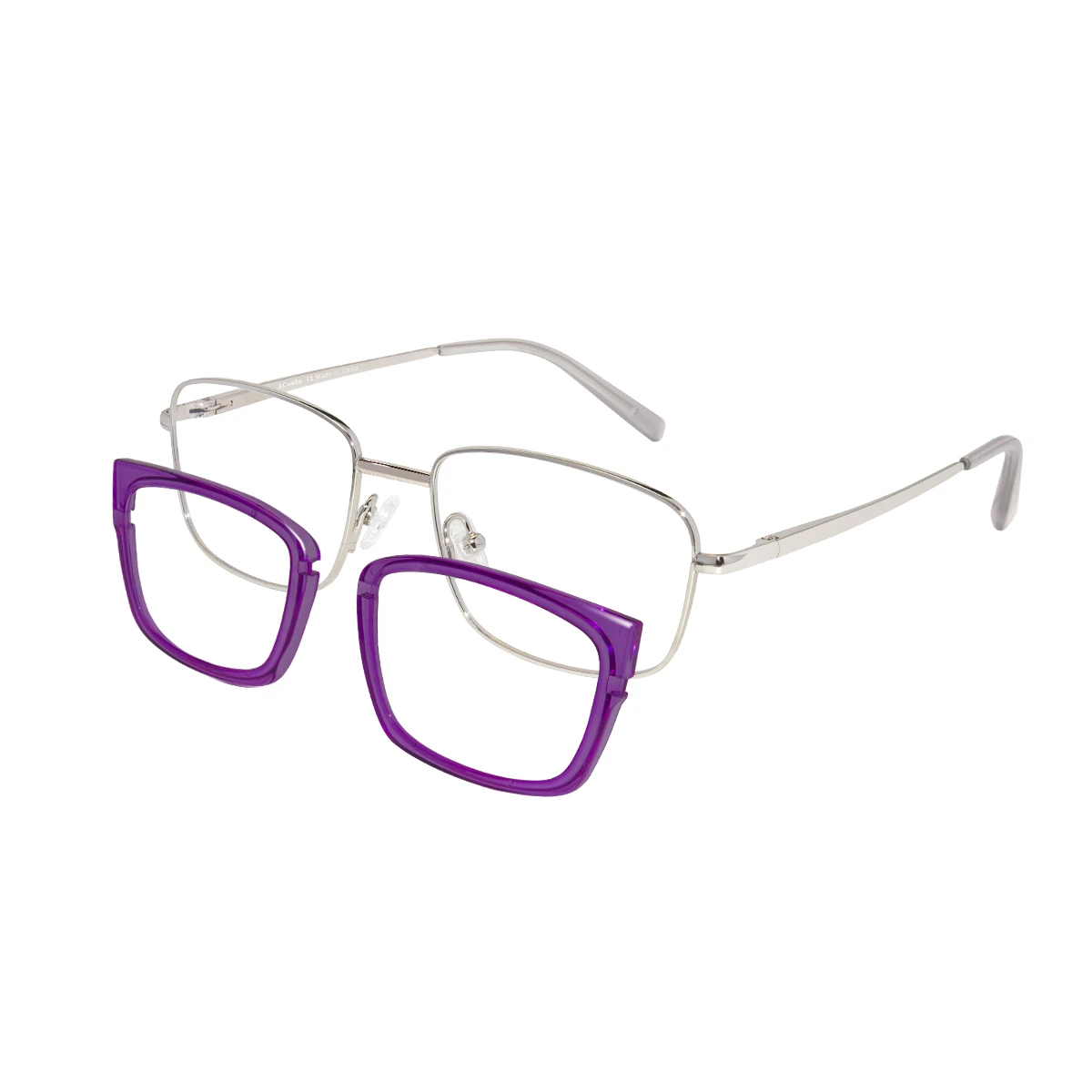
- Purple – Crystal(C17)
- Grape – Crystal(C18)
- Coral – Crystal(C19)
- Hot Pink – Crystal(C20)
- Chocolate – Crystal(C22)



How to Clean Your Eyeglasses the Right Way: 5 Simple Steps to Say Goodbye to Scratches
Eyeglasses are an essential part of daily life for millions of people. Whether you rely on them for vision correction, blue light...
How to Install and Remove the Top Frame
How to Install the top frames?Step 1: Check the left and right Top Frames.Step 2: Press the first notch onto the bridge...
How Custom Eyeglass Frames Balance Your Facial Features: The Science and Style Behind the Perfect Fit
Eyeglasses are no longer just tools for correcting vision. Today, they are among the most powerful personal style elements a person can...
Are Anti-Reflective Glasses Worth It?
When choosing new glasses, ensuring the correct lens prescription and a frame that complements your face is essential. Beyond these basics, additional...
How Custom Frame Colors Shape Your Professional Presence: The Psychology and Strategy Behind Eyewear Material Choices
In modern workplaces, personal presentation extends far beyond clothing. Accessories once considered purely functional now carry powerful visual signals that influence perception,...
Modular Glasses vs Traditional Glasses
A Deep, Real-World Test of Pros, Cons, and Everyday PerformanceFor a long time, glasses were simple:You chose a pair.You wore them everywhere.That...
Why Your Glasses Keep Getting Looser Over Time: How Improper Handling Causes Hidden Structural Damage
Glasses are designed to be durable, precise, and comfortable. Yet many people notice the same frustrating pattern: a new pair fits perfectly...
The Balance of Lightness and Strength: The Wearing Aesthetics of Mechanical Clip Eyewear
Eyewear has always lived at the intersection of function and expression. For centuries, glasses were designed primarily to correct vision, with aesthetics...
Do Titanium Eyeglass Frames Experience “Fatigue”? Three Key Ways to Extend the Lifespan of High-Strength Metal Frames
Titanium eyeglass frames have earned a reputation for being nearly indestructible. Lightweight yet strong, corrosion-resistant yet flexible, they are often marketed as...
Are Pink Glasses in Style?
Pink glasses are a timeless symbol of charm and personality. They evoke feelings of compassion, love, and hope, making them a popular...
Office Blue Light Protection, Outdoor UV Defense The Functional Logic Behind Modular Combination Glasses
We spend hours staring at digital screens in offices, homes, and cafés. Then we step outside into intense sunlight, exposed to ultraviolet...
The Hidden Secret of Custom Temple Length: Why Biometric Measurement Is the Only Real Solution to Ear Pain From Glasses
For millions of eyeglass wearers, discomfort behind the ears is treated as an unavoidable part of daily life. Red pressure marks, soreness...