

How to Choose the Best VLT for Ski Goggles
Ever noticed how the world looks different through ski goggles? That's all thanks to VLT, or Visible Light Transmission. Think of it as sunglasses for the snow; it determines how much light reaches your eyes. The right VLT ensures you're not squinting in bright sun or struggling to see on cloudy days. Let’s dive into why VLT matters, how to select the right one for any weather, and tips to maintain your ski goggles.
What Is VLT in Ski Goggles?
Understanding VLT
VLT, or Visible Light Transmission, measures the percentage of visible light that passes through your goggles’ lens. For example:
- Low VLT (5-20%): Allows less light through, ideal for sunny days.
- High VLT (50-90%): Allows more light through, perfect for cloudy or overcast weather.
Manufacturers measure VLT with precision tools, helping categorize lenses to suit different light conditions.
Why Does VLT Matter?
Benefits of the Right VLT
- Clear Vision: Improves contrast and depth perception, crucial for avoiding obstacles.
- Reduces Eye Strain: Prevents fatigue, allowing you to ski longer without discomfort.
- Adaptable to Weather: Prepares you for sudden changes, like fog or bright sunlight.
- Enhanced Safety: Clearer vision helps make quick decisions, reducing accidents.
Different Weather Conditions and VLT
- Sunny Days: Bright sunlight can be blinding; low VLT lenses filter out the excess light.
- Cloudy Days: High VLT lenses brighten your view, making it easier to navigate.
- Variable Light: Photochromic lenses adapt dynamically to changing light conditions.
How to Choose the Right VLT for Ski Goggles
Match VLT to Weather Conditions
- Sunny Weather: Choose goggles with 10-20% VLT and dark tints like black or gray.
- Cloudy or Foggy Days: Opt for 60-90% VLT with lighter tints such as yellow or amber.
- Mixed Weather: A 30-50% VLT lens strikes a balance for variable conditions.
- Frequent Light Changes: Photochromic lenses automatically adjust to light changes.
| Weather Condition | VLT Range | Recommended Tint |
|---|---|---|
| Bright, Sunny Days | 10-20% | Black, Gray, Mirrored |
| Cloudy, Snowy Weather | 60-90% | Yellow, Amber, Gold |
| Variable Conditions | 30-50% | Red, Green, Blue |
| Changing Light | Photochromic | Adapts Automatically |
Types of VLT Ski Goggles
Lens Options for Every Condition
- Low VLT (0-20%): Best for bright sunlight with dark tints or mirrored finishes.
- Medium VLT (21-50%): Versatile for both sunny and cloudy days; common colors include red and blue.
- High VLT (51-80%): Ideal for overcast weather with lighter shades like yellow or pink.
- Very High VLT (81-100%): Clear lenses for low-light or nighttime skiing.
- Photochromic Lenses: Adaptive lenses that adjust based on the surrounding light.
Tips to Maintain Your Ski Goggles
Easy Maintenance Practices
- Proper Storage: Use a soft pouch to protect lenses from scratches.
- Gentle Cleaning: Wipe with a microfiber cloth; avoid harsh chemicals.
- Drying: Let goggles air dry completely before storing.
- Avoid Heat: Don’t use radiators or hair dryers; heat can warp the lenses.
- Protect the Inner Lens: Avoid touching or cleaning the inside, as it may damage the anti-fog coating.
- Cool Storage: Store in a cool, dry place away from sunlight.
Final Thoughts: Select Your Perfect VLT Ski Goggles
Choosing the right VLT is as simple as matching it to the weather. Use low VLT lenses for sunny conditions and high VLT ones for cloudy days. For all-weather convenience, photochromic lenses are your best bet. Take care of your goggles, and they’ll take care of your vision, letting you enjoy the slopes safely and comfortably season after season!
Share this post





- Bone Rattle (PH01)
- Haunted Plaid (PH02)
- Pumpkin King (PH03)
- Night Sky Bat (PH04)
- Pumpkin Parade (PH05)
- Spooky Duo (PH06)
- Witch’s Cat (PH07)
- Mint Ghost (PH08)
- Dark Spell (PH09)
- Midnight Meow (PH10)
- Ghost Mosaic (PH11)
- Skull Storm (PH13)
- Wicked Glow (PH14)
- Haunted Gray (PH15)
- Phantom Mosaic (PH16)
- Midnight Dots (PH17)
- Haunted Medley (PH18)
- Nightmare Mix (PH19)
- Ghost Fade (PH20)
- Candy Curse (PH26)
- Ghost Drift (PH21)
- Pumpkin Fusion (PH22)
- Shadow Spirit (PH23)
- Spooky Toon (PH24)
- Demon Grin (PH25)
- Autumn Bloom (PH27)



- Deep Burgundy - Solid (S01)
- Red - Solid (S02)
- Burnt Orange - Solid (S03)
- Marmalade - Solid (S04)
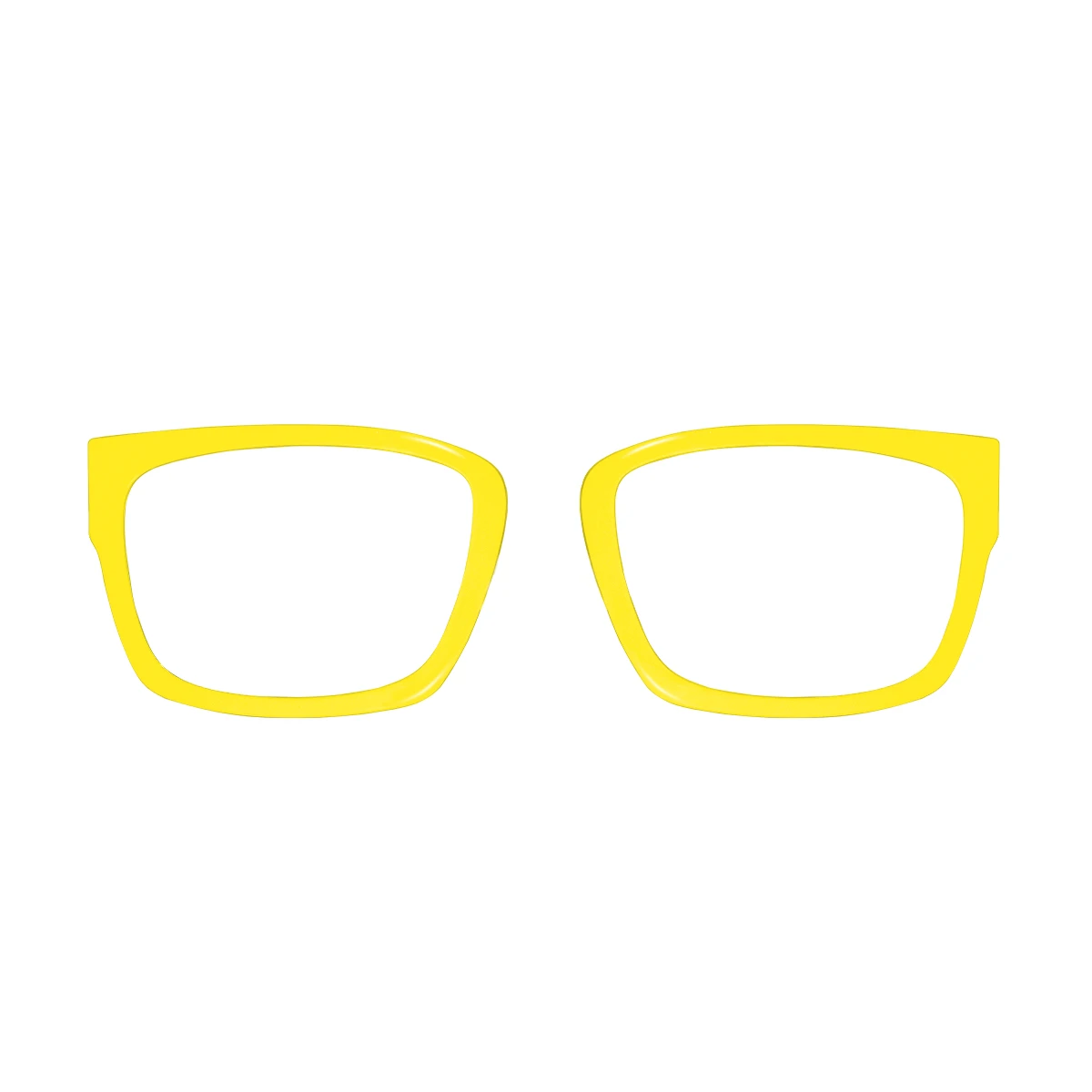
- Sunshine Yellow - Solid (S05)
- Lime Green - Solid (S06)
- Green Forest - Solid (S07)
- Sage - Solid (S08)
- Army Green - Solid (S09)
- Spruce - Solid (S10)
- Turquiise - Solid (S11)
- Cornflower blue - Solid (S12)
- Navy - Solid (S13)
- Indigo - Solid (S14)
- Blue Orchid - Solid (S15)
- Lavender - Solid (S21)
- Mauve - Solid (S16)
- Purple - Solid (S17)
- Grape - Solid (S18)
- Warm Coral - Solid (S19)
- Hot Pink - Solid (S20)
- Chocolate - Solid (S22)
- Black – Solid (S23)
- White - Solid (S24)
Plastic vs. Polycarbonate Lenses: Which One is Right for You?
Choosing the right lenses for your eyeglasses is just as important as selecting the perfect frames. While your eye doctor determines the...
The Zero-Gravity Vision: How Material Science Makes Custom Frames Lighter Than a Sheet of Paper
In the world of high-end optics, there is a "Sound Barrier" that designers have been trying to break for decades. It is...
DIY Your Signature Custom Eyewear: The Hottest Global Mix-and-Match Modular Glasses Trends
Sunglass tintColored fashion overlayBlue-light filterMirrored finishPatterned decorative layerThese allow instant visual transformation.Interchangeable LensesAdvanced systems allow users to swap lenses for different purposes:Prescription...
Goodbye to “Magnetic Slip-Off”: Why Clip-Lock Eyewear Frames Outperform Magnetic Frames in Dynamic Lifestyles
In today’s fast-moving world, eyewear isn’t just a vision tool — it’s performance gear. Whether you’re commuting through crowded subway platforms, chasing...
Dish Soap or Hand Soap? Choosing the Right Neutral Cleaner to Protect Your Blue-Light Blocking Lens Coating
Modern eyewear does far more than improve vision. Today’s lenses often include advanced coatings designed to reduce glare, resist scratches, repel water,...
The Art of Weight Distribution: Why Balance Matters More Than Absolute Weight in Custom Eyewear
When people shop for eyeglasses, one question dominates the conversation:“How much do they weigh?”It sounds logical. Lighter must mean more comfortable —...
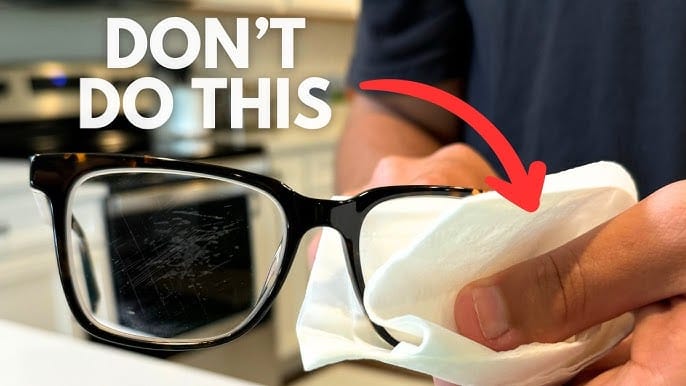
How to Clean Your Eyeglasses the Right Way: 5 Simple Steps to Say Goodbye to Scratches
Eyeglasses are an essential part of daily life for millions of people. Whether you rely on them for vision correction, blue light...
Eyewear as a Power Accessory: Why CEOs Are Turning to Custom Optical Products
In boardrooms, investor meetings, keynote stages, and high-stakes negotiations, every detail communicates something long before words are spoken. Leadership presence is not...
The “Invisible” Companion in Daily Life: My 30-Day Journey from Ready-Made Glasses to Custom Eyewear
There are some things in life you don’t notice—until they change.For years, my glasses were just… there. I wore ready-made frames from...
The Anti-Slip Revolution: A Tech-Focused Guide to Maintaining Low Bridge Eyewear
If you have a lower nasal bridge—a common facial feature for many of Asian, African, or Mediterranean descent—you know the "Eyewear Struggle."...
The Blueprint of the Future: If You Could Design a Modular "Combo" Frame, What Features Would You Demand?
We’ve all had that moment of frustration with our eyewear. You’re driving into a blinding sunset, and you realize your sunglasses are...
The Steam Trap: The Scientific Reason Why Your Shower is Killing Your Custom Lenses
We’ve all done it. You’re in a rush, you’re hopping in the shower, and you keep your glasses on—perhaps to see which...