


How Custom Frame Height Can Perfectly Balance Your Midface Proportions: The Ultimate Guide to Eyewear Geometry and Facial Harmony
Eyeglasses are often chosen for vision correction or style, but few people realize that frames are also powerful tools of facial architecture. When properly customized, eyewear can subtly reshape visual proportions, balance facial features, and enhance overall harmony.
One of the most overlooked yet transformative elements in custom eyewear design is frame height — the vertical dimension of a frame lens. Adjusting frame height strategically can visually shorten or lengthen the midface, refine proportions, and create a more balanced appearance without makeup, hairstyles, or cosmetic procedures.
This guide explores how customizing frame height helps refine midface length, why facial proportion matters in perception, and how to choose the ideal configuration for your face shape, lifestyle, and professional image.
Understanding the Midface: What Is the “Midface Length”?
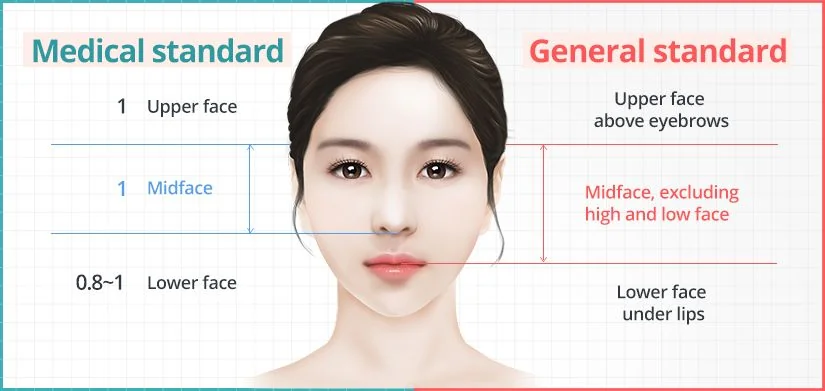
In facial aesthetics, the face is commonly divided into three vertical zones:
- Upper third — hairline to eyebrows
- Middle third (midface) — eyebrows to base of the nose
- Lower third — base of nose to chin
The midface plays a crucial role in perceived balance because it sits at the visual center of facial recognition.
A longer midface may create impressions such as:
- Mature appearance
- Serious expression
- Reduced facial compactness
A shorter midface often appears:
- Youthful
- Energetic
- Balanced
Eyewear sits directly across this middle region, making frame height uniquely capable of influencing how proportions are perceived.
Why Frame Height Matters More Than Frame Width
Most buyers focus on frame width, but vertical dimensions affect facial perception more strongly.
Frame height determines:
- How much vertical facial space is visually occupied
- Eye positioning relative to facial thirds
- Shadow distribution on cheeks
- Balance between upper and lower facial zones
Because human perception reads faces holistically, even small vertical adjustments can dramatically alter appearance.
The Optical Illusion Principle Behind Frame Height
Eyewear modifies facial proportions through visual interruption.
When a frame occupies vertical space:
- The brain interprets that area as visually “compressed.”
- Adjacent areas appear proportionally shorter or longer.
This effect works similarly to architectural design — horizontal elements can visually widen spaces, while vertical elements elongate them.
Frames act as a structural boundary across the midface.
Long Midface vs Short Midface: Identifying Your Starting Point
Before customizing frame height, identify your natural proportions.
Signs of a Longer Midface
- Larger distance between eyes and upper lip
- Nose appears longer relative to forehead
- Glasses sit lower naturally
- Face may look elongated in photos
Signs of a Shorter Midface
- Compact central facial area
- Eyes appear closer to mouth region
- Fuller cheek appearance
- Youthful facial impression
Customization goals differ depending on which category you fall into.
How Taller Frames Shorten the Appearance of the Midface
For individuals with longer midfaces, increasing frame height can create visual balance.
Why It Works
A taller frame:
- Occupies more vertical space
- Raises visual attention toward the eyes
- Reduces exposed midface area
- Creates proportional compression
The brain interprets less visible skin area as reduced facial length.
Ideal Features
- Deep lens shapes
- Slightly oversized proportions
- Soft lower lens curves
- Higher lens depth measurements
These elements collectively shorten perceived facial distance.
How Shorter Frames Lengthen the Midface
Conversely, people with compact faces may benefit from shallower frame heights.
Shorter frames:
- Expose more midface area
- Increase perceived vertical openness
- Create elegance and elongation
This approach works well for round or shorter facial structures.
The Role of Lens Depth Measurement
Frame height is often listed as lens depth in millimeters.
Typical ranges include:
- 28–32 mm: shallow frames
- 33–38 mm: medium height
- 39–48 mm: tall frames
Even a 3–5 mm difference can significantly change facial perception.
Custom eyewear allows adjustments beyond standard retail sizing.
Eye Positioning: The Hidden Factor
Where your eyes sit inside the frame strongly influences results.
Ideal positioning places eyes slightly above the vertical center of the lens.
For midface balancing:
- Higher eye placement shortens perceived midface.
- Lower eye placement lengthens it.
Opticians adjust nose pads and bridge height to fine-tune this alignment.
Bridge Design and Frame Height Interaction
Frame height does not operate alone.
Bridge structure determines how high or low frames rest on the face.
Key bridge types:
- Keyhole bridges (raise frame slightly)
- Adjustable nose pads (precision positioning)
- Saddle bridges (stable but fixed height)
Combining correct bridge design with customized height maximizes proportional correction.
Frame Shape and Vertical Illusion
Shape influences how height is perceived.
Shapes That Shorten Midface
- Square frames
- Rounded rectangles
- Oversized soft squares
These distribute visual weight evenly.
Shapes That Lengthen Midface
- Narrow rectangles
- Slim ovals
- Low-profile rimless designs
These emphasize horizontal lines.
Color and Thickness Amplify Height Effects
Frame color changes visual density.
Darker colors:
- Increase visual weight
- Strengthen shortening effect
Transparent colors:
- Reduce perceived size
- Soften structural impact
Thicker rims also enhance vertical presence compared to thin metal frames.
Hairstyles and Frame Height Synergy
Hair volume above or beside the face alters proportional perception.
Tall frames pair well with:
- Medium-volume hairstyles
- Balanced forehead exposure
- Layered cuts
Avoid excessive top volume when attempting to shorten a long midface, as it may counteract the effect.
Professional Image Considerations
Frame height subtly influences workplace perception.
Taller Frames Communicate
- Confidence
- Approachability
- Creative energy
Shorter Frames Communicate
- Precision
- Formality
- Minimalism
Choosing based on professional environment enhances authenticity.
Progressive Lenses and Functional Height Requirements
Customization must also consider vision needs.
Progressive lenses require adequate vertical space for:
- Distance vision
- Intermediate zone
- Reading area
Taller frames often improve usability and comfort for multifocal wearers while simultaneously balancing facial proportions.
Gender-Neutral Design Trends
Modern eyewear increasingly favors balanced proportions rather than exaggerated extremes.
Medium-to-tall frames with softened geometry work across diverse style identities and face types.
Customization allows subtle tailoring without dramatic visual statements.
Lighting and Photography Effects
Camera lenses flatten depth and elongate features slightly.
Taller frames help counteract this effect during:
- Video calls
- Portrait photography
- Professional headshots
This explains why certain frames look better on camera than in mirrors.
Common Mistakes When Choosing Frame Height
Choosing Based Only on Fashion Trends
Trend-driven shapes may conflict with facial structure.
Ignoring Vertical Measurements
Many buyers never check lens depth specifications.
Overcorrecting
Extremely tall frames can overwhelm delicate features.
Balance remains essential.
The Custom Fitting Process
Professional customization typically includes:
- Facial proportion analysis
- Measurement of midface length
- Eye alignment testing
- Frame prototype fitting
- Micro-adjustments of height placement
The goal is harmony rather than transformation.
Psychological Benefits of Proportional Balance
When facial proportions feel balanced, wearers often experience:
- Increased confidence
- Reduced self-consciousness
- Improved posture
- More natural expressions
Subtle visual harmony influences emotional comfort.
Future Innovations in Custom Frame Geometry
Emerging technologies include:
- 3D facial mapping
- AI proportion simulations
- Parametric frame design
- On-demand acetate shaping
These tools allow frame height to be engineered with unprecedented precision.
Practical Checklist for Choosing the Right Frame Height
Ask yourself:
- Does my midface appear long or compact?
- Where do my eyes sit inside the frame?
- Do I need progressive lenses?
- How does the frame look on camera?
- Does the frame visually balance my cheeks and nose?
Testing frames under natural lighting provides the most reliable evaluation.
Final Thoughts: Small Measurements, Big Transformation
Frame height may seem like a minor specification on a sizing chart, yet it is one of the most powerful tools in custom eyewear design. By strategically adjusting vertical proportions, glasses can reshape facial balance, refine personal image, and enhance confidence without altering natural features.
The beauty of customization lies in subtlety. Perfectly chosen frame height doesn’t draw attention to itself — it simply makes everything look right.
When eyewear aligns with facial geometry, the result feels effortless. Your face appears balanced, expressions feel natural, and your overall presence becomes more harmonious.
In the end, the best glasses do more than help you see clearly — they help others see you at your best.
Share this post








Living a Multifaceted Life: How Custom Modular Eyewear Defines Your Personal Identity
Yet for years, eyewear has tried to force all these identities into one fixed frame.In a world where people change roles, moods,...
The Secret Weapon for Sculpting Your Face: How to Customize Eyewear Based on Your Cheekbones and Brow Shape
When it comes to elevating your appearance, most people think about hairstyles, makeup, or wardrobe upgrades. But there’s one transformative accessory that...
How Mechanical Clip Systems Make Quick Temple Replacement Possible: The Future of Modular Eyewear Design
Eyewear has evolved far beyond simple vision correction. Today, glasses are fashion statements, performance tools, and everyday essentials that must adapt to...
Why Your Glasses Keep Getting Looser Over Time: How Improper Handling Causes Hidden Structural Damage
Glasses are designed to be durable, precise, and comfortable. Yet many people notice the same frustrating pattern: a new pair fits perfectly...
Are Pink Glasses in Style?
Pink glasses are a timeless symbol of charm and personality. They evoke feelings of compassion, love, and hope, making them a popular...
One-Second Color Switch
How to Match Your Glasses Frame to Today’s Outfit—EffortlesslyLet’s be honest.You don’t wear the same outfit every day.Some days it’s clean and...