



How 3D Printing Makes Impossible Shapes Possible: Unlocking Complex Structures Beyond Traditional Craftsmanship
For centuries, manufacturing and craftsmanship have been limited by the physical constraints of tools, materials, and human hands. Traditional fabrication methods — carving, molding, machining, casting, and assembling — shaped the world as we know it, but they also imposed strict geometric limitations.
Today, 3D printing technology, also known as additive manufacturing, is redefining what can be built. Engineers, designers, architects, medical innovators, and artists are now creating structures that were once considered impossible to manufacture using conventional techniques.
From organic lattice interiors to hollow moving mechanisms printed in a single piece, 3D printing enables forms that traditional craftsmanship simply cannot achieve.
This comprehensive guide explores how 3D printing makes complex irregular structures possible, why traditional methods struggle with these designs, and how additive manufacturing is transforming modern product design and engineering.
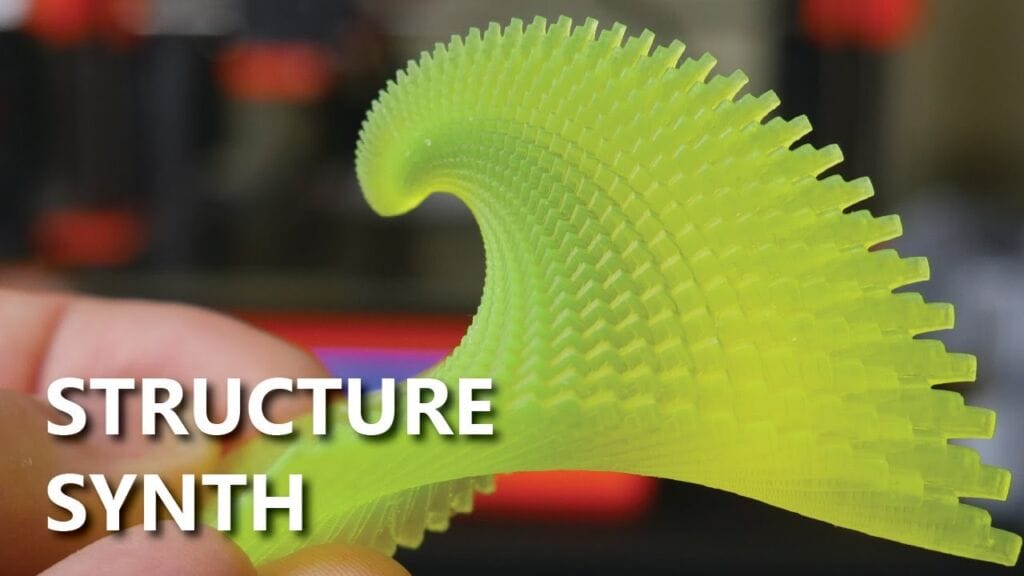
The Fundamental Limitation of Traditional Manufacturing
Traditional manufacturing is largely subtractive or formative.
Common processes include:
- Cutting material away (CNC machining)
- Shaping material using molds
- Joining separate parts through assembly
- Carving or sculpting by hand
Each approach introduces constraints.
Tool Accessibility
Machines and tools must physically reach the surface being shaped. Internal cavities, enclosed channels, and undercuts are difficult or impossible to access.
Assembly Requirements
Complex products often require multiple components assembled together, increasing:
- Labor costs
- Structural weaknesses
- Alignment errors
- Failure points
Geometry Restrictions
Traditional fabrication favors simple geometries:
- Flat surfaces
- Cylinders
- Symmetrical forms
- Linear structures
Irregular organic shapes are expensive or impractical.
The Additive Manufacturing Advantage
3D printing reverses the logic of manufacturing.
Instead of removing material, it builds objects layer by layer directly from digital models.
This fundamental shift removes many physical limitations.
Key advantages include:
- No tool access constraints
- Internal structures printed simultaneously
- Reduced need for assembly
- Design freedom limited mainly by imagination
Complexity becomes nearly free from a manufacturing perspective.
What Are “Irregular Structures”?
Irregular (or complex) structures refer to geometries that cannot be easily produced through traditional machining or molding.
Examples include:
- Internal lattice frameworks
- Organic biomorphic shapes
- Interlocking mechanisms
- Gradient-density materials
- Non-repeating patterns
- Curved internal channels
These designs often mimic natural systems such as bones, coral, or plant structures.
Why Traditional Craftsmanship Cannot Replicate These Forms
Even the most skilled artisans face mechanical limitations.
Internal Geometry Barriers
Hand tools cannot carve fully enclosed internal cavities without splitting objects apart.
Mold Removal Problems
Injection molding requires parts to be removed from molds. Undercuts or internal overhangs prevent extraction.
Assembly Complexity
Creating intricate internal features would require assembling dozens or hundreds of tiny components — often impractical or structurally weak.
3D printing eliminates these barriers by constructing geometry progressively.
Layer-by-Layer Construction: The Core Mechanism
Every 3D printed object begins as a digital 3D model.
The printer slices this model into hundreds or thousands of horizontal layers.
Each layer is deposited sequentially using materials such as:
- Thermoplastics
- Photopolymer resins
- Metal powders
- Nylon composites
- Carbon-fiber reinforced filaments
Because layers stack vertically, the printer can create structures unreachable by traditional tools.
Complex Internal Lattices: Strength Without Weight
One of the most revolutionary capabilities of 3D printing is lattice generation.
Instead of solid interiors, designers create repeating microstructures inside objects.
Benefits include:
- Significant weight reduction
- Enhanced shock absorption
- Improved energy distribution
- Material efficiency
Aerospace companies use lattice structures to produce lightweight yet strong components — something impossible with conventional machining.
Traditional drilling cannot create thousands of tiny interconnected internal cells.
Topology Optimization: Designing Like Nature
3D printing pairs naturally with computational design.
Topology optimization software analyzes forces acting on an object and removes unnecessary material automatically.
The result resembles natural bone structures:
- Material exists only where stress occurs.
- Organic branching forms emerge.
- Strength increases while weight decreases.
Such geometries are nearly impossible to manufacture manually.
Additive manufacturing makes them practical.
Printing Moving Parts in One Piece
Traditional manufacturing separates components before assembly.
3D printing allows fully functional mechanisms to be printed as a single object.
Examples include:
- Hinges
- Chains
- Ball joints
- Gear systems
- Flexible linkages
Clearances are digitally designed into models so parts move immediately after printing.
No assembly required.
This capability drastically reduces manufacturing complexity.
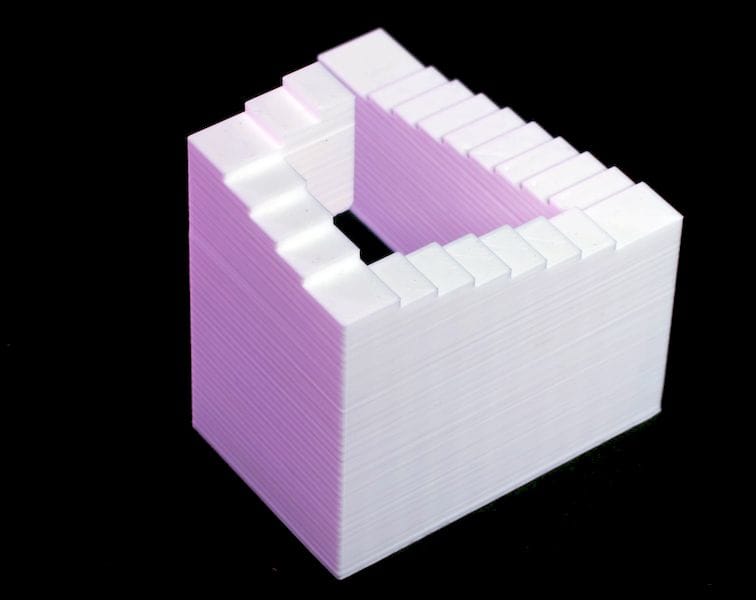
Internal Channels and Fluid Systems
Industries such as healthcare, automotive, and aerospace rely on fluid flow systems.
3D printing enables:
- Curved internal cooling channels
- Complex airflow pathways
- Embedded piping
- Heat exchanger geometries
Traditional drilling produces straight holes only.
Additive manufacturing creates winding channels optimized for efficiency.
This improves thermal performance in engines and electronics.
Multi-Material Printing and Gradient Structures
Advanced 3D printers can deposit multiple materials within a single object.
This allows gradient properties such as:
- Flexible exterior + rigid core
- Soft-touch surfaces
- Variable density zones
- Integrated seals
Traditional manufacturing would require separate materials bonded together.
3D printing merges them seamlessly.
Organic Aesthetic Freedom
Designers are no longer constrained by manufacturing limitations.
Products now feature:
- Fluid curves
- Parametric patterns
- Generative textures
- Biomimetic surfaces
Architectural models, fashion accessories, and eyewear increasingly embrace organic complexity made possible by additive manufacturing.
Customization Without Added Cost
In traditional manufacturing, customization increases expense due to tooling changes.
3D printing uses digital files instead of molds.
Changing shape requires only modifying software.
This enables:
- Personalized medical implants
- Custom footwear midsoles
- Tailored eyewear frames
- Ergonomic tools
Mass customization becomes economically viable.
Medical Breakthroughs Enabled by Complex Structures
Healthcare benefits enormously from irregular geometry printing.
Applications include:
- Patient-specific bone implants
- Porous structures encouraging tissue growth
- Surgical guides
- Dental aligners
Porous implants mimic natural bone density, improving biological integration.
Such structures cannot be carved traditionally.
Aerospace Innovation Through Geometry Freedom
Weight reduction is critical in aerospace engineering.
3D printed components achieve:
- Up to 50% weight savings
- Fewer assembled parts
- Improved fuel efficiency
- Reduced maintenance points
Complex internal reinforcement structures improve strength-to-weight ratios beyond conventional engineering limits.
Support Structures and Overhang Engineering
One technical challenge in 3D printing is supporting overhanging layers during construction.
Printers solve this through:
- Temporary support material
- Dissolvable scaffolds
- Optimized build orientation
Once printing finishes, supports are removed, revealing geometries otherwise impossible to fabricate.
Digital Design: The New Craftsmanship
While traditional craftsmanship emphasizes manual skill, additive manufacturing introduces digital craftsmanship.
Designers must understand:
- Material behavior
- Layer adhesion
- Stress distribution
- Print orientation
- Structural optimization
The artistry shifts from hand tools to computational creativity.
Limitations That Still Exist
Despite its advantages, 3D printing is not without challenges.
Current limitations include:
- Slower mass production speeds
- Surface finishing requirements
- Material constraints in some applications
- Post-processing needs
However, technological progress continues rapidly.
Sustainability Advantages of Additive Manufacturing
3D printing reduces waste compared to subtractive manufacturing.
Benefits include:
- Material used only where needed
- Localized production reducing shipping
- Lightweight designs lowering energy consumption
- Repairable modular components
Complex structures often require less raw material overall.
Industries Being Transformed by Complex Geometry Printing
Key sectors adopting irregular structure manufacturing include:
- Aerospace engineering
- Automotive design
- Medical technology
- Consumer electronics
- Architecture
- Fashion and wearable tech
- Robotics
Each industry benefits from geometry freedom previously unattainable.
The Future: Generative Design and AI Collaboration
The next evolution combines artificial intelligence with additive manufacturing.
AI algorithms can:
- Generate thousands of design variations
- Optimize structures automatically
- Predict performance outcomes
- Adapt designs for specific use cases
Human designers increasingly guide goals rather than manually shaping every detail.
When Traditional Craft Still Wins
Traditional craftsmanship remains valuable for:
- Large-scale mass production
- Certain material finishes
- High-speed manufacturing
- Artistic hand-crafted aesthetics
The future is not replacement but collaboration between methods.
Final Thoughts: From Manufacturing Limits to Design Freedom
3D printing represents a fundamental shift in how objects are conceived and created.
Instead of asking, “Can this be manufactured?” designers now ask, “What is the best possible structure?”
By removing geometric constraints, additive manufacturing allows engineers and creators to build forms inspired by nature, optimized by algorithms, and customized for individuals.
The result is a new era where complexity is no longer a problem to avoid — but a powerful advantage waiting to be explored.
As technology advances, structures once considered impossible will become everyday products, reshaping industries and redefining the boundaries between imagination and reality.
Share this post


Mira Classic Gold Cat Eye Base Frame
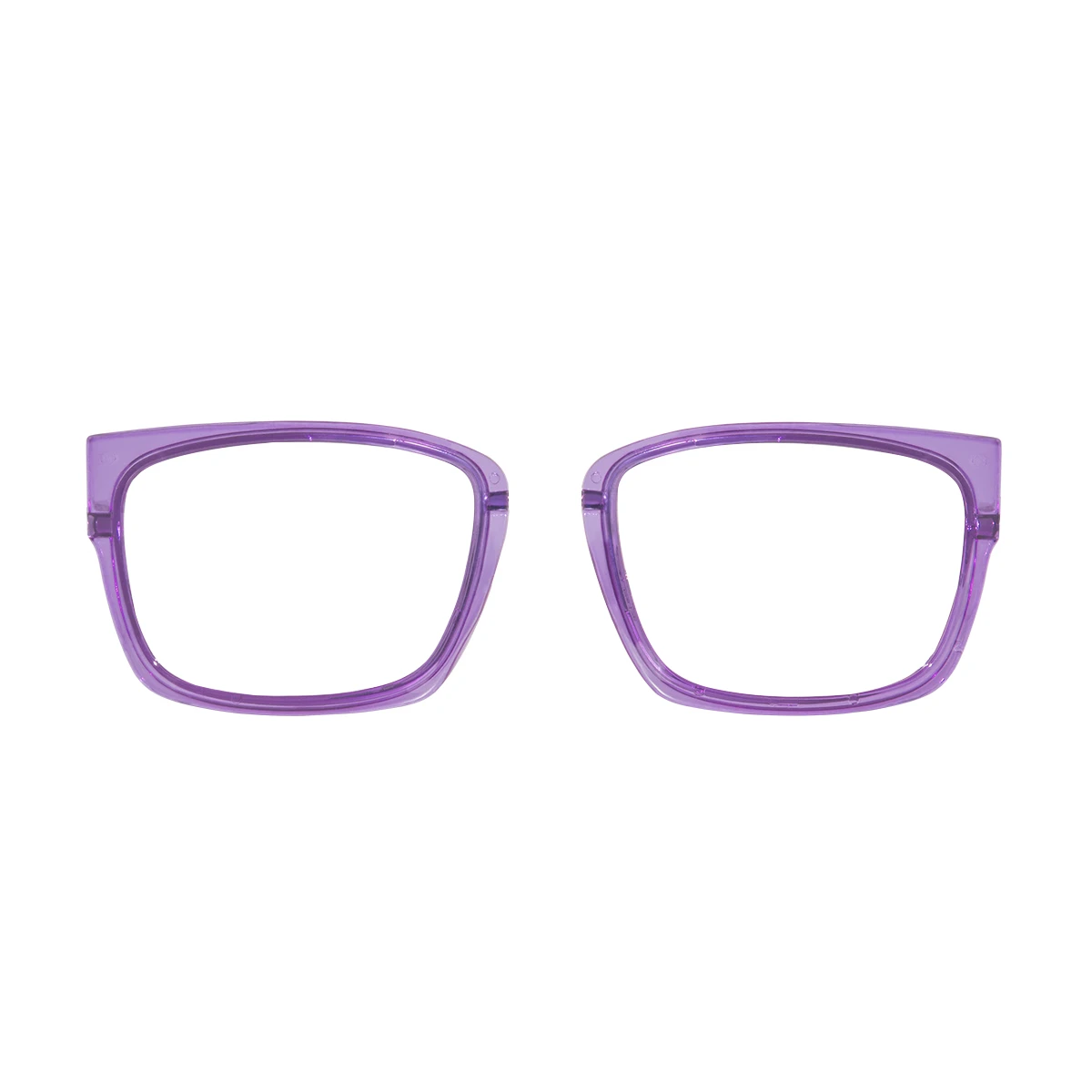
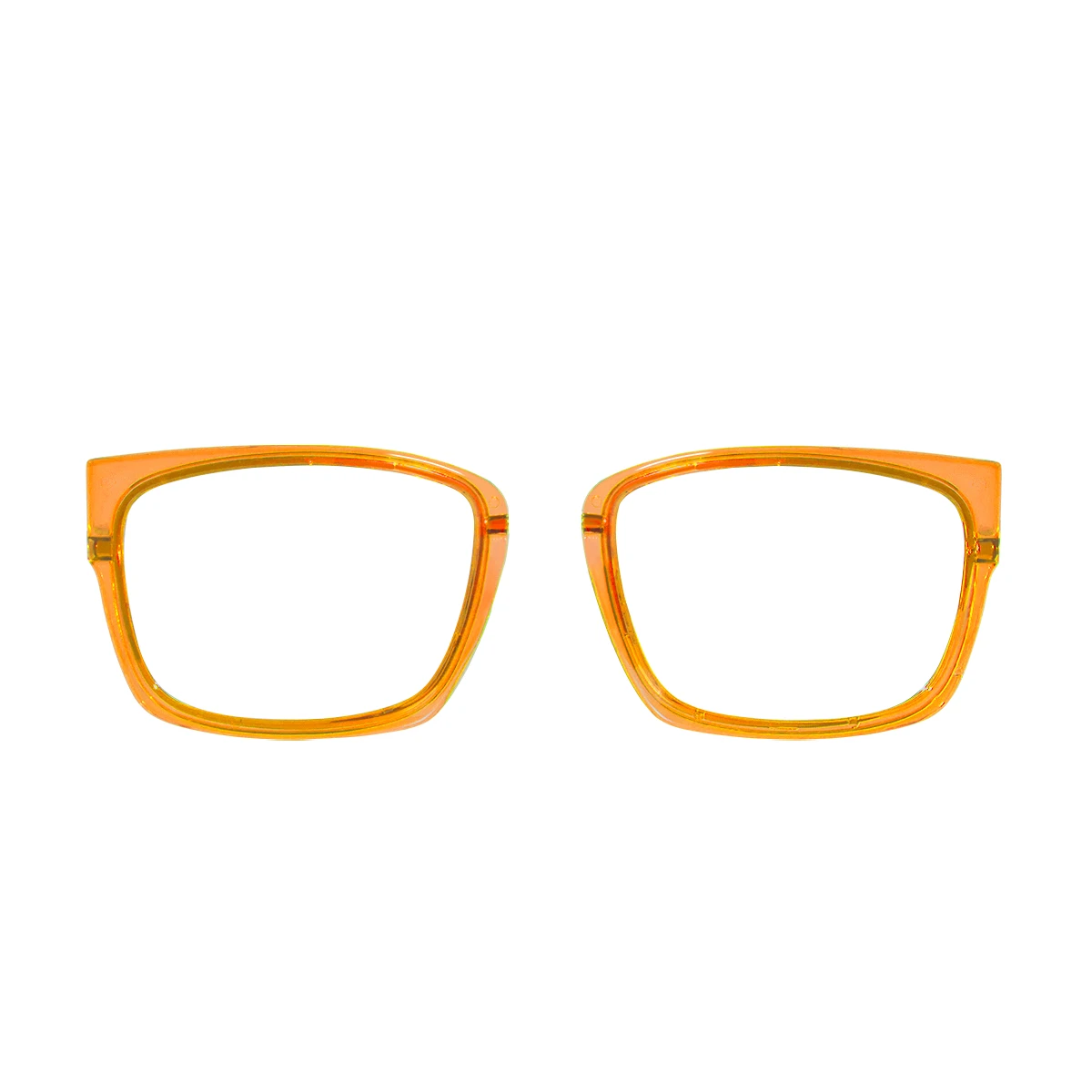
- Burgundy – Crystal (C01)
- Red – Crystal(C02)
- Burnt Orange – Crystal(C03)
- Marmalade – Crystal(C04)
- Sunshine Yellow – Crystal(C05)
- Lime Green – Crystal(C06)
- Sage – Crystal(C08)
- Green Forest – Crystal(C07)
- Army Green – Crystal(C09)
- Spruce – Crystal(C10)
- Turquiise – Crystal(C11)
- Cornflower– Crystal(C12)
- Navy – Crystal(C13)
- Indigo – Crystal(C14)
- Blue Orchid – Crystal(C15)
- Mauve – Crystal(C16)
- Lavender – Crystal(C21)
- Purple – Crystal(C17)
- Grape – Crystal(C18)
- Coral – Crystal(C19)
- Hot Pink – Crystal(C20)
- Chocolate – Crystal(C22)
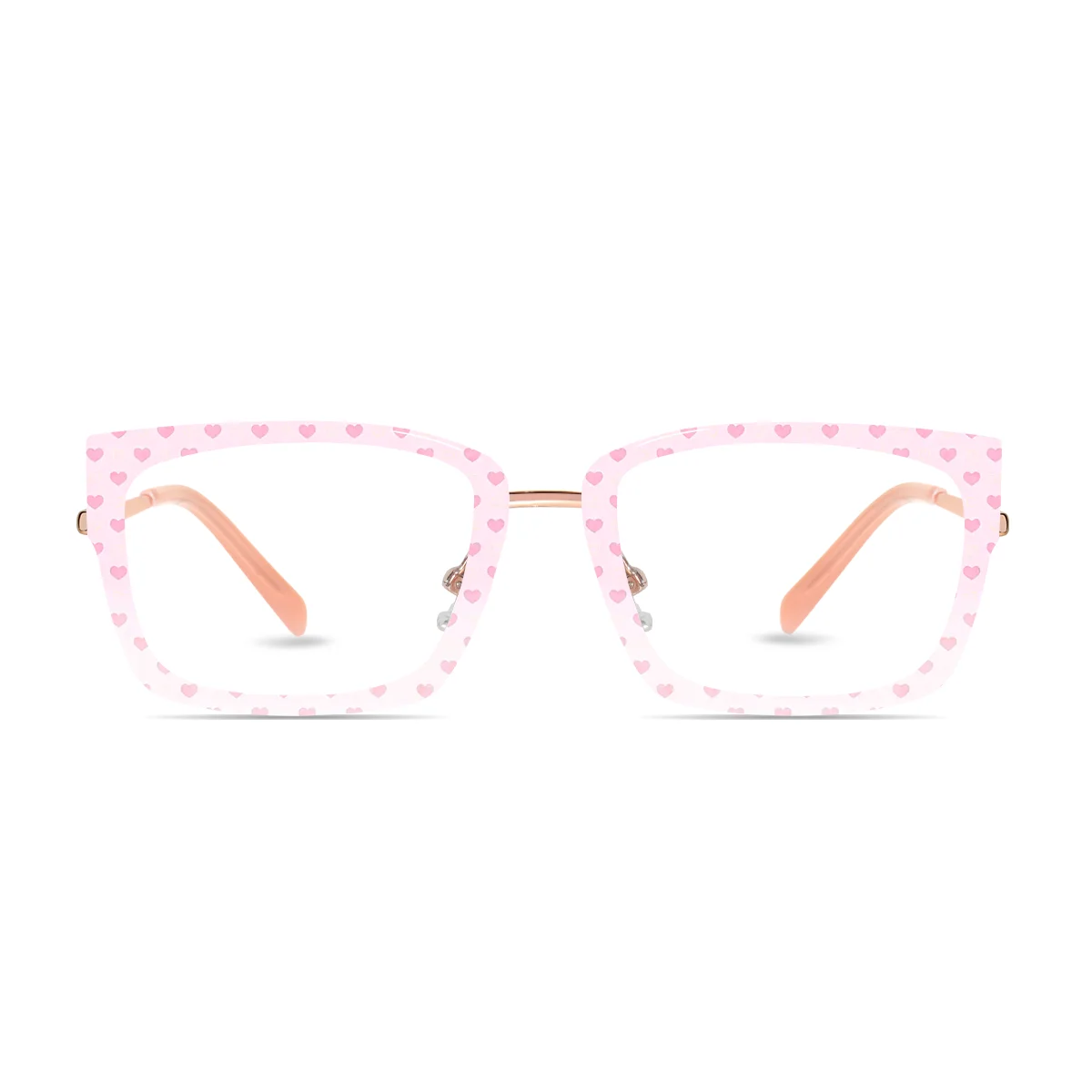
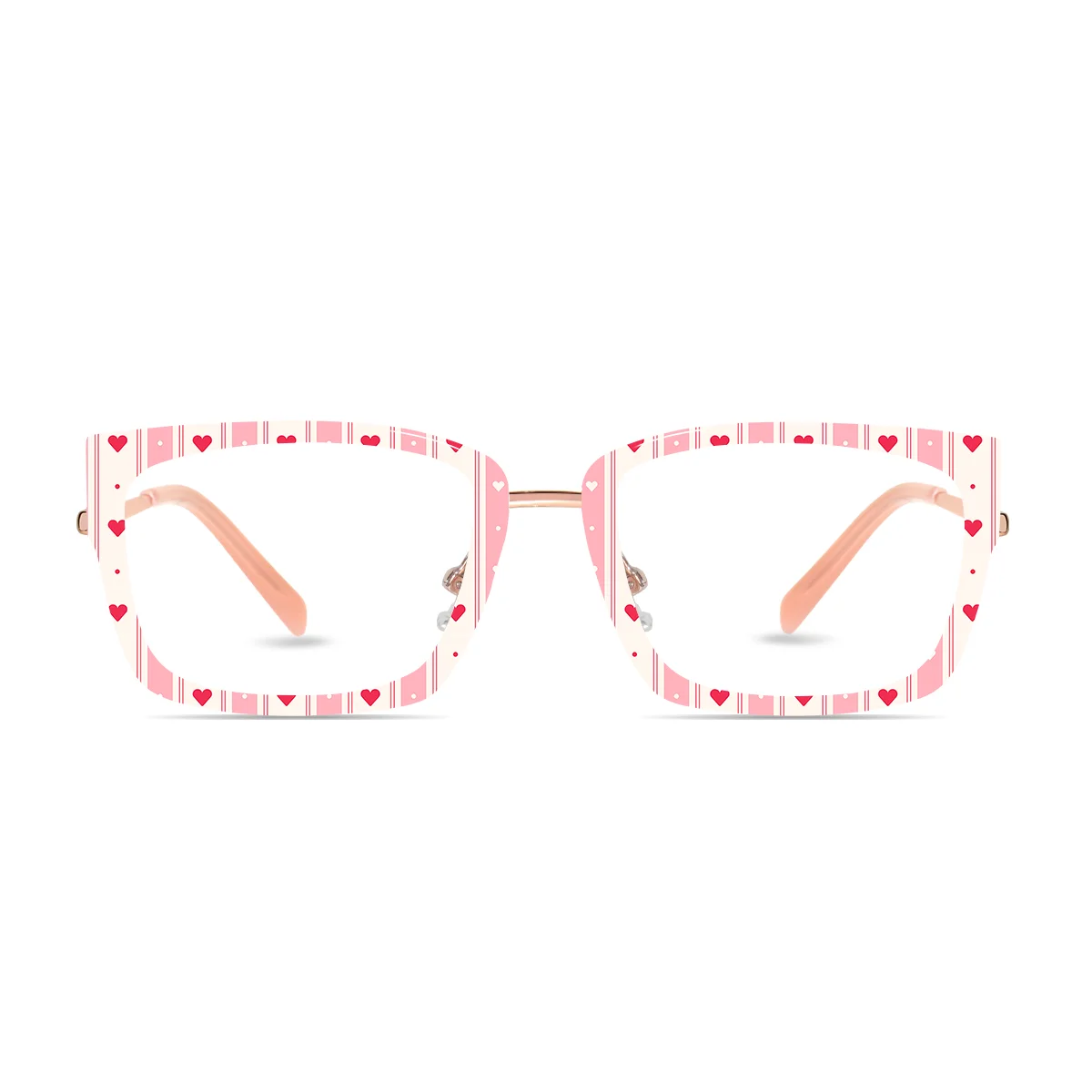
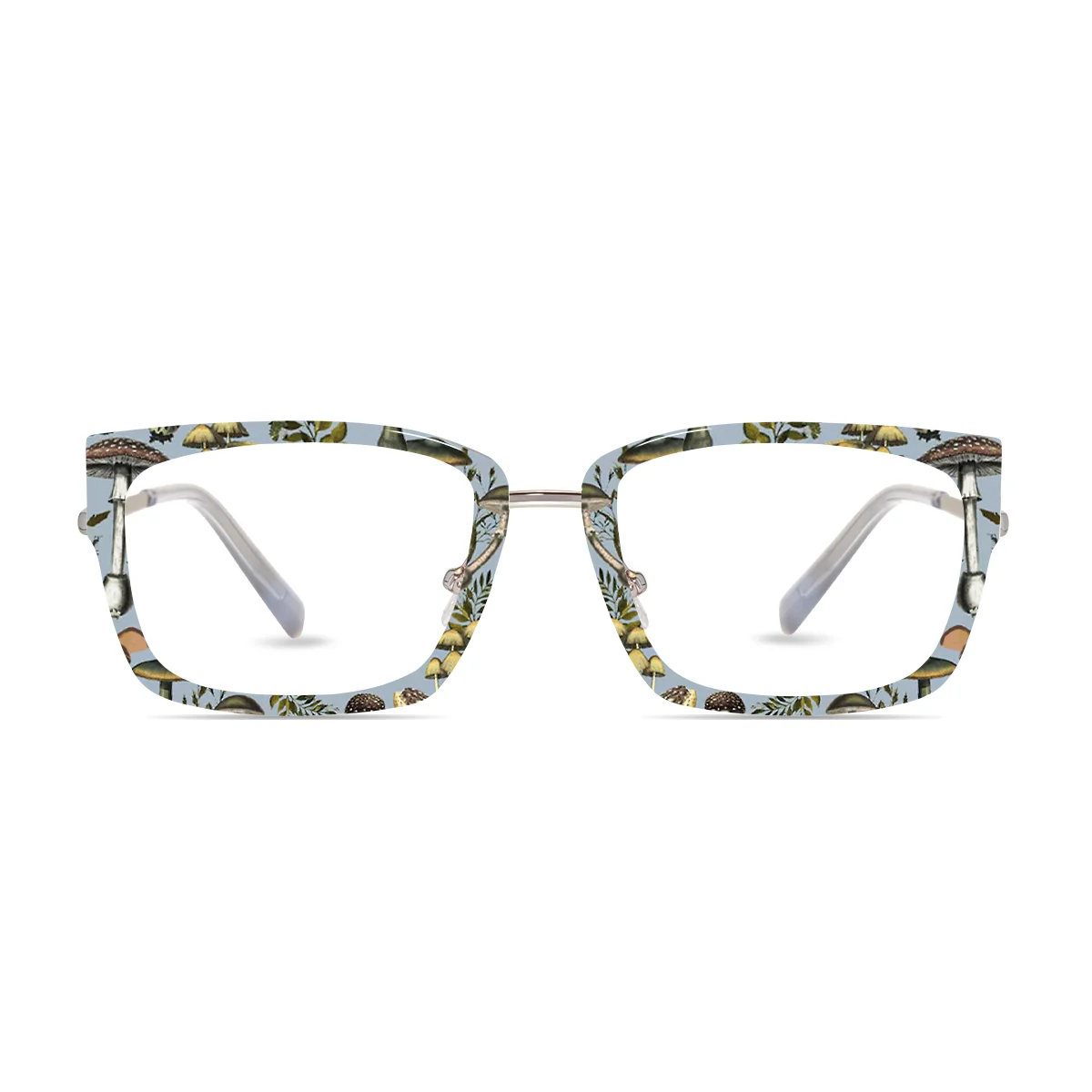
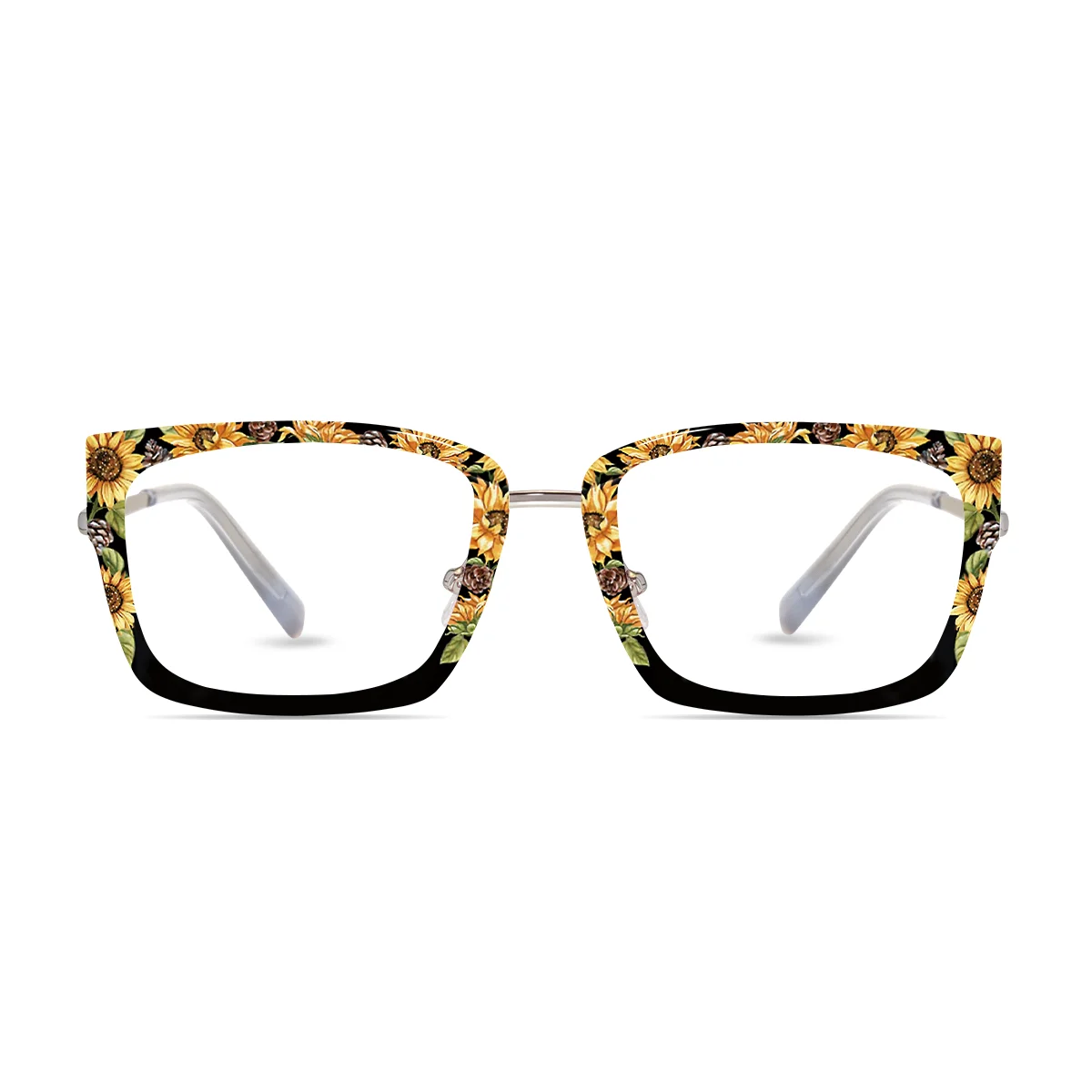
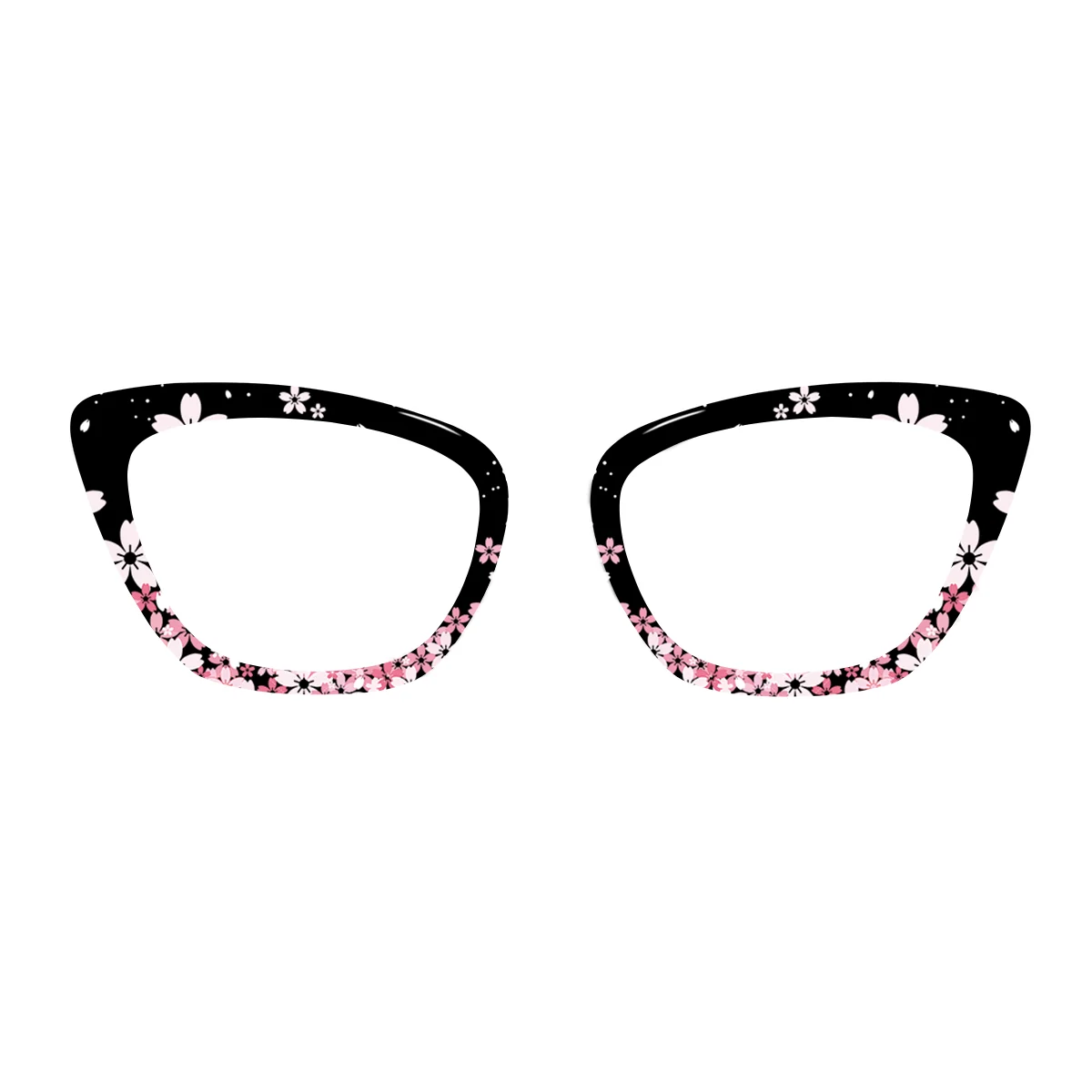
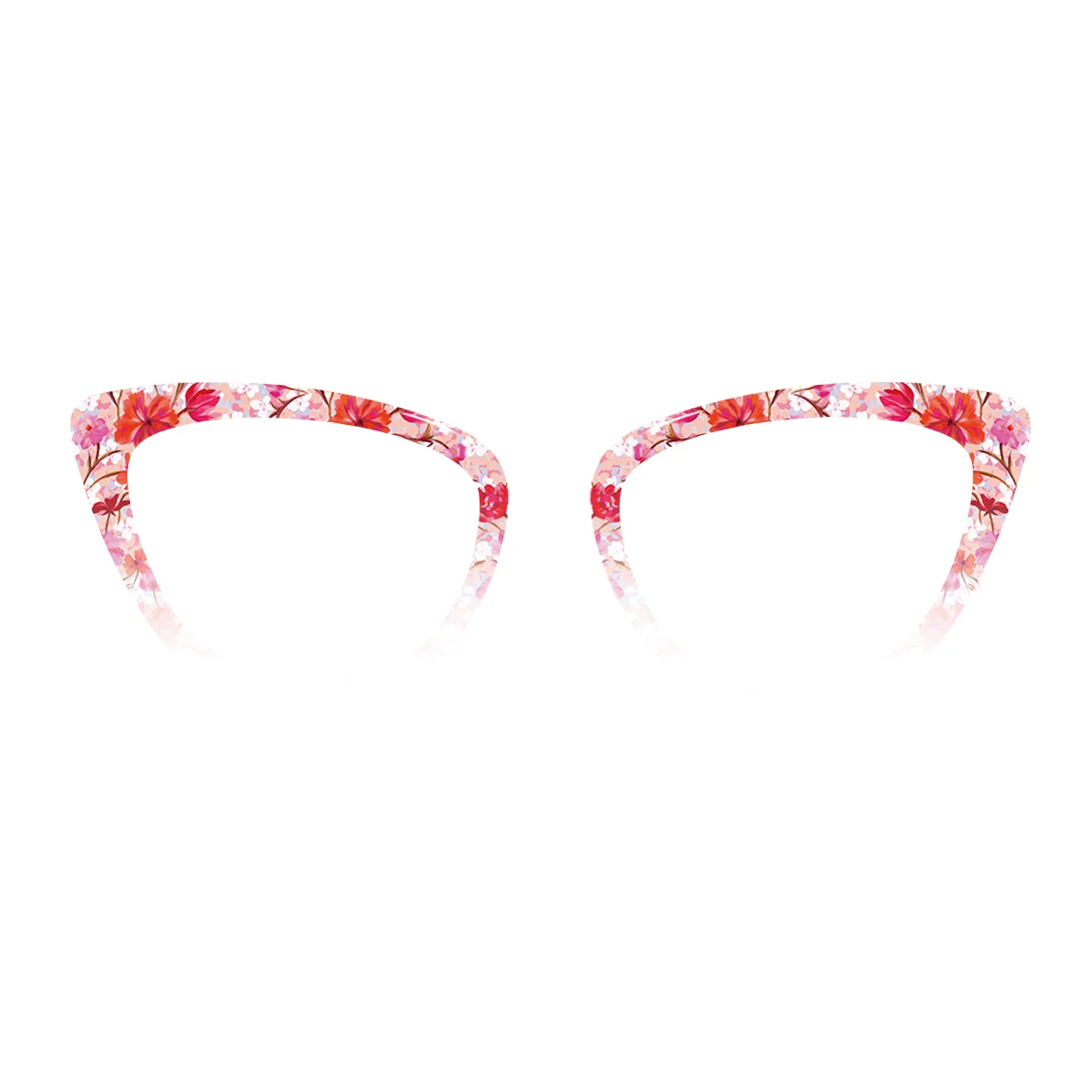
Crystal Color Top Frame for Soline




Living a Multifaceted Life: How Custom Modular Eyewear Defines Your Personal Identity
Yet for years, eyewear has tried to force all these identities into one fixed frame.In a world where people change roles, moods,...
The Secret Weapon for Sculpting Your Face: How to Customize Eyewear Based on Your Cheekbones and Brow Shape
When it comes to elevating your appearance, most people think about hairstyles, makeup, or wardrobe upgrades. But there’s one transformative accessory that...
How Mechanical Clip Systems Make Quick Temple Replacement Possible: The Future of Modular Eyewear Design
Eyewear has evolved far beyond simple vision correction. Today, glasses are fashion statements, performance tools, and everyday essentials that must adapt to...
Why Your Glasses Keep Getting Looser Over Time: How Improper Handling Causes Hidden Structural Damage
Glasses are designed to be durable, precise, and comfortable. Yet many people notice the same frustrating pattern: a new pair fits perfectly...
Are Pink Glasses in Style?
Pink glasses are a timeless symbol of charm and personality. They evoke feelings of compassion, love, and hope, making them a popular...
One-Second Color Switch
How to Match Your Glasses Frame to Today’s Outfit—EffortlesslyLet’s be honest.You don’t wear the same outfit every day.Some days it’s clean and...