


The Ultimate 2026 Guide to Modular Glasses These 3 Connection Structures Are the Most Secure (and Worth Your Money)
In 2026, eyewear is no longer just about vision correction.
It’s about identity, versatility, and intelligent design.
Modular glasses—also known as interchangeable, combination, or magnetic eyewear systems—have officially moved from niche innovation to mainstream demand. One base frame, multiple toppers or lens fronts, endless styles.
But here’s the truth most brands won’t say out loud:
The real difference between a great modular glasses system and a frustrating one comes down to the connection structure.
Not color.
Not lens coatings.
Not marketing buzzwords.
If the connection is weak, everything else fails.
This 2026 buyer’s guide breaks down the three most secure modular glasses connection structures, how they work, who they’re best for, and how to avoid the common mistakes that lead to loose, misaligned, or short-lived frames.
1. Why Connection Structure Is the Heart of Modular Glasses
Let’s start with the core problem modular eyewear had in its early days.
1.1 The Early Reputation Problem
Early combination glasses often suffered from:
- Loose attachments
- Misaligned lenses
- Rattling sounds
- Frames shifting while walking or driving
- Toppers falling off during daily use
Consumers loved the idea, but hated the execution.
The lesson the industry learned the hard way:
Style flexibility means nothing without structural reliability.
By 2026, connection engineering has matured dramatically—but only if you know what to look for.
2. What Makes a Connection Structure “Stable”?
Before we dive into the top three designs, let’s define stability.
A truly secure modular glasses connection must achieve four things at once:
- Firm Locking Force – It must resist vibration and movement
- Precise Alignment – Lenses must sit perfectly every time
- Repeat Durability – Hundreds of swaps without wear
- User-Friendly Operation – Easy on, easy off, no tools
Any system that sacrifices one of these will fail long-term.
3. The 3 Most Secure Modular Glasses Connection Structures in 2026
After years of consumer feedback, product testing, and design iteration, the market has largely converged on three connection structures that consistently outperform all others.
Let’s break them down.
Structure #1: Multi-Point Magnetic + Mechanical Alignment System
(The Gold Standard of 2026)
If there is one connection structure dominating premium modular eyewear in 2026, this is it.
3.1 How It Works
This system combines:
- Multiple embedded neodymium magnets
- Physical alignment pins or grooves
- Recessed docking zones within the base frame
Magnets provide the pulling force.
Mechanical elements handle alignment and load-bearing.
Together, they solve each other’s weaknesses.
3.2 Why It’s So Stable
Magnets alone can slide.
Mechanical locks alone can be stiff.
But together:
- Magnets pull the topper into position instantly
- Pins prevent horizontal or vertical shift
- Grooves eliminate micro-movement
- The frame “self-centers” every time
The result feels solid, silent, and precise.
3.3 Real-World Performance
This structure excels in:
- Daily commuting
- Driving and head movement
- Outdoor walking
- Frequent lens swaps
Users often describe the experience as:
“It feels like one solid frame, not an add-on.”
3.4 Who Should Choose This System?
Ideal for:
- First-time modular glasses buyers
- Office professionals
- Drivers
- Long-term daily wearers
- Anyone sensitive to misalignment
If you want maximum stability with minimal thinking, this is the safest choice.
3.5 Potential Downsides
- Slightly higher manufacturing cost
- Requires precision engineering
- Cheap versions may fake magnets without true alignment features
Tip: Always look for both magnets and visible alignment structures.
Structure #2: Dual-Hinge Mechanical Lock System
(Maximum Physical Security)
This system skips magnets entirely and focuses on mechanical locking strength.
4.1 How It Works
Key components include:
- Micro-hinges on both sides of the frame
- Snap-in or slide-lock mechanisms
- Tension-controlled locking points
The topper physically locks into the base frame, similar to precision hardware.
4.2 Why It’s Extremely Secure
Once locked:
- There is virtually zero movement
- No reliance on magnetic strength
- Excellent resistance to shaking and vibration
This system is often described as “over-engineered”—in a good way.
4.3 Trade-Off: Convenience vs Strength
The downside?
- Slower to swap styles
- Requires two-hand operation
- Less “instant gratification” than magnets
But for some users, that’s a fair trade.
4.4 Best Use Cases
This structure is ideal for:
- Sports or active users
- Industrial or workshop environments
- People who rarely swap styles during the day
- Users who value “locked-in” security above all else
If your glasses must never shift, this is your system.
Structure #3: Internal Rail + Hidden Clip System
(Minimalist Design, Smart Engineering)
This is the most visually discreet of the three—and one of the most underrated.
5.1 How It Works
The base frame includes:
- Internal rails or channels
- Spring-loaded hidden clips
- Pressure-fit locking points
The topper slides into place and locks internally.
5.2 Why It Feels Premium
Because:
- No visible magnets
- No exposed hinges
- Clean, uninterrupted frame lines
From the outside, it looks like a single-piece designer frame.
5.3 Stability Performance
When well-designed:
- Excellent lateral stability
- Strong resistance to detachment
- Smooth, guided installation
However, precision is critical—poor tolerances can ruin the experience.
5.4 Best For Style-First Users
This structure shines for:
- Fashion-forward consumers
- Minimalist aesthetics
- Professional or formal environments
- Users who prioritize visual purity
It’s the “quiet luxury” option of modular eyewear.
6. Structures to Be Cautious About in 2026
Not all connection systems aged well.
6.1 Single-Point Magnet Only Systems
Problems include:
- Rotational movement
- Weak holding force
- Easy misalignment
- Frequent detachment
These are often found in ultra-low-cost products.
6.2 External Clip-On Designs
While convenient, they often:
- Sit unevenly
- Add bulk
- Break frame lines
- Wear out quickly
Acceptable for occasional use—but not ideal for daily wear.
7. How to Test Stability Before Buying (Even Online)
You don’t need a lab to judge connection quality.
What to Look For:
- Clear mention of multi-point attachment
- Photos showing alignment features
- Words like guided, self-aligning, mechanical lock
- Avoid vague terms like “strong magnet” with no details
8. Durability: The 2026 Expectation
A quality modular glasses system should withstand:
- 500+ attachment cycles
- Daily wear without loosening
- Long-term magnetic integrity
- No audible movement after months of use
If a brand avoids durability claims—be cautious.
9. Lifestyle Matching: Choose the Right Structure for You
| Lifestyle | Best Structure |
|---|---|
| Office & Driving | Magnetic + Alignment |
| Sports & Active | Dual-Hinge Lock |
| Fashion & Minimalism | Internal Rail System |
| Frequent Swappers | Magnetic Hybrid |
| Rare Swappers | Mechanical Lock |
10. The Future of Modular Glasses Beyond 2026
We’re already seeing:
- Stronger micro-magnets
- Lighter mechanical alloys
- Improved tolerance engineering
- Smarter modular ecosystems
The trend is clear:
Modular glasses are no longer a compromise—they’re an upgrade.
Conclusion: Stability Is Style’s Best Friend
In 2026, the question isn’t “Should I buy modular glasses?”
It’s:
“Which connection structure actually fits my life?”
The right connection system:
- Disappears when worn
- Works flawlessly without thought
- Makes switching styles feel effortless
- Turns one pair of glasses into many identities
Choose wisely, and your glasses won’t just match your outfit—they’ll match your rhythm.
Share this post
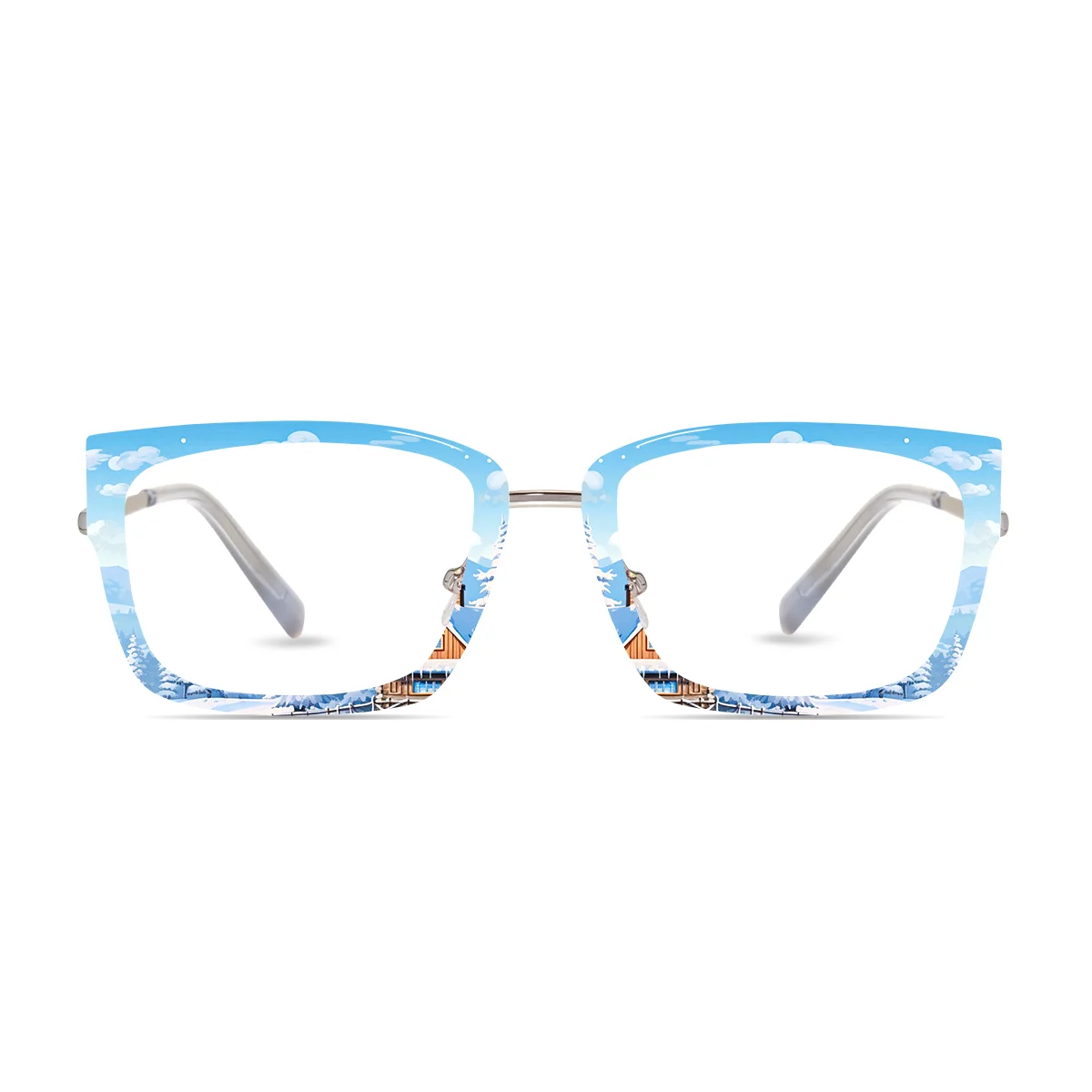
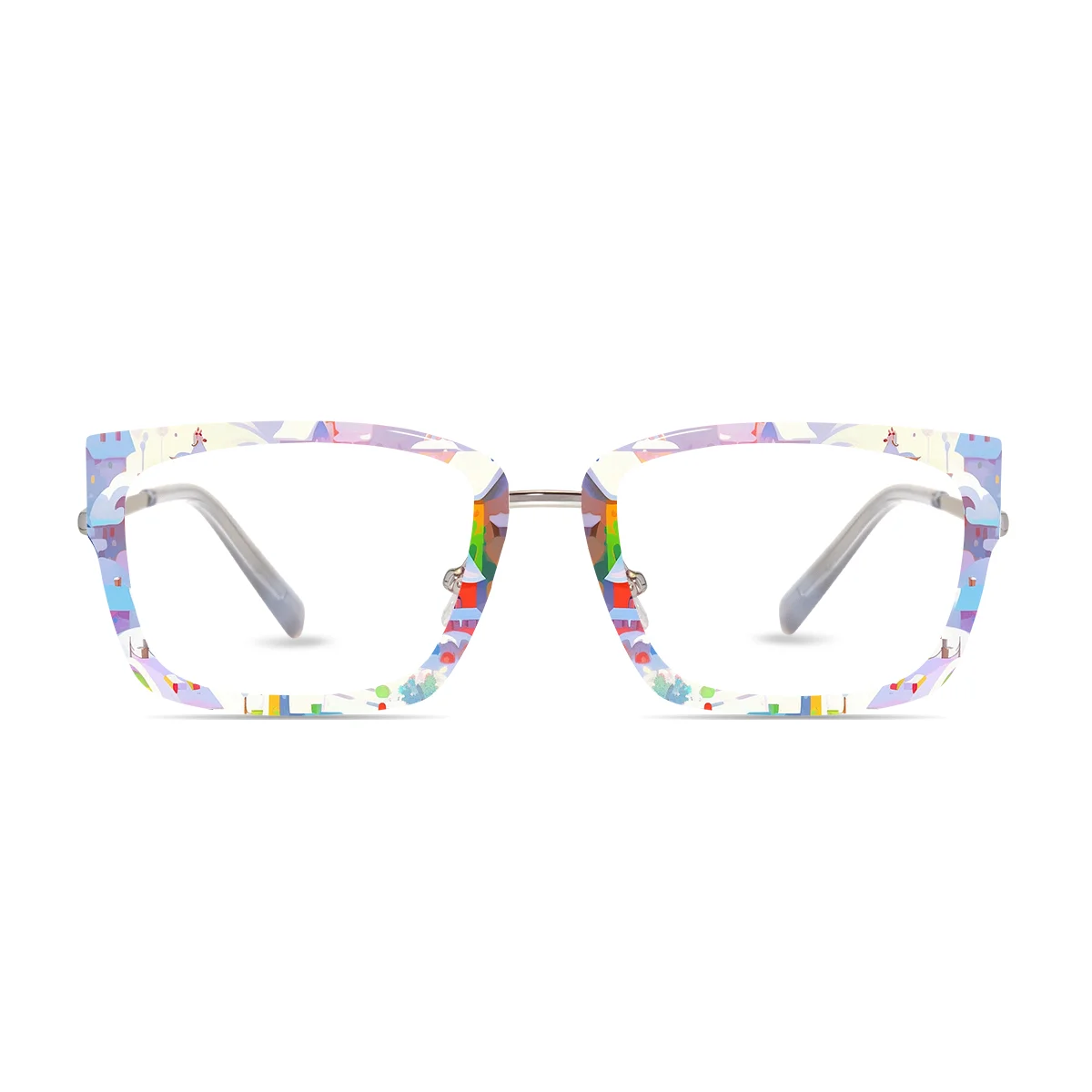


Mira Gunmetal Gray Cat Eye Base Frame
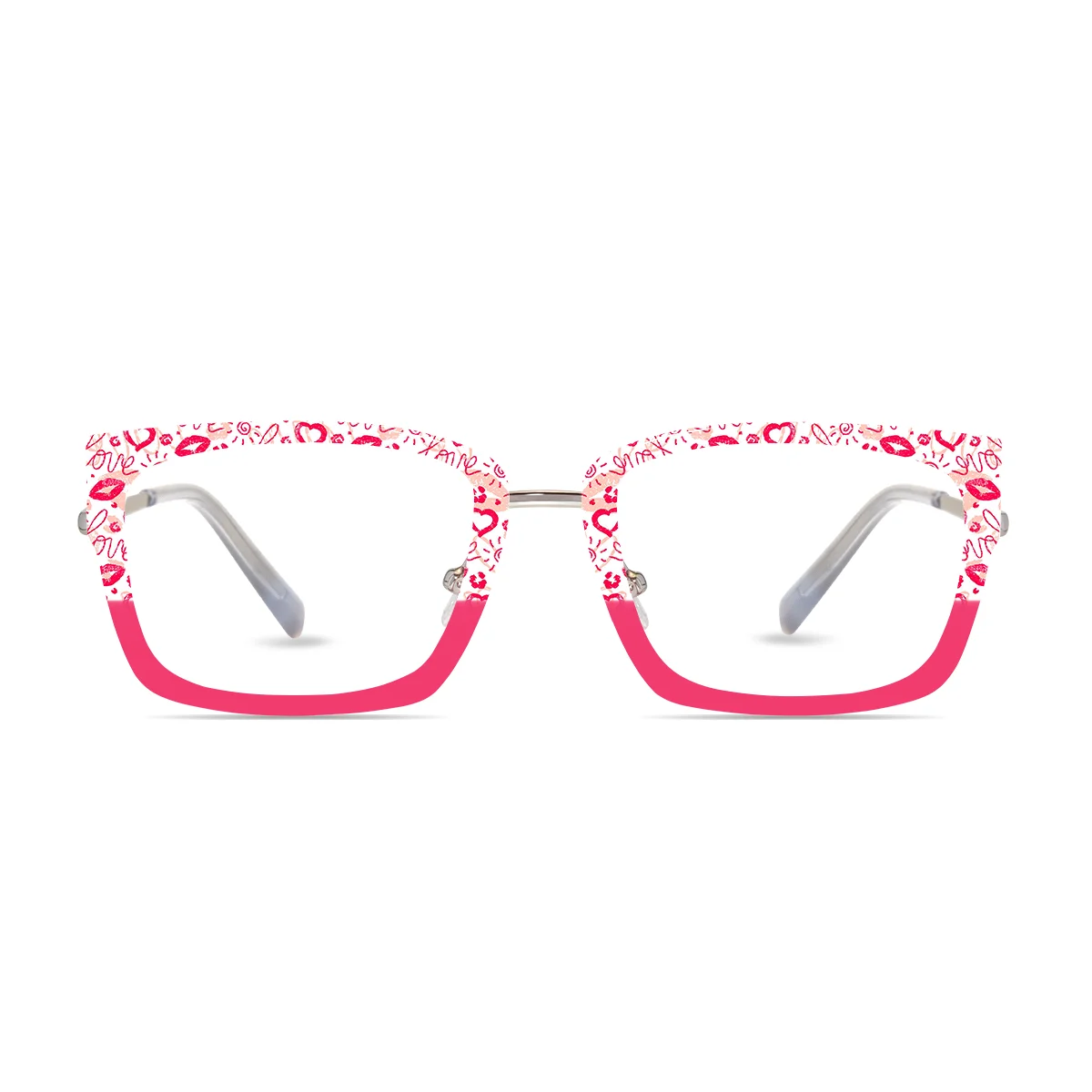
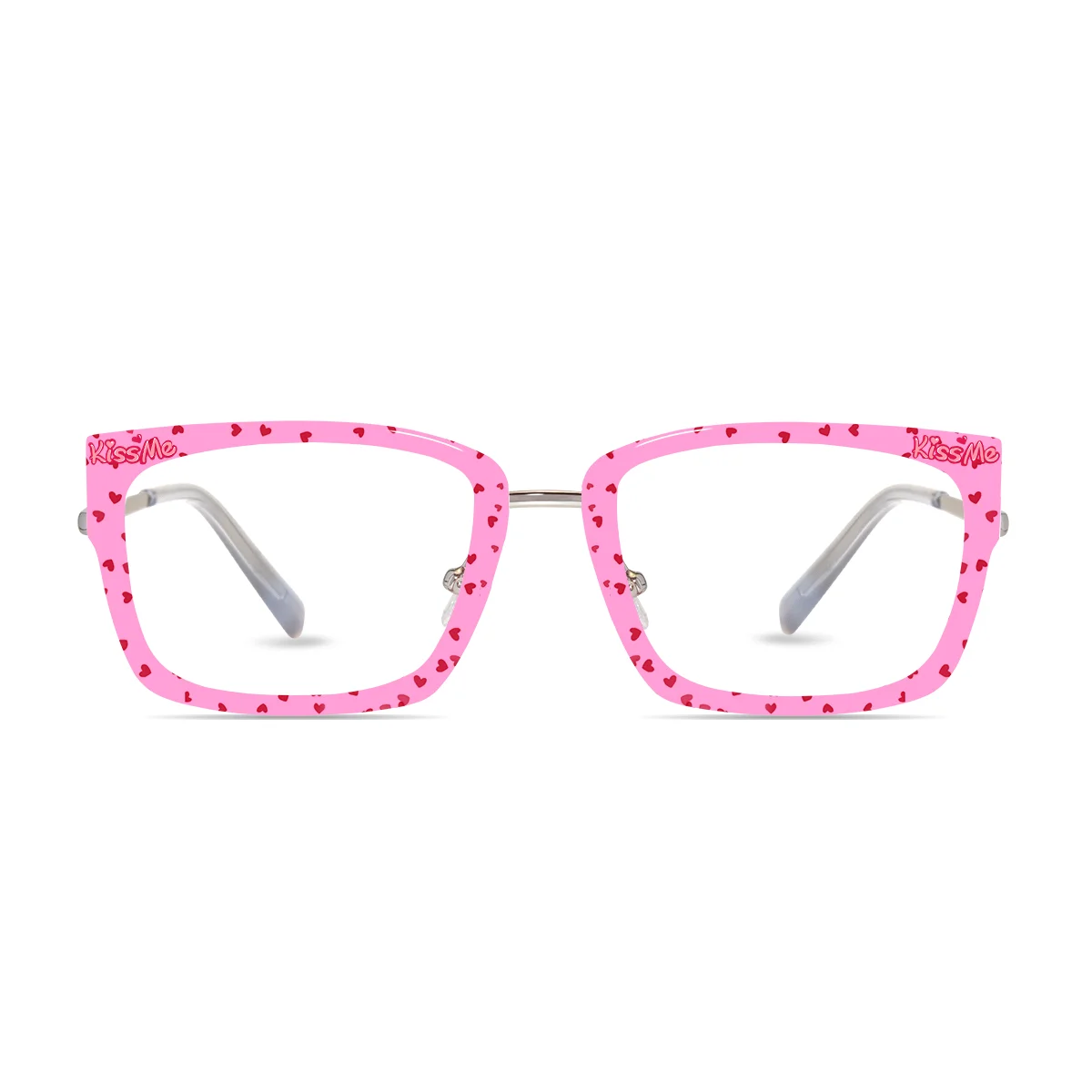


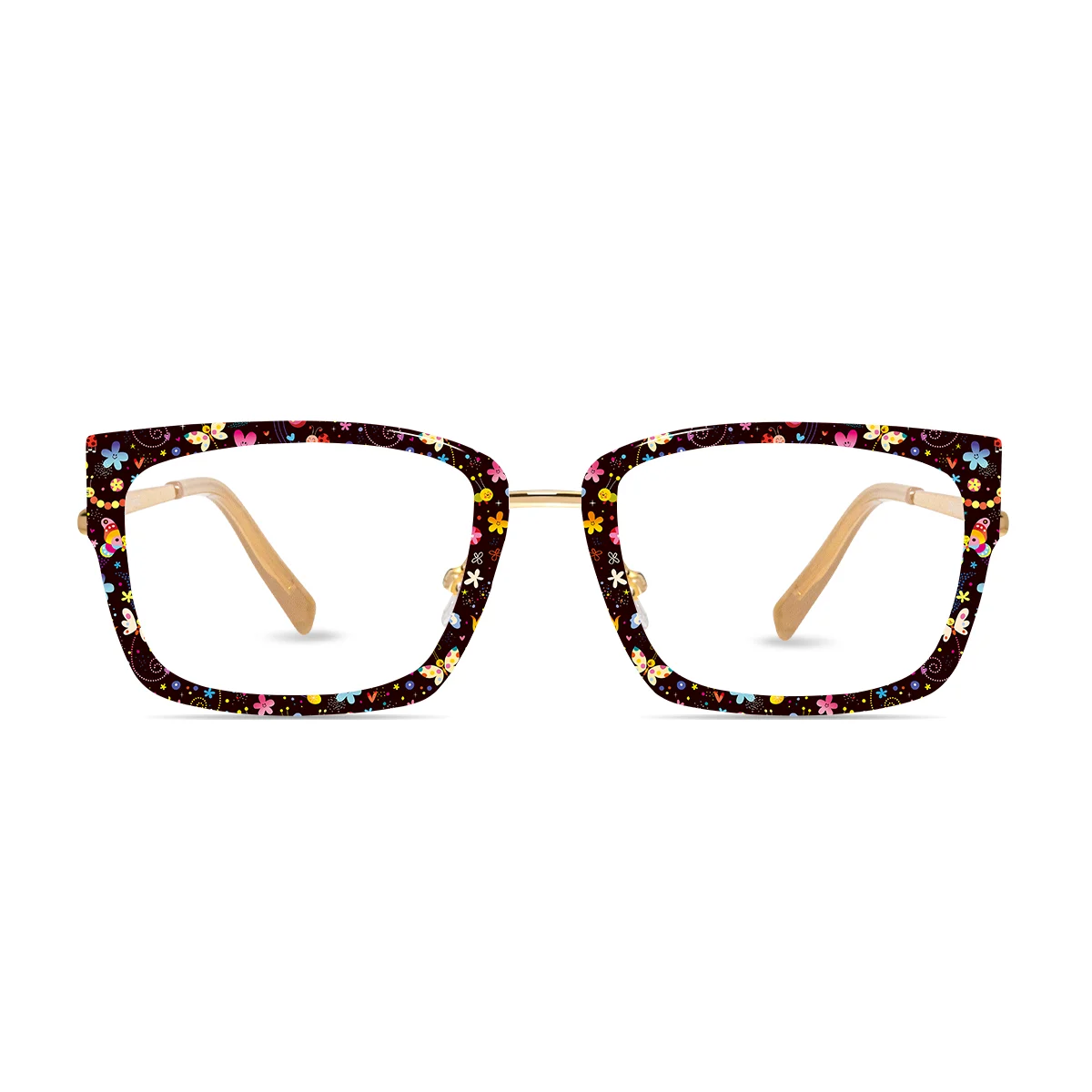
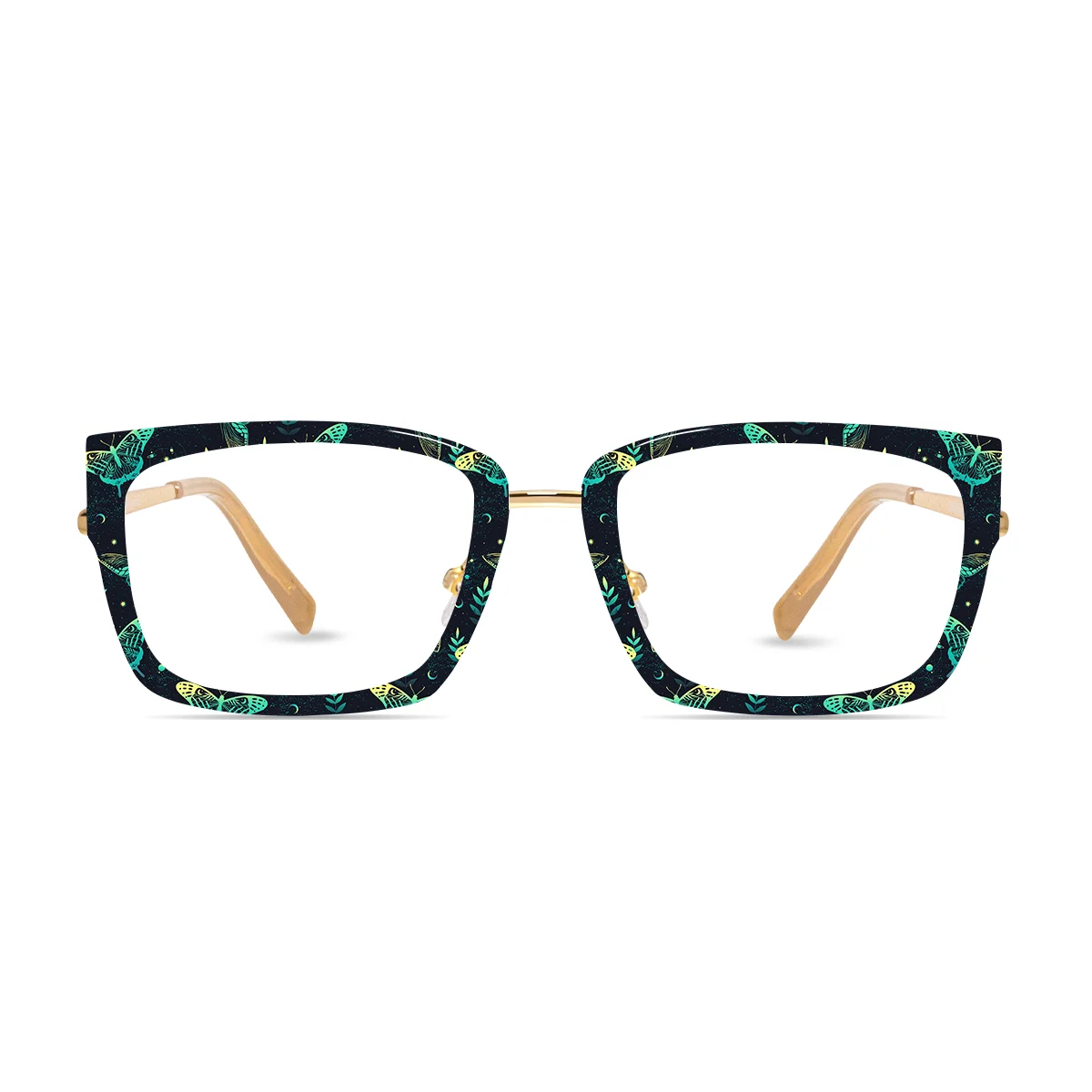
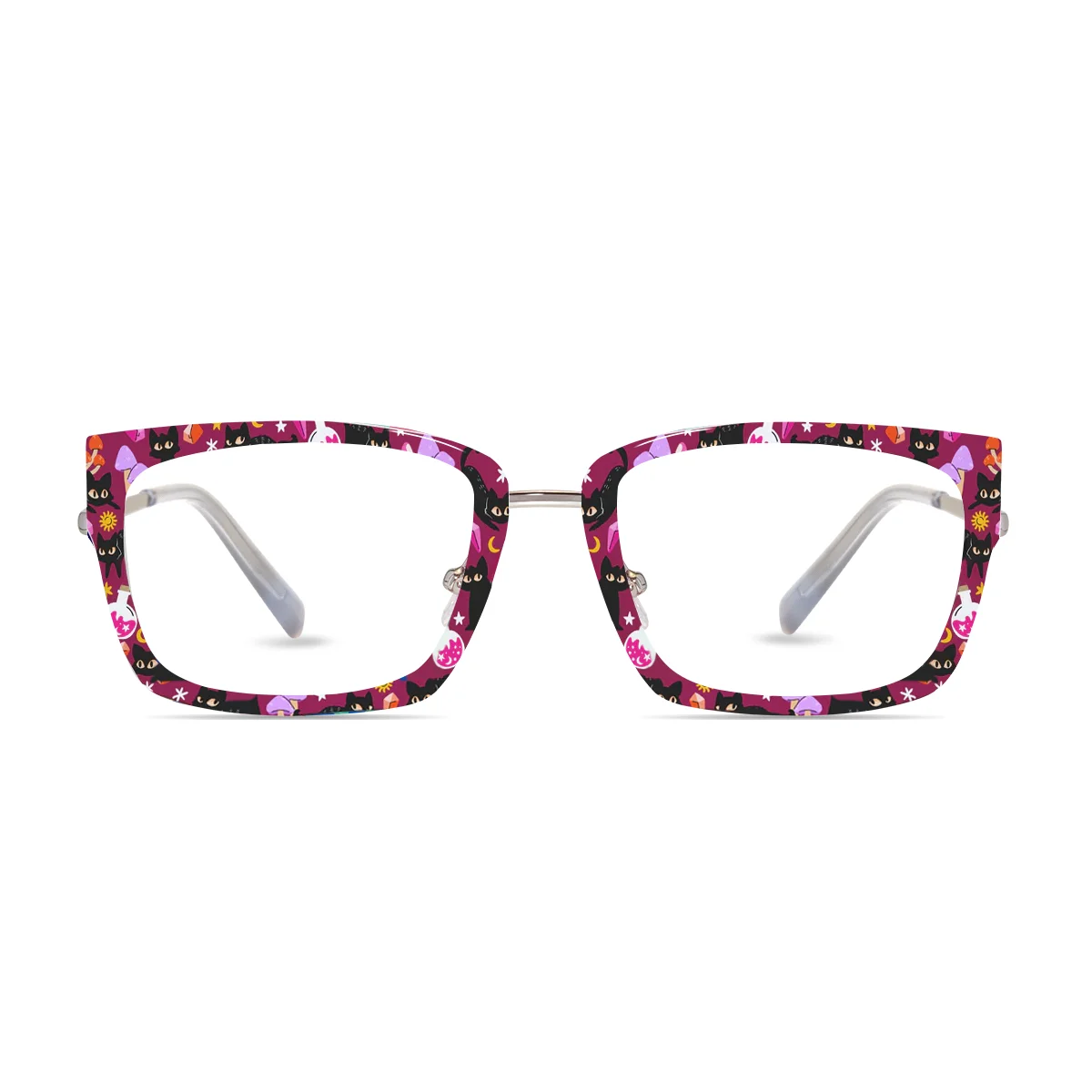
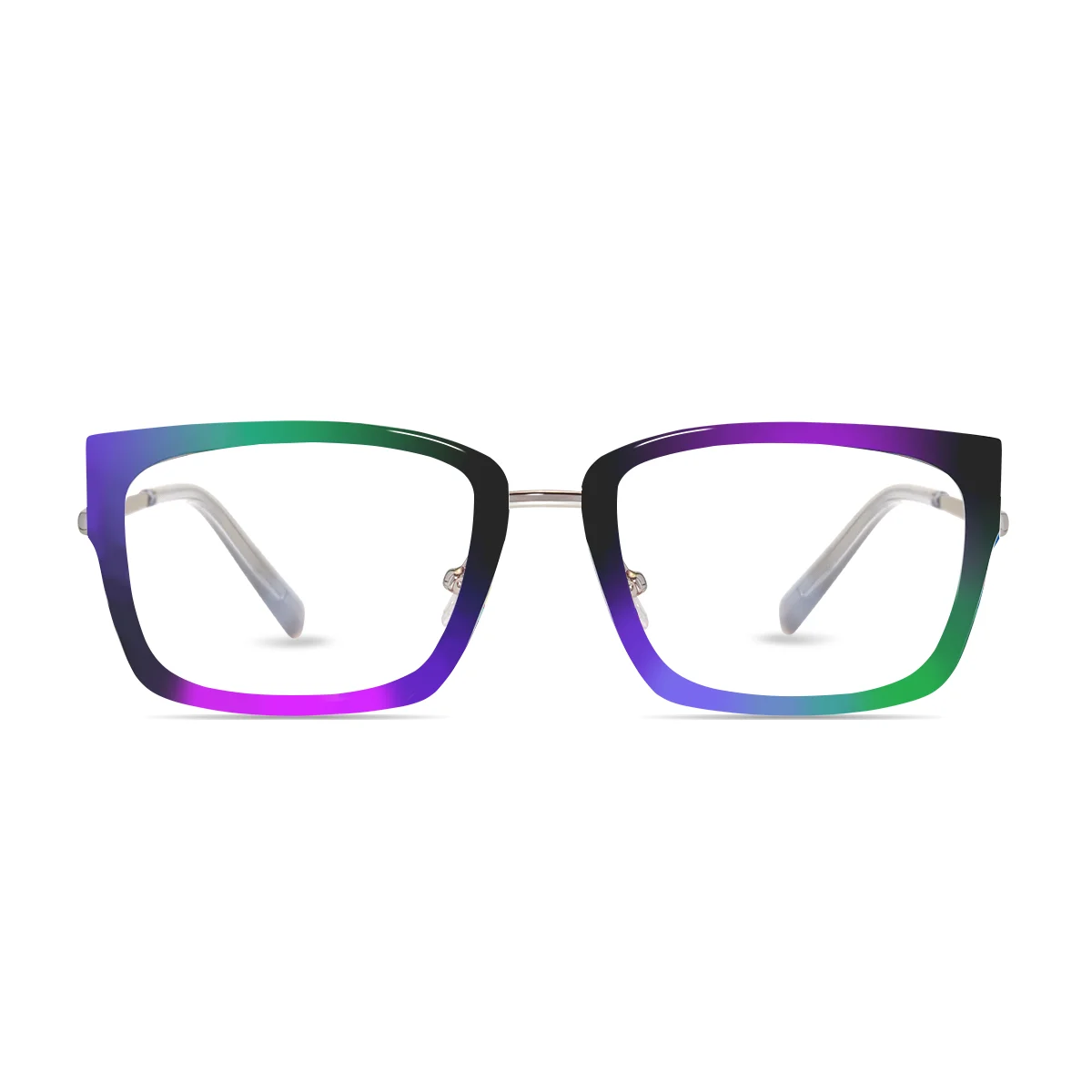
- Bone Rattle (PH01)
- Haunted Plaid (PH02)
- Pumpkin King (PH03)
- Night Sky Bat (PH04)
- Pumpkin Parade (PH05)
- Spooky Duo (PH06)
- Witch’s Cat (PH07)
- Mint Ghost (PH08)
- Dark Spell (PH09)
- Midnight Meow (PH10)
- Ghost Mosaic (PH11)
- Skull Storm (PH13)
- Wicked Glow (PH14)
- Haunted Gray (PH15)
- Phantom Mosaic (PH16)
- Midnight Dots (PH17)
- Haunted Medley (PH18)
- Nightmare Mix (PH19)
- Ghost Fade (PH20)
- Candy Curse (PH26)
- Ghost Drift (PH21)
- Pumpkin Fusion (PH22)
- Shadow Spirit (PH23)
- Spooky Toon (PH24)
- Demon Grin (PH25)
- Autumn Bloom (PH27)
Soline Combo | Metallic Silver Base + Halloween Top Frame
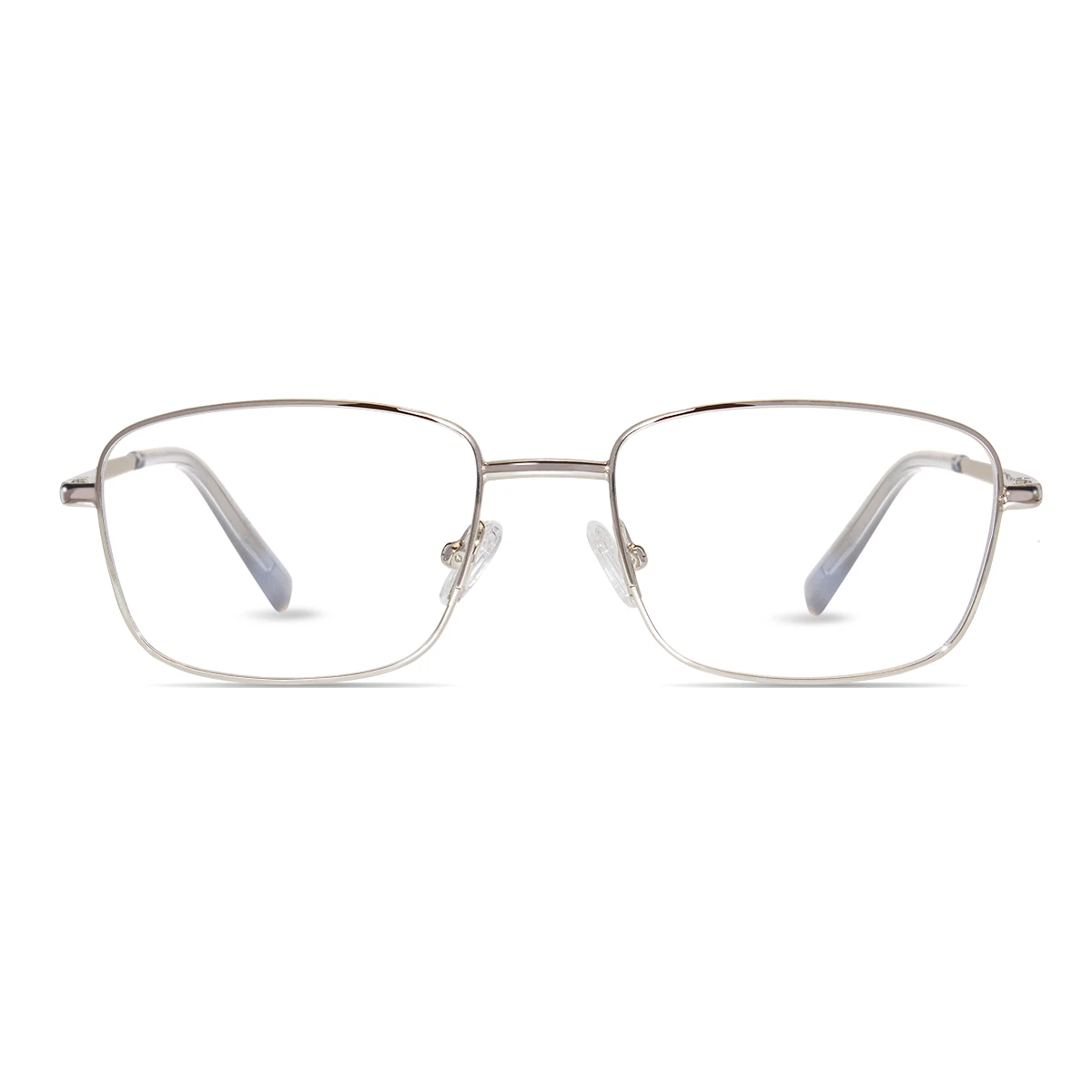
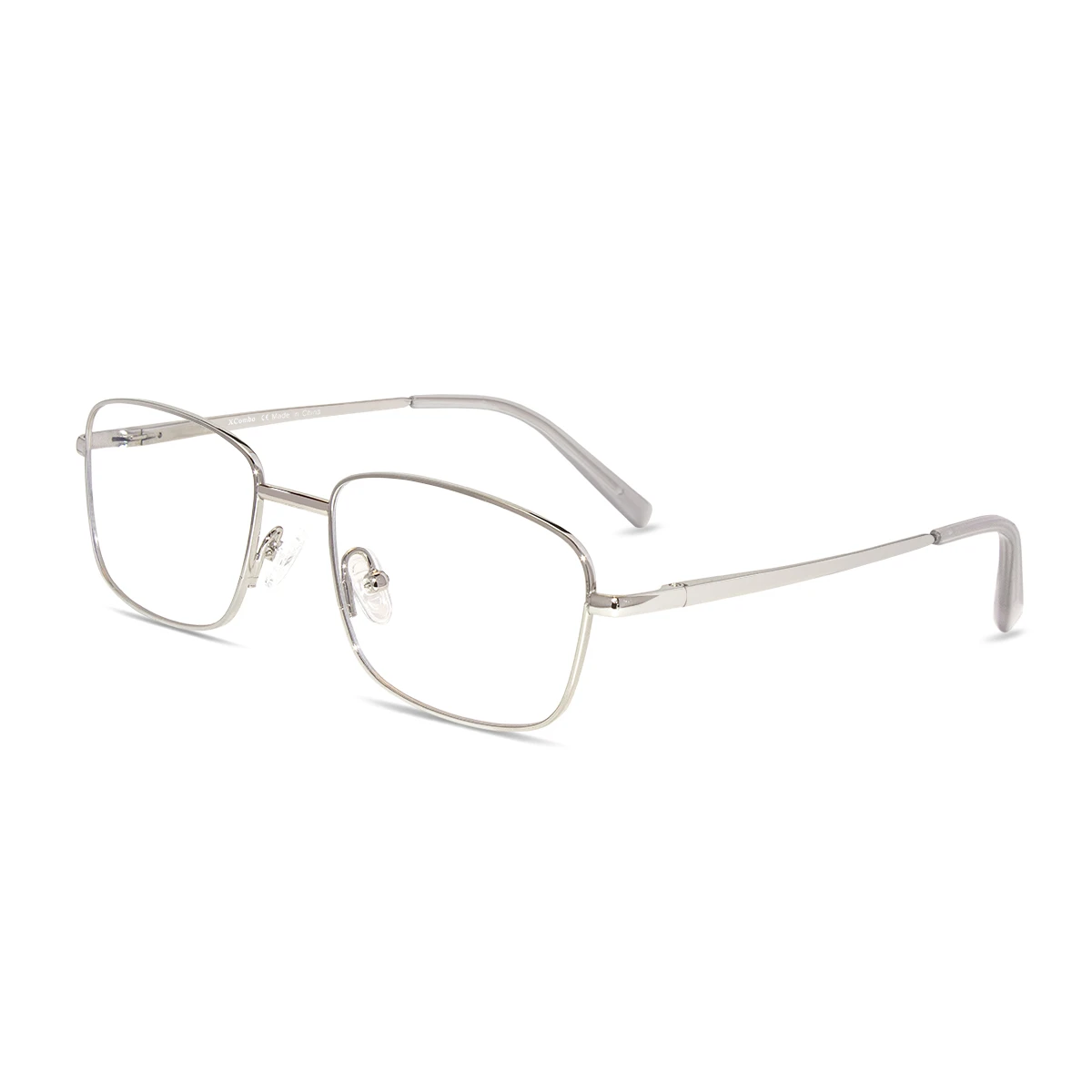
Soline Metallic Silver Base Frame - Wide Rectangle


How to Protect Your Eyesight in Daily Life
Our eyesight plays a crucial role in our everyday activities, from reading and working to enjoying hobbies and exploring the world. In...
Step-by-Step Guide to Fixing Broken Glasses at Home
Keeping your glasses in good condition is essential for clear vision and safety. When they break, it can be frustrating and inconvenient,...
Understanding Myopia and Effective Correction Methods
Myopia, commonly known as nearsightedness, is a vision condition where nearby objects appear clear while distant objects look blurry. This issue is...
How to Stop Glasses from Sliding Down Your Nose
Tired of pushing your glasses back up your nose all day? Sliding glasses can be an annoying distraction, especially during workouts, cooking,...
How to Tighten Glasses to Prevent Them from Falling Off
Wearing glasses daily requires a snug fit for maximum comfort and functionality. Over time, frames can loosen or misalign due to regular...
Best and Worst Ways to Clean Glasses
Your eyeglasses are an essential investment in your vision, making their care and maintenance a top priority. Proper cleaning ensures a clear...