


The Mystery of the “Red Mark”: Why Your Nose Bridge Deserves a Custom Curvature Design
For millions of people who wear glasses every day, there is a familiar experience that often goes unnoticed until it becomes uncomfortable: the small red mark on the bridge of the nose after hours of wearing glasses.
At first, it might seem like a minor inconvenience. Many people assume it’s simply a normal result of wearing frames for a long time. But if the red mark appears frequently, or if the nose bridge feels sore, it may be a sign of a deeper issue: your glasses are not designed for the natural curvature of your nose.
The human nose bridge varies widely in shape, width, height, and angle. Yet most mass-produced glasses rely on standardized frame designs intended to fit the “average” face. The result is often a compromise that works for some people but causes discomfort for others.
A growing number of eyewear designers and optical specialists now emphasize custom nose bridge curvature as one of the most important aspects of a truly comfortable pair of glasses. By tailoring the frame’s bridge geometry to match the wearer’s anatomy, custom eyewear can eliminate pressure points, improve stability, and dramatically enhance long-term comfort.
This article explores the mystery behind the red mark on your nose, why it happens, and how customized bridge design can transform the experience of wearing glasses.
Understanding the Nose Bridge: A Small Area with a Big Role
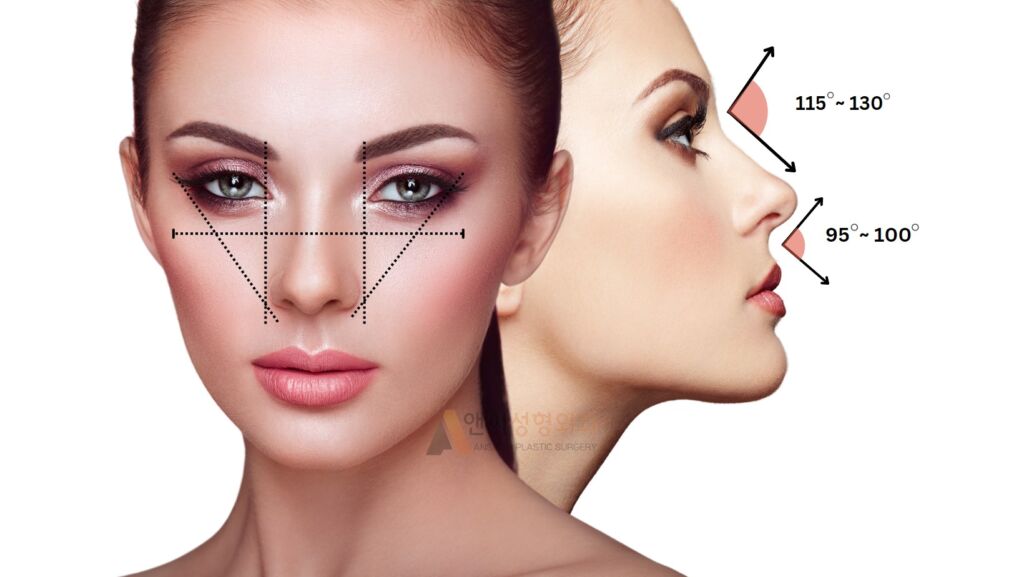
The nose bridge may appear to be a small part of the face, but it carries a significant responsibility when it comes to eyewear.
When glasses rest on the face, their weight is primarily supported by two areas:
- The nose bridge
- The ears
Among these, the nose bridge bears most of the vertical load. If the frame does not distribute weight evenly across this area, pressure concentrates in a small spot. Over time, this pressure can cause redness, irritation, and even pain.
The bridge of the glasses—the section connecting the two lenses—must match the wearer’s nose shape to distribute this weight effectively.
When it doesn’t, the red mark appears.
Why Red Marks Appear on the Nose
The red mark that forms after wearing glasses is usually caused by localized pressure and reduced blood circulation.
Several factors contribute to this issue.
Uneven Weight Distribution
If the bridge does not align with the natural contour of the nose, the frame may rest heavily on one point instead of spreading the weight across a larger surface.
This concentrated pressure can compress skin and soft tissue.
Incorrect Bridge Width
Frames designed with a bridge that is too narrow squeeze the nose from the sides, while a bridge that is too wide allows the glasses to slide downward.
Both situations increase friction and pressure.
Improper Curvature
Many standard frames assume a simplified bridge shape. However, human noses vary widely in curvature.
When the frame’s bridge curve does not match the wearer’s anatomy, only a small portion of the frame makes contact with the nose.
Material Rigidity
Some frames use rigid materials that do not adapt well to individual facial shapes. Without flexibility or proper curvature, these frames create pressure points.
The Hidden Diversity of Nose Shapes
One reason standard frames struggle to fit everyone is the incredible diversity of human nose shapes.
Nose bridges can vary in several ways:
- Height (high bridge vs. low bridge)
- Width
- Curvature
- Slope angle
- Surface contour
Even subtle differences in these characteristics can affect how glasses sit on the face.
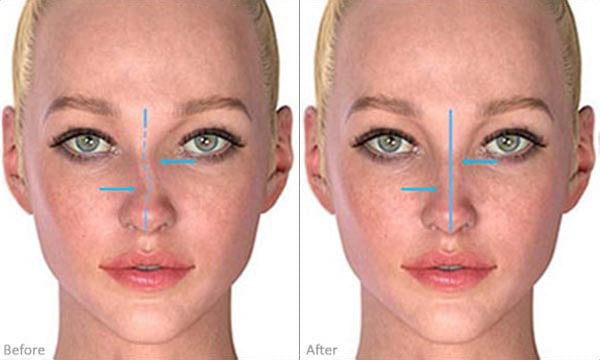
For example, someone with a high and narrow bridge may experience pressure from frames designed for wider noses. Conversely, someone with a flatter bridge may find their glasses sliding constantly.
Because of these variations, one-size-fits-all bridge designs rarely provide optimal comfort.
What Is Custom Nose Bridge Curvature?
Custom nose bridge curvature refers to designing the bridge of a pair of glasses so that its shape closely matches the natural contour of the wearer’s nose.
Instead of relying on a generic curve, the frame is adjusted to reflect the individual’s facial geometry.
This customization can involve several factors:
- Bridge width
- Bridge depth
- Bridge angle
- Contact surface area
- Frame balance
When these elements align properly, the glasses rest evenly across the nose rather than pressing into a single spot.
How Custom Bridge Design Eliminates Red Marks
Customized bridge curvature improves comfort in several ways.
Even Pressure Distribution
By matching the natural shape of the nose, the frame spreads its weight over a larger surface area. This reduces pressure points that cause redness.
Improved Stability
Glasses that match the nose’s curvature are less likely to slide downward. This prevents constant adjustments and friction.
Reduced Skin Irritation
Lower pressure and better balance reduce skin irritation during long periods of wear.
Better Frame Alignment
A well-designed bridge keeps the lenses properly aligned with the eyes, which improves optical performance.
The Difference Between Adjustable Nose Pads and Structural Curvature
Many glasses rely on adjustable nose pads to compensate for poor bridge fit.
While nose pads can help with minor adjustments, they are not always a perfect solution.
Nose pads provide small contact points rather than broad support. If the frame’s overall curvature is incorrect, pads may still concentrate pressure in a limited area.
Custom bridge curvature addresses the problem at a structural level rather than relying solely on adjustable components.
Why Mass-Produced Frames Struggle with Comfort
Mass-produced eyewear must accommodate a wide range of face shapes using standardized molds.
Manufacturers often produce frames in a limited set of bridge widths and shapes. While this approach keeps costs lower, it cannot account for the full diversity of human facial anatomy.
As a result, many wearers experience:
- Pressure on the nose bridge
- Frequent sliding
- Uneven lens positioning
- Red marks after extended wear
Custom-designed frames, by contrast, prioritize individual fit.
The Role of Weight in Nose Bridge Comfort
Frame weight also affects nose bridge pressure.
Heavier frames increase the force applied to the bridge of the nose. If the bridge curvature is poorly designed, that force becomes concentrated in a small area.
Lightweight materials such as titanium or advanced polymers help reduce overall pressure. However, even lightweight frames require proper curvature to distribute weight effectively.
The combination of lightweight materials and custom bridge design provides the best long-term comfort.
Technology Behind Custom Eyewear Fit
Modern eyewear design increasingly uses advanced technology to achieve precise fit.
Tools used in custom frame design may include:
- 3D facial scanning
- Digital modeling of facial geometry
- Precision manufacturing techniques
These technologies allow designers to analyze the shape of the wearer’s nose bridge and create frames tailored to those dimensions.
This level of precision was difficult to achieve with traditional mass production methods.
Signs That Your Glasses Bridge Doesn’t Fit Properly
If you wear glasses regularly, certain symptoms may indicate that your frames do not fit your nose bridge well.
Common signs include:
- Persistent red marks on the nose
- Soreness after long wear
- Glasses sliding down frequently
- Pressure headaches
- Uneven lens positioning
These issues often disappear once the bridge design is properly adjusted.
The Impact on Long-Term Comfort
People who wear glasses all day—especially those who rely on them for work—are particularly sensitive to comfort issues.
Even small pressure points can become irritating after several hours.
Custom bridge curvature helps create a feeling that many eyewear enthusiasts describe as “almost forgetting you’re wearing glasses.”
This is the ultimate goal of ergonomic eyewear design.
Custom Frames and Personal Style
Comfort is not the only benefit of customized eyewear.
Tailored frames also allow greater freedom in design and aesthetics.
Instead of choosing frames based solely on what fits, wearers can choose styles they genuinely enjoy while maintaining proper comfort.
This balance between fashion and function is one of the reasons custom eyewear has become increasingly popular.
Investing in a Better Eyewear Experience
Glasses are one of the few accessories people wear every single day.
Because of this, even small improvements in comfort can significantly affect daily life.
A well-designed nose bridge may seem like a minor detail, but it plays a crucial role in the overall experience of wearing glasses.
For many people, the disappearance of the red mark on the nose becomes a noticeable improvement in everyday comfort.
Final Thoughts
The small red mark on the nose bridge is often dismissed as an unavoidable side effect of wearing glasses. In reality, it is usually a sign that the frame’s bridge design does not match the wearer’s facial anatomy.
Every nose bridge has its own curvature, angle, and structure. When glasses are designed to accommodate those unique characteristics, pressure points disappear, stability improves, and comfort increases dramatically.
Custom nose bridge curvature represents a shift toward more thoughtful eyewear design—one that recognizes the diversity of human faces and prioritizes individual fit.
For anyone who wears glasses regularly, this subtle design detail can make a remarkable difference.
Sometimes, solving the mystery of the red mark is not about adjusting the glasses you already have—it’s about choosing frames that were designed for your face from the very beginning.
Share this post
- Bone Rattle (PH01)
- Haunted Plaid (PH02)
- Pumpkin King (PH03)
- Night Sky Bat (PH04)
- Pumpkin Parade (PH05)
- Spooky Duo (PH06)
- Witch’s Cat (PH07)
- Mint Ghost (PH08)
- Dark Spell (PH09)
- Midnight Meow (PH10)
- Ghost Mosaic (PH11)
- Skull Storm (PH13)
- Wicked Glow (PH14)
- Haunted Gray (PH15)
- Phantom Mosaic (PH16)
- Midnight Dots (PH17)
- Haunted Medley (PH18)
- Nightmare Mix (PH19)
- Ghost Fade (PH20)
- Candy Curse (PH26)
- Ghost Drift (PH21)
- Pumpkin Fusion (PH22)
- Shadow Spirit (PH23)
- Spooky Toon (PH24)
- Demon Grin (PH25)
- Autumn Bloom (PH27)
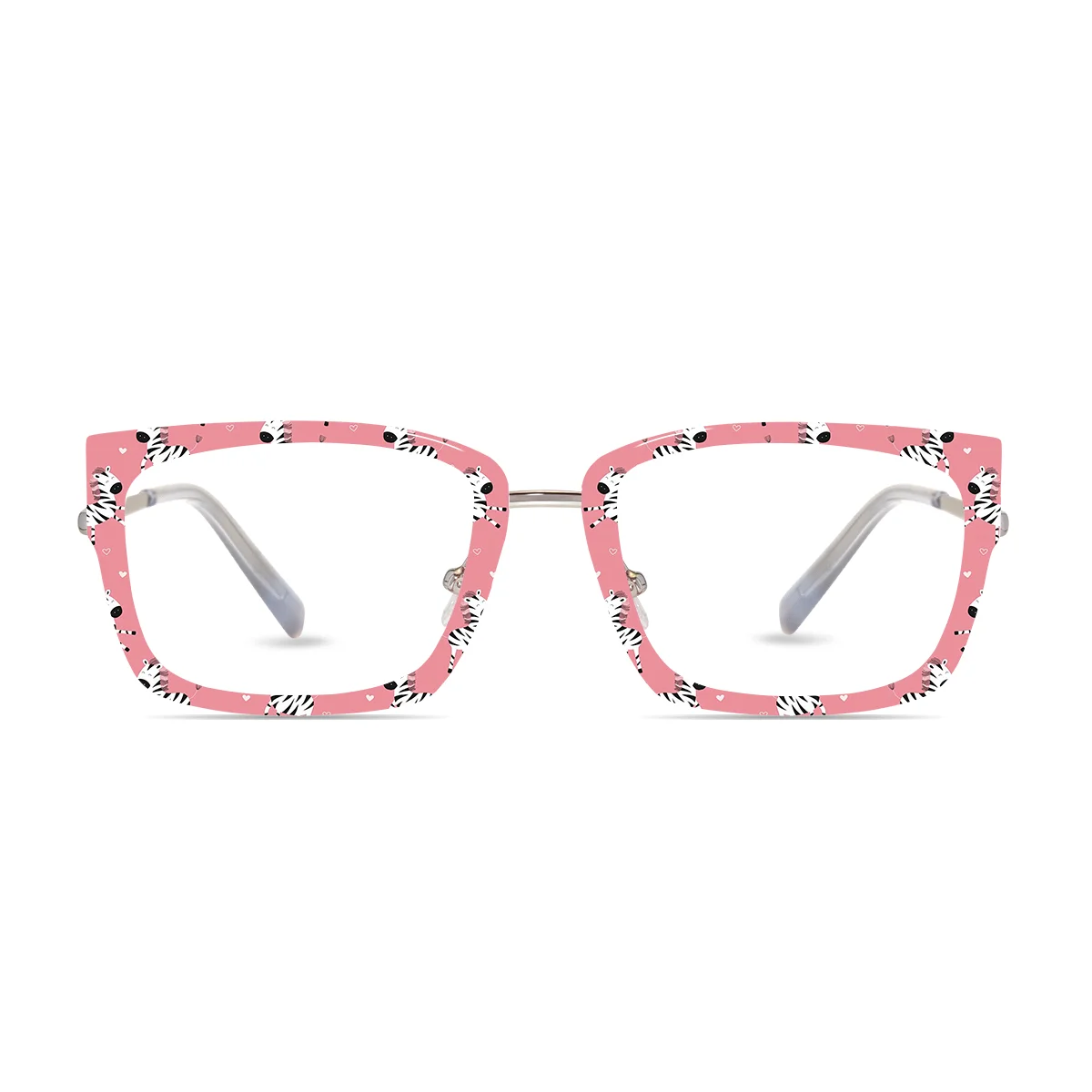
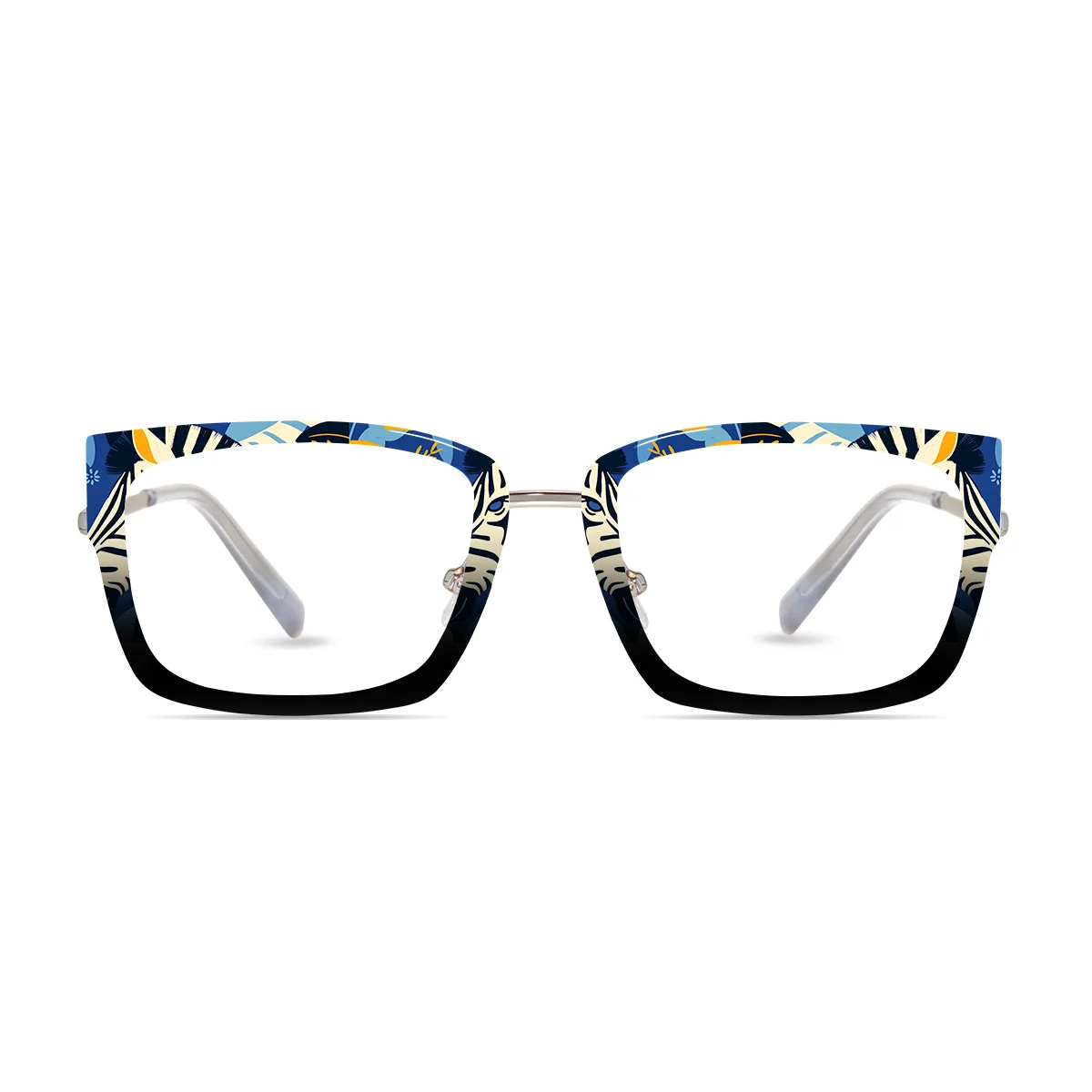
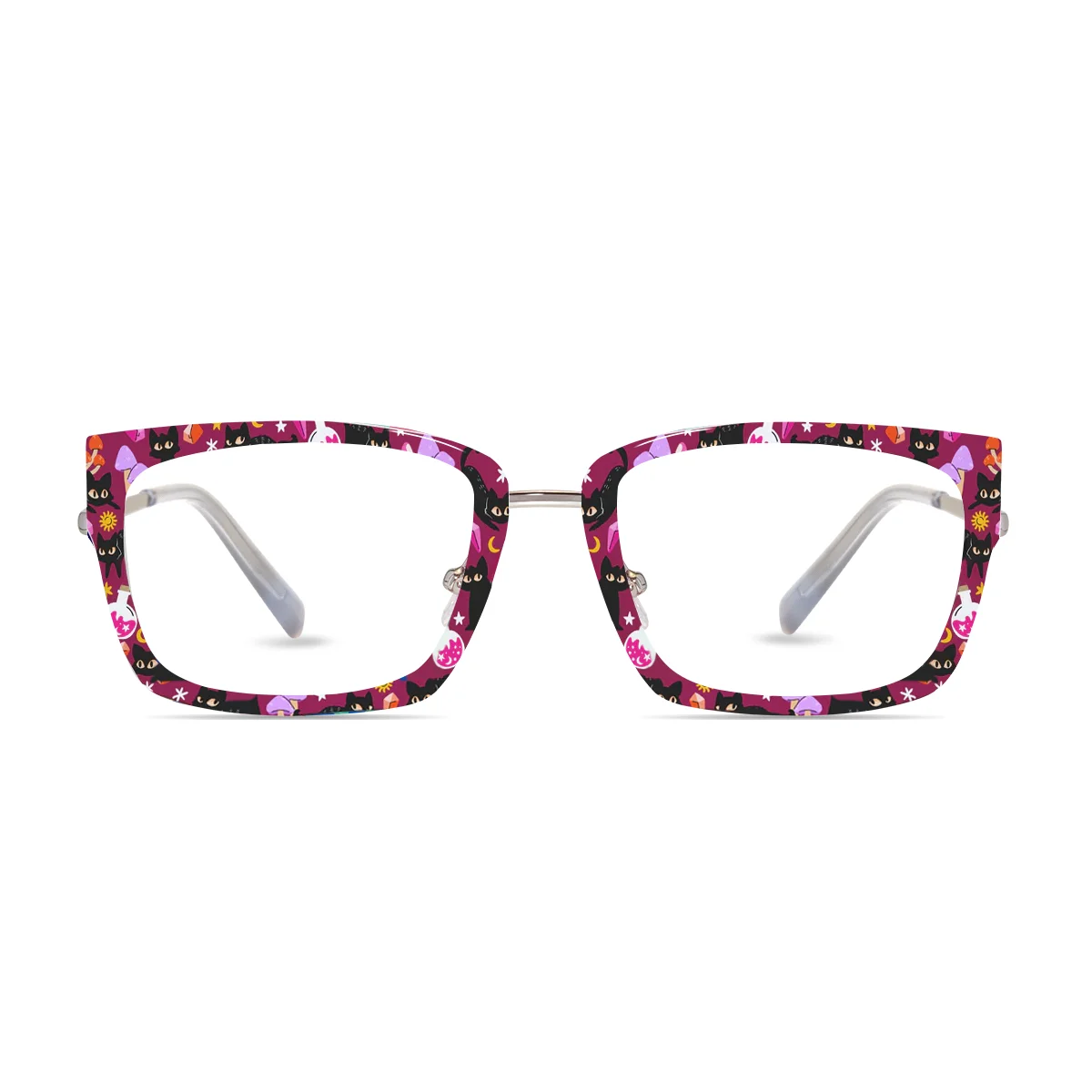
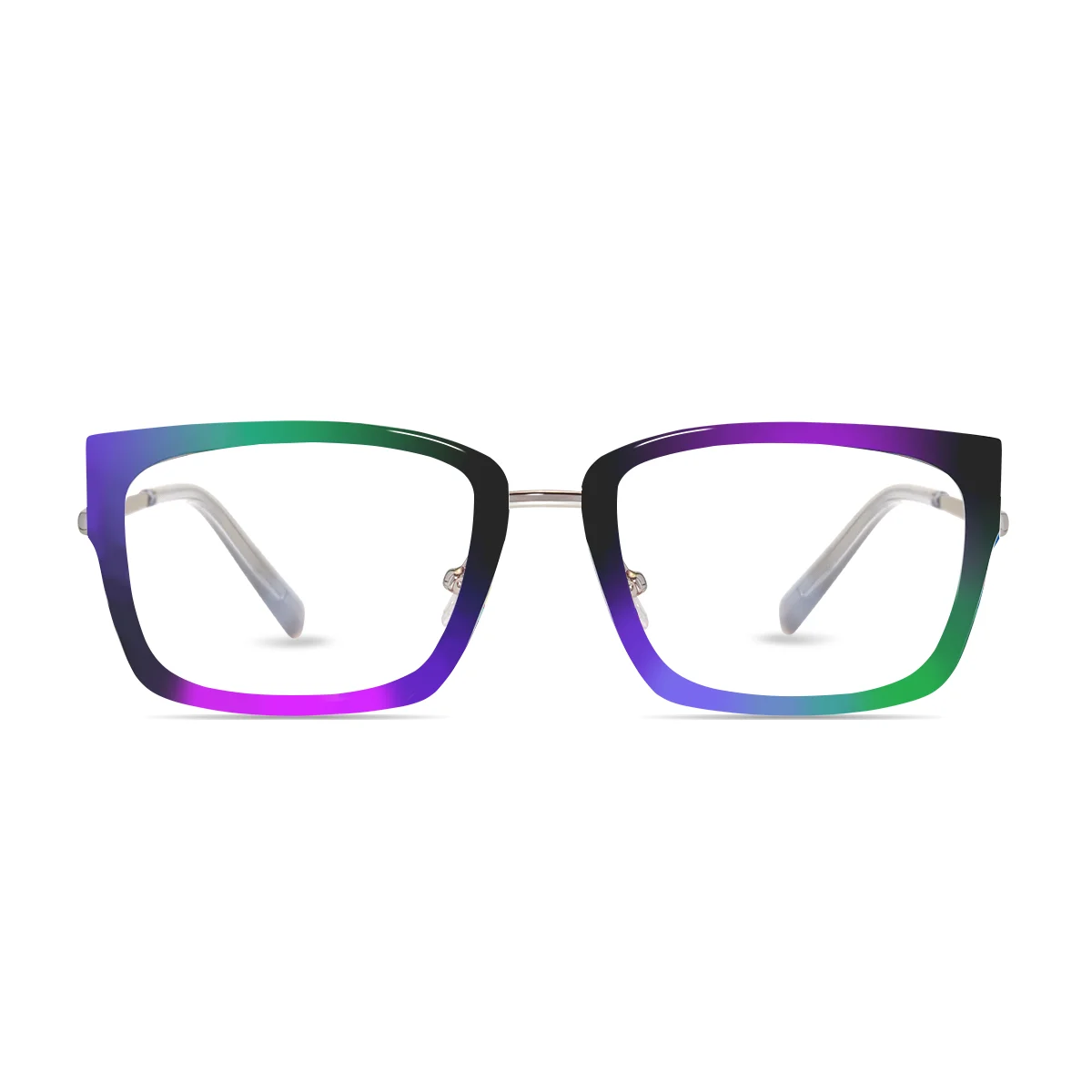
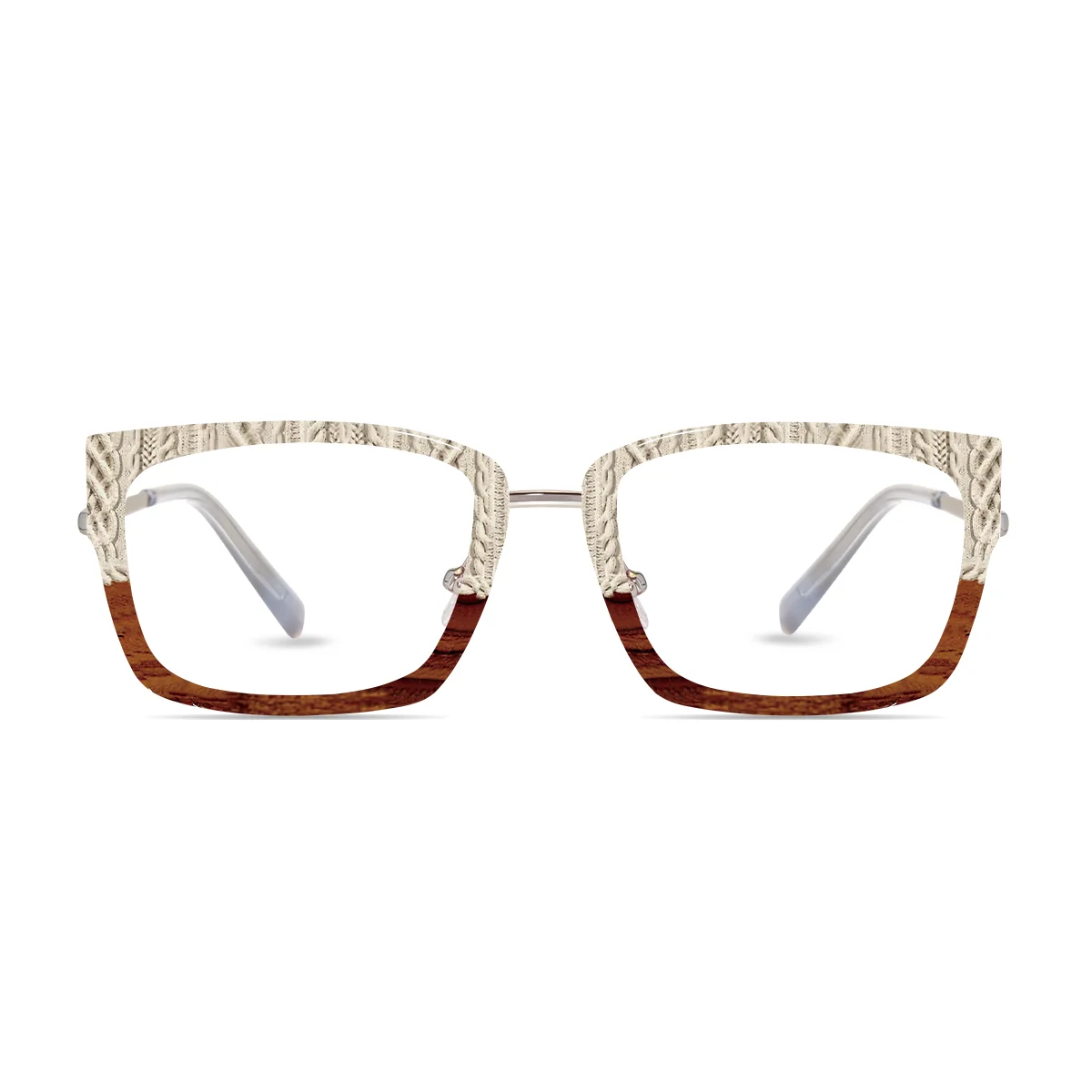
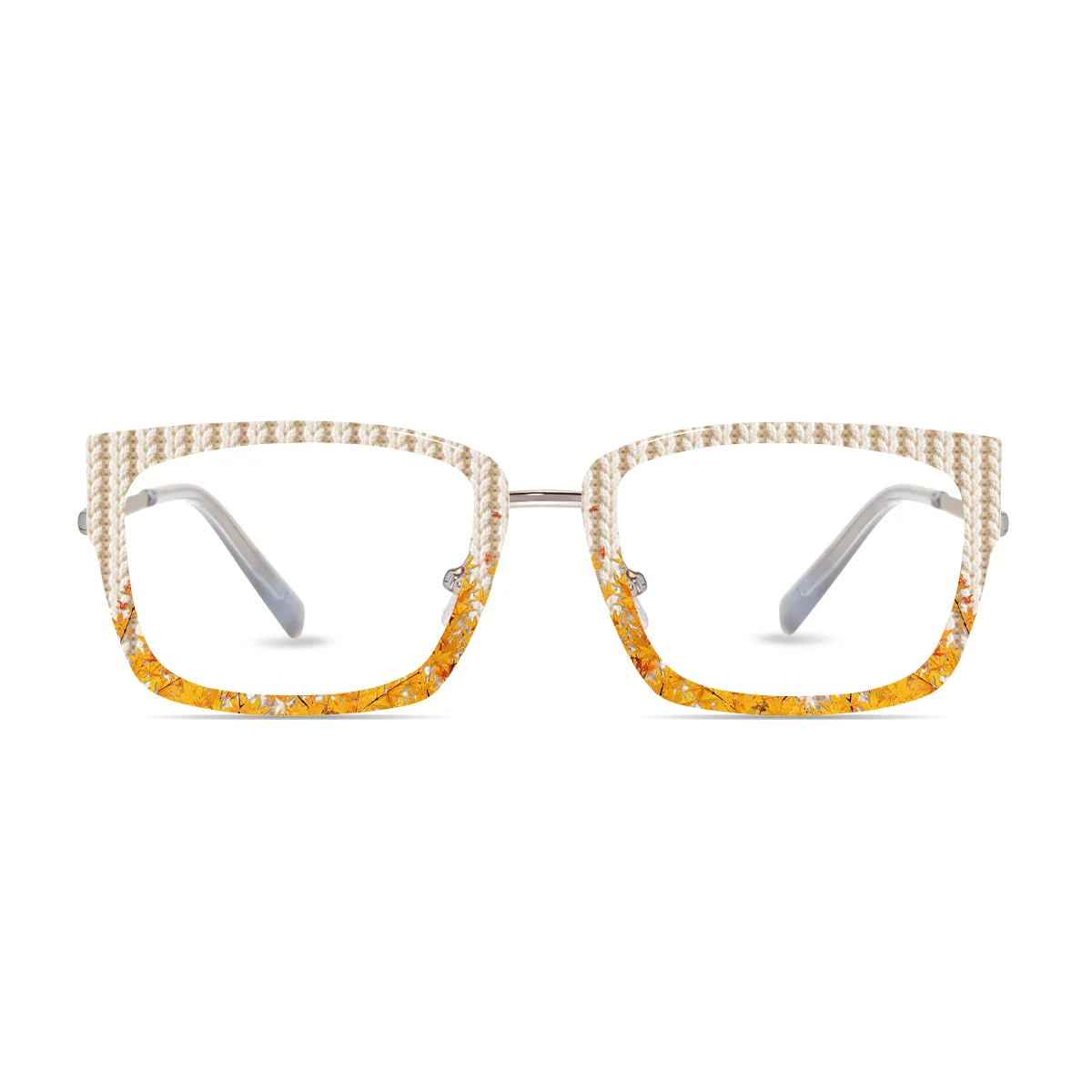
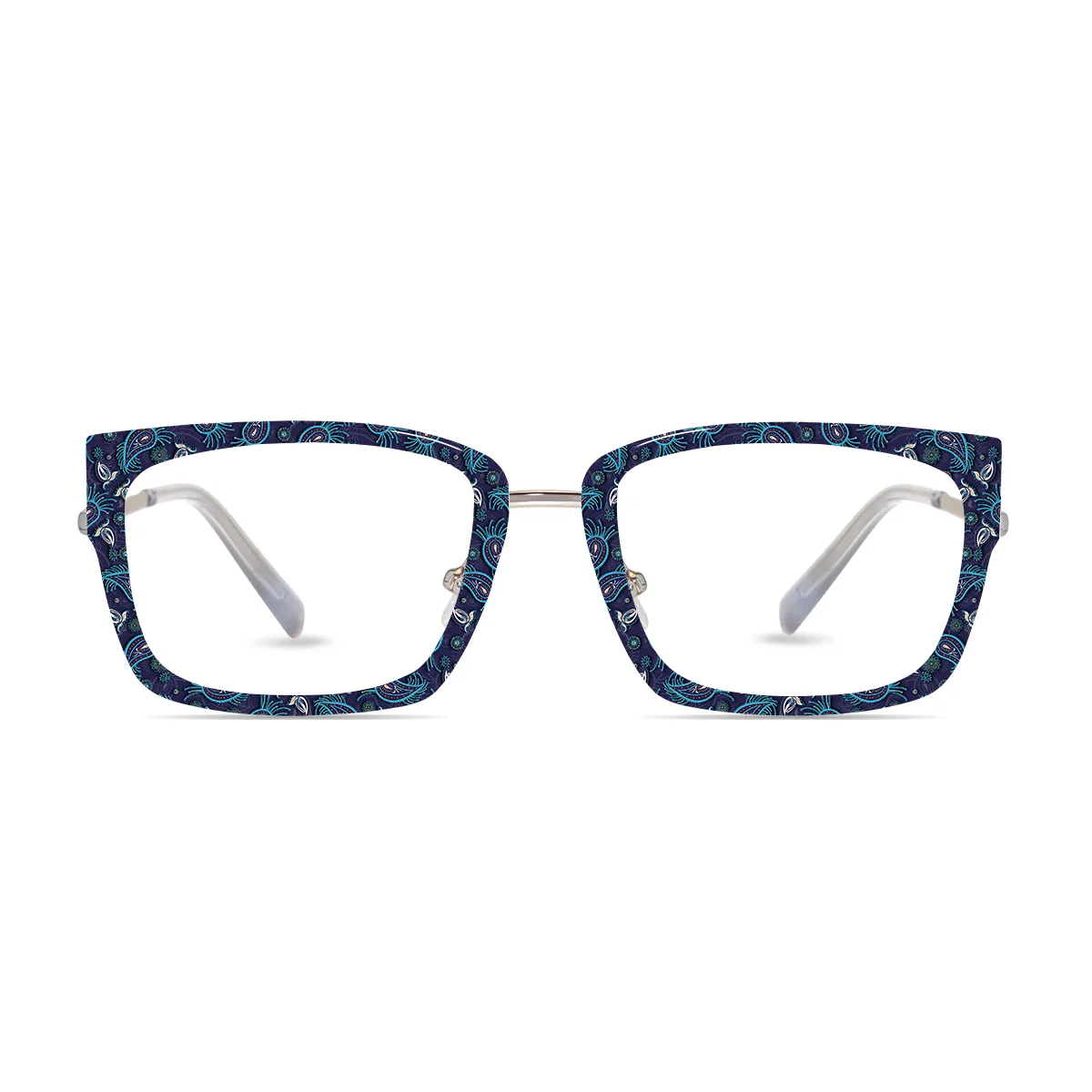
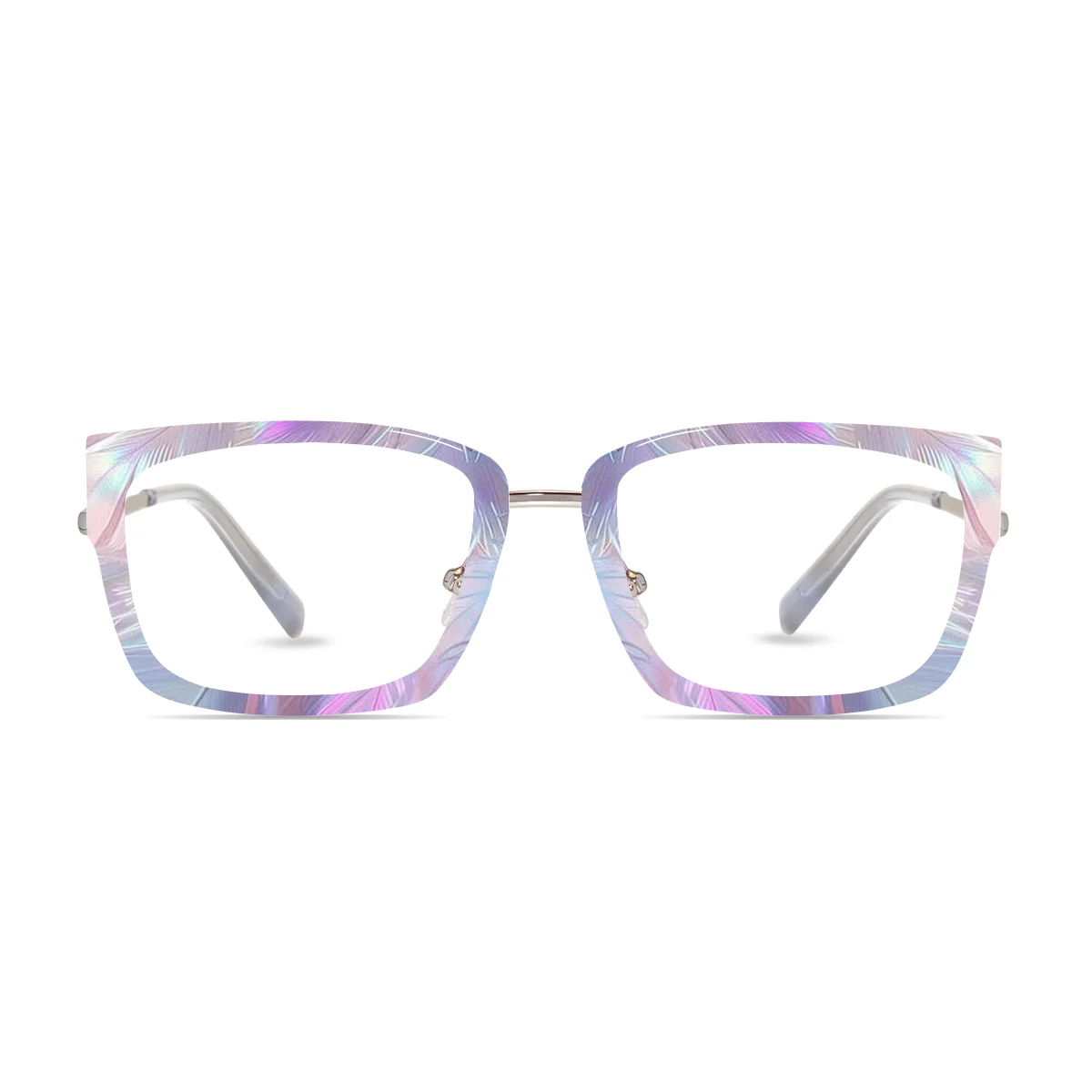
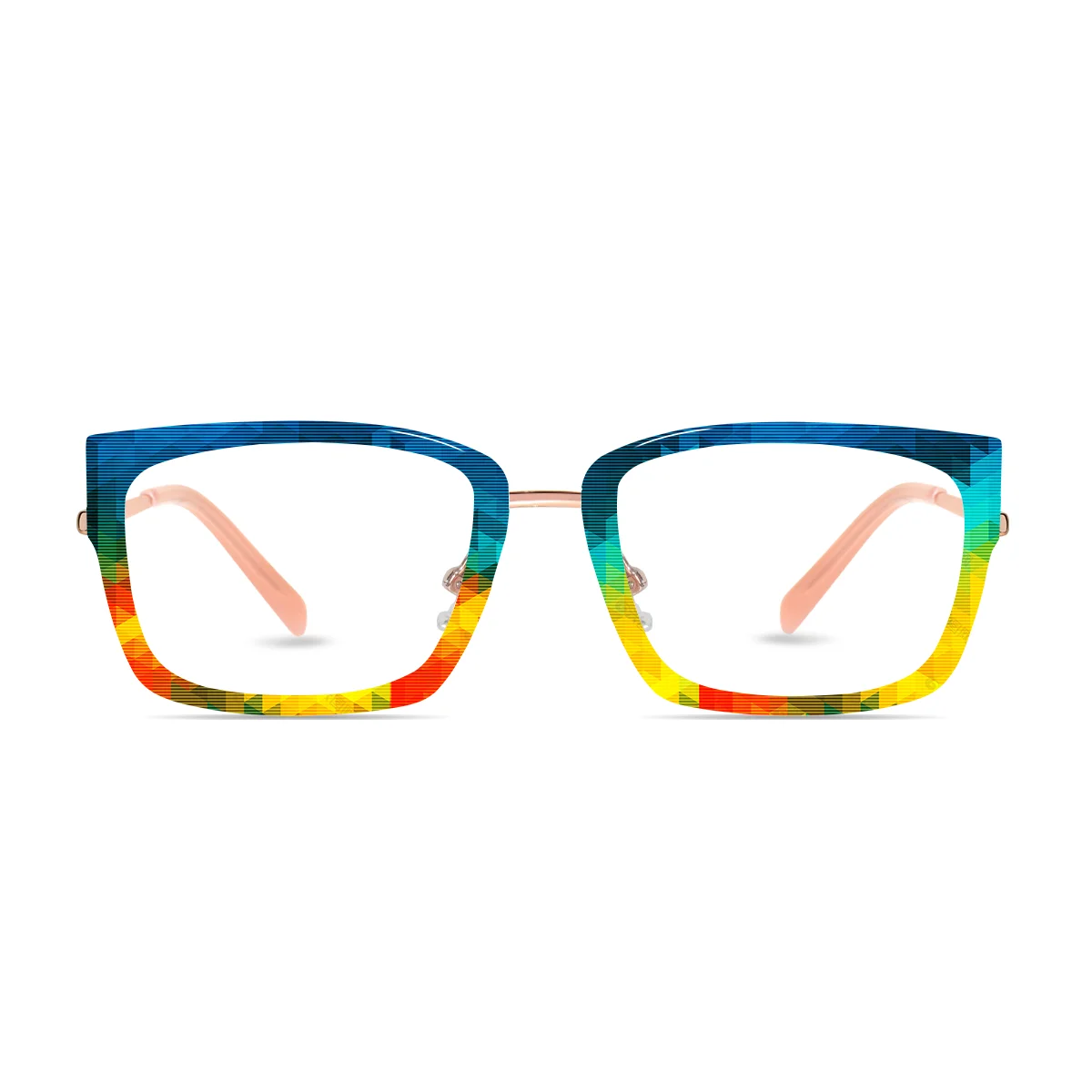
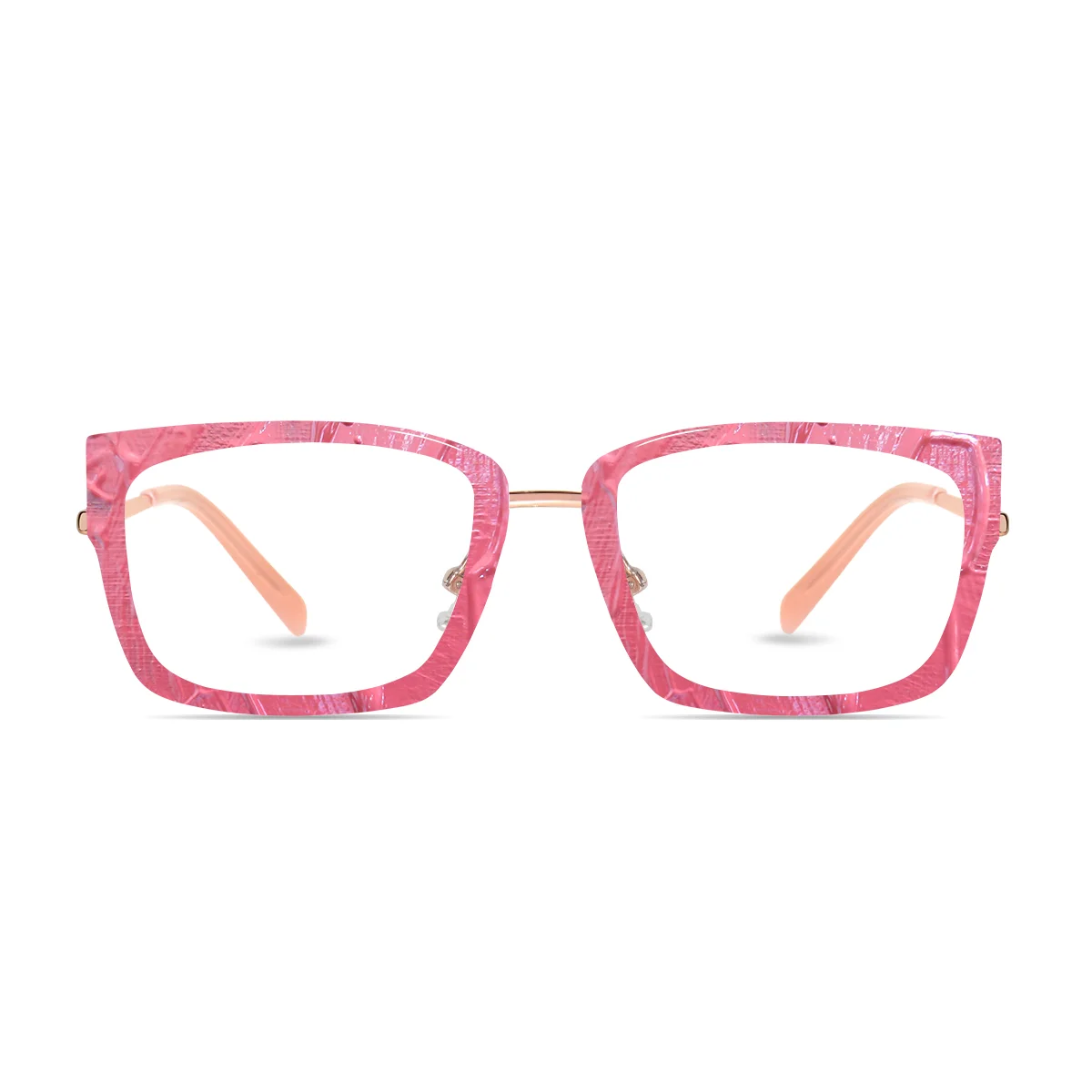
Soline Combo | Metallic Silver Base + Halloween Top Frame


Mira Gunmetal Gray Cat Eye Base Frame


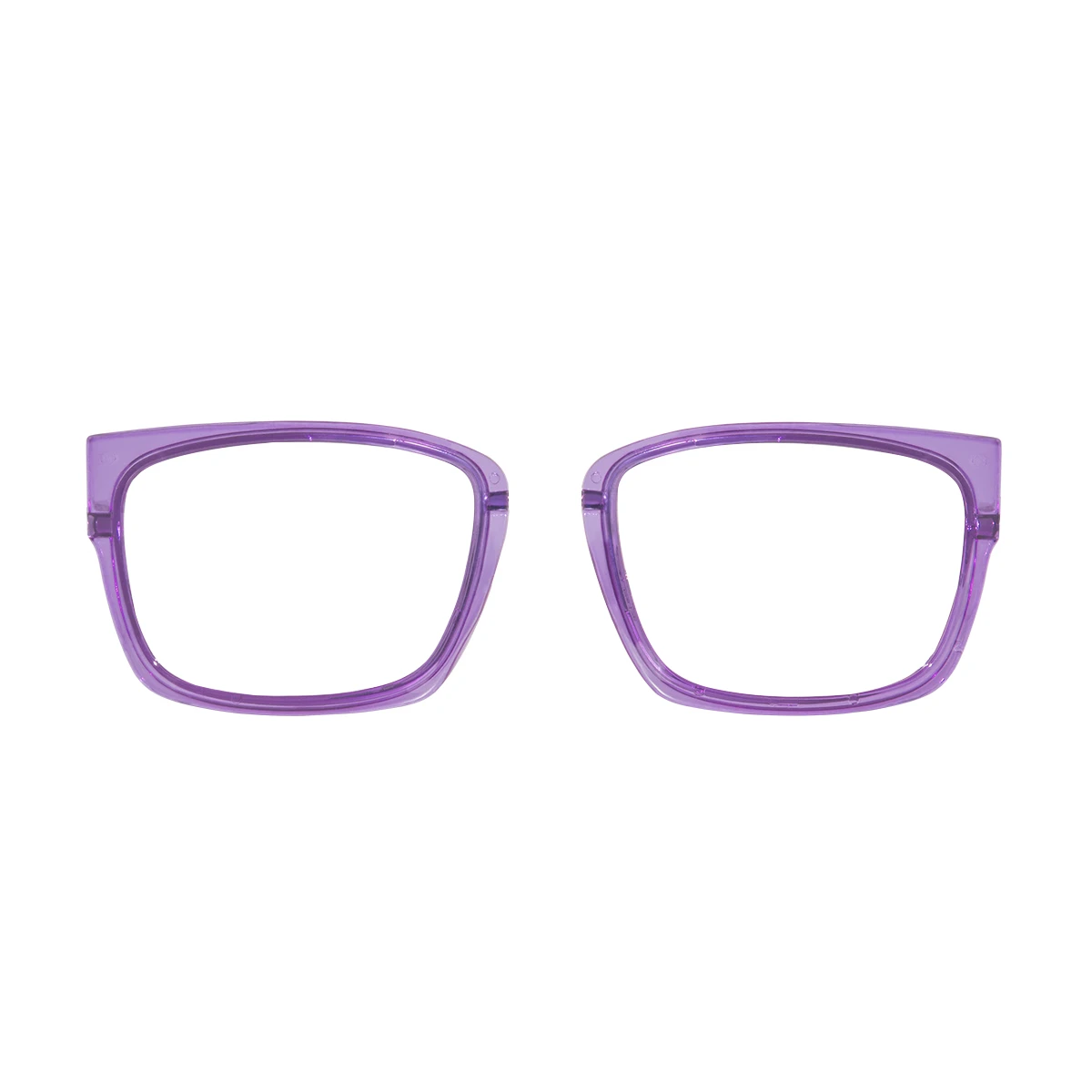
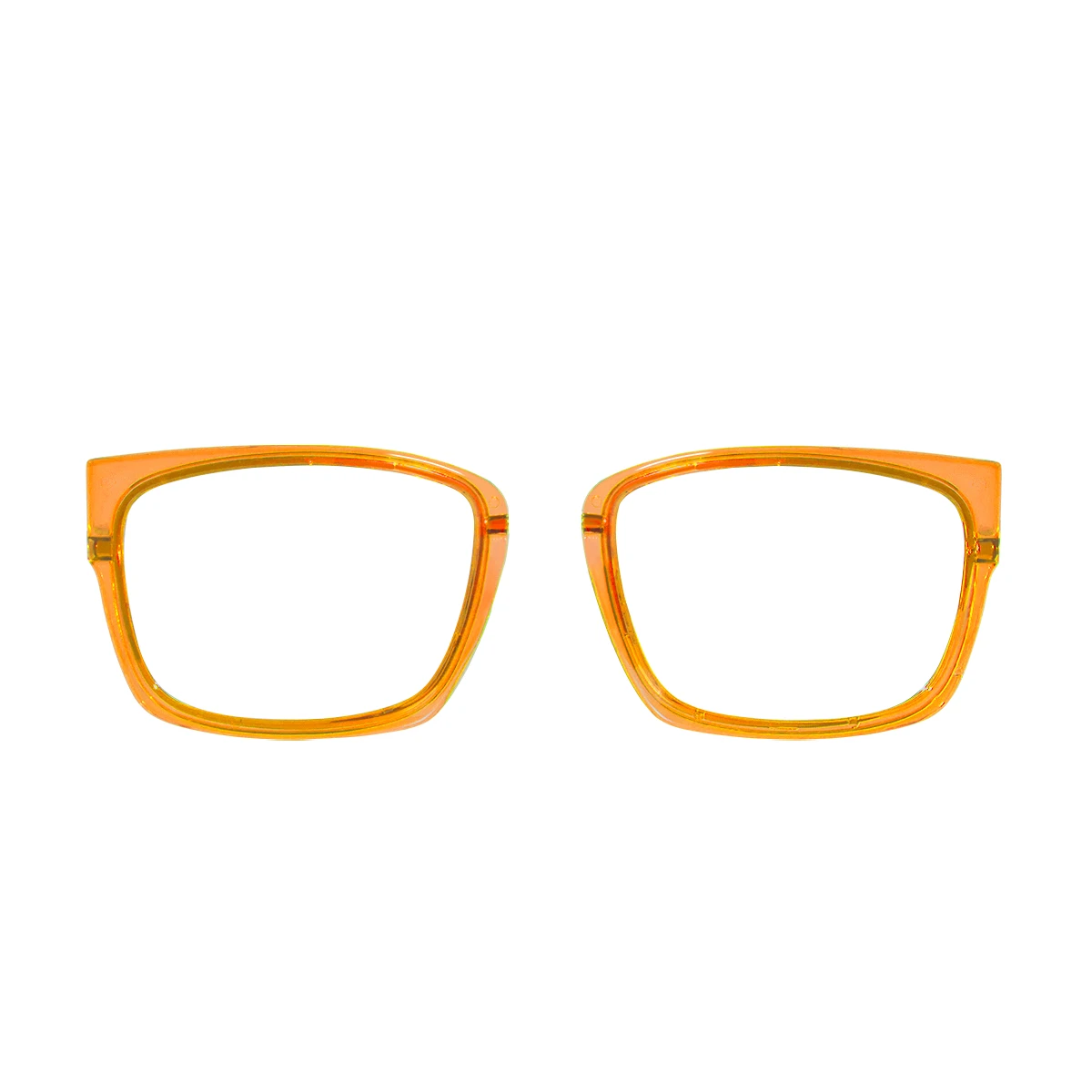
- Burgundy – Crystal (C01)
- Red – Crystal(C02)
- Burnt Orange – Crystal(C03)
- Marmalade – Crystal(C04)
- Sunshine Yellow – Crystal(C05)
- Lime Green – Crystal(C06)
- Sage – Crystal(C08)
- Green Forest – Crystal(C07)
- Army Green – Crystal(C09)
- Spruce – Crystal(C10)
- Turquiise – Crystal(C11)
- Cornflower– Crystal(C12)
- Navy – Crystal(C13)
- Indigo – Crystal(C14)
- Blue Orchid – Crystal(C15)
- Mauve – Crystal(C16)
- Lavender – Crystal(C21)
- Purple – Crystal(C17)
- Grape – Crystal(C18)
- Coral – Crystal(C19)
- Hot Pink – Crystal(C20)
- Chocolate – Crystal(C22)
Crystal Color Top Frame for Soline


Living a Multifaceted Life: How Custom Modular Eyewear Defines Your Personal Identity
Yet for years, eyewear has tried to force all these identities into one fixed frame.In a world where people change roles, moods,...
The Secret Weapon for Sculpting Your Face: How to Customize Eyewear Based on Your Cheekbones and Brow Shape
When it comes to elevating your appearance, most people think about hairstyles, makeup, or wardrobe upgrades. But there’s one transformative accessory that...
How Mechanical Clip Systems Make Quick Temple Replacement Possible: The Future of Modular Eyewear Design
Eyewear has evolved far beyond simple vision correction. Today, glasses are fashion statements, performance tools, and everyday essentials that must adapt to...
Are Pink Glasses in Style?
Pink glasses are a timeless symbol of charm and personality. They evoke feelings of compassion, love, and hope, making them a popular...
One-Second Color Switch
How to Match Your Glasses Frame to Today’s Outfit—EffortlesslyLet’s be honest.You don’t wear the same outfit every day.Some days it’s clean and...
“Five O’Clock Headache”: Could Custom Eyewear Be the Cure for Your Daily Fatigue?
Around 4:30 p.m., your focus softens. By 5:00 p.m., there’s a dull pressure behind your eyes. Your temples tighten. The screen feels...