
Will Magnetic Eyeglass Frames Become a Burden?A Deep Dive Into the Safety Advantages of Lock-In Custom Fit Eyewear
Eyewear has evolved far beyond simple vision correction. Today’s consumers expect comfort, durability, style, adaptability, and above all—safety. In recent years, magnetic eyeglass frames have entered the spotlight as an innovative alternative to traditional hinge-based designs. Marketed as convenient, modular, and flexible, they promise easier lens swapping and simplified assembly.
But a growing number of wearers are asking an important question: Will magnetic eyeglass frames eventually become a burden? And in contrast, are lock-in custom-fit frames a safer, more reliable long-term solution?
In this in-depth guide, we’ll explore how magnetic eyewear works, where it may fall short, and why lock-in customized fit systems are gaining traction among safety-conscious and comfort-driven consumers in 2026.
Understanding Magnetic Eyeglass Frames
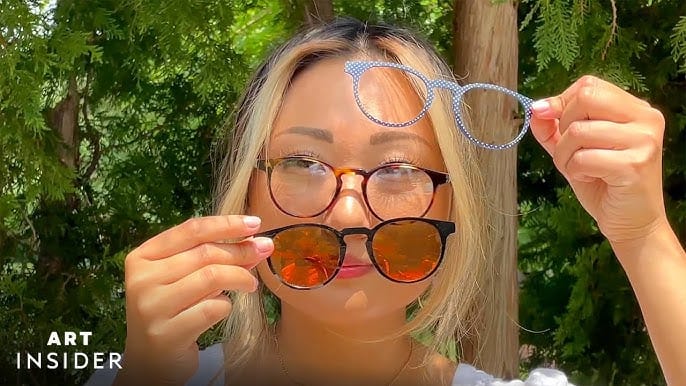
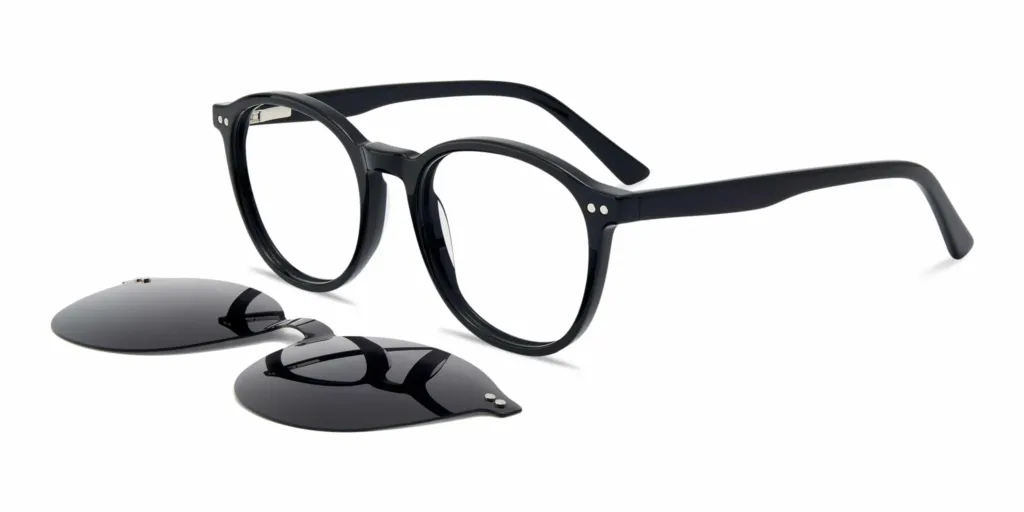
Magnetic eyewear typically incorporates small embedded magnets at connection points—commonly at the bridge, temples, or clip-on attachment areas. These magnets allow components to snap together without traditional screws or fixed joints.
There are generally two types of magnetic systems:
- Magnetic clip-ons – Sunglass lenses attach magnetically over prescription frames.
- Modular magnetic frames – Temples or bridges connect via magnets instead of screws.
At first glance, the appeal is obvious:
- Quick assembly and disassembly
- Easy lens switching
- Minimal hardware maintenance
- Sleek, modern design
However, convenience doesn’t always equate to long-term performance or structural stability.
The Hidden Challenges of Magnetic Frames
While magnets offer flexibility, they introduce structural compromises that may not be immediately obvious. Let’s examine the most critical concerns.
1. Reduced Structural Integrity
Magnets rely on attraction force—not mechanical locking. Over time, repeated movement, drops, or temperature fluctuations can weaken magnetic strength or cause micro-misalignment.
In high-motion environments—commuting, exercising, bending down, or lifting objects—frames may shift slightly. Even minimal movement can:
- Alter lens alignment
- Increase pressure points
- Cause visual distortion
- Create temple instability
Eyewear is a precision instrument. Even subtle misalignment can strain the eyes and reduce visual clarity.
2. Long-Term Wear Fatigue
Magnets may initially feel strong, but they are not immune to degradation. Heat exposure (such as leaving glasses in a car), moisture, and sweat can affect internal adhesives and magnet housing materials.
As magnetic resistance weakens:
- Connections may feel looser.
- Components may detach more easily.
- Users may unconsciously adjust frames more often.
Frequent micro-adjustments contribute to discomfort and long-term fatigue.
3. Safety Risks During Impact
A critical question rarely discussed: What happens during sudden impact?
In minor collisions or accidental drops:
- Magnetic parts can detach.
- Lenses may shift.
- Frames may separate.
While some argue that detachment reduces facial injury risk, it can also increase the chance of losing components or damaging expensive prescription lenses.
For children, athletes, and commuters, structural reliability matters more than modular convenience.
4. Electromagnetic Interference Concerns
Although small magnets typically pose minimal risk, users who work around sensitive electronics or industrial environments may experience complications. Additionally, individuals with certain medical implants often receive cautionary advice regarding magnetic exposure.
While the risk is relatively low, it’s another factor to consider when evaluating daily-use eyewear.
The Psychology of Stability: Why Lock-In Fit Matters
Eyewear is worn for hours every day. Comfort isn’t just physical—it’s psychological. A frame that feels secure promotes confidence. A frame that feels unstable—even subtly—creates subconscious tension.
This is where lock-in custom-fit frames distinguish themselves.
Unlike magnetic systems, lock-in designs rely on:
- Precision mechanical hinges
- Engineered snap-fit components
- Customized temple length and angle
- Adjustable nose pads fitted to facial structure
Instead of relying on attraction force, these systems create a structural bond that remains stable under motion and stress.
What Is Lock-In Custom Fit Eyewear?
Lock-in custom-fit eyewear refers to frames engineered for structural security and personalized ergonomic alignment. This approach prioritizes:
- Accurate pupillary distance alignment
- Proper temple curvature
- Weight distribution balance
- Anti-slip grip features
- Secure hinge locking systems
Rather than modular separation, these frames emphasize cohesive construction.
The result? Greater durability and safer long-term wear.
Safety Advantages of Lock-In Custom Fit Frames
1. Superior Impact Resistance
Mechanical hinges and reinforced joints distribute force more evenly across the frame. During accidental drops or light collisions, the structure absorbs energy rather than separating.
This reduces:
- Lens displacement
- Frame twisting
- Sudden detachment
For active lifestyles, this matters.
2. Stable Optical Alignment
Precise optical alignment ensures:
- Clear visual axis positioning
- Reduced eye strain
- Lower risk of headaches
- Consistent focal accuracy
When lenses stay exactly where they’re designed to be, vision quality remains reliable.
Magnetic systems can experience millimeter-level shifts over time. That may sound small—but in optics, even slight deviation impacts clarity.
3. Custom Ergonomic Fit
Lock-in customization allows adjustment to:
- Face width
- Nose bridge shape
- Ear height asymmetry
- Head tilt angle
These micro-adjustments prevent:
- Sliding
- Pressure marks
- Uneven weight distribution
The more personalized the fit, the safer and more comfortable the wear.
4. Reduced Maintenance
Magnetic frames sometimes require cleaning around connection points to maintain strength. Lock-in systems typically require only occasional hinge tightening or standard care.
Fewer moving components mean fewer long-term failures.
Will Magnetic Frames Become a Burden Over Time?
The answer depends on user lifestyle and expectations.
For occasional wearers who prioritize style flexibility, magnetic frames may work well.
However, for:
- Full-time prescription wearers
- Active individuals
- Professionals in motion-heavy environments
- Children or teens
- Individuals sensitive to frame instability
Magnetic systems may gradually feel like a compromise.
Over months or years, minor inconveniences compound:
- Small alignment shifts
- Slight loosening
- Repeated snapping fatigue
- Increased lens recalibration
What begins as convenience can become maintenance.
Material Science: Why Structure Wins
Modern lock-in frames often use advanced materials such as:
- TR90 memory polymer
- Aerospace-grade aluminum
- Beta titanium alloys
- Carbon fiber composites
These materials combine:
- Flexibility
- Strength
- Lightweight comfort
- Corrosion resistance
Magnets add weight and introduce another variable in material compatibility. Structural frames, by contrast, focus entirely on mechanical synergy.
Long-Term Cost Analysis
At first glance, magnetic eyewear may appear cost-effective due to modular components.
However, long-term factors include:
- Replacement parts
- Lost detachable components
- Lens recalibration
- Repair frequency
Lock-in custom frames often have higher upfront precision but lower long-term maintenance costs.
Over 3–5 years of daily wear, structural reliability usually proves more economical.
Who Should Avoid Magnetic Frames?
While magnetic eyewear has its place, certain groups may benefit from avoiding it:
- Athletes and runners
- Children under 14
- Industrial workers
- Individuals with strong prescription lenses
- People sensitive to frame shifting
Stability matters most in these cases.
Who Might Benefit From Magnetic Designs?
Balanced perspective matters.
Magnetic frames may suit:
- Fashion-focused wearers
- Occasional sunglass users
- Individuals who frequently switch lens types
- Minimalist users who prefer easy storage
They are not inherently flawed—but they are situational.
The Future of Safe Eyewear in 2026
Consumer demand is shifting toward:
- Custom fit precision
- Long-term comfort
- Structural integrity
- Lightweight performance
- Low-maintenance design
As personalization technology improves, including digital face scanning and 3D fitting tools, lock-in customized frames are becoming more accessible and affordable.
The eyewear industry is gradually recognizing that security and ergonomics outweigh novelty.
Final Verdict: Burden or Breakthrough?
Magnetic eyeglass frames are an innovative step in modular eyewear design. However, innovation alone does not guarantee long-term practicality.
When evaluated through the lens of:
- Safety
- Structural durability
- Optical stability
- Ergonomic precision
- Cost efficiency
Lock-in custom-fit eyewear presents measurable advantages.
For casual wear, magnets may suffice.
For daily reliance, precision structure wins.
The real question isn’t whether magnets are trendy.
It’s whether your eyewear should prioritize flexibility—or reliability.
In 2026, as consumers grow more informed and performance-driven, the trend is clear: customized structural stability is not just a feature. It’s the foundation of safe, confident, long-term wear.
And in the world of vision, stability is never a burden—it’s peace of mind.
Share this post
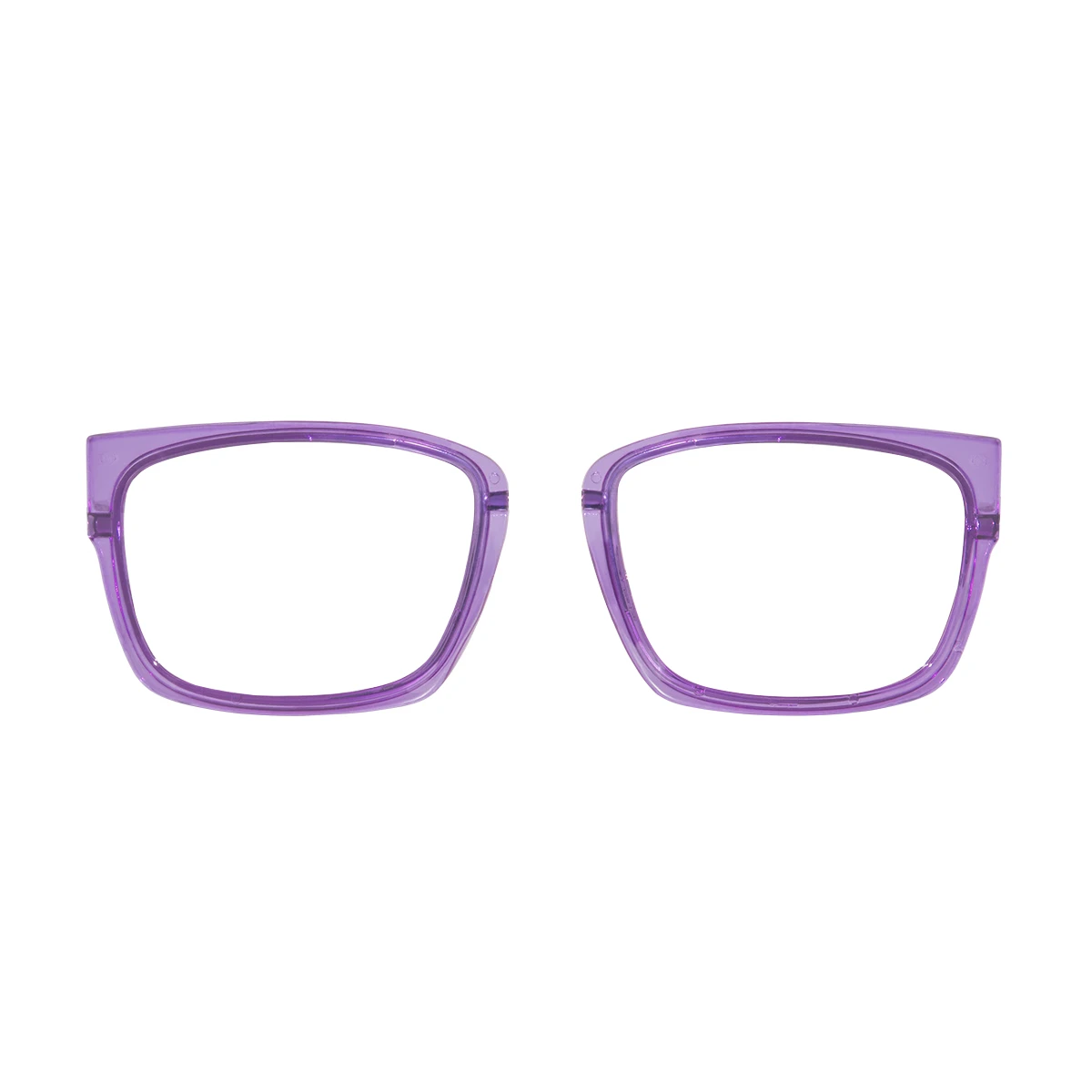
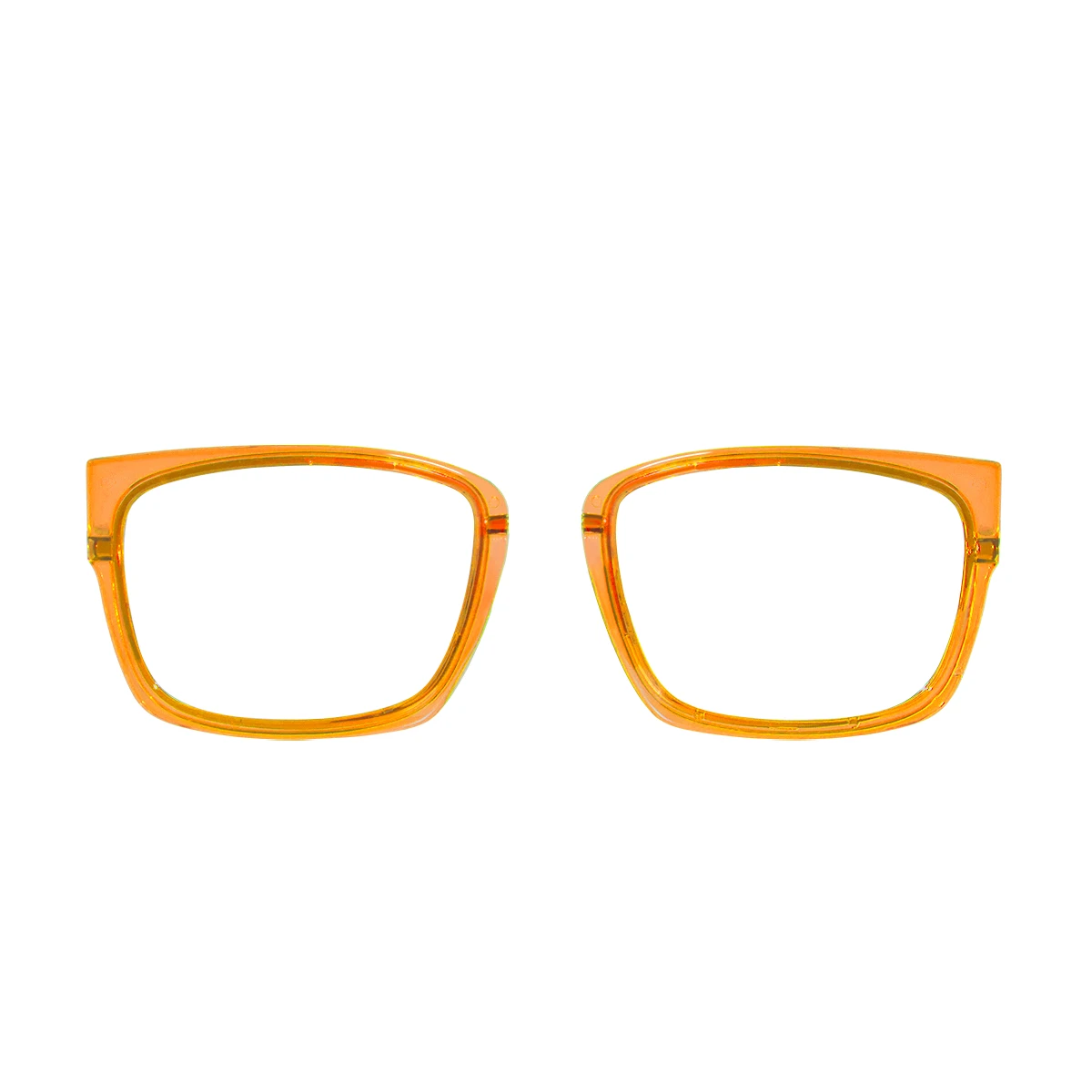
- Burgundy – Crystal (C01)
- Red – Crystal(C02)
- Burnt Orange – Crystal(C03)
- Marmalade – Crystal(C04)
- Sunshine Yellow – Crystal(C05)
- Lime Green – Crystal(C06)
- Sage – Crystal(C08)
- Green Forest – Crystal(C07)
- Army Green – Crystal(C09)
- Spruce – Crystal(C10)
- Turquiise – Crystal(C11)
- Cornflower– Crystal(C12)
- Navy – Crystal(C13)
- Indigo – Crystal(C14)
- Blue Orchid – Crystal(C15)
- Mauve – Crystal(C16)
- Lavender – Crystal(C21)
- Purple – Crystal(C17)
- Grape – Crystal(C18)
- Coral – Crystal(C19)
- Hot Pink – Crystal(C20)
- Chocolate – Crystal(C22)
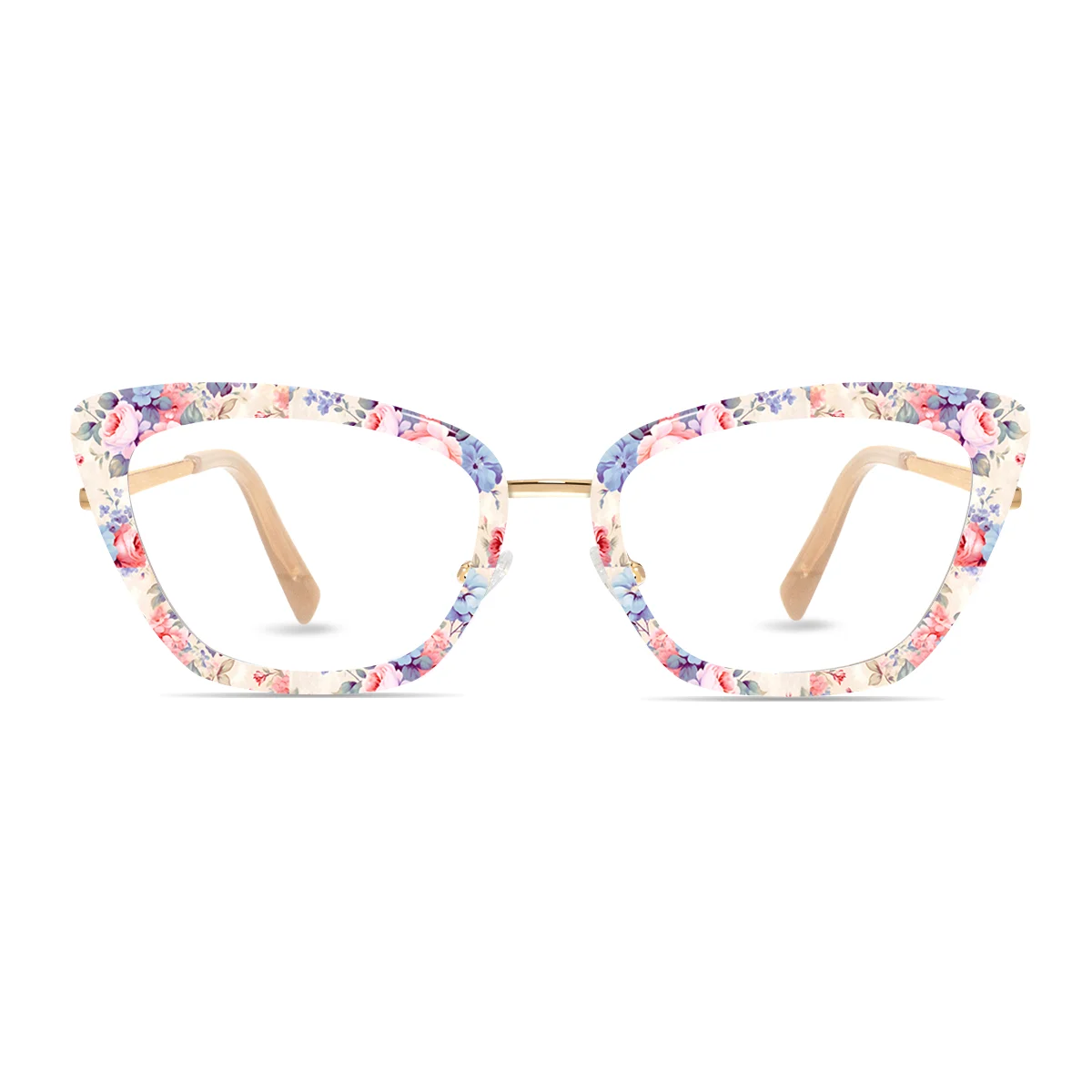
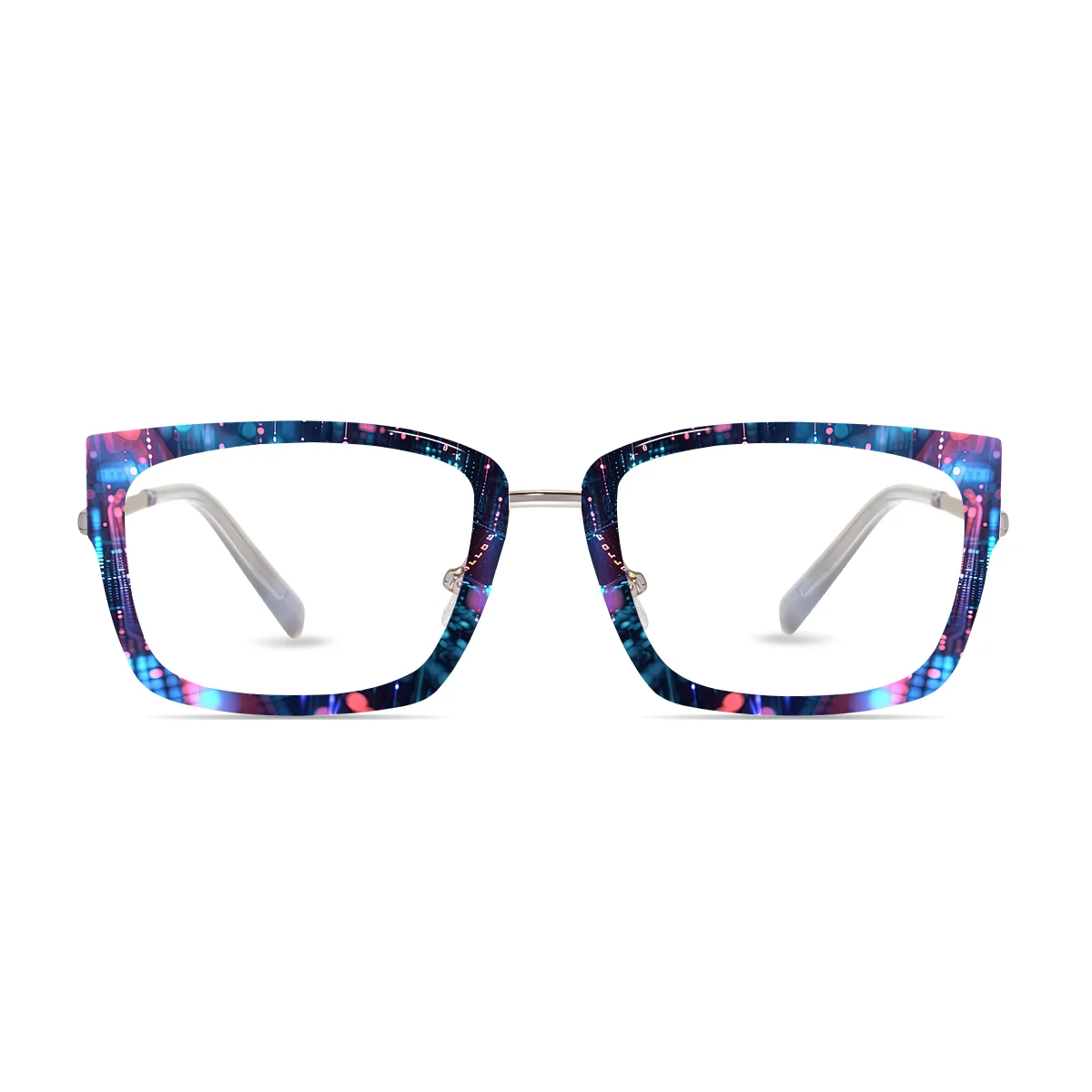
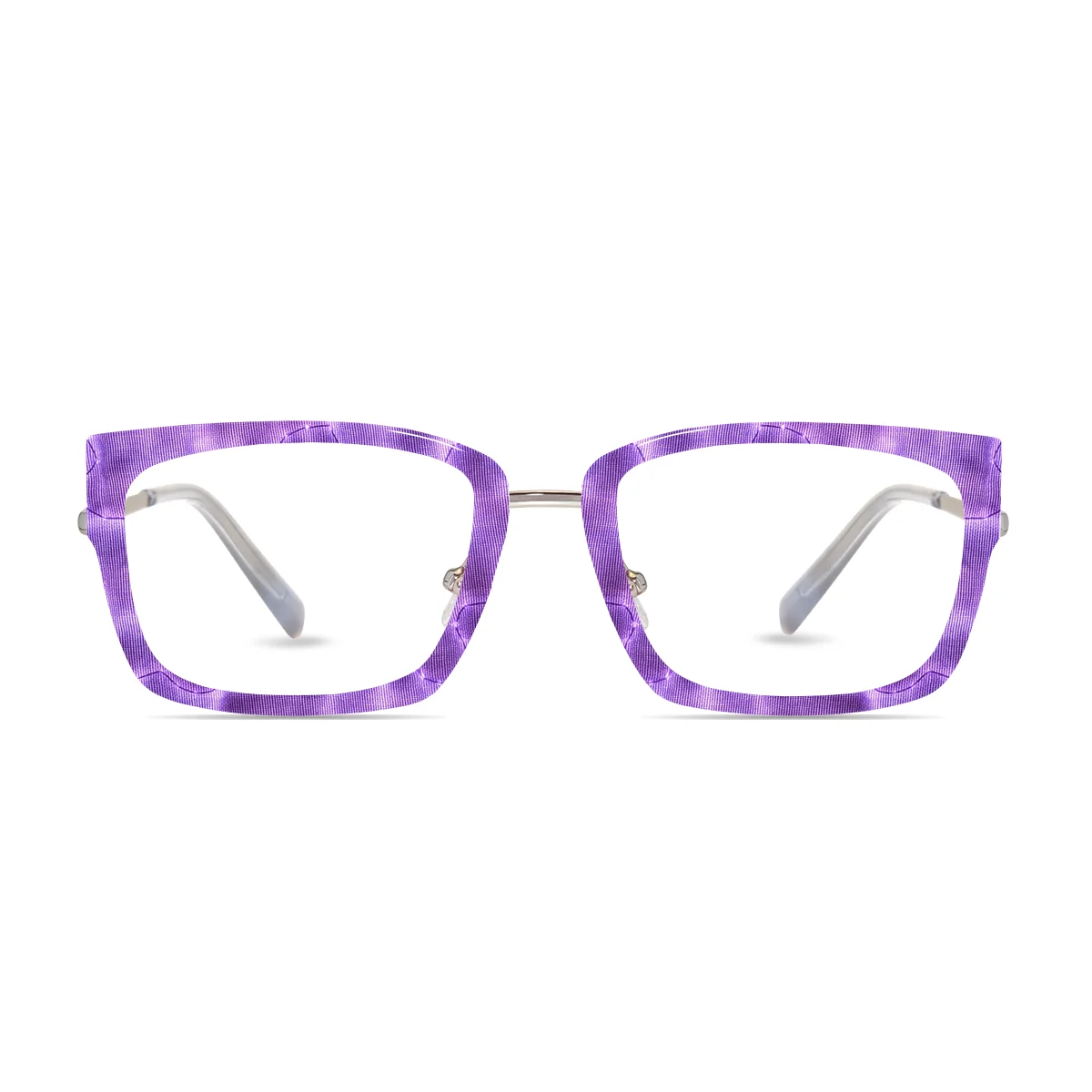
Crystal Color Top Frame for Soline
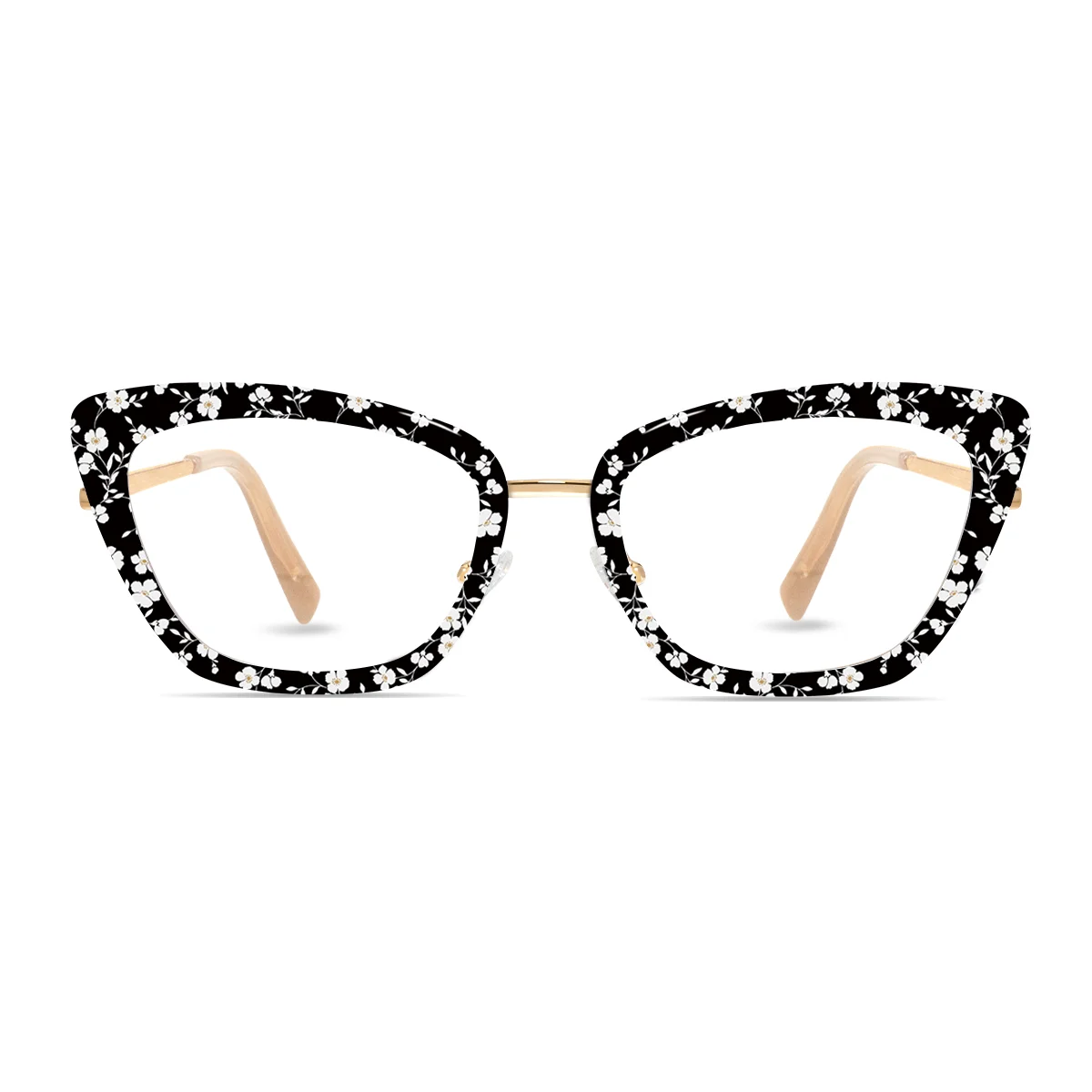




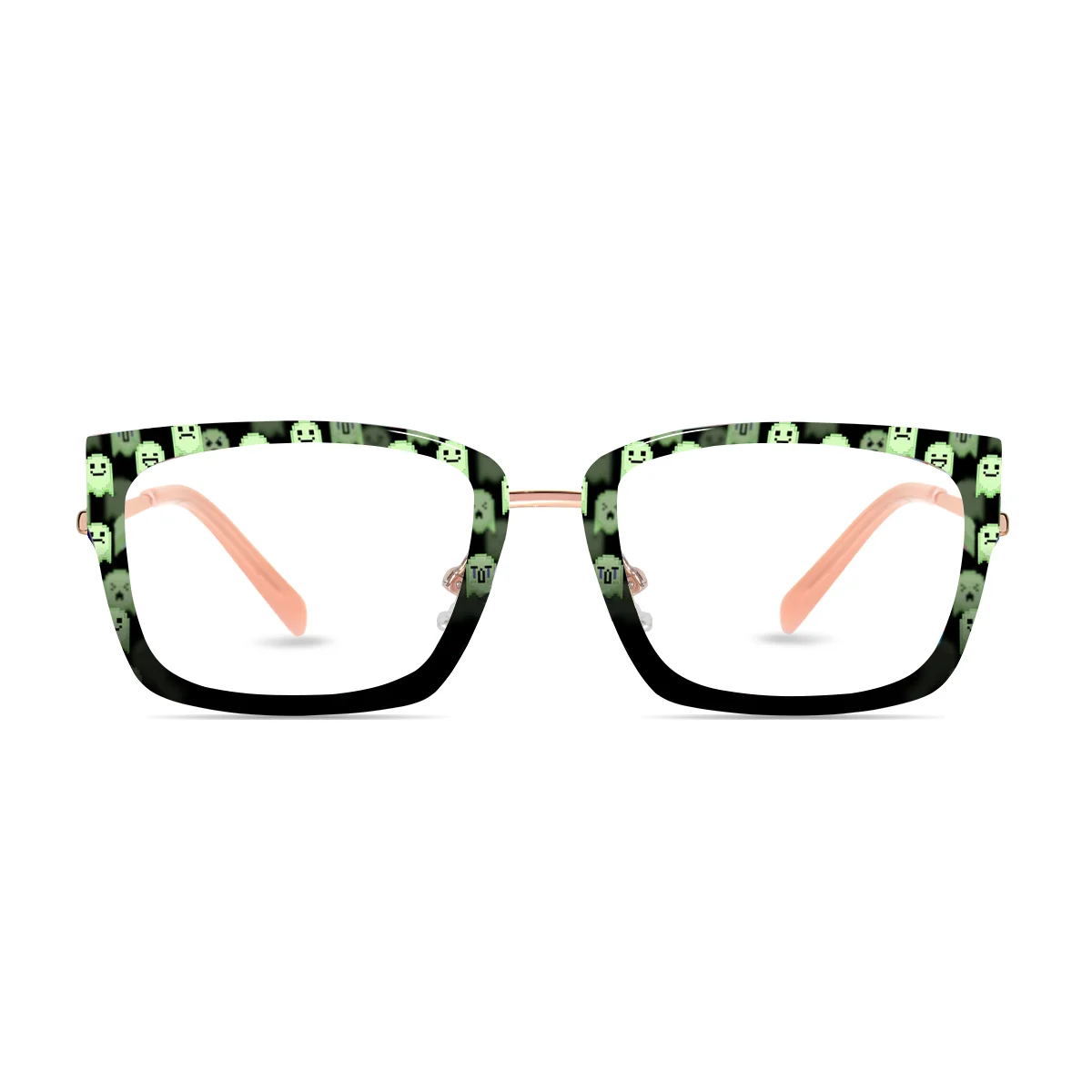
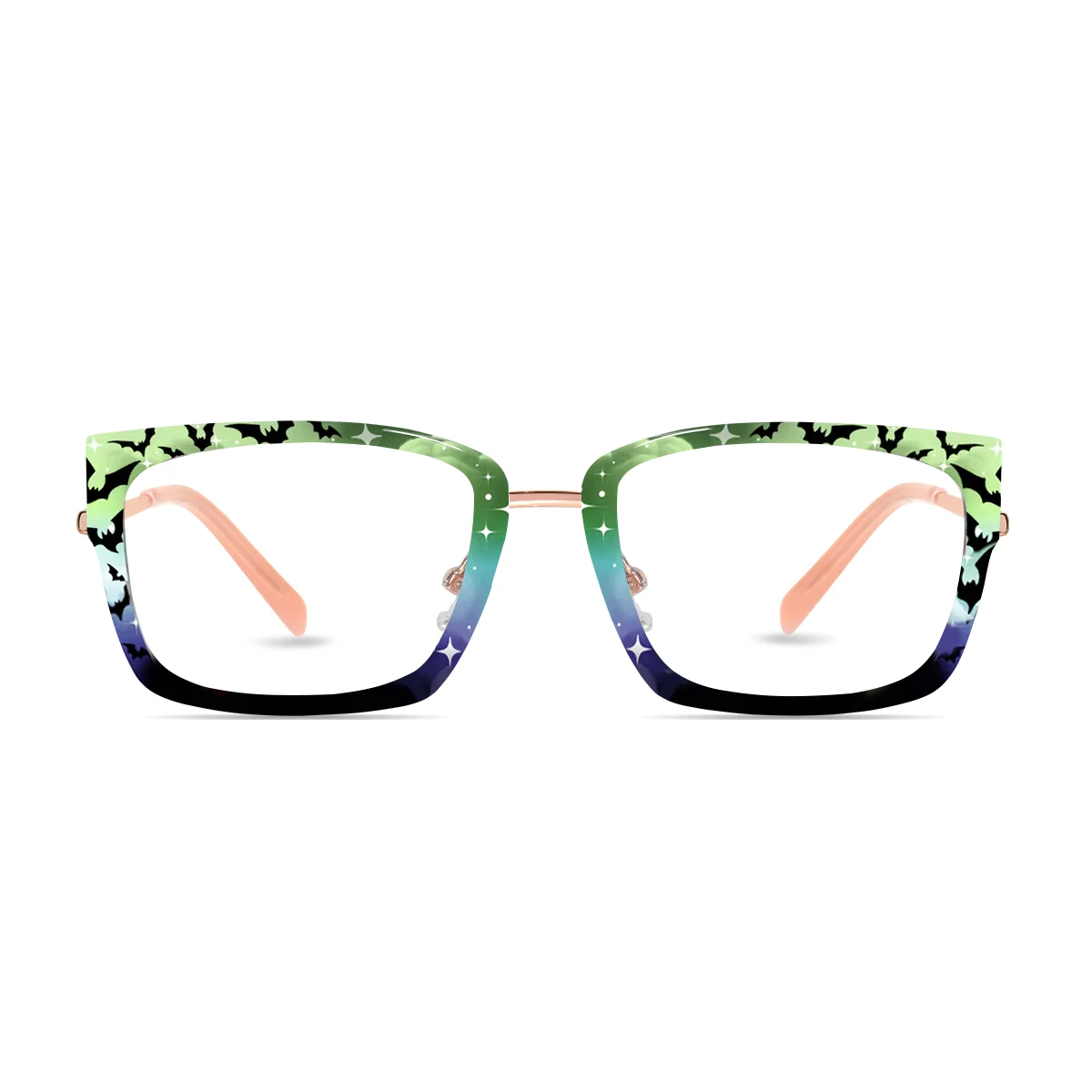
- Bone Rattle (PH01)
- Haunted Plaid (PH02)
- Pumpkin King (PH03)
- Night Sky Bat (PH04)
- Pumpkin Parade (PH05)
- Spooky Duo (PH06)
- Witch’s Cat (PH07)
- Mint Ghost (PH08)
- Dark Spell (PH09)
- Midnight Meow (PH10)
- Ghost Mosaic (PH11)
- Skull Storm (PH13)
- Wicked Glow (PH14)
- Haunted Gray (PH15)
- Phantom Mosaic (PH16)
- Midnight Dots (PH17)
- Haunted Medley (PH18)
- Nightmare Mix (PH19)
- Ghost Fade (PH20)
- Candy Curse (PH26)
- Ghost Drift (PH21)
- Pumpkin Fusion (PH22)
- Shadow Spirit (PH23)
- Spooky Toon (PH24)
- Demon Grin (PH25)
- Autumn Bloom (PH27)
Soline Combo | Rose Gold Base + Halloween Top Frame
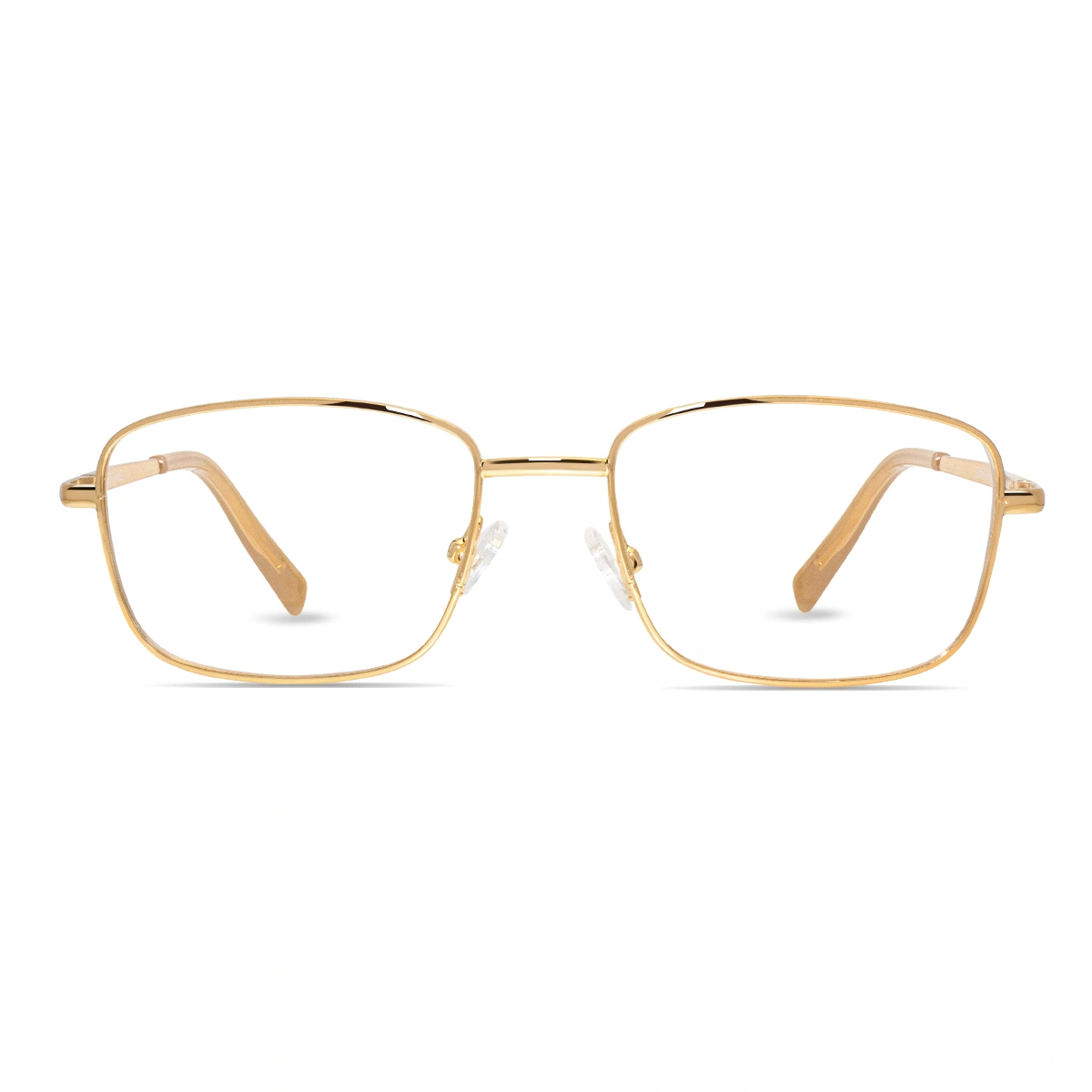
Soline Classic Gold Base Frame – Wide Rectangle




Living a Multifaceted Life: How Custom Modular Eyewear Defines Your Personal Identity
Yet for years, eyewear has tried to force all these identities into one fixed frame.In a world where people change roles, moods,...
The Secret Weapon for Sculpting Your Face: How to Customize Eyewear Based on Your Cheekbones and Brow Shape
When it comes to elevating your appearance, most people think about hairstyles, makeup, or wardrobe upgrades. But there’s one transformative accessory that...
Are Pink Glasses in Style?
Pink glasses are a timeless symbol of charm and personality. They evoke feelings of compassion, love, and hope, making them a popular...
One-Second Color Switch
How to Match Your Glasses Frame to Today’s Outfit—EffortlesslyLet’s be honest.You don’t wear the same outfit every day.Some days it’s clean and...
“Five O’Clock Headache”: Could Custom Eyewear Be the Cure for Your Daily Fatigue?
Around 4:30 p.m., your focus softens. By 5:00 p.m., there’s a dull pressure behind your eyes. Your temples tighten. The screen feels...
Nerd Glasses: Choosing the Best Pair to Match Your Style
Nerd glasses have evolved from being a stereotype to a trendy fashion statement. With their unique designs and bold frames, these glasses...