



Why Your Next Pair of Custom Glasses Shouldn’t Have Screws
Eyeglasses have come a long way from the fragile metal frames and thick lenses that once defined vision correction. Modern eyewear now blends engineering, ergonomics, and fashion in ways that were unimaginable just a few decades ago. Yet despite these innovations, one surprisingly outdated feature still appears in many frames: tiny screws holding the temples to the frame front.
For generations, screws have been the standard hinge mechanism in glasses. But anyone who has worn glasses for a while knows the common problems—loose temples, missing screws, constant tightening, and unexpected repairs.
Today, many custom eyewear manufacturers are moving toward screwless hinge systems, mechanical lock designs, and precision snap-fit temple connections. These modern systems eliminate one of the most common failure points in traditional eyewear.
If you're planning to invest in your next pair of custom glasses, you might want to reconsider the traditional screw hinge. This article explores why screwless designs are becoming the smarter choice, how they improve durability and comfort, and why they may completely change how you think about eyewear.

The Hidden Problem with Traditional Eyeglass Screws
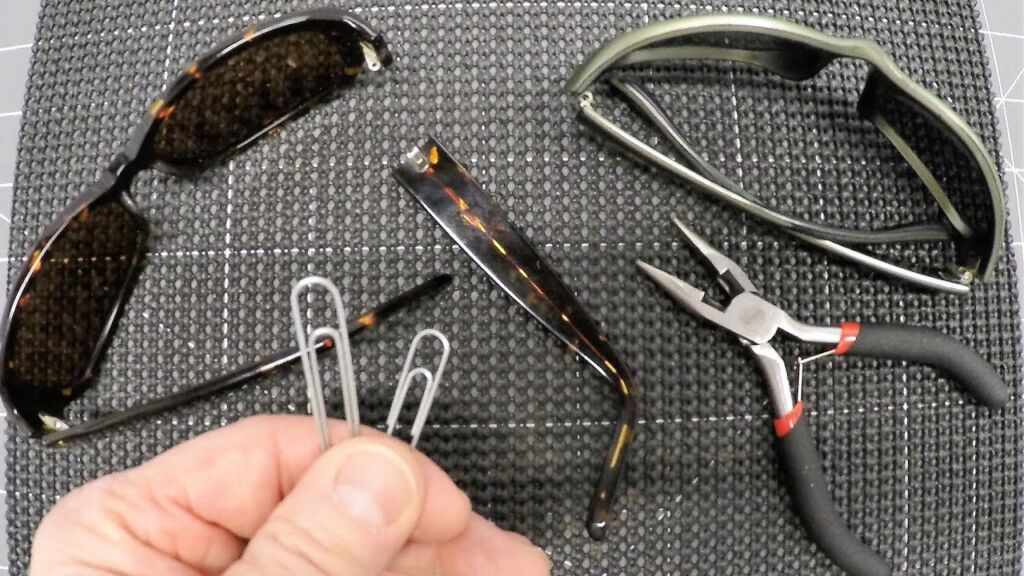
At first glance, eyeglass screws seem simple and harmless. They are tiny metal fasteners that connect the frame front to the temple arms through a hinge.
However, their small size and mechanical stress make them surprisingly vulnerable.
Every time you:
- Put your glasses on
- Take them off
- Fold the temples
- Adjust the frame
…those screws experience microscopic movement and pressure.
Over time, this constant motion causes the screws to gradually loosen.
Many wearers discover the issue when the temple suddenly feels wobbly or when a screw falls out entirely. Often, it happens at the worst possible moment—during travel, at work, or while commuting.
The truth is simple: screws are one of the weakest structural points in traditional eyewear.
A Brief History of Eyeglass Hinges
To understand why screwless designs are gaining popularity, it helps to look at how hinges evolved.
Early eyeglasses from the 18th and 19th centuries didn’t even have temples. Many used simple nose clips or handheld designs.
When temples became common, hinges with screws allowed manufacturers to produce folding frames that were easy to repair.
At the time, screw hinges were a practical solution.
But manufacturing technology has changed dramatically since then. Precision machining, laser cutting, and advanced materials now allow frame designers to build hinges that lock, snap, or flex without relying on screws.
In other words, the original reason for screws is no longer necessary.
The Five Biggest Problems with Screw-Based Eyeglass Hinges
1. Screws Loosen Over Time
This is the most common issue.
Because temples move constantly, the hinge screw slowly works itself loose through vibration and friction. Even high-quality frames experience this problem eventually.
Many glasses owners end up carrying a tiny screwdriver or making regular visits to optical shops just to tighten screws.
2. Screws Can Fall Out Completely
When a screw loosens enough, it may fall out.
Once the screw disappears, the temple detaches from the frame. At that point, the glasses become unusable until repaired.
This failure can happen suddenly and without warning.
3. Corrosion and Wear
Sweat, humidity, and environmental exposure can cause screw corrosion.
Corroded screws become difficult to tighten or remove, and they may weaken the hinge structure over time.
4. Frequent Maintenance
Traditional screw hinges require regular adjustments.
Opticians often tighten hinges during routine frame adjustments, but the problem inevitably returns with continued use.
5. Structural Weak Points
The screw hole itself creates a tiny structural vulnerability in the frame. Repeated stress around that point can eventually cause cracking or deformation in certain materials.
What Are Screwless Eyeglass Hinges?
Screwless glasses eliminate traditional hinge screws entirely.
Instead, they rely on integrated mechanical systems that connect the temple arms to the frame.
Common screwless hinge technologies include:
- Snap-lock hinges
- Interlocking mechanical hinges
- Magnetic hinge systems
- Flexible hinge assemblies
- Mechanical clip or pin systems
These designs allow the temple arms to move smoothly while staying securely attached.
Many premium custom eyewear brands are now adopting screwless designs because they reduce maintenance and increase reliability.
Why Custom Glasses Are Leading the Screwless Movement
Custom eyewear manufacturers have more freedom than mass-produced brands.
Instead of relying on standardized components, custom designers can engineer hinges that fit perfectly within the frame structure.
This allows them to:
- Improve structural integrity
- Reduce moving parts
- Enhance comfort and balance
- Create cleaner aesthetics
Because of this flexibility, custom glasses are often the first place where innovative hinge technology appears.
Advantage 1: No More Loose Temples
One of the biggest benefits of screwless glasses is stability.
Without screws gradually loosening, the temples maintain consistent tension and alignment.
This means:
- No wobbly arms
- No sudden loosening
- No emergency repairs
For people who rely on glasses every day, this reliability makes a noticeable difference.
Advantage 2: Lower Maintenance
Traditional glasses often require periodic tightening.
Screwless frames eliminate that routine maintenance.
With fewer removable parts, there’s less risk of losing components or needing specialized tools.
For busy professionals, travelers, and students, maintenance-free eyewear can be a major convenience.
Advantage 3: Improved Durability
Screwless hinges distribute mechanical stress more evenly across the frame structure.
Instead of concentrating force around a tiny screw hole, modern hinge systems spread pressure across a larger surface area.
This reduces the likelihood of:
- Frame warping
- Hinge failure
- Structural fatigue
As a result, many screwless frames last longer under daily use.
Advantage 4: Sleeker Design
Screws may be tiny, but they still affect frame aesthetics.
Eliminating them allows designers to create cleaner, more minimalist eyewear.
Without visible screws:
- Frame lines appear smoother
- Hinges become less noticeable
- The overall look feels more modern
For people who appreciate subtle design details, screwless glasses often look more refined.
Advantage 5: Enhanced Comfort
Many screwless hinge systems include flexible or spring-loaded components that adapt to head movement.
This flexibility helps glasses:
- Fit more comfortably
- Reduce pressure on the temples
- Stay secure during movement
People who wear glasses for long hours often notice improved comfort with these designs.
How Screwless Hinges Work in Modern Eyewear
Several engineering solutions make screwless hinges possible.
Mechanical Snap Systems
These hinges use precisely shaped metal or polymer components that snap together securely. The temple can rotate freely while remaining locked into place.
Interlocking Pins
Instead of screws, a fixed pin is permanently integrated into the hinge structure during manufacturing.
This eliminates the possibility of loosening.
Magnetic Alignment Systems
Some advanced designs use magnets to assist hinge alignment while mechanical components maintain structural support.
Flexible Memory Materials
Materials such as titanium alloys and high-performance polymers allow hinges to flex repeatedly without losing shape.
These materials enable designs that were impossible with older manufacturing techniques.
Are Screwless Glasses Strong Enough?
One common question is whether screwless hinges are as strong as traditional ones.
In many cases, they are even stronger.
Because they eliminate small removable parts, screwless hinges reduce the risk of mechanical failure.
High-quality screwless frames are typically tested through thousands of open-and-close cycles to ensure long-term reliability.
Who Benefits Most from Screwless Eyewear?
While anyone can enjoy the advantages of screwless frames, certain groups benefit the most.
Frequent Travelers
No need to carry tiny screwdrivers or worry about repairs while traveling.
Active Lifestyles
Flexible hinges handle movement better during sports or outdoor activities.
Heavy Glasses Users
People who wear glasses all day experience fewer maintenance interruptions.
Custom Eyewear Enthusiasts
Those investing in premium frames often prefer the durability and engineering of screwless systems.
Potential Drawbacks to Consider
While screwless glasses offer many benefits, there are a few considerations.
Some screwless hinge systems require specialized repair if they ever fail.
Additionally, extremely inexpensive screwless designs may not perform as well as premium versions.
Choosing well-designed custom frames from reputable manufacturers helps ensure reliability.
The Future of Eyeglass Engineering
The eyewear industry is rapidly evolving.
Advances in:
- 3D printing
- smart materials
- precision machining
- ergonomic modeling
are transforming how glasses are designed and manufactured.
Screwless hinge technology is part of this broader shift toward simpler, stronger, and more user-friendly eyewear.
As custom eyewear continues to grow in popularity, more consumers are discovering the advantages of frames built without traditional screws.
Final Thoughts
For decades, tiny screws have quietly held eyeglasses together. While they served an important role in earlier designs, modern engineering has revealed their limitations.
Loose hinges, missing screws, and constant adjustments are problems that many glasses wearers know all too well.
Screwless custom glasses represent a smarter solution. By eliminating one of the most fragile components in traditional frames, these designs offer improved durability, cleaner aesthetics, and a more reliable everyday experience.
If you’re planning to invest in a new pair of custom glasses, it may be worth asking an important question before choosing your frame:
Does it still rely on screws—or has it moved beyond them?
For many wearers, the answer could determine how comfortable, durable, and maintenance-free their next pair of glasses will be.
Share this post


Soline Light Gold Base Frame - Wide Rectangle
Soline Rose Gold Base Frame - Wide Rectangle


Living a Multifaceted Life: How Custom Modular Eyewear Defines Your Personal Identity
Yet for years, eyewear has tried to force all these identities into one fixed frame.In a world where people change roles, moods,...
The Secret Weapon for Sculpting Your Face: How to Customize Eyewear Based on Your Cheekbones and Brow Shape
When it comes to elevating your appearance, most people think about hairstyles, makeup, or wardrobe upgrades. But there’s one transformative accessory that...
How Mechanical Clip Systems Make Quick Temple Replacement Possible: The Future of Modular Eyewear Design
Eyewear has evolved far beyond simple vision correction. Today, glasses are fashion statements, performance tools, and everyday essentials that must adapt to...
Are Pink Glasses in Style?
Pink glasses are a timeless symbol of charm and personality. They evoke feelings of compassion, love, and hope, making them a popular...
One-Second Color Switch
How to Match Your Glasses Frame to Today’s Outfit—EffortlesslyLet’s be honest.You don’t wear the same outfit every day.Some days it’s clean and...
“Five O’Clock Headache”: Could Custom Eyewear Be the Cure for Your Daily Fatigue?
Around 4:30 p.m., your focus softens. By 5:00 p.m., there’s a dull pressure behind your eyes. Your temples tighten. The screen feels...