

The Missing Screw Crisis: A Survival Guide to Sourcing Replacement Parts for Custom Eyewear
It happens in slow motion. You’re cleaning your glasses, or perhaps you’re just walking down the street, and you hear a tiny clink. One of your temple arms feels loose, or a nose pad suddenly vanishes into the carpet. In the world of high-end optics, losing a specialized screw or a proprietary component can feel like losing a limb.
For owners of mass-produced, "fast-fashion" frames, a lost screw usually means a trip to a drugstore for a generic repair kit that never quite fits. But for those who have invested in Bespoke Custom Eyewear, the stakes are higher. You aren't just looking for a piece of metal; you’re looking for a specific, "Black Tech" engineered component designed for your unique facial anatomy.
If your premium frames are currently held together by a safety pin or a prayer, this 4,000-word masterclass is for you. We’re going to dive into the logistics of the Custom After-Sales Ecosystem, how to navigate replacement part procurement, and why the right brand choice makes "The Missing Part" a minor hiccup rather than a total loss.
1. The Anatomy of a Custom Frame: What Can Go Wrong?
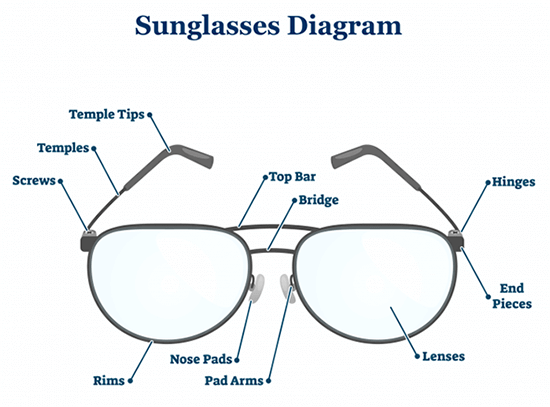
In a bespoke frame, every milligram of material serves a purpose. Unlike generic glasses, custom eyewear often uses screwless hinges, integrated nose bridges, and precision-milled titanium. Here are the parts most likely to go missing and why they are unique:
The "Black Tech" Screw
Many custom brands use "Nylok-coated" or proprietary-thread screws. These are designed to resist the vibration of daily wear. If you replace these with a generic screw from a gas station kit, you risk stripping the high-density acetate or titanium threads, turning a $5 fix into a $500 mistake.
The Anatomical Nose Pad
Custom nose pads are often made of medical-grade silicone or pure titanium, shaped specifically for your nasal splay. Because they are often "press-fit" or "click-in" rather than screwed, they can occasionally pop out if the frame takes a hit.
The Temple Tip (The "Sock")
On many Beta-Titanium frames, the end of the arm is covered by a high-friction polymer sleeve. If this slides off, the bare metal can cause irritation behind the ear—what we call the "Ear Torture" effect.
2. Why "Drugstore Repair Kits" Are the Enemy of Custom Optics
It’s tempting. You see a $5 repair kit at a convenience store and think, "A screw is a screw." It isn't.
- Material Mismatch: Using a stainless steel screw in a Beta-Titanium hinge creates "Galvanic Corrosion." Over time, the two metals react, essentially welding themselves together or eroding the hinge.
- Torque Issues: Custom hinges are engineered for specific tension. A generic screw might be too long, poking through the other side and scratching your skin, or too short, leading to the arm falling off again within hours.
- The Aesthetic Cost: Bespoke eyewear is about the "Visual Signature." A mismatched silver screw on a matte black frame is a blemish on your investment.
3. The Bespoke After-Sales Strategy: A Step-by-Step Guide
If you’ve lost a part, don't panic. Follow this professional procurement protocol:
Step 1: The "Digital Blueprint" Recovery
Because you bought custom eyewear, the brand likely has your 3D Facial Scan and Order History on file. Unlike a big-box retailer, a bespoke brand knows exactly which "Revision" of the frame you have.
- Action: Contact the brand with your original order number. They don't need you to describe the screw; they can pull the CAD (Computer-Aided Design) file and identify the exact part.
Step 2: The Warranty Audit
Many "Black Tech" eyewear companies offer a Lifetime Component Guarantee for small hardware. Before you reach for your wallet, check the warranty. Often, nose pads and standard screws are shipped for free as a gesture of brand loyalty.
Step 3: Requesting a "Service Kit"
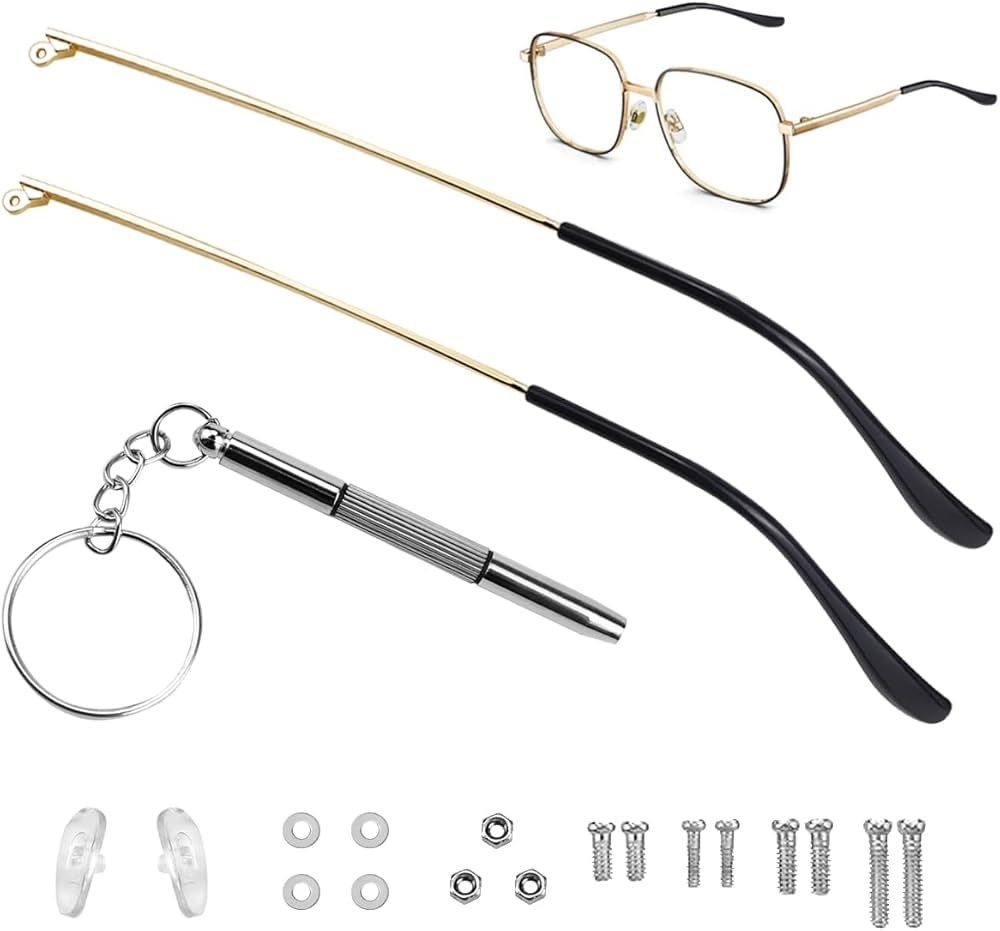
Instead of buying one screw, ask the brand if they sell (or provide) a Maintenance Bundle. This usually includes:
- Two sets of nose pads.
- Four proprietary screws.
- The specific micro-driver required for their hardware.
4. Comparing After-Sales Support: Custom vs. Mass-Market
5. The "Black Tech" Solution: 3D Printing Your Own Parts?
We are entering an era where some custom eyewear brands are offering Digital Replacement Files.
If you lose a non-structural part (like a decorative temple inlay or a specific nose pad) and you have access to a high-end 3D printer, some forward-thinking brands are exploring "Digital Spare Parts." While this is still in its infancy, the future of after-sales for custom eyewear is moving toward a world where you don't wait for shipping—you just "print" the fix.
6. Preventative Maintenance: Stop the Loss Before it Happens
The best after-sales strategy is never needing it. To keep your custom frames intact, follow the "Bespoke Maintenance Routine":
- The Weekly Tension Check: Every Sunday, gently check the hinges. If an arm feels "swingy," use the brand-provided tool to give it a 1/8th turn.
- Ultrasonic Cleaning: Sweat and oils act as a lubricant that can slowly back screws out. A monthly 3-minute dip in an ultrasonic cleaner removes the "oil-slick" that leads to part loss.
- The "Two-Hand" Rule: Never pull your glasses off with one hand. This creates lateral torque that stretches the hinge and vibrates the screw. Two hands keep the geometry—and the parts—stable.
7. When to Call the Professionals
If the screw broke inside the hinge (a sheared screw), do not attempt a DIY extraction. You will likely ruin the expensive titanium threading. This is the moment to use the brand’s "Send-In" Service. Most high-end bespoke brands have a "Spa Service" where you mail the frames back. They will:
- Extract the broken hardware.
- Deep-clean the frame using professional-grade solvents.
- Re-align the frames to your original 3D Cranial Map.
8. Conclusion: Your Investment Deserves Authenticity
Losing a part of your glasses shouldn't mean the end of your favorite frames. The beauty of the Bespoke Ecosystem is that you aren't just buying a product; you’re entering a relationship with a manufacturer that values precision.
Don't settle for "drugstore fixes" that compromise the "Zero-Gravity" fit of your custom eyewear. Reach out to your brand, leverage your digital order history, and ensure that every screw and pad is as engineered as the day you first put them on.
Do you have a "loose arm" or a missing pad right now?
Would you like me to help you draft a Parts Request Email to your specific eyewear brand, including the technical terms that will get you the right component on the first try?
Share this post






Living a Multifaceted Life: How Custom Modular Eyewear Defines Your Personal Identity
Yet for years, eyewear has tried to force all these identities into one fixed frame.In a world where people change roles, moods,...
The Secret Weapon for Sculpting Your Face: How to Customize Eyewear Based on Your Cheekbones and Brow Shape
When it comes to elevating your appearance, most people think about hairstyles, makeup, or wardrobe upgrades. But there’s one transformative accessory that...
Are Pink Glasses in Style?
Pink glasses are a timeless symbol of charm and personality. They evoke feelings of compassion, love, and hope, making them a popular...
One-Second Color Switch
How to Match Your Glasses Frame to Today’s Outfit—EffortlesslyLet’s be honest.You don’t wear the same outfit every day.Some days it’s clean and...
Nerd Glasses: Choosing the Best Pair to Match Your Style
Nerd glasses have evolved from being a stereotype to a trendy fashion statement. With their unique designs and bold frames, these glasses...
From Aerospace to Everyday Wear: The “Black Tech” of Beta Titanium and Carbon Fiber in Custom Eyewear
What do spacecraft engineering and high-performance eyewear have in common?More than you might think.Materials originally developed for aerospace and advanced engineering —...