


The Blueprint of the Future: If You Could Design a Modular “Combo” Frame, What Features Would You Demand?
We’ve all had that moment of frustration with our eyewear. You’re driving into a blinding sunset, and you realize your sunglasses are in the glove box, forcing you to choose between seeing the road and protecting your retinas. You’re transition from a high-focus spreadsheet to a client lunch, and your "nerdy" computer glasses feel out of place with your sharp blazer. Or perhaps, you’re an outdoor enthusiast who needs the clarity of a prescription lens but the rugged protection of a wrap-around goggle.
The eyewear industry has historically been a world of "either/or." Either you have style, or you have function. Either you have clear vision, or you have UV protection. But as we move into the era of Bespoke Modular Design, the concept of the "Combo" frame is taking center stage.
We are no longer satisfied with static tools. We want a "Black Tech" ecosystem for our faces—a modular system that adapts to our lifestyle in real-time.
Today, we are opening the floor. We’ve been talking to engineers, material scientists, and professional gamers to find out what the ultimate "Combo" frame should look like. Below, we’ve outlined the most requested "Future Features." Read through, and then tell us: What is the one function you would demand if you were the lead designer?
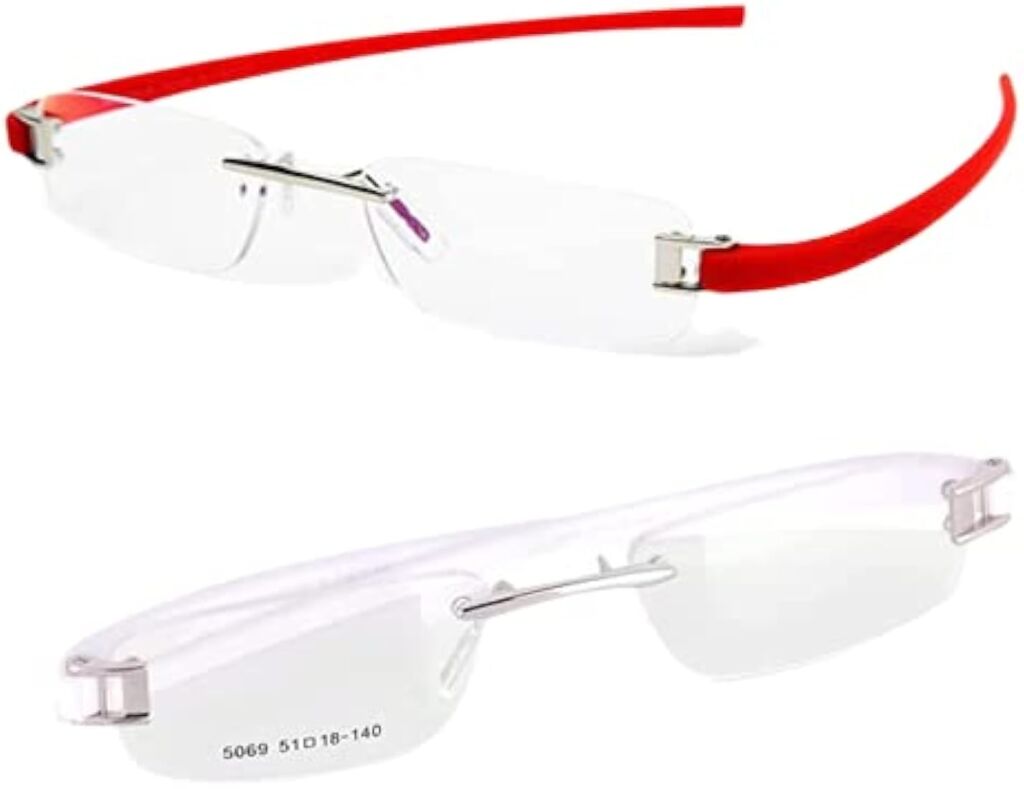
1. The "Quick-Snap" Magnetic HUD (Heads-Up Display)
In the era of the smart home and the connected car, why are our glasses still "offline"? The most requested feature for a modular combo frame is a Snap-On AR (Augmented Reality) Layer.
Imagine a sleek, titanium base frame for your daily office work. But when you step out for a run or get on your bike, you snap a tiny, magnetic module onto the temple. This module projects your heart rate, GPS directions, and pace directly onto the corner of your lens.
- The Design Goal: It must be weightless. By making the tech modular, you aren't carrying the weight of a battery and processor when you’re just sitting at dinner.
- The "Combo" Factor: Your daily prescription becomes your high-tech sports computer in a single click.
2. Integrated "Audio-Temples" with Bone Conduction
We’ve seen audio-glasses before, but they are often bulky and "one-size-fits-all." The community wants a Modular Audio Temple.
If you’re in a quiet office, you use your standard, ultra-thin Beta-Titanium temples. But for your commute, you swap the temples for a pair equipped with Bone Conduction Speakers.
- The Benefit: You can listen to your podcasts or take calls while keeping your ears open to the sounds of the city (a major safety win for urbanites).
- Black Tech Integration: The battery is hidden in the curve behind the ear, balancing the weight of the lenses so the glasses don't slide down your nose.
3. The "Chameleon" Photochromic 2.0: Instant Tint Control
While transition lenses exist, they are often too slow. The most "wanted" feature for a futuristic combo frame is Electrochromic Instant Tint.
Imagine a small touch-sensor on the side of your frame. Tap it once, and your clear lenses instantly turn into Category 3 Sunglasses. Tap it again, and they fade back to 100% transparency.
- The Engineering Challenge: This requires a microscopic power source and a conductive coating on the lens.
- The Dream: No more carrying two pairs of glasses. One lens, every light condition, controlled by you.
4. Biometric "Stress-Sensing" Nose Pads
Could your glasses tell you when you need a break? One of the most innovative suggestions we’ve received is the inclusion of Biometric Sensors within the nose pads or temple tips.
By monitoring your skin temperature and heart rate variability (HRV) through the thin skin of your nose bridge, your glasses could vibrate gently or send a notification to your phone when they detect high levels of "Eyewear Fatigue" or mental stress.
- The "Combo" Potential: Your eyewear becomes a health-tracking wearable that actually looks like a piece of high-end fashion.
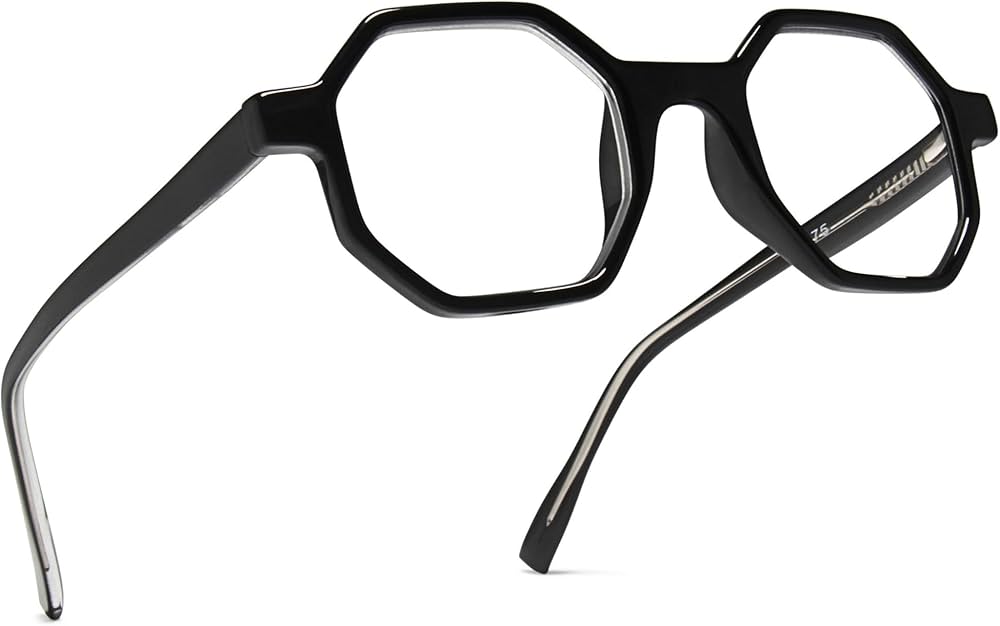
5. Interchangeable "Style Shields"
Why should you have to buy a new frame just because your style changes? The modular "Combo" frame of the future should feature Snap-On Frontals.
You start with a "Core Chassis"—a high-precision, 3D-printed frame that is perfectly mapped to your cranial anatomy. You then have a collection of lightweight "Shields" in different colors, shapes, and materials (Acetate, Wood, Carbon Fiber).
- Monday: A professional, thin-rimmed black metal look.
- Saturday: A bold, oversized "Crystal" acetate look for the beach.
- The Efficiency: You only pay for the custom-mapped "Core" once. The style shields are affordable and endlessly customizable.
Comparison: Current Tech vs. The "Combo" Future
6. Self-Healing Nano-Coatings
We’ve all dropped our glasses. The heartbreak of that first scratch on an expensive lens is universal. The "Future Combo" should feature Modular Lens Shields with self-healing properties.
Using "Black Tech" polymers, a modular outer layer could "heal" micro-scratches when exposed to heat (like sunlight or a hairdryer). If the damage is too deep, you simply snap on a new protective outer layer without having to replace the expensive prescription lens underneath.
7. We Want Your Input: Design the "Ultimate Frame"
The technology to build these features exists. The question is: Which one matters most to you? Are you a "Digital Nomad" who wants the integrated HUD? Or are you a "Fashion Minimalist" who just wants one pair of glasses that can change style for every outfit?
How to Join the Design Council:
- Identify your Pain Point: Is it weight? Is it the "slide"? Is it switching between sun and clear?
- Define your Function: If you could add one button to your glasses, what would it do?
- Choose your Material: Would you prioritize the lightness of Titanium or the bold look of 3D-printed PA12?
8. Conclusion: The End of the "Single-Purpose" Frame
The era of the "dumb" frame is coming to an end. We are entering a period where our eyewear will be as multi-functional as our smartphones. By combining the Anatomical Precision of Bespoke 3D Printing with the Versatility of Modular Components, we can finally have it all: a frame that fits perfectly, looks incredible, and works as hard as we do.
The floor is yours. If we were to build the first prototype of this "Combo" system, which feature should we prioritize first? Let us know in the comments or send us your sketches!
Ready to see your dream become a reality?
Would you like me to help you Mock-Up a Technical Spec Sheet for your "Combo" frame idea that you can use to consult with a bespoke eyewear designer?
Share this post




Living a Multifaceted Life: How Custom Modular Eyewear Defines Your Personal Identity
Yet for years, eyewear has tried to force all these identities into one fixed frame.In a world where people change roles, moods,...
The Secret Weapon for Sculpting Your Face: How to Customize Eyewear Based on Your Cheekbones and Brow Shape
When it comes to elevating your appearance, most people think about hairstyles, makeup, or wardrobe upgrades. But there’s one transformative accessory that...
Are Pink Glasses in Style?
Pink glasses are a timeless symbol of charm and personality. They evoke feelings of compassion, love, and hope, making them a popular...
One-Second Color Switch
How to Match Your Glasses Frame to Today’s Outfit—EffortlesslyLet’s be honest.You don’t wear the same outfit every day.Some days it’s clean and...
Nerd Glasses: Choosing the Best Pair to Match Your Style
Nerd glasses have evolved from being a stereotype to a trendy fashion statement. With their unique designs and bold frames, these glasses...
From Aerospace to Everyday Wear: The “Black Tech” of Beta Titanium and Carbon Fiber in Custom Eyewear
What do spacecraft engineering and high-performance eyewear have in common?More than you might think.Materials originally developed for aerospace and advanced engineering —...