



How Mechanical Clip Systems Make Quick Temple Replacement Possible: The Future of Modular Eyewear Design
Eyewear has evolved far beyond simple vision correction. Today, glasses are fashion statements, performance tools, and everyday essentials that must adapt to changing lifestyles. Yet one part of eyewear design remained surprisingly unchanged for decades: the way temples — commonly called arms or legs of glasses — attach to frames.
Traditional screw hinges dominated the industry for generations. While functional, they introduced familiar frustrations: loose screws, difficult repairs, limited customization, and time-consuming replacements.
Now, a new generation of mechanical clip systems is transforming how eyewear works. These precision-engineered fastening mechanisms allow users to replace temples quickly, securely, and often without tools. What once required a repair shop can now happen in seconds.
This article explores how mechanical clip technology works, why it matters, how it improves durability and personalization, and why modular eyewear is reshaping the future of glasses design.
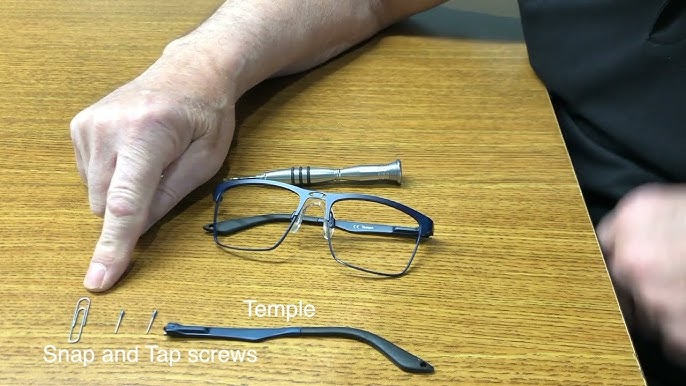
The Problem With Traditional Eyewear Hinges
To understand the value of mechanical clip systems, it helps to look at the limitations they solve.
Most glasses rely on miniature screws to connect temples to the frame front. Although simple, this design introduces several weaknesses.
Common Issues With Screw Hinges
- Screws loosen over time from daily movement.
- Tiny parts are easy to lose.
- Repairs require specialized tools.
- Frequent tightening damages threads.
- Replacement parts must match precisely.
Anyone who has searched the floor for a microscopic screw understands the inconvenience.
Additionally, screw-based hinges were never designed for customization. Swapping temple styles meant disassembling the frame — something most users avoided entirely.
What Is a Mechanical Clip System?
A mechanical clip system replaces screws with a precision locking mechanism that connects the temple to the frame using engineered interlocking components.
Instead of fastening parts permanently, the system allows controlled attachment and release through mechanical engagement.
Typical components include:
- A locking interface embedded in the frame front
- A matching connector inside the temple
- Spring-loaded or tension-based retention
- Alignment guides for correct positioning
- Release triggers or pressure points
The result is a connection that feels permanent during wear but detachable when intentionally activated.
Why Quick Temple Replacement Matters
At first glance, interchangeable temples may seem like a convenience feature. In reality, they solve multiple real-world problems.
1. Repair Without Replacing Entire Frames
Temples experience the most stress in eyewear:
- Sitting pressure
- Repeated folding
- Accidental drops
- Bag compression
When a temple breaks on traditional glasses, the entire frame often becomes unusable. Modular systems allow replacing only the damaged component.
2. Personal Style Flexibility
Modern consumers treat eyewear like accessories.
Quick-change temples allow:
- Color variation
- Texture changes
- Seasonal styling
- Professional vs casual looks
One frame can serve multiple identities.
3. Comfort Customization
Different activities require different fits.
Users may switch between:
- Lightweight temples for all-day wear
- Grip-enhanced temples for sports
- Flexible materials for travel
Customization improves both comfort and usability.
The Engineering Behind Mechanical Clip Systems
Creating a removable connection that remains stable during daily wear requires advanced engineering.
Designers must balance opposing requirements:
- Easy removal when intended
- Absolute stability during use
Achieving both involves precise mechanical principles.
Load Distribution
Traditional screws concentrate stress at one point. Mechanical clips distribute forces across larger surfaces, reducing wear.
This prevents:
- Frame cracking
- Thread stripping
- Hinge wobbling
Even pressure distribution dramatically increases durability.
Controlled Flex Tolerance
Clip systems often incorporate micro-flex zones that absorb motion energy.
Instead of resisting movement rigidly, the mechanism adapts slightly under pressure, preventing structural fatigue.
Precision Alignment Geometry
Guided insertion channels ensure temples attach only in the correct orientation.
Benefits include:
- Faster installation
- Reduced user error
- Consistent alignment
- Improved aesthetics
Engineering tolerances are often measured in fractions of a millimeter.
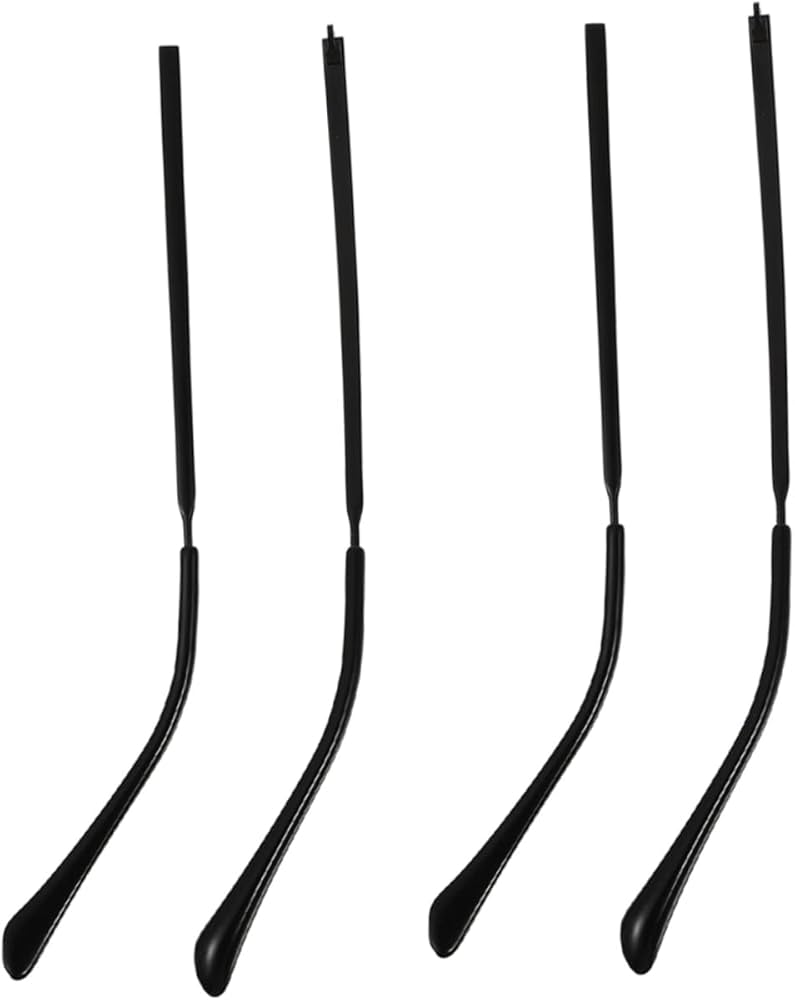
Types of Mechanical Clip Mechanisms
Not all clip systems work the same way. Several approaches exist depending on brand philosophy and intended use.
Snap-Fit Systems
These rely on elastic deformation. The connector flexes slightly and snaps into place.
Advantages:
- Simple operation
- Minimal moving parts
- Lightweight design
Best suited for lifestyle eyewear.
Spring-Lock Systems
Internal springs secure the connection automatically once inserted.
Benefits:
- Strong retention
- Smooth engagement
- High reliability
Common in premium modular frames.
Magnetic-Assisted Clips
Magnets guide alignment while mechanical locks provide strength.
This hybrid approach improves user experience without sacrificing stability.
Slide-and-Lock Tracks
Temples slide along rails before locking into position.
These systems provide excellent load distribution and structural integrity.
Materials That Make Clip Systems Possible
Mechanical clips depend heavily on material science.
High-Performance Polymers
Engineered plastics provide flexibility without fatigue.
Advantages include:
- Lightweight feel
- Impact resistance
- Corrosion immunity
Stainless Steel Micro-Components
Used for reinforcement in stress areas.
Provides:
- Long-term durability
- Shape retention
- Precision engagement
Memory Alloys
Some designs incorporate alloys that return to shape after bending, enhancing lifespan.
Tool-Free Replacement: A User Experience Revolution
The biggest innovation isn’t just mechanical — it’s experiential.
Replacing temples now typically follows three steps:
- Press release point or rotate hinge.
- Slide or pull temple outward.
- Insert new temple until it clicks.
The entire process often takes under ten seconds.
No tools. No screws. No frustration.
Durability Advantages Over Traditional Hinges
Contrary to early skepticism, clip systems often outlast screw hinges.
Why?
Fewer Wear Points
No threads means no gradual loosening.
Shock Absorption
Mechanical flex dissipates impact energy.
Reduced Maintenance
Users no longer overtighten or misalign hinges.
Manufacturing Precision and Quality Control
Producing reliable clip systems requires advanced manufacturing techniques.
These may include:
- CNC micro-machining
- Injection molding with tight tolerances
- Laser alignment verification
- Repeated stress-cycle testing
Each connection must perform thousands of attachment cycles without degradation.
Modular Eyewear and Sustainability
Mechanical clip systems also support sustainable design.
Instead of discarding entire glasses:
- Broken parts are replaced individually.
- Frames last longer.
- Material waste decreases.
Consumers keep products longer, reducing environmental impact.
Design Freedom for Eyewear Brands
Modular connections free designers from hinge limitations.
They can experiment with:
- Thinner profiles
- Seamless aesthetics
- New materials combinations
- Innovative silhouettes
Function no longer restricts form.
How Athletes and Active Users Benefit
Active lifestyles demand adaptability.
Clip systems allow quick transitions:
- Running temples with grip tips
- Casual everyday arms
- Wraparound stability designs
Athletes gain performance flexibility without owning multiple frames.
Travel-Friendly Advantages
Travelers frequently damage glasses during packing.
Detachable temples allow:
- Compact storage
- Reduced pressure points
- Easier replacement abroad
A spare set of temples weighs almost nothing but prevents emergencies.
Maintenance Made Simple
Mechanical clip systems reduce maintenance dramatically.
Recommended care:
- Wipe connectors occasionally.
- Keep debris away from locking surfaces.
- Avoid forcing misaligned attachments.
Unlike screws, clips rarely require adjustment.
Addressing Common Concerns
“Will the temples fall off?”
Properly engineered systems require intentional release force beyond normal movement.
“Do clips wear out?”
High-quality designs survive thousands of cycles.
“Are they less secure?”
Many outperform traditional hinges under stress testing.
The Psychology of Customizable Products
Consumers increasingly value adaptable products.
Interchangeable components create:
- Ownership engagement
- Personal expression
- Emotional attachment
Eyewear becomes interactive rather than static.
Future Innovations in Mechanical Clip Eyewear
The technology continues evolving.
Emerging possibilities include:
- Smart sensor integration
- Adjustable tension systems
- Biometric-fit customization
- Ultra-light composite connectors
Mechanical clips may become the foundation for wearable technology integration.
Choosing Glasses With a Mechanical Clip System
When evaluating modular eyewear, consider:
- Connection firmness
- Ease of release
- Material quality
- Alignment precision
- Replacement availability
A well-designed system feels intuitive immediately.
Care Tips for Long-Term Performance
To maximize lifespan:
- Avoid twisting temples during removal.
- Clean after exposure to sand or salt.
- Store detached components safely.
- Replace worn parts promptly.
Simple habits preserve precision engineering.
Why Modular Design Represents the Future of Eyewear
Mechanical clip systems align with broader product trends:
- Repairability over replacement
- Personalization over uniformity
- Longevity over disposability
Consumers increasingly expect products to adapt rather than expire.
Eyewear is finally catching up.
Final Thoughts: Small Mechanisms, Big Transformation
At a glance, a mechanical clip connecting a temple to a frame may seem like a minor innovation. Yet this small engineering change reshapes how glasses are used, maintained, and experienced.
Quick temple replacement eliminates common frustrations, extends product life, and opens new possibilities for style and comfort. What was once a fragile connection dependent on tiny screws becomes a robust, user-friendly system built for modern living.
As modular design continues to influence consumer products, mechanical clip eyewear stands as a clear example of how thoughtful engineering can improve everyday objects in meaningful ways.
The next generation of glasses isn’t just about clearer vision — it’s about flexibility, durability, and giving users control over how their eyewear evolves with them.

Share this post
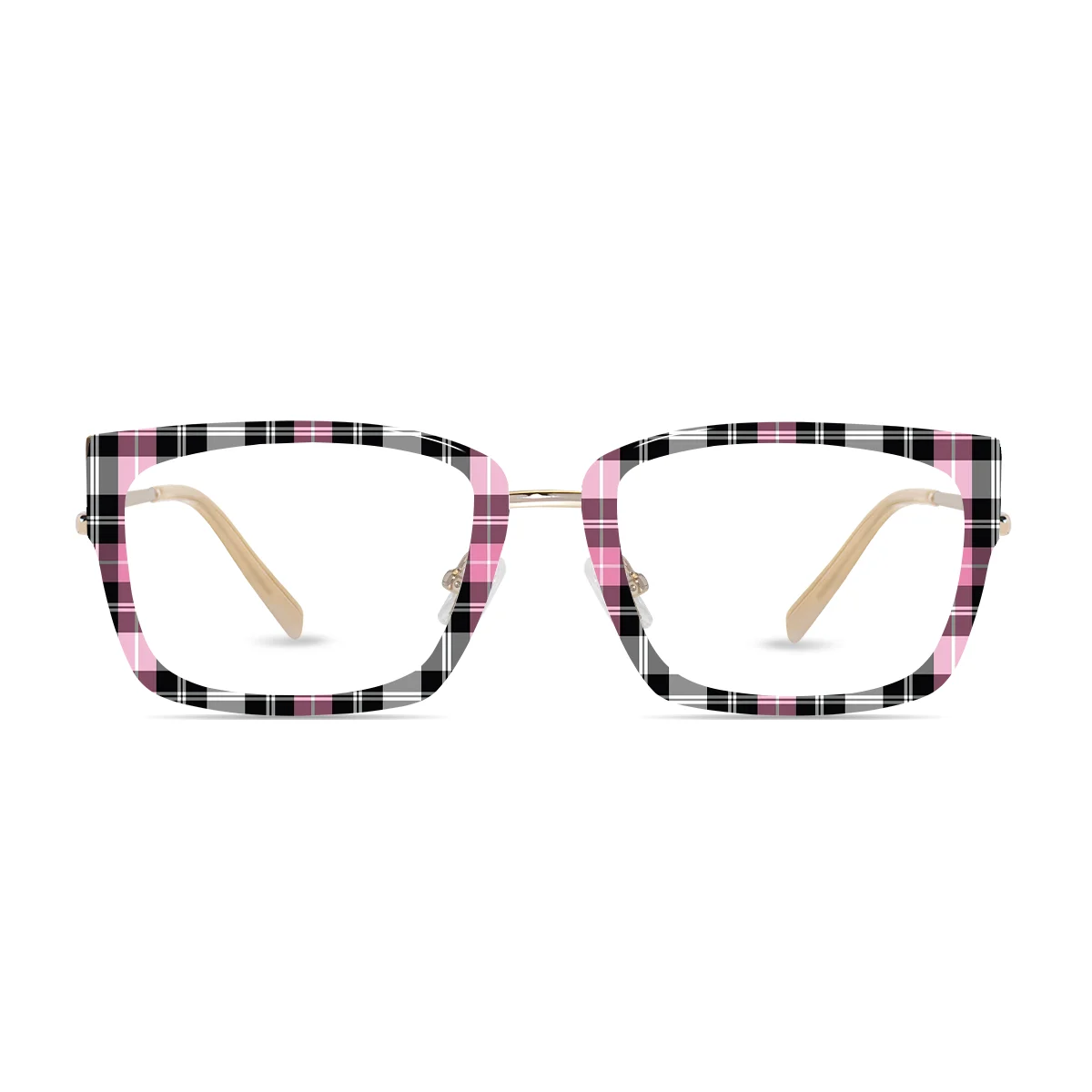
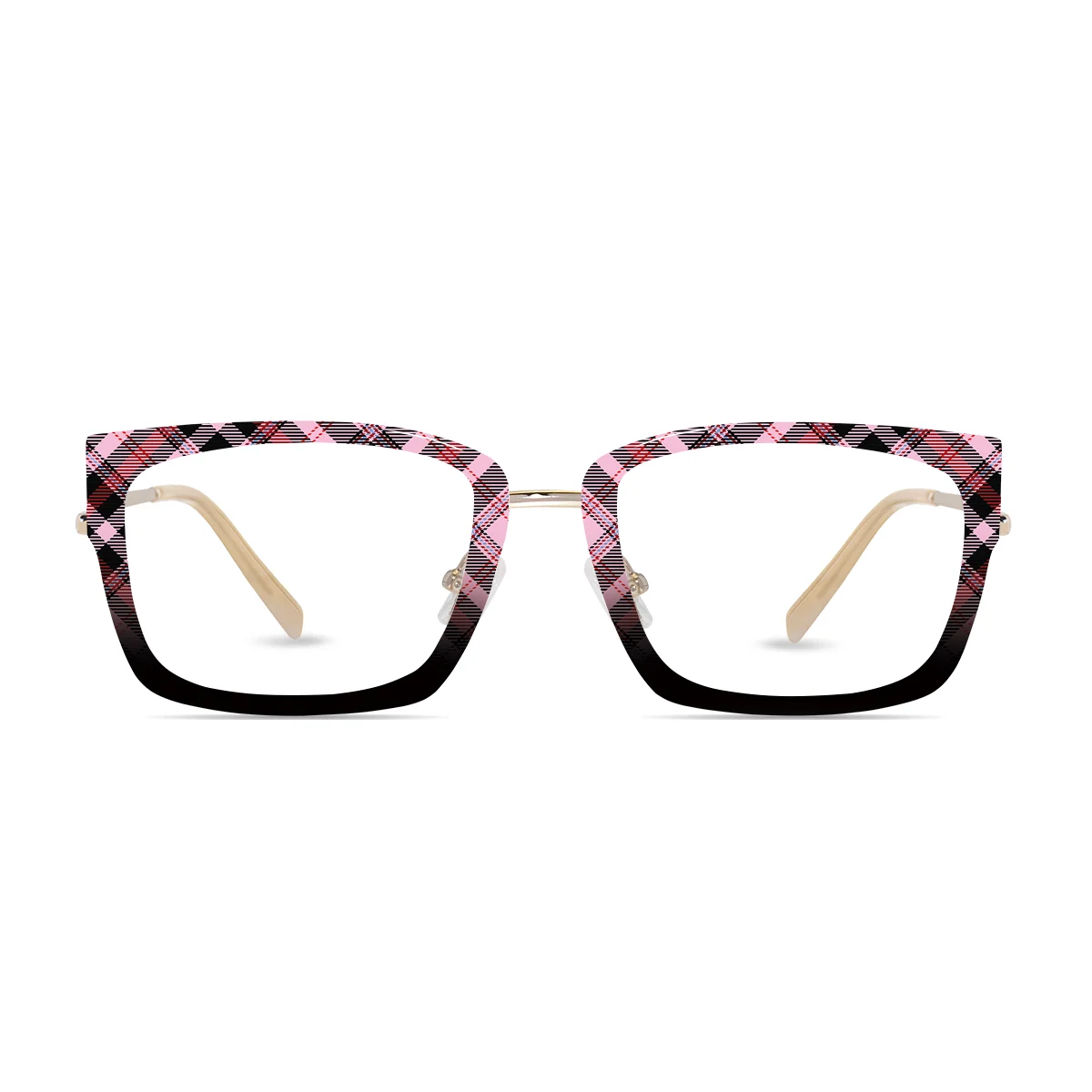
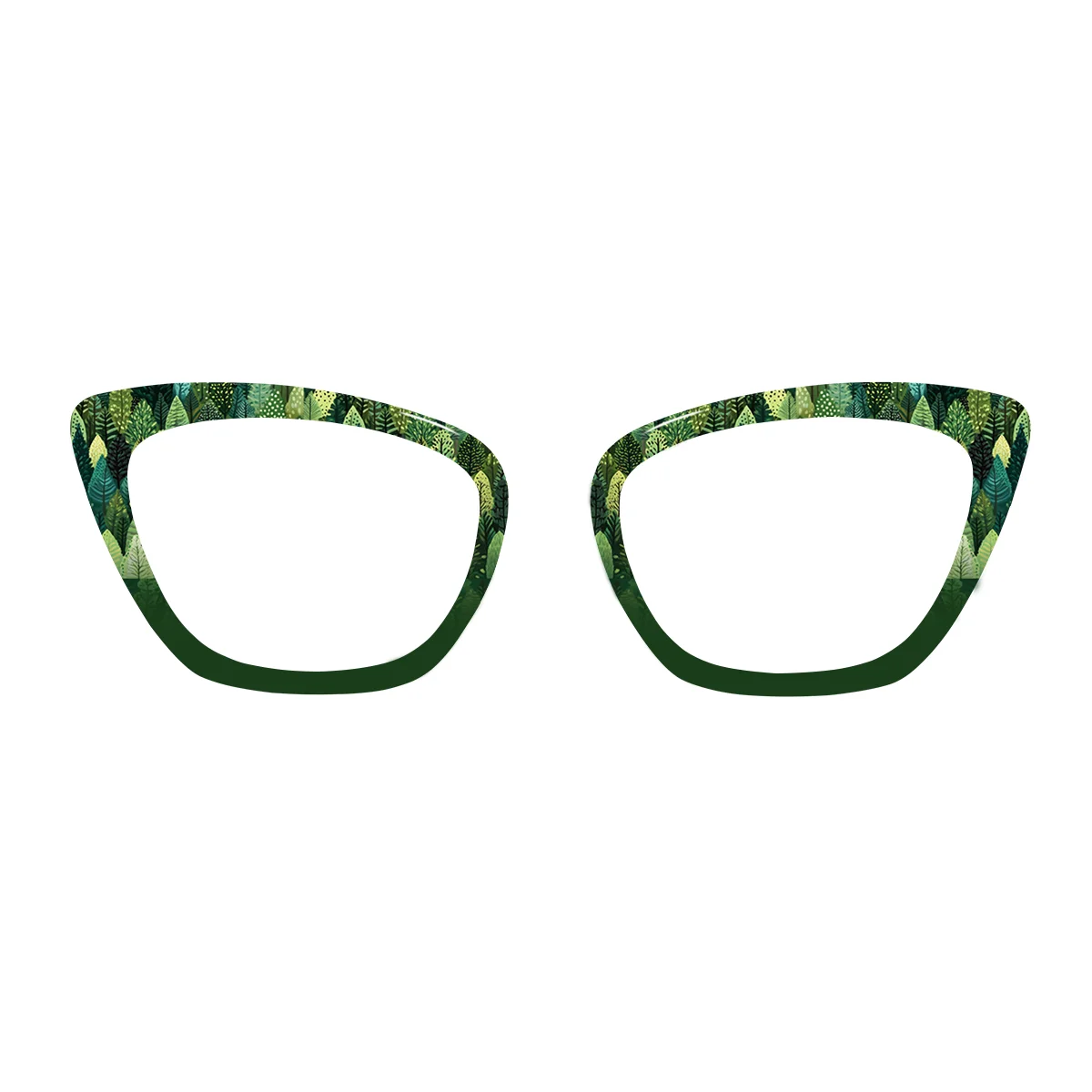
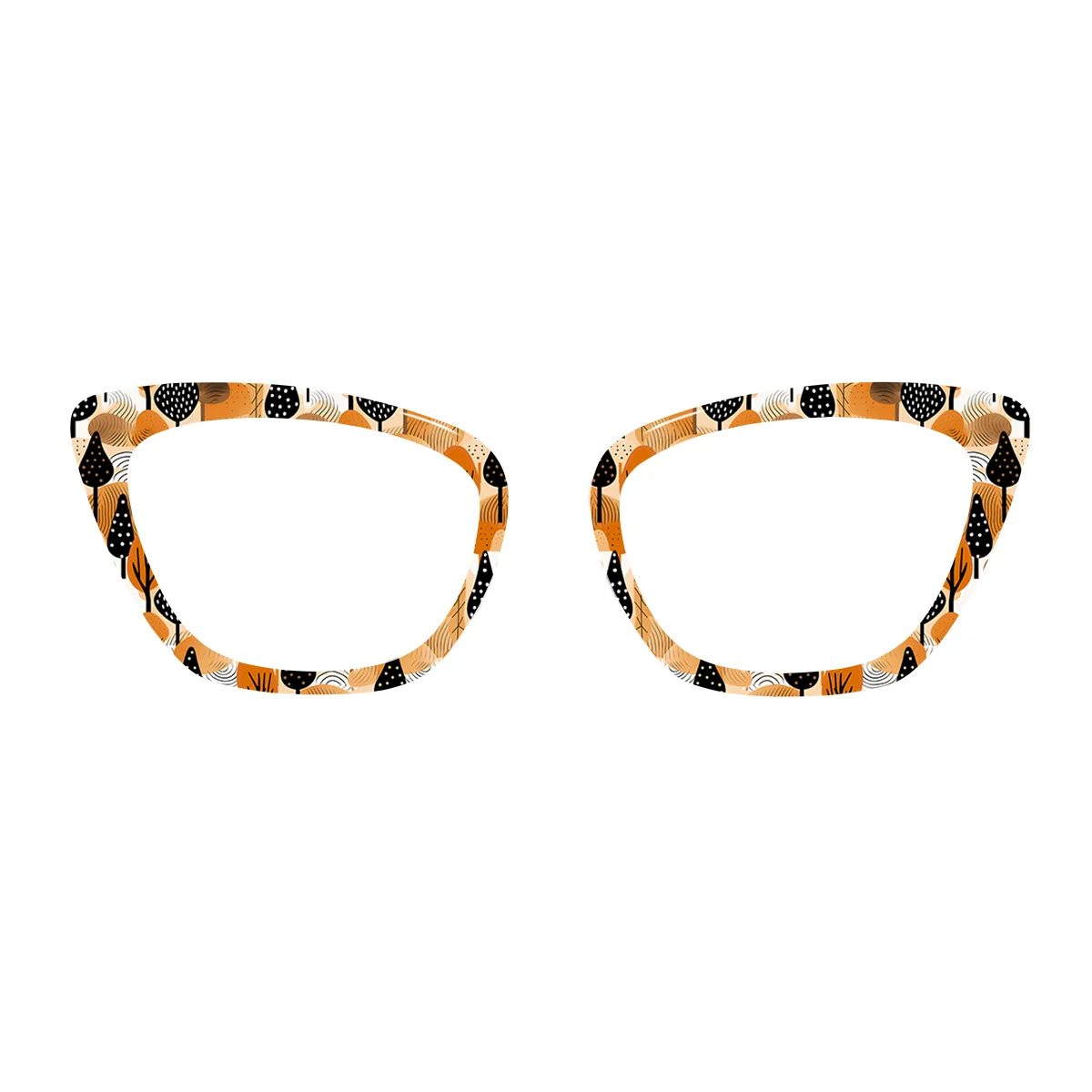
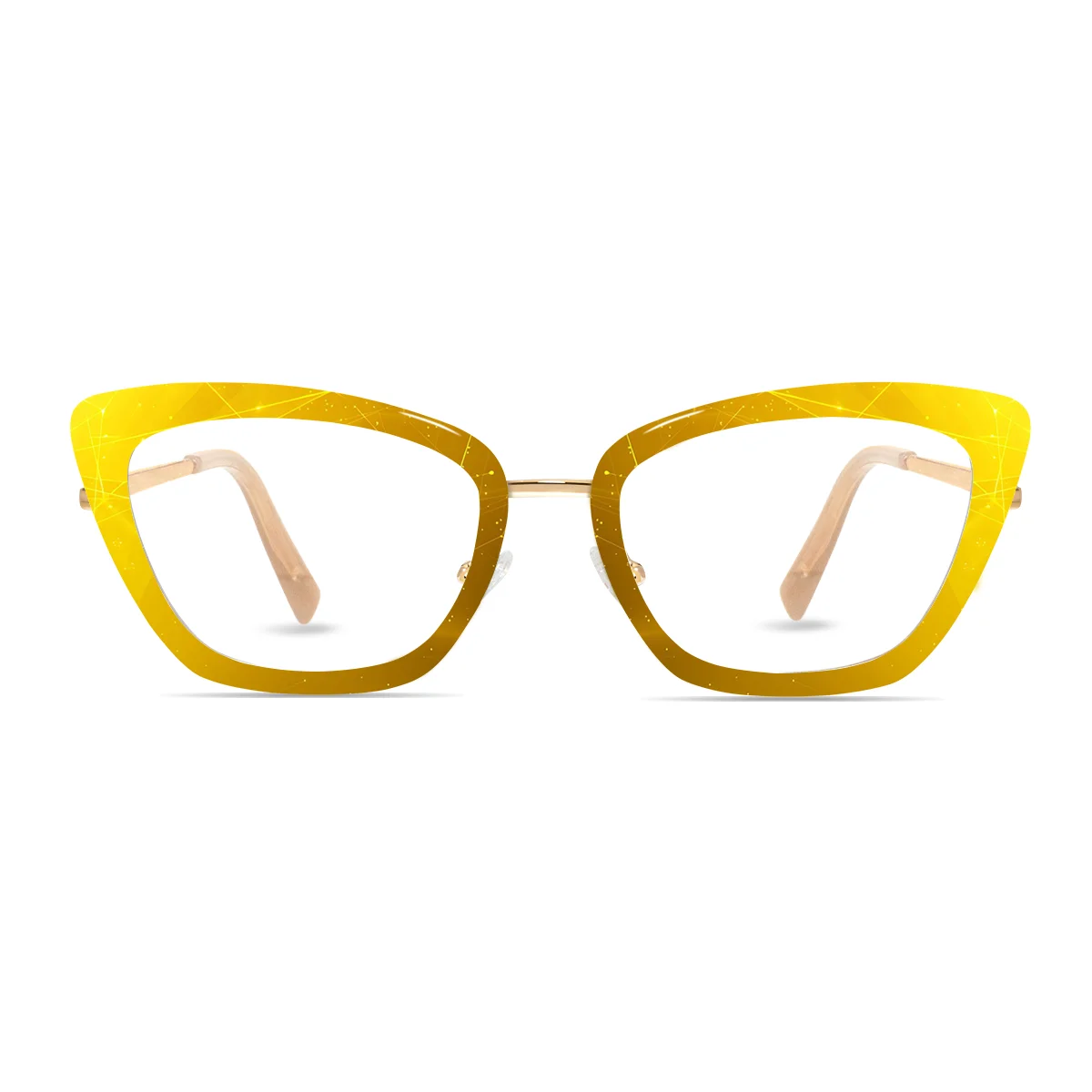
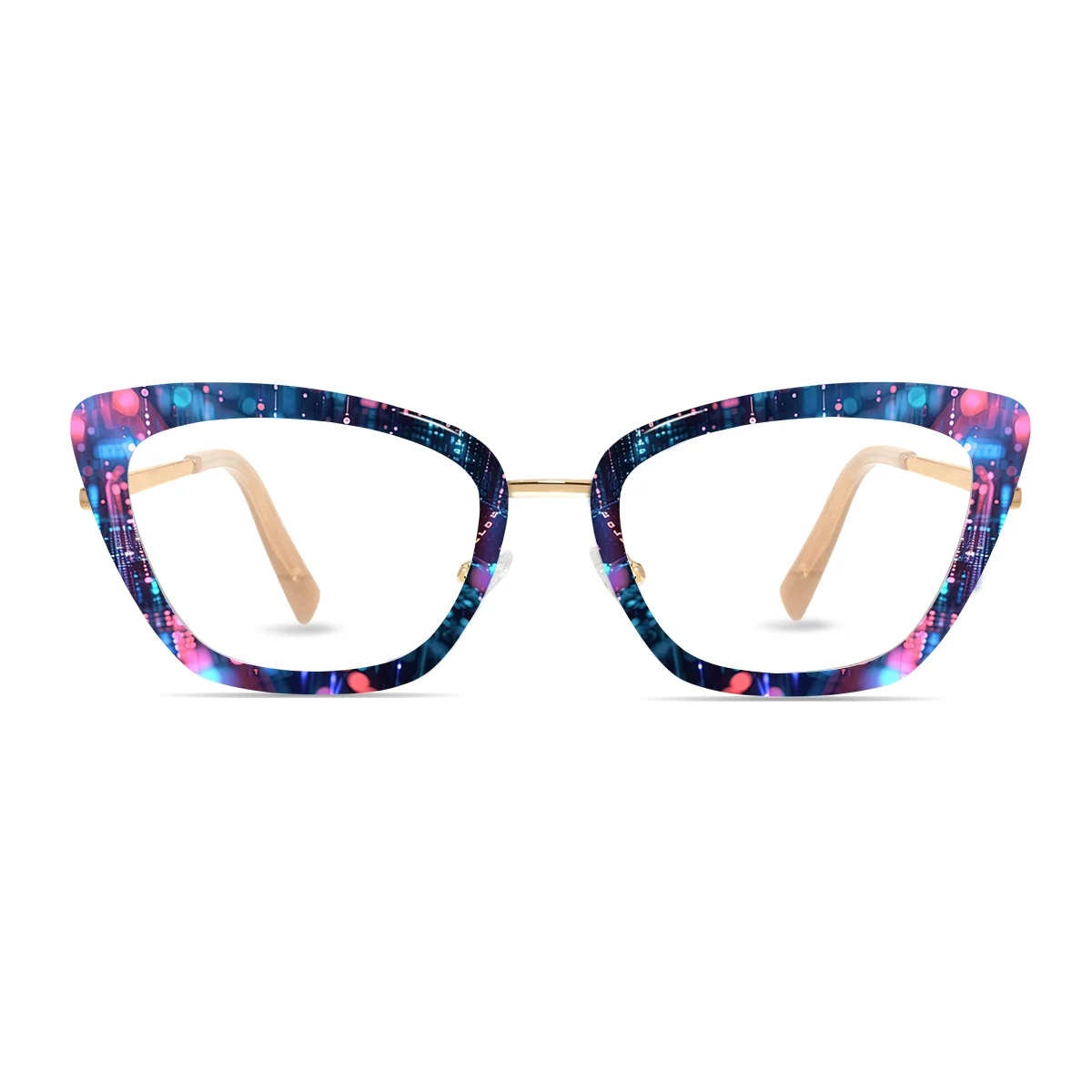


Mira Metallic Silver Cat Eye Base Frame
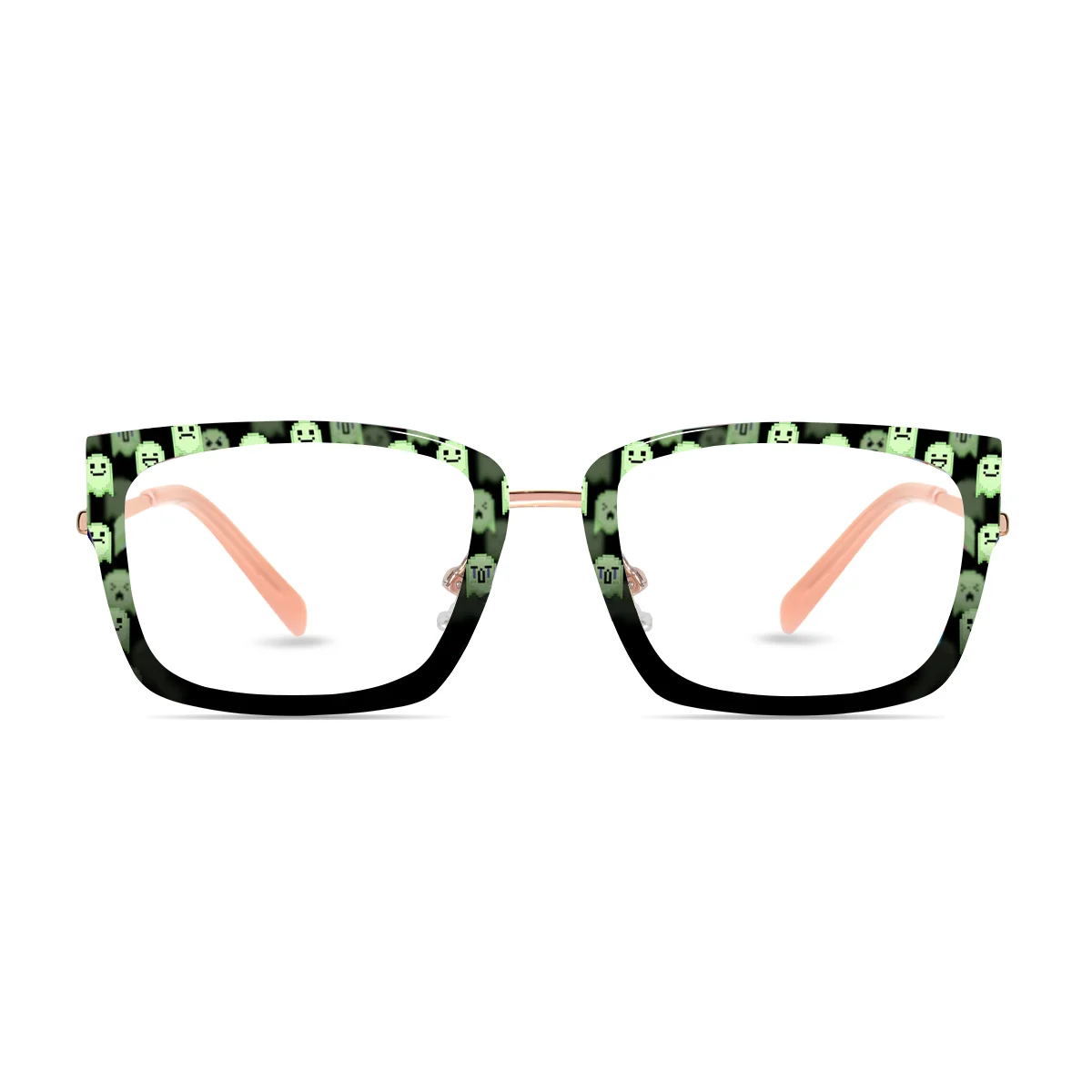
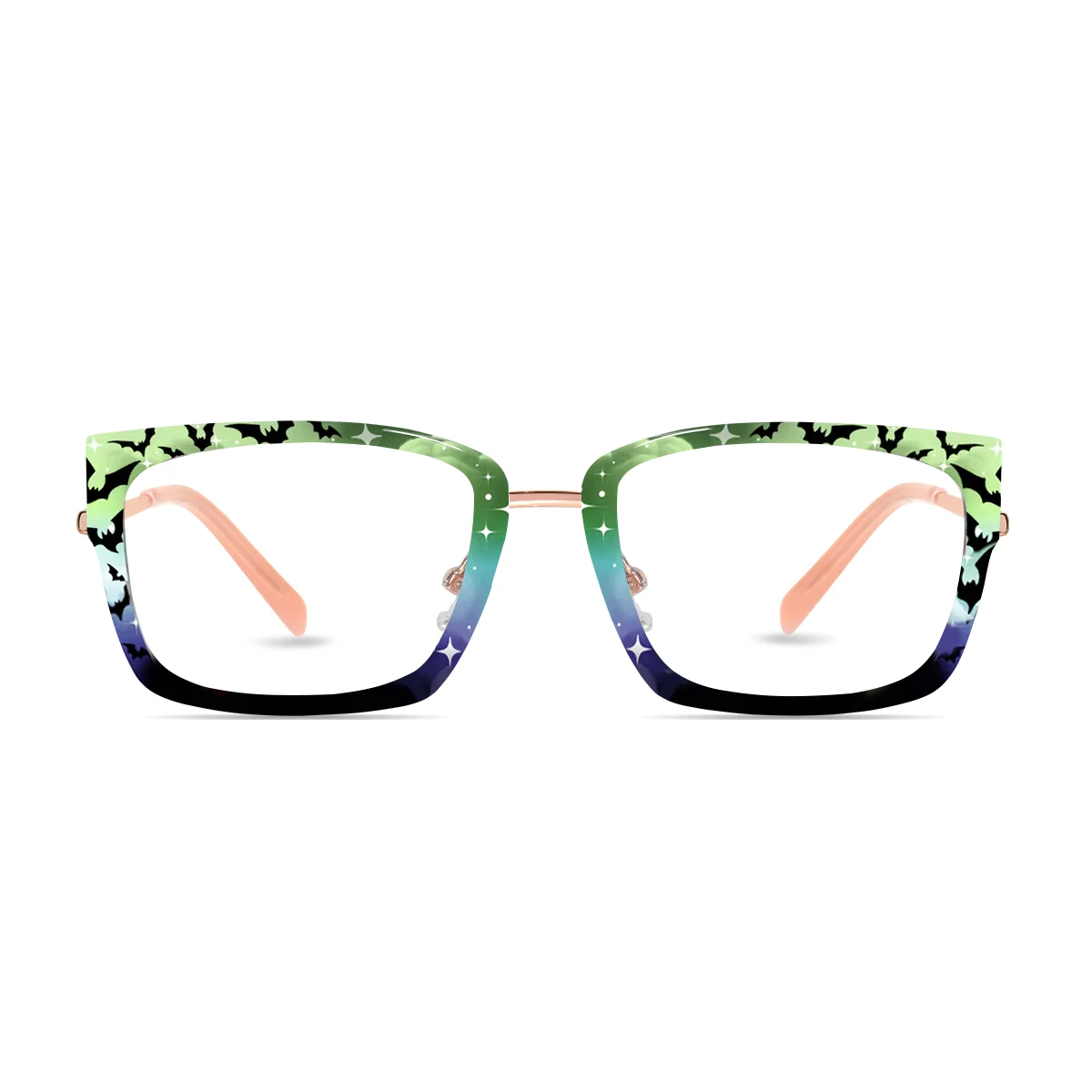
- Bone Rattle (PH01)
- Haunted Plaid (PH02)
- Pumpkin King (PH03)
- Night Sky Bat (PH04)
- Pumpkin Parade (PH05)
- Spooky Duo (PH06)
- Witch’s Cat (PH07)
- Mint Ghost (PH08)
- Dark Spell (PH09)
- Midnight Meow (PH10)
- Ghost Mosaic (PH11)
- Skull Storm (PH13)
- Wicked Glow (PH14)
- Haunted Gray (PH15)
- Phantom Mosaic (PH16)
- Midnight Dots (PH17)
- Haunted Medley (PH18)
- Nightmare Mix (PH19)
- Ghost Fade (PH20)
- Candy Curse (PH26)
- Ghost Drift (PH21)
- Pumpkin Fusion (PH22)
- Shadow Spirit (PH23)
- Spooky Toon (PH24)
- Demon Grin (PH25)
- Autumn Bloom (PH27)
Soline Combo | Rose Gold Base + Halloween Top Frame


Living a Multifaceted Life: How Custom Modular Eyewear Defines Your Personal Identity
Yet for years, eyewear has tried to force all these identities into one fixed frame.In a world where people change roles, moods,...
The Secret Weapon for Sculpting Your Face: How to Customize Eyewear Based on Your Cheekbones and Brow Shape
When it comes to elevating your appearance, most people think about hairstyles, makeup, or wardrobe upgrades. But there’s one transformative accessory that...
The Balance of Lightness and Strength: The Wearing Aesthetics of Mechanical Clip Eyewear
Eyewear has always lived at the intersection of function and expression. For centuries, glasses were designed primarily to correct vision, with aesthetics...
Are Pink Glasses in Style?
Pink glasses are a timeless symbol of charm and personality. They evoke feelings of compassion, love, and hope, making them a popular...
One-Second Color Switch
How to Match Your Glasses Frame to Today’s Outfit—EffortlesslyLet’s be honest.You don’t wear the same outfit every day.Some days it’s clean and...
“Five O’Clock Headache”: Could Custom Eyewear Be the Cure for Your Daily Fatigue?
Around 4:30 p.m., your focus softens. By 5:00 p.m., there’s a dull pressure behind your eyes. Your temples tighten. The screen feels...